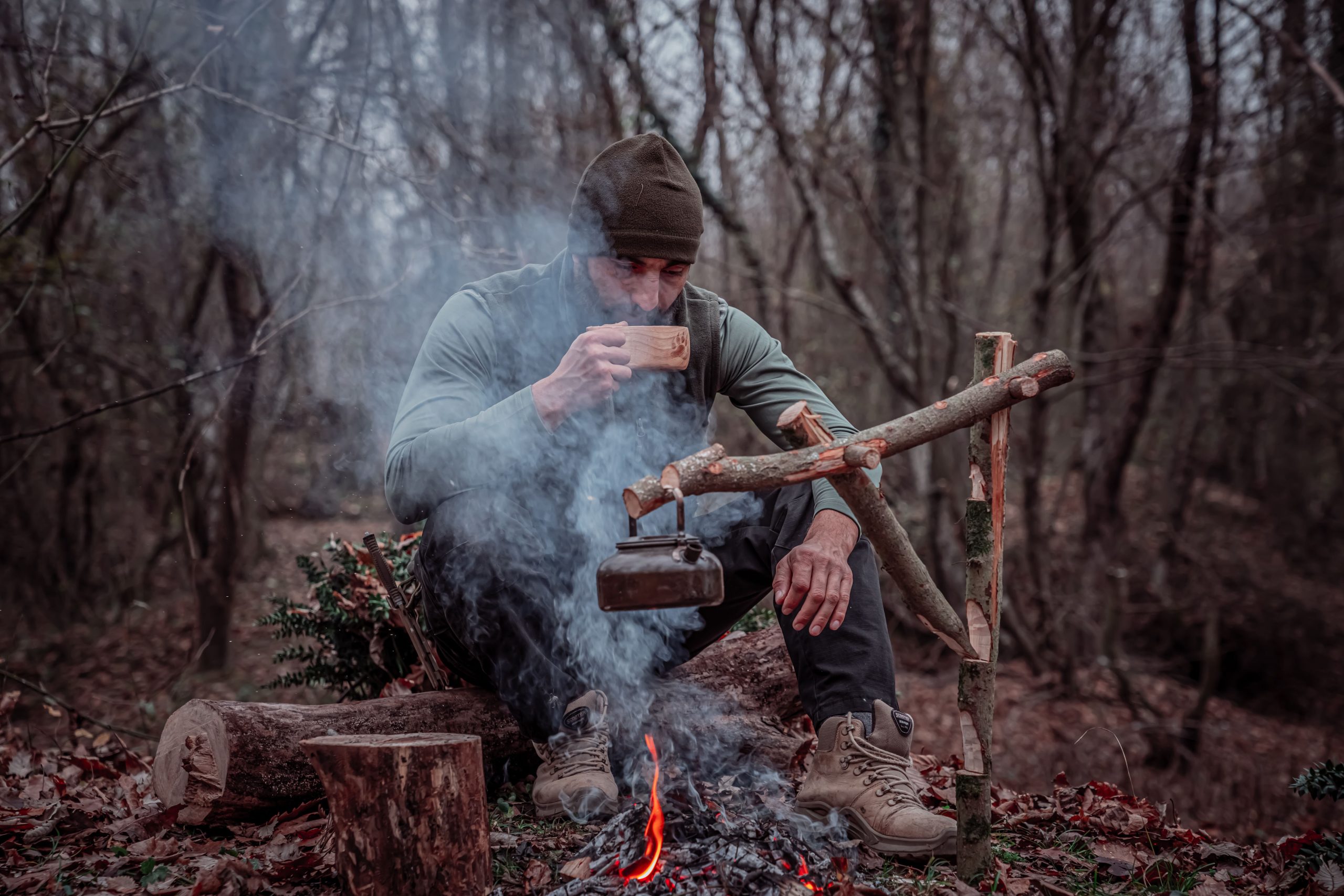
A multitool feels clever in the shop, with pliers, a screwdriver and a tiny blade all folded into one palm-sized gadget. Out in the woods, though, it asks you to do everything at half strength. Tasks like splitting wood, lighting a fire in drizzle or rigging shelter in fading light call for dedicated gear. These eight tools earn their place in the pack, and the weights, sizes, and costs below should help you choose well.
1. A Fixed-Blade Knife
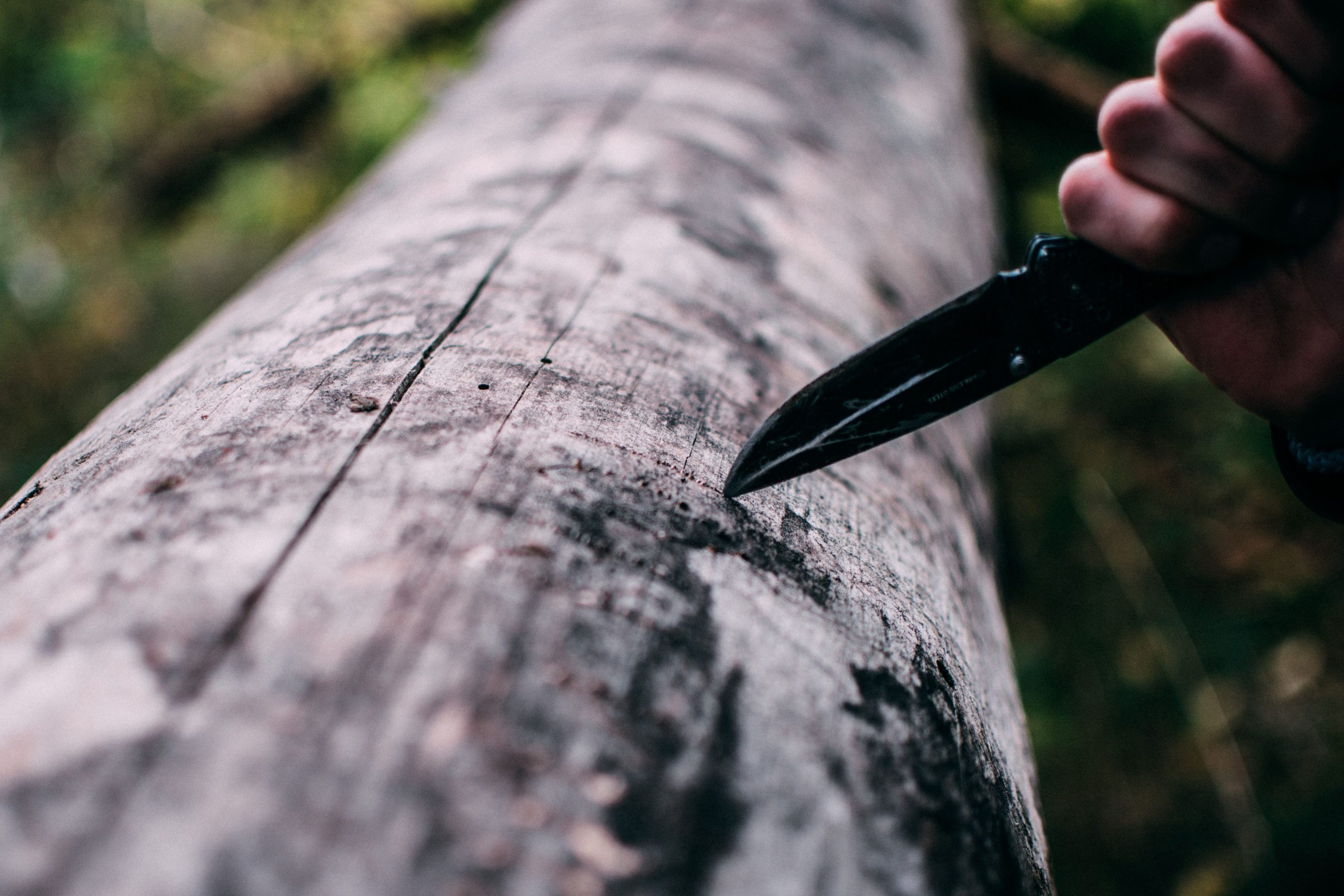
A fixed blade handles the jobs that make a folder shudder: splitting kindling, notching wood, and feathering sticks for a fire. Look for a blade around 104 mm long and 2.5 mm thick, with a Scandinavian grind that bites into wood without skating. A Morakniv Companion, for example, weighs about 88 g and costs under 20 dollars, yet it shaves tinder all day. Tang construction matters more than people admit, since batoning through a 10 cm log puts real leverage on the handle, and that is exactly where folding tools give up. Aim for 56 to 60 HRC hardness so the edge lasts but still sharpens in minutes on a plain stone. Budget about 20 minutes to learn clean feather sticks.
2. A Folding Saw
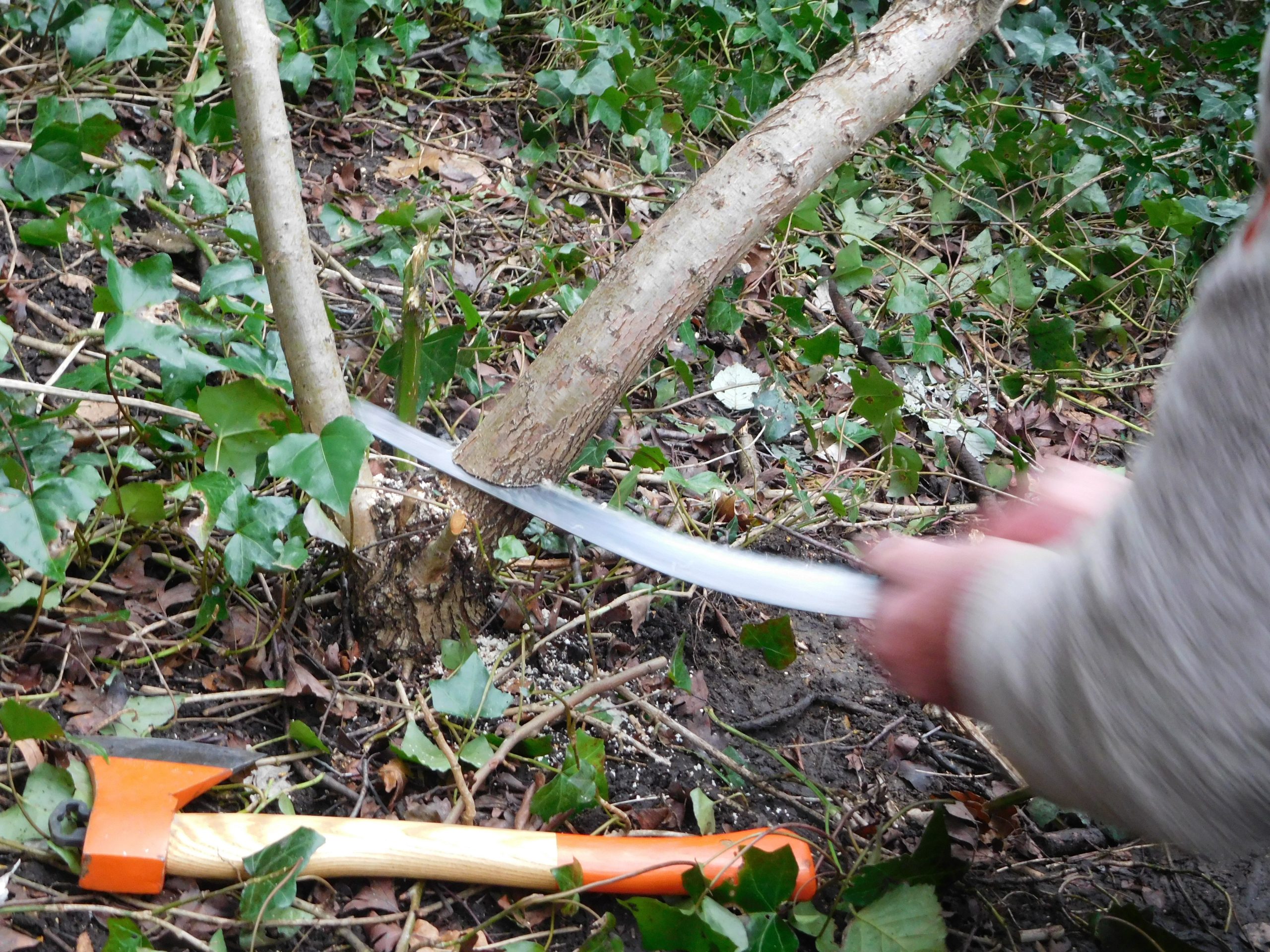
Where a knife grinds through wood, a folding saw simply cuts it. A Bahco Laplander carries a 190 mm blade and weighs under 200 g, yet it can drop a 10 cm green branch in roughly 60 seconds. Its aggressive teeth clear a path fast, which keeps your effort lower than with a multitool saw that is often just 6 cm of fussy serration. The lock matters here: choose a design that clicks firmly open and stays rigid when you lean into a cut. Replace the blade after about 20 hours of hard use, since dull teeth bind and wander. Carrying a spare blade costs roughly 8 dollars and adds only 30 g to the pack, which is a bargain for staying warm through a long night.
3. A Compact Hatchet
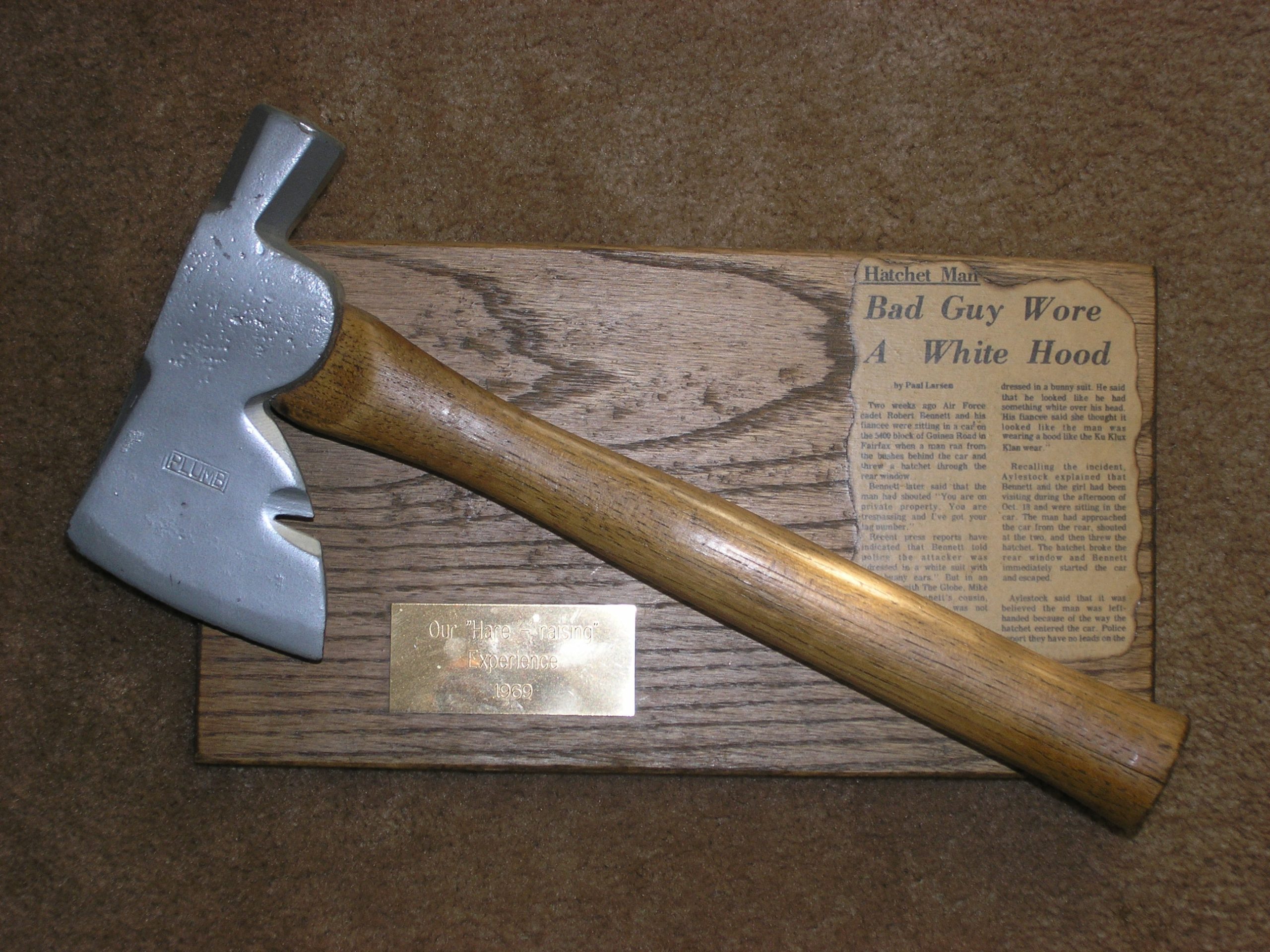
A hatchet earns its weight the moment the wood gets thicker than your wrist. Pick one with a 35 cm handle and a head near 600 g, which balances power against fatigue on a long trek. Swinging it into a 15 cm log splits the piece in about a dozen strokes, whereas a multitool blade would only chew at the surface. The steel should sit near 55 HRC, hard enough to hold a bite yet tough enough to survive knots and frozen branches. A sheath with a 2 mm leather or Kydex shell protects both the edge and your leg during the walk in. Expect to carry roughly 750 g in total, so reserve it for trips longer than two nights, when the fuel demand really climbs.
4. A Ferrocerium Fire Rod
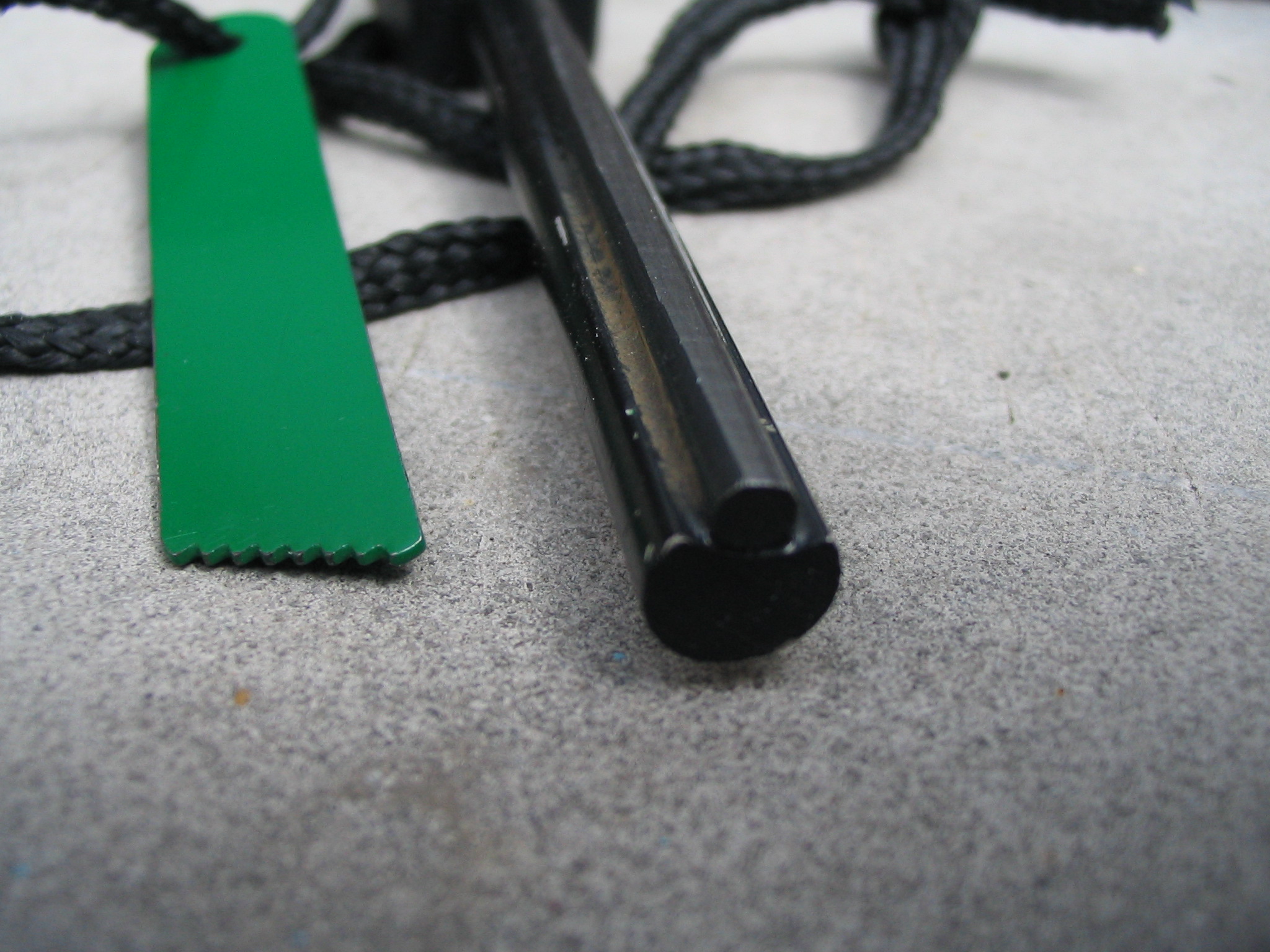
Lighters fail when they’re wet, cold, or empty, yet a ferrocerium rod keeps working regardless. A 12.7 mm thick rod throws sparks that reach roughly 3,000 degrees Celsius, and one rod delivers around 10,000 strikes, enough for several years of weekend trips. Scrape it with the spine of your knife at a steady 45-degree angle, pulling back instead of pushing forward so the tinder never scatters. Pair it with a pinch of fine cotton or a few cedar shavings, and you will usually see flame within 5 to 10 seconds. Strike it a few times at home first, because practice beats panic. The kit weighs about 45 g and costs near 15 dollars, which makes it the cheapest insurance in your pack.
5. A Hank of 550 Paracord
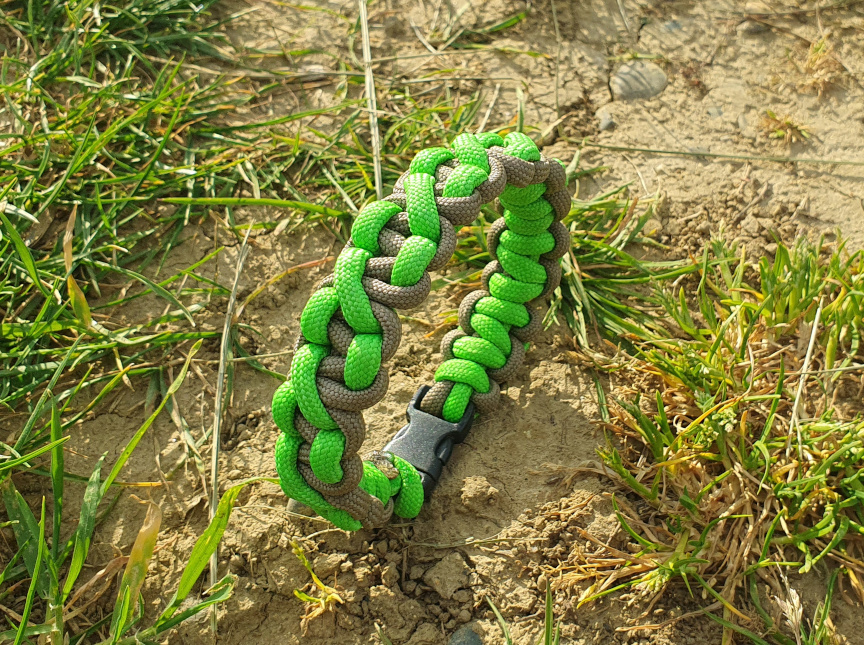
Good cordage turns a scattering of sticks into a shelter, a gear hoist, or a clothesline. Genuine 550 paracord is 4 mm wide, built from seven inner strands inside a woven sheath, and it holds about 249 kg (550 lb) before failing. A 30 m hank weighs roughly 250 g and costs around 12 dollars. Unwind the inner strands for sewing thread or fishing line, and you gain seven thin lines from every length. Practise two knots until they are automatic: the taut-line hitch for tensioning a ridgeline and the bowline for anything that must not slip. Multitools carry no cord at all, so this is purely additive weight that pays for itself in a single wet evening in the woods.
6. A Lightweight Tarp
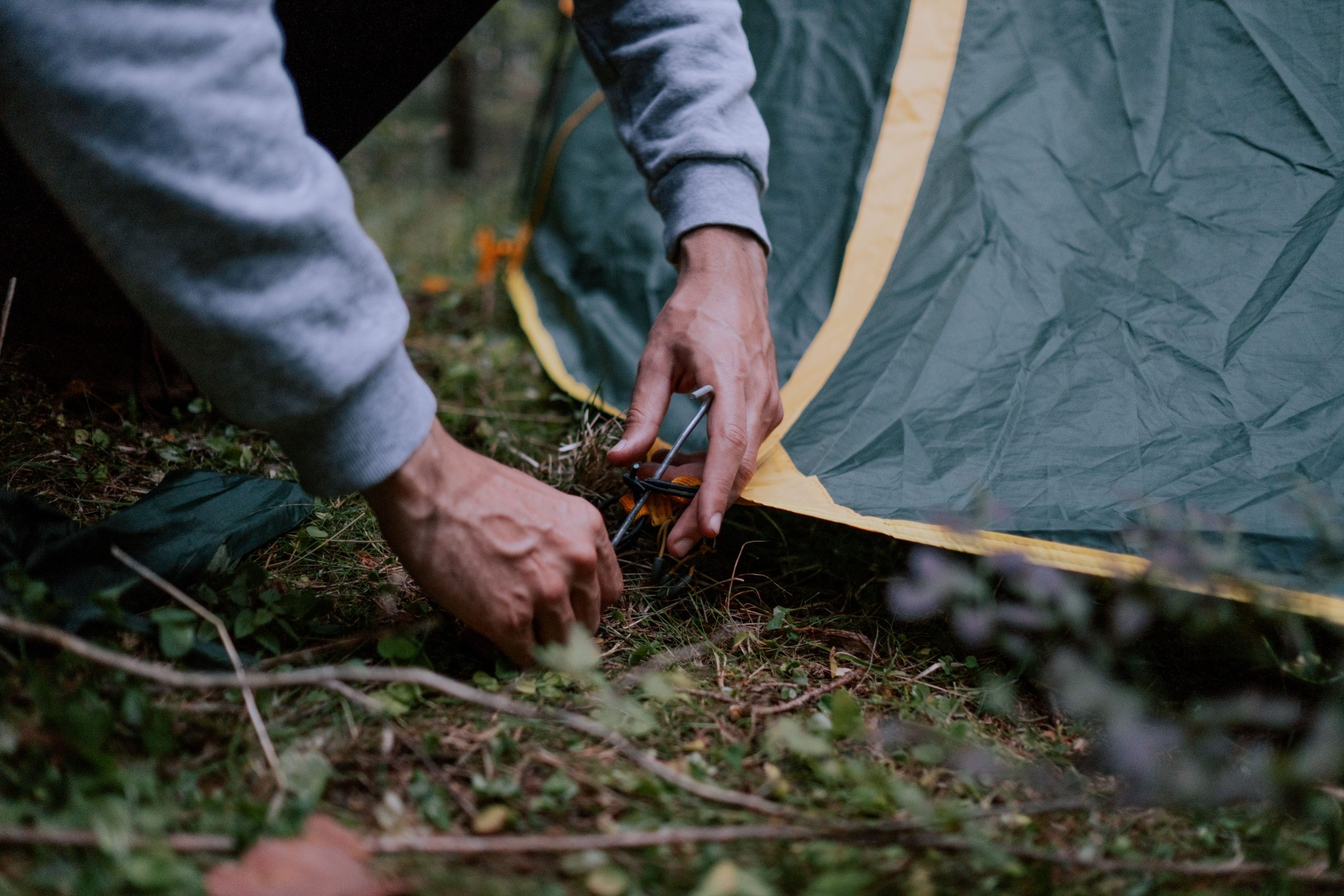
A tarp is the quickest roof you will ever pitch. A 3 m by 3 m (10 ft by 10 ft) ripstop sheet weighs about 600 g and packs down to the size of a loaf of bread. Rig it as an A-frame with the ridgeline strung roughly 1.2 m above the ground, then angle one side lower to shed rain and wind. Getting wet and windy makes hypothermia possible even at 10 degrees Celsius, so a dry overhead panel changes your whole night. Add six stakes and 10 m of cord, and setup takes under 5 minutes once practised. Silicone-coated nylon is the lighter option, though it stays slick, so tie knots with a few extra turns. No multitool offers anything close to this kind of protection.
7. A Stainless Steel Water Bottle
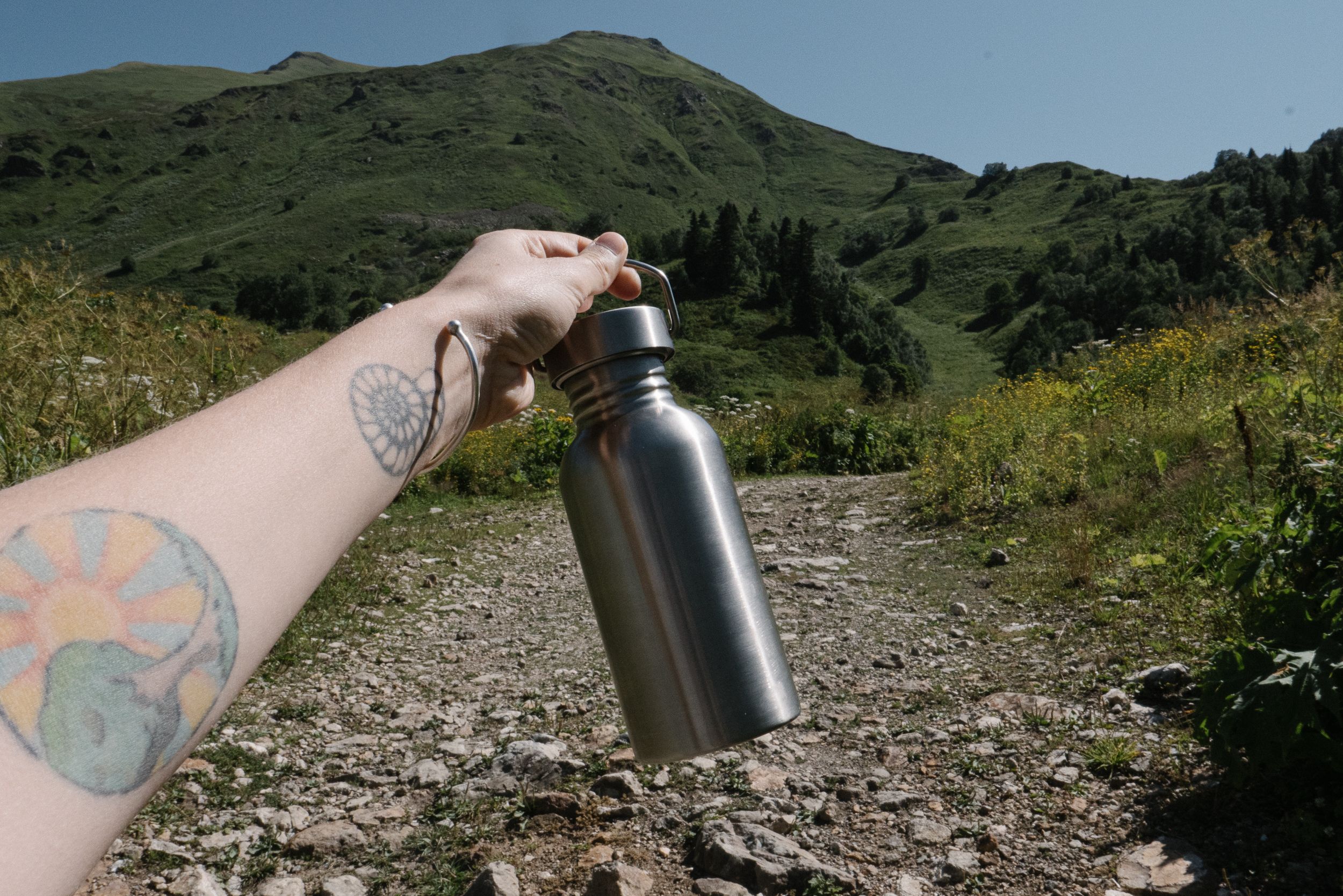
A single-wall stainless bottle doubles as a pot, a kettle, and a hot-water bottle for your sleeping bag. Choose a 1 litre model weighing about 200 g, with no plastic coating, so it can sit directly on coals. Boiling water for 1 minute makes it safe to drink, or 3 minutes above 2,000 m, where water boils at a lower temperature. A rolling boil over a small fire takes roughly 10 minutes for a full litre, so start it while you build camp. A wire bail handle, usually 3 mm steel, lets you hang it over flames without scorching your fingers. Carry two bottles if your route has gaps of more than 15 km between streams, because each person needs about 2 to 3 litres a day when walking hard.
8. A Reliable Headlamp
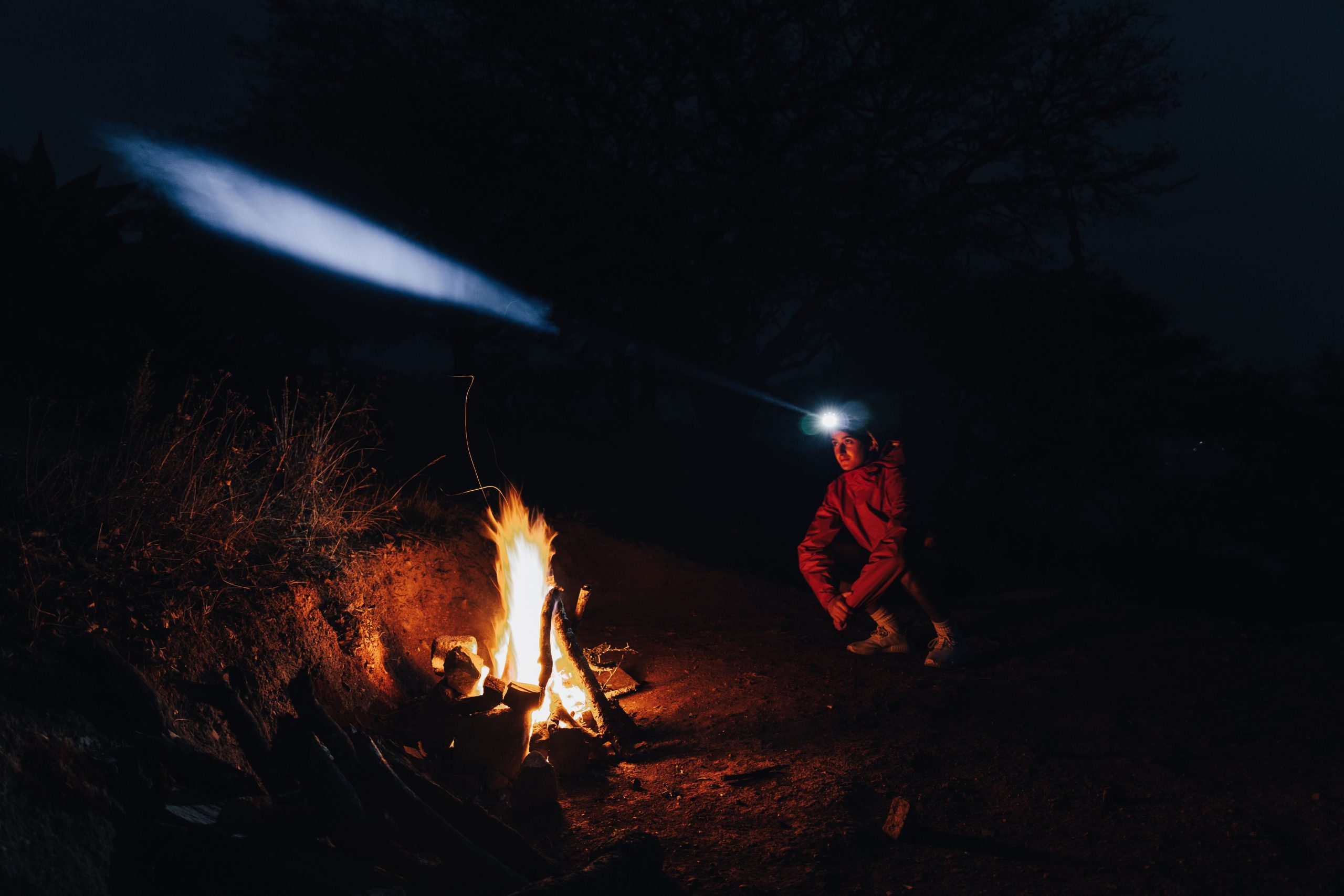
Darkness arrives early in the woods, and fumbling with a phone torch wastes both battery and a free hand. A good headlamp puts out about 300 lumens, weighs near 85 g with batteries, and runs roughly 40 hours on its low setting. Keep a red mode for reading maps, because it protects your night vision and spares your tentmates. Rain resistance rated IPX4 or higher is worth insisting on, and three AAA cells are easier to replace than a built-in pack. Stash a spare set in your kit, weighing roughly 35 g, and swap them before long trips. Test it for 10 minutes at home with fresh cells so you know the real brightness curve. Few things lift morale faster than steady light after sunset.