A successful taxidermy mount involves far more than preserving an animal’s hide and placing it on a form. Every species presents different challenges, from matching natural facial expressions to recreating the fine details of feathers, fur, and horns. Even a small mistake in positioning can make a trophy look unnatural, despite hours of skilled work. Large animals introduce additional problems involving weight, proportions, and display space, while birds demand careful attention to feather patterns. These 7 trophies stand out for the precision, experience, and patience required to produce convincing results.
1. African Cape Buffalo
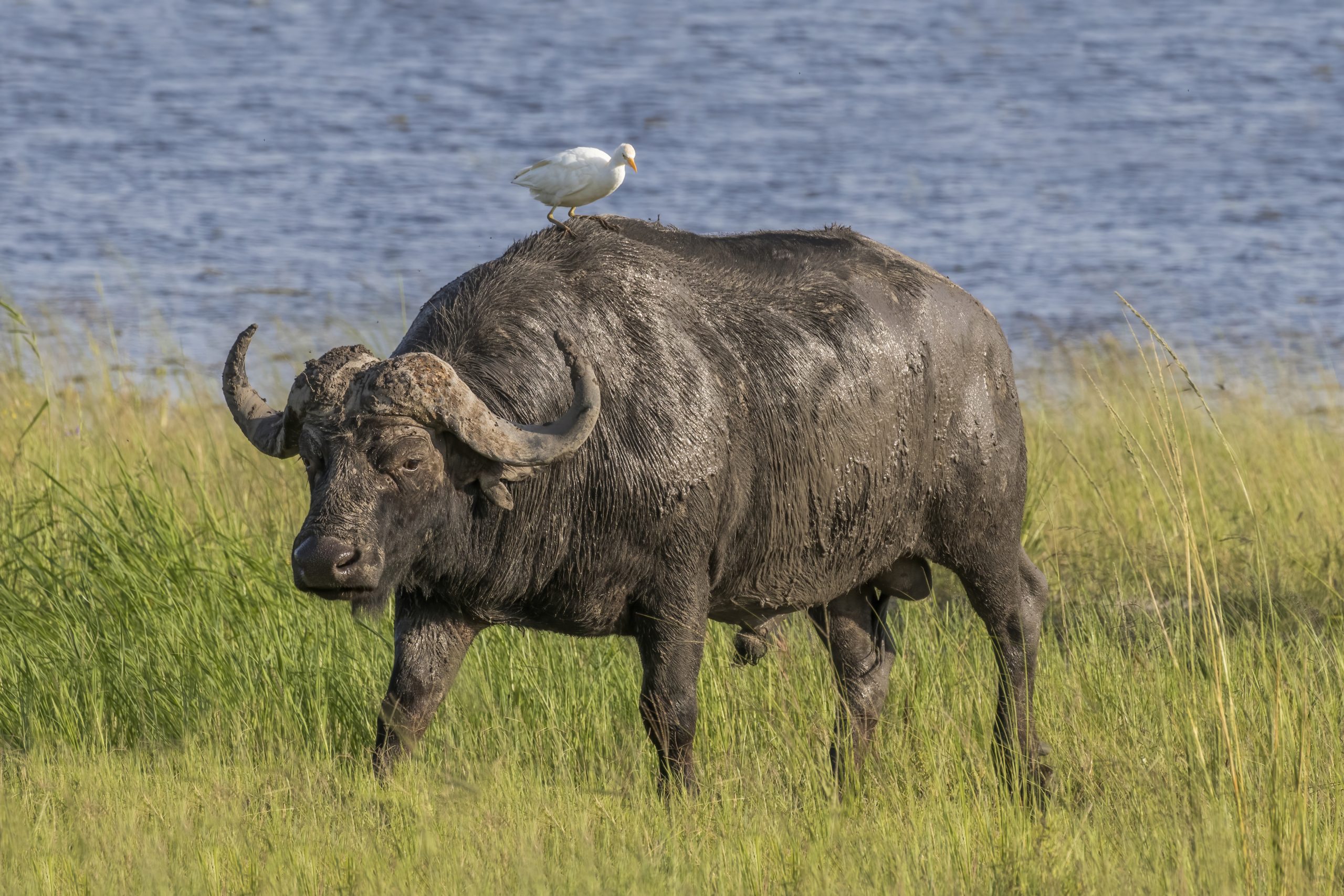
An African Cape buffalo presents several challenges because of its massive head, dense hair, and distinctive horn boss. Adult bulls can weigh around 1,500 to 2,000 pounds, making the finished shoulder mount particularly demanding to handle and position. Taxidermists must reproduce the broad forehead, heavy folds of skin, and natural direction of the hair without making the animal appear stiff. The horns also require careful alignment because even a slight difference in their angle can distort the trophy’s appearance. Proper skin preparation, accurate measurements, and a strong mounting structure are essential for a balanced, lifelike result.
2. North American Mountain Lion
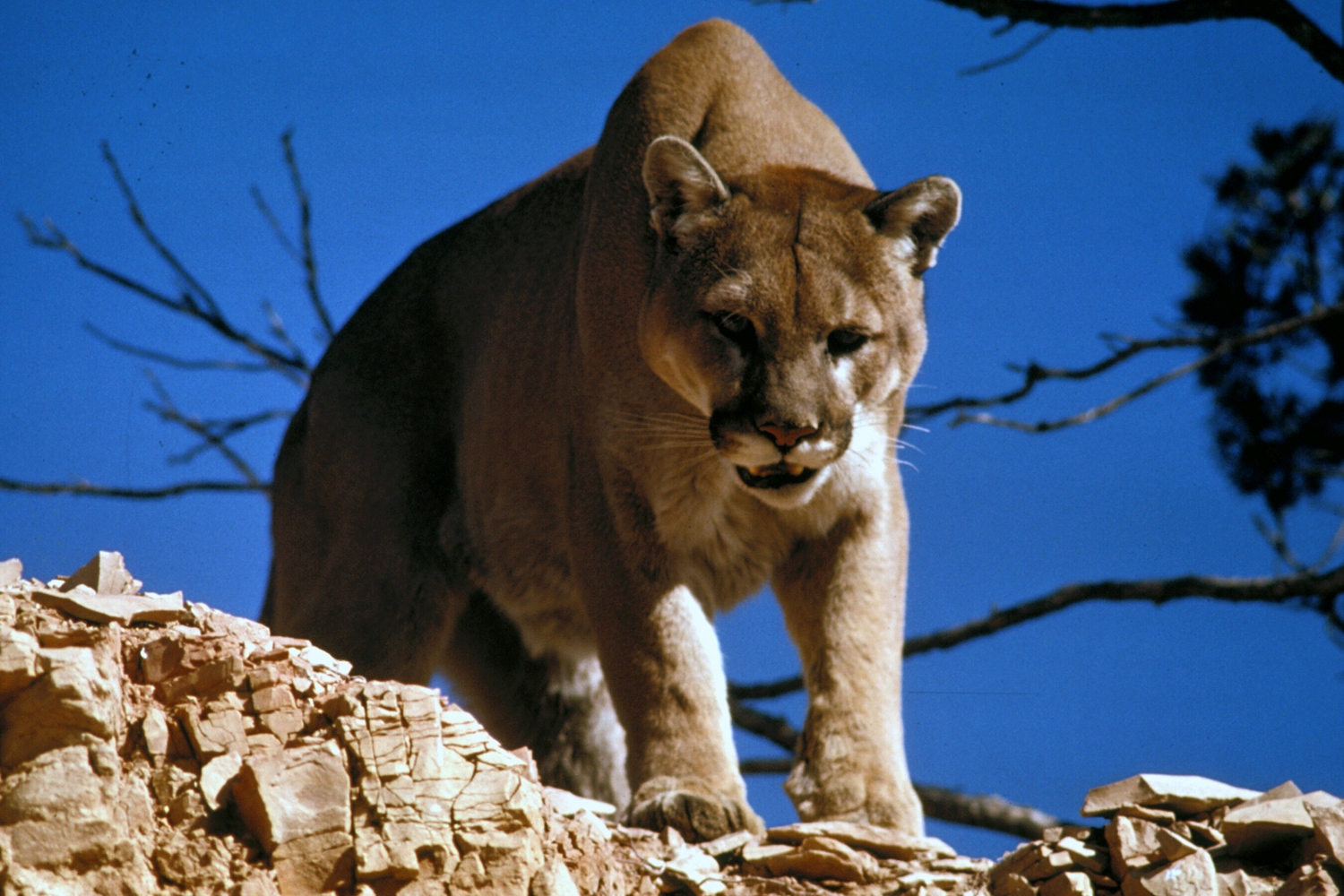
A mountain lion is difficult to mount convincingly because its appeal depends on subtle facial details rather than oversized antlers or dramatic horns. Adult males may measure about 7 to 8 feet from nose to tail tip, and that long, slender profile must remain believable in the finished display. Taxidermists pay close attention to the rounded ears, pale muzzle, whisker patterns, and muscular shoulders. The short coat offers little room to hide errors in skin positioning or facial shaping. If the eyes are set incorrectly or the mouth appears too tense, the animal can lose its characteristic alert expression. Achieving a natural pose takes considerable anatomical knowledge.
3. Dall Sheep
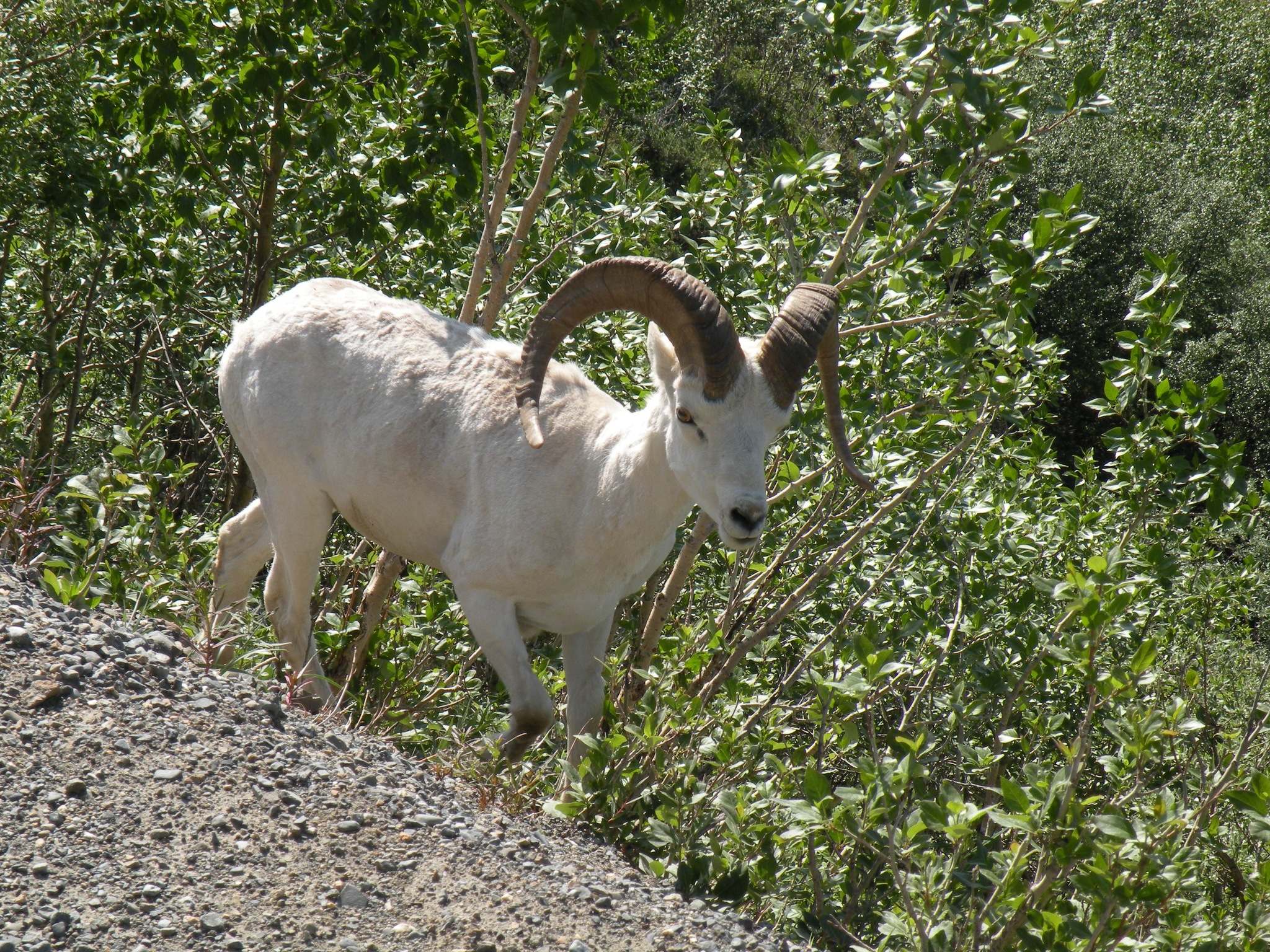
A Dall sheep presents a demanding combination of pale wool, delicate facial features, and enormous curled horns. Mature rams can carry horns that extend beyond 30 inches along the curve, depending on the individual and the measurement method. Their distinctive shape makes symmetry especially important, although perfectly identical horns would not reflect every animal’s natural appearance. Taxidermists must preserve the transition between the white coat, darker facial markings, and exposed horn bases. The skin around the nose and eyes also needs careful fitting because small wrinkles can become obvious against the light-colored hair. Correct horn placement and natural head posture help maintain the trophy’s distinctive mountain character.
4. Wild Turkey
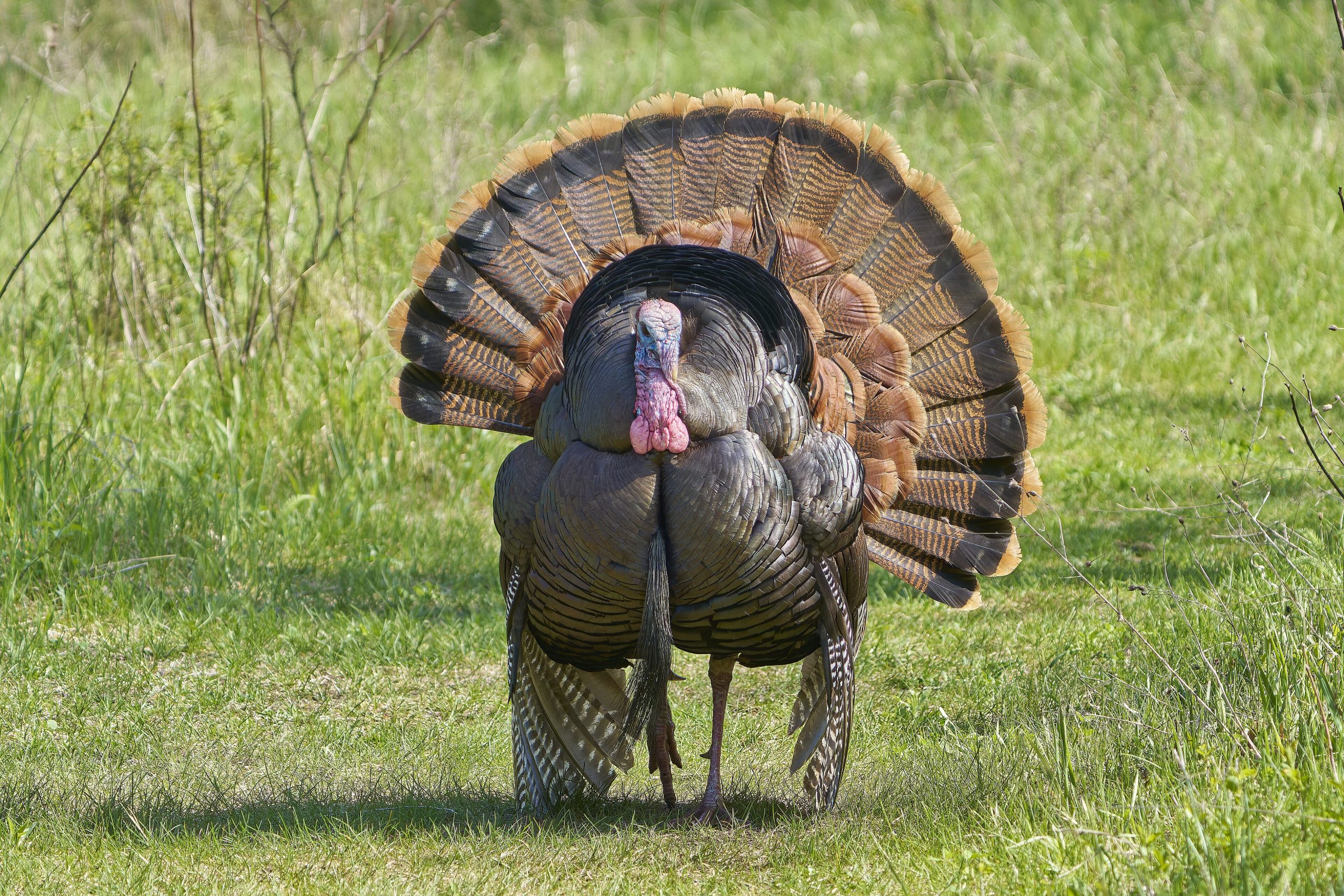
A wild turkey is challenging because its visual impact depends on several different textures working together. A mature gobbler may have a beard measuring 8 to 12 inches, while its tail fan can contain around 18 feathers. Taxidermists must arrange those feathers so their natural spacing, overlapping pattern, and individual shapes remain convincing. The iridescent body feathers, bare head, snood, and wattles require separate attention because each feature responds differently to handling and preservation. Tail feathers can become bent or damaged, and poorly positioned wings may make the bird look flat. A convincing mount depends on accurate anatomy, careful feather grooming, and a pose that reflects the turkey’s natural behavior.
5. Polar Bear
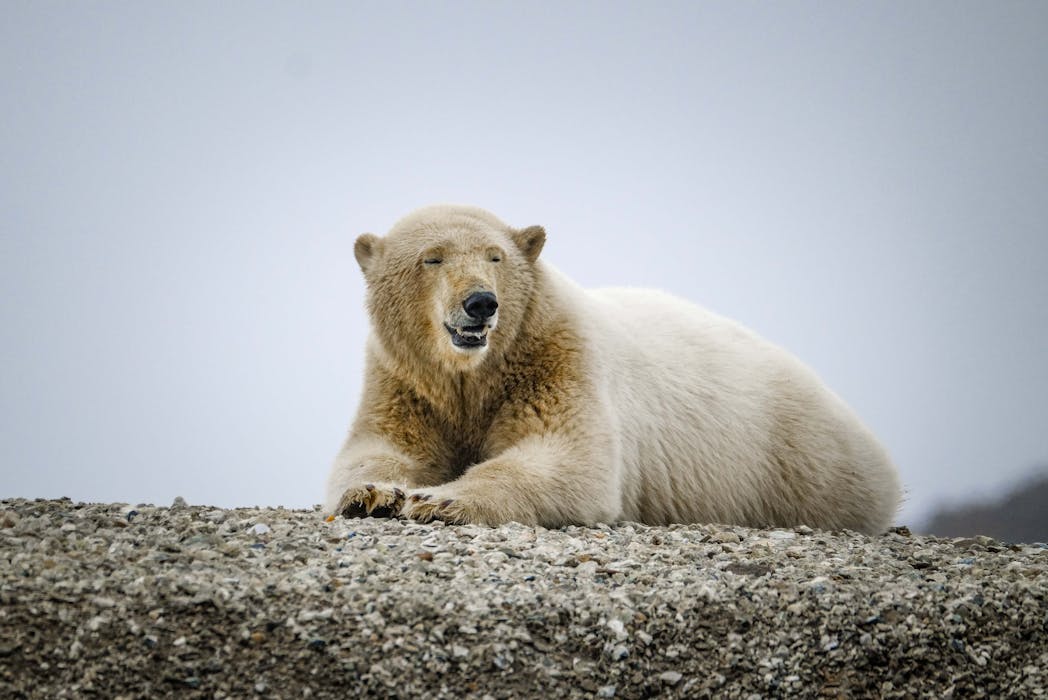
A polar bear is among the most demanding mammals to mount because of its enormous size, dense coat, and distinctive facial structure. Large adult males can weigh more than 1,000 pounds, although size varies considerably by population and individual. The taxidermist must create a sturdy internal structure capable of supporting the finished mount while maintaining the animal’s natural proportions. White or cream-colored fur can reveal dirt, uneven grooming, and poor hair direction more readily than darker coats. The small ears, broad muzzle, heavy neck, and large paws must also be positioned accurately. Because a full-body mount occupies substantial space, planning the pose and display area is essential before work begins.
6. Ring-Necked Pheasant
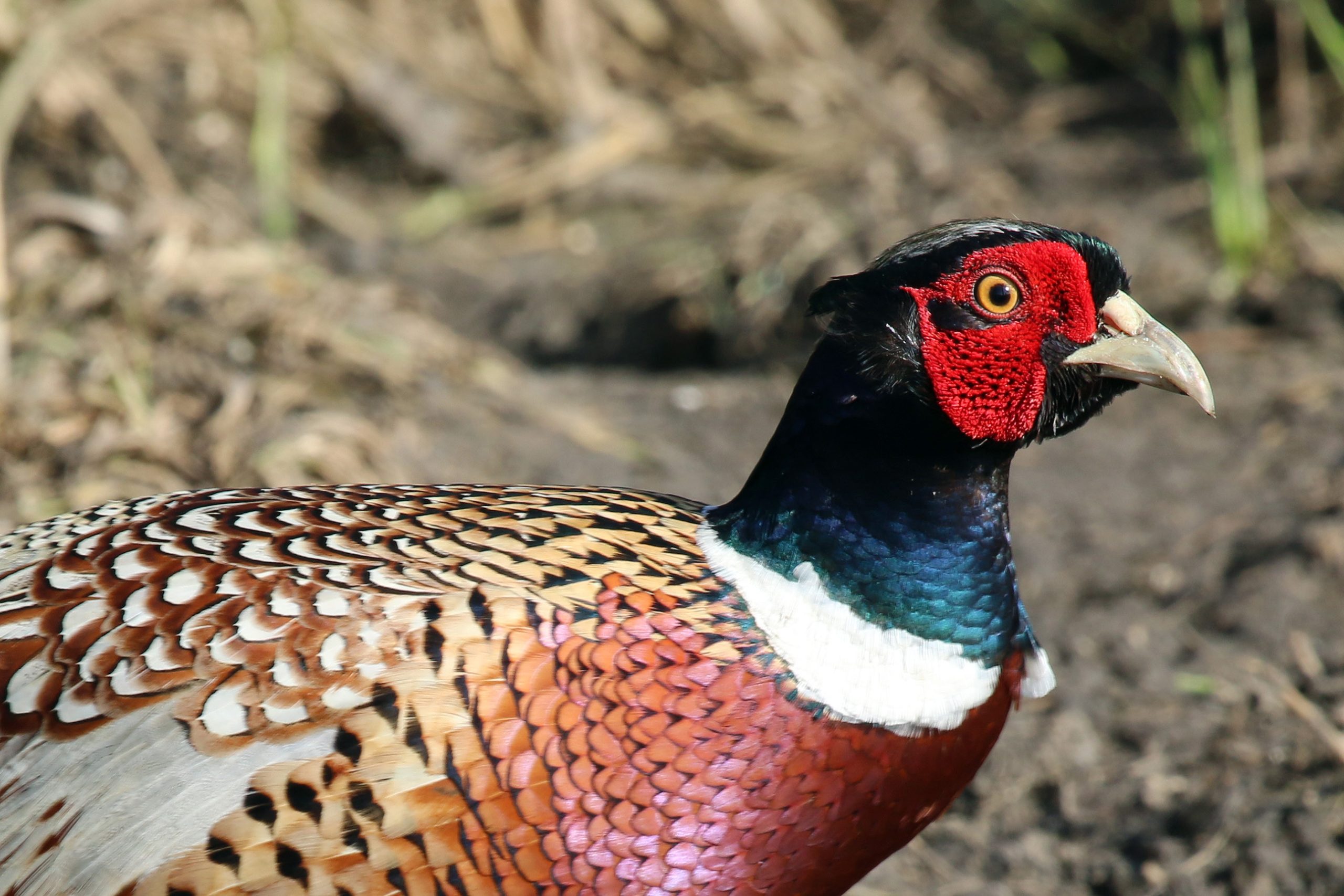
A ring-necked pheasant can be surprisingly difficult to mount despite being much smaller than many mammal trophies. A mature male commonly measures around 30 to 36 inches in total length, including its long tail. That tail must be supported and arranged carefully to prevent drooping, twisting, or an unnatural fan shape. The bird’s copper-colored body, greenish head, white neck ring, and fine feather markings create a demanding mix of colors and textures. Even slight damage to individual feathers can disrupt the overall appearance. Taxidermists must also position the wings and legs in a balanced way, ensuring the finished bird looks alert and naturally proportioned rather than posed like a rigid ornament.
7. Moose
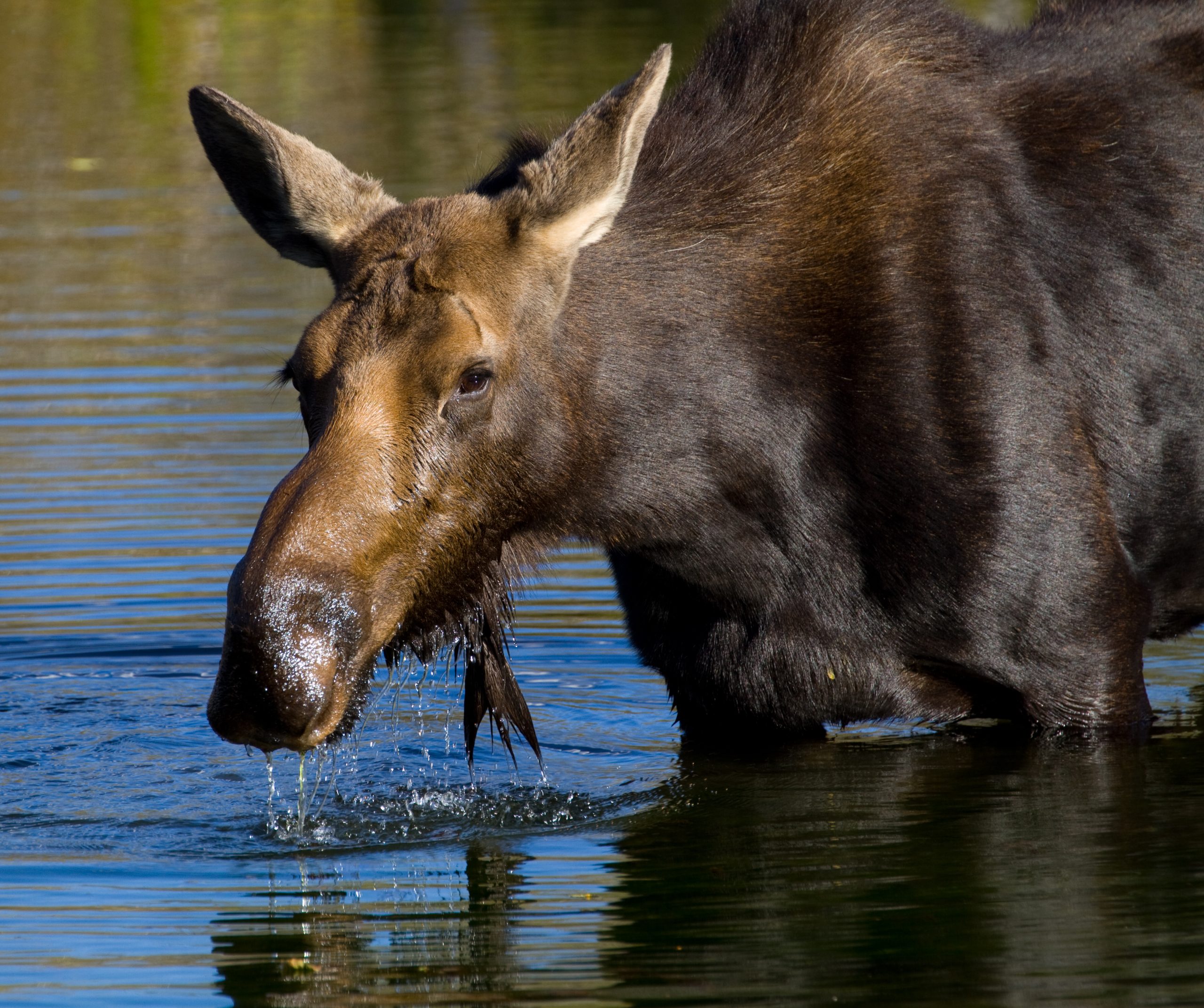
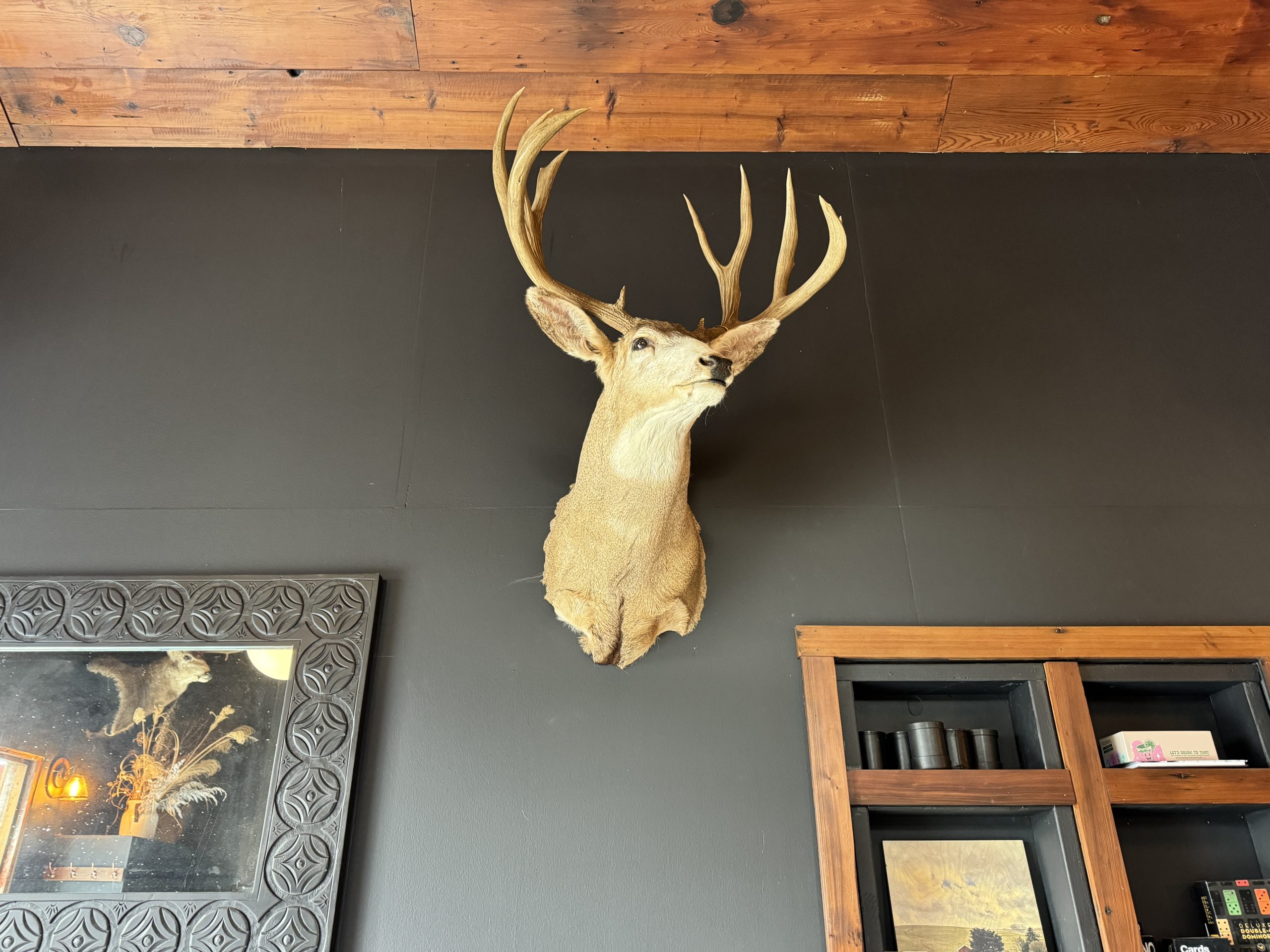
A moose presents one of the biggest structural challenges in trophy taxidermy because of its enormous head, long muzzle, and broad palmate antlers. Mature bulls may carry antlers spanning 50 to 60 inches or more, depending on the subspecies and individual. Their weight and width make correct positioning especially important, since an uneven mount can appear unbalanced from several viewing angles. Taxidermists must also reproduce the prominent nose, hanging dewlap, thick neck, and distinctive facial contours. Fitting the hide around these features without visible folds requires patience and accurate preparation. A strong internal support system and careful antler alignment help preserve the animal’s impressive proportions.