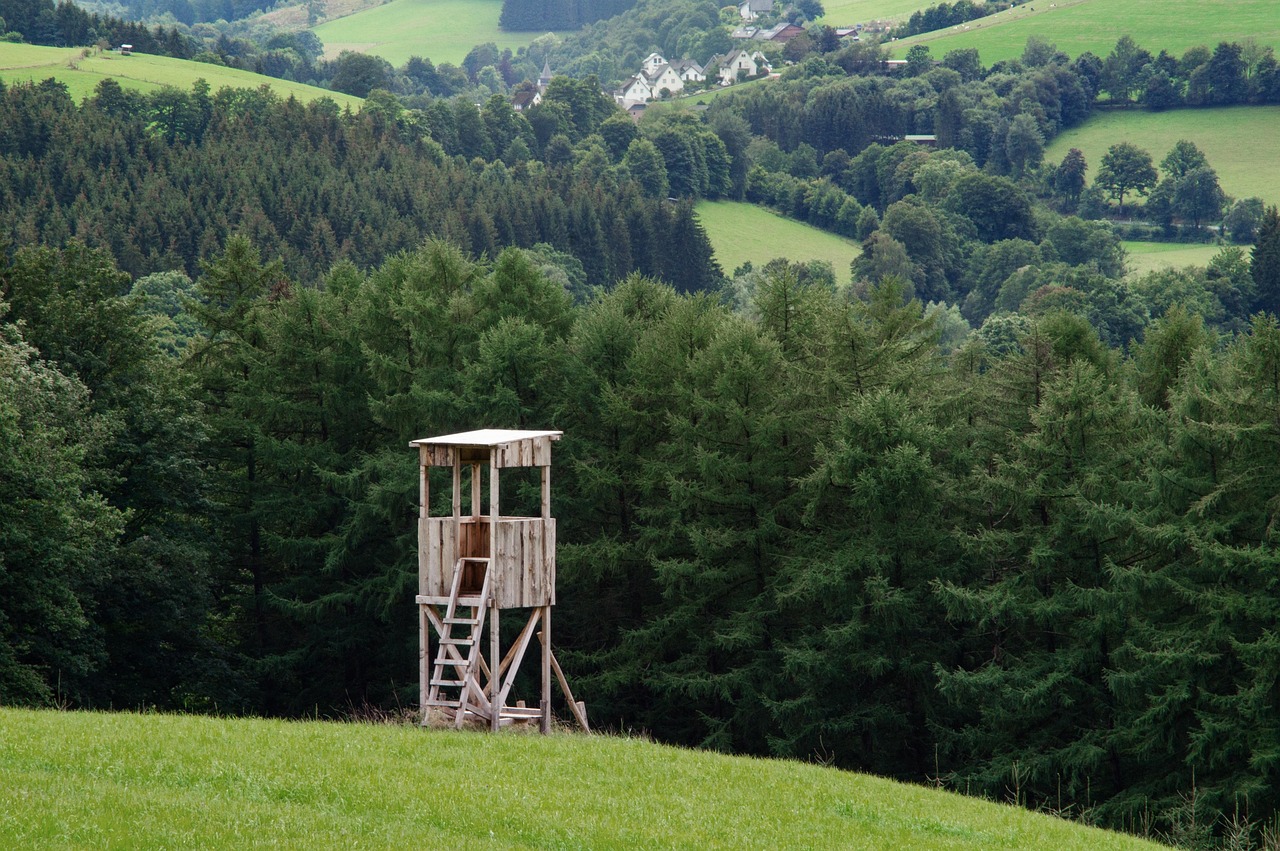
Finding a hunting stand on your land that you did not put there can feel equal parts unsettling and infuriating. In that moment, many owners act fast, but not always wisely. This gallery breaks down the common missteps that can create legal, safety, and neighbor problems, and explains the smarter way to respond.
Assuming it is automatically abandoned

A stranger’s stand may look forgotten, weathered, or poorly placed, but that does not mean it is abandoned in the legal sense. In many places, personal property does not become ownerless just because it has been left on someone else’s land without permission.
That matters because acting on assumptions can turn a trespass issue into a property dispute. If you immediately claim it, sell it, or destroy it, you may create a new problem for yourself. The better first move is to document what you found and treat it as evidence of unauthorized use, not as free gear waiting to be taken home.
Removing it before documenting anything

When people are angry, they want the stand gone right away. That reaction is understandable, but skipping documentation can erase useful proof about where it was, how it was secured, and whether the setup suggests repeated trespass.
Take clear photos from multiple angles, including the surrounding area, nearby trails, boundary markers, and any identifying labels. Make note of the date, time, and exact location on your property. If law enforcement or a game warden gets involved later, those details can help establish a pattern and save you from relying on memory after the fact, which is rarely as reliable as people think.
Confronting the person in the woods

Catching someone near the stand can tempt a landowner into an immediate face to face confrontation. But remote wooded areas are exactly where emotions, misunderstanding, and the presence of weapons can make a bad encounter spiral fast.
Even if you feel fully within your rights, safety has to come first. It is usually smarter to avoid escalating alone in the field and instead contact local authorities, a conservation officer, or whoever handles trespass complaints in your area. A calm, documented report does more for your position than a heated argument ever will, especially if the other person later tells a very different version of what happened.
Ignoring local trespass and hunting laws

Many landowners assume the answer is simple because it is their land. But trespass rules, posted land requirements, stand tagging laws, retrieval rules, and seasonal hunting regulations can vary more than people expect from one state or county to the next.
That is why a quick legal check matters before you act. In some places, officials may want to inspect the stand first. In others, posted signage or prior notice affects how a trespass case is handled. Knowing the local rules gives you leverage and keeps you from accidentally stepping outside the process, which can weaken a complaint that should have been straightforward.
Taking the stand home as payback

Dragging the stand back to the barn may feel like poetic justice. After all, someone put equipment on your property without asking. But using that gear yourself, giving it away, or treating it like compensation can expose you to claims that you wrongfully kept or converted someone else’s property.
There is also a practical issue. A stand may have names, tags, serial markings, or modifications that connect it to a specific person. If the situation escalates, possession can become a distraction from the original trespass. It is usually wiser to follow local guidance on removal, storage, and reporting than to turn irritation into a side dispute about ownership.
Forgetting that safety comes first

A stranger’s stand is not just an unwanted object. It is also a piece of equipment that may be damaged, loosely attached, or intentionally hidden in a place where climbing, cutting straps, or moving it could be risky. Many people underestimate that danger because the stand looks simple.
If you are not experienced with this gear, do not climb it just to inspect it. Do not assume old ratchet straps or steps are secure. Think about falling hazards, concealed nails or screws, and the possibility that someone may return while you are handling it. A cautious approach protects you physically and also keeps the situation from becoming more complicated than it already is.
Treating it like a one time surprise

One stand can signal more than one bad decision by one person. It may point to repeated access routes, a nearby parking habit, a gap in fencing, or a property boundary that is less obvious on the ground than it looks on a plat map.
Smart landowners use the discovery as a prompt to inspect the bigger picture. Check entrances, refresh signs, review trail camera coverage where legal, and walk lines you have not looked at in a while. If neighbors are involved, a civil conversation can clear up misunderstandings before they harden into resentment. The stand is the symptom. The real issue is often how easily someone thought they could use your land unnoticed.
Waiting too long to create a clear plan

A lot of landowners deal with the first strange stand in pure reaction mode. Then months pass, hunting season rolls around again, and they are facing the same problem with the same uncertainty. The real mistake is never turning that moment into a repeatable plan.
Decide in advance how you will document violations, who you will call, where records will be stored, and what steps you will take if equipment appears again. Make sure family members, tenants, or caretakers know the process too. A simple plan brings consistency, reduces drama, and shows that your property is actively managed, which is often enough to discourage future trespass before it starts.