The hunt often feels lost before the sun is fully up. And in most cases, that feeling is not bad luck; it is the result of mistakes that begin the moment a hunter leaves the truck.
They Start the Day by Alerting Everything in the Woods

Most hunters do not fail because they cannot shoot. They fail because they arrive loudly, late, or carelessly, and the woods know they are there before legal light. That first approach matters more than many people want to admit, especially in heavily hunted country where deer and other game quickly associate odd movement, flashlight beams, vehicle doors, and human scent with danger.
Experienced deer hunters have repeated this lesson for years, and modern hunting coverage keeps reinforcing it. Field & Stream recently noted that one of the biggest risks of morning hunting is bumping deer near primary food sources at dawn. Outdoor Life has made the same point in different ways: poor access burns a stand faster than many hunters realize, and aggression without conditions to support it usually works against the hunter.
This is one reason private land tends to produce outsized results. Michigan’s 2024 deer survey found that private lands yielded about 90% of the total deer harvest statewide. That does not mean public-land hunters cannot succeed. It means lower pressure, cleaner access, and more controlled movement often decides outcomes before the hunt even settles in.
The first 3 hours are unforgiving because the game is already transitioning from feeding to bedding. If a hunter crosses the wrong trail, lets scent drift into cover, or clanks into a stand in the dark, the best opportunity of the morning may disappear without a single animal ever being seen.
They Hunt the Spot They Like, Not the Conditions They Have
A common early failure is emotional hunting. Hunters return to the stand with the best memories, the prettiest view, or the camera photo that still lives rent-free in their head, even when the wind, temperature, pressure, or access route says that spot is wrong today. The result is predictable: they are technically hunting, but strategically losing.
Good hunters think in conditions, not dreams. Wind is the most obvious filter, but it is not the only one. Temperature shifts, recent pressure, acorn drops, crop changes, and subtle movement between feeding and bedding all influence what happens at first light. A stand that was deadly last week can be useless this morning simply because deer are entering it from a different direction.
Outdoor Life has highlighted research showing that deer movement does not simply stop in stronger winds. In one replicated study cited by the magazine, daylight buck movement actually increased substantially in higher winds compared with near-calm conditions. That matters because many hunters stay home, sit on the wrong edge, or assume still weather is automatically best, when in reality, movement patterns can change rather than disappear.
The same conditional thinking applies across regions. Texas Parks and Wildlife reports wide variation in deer density, habitat quality, and harvest rates by ecoregion, even while statewide white-tailed deer success remains relatively strong. In other words, no single hunting rule travels well. Hunters fail early because they apply generic advice to specific situations.
They Expect Fast Results and Leave Before the Woods Settle
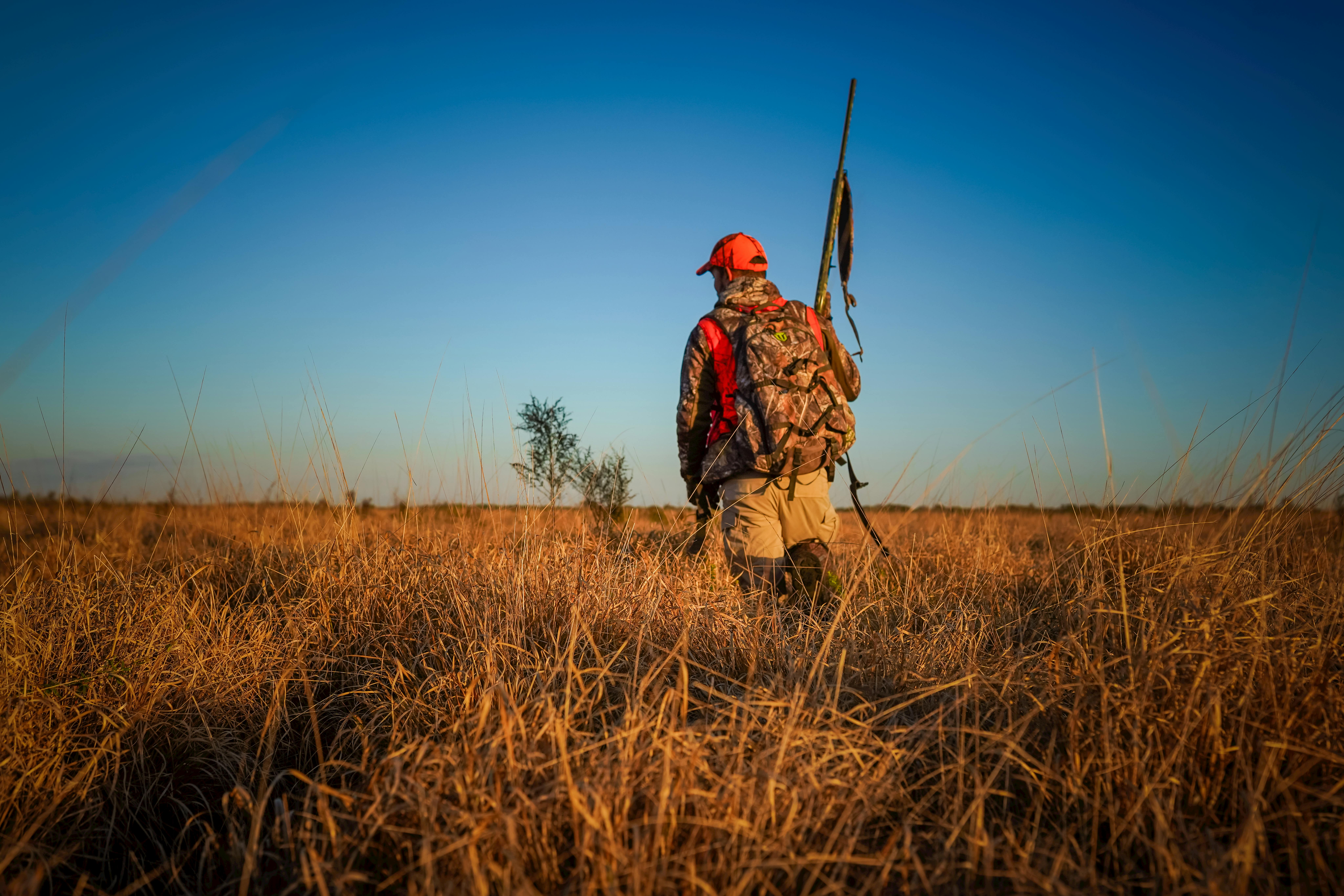
The first 3 hours expose another weakness: impatience disguised as decision-making. Hunters climb in, hear nothing for 45 minutes, and convince themselves the spot is dead. Then they climb down, wander, relocate, snack, check their phone, or head back to camp just as animal movement starts to organize naturally. They are not being adaptive. They are interrupting the hunt.
Old-school deer hunters understood something many modern hunters still resist: stillness kills. Outdoor Life recently revisited classic still-hunting advice that emphasized sitting quietly for two or three hours as deer move back from early feeding areas toward bedding cover. The lesson is simple and stubbornly true. If you cannot stay put, you often never witness the best part of the morning.
This matters even more because average hunting success is built over time, not over perfect moments. Texas data for the 2024-25 big game survey estimated more than 8.4 million hunter days for white-tailed deer, with about 11.07 days per hunter and 10.10 days per harvest. Those numbers are a reminder that success is usually cumulative. Hunters who expect immediate action often make frantic decisions that lower their odds across the full season.
Impatience also creates noise, scent, and visual disturbance. One careless midmorning move can educate multiple animals. In the first 3 hours, the hunter who remains disciplined is often not luckier than everyone else. They are simply still present when the opportunity finally develops.
They Misread Animal Behavior and Blame Bad Luck

Another reason hunters fail early is that they misunderstand what they are seeing or not seeing. If no deer appear in the field at sunrise, many assume deer are absent. In reality, they may already be slipping along a secondary food source, staging in cover, or circling into bedding with the wind in their favor. The animal is still huntable, but not where the hunter expected.
Field & Stream recently argued that morning success can come from hidden secondary food sources rather than obvious primary feeding areas. Acorn flats, isolated fruit trees, browse pockets, and small openings can hold deer longer than hunters think. That detail matters because the first 3 hours are often less about dramatic movement and more about subtle transitions through overlooked places.
Hunters also tend to oversimplify pressure. They say the woods are “shot out” or “dead” after one poor sit, when the real issue is that pressured animals behave differently. They shorten daylight movement, use thicker cover, and favor safer travel routes. Outdoor Life has repeatedly emphasized that top hunters search for repeatable movement patterns instead of waiting for random luck to save the day.
Bad luck exists, of course. But it is overused as an explanation for weak observation. Skilled hunters notice wind drift, fresh tracks, soft trail use, delayed movement, and how one disturbance changes everything. In the first 3 hours, failure often comes from reading the woods like a spectator instead of an investigator.
They Underestimate Pressure, Scent, and Human Patterns
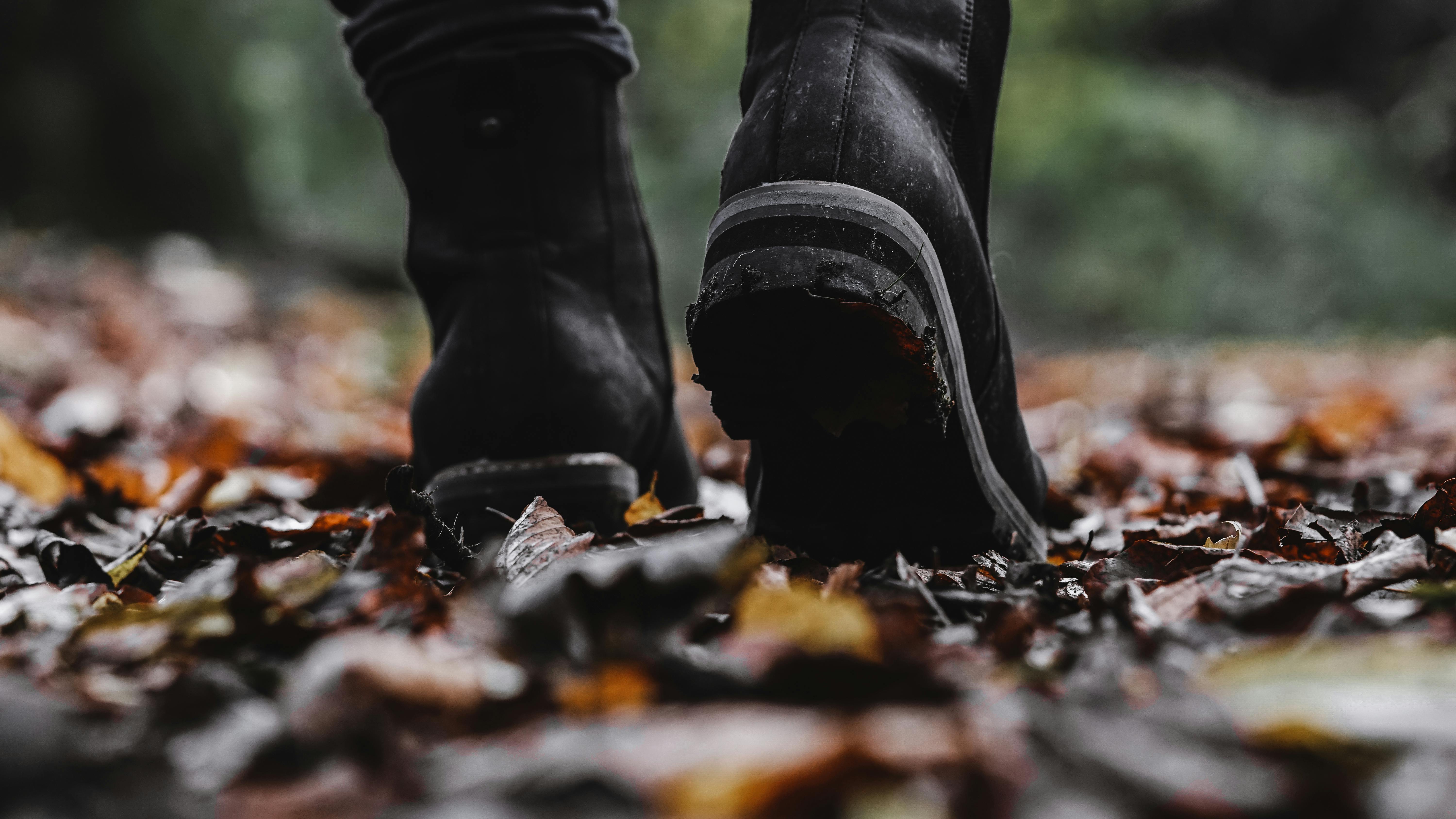
Wild game adapts quickly, especially where hunter density is high. Many hunters think in terms of camouflage and concealment, but animals often key on repeated human behavior instead. The same parking area, same entry trail, same skyline crossing, same metal stand noise, same arrival time, those patterns teach animals as much as scent does. By the third hour, the hunter may already be hunting an animal that had adjusted days ago.
The quality of habitat and the amount of pressure shape these encounters dramatically. Texas Parks and Wildlife notes that even in areas with large deer populations, the quality and quantity of habitat available to attract and hold deer strongly influence how many deer hunters actually observe. That is a useful correction to the fantasy that more deer automatically means easy hunting.
Pressure also stacks psychologically on the hunter. When expectations are high, every squirrel sounds like a buck and every quiet stretch feels like failure. That emotional swing causes rushed movement and poor decisions. Hunters begin forcing plays instead of preserving the setup, which is exactly how a manageable morning turns into a blown one.
The irony is that animals are often responding to human predictability more than human presence alone. Hunters who vary access, respect wind, minimize disturbance, and avoid overhunting the same location usually buy themselves more real opportunities. In the first 3 hours, discipline beats enthusiasm almost every time.
The Best Hunters Win Early by Losing Fewer Battles
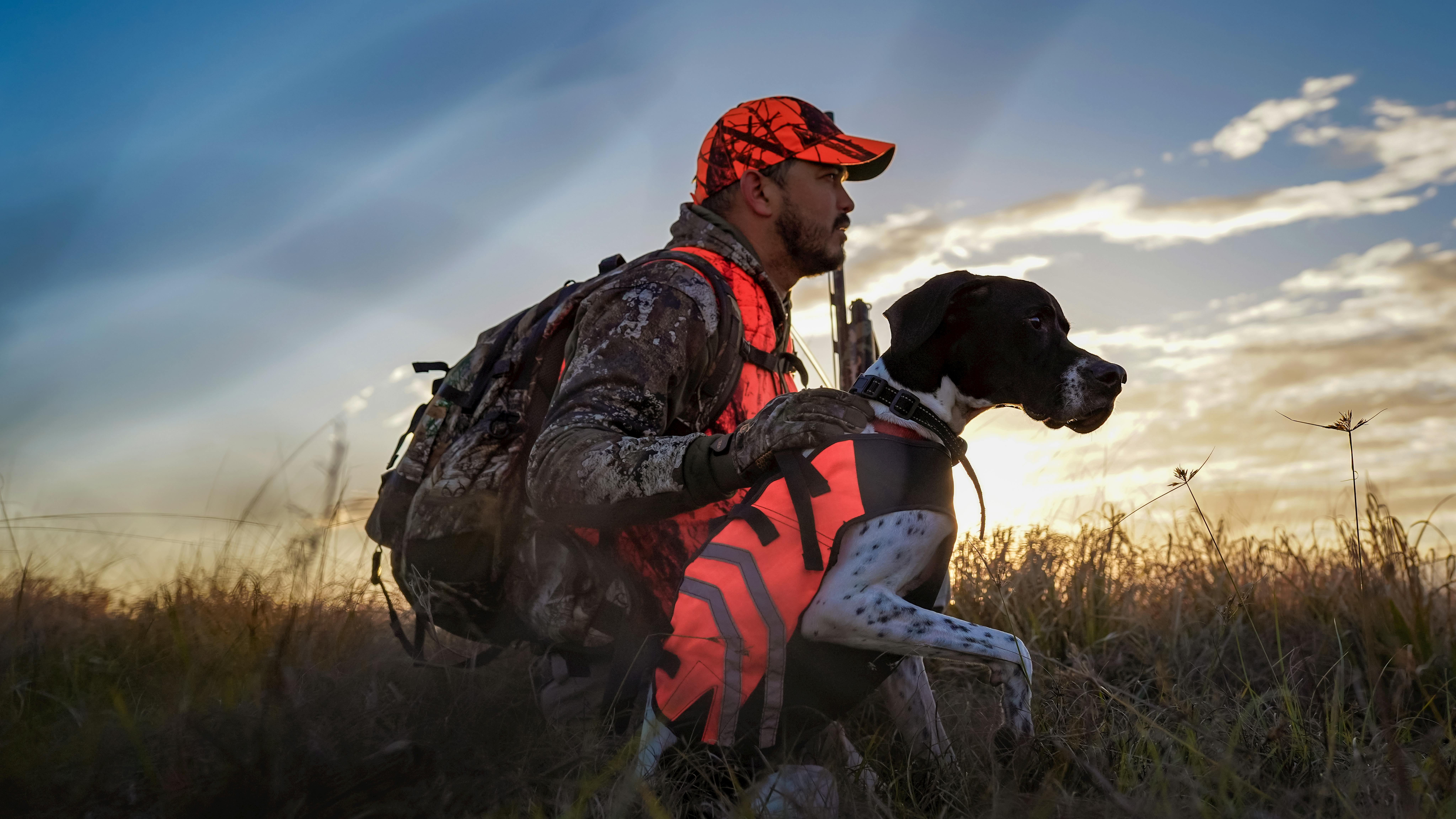
Successful hunters are not always more talented. Often, they are just less wasteful. They waste less movement, less scent, less noise, less optimism on bad conditions, and less emotional energy chasing a fantasy of instant success. The first 3 hours reward restraint because they magnify every small mistake and every small advantage.
That is why seasoned hunters build mornings backward. They start with access, wind, likely animal position, exit routes, recent pressure, and what they will do if nothing happens by a certain time. They do not just pick a tree and hope. They create a plan that protects the highest-probability window instead of gambling it away on convenience.
State harvest data also supports the broader reality that hunting success is usually statistical, not cinematic. Missouri has long emphasized that deer harvest requires enormous cumulative effort, and Texas survey data show the same principle in modern form. Hunters who stay in the game long enough and hunt enough turn average mornings into eventual success intelligently.
So why do most hunters fail in the first 3 hours? Because that window punishes sloppy entry, wrong conditions, impatience, poor observation, and predictable human behavior. The best hunters do not control the woods. They simply stop giving the woods easy reasons to beat them.
Custom footer at the end of the article.