Military surplus collecting can go far beyond rifles and pistols. Some accessories, field items, and pieces of issued equipment have become surprisingly valuable because they are scarce, historically important, or connected to a specific unit, conflict, or production period. In some cases, collectors may pay more for an unusual original item than for a common surplus firearm. The seven examples below show why provenance, condition, markings, and rarity can dramatically change what an ordinary-looking piece of gear is worth.
1. Original Military Night-Vision Equipment
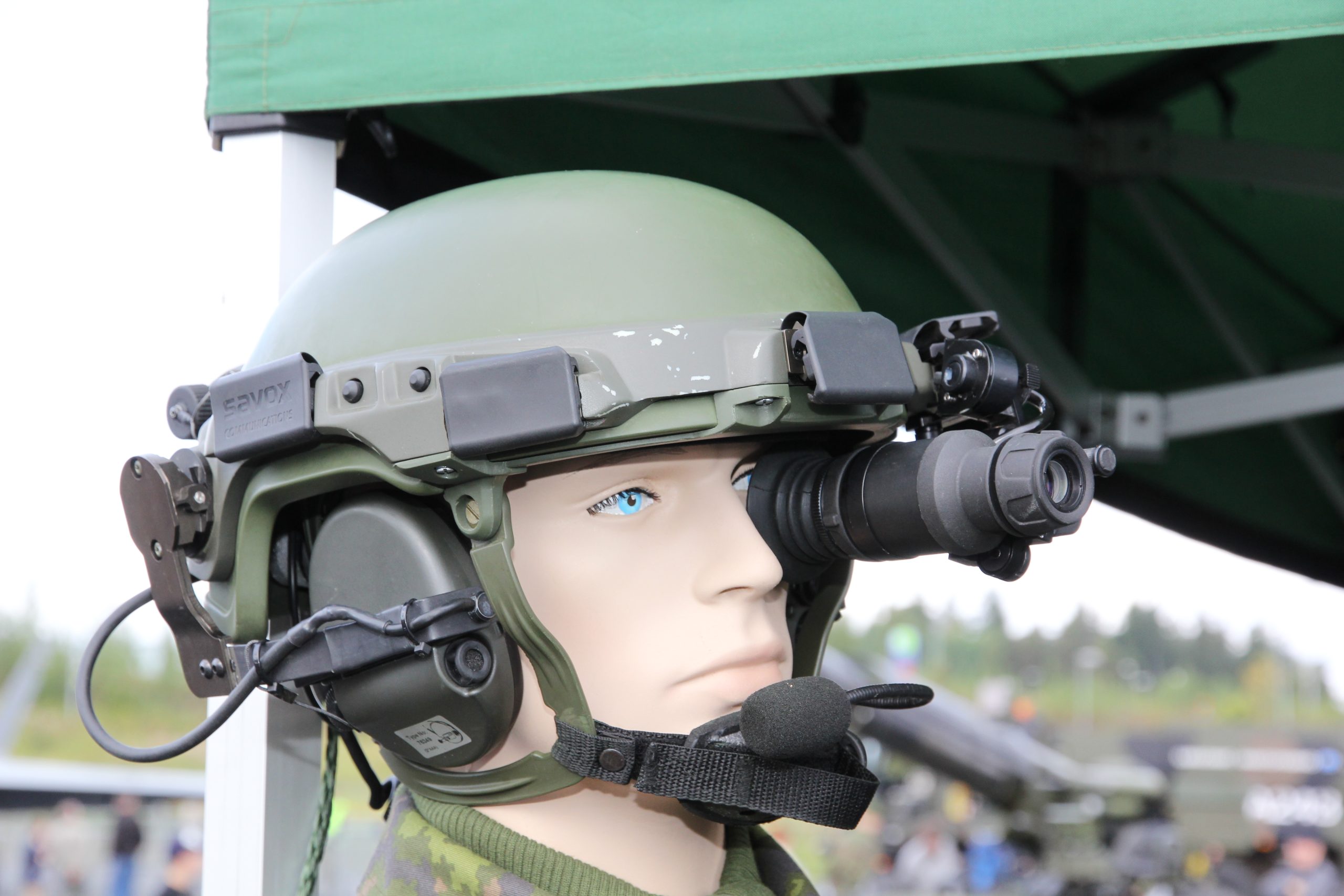
Early military night-vision equipment can command serious collector interest, particularly when it survives with its original accessories, case, and documentation. Vietnam-era devices and early Cold War systems are especially fascinating because some were produced in relatively limited numbers. A complete set can include 5 or more components, such as the viewer, power supply, carrying case, cables, and mounting hardware. Condition matters enormously because electronics deteriorate with age. A complete, identifiable system with clear military markings can therefore attract considerably more attention than a common surplus firearm.
2. Rare Military Radios and Field Sets
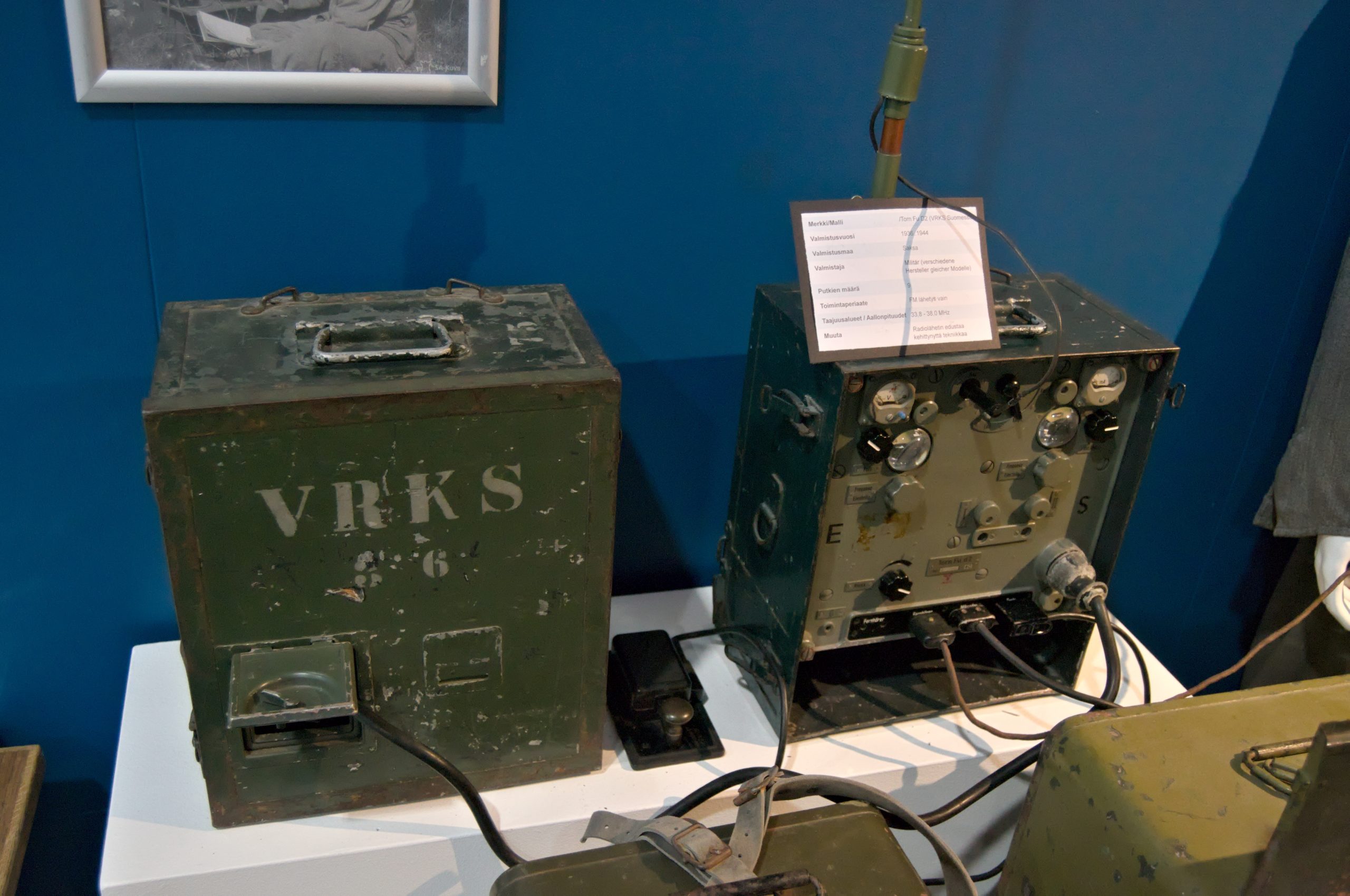
Portable military radios can be valuable because they represent an entire communications system rather than simply an accessory. Collectors often look for recognizable sets from specific periods, especially when the equipment retains its original handset, antenna, battery box, and accessories. Some field radios were issued with 10 or more separate components, making complete examples increasingly difficult to assemble decades later. Serial numbers, contract markings, manufacturer details, and condition can all affect interest. A rare, complete radio set may consequently bring a surprisingly high price among dedicated military collectors.
3. Original Paratrooper Equipment
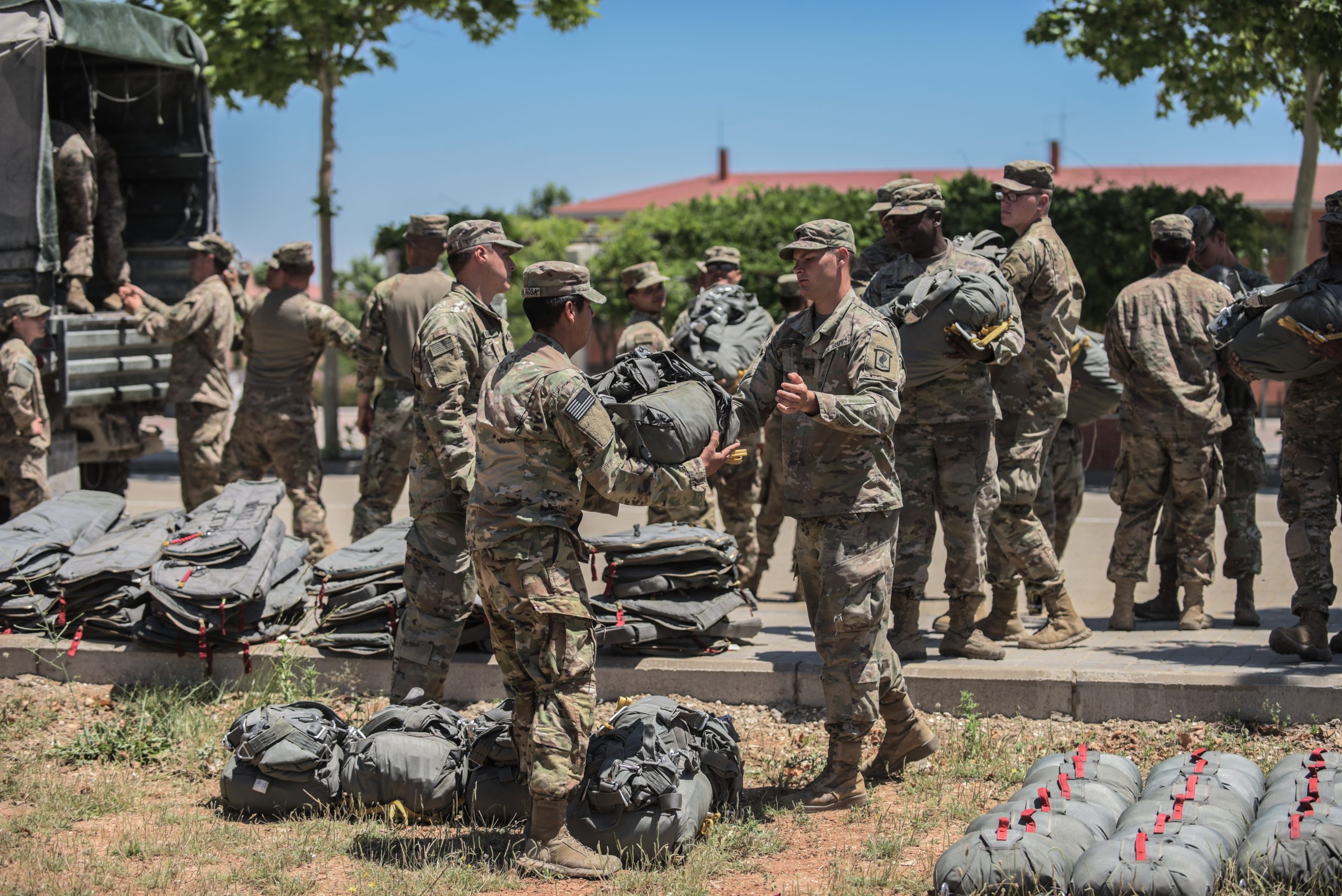
Authentic airborne gear can attract collectors because small differences can identify a particular era, operation, or military unit. Items such as original jump boots, harness components, bags, helmets, and specialized packs can become particularly desirable when their history is documented. A single period-correct item may be worth more than a generic surplus firearm because reproductions are common while untouched originals are scarce. Collectors may examine stitching, labels, hardware, dates, and unit markings closely. Equipment with verified provenance can become especially valuable, with some pieces surviving for more than 80 years.
4. Rare Military Optics and Sights
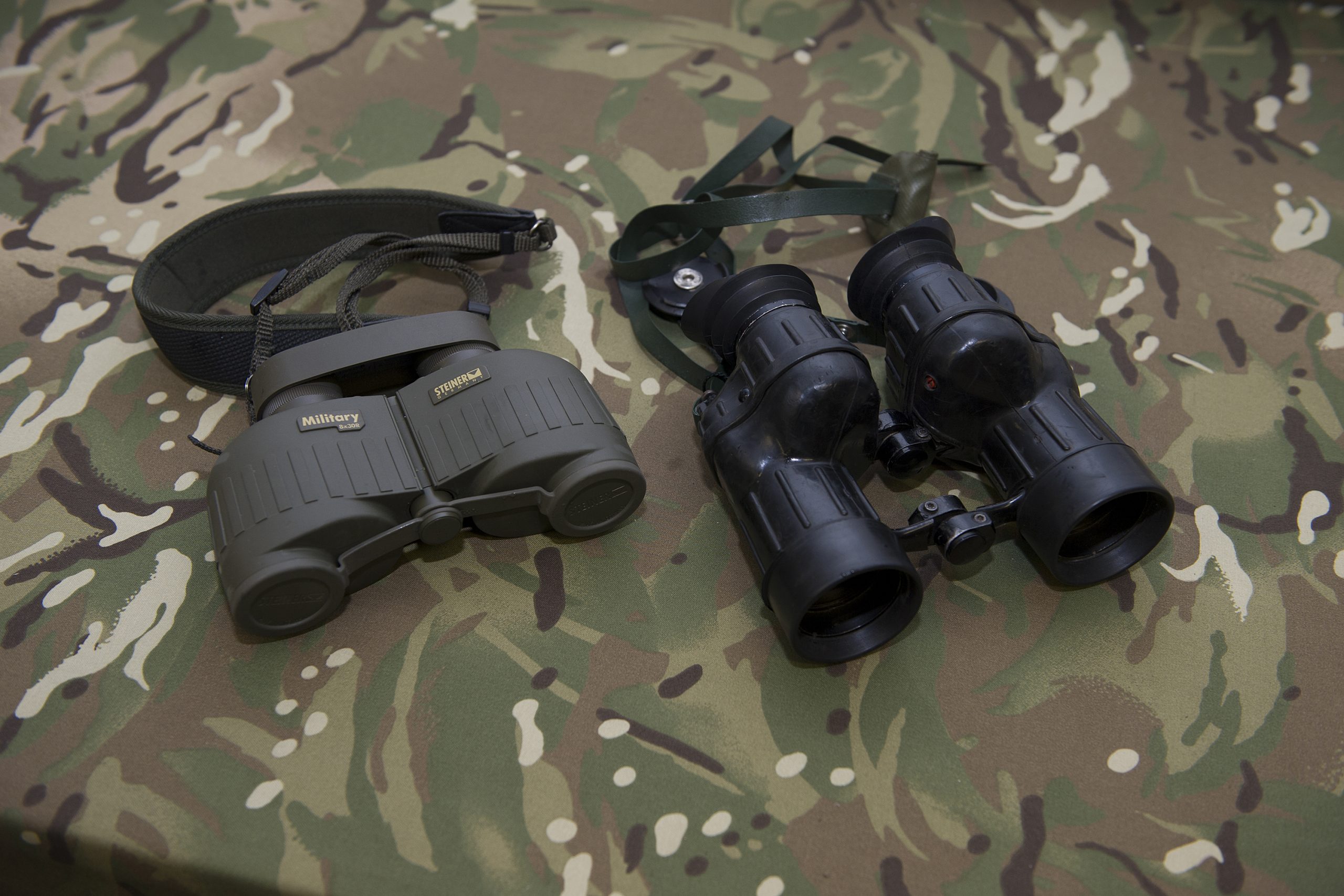
Military-issued binoculars, observation scopes, and unusual optical sights can develop substantial collector value when they are uncommon or tied to a specific weapons system. Collectors often care about manufacturer markings, military acceptance stamps, serial numbers, and original cases. A set containing 3 or 4 matching accessories can be significantly more desirable than a loose optic with no history. Age alone does not guarantee value, however. Optical clarity, intact lenses, correct markings, and originality generally matter more. A scarce military optic with documented history can therefore command attention far beyond its original surplus status.
5. Experimental or Prototype Field Gear

Experimental military equipment is one of the most unpredictable areas of collecting. Items that never reached widespread service can be considerably scarcer than standard-issue equipment, particularly when only a few examples survived. Collectors may encounter experimental packs, helmets, load-bearing equipment, clothing, or unusual field accessories bearing test markings. Numbers such as “1 of 20” or a small experimental contract can immediately attract interest when authenticity is established. The key is documentation. A strange-looking item without provenance may be ordinary surplus, while a verified prototype can become a highly desirable historical artifact.
6. Rare Unit-Marked Helmets
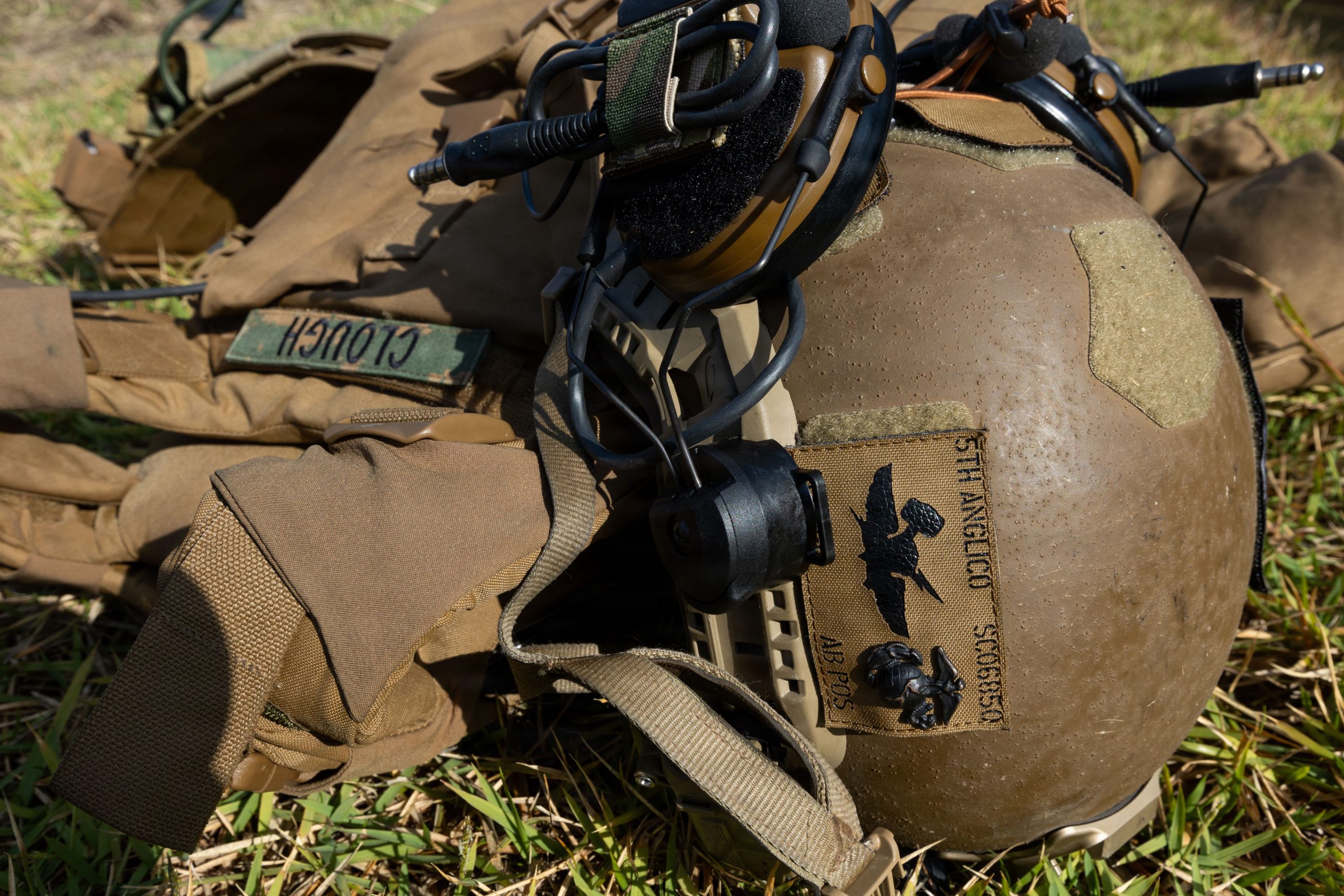
Military helmets are common, but specific helmets can be remarkably collectible. A helmet carrying an original unit marking, rank insignia, painted identification, or documented combat history can be far more desirable than a standard example from the same period. Collectors may compare paint layers, liner details, chinstraps, manufacturer codes, and period construction to establish authenticity. Some helmets are more than 70 years old and still retain distinctive markings. Originality is crucial because artificial aging and reproduction markings can reduce confidence. A documented helmet connected to a particular unit or event can therefore become a centerpiece of a collection.
7. Complete Original Field Tool Sets
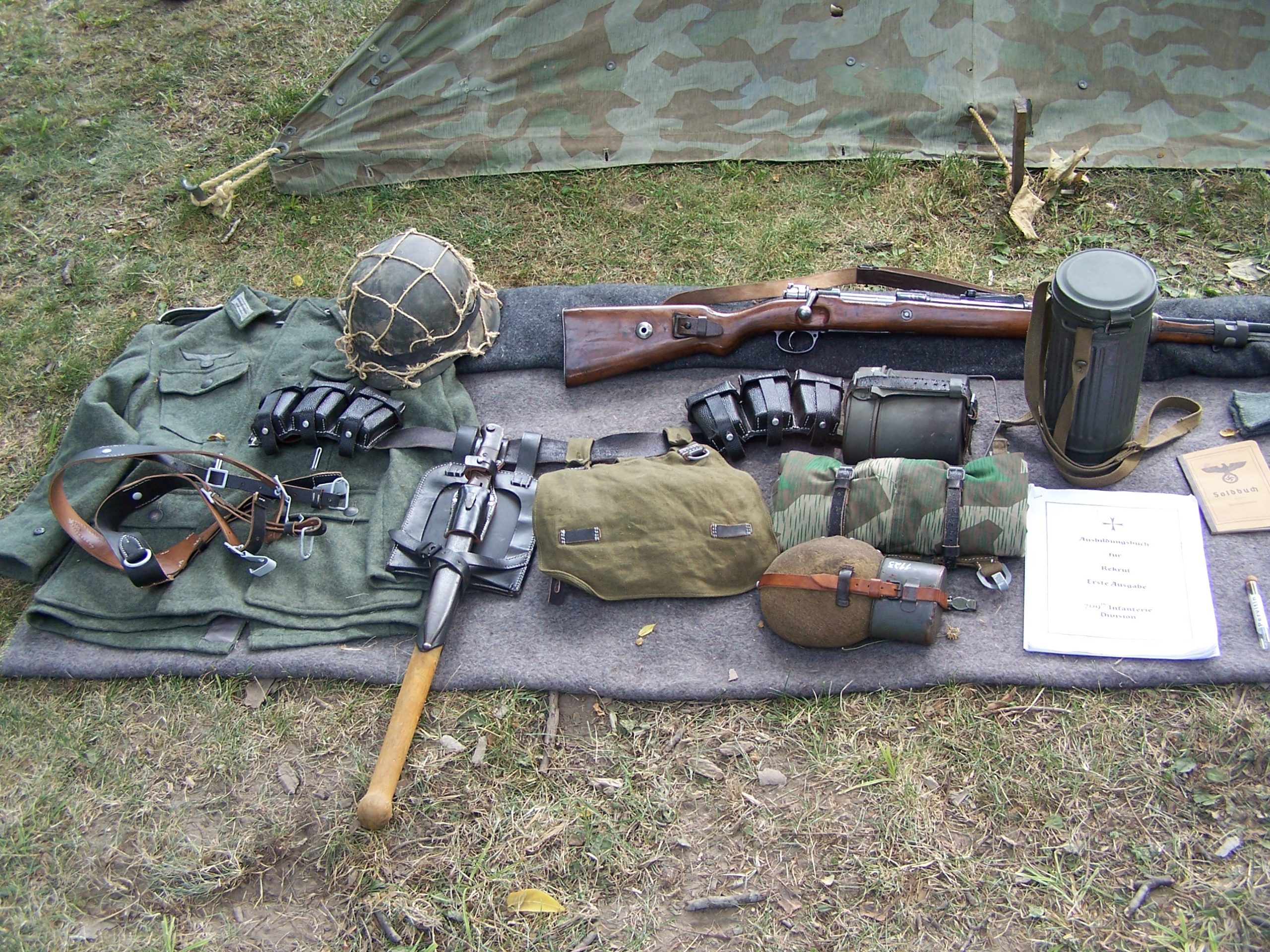
Military tool kits rarely receive the attention given to firearms, yet complete examples can be surprisingly collectible. Sets issued for vehicles, aircraft, artillery, communications equipment, or field maintenance may contain 10, 20, or even more individual tools. Finding every correct component together is the difficult part. Collectors may value original markings, contract numbers, period packaging, and matching tool rolls. A complete wartime kit can preserve a snapshot of how soldiers actually maintained equipment in the field. When most surviving examples have been broken up over decades, an untouched complete set can become considerably more desirable.