A firearm collection can represent serious money, and poor storage habits can turn that investment into a painful loss fast. From rust and water damage to theft and denied insurance claims, small mistakes often come with big price tags. This gallery breaks down the most common storage missteps and explains how smarter habits can protect both your property and your peace of mind.
Leaving Firearms in Easy-to-Guess Places
A surprising number of gun owners rely on the same hiding spots burglars check first: bedroom closets, dresser drawers, under the bed, or a garage cabinet. Those spots may feel convenient in daily life, but they offer little real protection when someone has even a few minutes to search.
When a stolen firearm disappears into the black market, the financial hit can be brutal. Replacement costs are only part of it. You may also lose accessories, sentimental value, and any chance of recovering a rare or customized piece. A proper safe with solid anchoring costs money up front, but it is usually far cheaper than replacing an entire collection.
Buying a Safe That Is Too Small

Many people buy a safe based on the number of firearms they own right now, not the number they may own in a few years. Then optics get bigger, paperwork grows, and accessories start competing for space. Suddenly, guns are stacked awkwardly, pressed against each other, or left outside the safe altogether.
That crowding can lead to scratches, bent accessories, damaged scopes, and unnecessary wear on finishes. It also tempts owners to use temporary storage solutions that are much less secure. Spending more for extra capacity can feel excessive at first, but it often saves money by preventing damage and avoiding the need to replace the safe much sooner than expected.
Ignoring Humidity and Rust Risks

Steel and moisture are a bad combination, yet humidity control is still one of the most overlooked parts of firearm storage. Basements, garages, and even certain closets can trap damp air, especially in warmer months. A gun that looks fine one week can show surface rust, pitting, or corrosion not long after.
Once rust starts, restoring a firearm can get expensive quickly. Bluing damage, ruined finishes, and corroded internals can slash resale value and compromise function. Dehumidifiers, desiccants, and regular checks are simple protections, but skipping them can turn a well-maintained firearm into a repair bill that keeps climbing.
Storing Guns in Soft Cases for Too Long
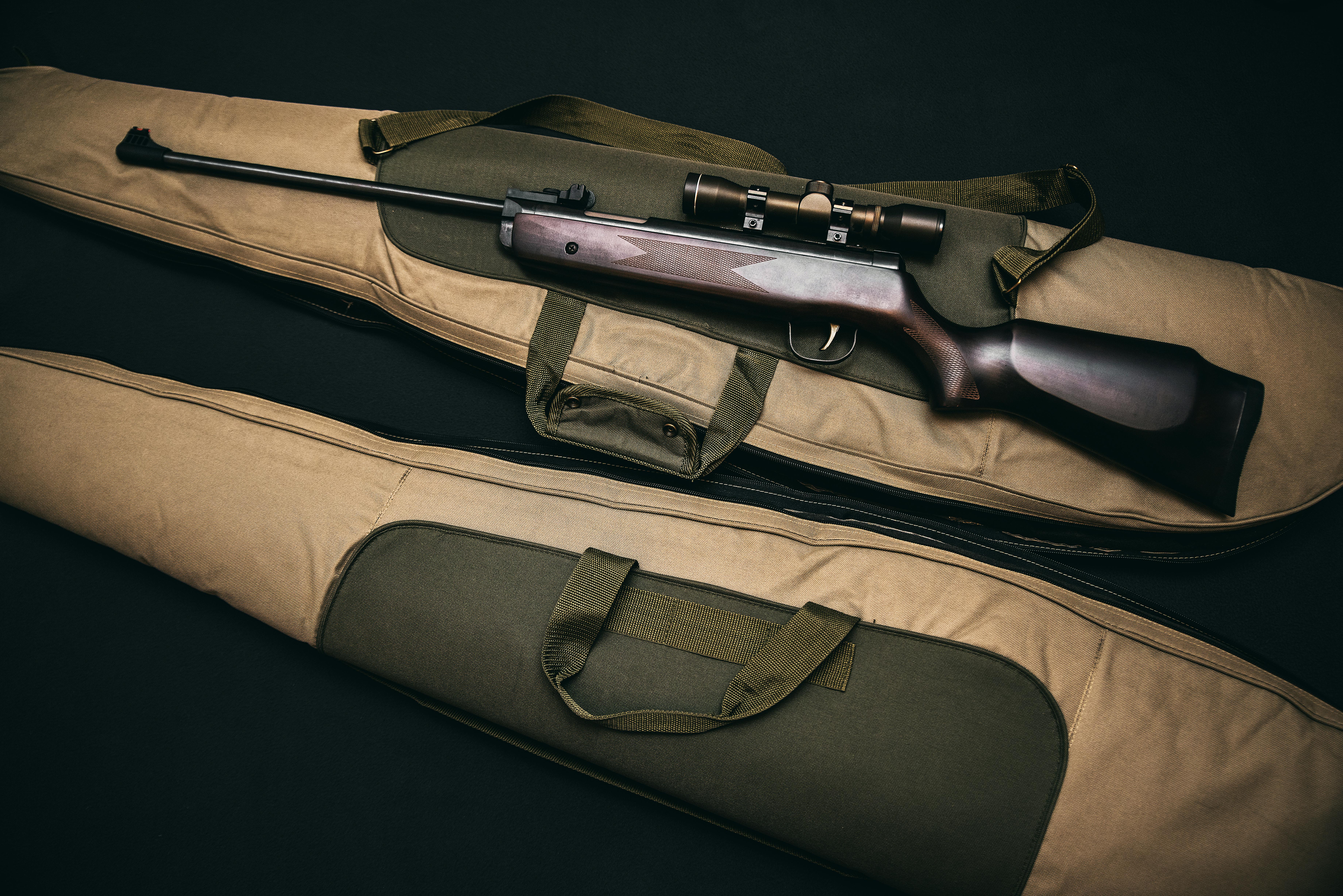
Soft cases are great for transport, but they are often a poor long-term storage solution. Many trap moisture against metal surfaces, especially after a day at the range, in the field, or in a vehicle. Zip a firearm away and forget about it, and you may be creating a perfect environment for corrosion.
The damage is often discovered late, when rust has already affected the barrel, action, or exterior finish. At that point, cleaning may not fully fix the problem, and professional refinishing is rarely cheap. Long-term storage works best in a dry, ventilated setup where the firearm is protected without being sealed against lingering moisture.
Skipping an Updated Inventory
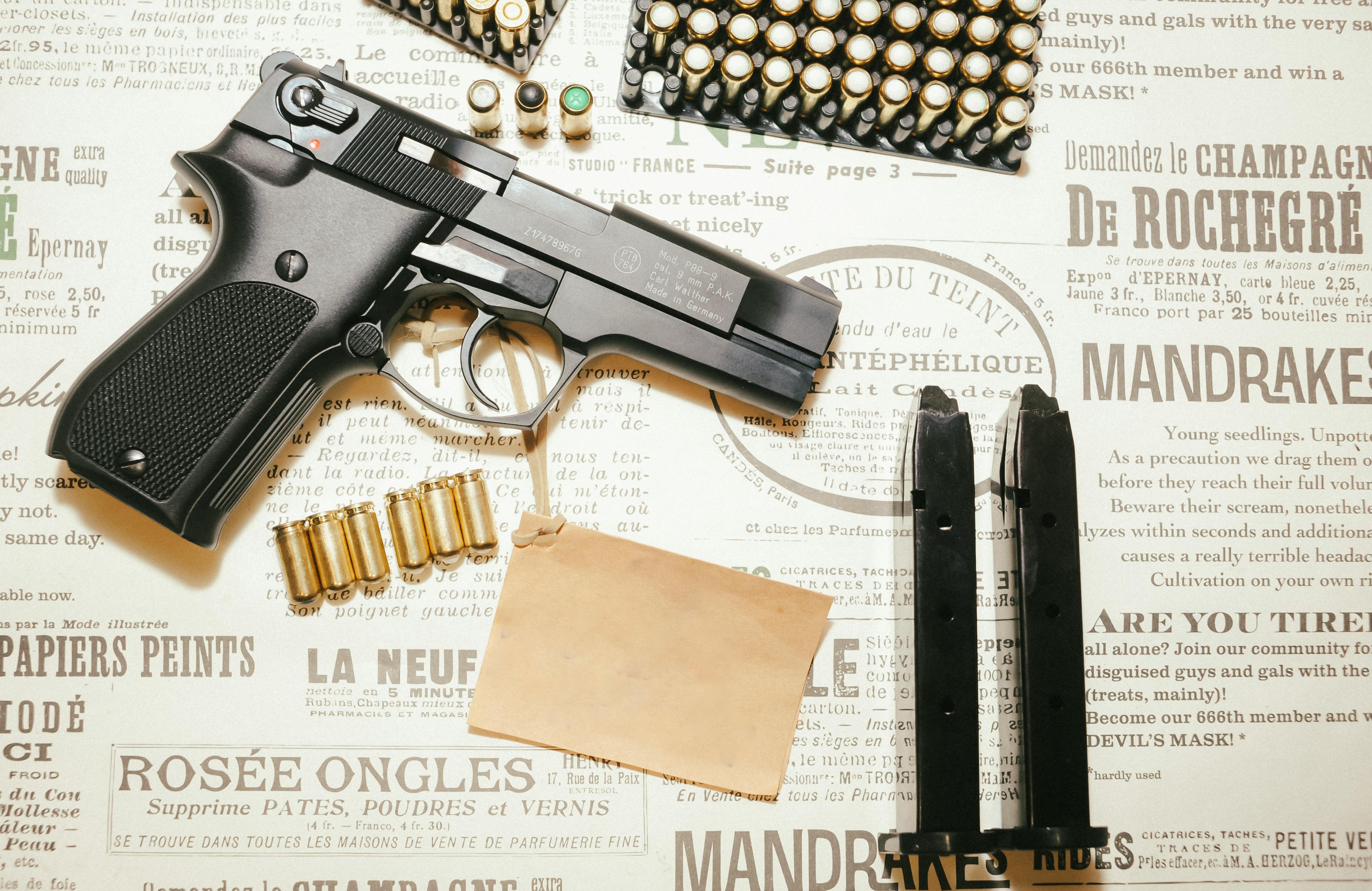
If theft, fire, or flooding hits, memory is not much of a backup plan. Many owners know their collections well, but not well enough to recall every serial number, accessory, modification, and purchase detail under stress. Without a solid inventory, filing a police report or insurance claim becomes much harder.
That can mean delayed claims, lower payouts, or no reimbursement for certain losses at all. Photos, serial numbers, appraisals, and receipts can make a huge difference when proving value. Keeping secure records may feel tedious, but it can be the difference between recovering thousands and absorbing the full loss yourself.
Assuming Home Insurance Covers Everything

A lot of gun owners assume their standard homeowners or renters policy will fully protect a firearm collection. In reality, many policies place strict limits on firearms, especially for theft, and the cap may be far lower than the actual value of the collection. That gap can be a nasty surprise after a loss.
High-end rifles, vintage pieces, optics, and custom work can push values well beyond basic policy limits. If coverage has not been reviewed recently, you may be underinsured by thousands. Taking time to confirm limits, riders, and documentation requirements is not exciting, but it is much better than learning the truth after filing a claim.
Keeping the Safe in an Obvious Location
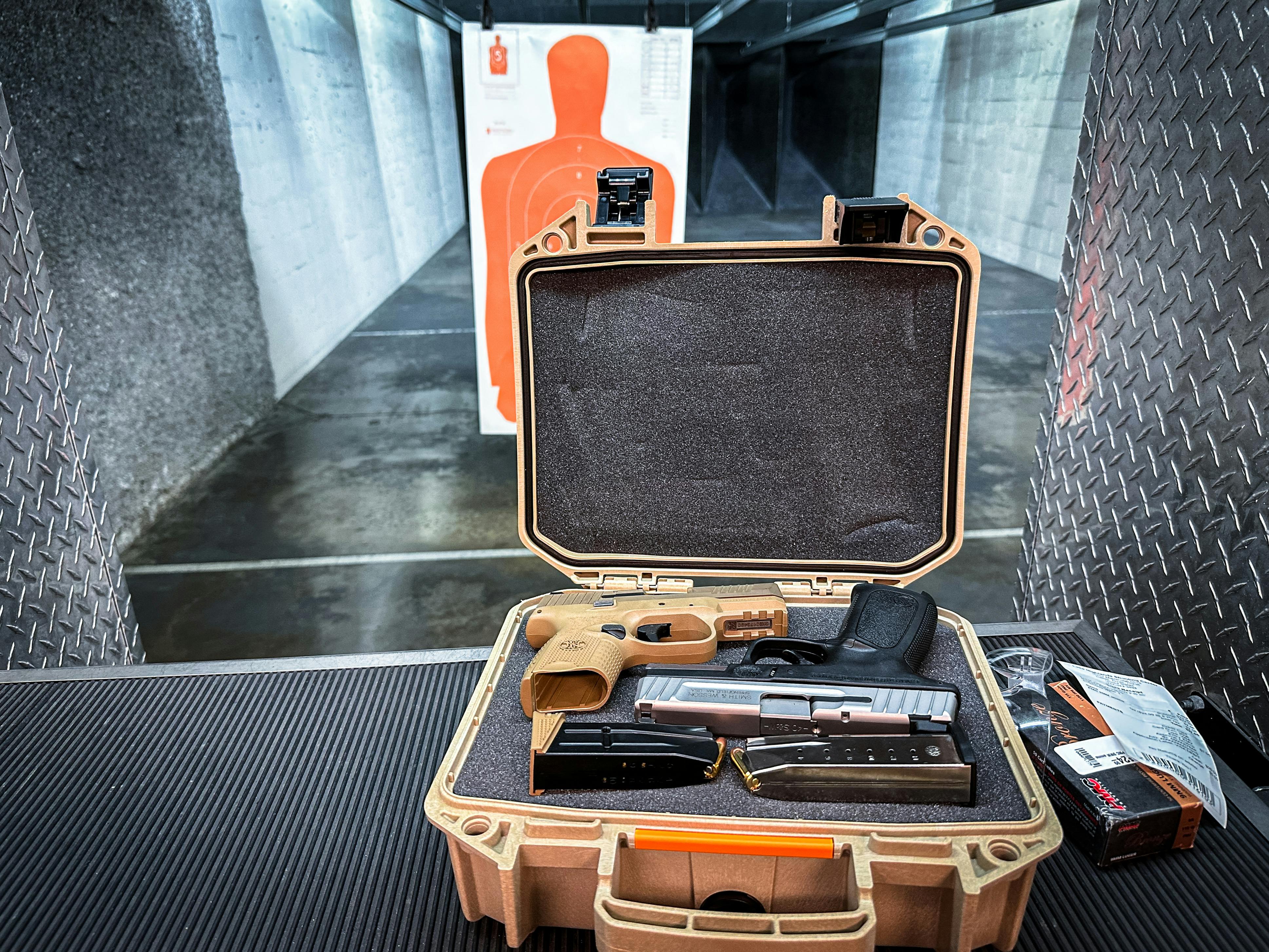
A large safe in plain view can look impressive, but it also advertises exactly where the valuables are. If delivery workers, contractors, guests, or social media followers know what you own and where it is, that information can travel farther than you think. Visibility is often a security weakness, not a sign of preparedness.
Placement matters almost as much as the safe itself. A concealed or less predictable location can buy valuable time during a break-in and reduce the odds of targeted theft. If a criminal arrives knowing where the collection is stored, your expensive safe may face a more determined and better prepared attack.
Failing to Bolt Down the Safe

Even a heavy safe can be vulnerable if it is not anchored properly. Thieves do not always try to crack a safe on site. In many cases, they simply move it, tip it, or use tools to drag it out and open it later. Once the safe leaves the house, your odds of recovery drop fast.
Bolting the safe to a solid surface adds a major layer of security and makes smash-and-grab theft much harder. It can also prevent damage from tipping, which matters in homes with children or in areas prone to severe weather. Skipping this step can turn a strong safe into an expensive but movable box.
Forgetting About Fire and Water Exposure

People often focus on theft and overlook how quickly fire or water can destroy a collection. Not all safes offer the same level of protection, and labels can be misleading if you do not look closely at the ratings. A bargain safe may hold up poorly against house fire temperatures or flooding after a storm.
Smoke, heat, and water can ruin wood stocks, optics, documents, and metal finishes even if the firearms themselves survive. Replacing a safe, restoring damaged pieces, and dealing with insurance can become a very expensive chain reaction. Choosing storage with realistic fire and water protection can prevent a disaster from becoming a financial collapse.
Neglecting Regular Storage Checks

Storage is not a set-it-and-forget-it task. Seals wear out, dehumidifiers stop working, batteries die, and conditions inside a safe can change with the seasons. A setup that was working perfectly last year may now be putting your firearms at risk without any obvious warning signs.
Routine checks help catch problems while they are still cheap to fix. A little attention can reveal early rust, damaged foam, shifting shelves, failing locks, or missing records before they become expensive headaches. For owners trying to protect serious value, regular inspection is one of the simplest habits with the biggest long-term payoff.