For generations, hunting has been about more than bringing home food. It has carried family histories, practical knowledge, local customs, and lessons about respecting wildlife. Grandparents taught children to read tracks, recognize animal calls, prepare equipment, and understand seasonal changes through experience rather than books. Today, changing lifestyles, urbanization, fewer opportunities to spend time outdoors, and shifting attitudes toward hunting are making some of these traditions harder to preserve. Although many communities continue to practice them, passing these skills to younger generations is becoming increasingly important.
1. Learning to Read Tracks From Experienced Hunters
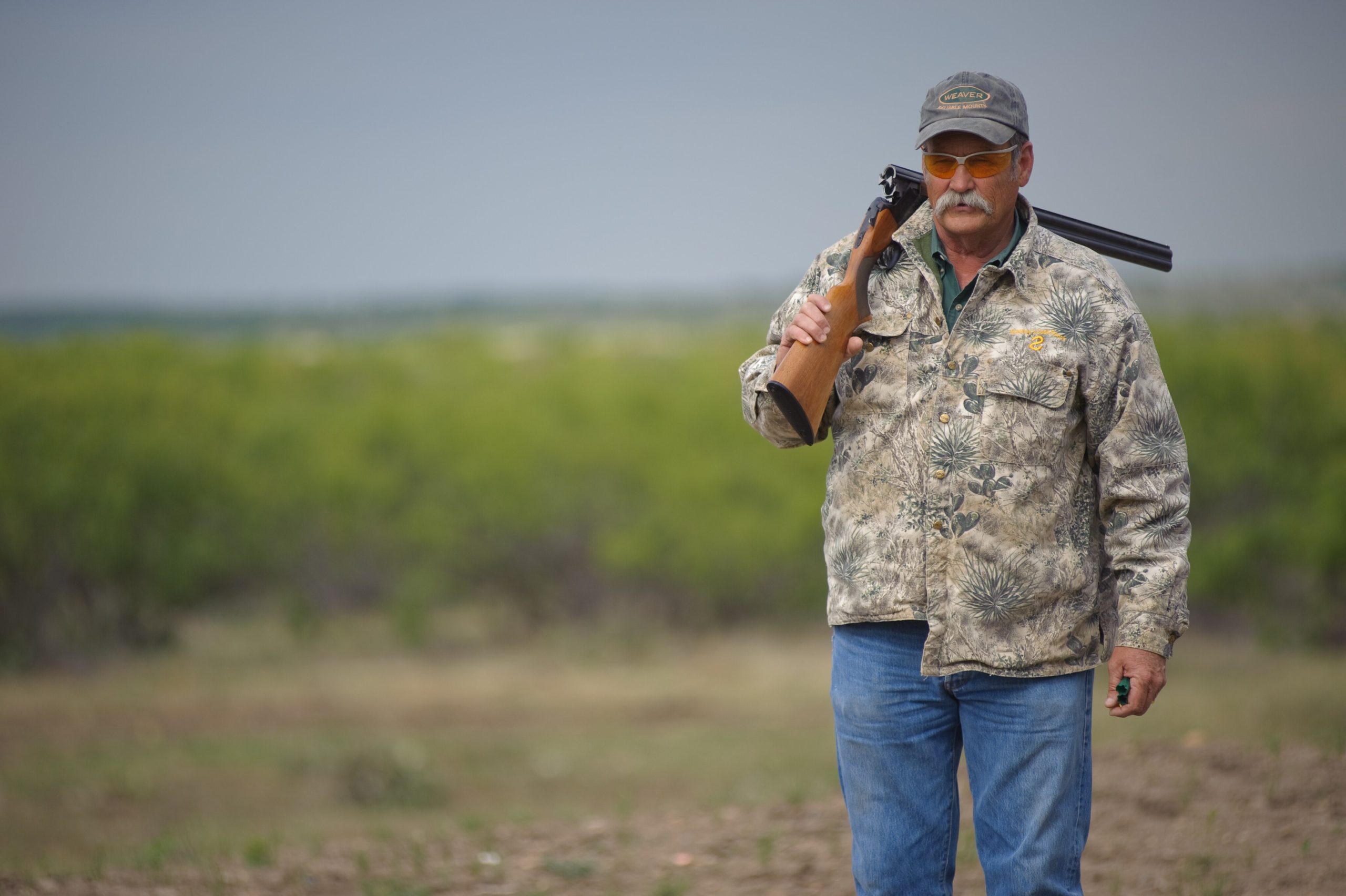
Before GPS apps and online tracking guides, beginners often learned to follow animals by walking beside an experienced hunter. A bent grass stem, a fresh hoofprint, or disturbed soil could reveal which way an animal had moved and how recently it passed. Families might spend 2 hours following tracks without taking a shot, treating the outing as a lesson in patience and observation. This knowledge takes repeated practice, and it can fade when young people learn mostly from screens or rarely visit the same woods across changing seasons. Such lessons also build confidence in unfamiliar terrain.
2. Passing Down Animal Calls by Ear

In many hunting families, the first lessons in calling came from listening, copying, and being corrected outdoors. A relative might demonstrate a turkey yelp or an elk bugle, then ask a beginner to repeat it until the rhythm sounded natural. Even 10 minutes of practice could reveal how breath, pitch, and pauses change a call. Store-bought callers and online videos are useful, but they cannot fully replace learning when an animal answers nearby. As fewer generations hunt together, these subtle skills may be lost. The best teachers explain why a sign matters, not just what to notice.
3. Making and Repairing Traditional Gear
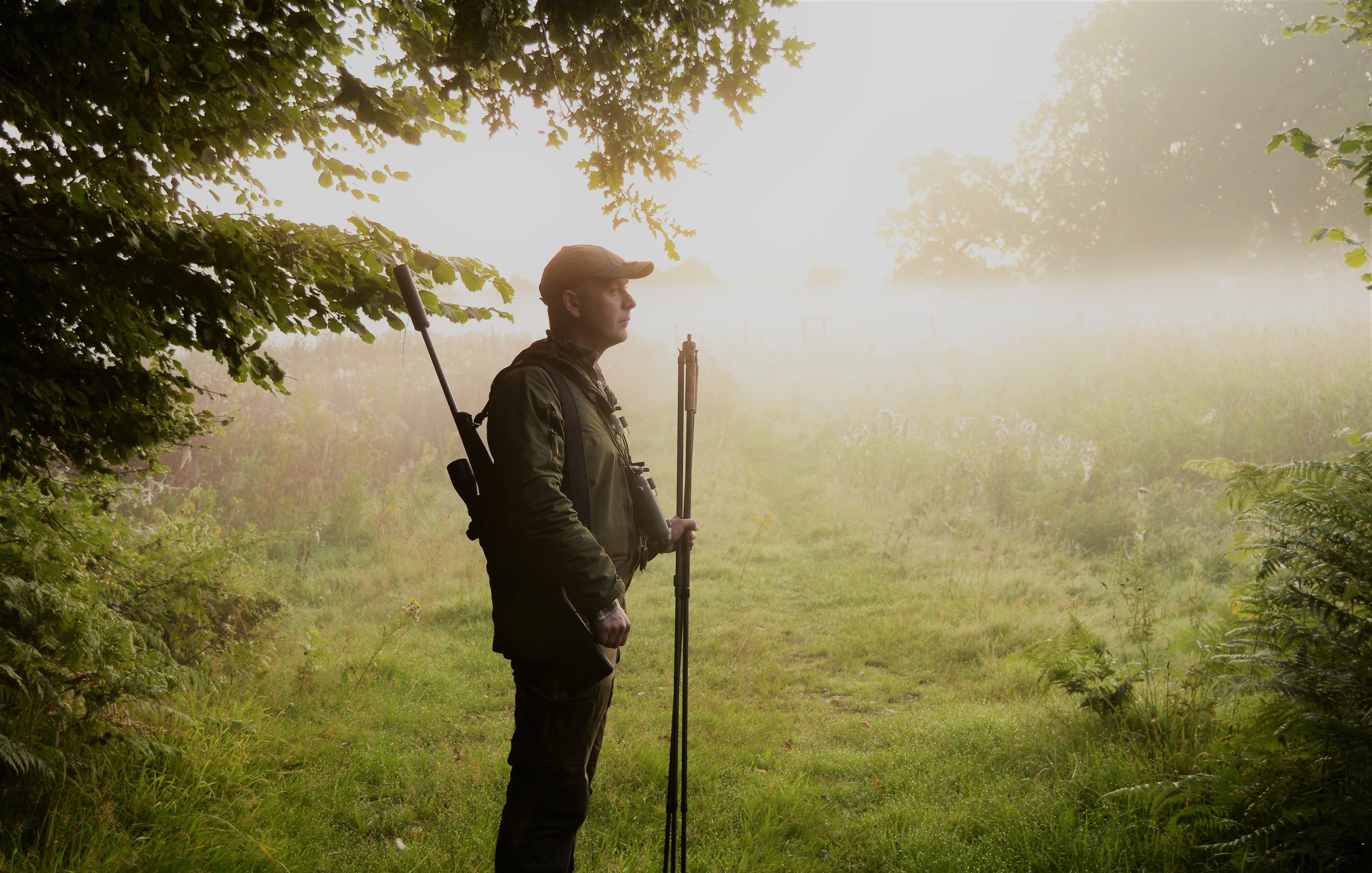
Long before every piece of equipment was bought ready-made, hunters repaired packs, sharpened tools, patched clothing, and fashioned simple gear to suit local conditions. An older relative might spend an evening showing a teenager how to mend a strap or maintain a knife safely, turning routine work into shared knowledge. A repair that takes 30 minutes can also teach thrift and preparedness. Disposable products and busy schedules make such lessons less common, even though knowing how to fix equipment can still matter far from a shop. These hands-on habits can make a difficult day safer.
4. Sharing Family Recipes for Wild Game
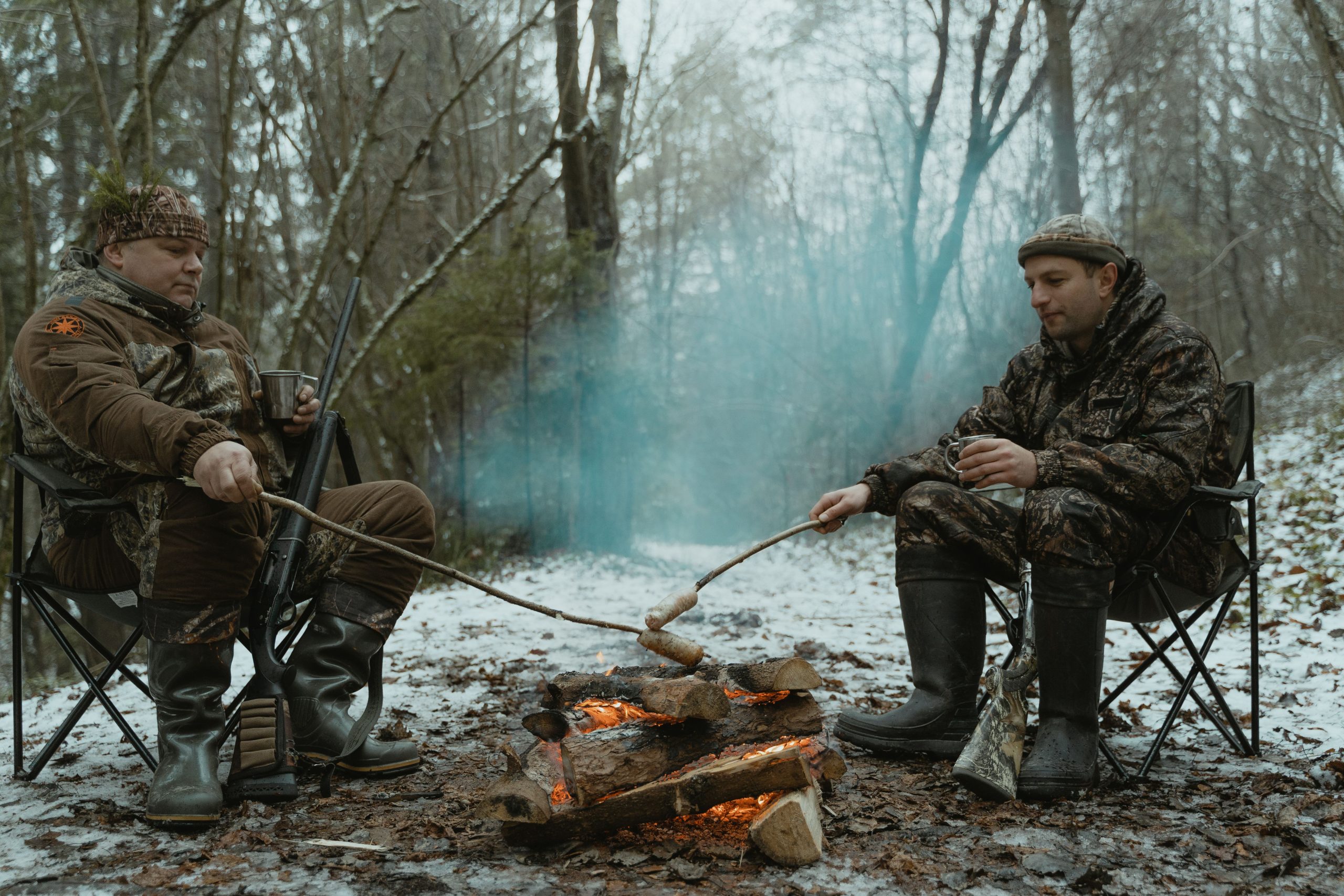
Preparing harvested meat has often been as important as the hunt itself. Families passed down methods for trimming, preserving, seasoning, and cooking venison, waterfowl, or other legally harvested game according to local tastes. A recipe might rely on 3 familiar ingredients and a technique learned by watching, not measuring. When younger relatives move away or stop eating wild game, those details can disappear with the people who remember them. Safe handling remains essential: meat must be cooled promptly and cooked appropriately, not preserved by guesswork.
5. Teaching Quiet Movement and Patience Outdoors
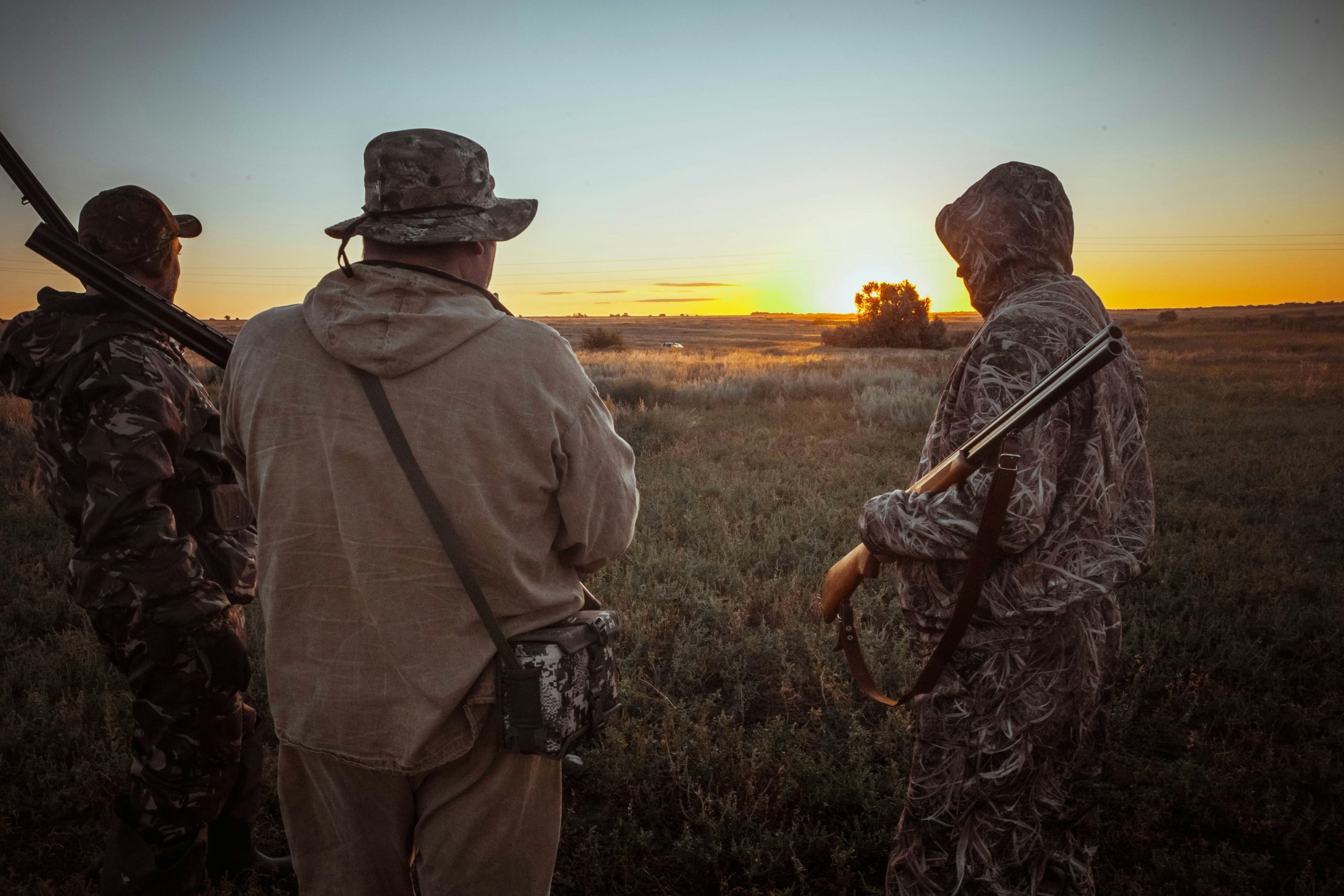
Older hunters often taught fieldcraft through small demonstrations: how to step over dry branches, pause before crossing a clearing, or sit quietly long enough to notice movement. These lessons were learned over many outings, sometimes across 4 seasons, rather than in a single afternoon. Modern schedules can encourage shorter trips, leaving less time for patient observation. The tradition is not simply about getting closer to an animal; it also teaches awareness, restraint, and respect for other people using the land. Safe, lawful access always comes first.
6. Remembering Local Hunting Stories and Place Names
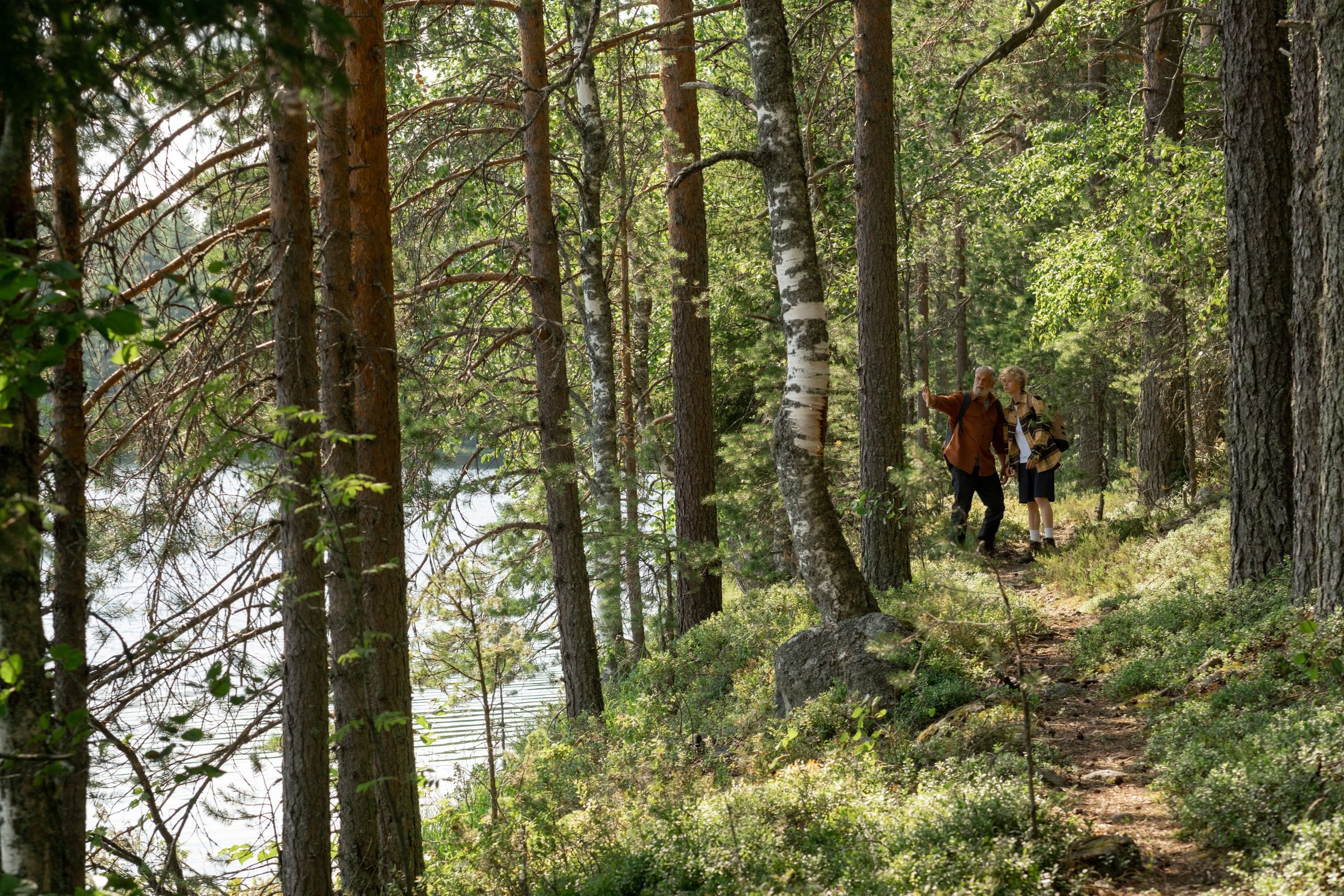
A family’s hunting stories can preserve details that rarely appear on a map: an old trail name, a stream crossing, a severe winter, or a lesson learned after a poor decision. Relatives may retell one event for 20 years, preserving local weather, wildlife, and family values. When elders are no longer asked to share these memories, the context can vanish even if the place remains. Recording stories with permission can help, while sensitive locations and private land details should be kept confidential. A remembered landmark can carry both practical meaning and family history.
7. Passing on Seasonal Knowledge and Hunting Ethics
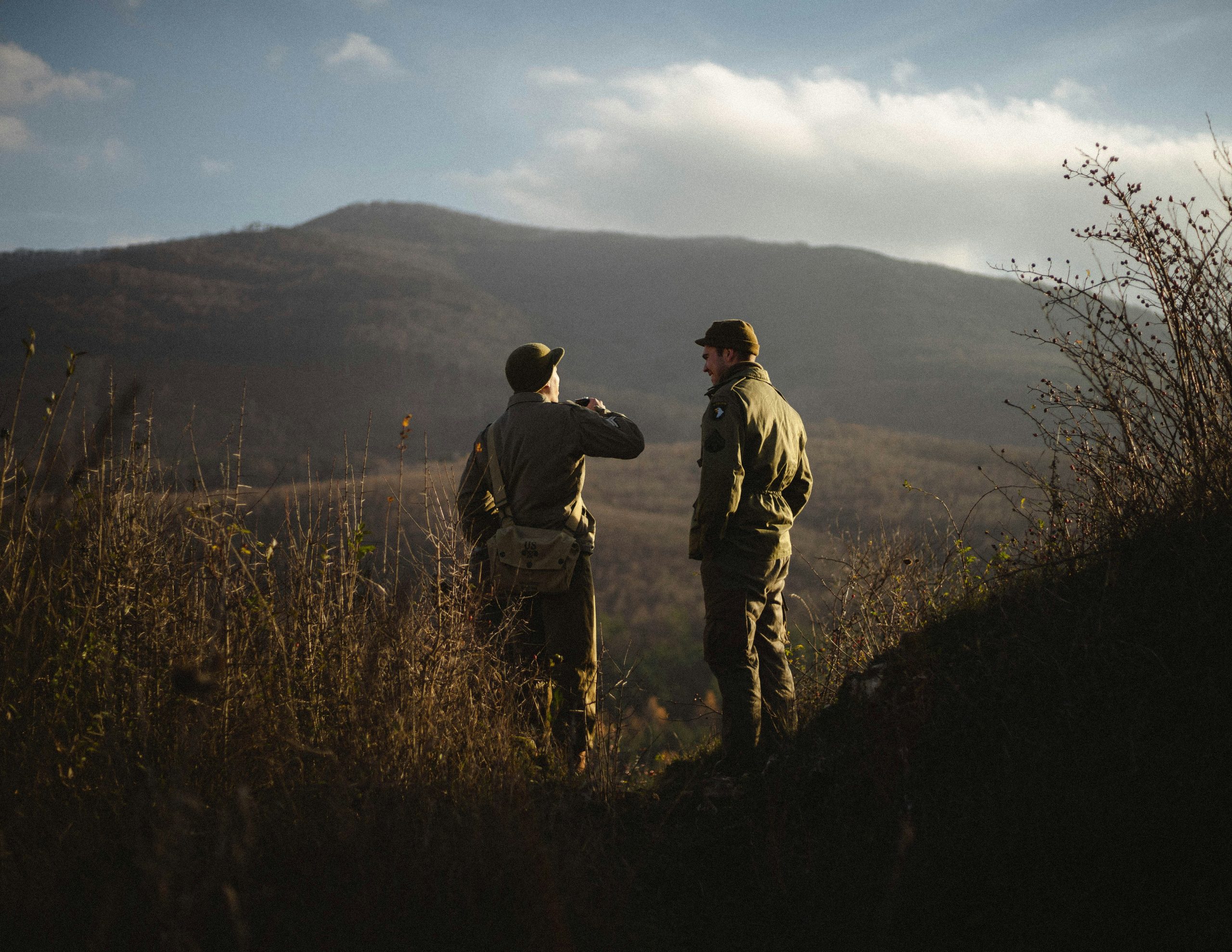
Experienced hunters traditionally taught when wildlife moved, how weather affected activity, and why seasons and limits mattered. Those lessons often came from decades of noticing changes, not from one successful trip. A mentor might review 5 key checks before leaving: current regulations, license, legal season, safe equipment, and a clear plan with companions. Today, official rules and habitat conditions can change, so old advice must be checked against current guidance. The lasting tradition is responsible learning, not repeating past practices without question.