
Experienced firearm enthusiasts sometimes develop strong personal preferences that do not translate into universal buying advice. A gun that feels familiar, enjoyable, or especially useful to one experienced owner can be completely unsuitable for another person. Factors such as hand fit, intended lawful use, recoil, maintenance, training, local regulations, ammunition availability, and secure storage can change the equation. The nine examples below explore firearms that may attract experienced owners while explaining why professionals often separate personal preference from responsible customer guidance.
1. Glock 19
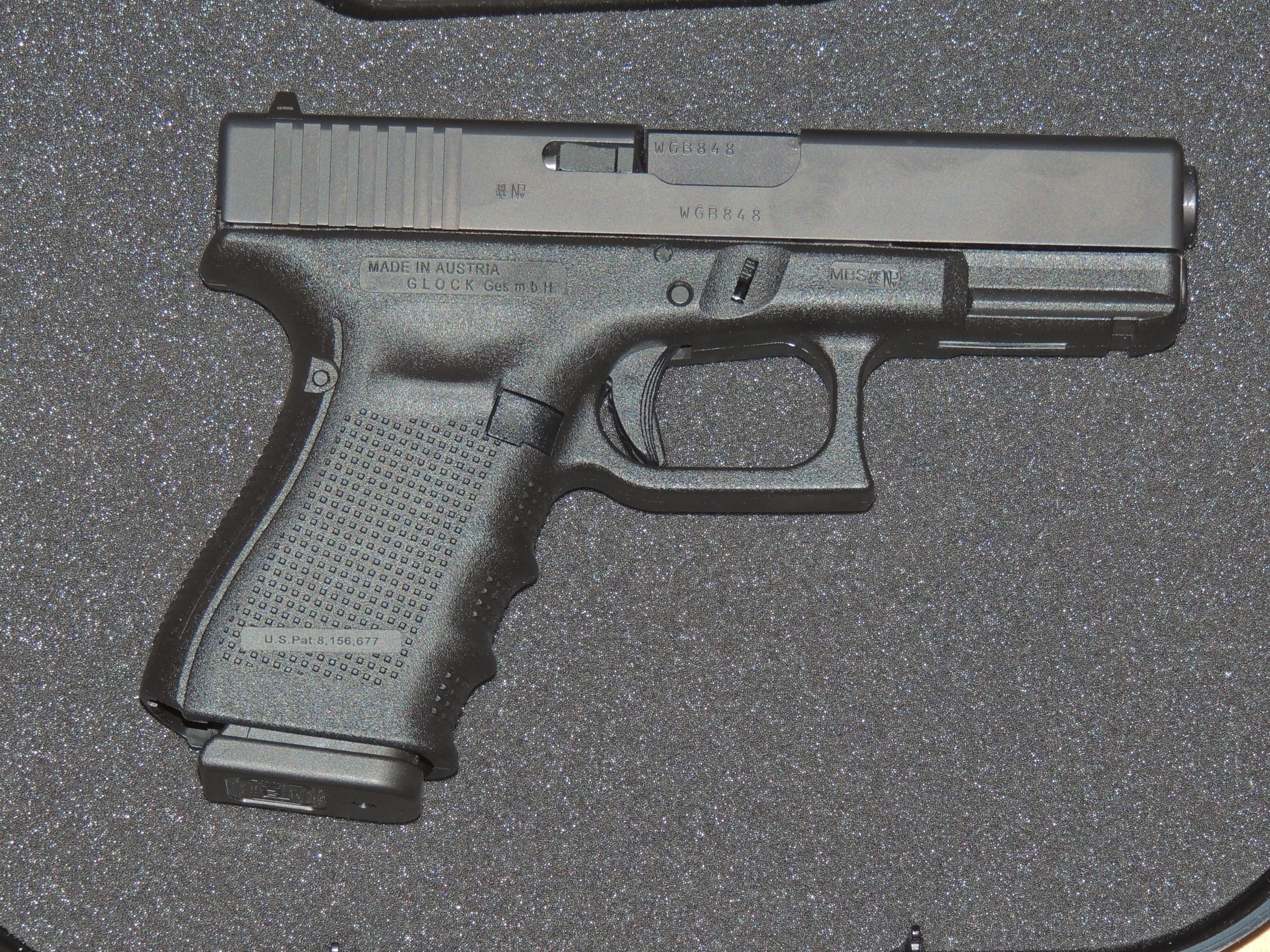
A compact 9mm such as the Glock 19 often appeals to experienced shooters because it balances size, capacity, durability, and a huge support ecosystem. The attraction is less about raw performance than familiarity: the platform has been produced for decades and is widely used for training and service. Experts may keep one because parts, magazines, and holsters are easy to find in many markets. A private choice can still be a poor universal recommendation. Hand size, local law, training, and safe storage all matter before any purchase. That distinction matters.
2. Ruger 10/22
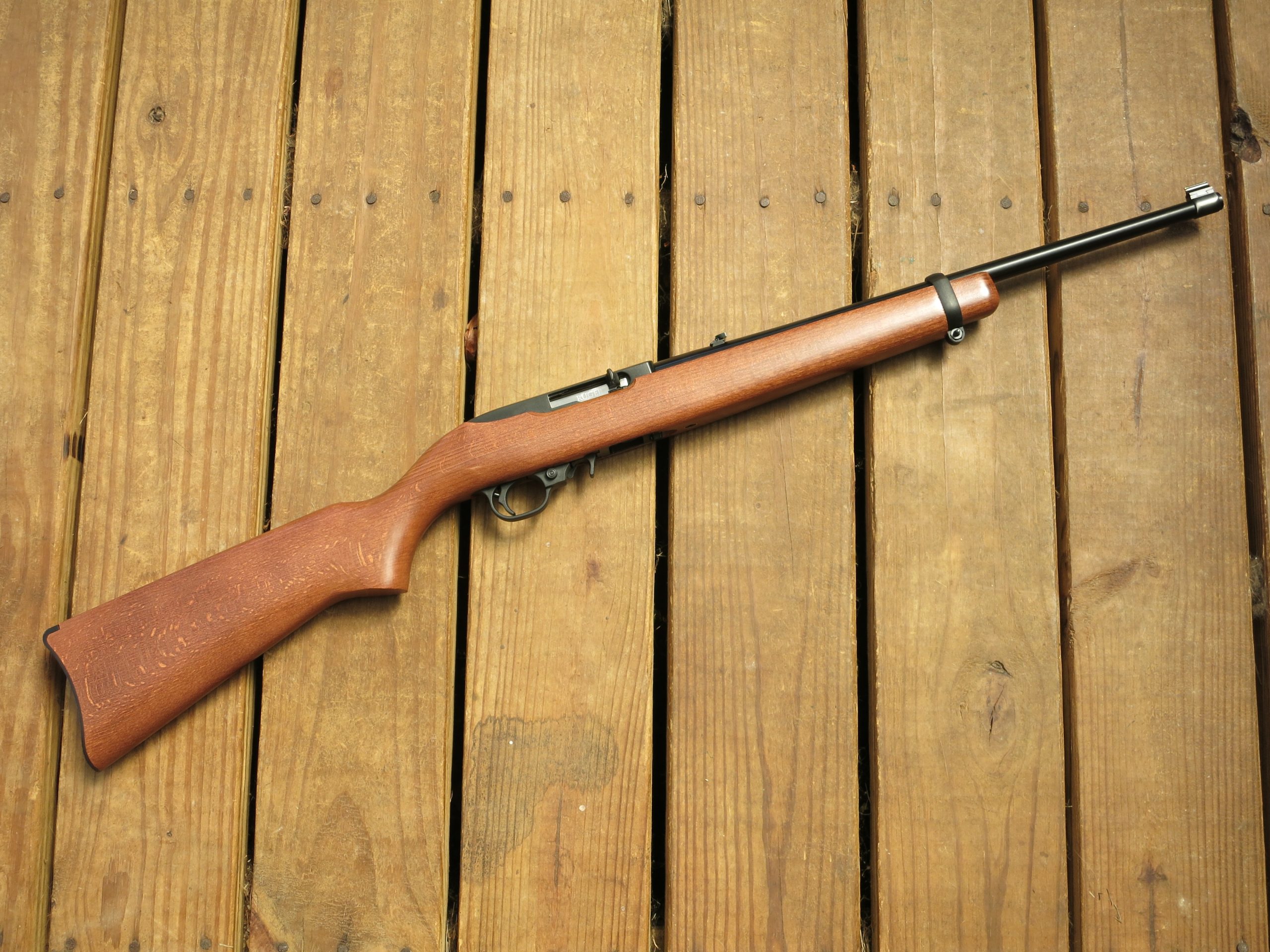
The Ruger 10/22 is a classic example of a gun an enthusiast may buy for personal use even when a professional would hesitate to recommend one specific model. Its .22 LR chambering makes it associated with low-recoil practice, small-game use where legal, and casual target shooting. The platform has existed since 1964 and has an enormous aftermarket, which is part of its appeal to experienced owners. Still, ammunition availability, local regulations, intended use, and the shooter’s ability to handle and store the firearm safely should come before brand loyalty.
3. CZ 457
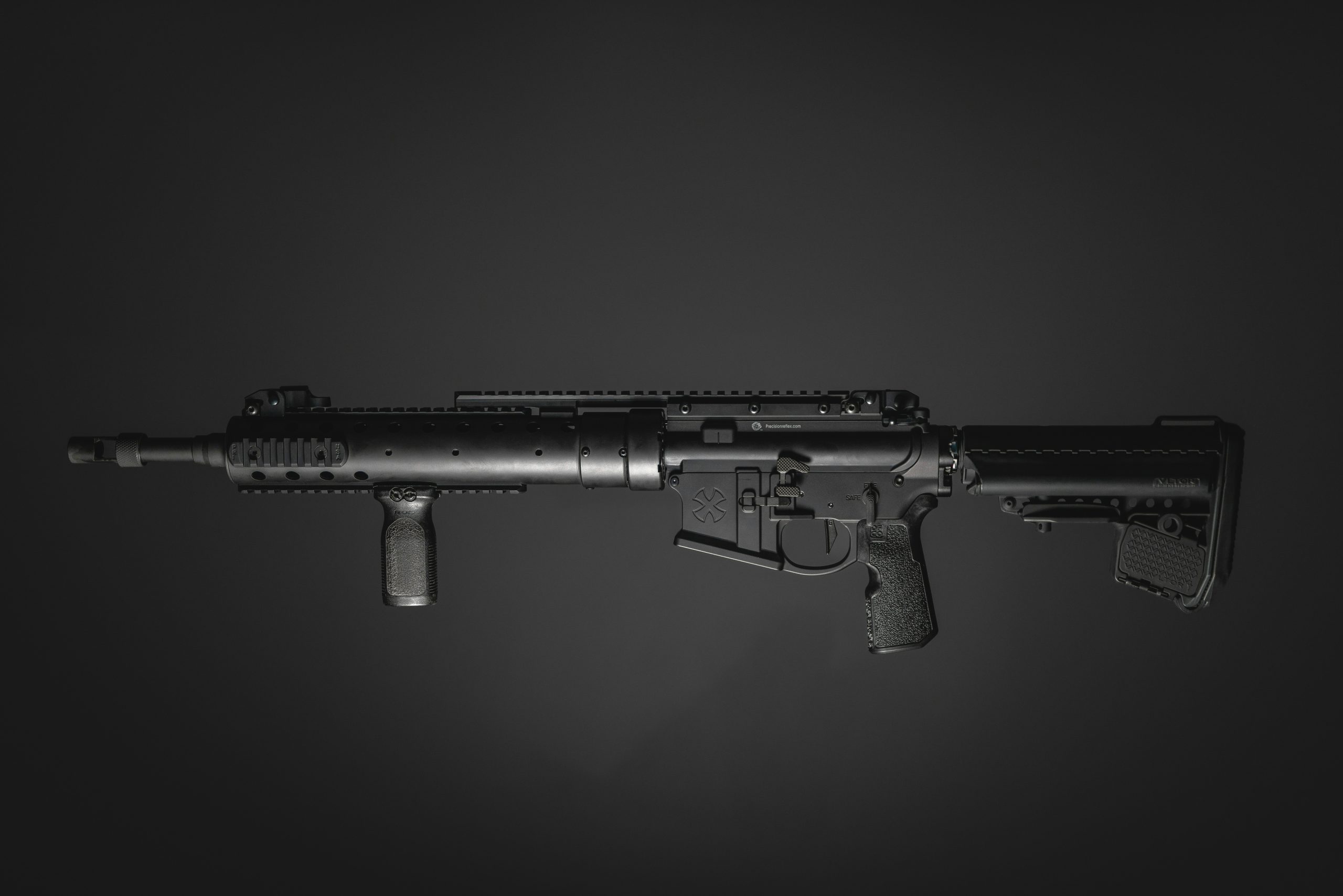
A CZ 457 is the kind of rimfire rifle that can attract an experienced shooter’s attention because precision and mechanical feel can matter more to enthusiasts than simple versatility. Its modular design and interchangeable barrel system are notable features, while the .22 LR version suits target work and other lawful uses. Experts may appreciate that refinement for themselves without suggesting it to every customer. A new buyer may value simplicity, fit, price, and training more than fine adjustments or enthusiast-oriented features. That is an enthusiast priority.
4. Beretta 686
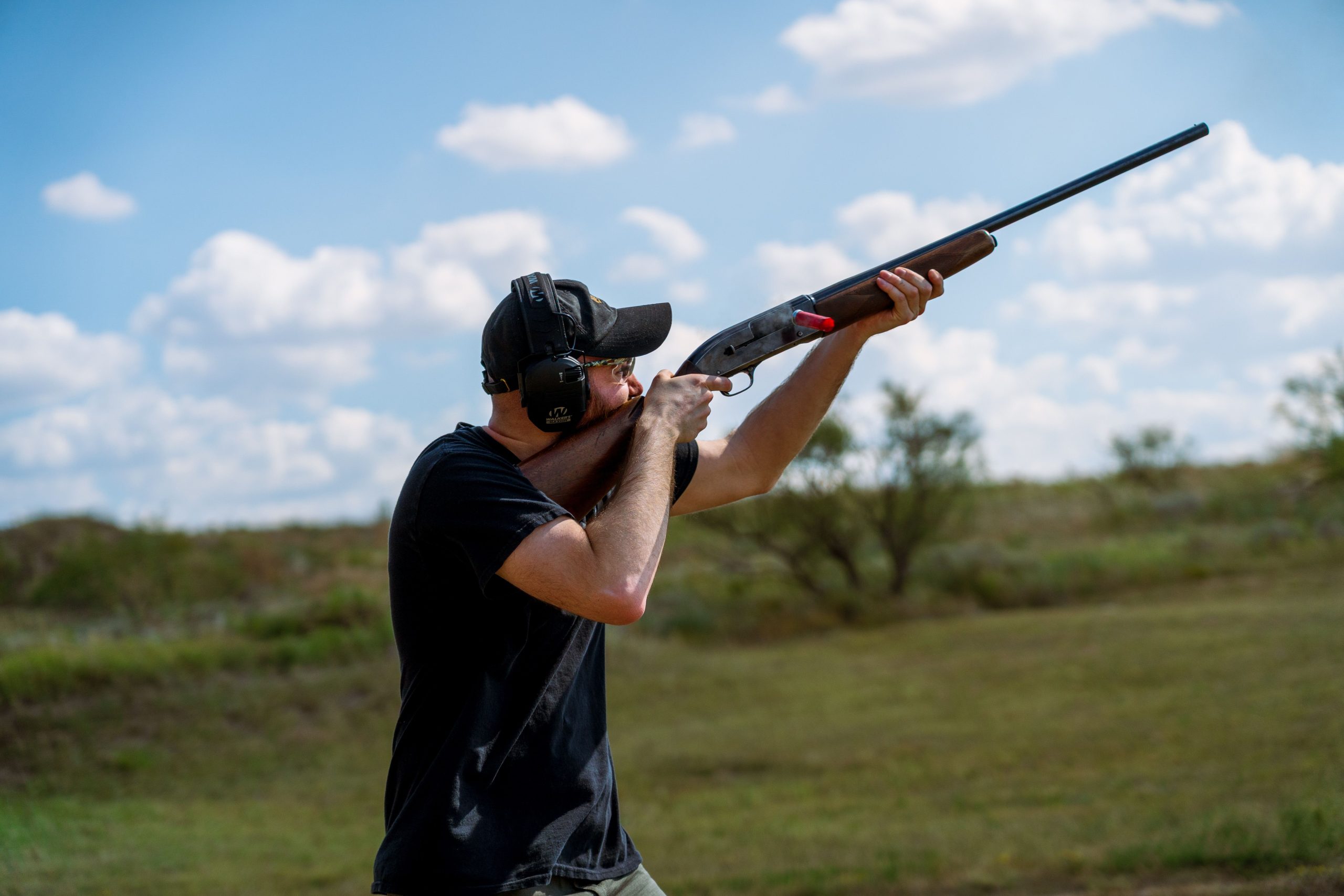
A Beretta 686-style over-under shotgun can be a personal favorite among experienced clay shooters and hunters because its balance and handling feel can be more important than magazine capacity. The 686 platform has been around for decades and is strongly associated with sporting use. An expert might choose one after years of trying different stocks, actions, and barrel configurations. That does not make it the right answer for everyone. Fit, intended discipline, budget, local rules, and professional instruction should guide a first-time buyer more than reputation.
5. Remington 700
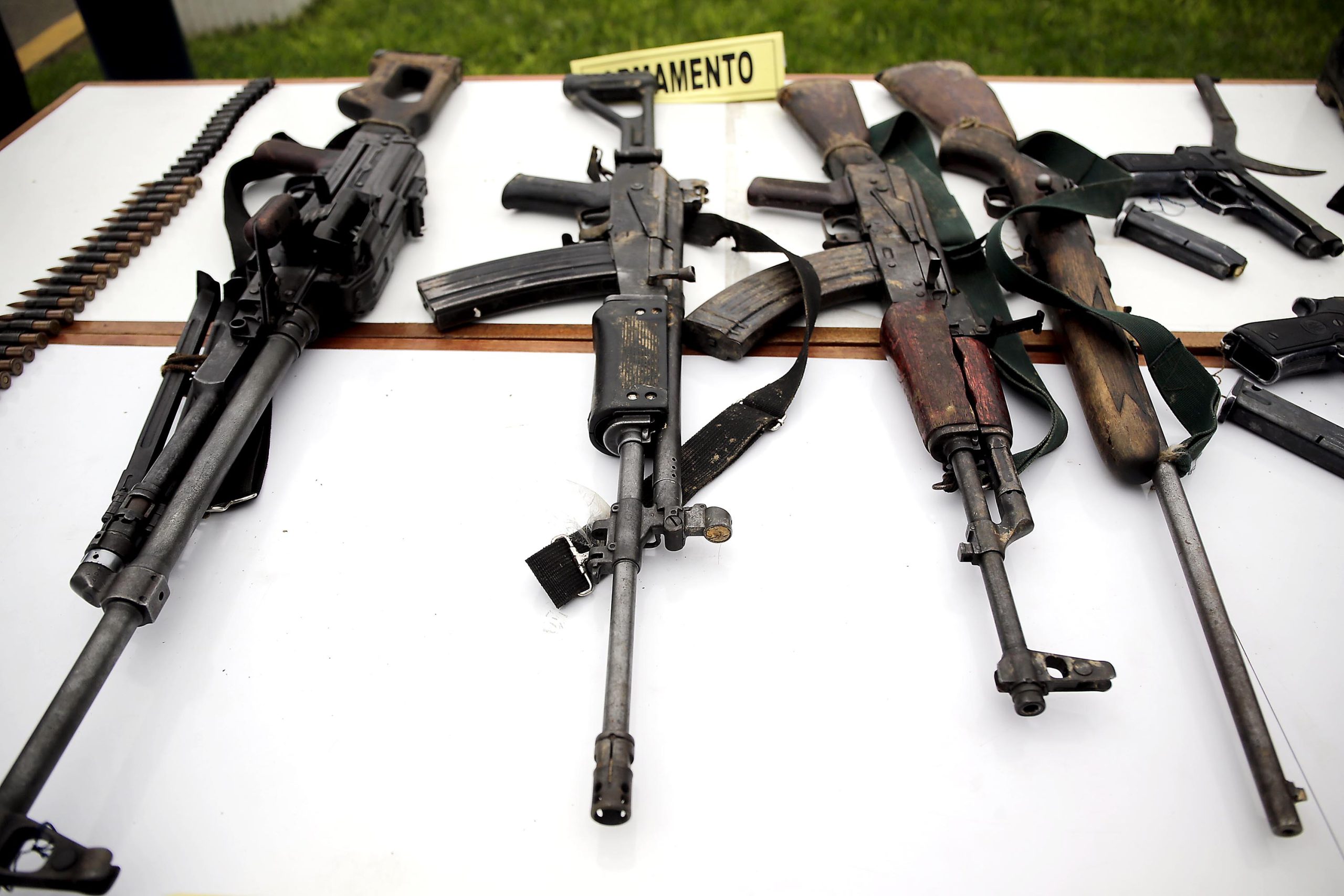
The Remington 700 pattern remains a familiar choice for rifle enthusiasts because it has a long history in hunting and precision-oriented shooting. Its appeal to an experienced owner can come from the platform’s extensive history, familiar action layout, and broad ecosystem of compatible components. Yet a professional advising a client may focus on the actual hunting application rather than a famous action. Cartridge choice, rifle weight, fit, lawful use, training, and secure storage can all change what makes sense for a particular person. That is why context matters.
6. AR-15 Pattern Rifle
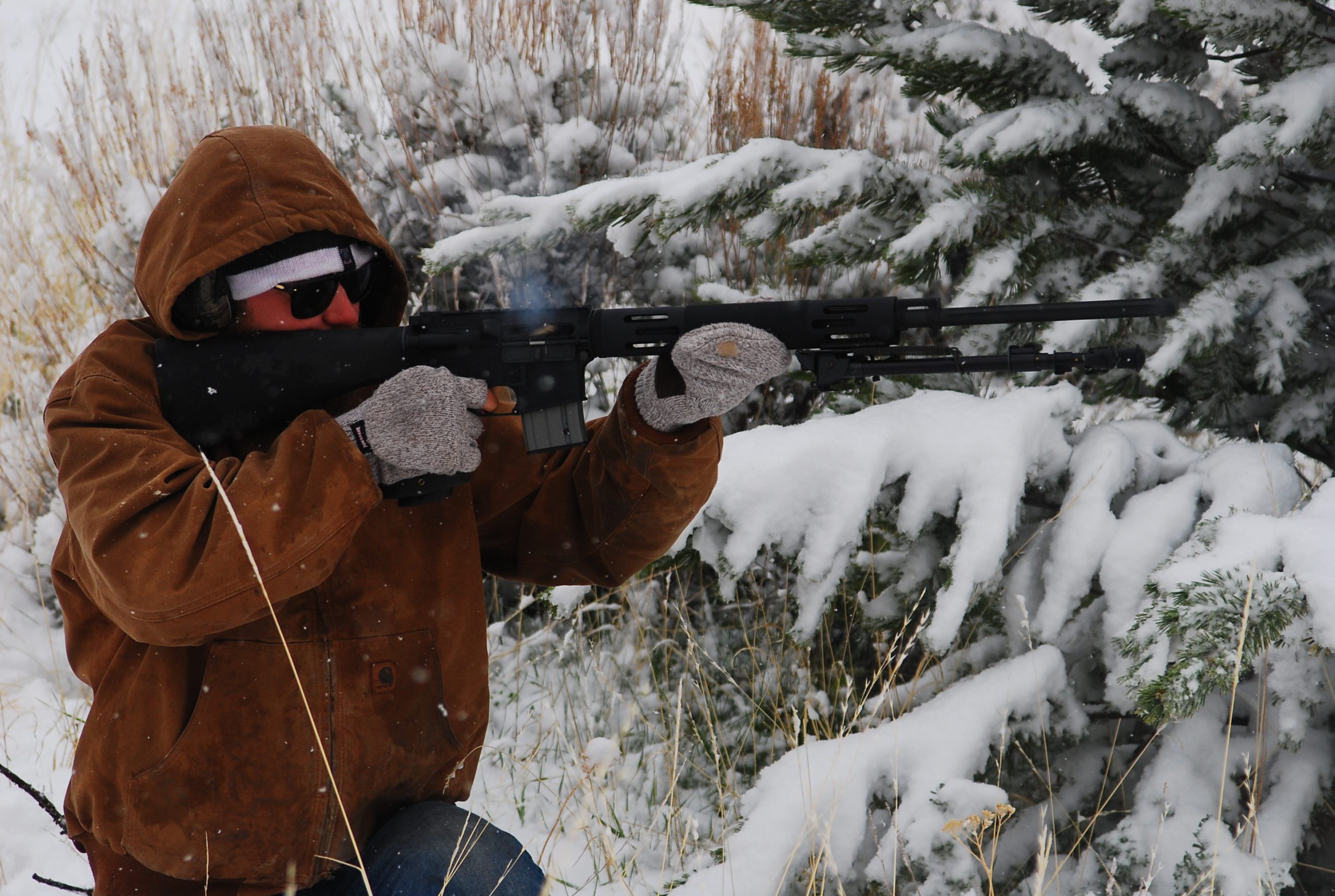
An AR-15 pattern rifle is another platform an experienced shooter might own personally while avoiding a one-size-fits-all recommendation. Its popularity comes from a standardized pattern, broad configuration choices, and extensive familiarity among sporting and range users. That flexibility is exactly why it can be difficult to recommend without knowing the buyer’s lawful purpose and local regulations. A client may be better served by defining the activity, learning safe handling, checking laws, and planning secure storage before choosing a configuration.
7. 1911
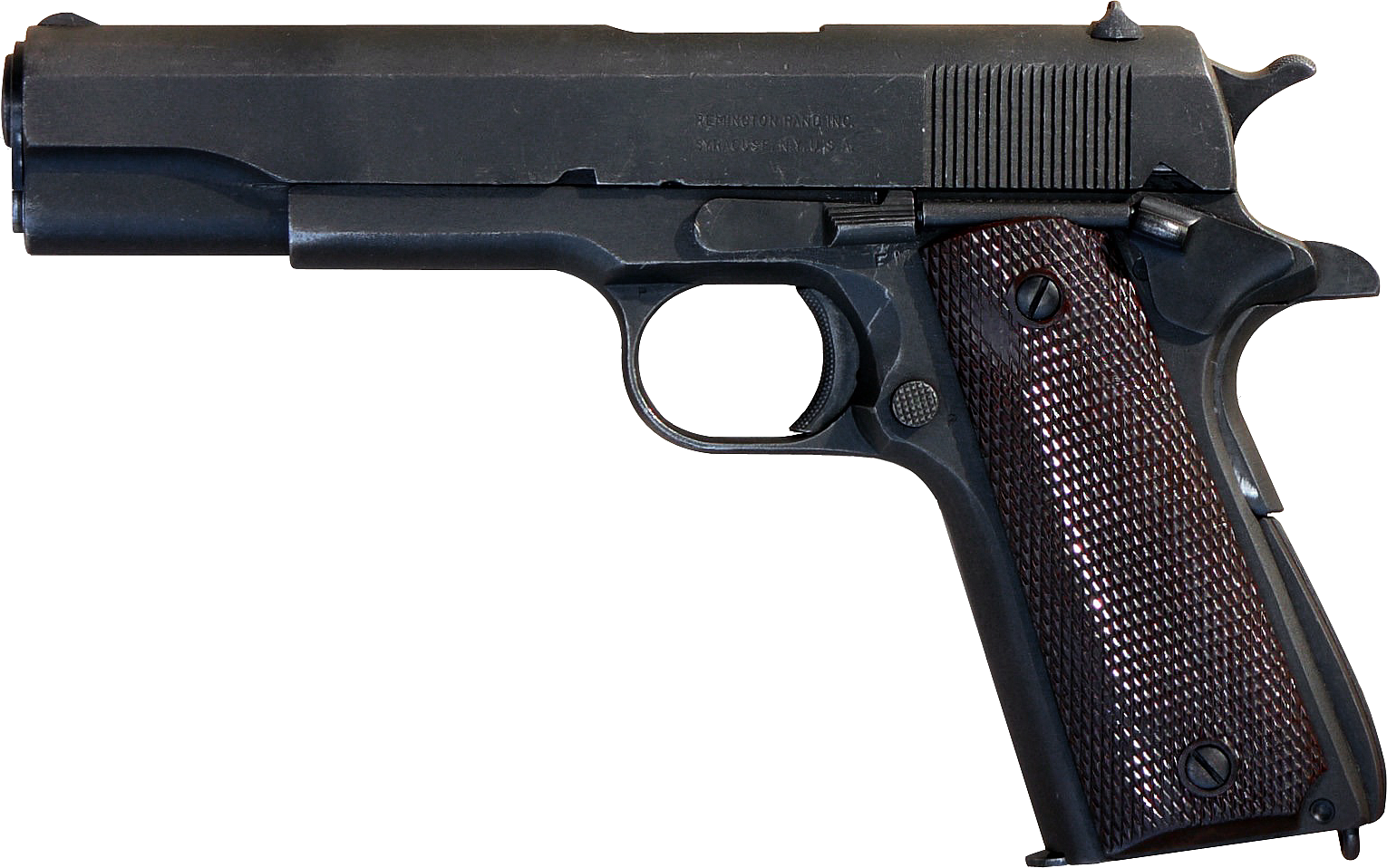
A classic 1911 in .45 ACP can appeal to an enthusiast for reasons that are difficult to reduce to a sales checklist. The design has been around for more than a century, and experienced shooters may value its traditional controls, metal construction, and distinctive trigger feel. That personal preference does not automatically translate into a recommendation for a new owner. Weight, recoil, maintenance expectations, hand fit, training, ammunition cost, and local legal requirements can make another lawful option more practical for a particular customer.
8. .30-30 Lever Action
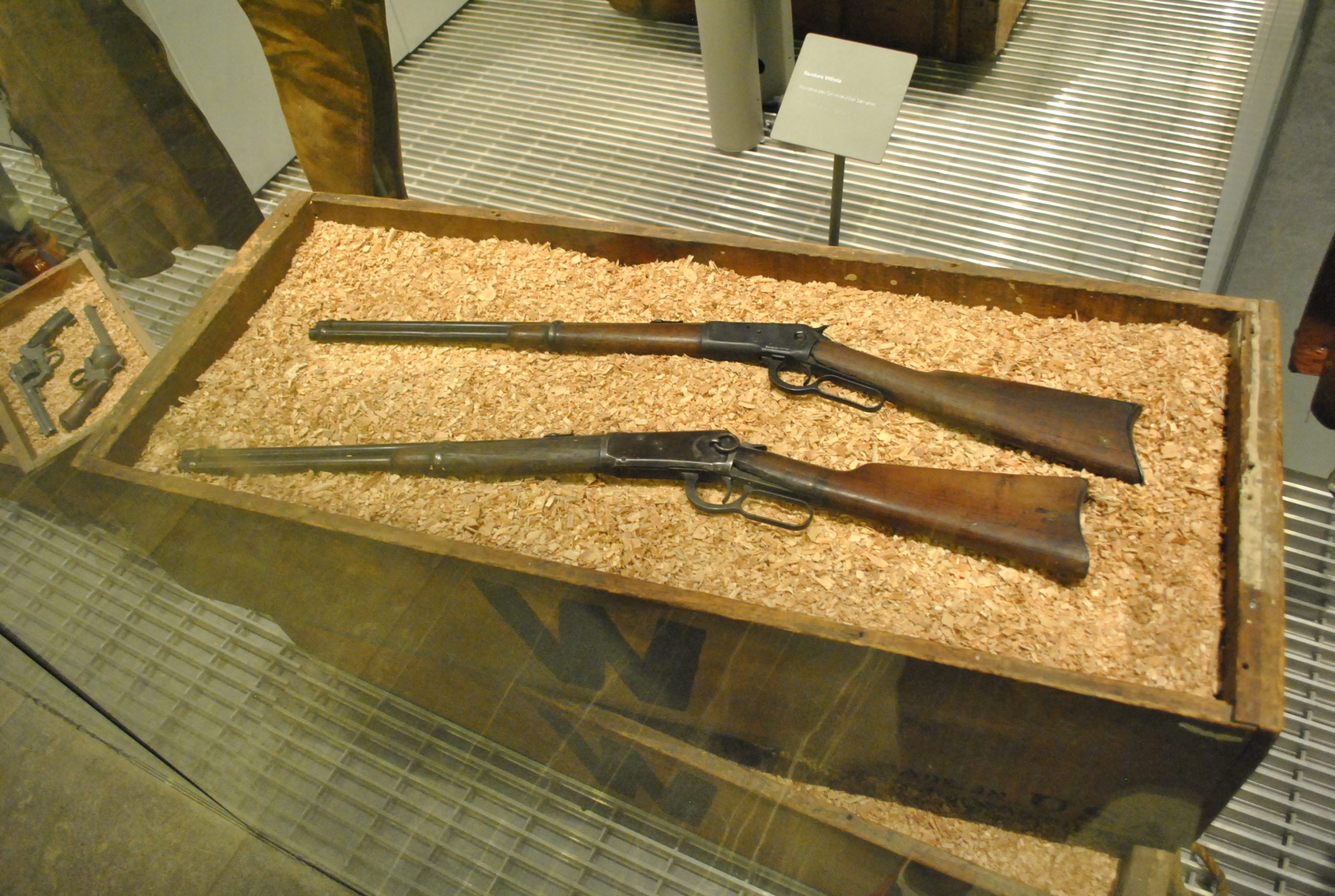
A lever-action .30-30 rifle can be a sentimental and practical favorite for an experienced hunter, especially someone who values traditional sporting arms. The cartridge dates to 1895, giving the combination a long history in North American hunting culture. An expert might keep such a rifle because it is familiar, handy, and enjoyable for specific lawful hunting uses. That does not mean it fits every hunter. Game species, terrain, legal seasons, rifle fit, ammunition availability, training, and secure transport should all be considered before choosing a firearm.
9. Smith & Wesson 686
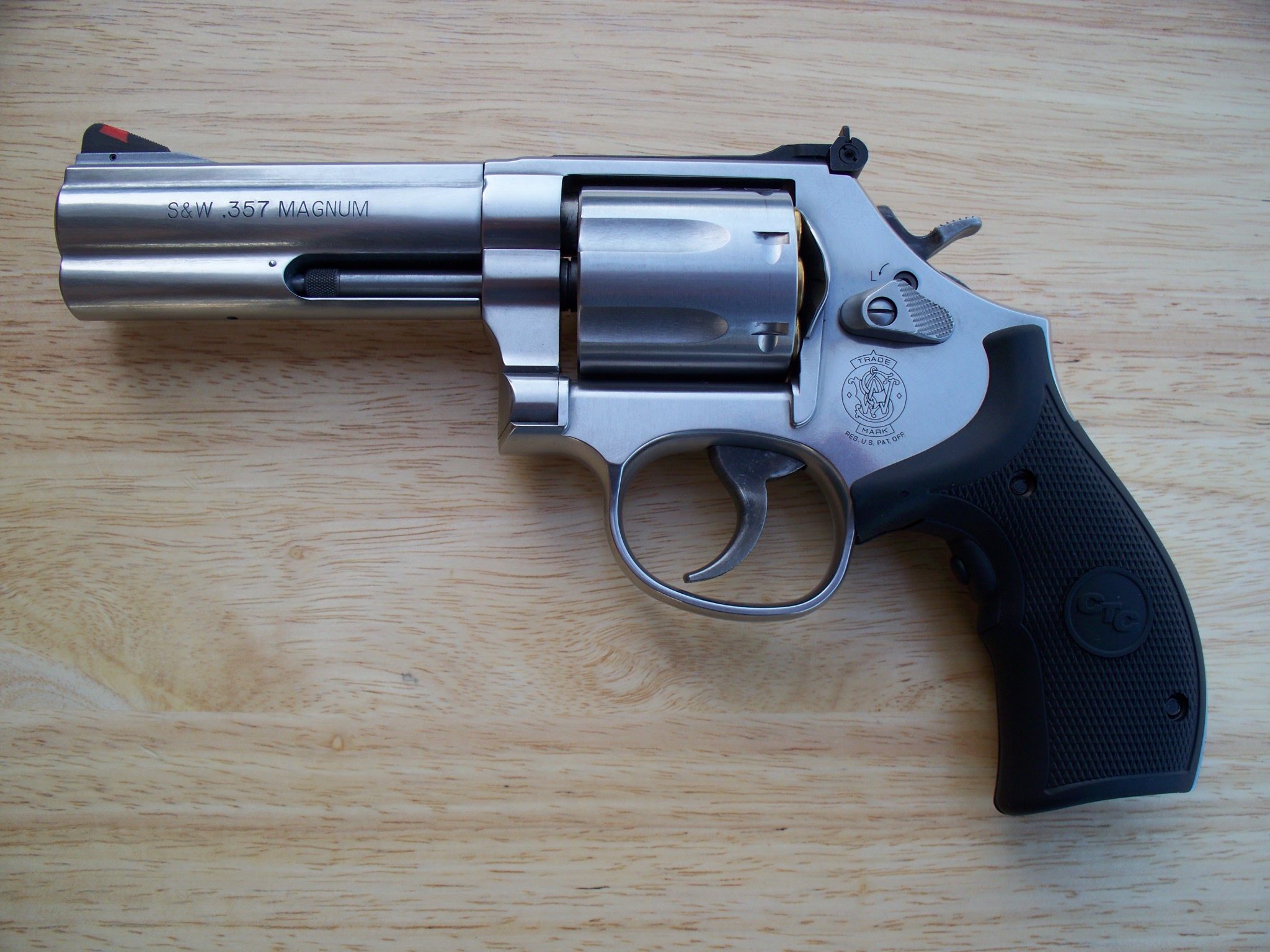
A high-quality revolver, such as a Smith & Wesson Model 686, can remain a private favorite for an experienced shooter even when a salesperson would avoid presenting it as a universal answer. The 686 was introduced in 1980 and became known as a durable .357 Magnum platform that can also fire .38 Special ammunition. Its appeal can come from simplicity and familiarity. For a client, however, weight, recoil, manual handling, intended lawful use, training, storage, and local regulations deserve attention before any model is selected. Personal preference is not a safety plan.