Lead-free ammunition is becoming a practical part of hunting in more places, but changing bullets is not always as simple as buying a different box. Copper and other nonlead designs can alter weight, length, trajectory, patterns, and terminal behavior, while some older or less common firearms face limited ammunition choices. California already requires nonlead ammunition for taking wildlife with a firearm statewide, and other jurisdictions have their own rules. The smart approach is to treat ammunition compatibility, zeroing, availability, and local regulations as part of firearm planning rather than as an afterthought.
1. Older Rifles With Tight Bore Tolerances
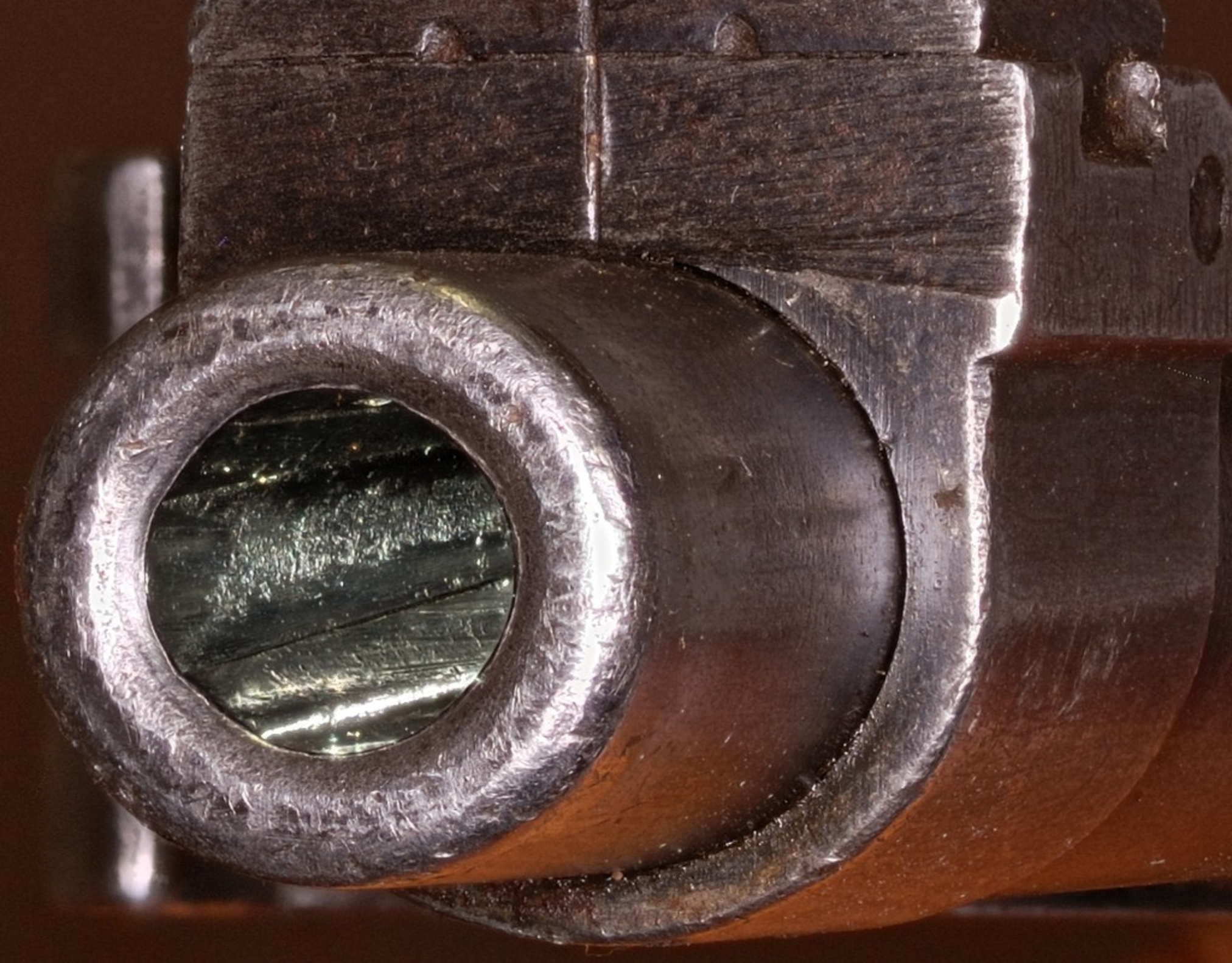
Classic hunting rifles were built around traditional lead-core bullets, so switching to copper or copper-alloy projectiles deserves some homework. Lead is dense, allowing a given bullet weight to fit into a compact shape. Lead-free bullets are lighter for the same size, so manufacturers often make them longer to retain useful weight. That can matter where throat dimensions, magazine length, or rifling twist are less forgiving. A rifle that shoots 150-grain lead bullets well may not group the same way with a 150-grain copper design. Check the ammunition maker’s guidance, confirm the cartridge, and fire 3-5 groups before hunting.
2. Rifles Using Bullets Near Magazine-Length Limits
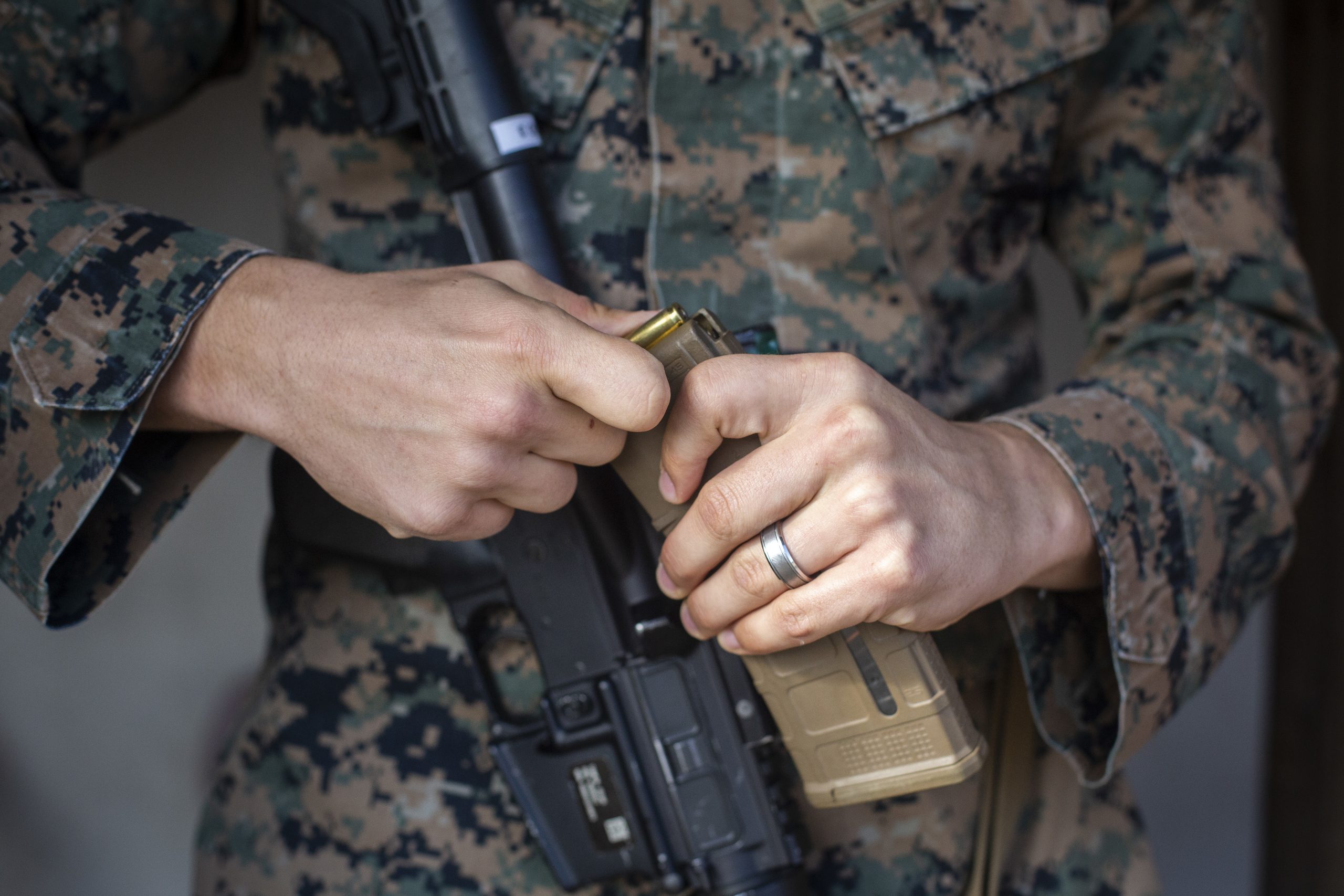
A lead-free hunting bullet can require a different shape even when its advertised weight stays unchanged. Copper bullets often use longer profiles, and seating them deeply enough to fit a particular magazine can alter cartridge dimensions and how a load behaves. This is especially relevant to older bolt actions or rifles with short magazines. The concern is compatibility, feeding, accuracy, and using ammunition loaded for the rifle. Before hunting, check factory specifications and your rifle manual. As a practical step, test 5 to 10 rounds for feeding before carrying that load into the field.
3. Rifles That Have Always Been Zeroed With One Load
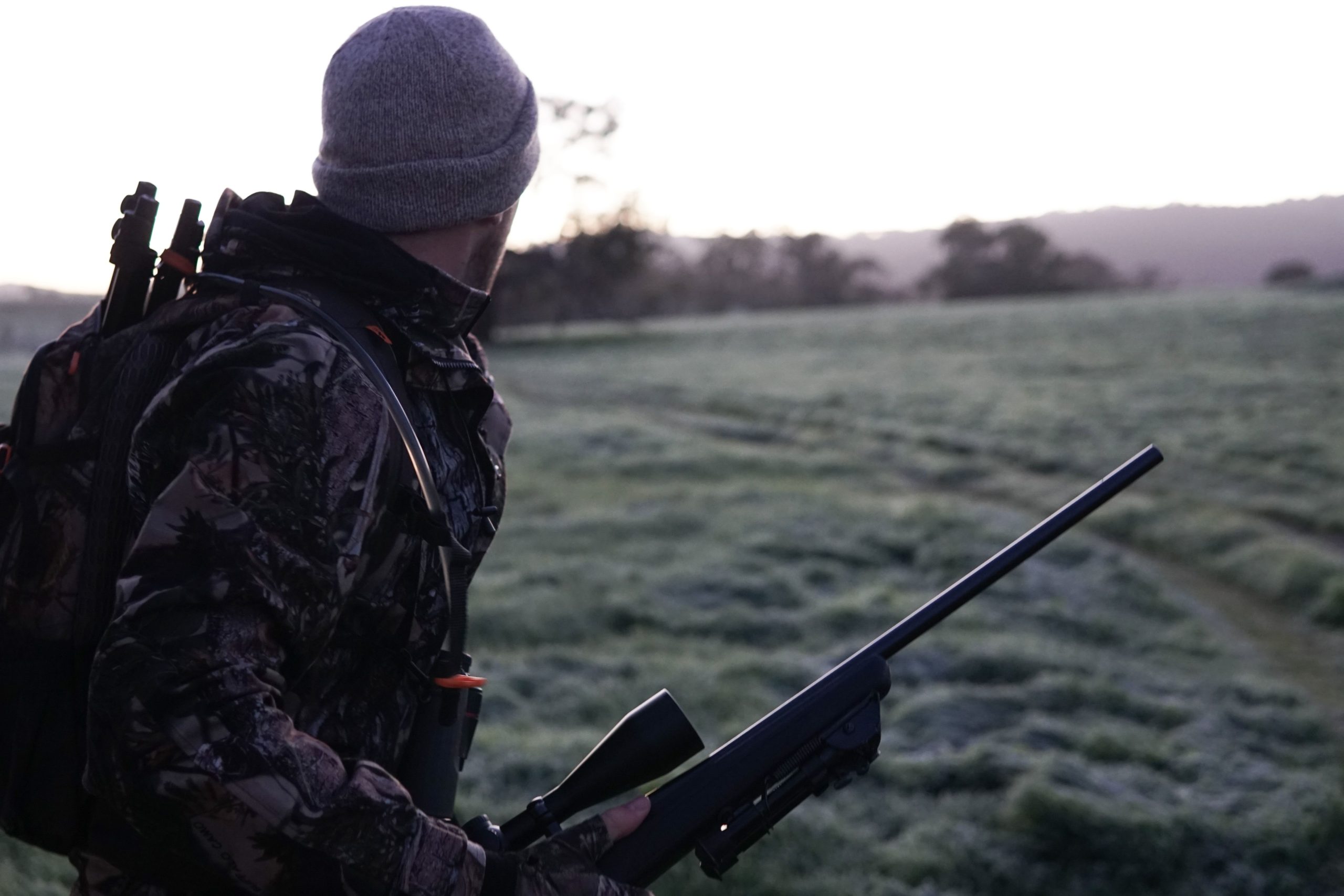
Changing from a conventional lead-core hunting cartridge to a lead-free load should be treated like changing ammunition brands. Even when both loads share the same caliber and bullet weight, their construction, length, velocity, and ballistic coefficient can differ. That can move the point of impact and change performance at distance. California’s wildlife agency advises hunters to try nonlead ammunition at the range, re-zero rifles, and pattern shotguns before hunting. Start with a 3-shot group, then fire another 3 to 5 shots after adjustments. Do not assume a familiar 100-yard zero automatically transfers to the new load.
4. Small-Caliber Rimfires With Limited Nonlead Choices
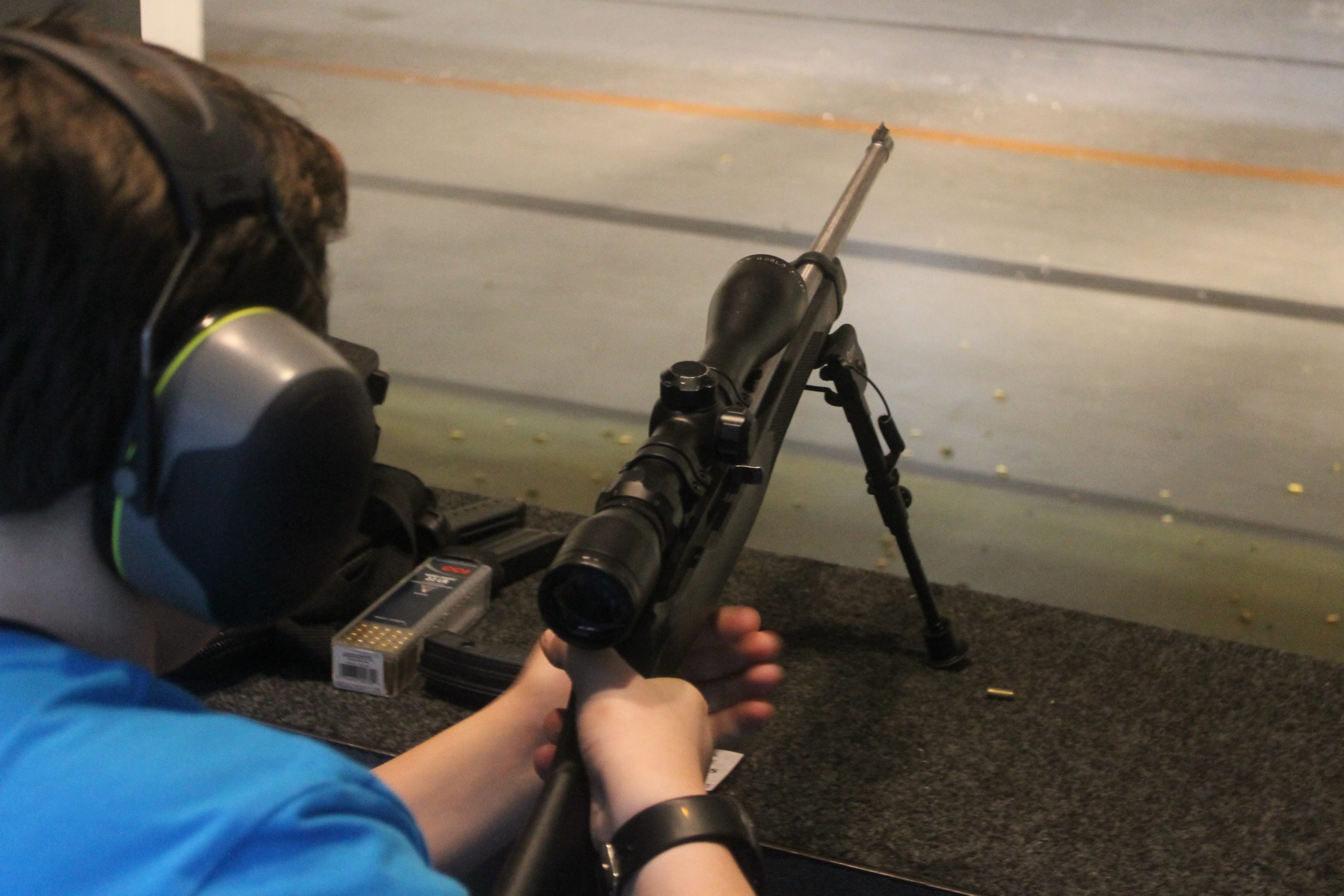
The move away from lead is not equally simple for every firearm. Centerfire hunting cartridges now have many nonlead options, but small rimfire ammunition can be harder to find in some markets. A 2026 California Fish and Wildlife Journal article reported that, from August 2023 through March 2025, a nonlead .22 LR product was found in stock during only 21% of 1,098 store checks. Nonlead .17 HMR availability was 44% in the same monitoring. This was a California retail sample, not the entire U.S. market, but it shows why .22 LR owners may need to plan earlier. Check availability, legal requirements, and intended use before hunting.
5. Shotguns Still Set Up for Traditional Lead Loads
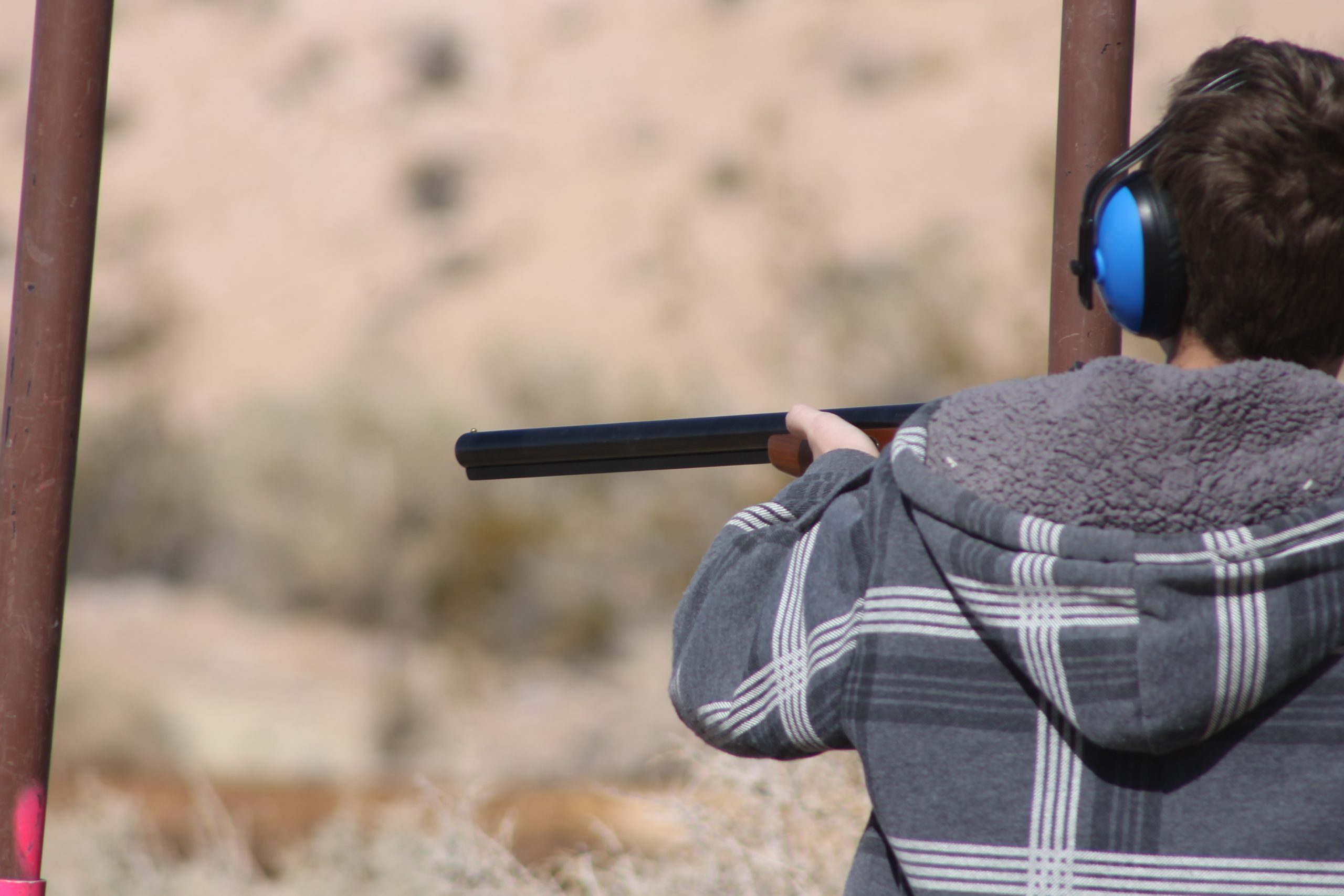
Hunters who use shotguns should not assume that every lead-free load behaves like the shells they have always used. Nonlead shot can have different density, hardness, and pellet geometry, which may change patterns and performance. U.S. waterfowl hunting has required nontoxic shot for decades, and other hunting can also have local rules. The key issue is compatibility: use only loads approved for the shotgun and choke combination by the manufacturers. Pattern the exact shell before hunting. Try at least 3 to 5 patterning shots at a realistic distance and examine pellet distribution rather than judging performance from one test.
6. Rifles Used for Big Game at Longer Distances

Lead-free bullets have become common in modern big-game cartridges, but hunters should not treat them as interchangeable with every traditional load. Copper designs can retain much of their weight and may penetrate differently from some lead-core bullets. Their external ballistics also depend on the exact bullet design, weight, and muzzle velocity. A hunter switching loads should therefore confirm trajectory at known distances rather than relying on a familiar drop chart. Check impacts at 100 yards and, when needed, verify at 200 or 300 yards. The important point is consistency: use the same load for sighting, practice, and hunting.
7. Older Firearms Where Ammunition Availability Matters
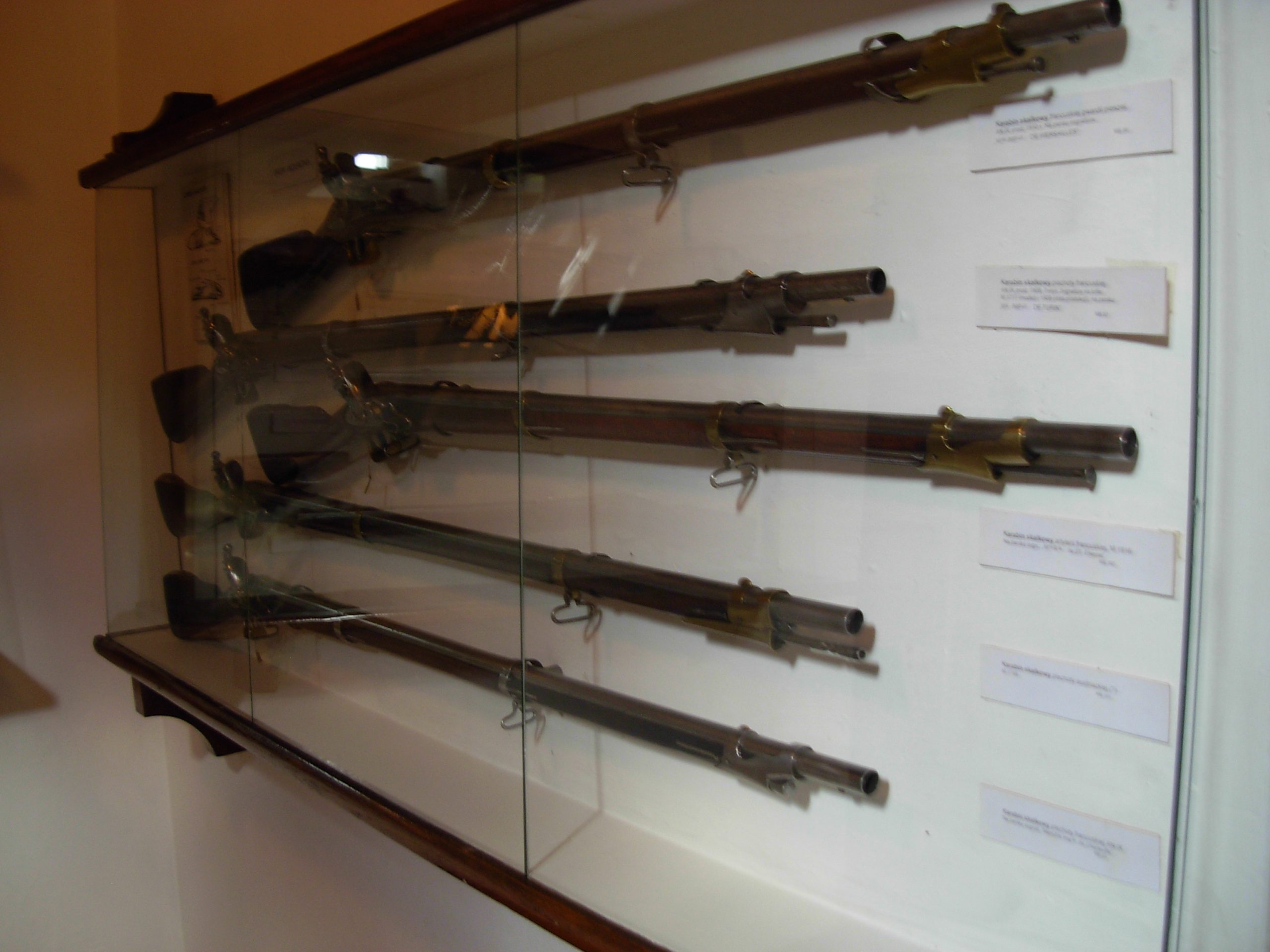
Some hunters may rethink a firearm because suitable lead-free ammunition can be difficult to obtain. This can affect uncommon calibers, older cartridges, and small rimfires. California’s 2026 review found some nonlead .22 LR options had disappeared from regular production, while choices were limited. An older rifle is not automatically obsolete; ammunition planning simply becomes part of equipment planning. Before the season, check the cartridge, legal status, manufacturer compatibility, and local supply. Buying a few boxes early and testing 5 to 10 rounds can prevent a last-minute change. The California experience shows that availability can matter almost as much as technical compatibility