The Kentucky long rifle did not just look different. It handled, shot, and even represented frontier life in ways earlier firearms rarely could. These seven details help explain why this elegant weapon became such a lasting symbol of early America.
A Smaller, Faster Ball
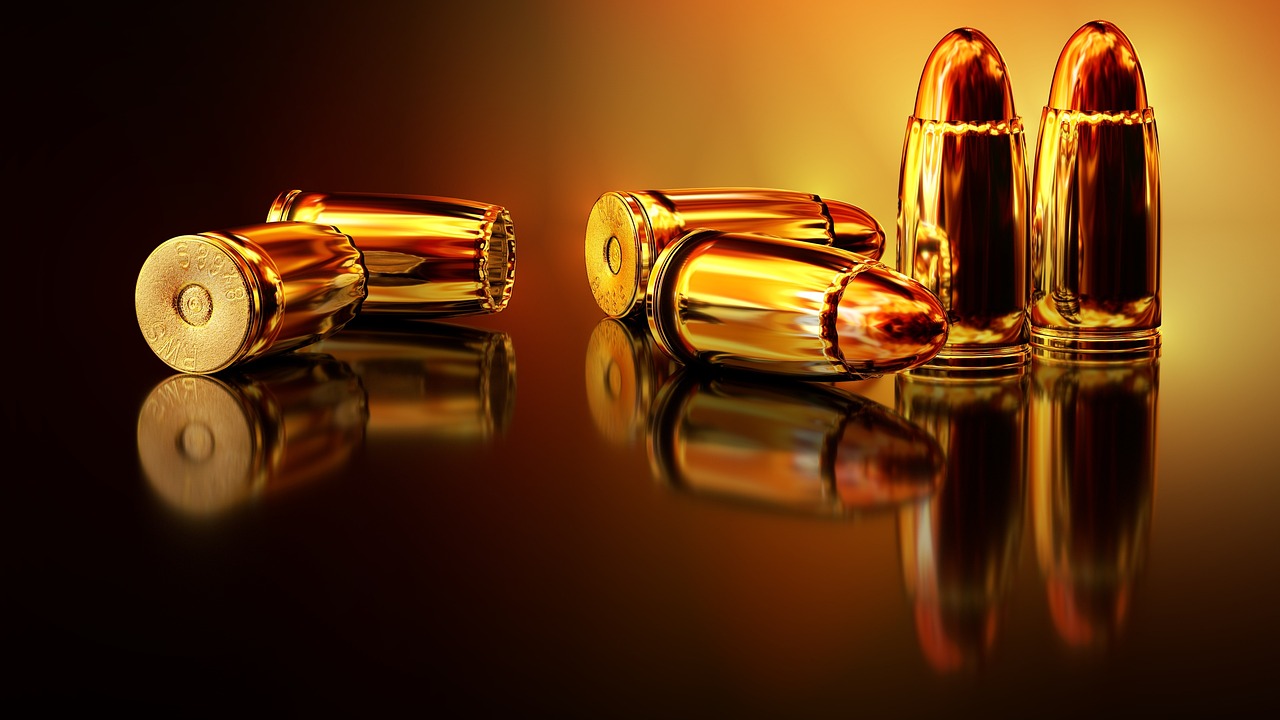
Compared with many earlier large-bore guns, the Kentucky long rifle typically used a smaller caliber ball. That may sound like a minor technical choice, but it changed how the firearm worked for hunters and settlers who had to stretch every supply they carried.
A smaller ball meant more shots from the same amount of lead, which mattered deeply in backcountry life. It also produced less recoil than heavier military weapons, making the rifle more comfortable and manageable. The result was a firearm built for repeated practical use, not simply for battlefield volleys or close-range power.
Rifling That Truly Mattered
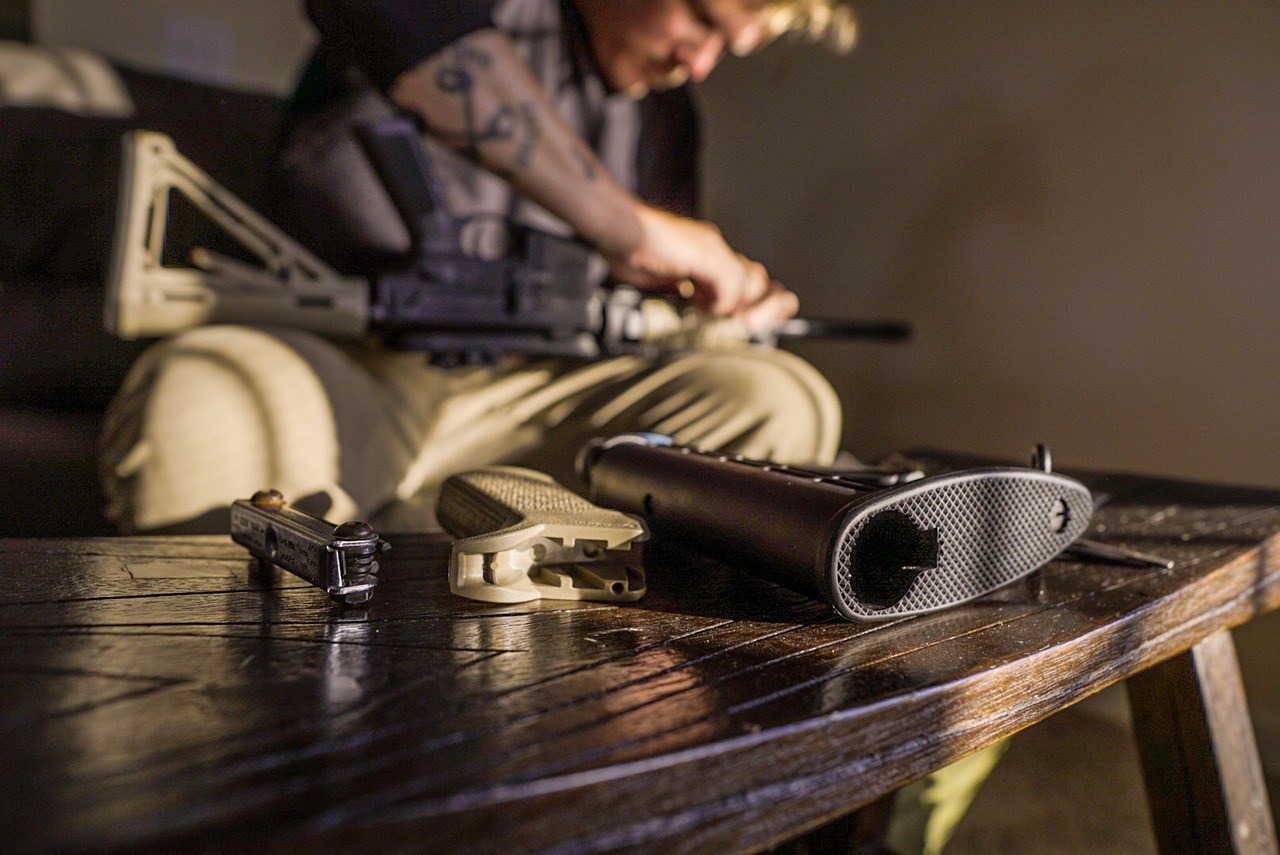
Grooves inside the barrel were not a brand-new invention, but the Kentucky long rifle made rifling central to its identity. Those spiral grooves spun the ball in flight, improving stability and helping the shot stay truer over longer distances.
That was a major break from the smoothbore muskets that dominated military use for generations. Muskets could be loaded quickly, but they were not celebrated for pinpoint accuracy. The long rifle embraced a different idea entirely, favoring careful loading and careful shooting. It rewarded skill, patience, and marksmanship in a way older firearms generally did not.
A Stock Shaped for the Shooter
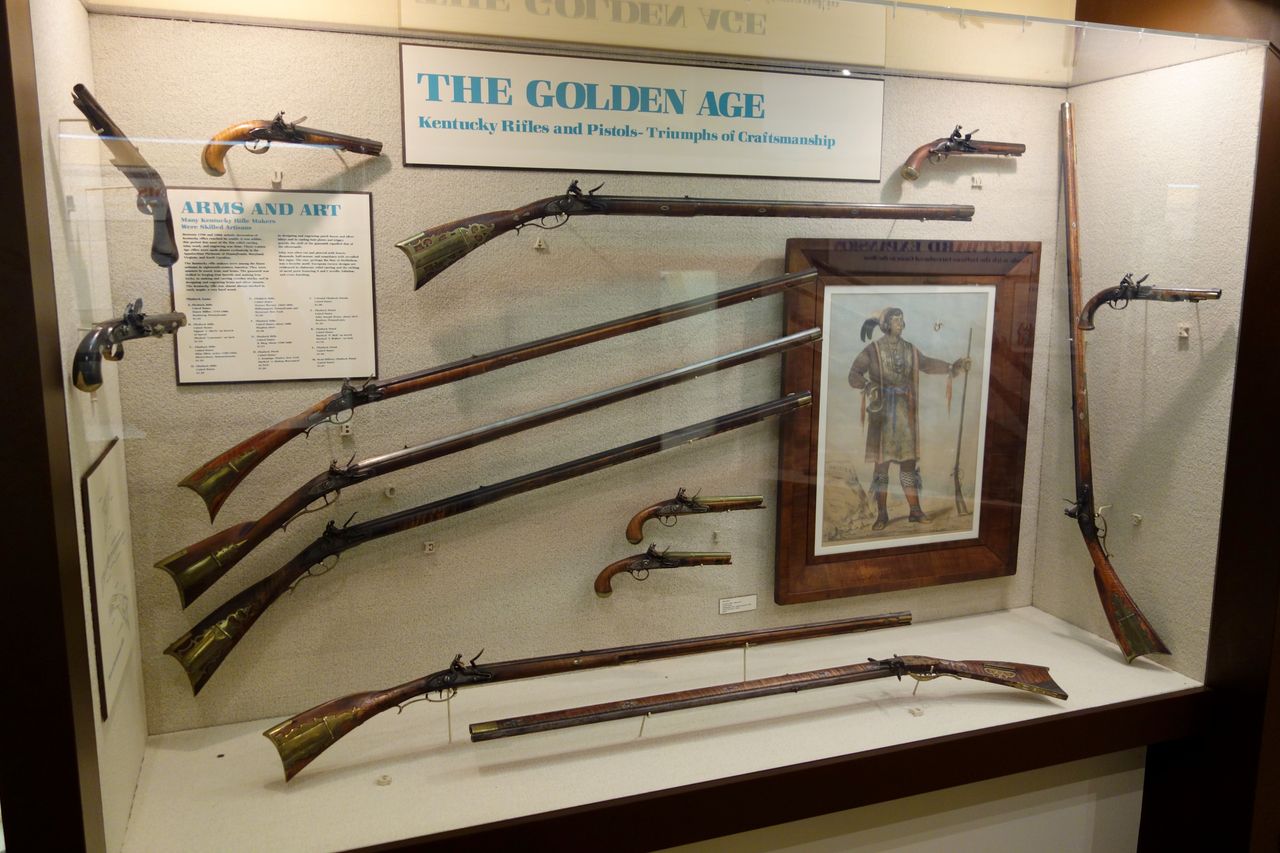
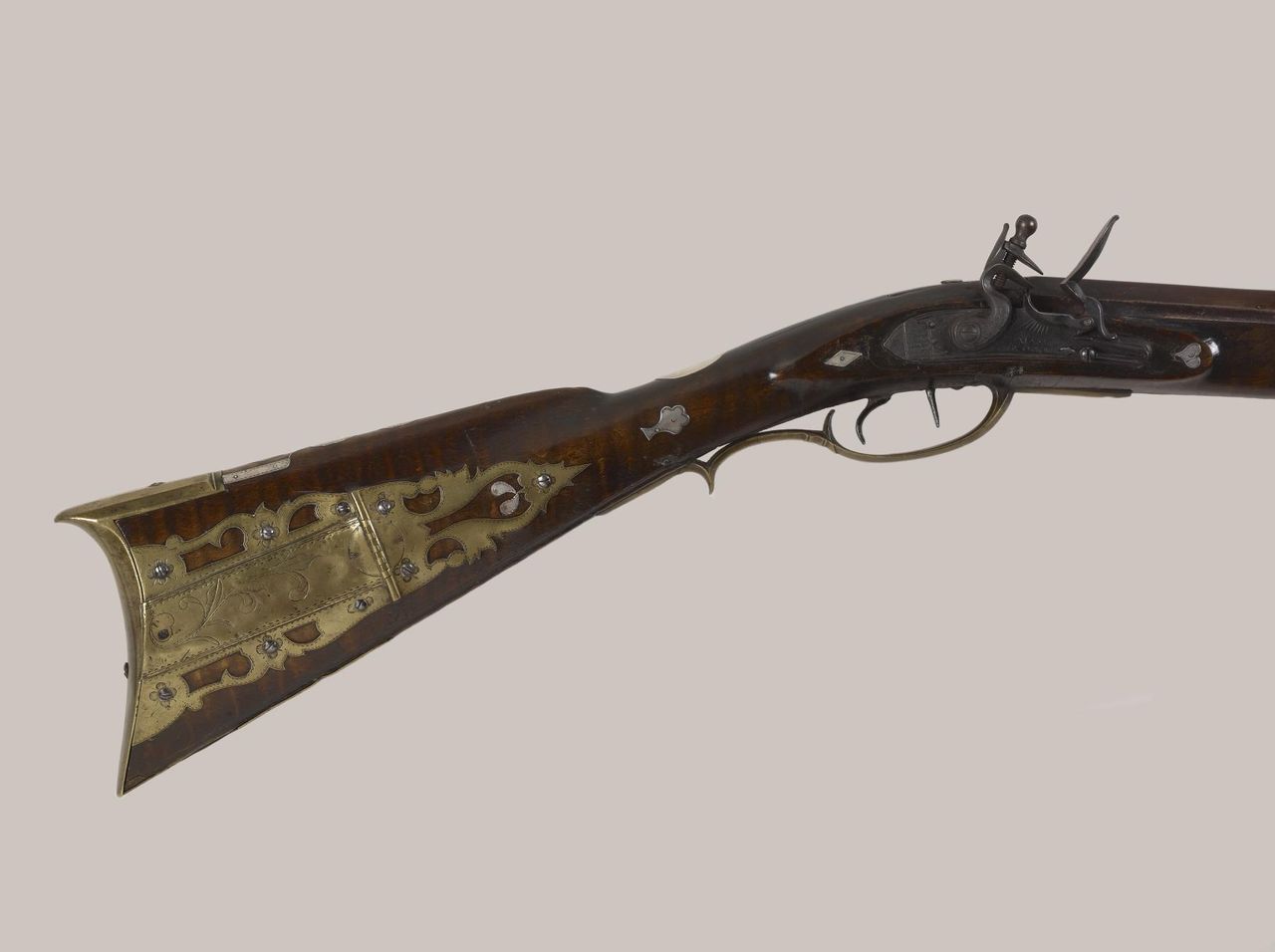
The stock of the Kentucky long rifle was slender, curved, and noticeably more refined than the chunkier forms seen on many earlier European arms. It nestled into the shoulder with a practical elegance that made the whole gun feel less clumsy and more alive in the hands.
This shaping was not decoration alone. A well-designed stock improved comfort, alignment, and control, especially during deliberate aimed fire. On long hunts or militia service, that mattered. The rifle seemed tailored to the individual shooter, reflecting an American frontier preference for tools that were both useful and intimately personal.
Patchbox and Built-In Utility
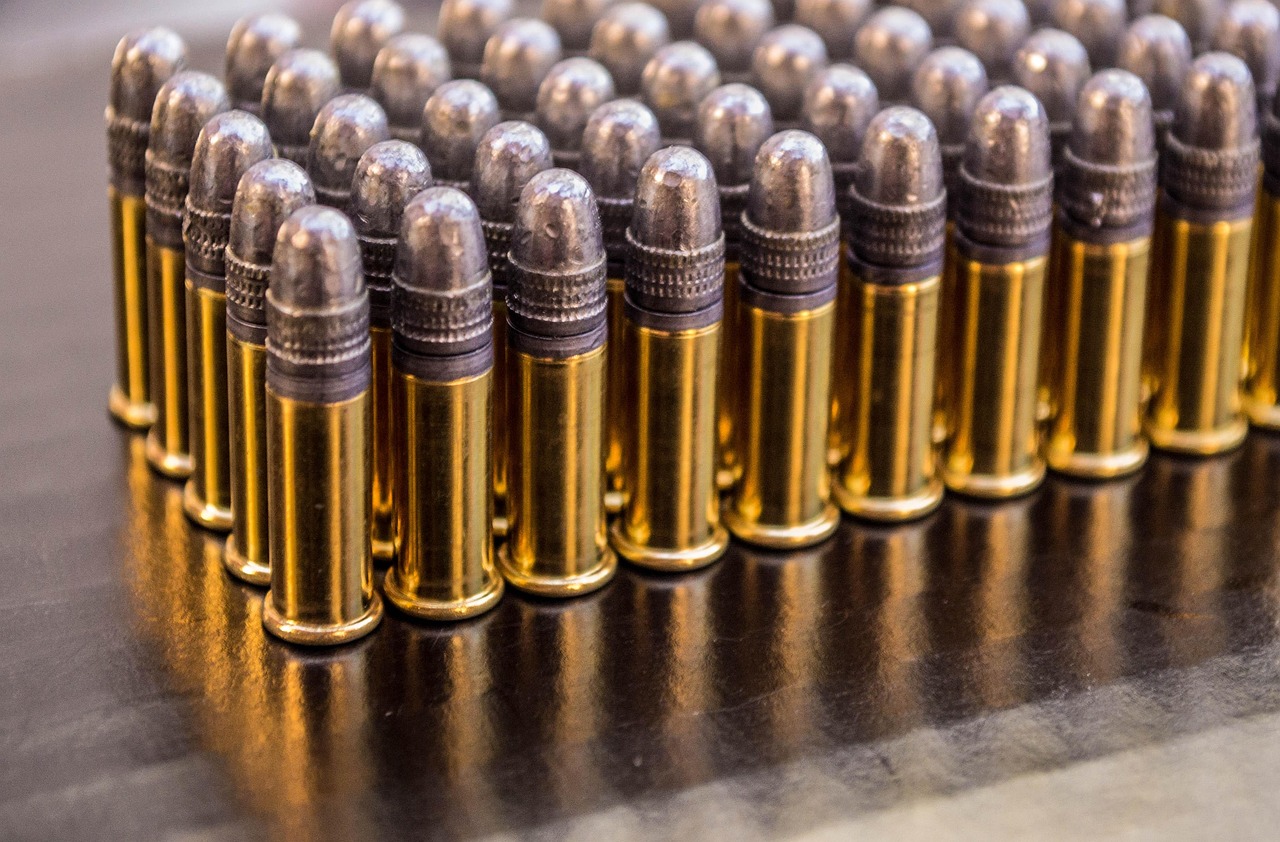
Many Kentucky long rifles featured a brass patchbox built right into the buttstock. At first glance, it reads like a decorative flourish. In reality, it was a clever little storage space for greased cleaning patches and other small essentials a shooter might need in the field.
That detail says a lot about the rifle’s world. Frontier firearms had to be self-contained, practical, and ready for hard use far from supply centers. The patchbox blended beauty with convenience in a way earlier guns often did not. It turned part of the gun itself into a working kit, not just a firing mechanism.
Decoration That Signaled Craftsmanship
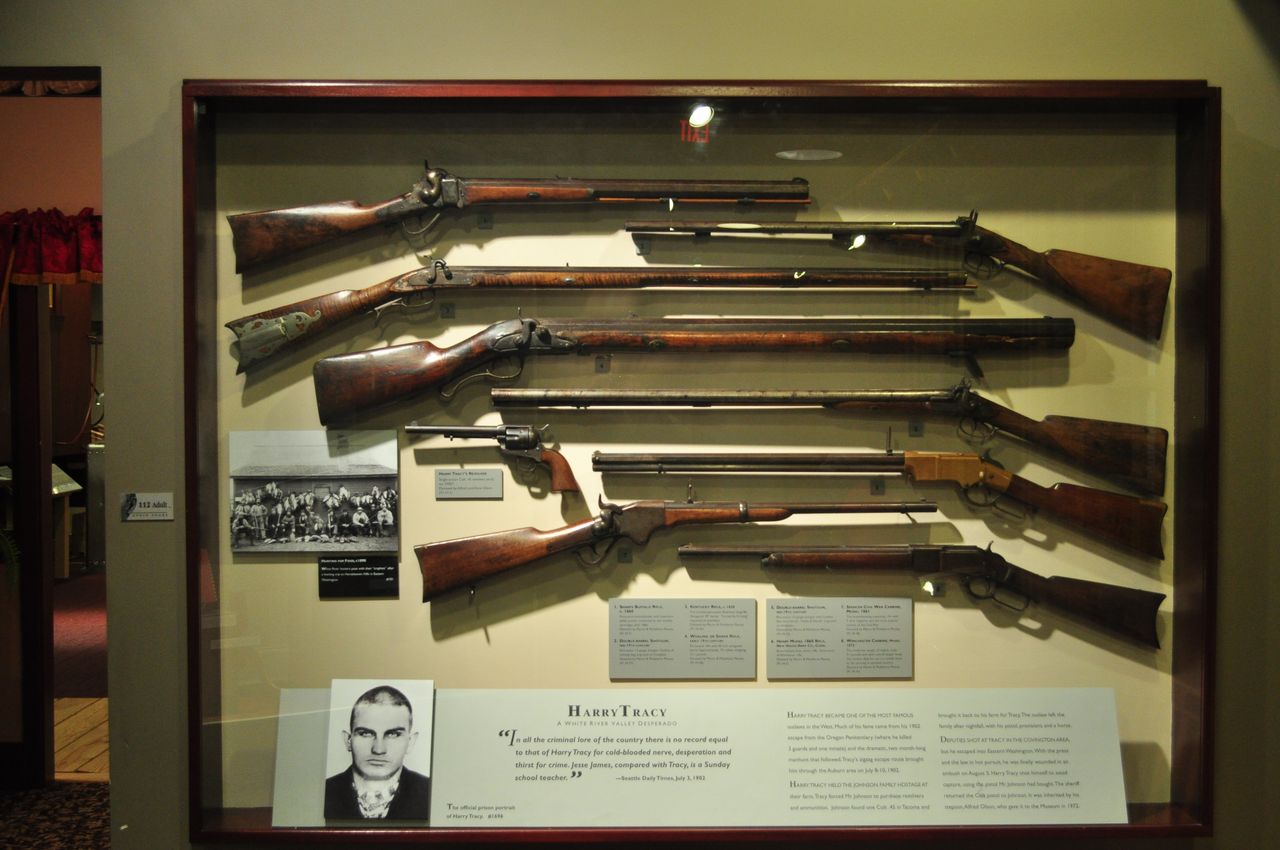
Unlike many strictly utilitarian firearms, the Kentucky long rifle often carried engraving, inlays, carved wood, and polished metalwork. These were not mass-produced objects meant to be anonymous. They were frequently handmade pieces, and their surfaces proudly showed the touch of individual gunsmiths.
That blend of artistry and function helped distinguish the rifle from earlier military arms built mainly for standard issue. Owning one could express taste, status, and regional identity as much as practical need. The rifle became not just a tool for survival, but a personal possession with real visual character and emotional value.
Built for the Frontier Instead of the Parade Ground
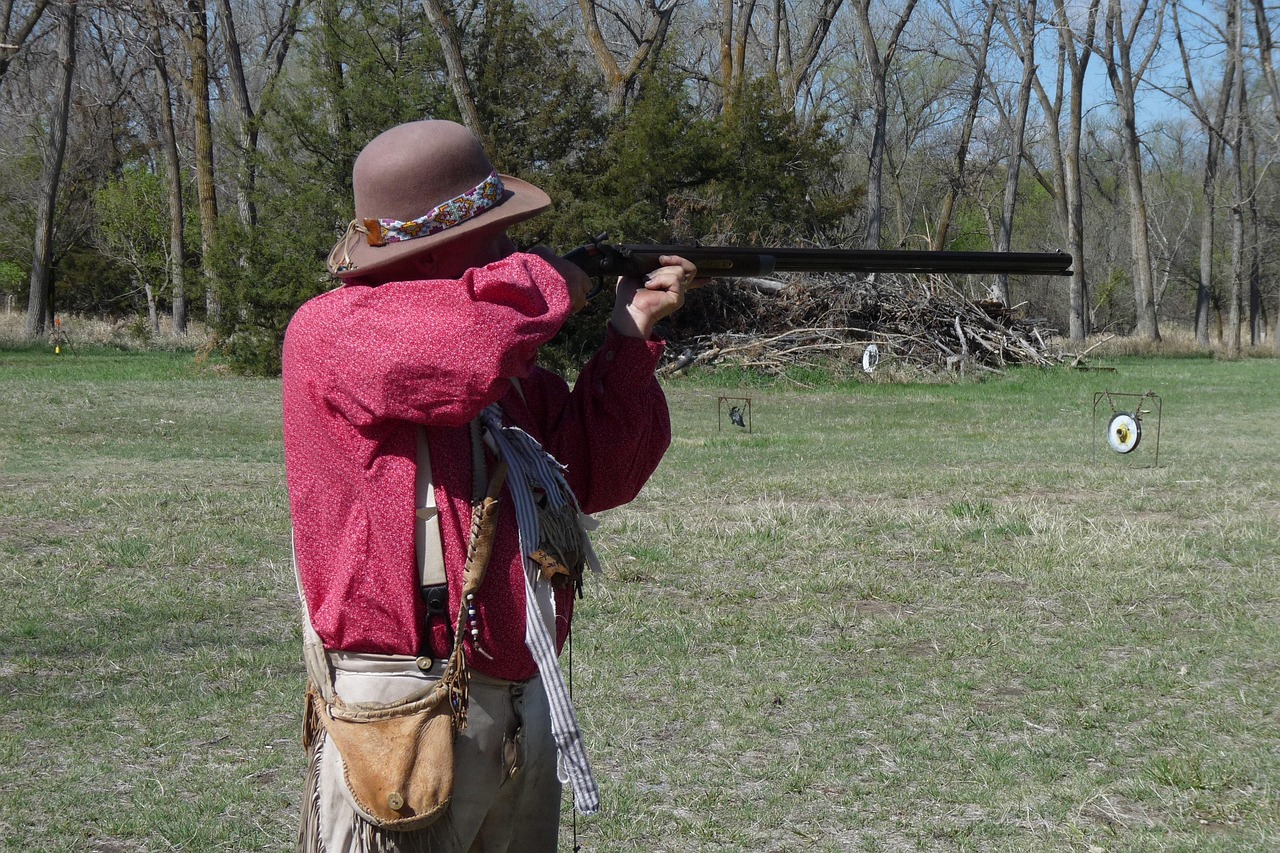
Earlier firearms were often shaped by the needs of armies, where durability, speed of loading, and group fire mattered most. The Kentucky long rifle grew out of a different environment. It was designed for hunters, settlers, and irregular fighters who depended on precision and economy.
That shift in purpose changed everything from caliber to balance to barrel length. The rifle was less about standing in formation and more about making a single shot count. In that sense, it represented a new firearm philosophy for North America, one rooted in distance, mobility, and individual skill rather than drill-book uniformity.
A Distinctly American Blend of Influences
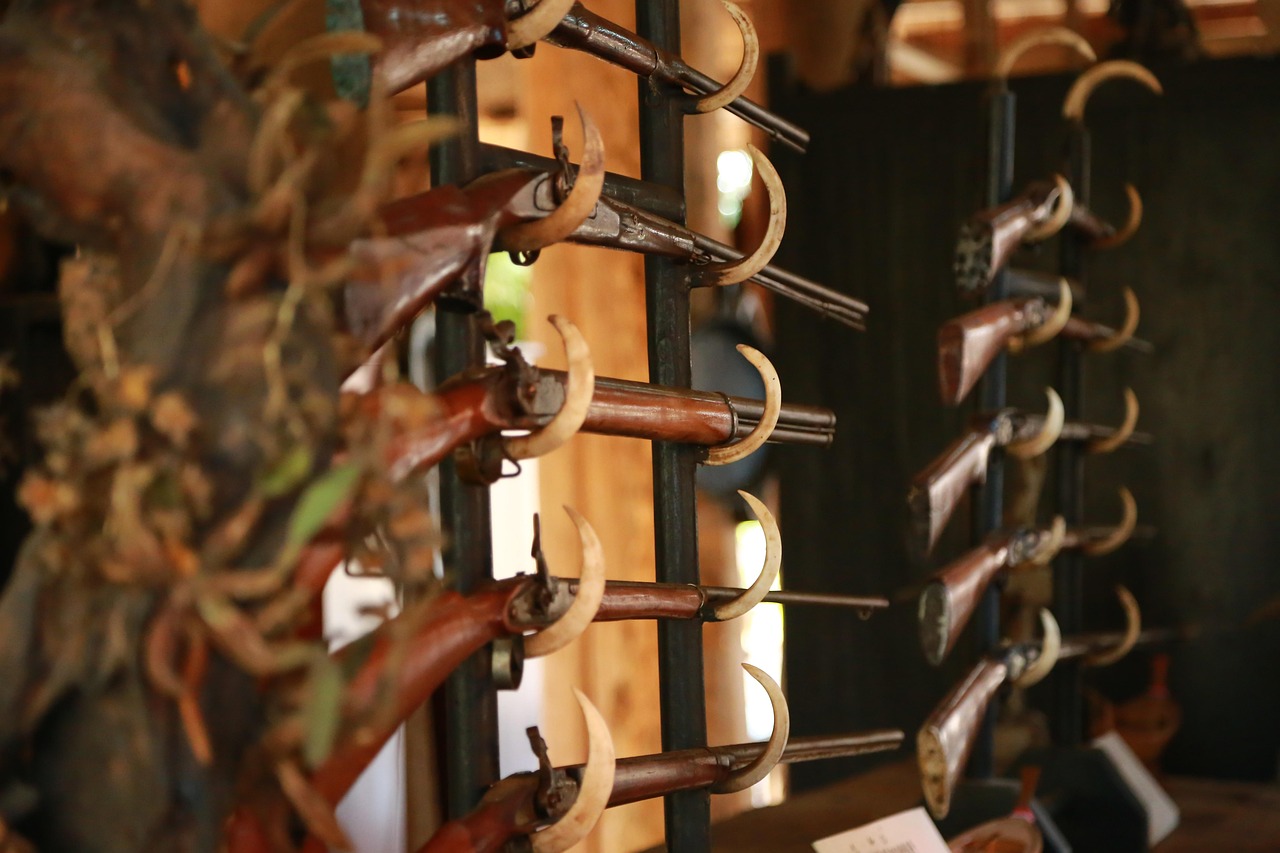
The Kentucky long rifle did not appear from nowhere. It grew from earlier German and central European hunting rifles, then changed in American hands. Gunsmiths in Pennsylvania and the frontier adapted Old World ideas to new landscapes, new game, and new everyday demands.
That process produced something recognizably different from what came before. The final form was lighter, longer, often smaller in caliber, and better suited to the realities of life in early America. That is why the rifle endures in the imagination. It was not simply inherited technology, but a local reinvention with a clear personality of its own.