Camouflage is more than a striking print. Every pattern is shaped by a specific environment, from dry desert flats to dense woodland and snowy ridgelines. This gallery looks at seven recognizable camouflage designs and the terrain each one was built to work with, showing how color, contrast, and scale help people disappear into the background.
Woodland

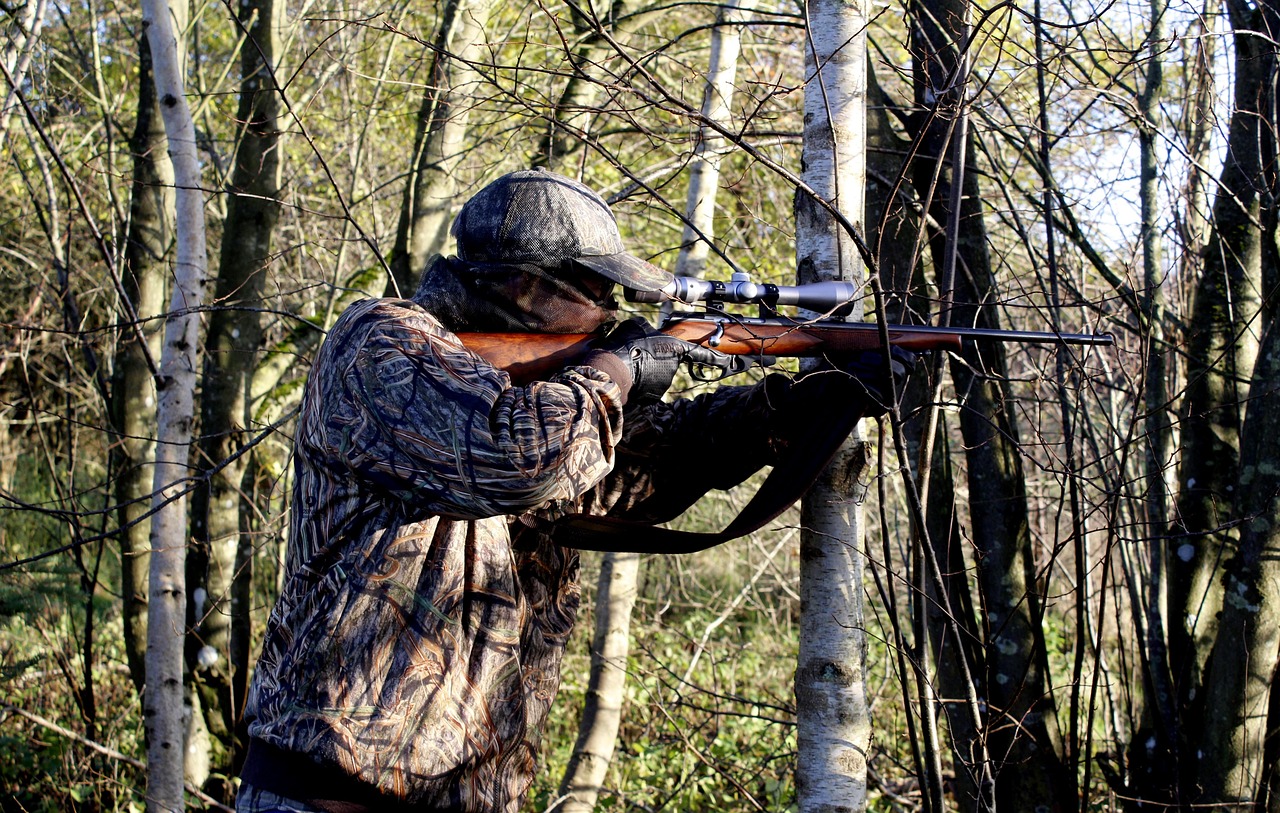
Woodland camouflage was created for temperate forests, where leaves, bark, shadows, and undergrowth break up the human outline. Its mix of green, brown, black, and tan works best in places where the scenery is busy and layered rather than flat and open.
What makes Woodland effective is its bold contrast. At a distance, those larger shapes can mimic the patchy rhythm of tree trunks and shaded brush, helping a person blend into a background full of visual clutter.
It is less convincing in sparse terrain, but in leafy forests and scrubby edges, this pattern still feels like the classic answer to disappearing into the trees.
Desert DPM
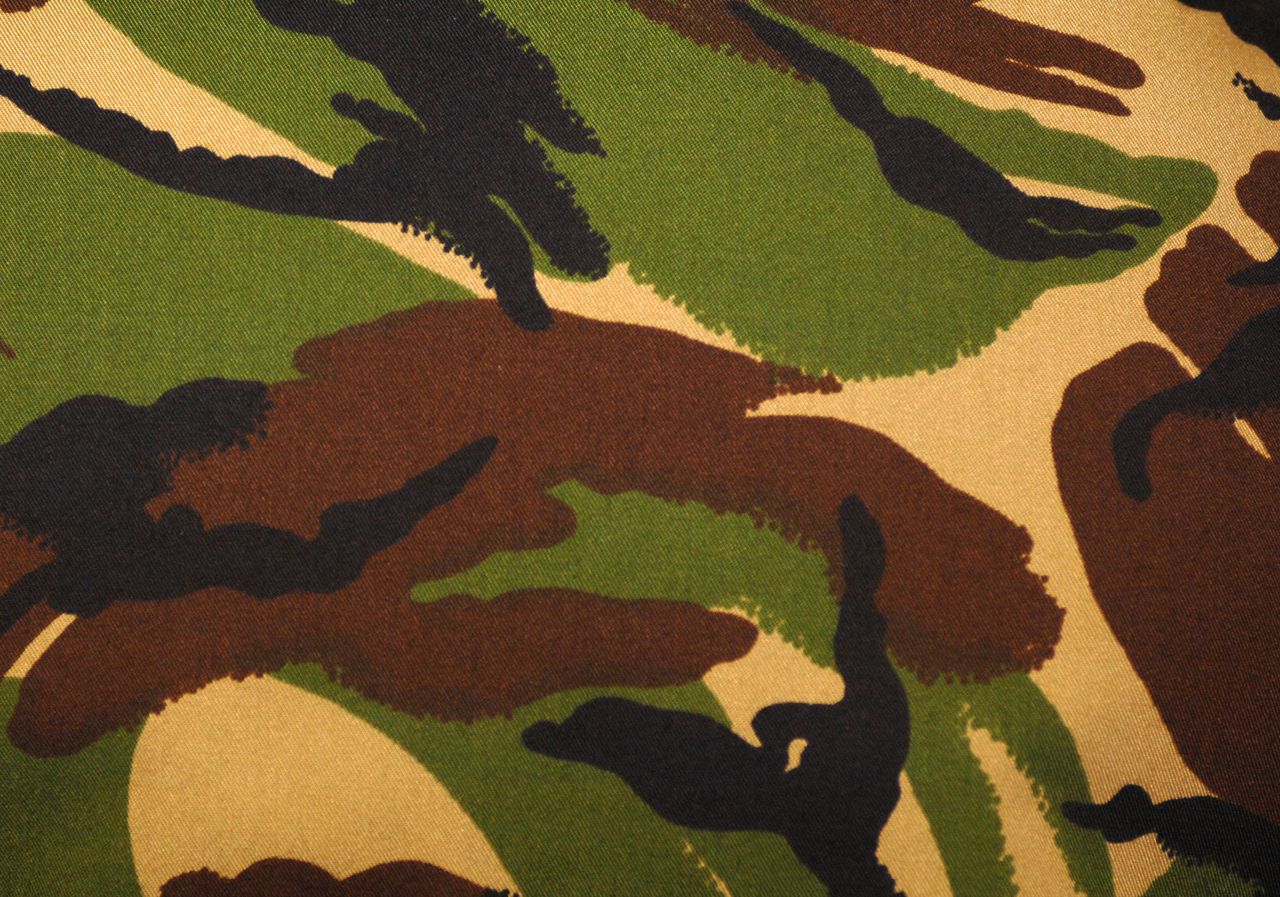
Desert DPM was built for dry, sandy environments where the earth tends to fade into pale browns, khakis, and dusty tans. Instead of the richer greens found in forest patterns, this design leans into lighter tones that echo sun-bleached ground and open horizons.
The pattern works especially well in arid regions with scrub, rock, and uneven patches of sand. Its shapes add just enough disruption to keep the eye from locking onto a solid human form.
In bright sunlight, subtlety matters. Desert DPM avoids looking too dark against open terrain, which is exactly why it became so closely associated with hot, dry theaters of operation.
Tiger Stripe
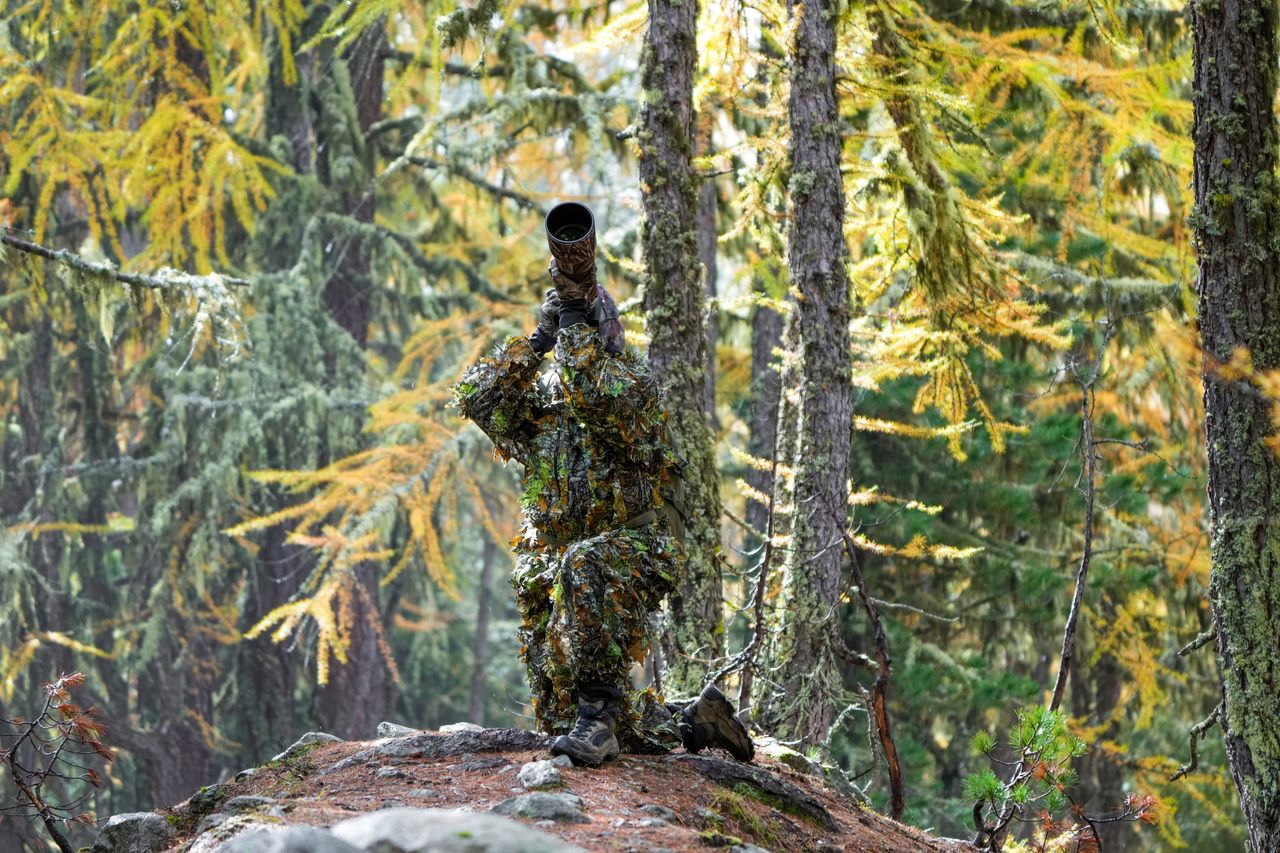
Tiger Stripe is closely linked with jungle warfare, where vegetation grows thick and the light changes fast under a heavy canopy. Its narrow, streaking bands of green, brown, and black were designed to echo shadow, foliage, and the tangled look of tropical terrain.
Unlike blockier patterns, Tiger Stripe feels fluid and directional. That quality helps it blend into environments where vines, leaves, and branches create constant visual movement.
It is especially suited to humid forests with layered greens and broken light. In that setting, the pattern can seem almost alive, folding into the chaos of the jungle rather than sitting on top of it.
Flecktarn
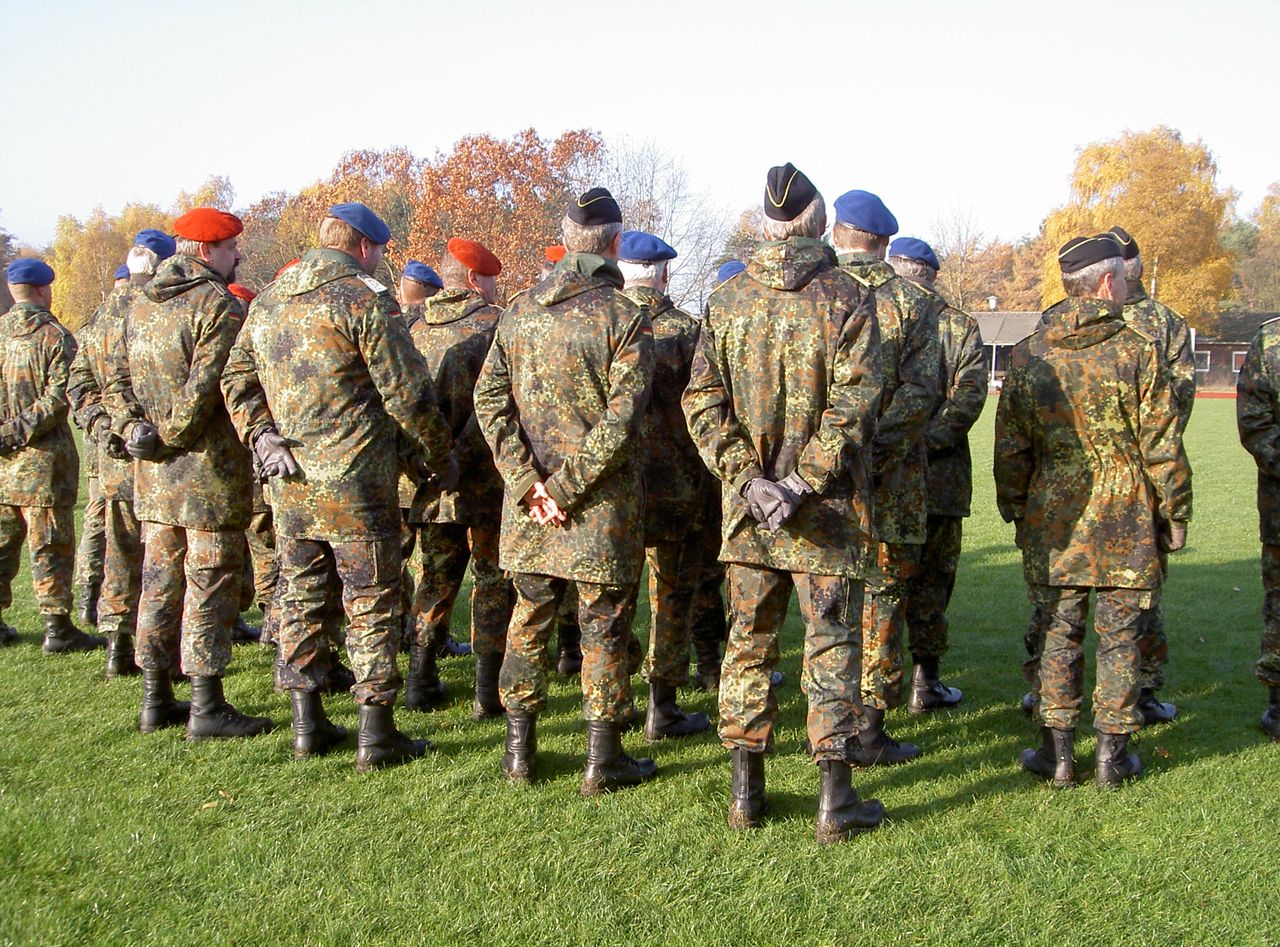
Germany’s Flecktarn takes a different approach, relying on small, dense flecks of color instead of large sweeping shapes. Designed for European woodlands, it performs well in mixed forests, damp fields, and transitional areas where greens and browns shift with the seasons.
Those tiny spots create a soft, textured effect that helps blur edges at multiple distances. Up close, the pattern looks busy and detailed. From farther away, it visually blends into a muted mass that mirrors moss, leaf litter, and shaded ground.
Flecktarn shines where terrain is mottled rather than dramatic. In cool, leafy environments, its speckled surface can be remarkably effective without calling much attention to itself.
MARPAT
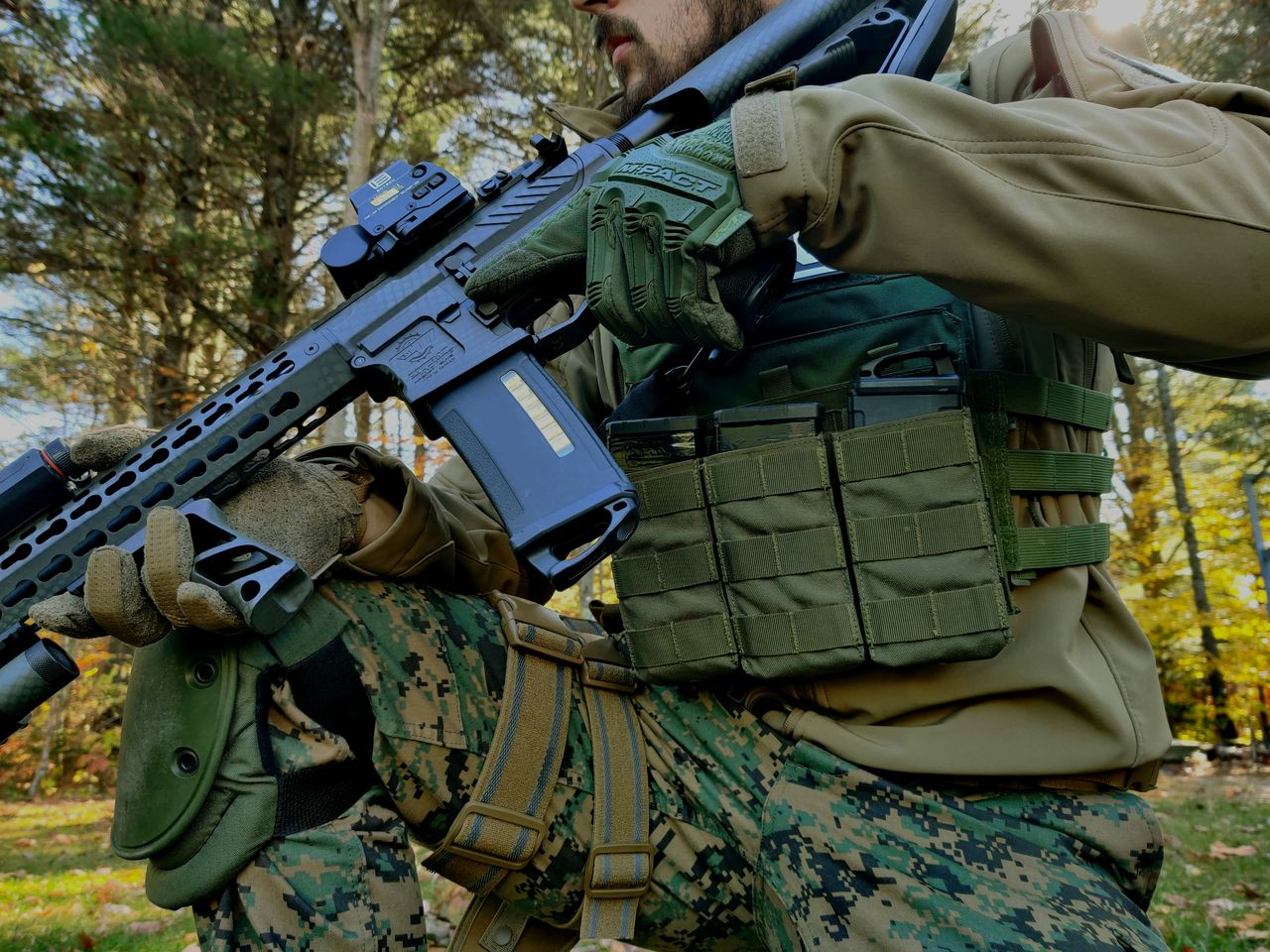
MARPAT introduced a digital look that became instantly recognizable, but its purpose was practical rather than purely modern. Built in woodland and desert versions, it uses tiny pixel-like shapes to disrupt outlines and mimic the fine texture found in natural terrain.
The woodland version fits forests, brush, and greener landscapes, while the desert version is tuned for drier ground and rocky expanses. In both cases, the pattern aims to break the body into smaller visual fragments.
That pixelated structure helps MARPAT work across different viewing distances. It can read as texture nearby and as broader color blending farther out, which is part of why it marked such a notable evolution in camouflage design.
MultiCam
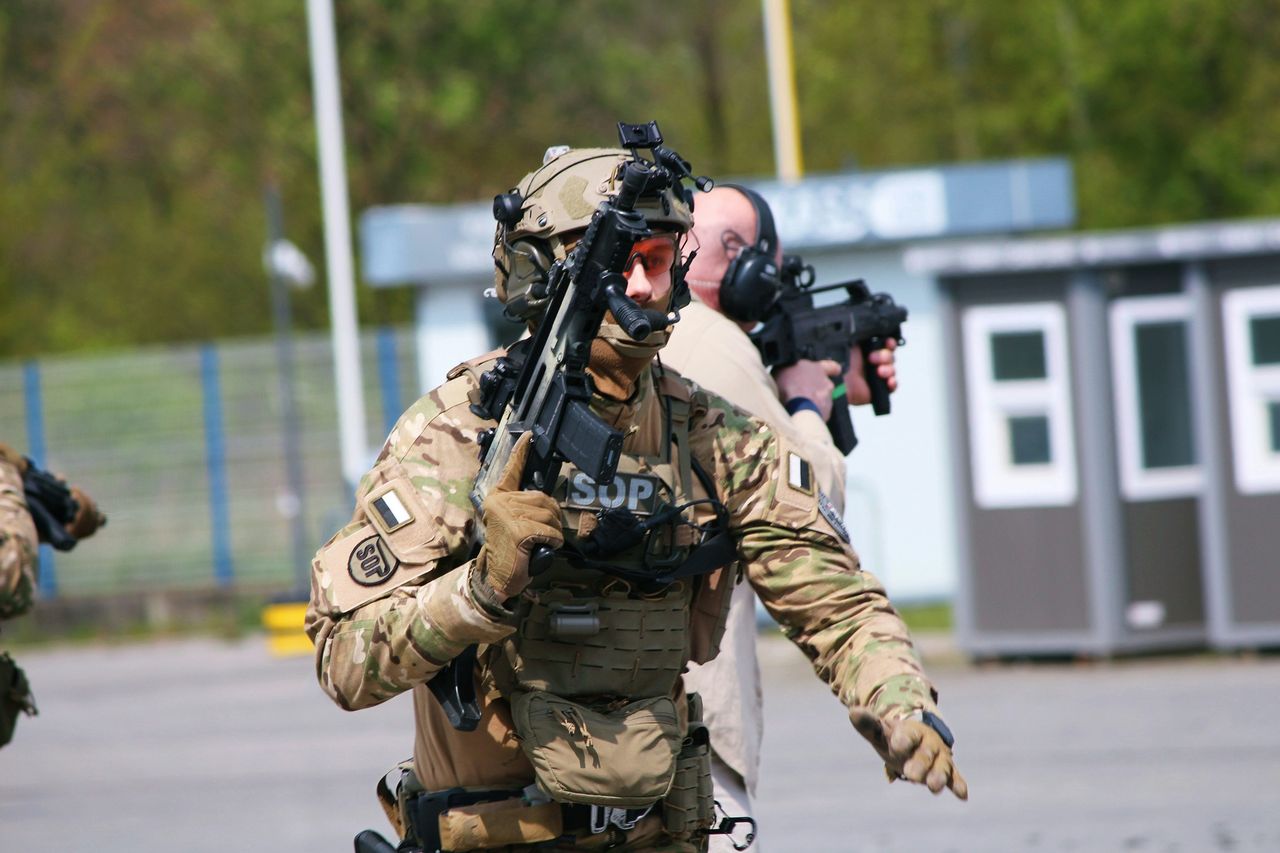
MultiCam was designed as a versatile pattern for varied terrain, especially places where landscapes change quickly from grass to dirt to rock. Instead of specializing in one narrow setting, it uses a blended palette of greens, browns, and tans to stay adaptable.
Its strength is transition. In scrubland, open country, and mixed environments, MultiCam can hold its own because it does not depend on heavy contrast or a single dominant color family.
That flexibility has made it one of the most widely recognized modern patterns. It may not be perfect for every extreme, but in terrain that refuses to stay visually consistent, MultiCam was built to meet the moment.
Snow Camouflage
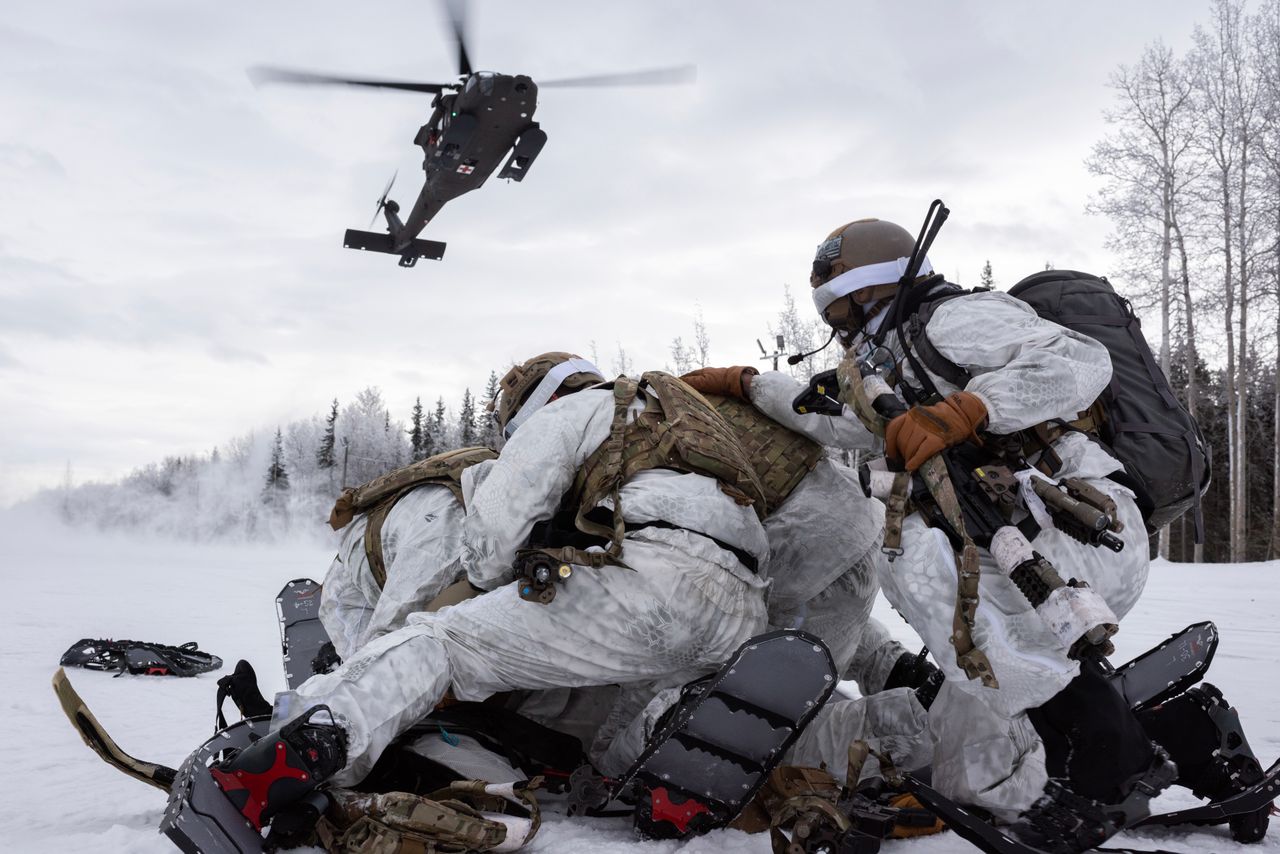
Snow camouflage is tailored for winter terrain, where white dominates but rarely appears as a single flat shade. Snowfields, icy ridges, and frozen forests often include gray, shadow blue, and dark interruptions from rock or tree cover, so effective winter patterns account for that variation.
Some snow camouflage is nearly all white, while other versions add pale gray or sparse branching shapes. The goal is to soften the silhouette without creating a bright block that stands out against textured snow.
In alpine and subzero settings, matching light matters as much as matching color. Against drifts, frost, and cold shadow, winter camouflage is all about blending into a landscape that seems simple until you really look at it.