The Winchester Model 70 earned its reputation through decades of hunting experience, mechanical refinement, and practical design. Introduced in 1936, it became one of America’s most recognizable bolt-action sporting rifles. Hunters appreciated its dependable action, controlled-round feeding in early versions, comfortable stock design, and adaptability to different cartridges. Its influence extended beyond Winchester, helping establish expectations for what a quality hunting rifle should offer. From action design to safety features, the Model 70 contributed several ideas that continue to shape modern sporting rifles.
1. Controlled-Round Feeding Set a High Bar
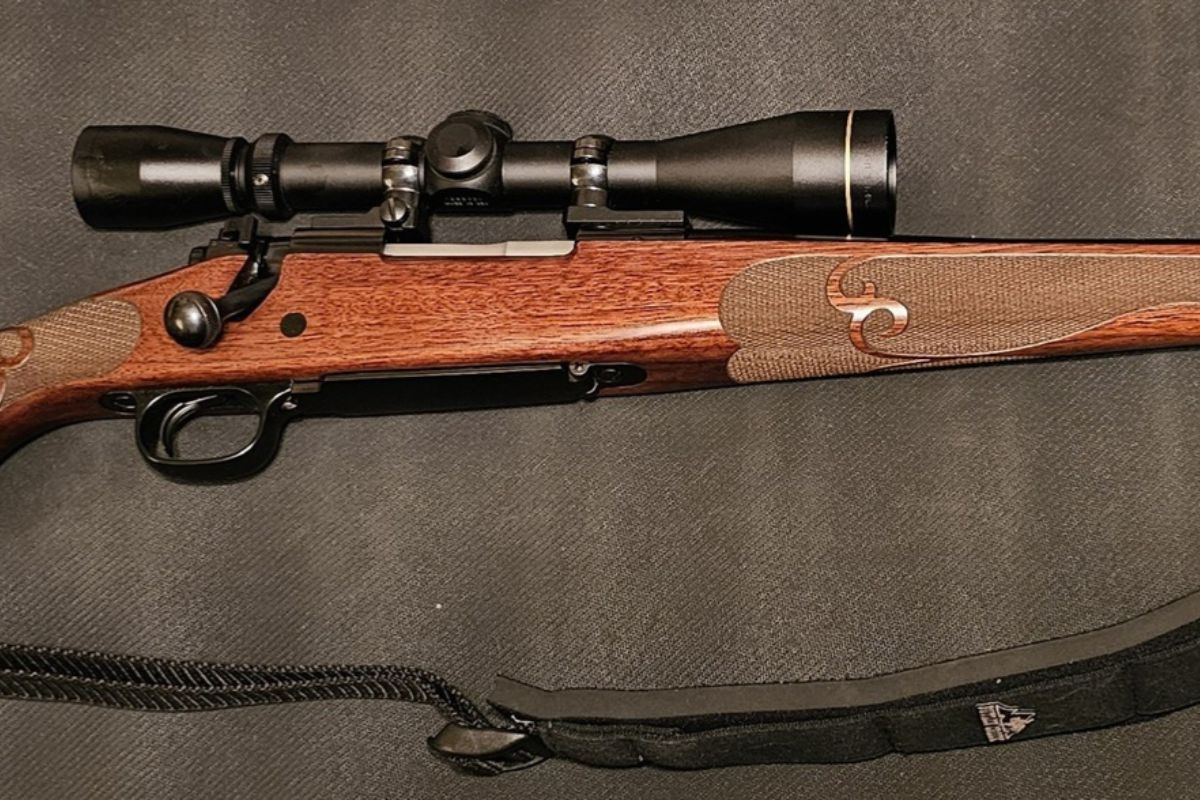
The Model 70’s early controlled-round-feed action became one of its defining features. Introduced in 1936, it used a large claw extractor that engaged the cartridge rim as the round left the magazine, keeping it controlled during chambering. That approach appealed to hunters who valued predictable operation in demanding field conditions, particularly when pursuing large game. Winchester changed to push feeding in 1964, then restored the classic arrangement with the Model 70 Classic in the 1990s. The lesson for later rifle makers was not that one system suits every hunter, but that feeding design is central to a rifle’s identity and should match its intended use.
2. A Three-Position Safety Influenced Expectations
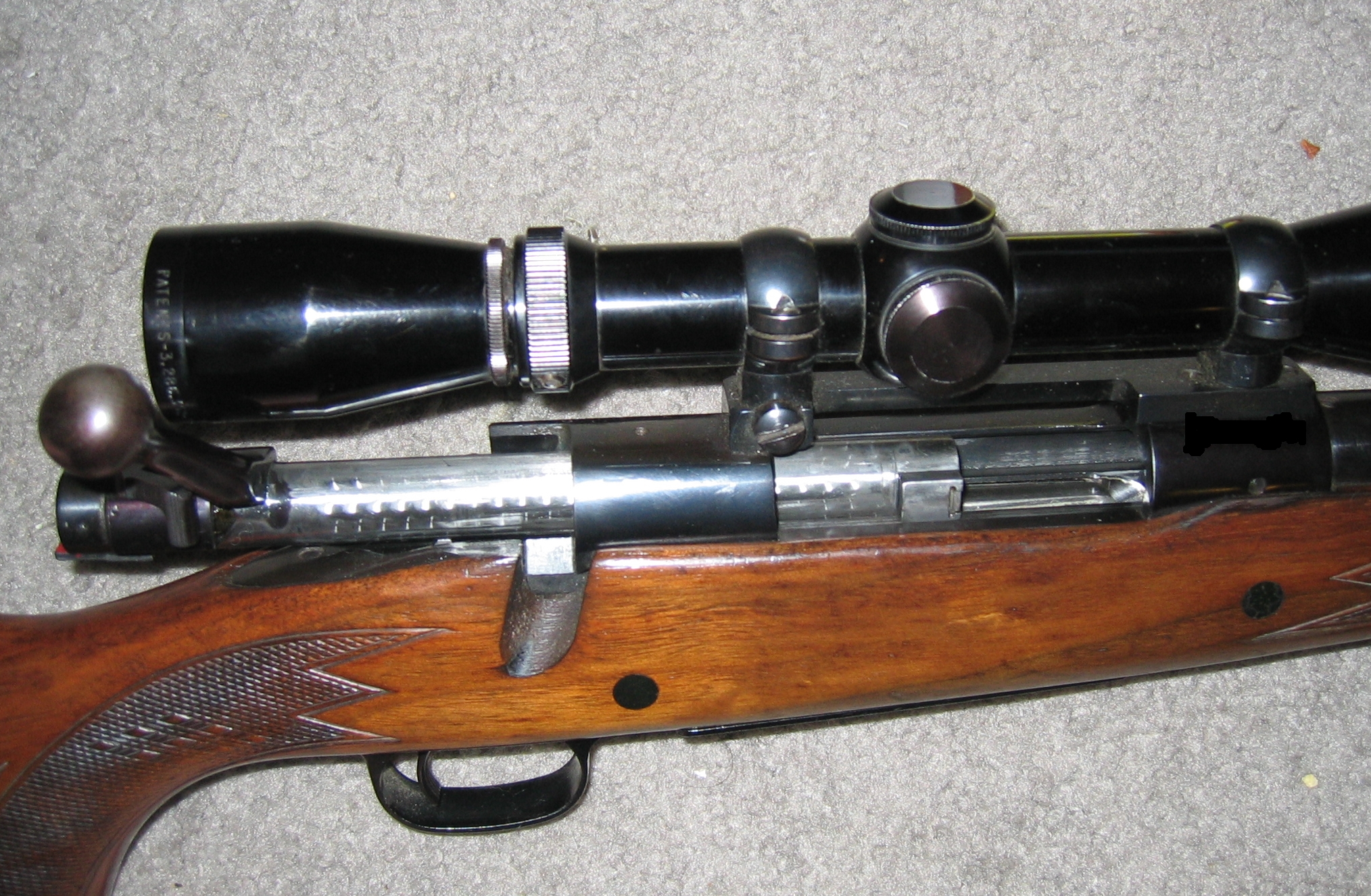
The Model 70 helped make a three-position safety familiar on sporting bolt-actions. It offered a firing position, a fully safe position, and an intermediate setting that kept the rifle on safe while allowing the bolt to open. This helped a hunter unload or inspect the chamber without moving the safety to fire. The arrangement worked with the rifle’s bolt-mounted layout and scope-friendly handling. Safety systems vary among modern rifles, and no device replaces careful handling, but the Model 70 showed how a control could balance security with field convenience. Its influence remains clear in the attention manufacturers give to safety access and rifle ergonomics.
3. Scope-Friendly Design Helped Modernize the Sporting Rifle
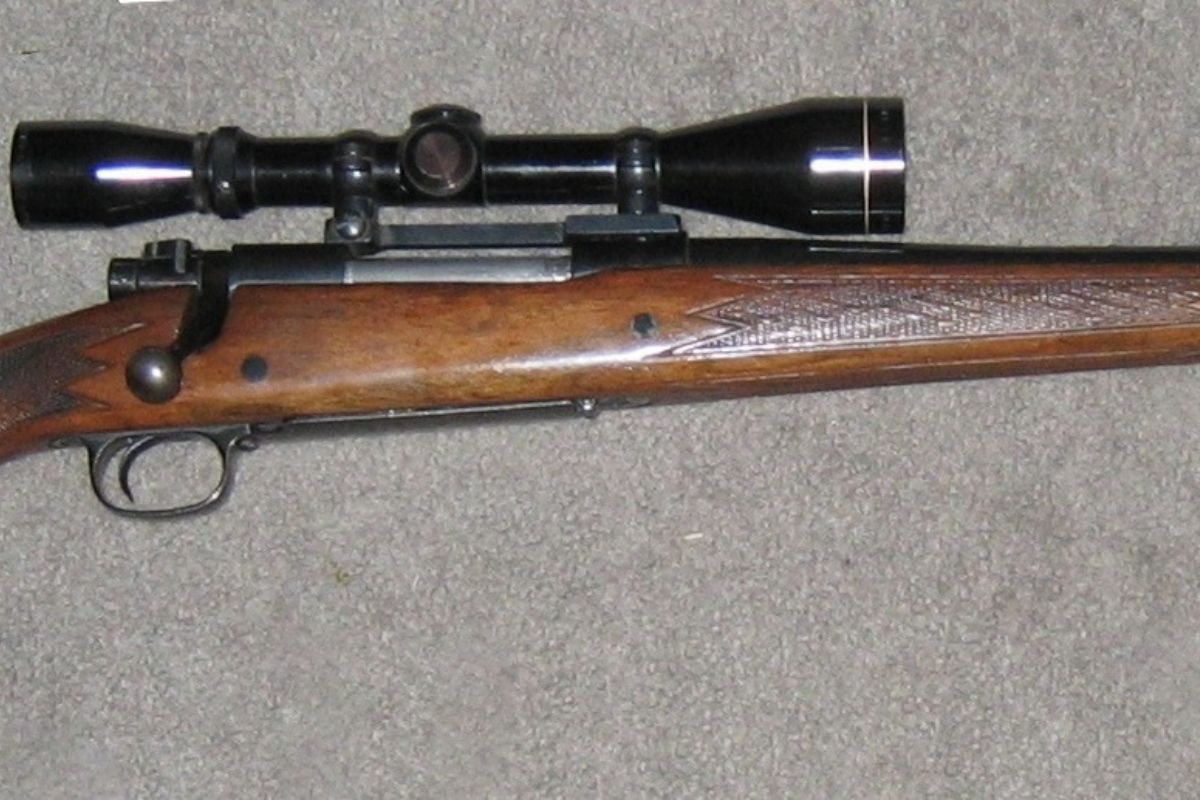
When the Model 70 appeared in 1936, telescopic sights were gaining importance among sporting shooters. Winchester refined the receiver and bolt-handle arrangement to make scope use more practical than on some earlier sporting actions. This mattered as hunting moved beyond open sights alone. A rifle had to accommodate an optic without making the bolt awkward or the shooting position uncomfortable. The Model 70 helped establish that a hunting rifle should account for both its action and sighting system. Today, drilled-and-tapped receivers, bolt clearance, and adaptable mounts are common expectations on factory rifles, reflecting a shift that gathered pace during the Model 70 era.
4. A Broad Cartridge Range Made One Platform Versatile
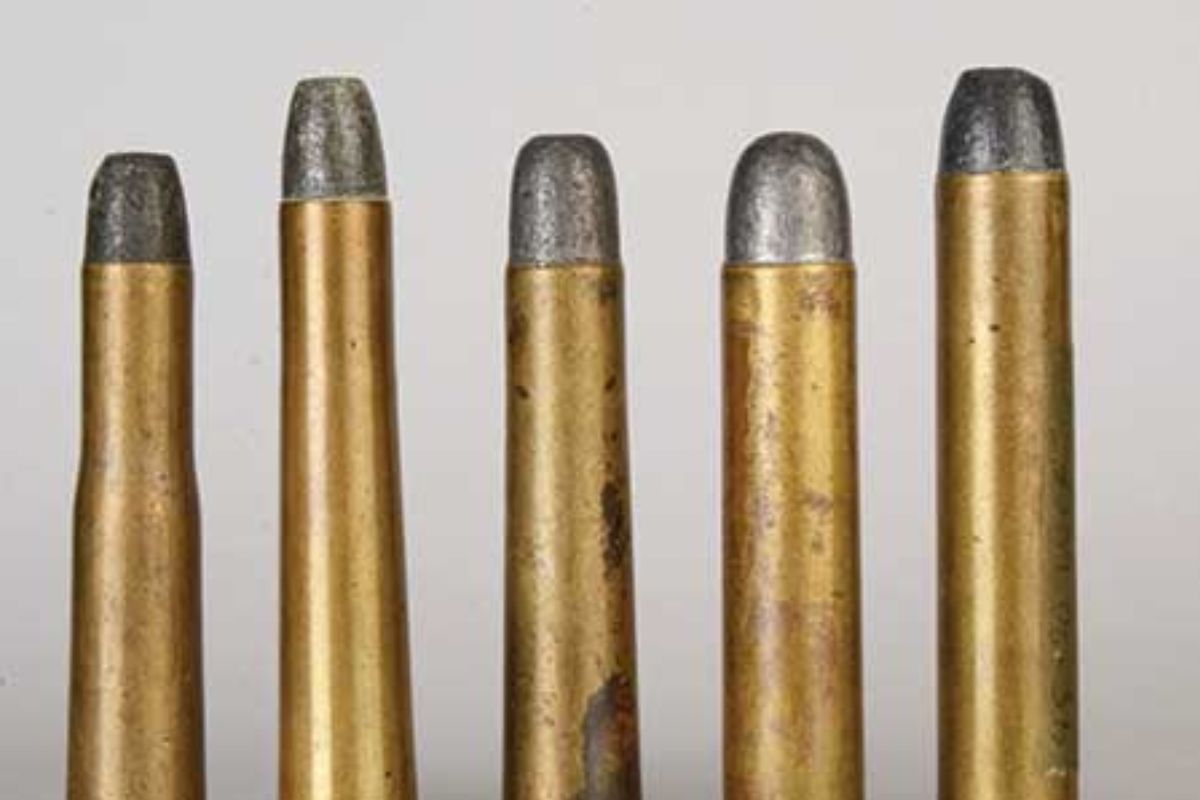
Winchester did not tie the Model 70 to a single cartridge. It developed the rifle in a wide selection of chamberings for different sporting needs, from varmint and deer hunting to powerful options such as .338 Winchester Magnum and .458 Winchester Magnum. The Featherweight arrived in 1952, followed by the African and Alaskan versions during the 1950s for hunters pursuing larger game. This variety showed the value of a recognizable action that could serve different roles through matched configurations. Modern manufacturers use the same principle, offering one rifle family in multiple chamberings, stock styles, and barrel profiles instead of designing a separate model for every hunting task.
5. Stock Options Put Handling and Carrying in the Spotlight

The Model 70’s identity came from more than its metalwork; its stock and balance mattered in the field. Traditional walnut stocks, practical fore-end shapes, and hunting proportions helped establish it as a general-purpose sporting rifle. Winchester expanded the idea with the Featherweight in 1952, a lighter version designed for long-distance carry. Later models and materials broadened the choices, but the principle remained: fit, balance, and manageable weight matter when a rifle is carried for hours, not simply fired from a bench. Modern hunting rifles offer synthetic stocks, adjustable features, and lighter builds, yet still pursue that blend of comfort and field usefulness.
6. Long-Term Refinement Showed How a Classic Could Evolve

The Model 70 showed that a successful hunting rifle must adapt without losing the qualities that made it trusted. In 1964, a major redesign replaced the original controlled-feed action with push feeding and changed manufacturing methods, prompting debate among owners. Winchester restored the classic controlled-round-feed concept in the Model 70 Classic during the 1990s. Later versions added materials and features for changing expectations. More than nine decades after its 1936 introduction, the rifle remains an example of balancing improvement with continuity. Manufacturers face the same challenge: refine production and comfort while respecting proven performance.