
Some shotguns win attention with polished walnut and engraved receivers. Others earn loyalty the quieter way, through balance, durability, and the kind of performance that matters when the birds flush or the scorecard is on the line. This gallery focuses on six practical classics that serious shooters admired because they worked beautifully, not because they begged to be noticed.
Remington 870 Wingmaster
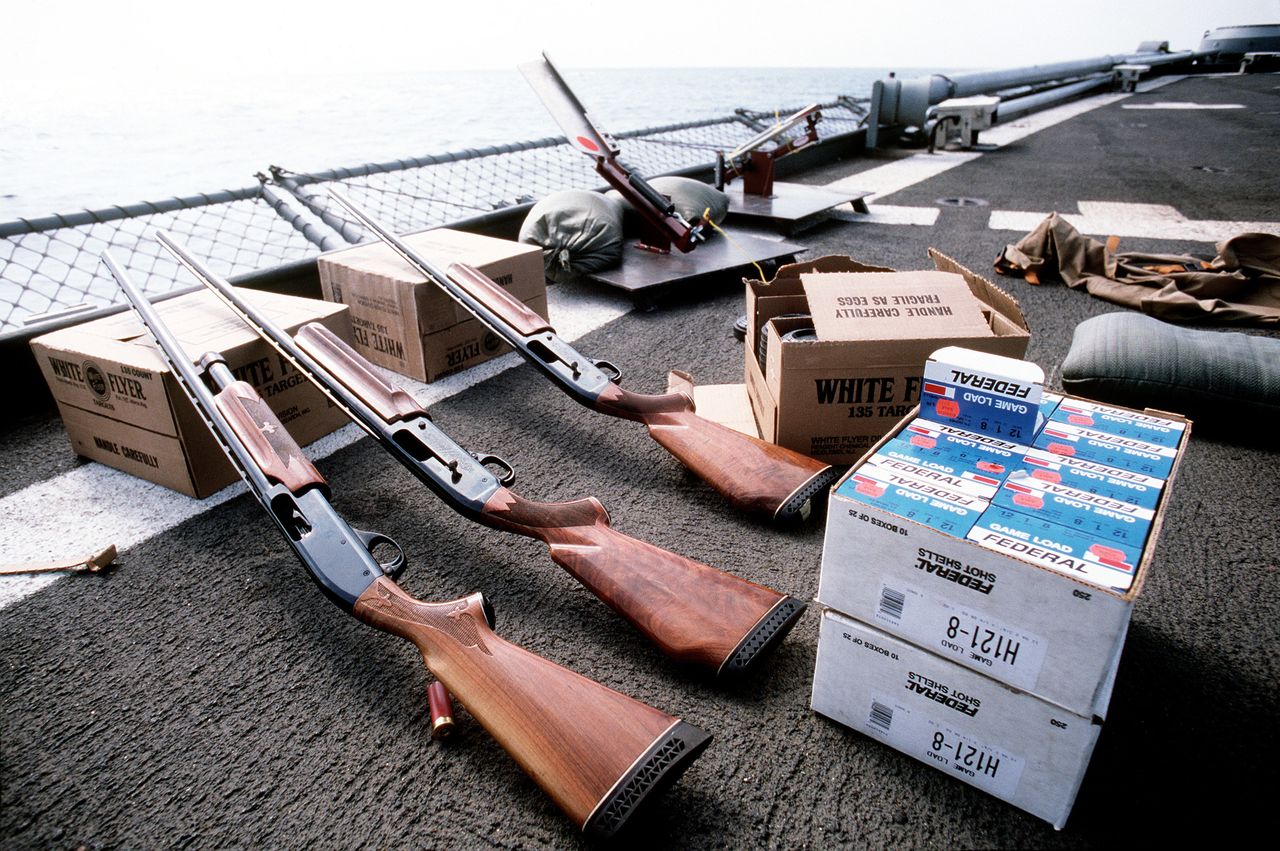
The Remington 870 Wingmaster became a benchmark by doing almost everything well and doing it for decades. It was smooth, dependable, and sturdy without feeling clunky, which is exactly why so many hunters and trap shooters kept one close at hand. Nobody needed to brag about owning an 870. Its reputation usually arrived before the owner said a word.
What made it special was the way practicality and polish met in the middle. The action had that familiar pump-gun confidence, and the overall handling felt honest rather than dramatic. For serious shooters, it was a tool that inspired trust season after season, from wet duck blinds to long afternoons breaking targets.
Browning BPS
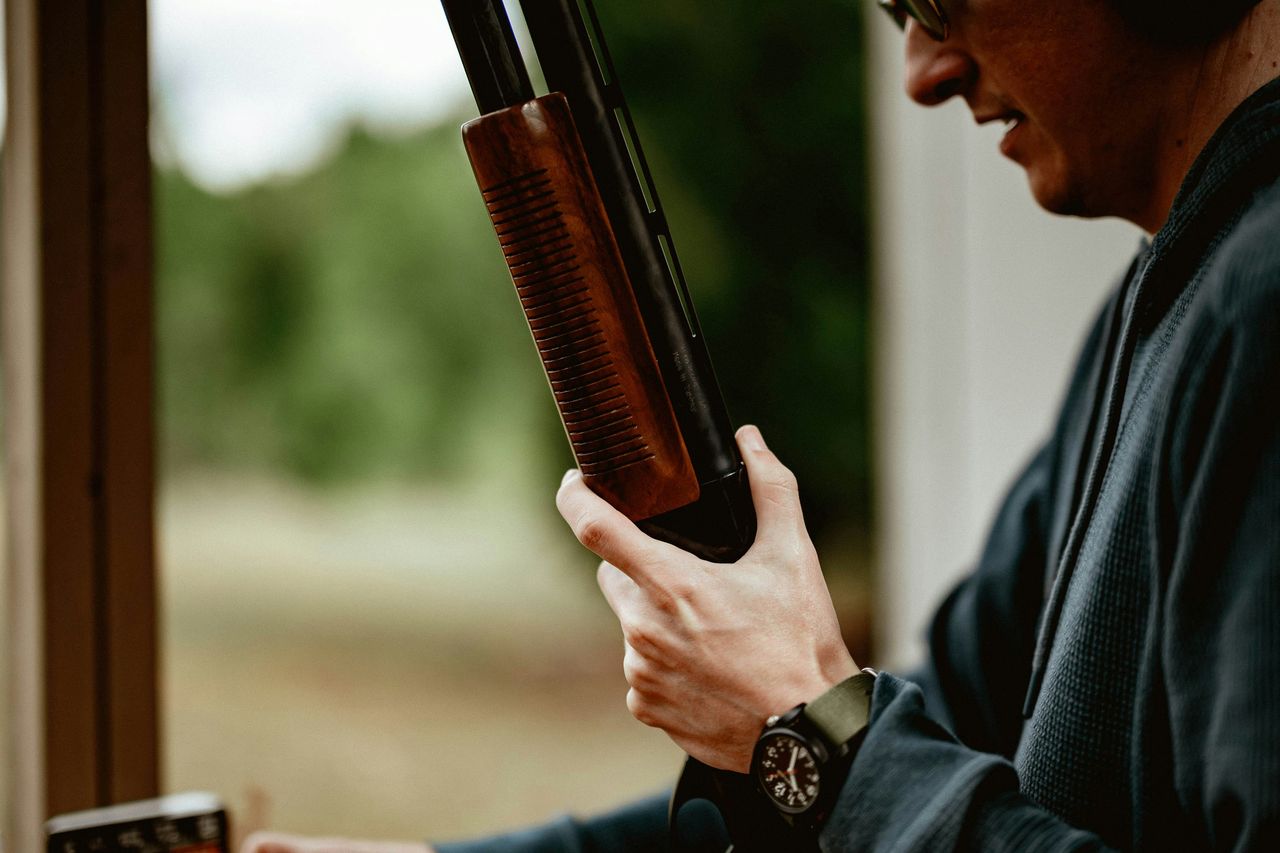
The Browning BPS never chased flash, and that was part of its charm. With its bottom ejection and solid steel receiver, it felt built for people who cared more about function than fanfare. Left-handed shooters especially appreciated a design that did not treat them like an afterthought, while everyone else admired its rugged, all-weather usefulness.
In the field, the BPS had a reputation for being almost stubbornly reliable. It carried a little heft, but many shooters liked the steady swing that came with it. This was the kind of shotgun that quietly became a favorite after a few seasons, the one that kept showing up because it never gave anyone a reason to leave it home.
Ithaca Model 37
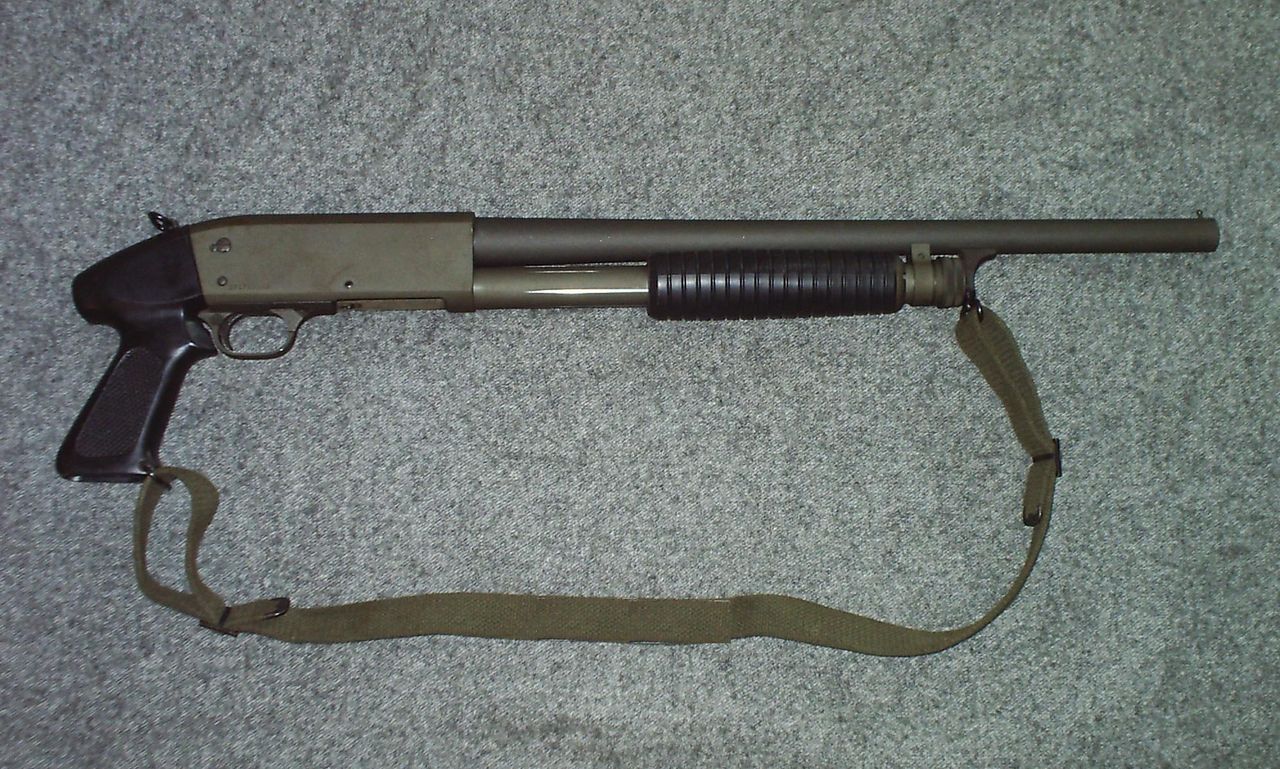
The Ithaca Model 37 had a lean, trim feel that serious shooters tend to notice right away. It was quick in the hands, light enough for long walks, and mechanically simple in a way that inspired affection. Like the BPS, it used bottom ejection, giving it a clean profile and a practical edge that felt smart rather than showy.
For upland hunters in particular, the Model 37 became a quiet legend. It came to the shoulder fast and pointed naturally, which often matters more than any catalog talking point. Its appeal was never about spectacle. It was about the elegant efficiency of a shotgun that seemed to understand exactly what a shooter wanted it to do.
Winchester Model 12
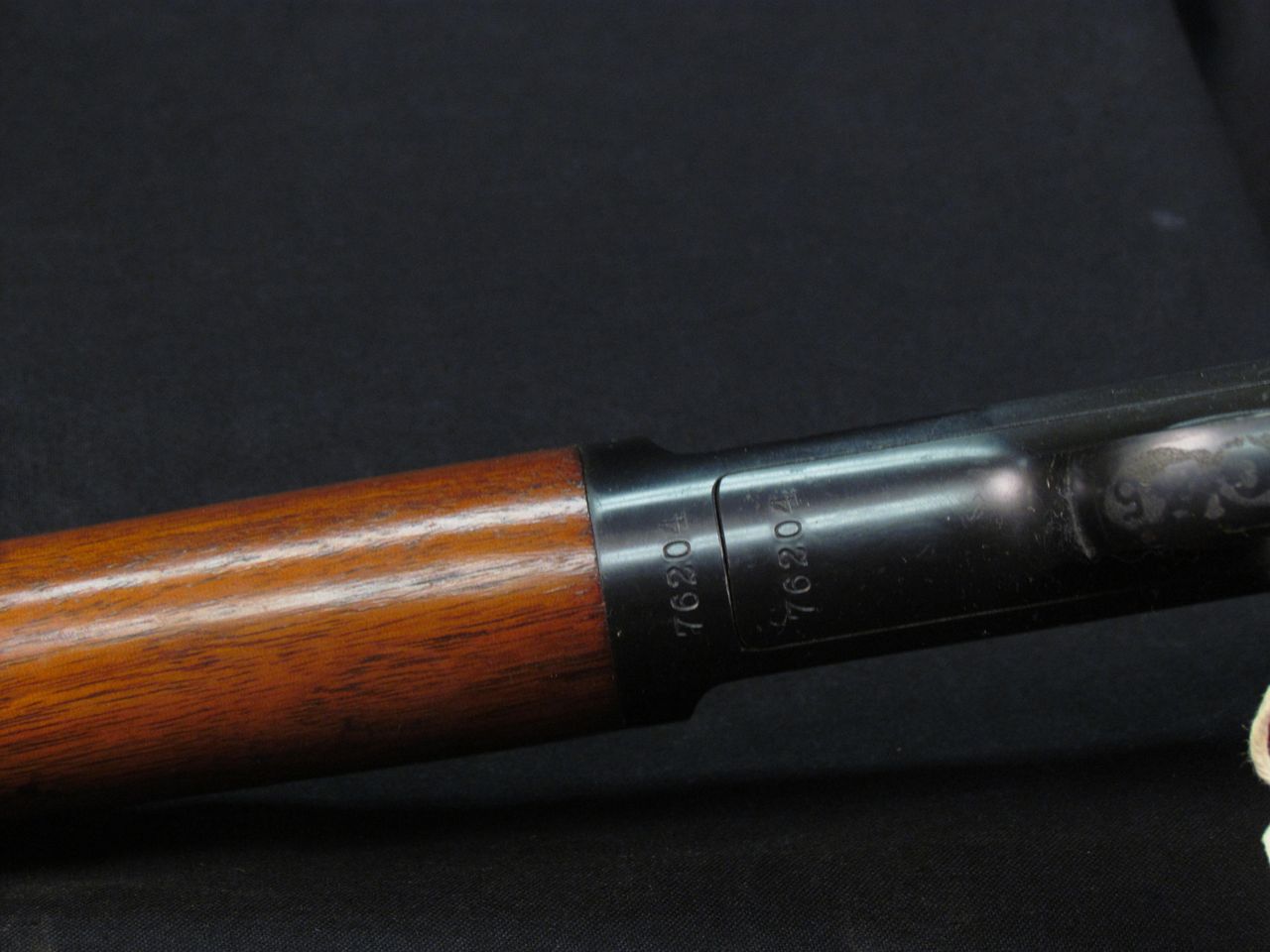
The Winchester Model 12 carried itself with the easy authority of a gun that had already proved everything it needed to prove. For generations, it was the pump shotgun serious shooters measured others against. Its lines were clean, its handling was refined, and its reputation was built the old-fashioned way, through use in fields, blinds, and competition grounds.
There was craftsmanship in the Model 12, but it never felt precious. That is a big reason practical shooters loved it. It balanced tradition with workmanlike confidence, making it equally at home on a pheasant hunt or at the trap line. Owning one said you valued performance and history, not empty display.
Browning Auto-5
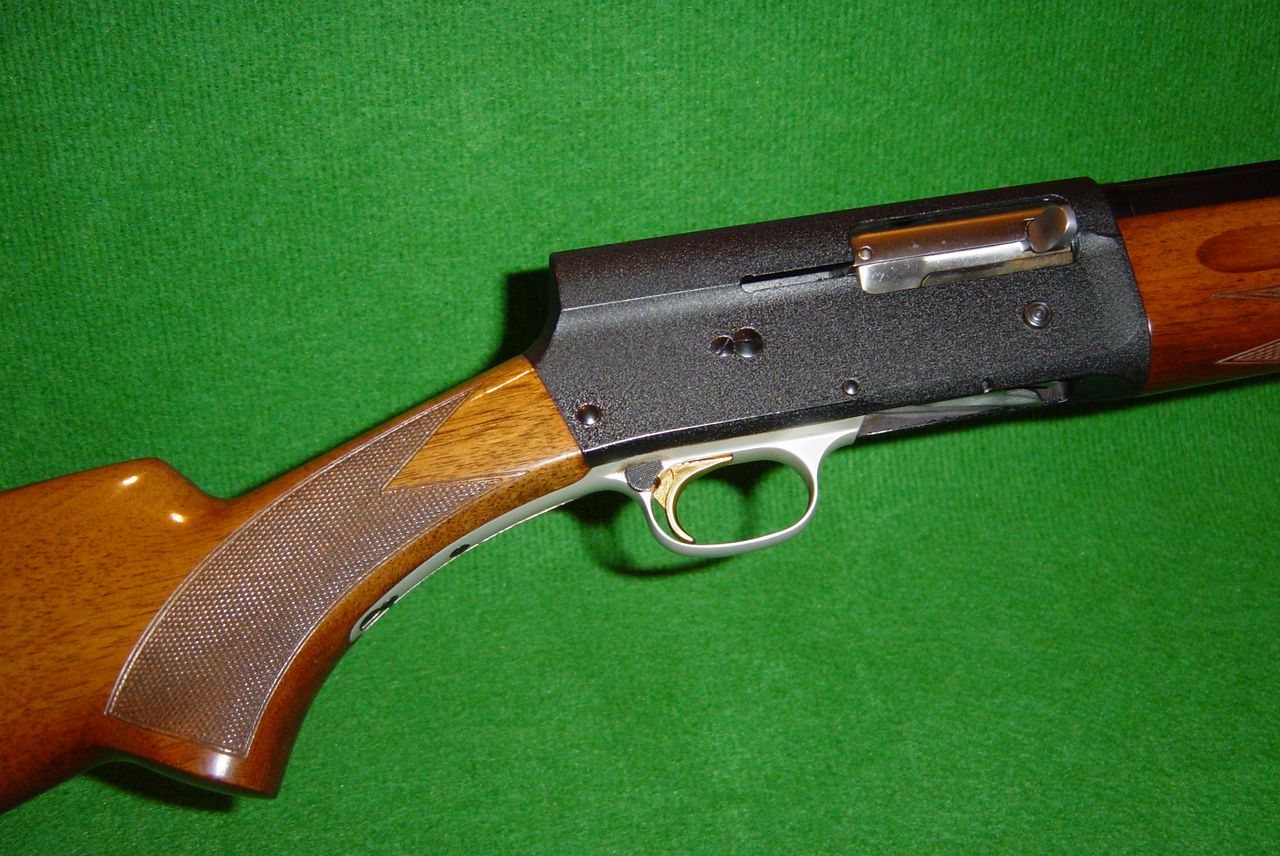
The Browning Auto-5 looked distinctive, but among experienced shooters it was admired less for its silhouette than for its staying power. John Browning’s long-recoil design gave generations of hunters a semi-auto they could count on, and that mattered far more than trends. The humpback receiver became iconic almost by accident, a byproduct of a shotgun that simply worked.
Serious owners respected the Auto-5 because it asked for familiarity and rewarded it with dependable service. Once you learned its rhythm and setup, it felt like a trusted partner rather than a novelty. In duck camps and dove fields alike, it earned loyalty the hard way, by delivering year after year when conditions were messy and expectations were high.
Ruger Red Label
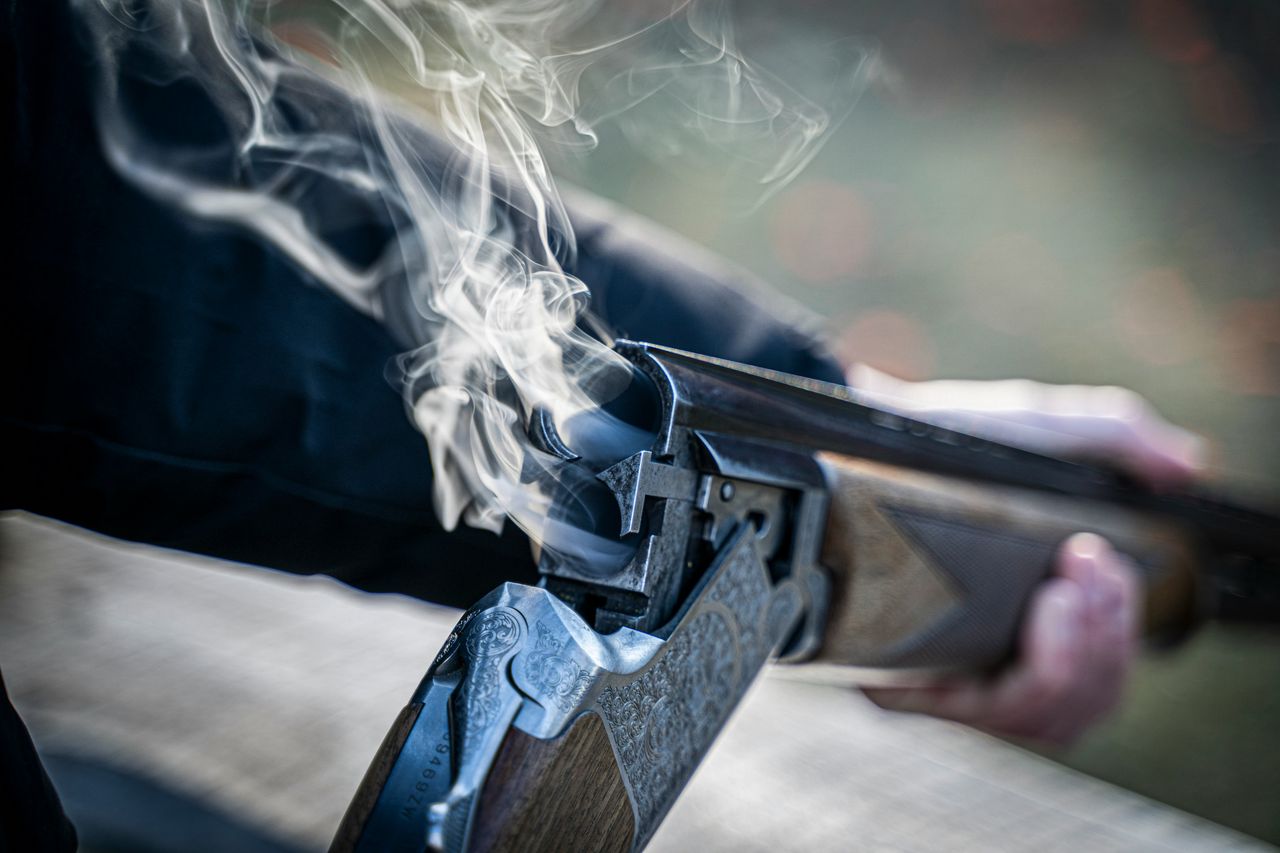
The Ruger Red Label developed a loyal following among shooters who wanted an American-made over-under that felt practical rather than precious. It did not arrive wrapped in old-world mystique, and that suited plenty of people just fine. Its appeal came from straightforward utility, sturdy construction, and the sense that it was meant to be carried, shot, and used without anxiety.
For hunters and recreational clay shooters, the Red Label often hit a sweet spot between refinement and toughness. It had enough style to feel special, but not so much that owners hesitated to take it into rough cover or unpredictable weather. That lack of pretense is exactly what made it memorable to serious shooters who valued substance first.