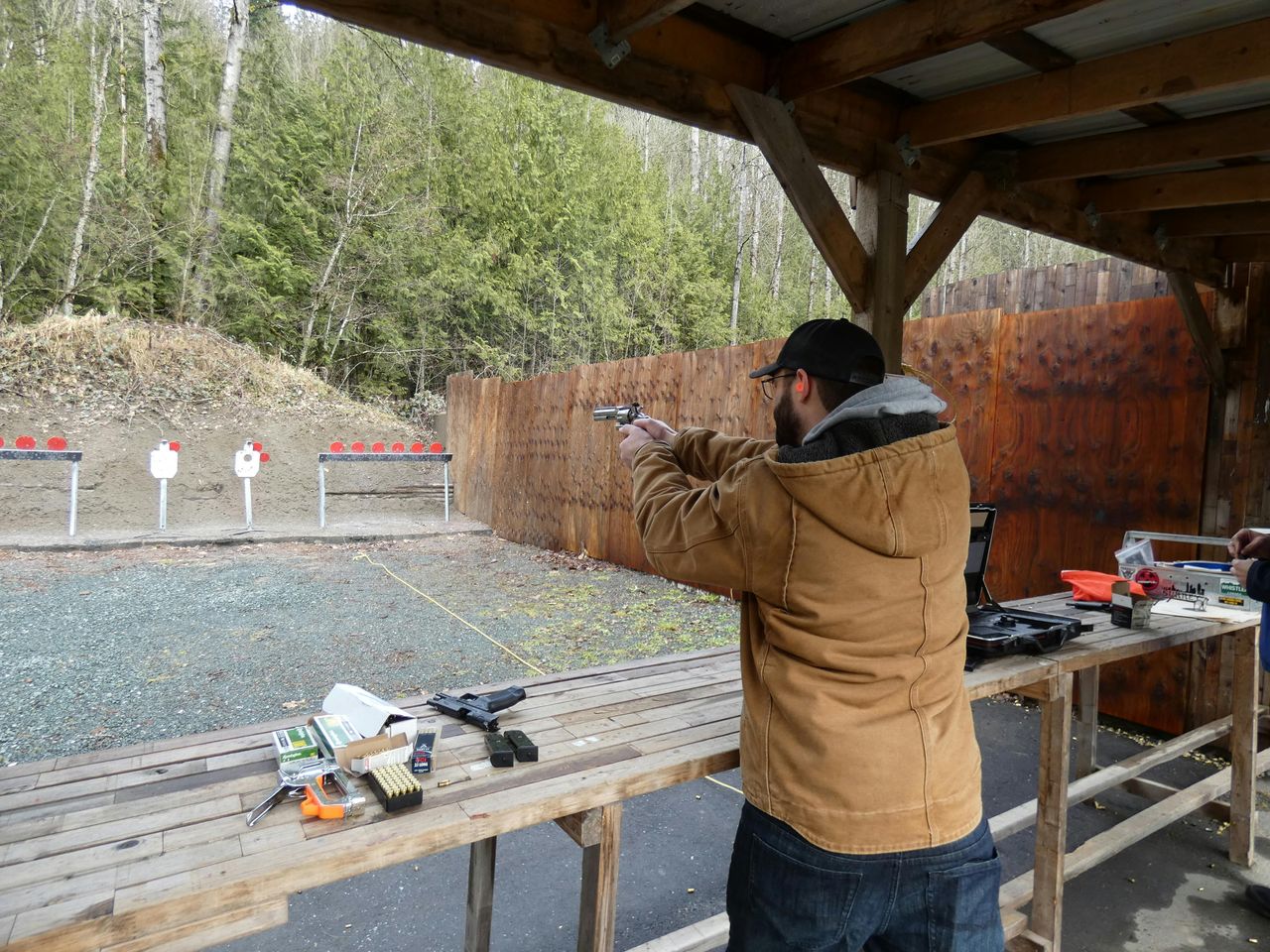
Some firearms were not just innovative for their era. They were so advanced that the rest of the world needed decades to catch up. From polymer construction to bullpup layouts and personal defense concepts, these designs planted ideas that would later reshape military, law enforcement, and civilian gunmaking.
Puckle Gun
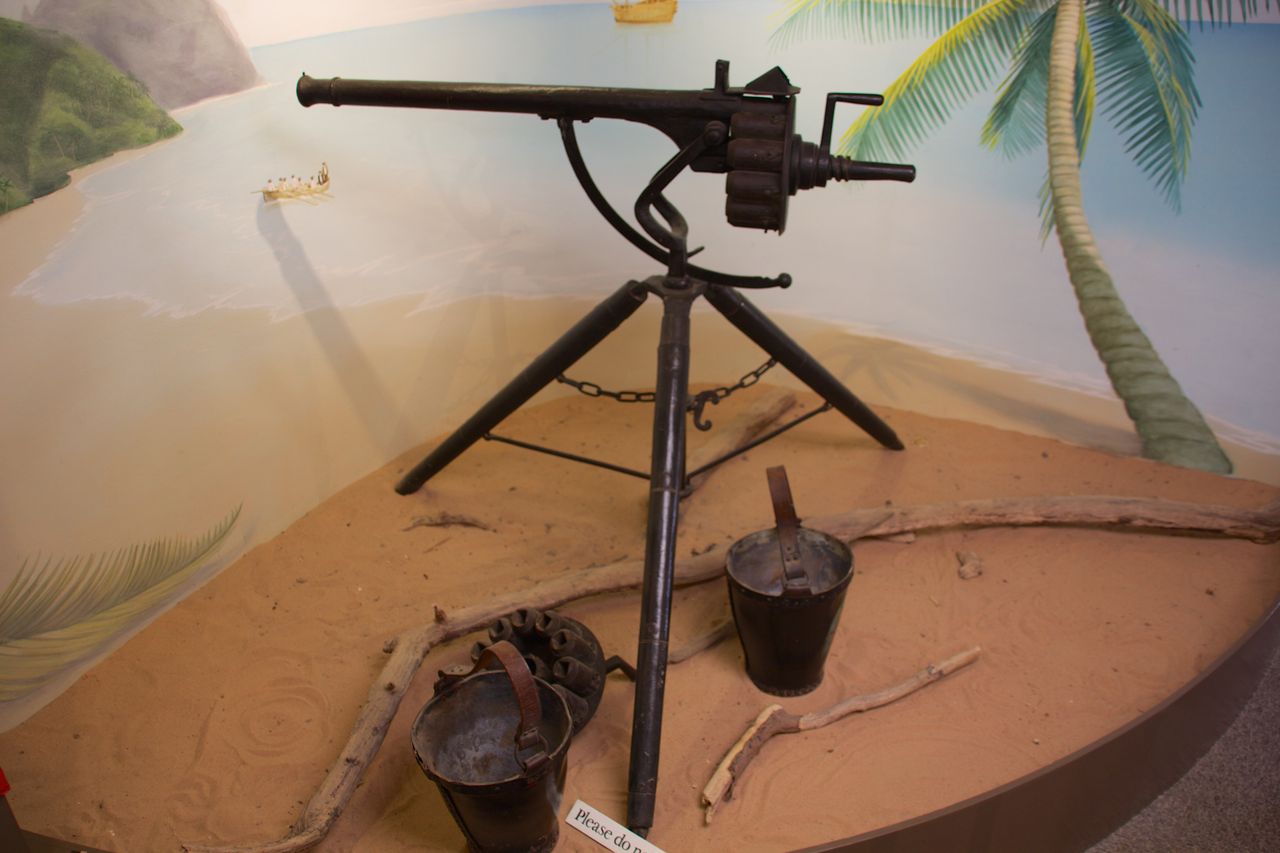
Long before machine guns became battlefield staples, the Puckle Gun tried to solve the problem of rapid, repeated fire. Patented in 1718, it used a hand-cranked mechanism and a revolving cylinder that let crews fire multiple shots far faster than a standard flintlock musket could manage.
Its concept feels startlingly modern because it anticipated later ideas about sustained fire, interchangeable chambers, and crew-served defensive weapons. In practice, it was expensive, mechanically complex, and far ahead of the manufacturing precision of its day. Even so, the Puckle Gun reads today like an early sketch of the era of automatic weapons.
Colt Model 1855 Revolving Rifle
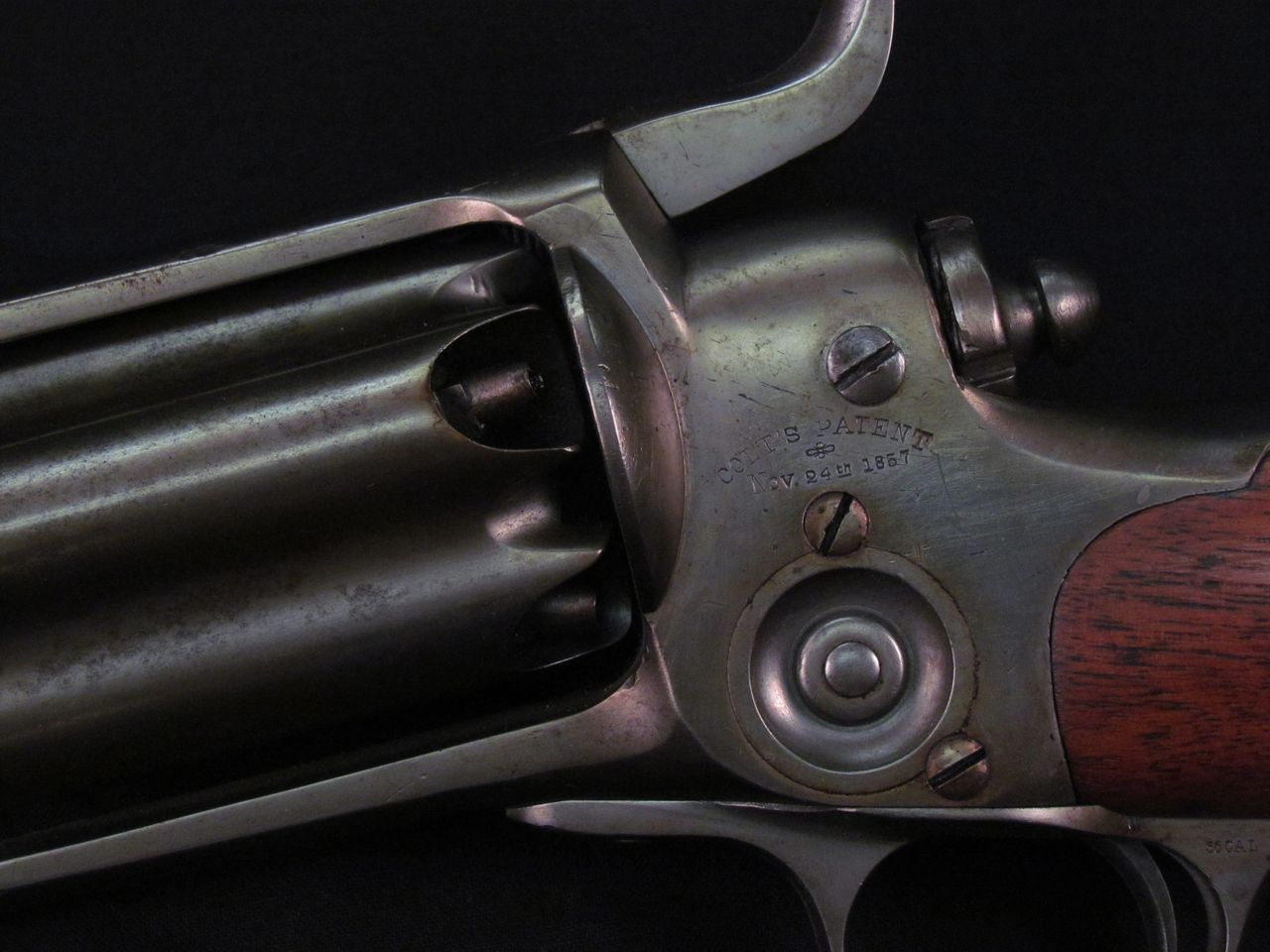
Samuel Colt’s revolving rifle was an ambitious attempt to bring revolver firepower to a shoulder weapon. In the 1850s, the idea of having several ready shots without reloading sounded like a major leap over single-shot rifles on the frontier and in military service.
The problem was that the technology came with serious compromises, including gas leakage and the risk posed to the support hand near the cylinder gap. Still, the design pointed toward a future where higher ammunition capacity would become a defining advantage. It was an imperfect answer to a question gunmakers would keep chasing for generations.
Spencer Repeating Carbine
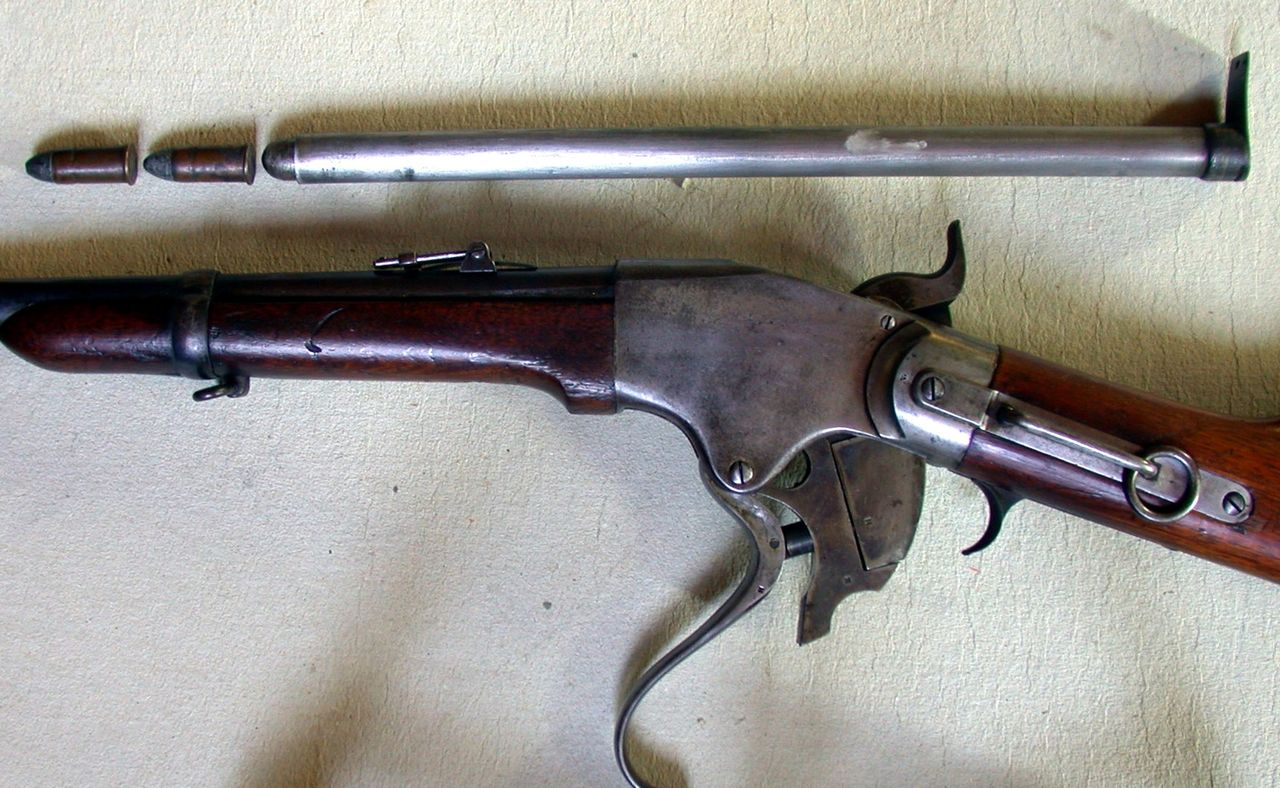
When the Spencer appeared during the American Civil War, it represented a dramatic break from the slow rhythm of muzzle-loading combat. Its lever action and tubular magazine gave soldiers a much faster rate of fire, and that changed what a single trooper or infantryman could do in the field.
What makes the Spencer feel ahead of its time is not just the mechanism, but the tactical shift it hinted at. High-volume individual fire would eventually become normal, but many commanders were still thinking in older logistical and doctrinal terms. The Spencer showed that battlefield firepower was about to move from the formation to the individual weapon.
Winchester Model 1907
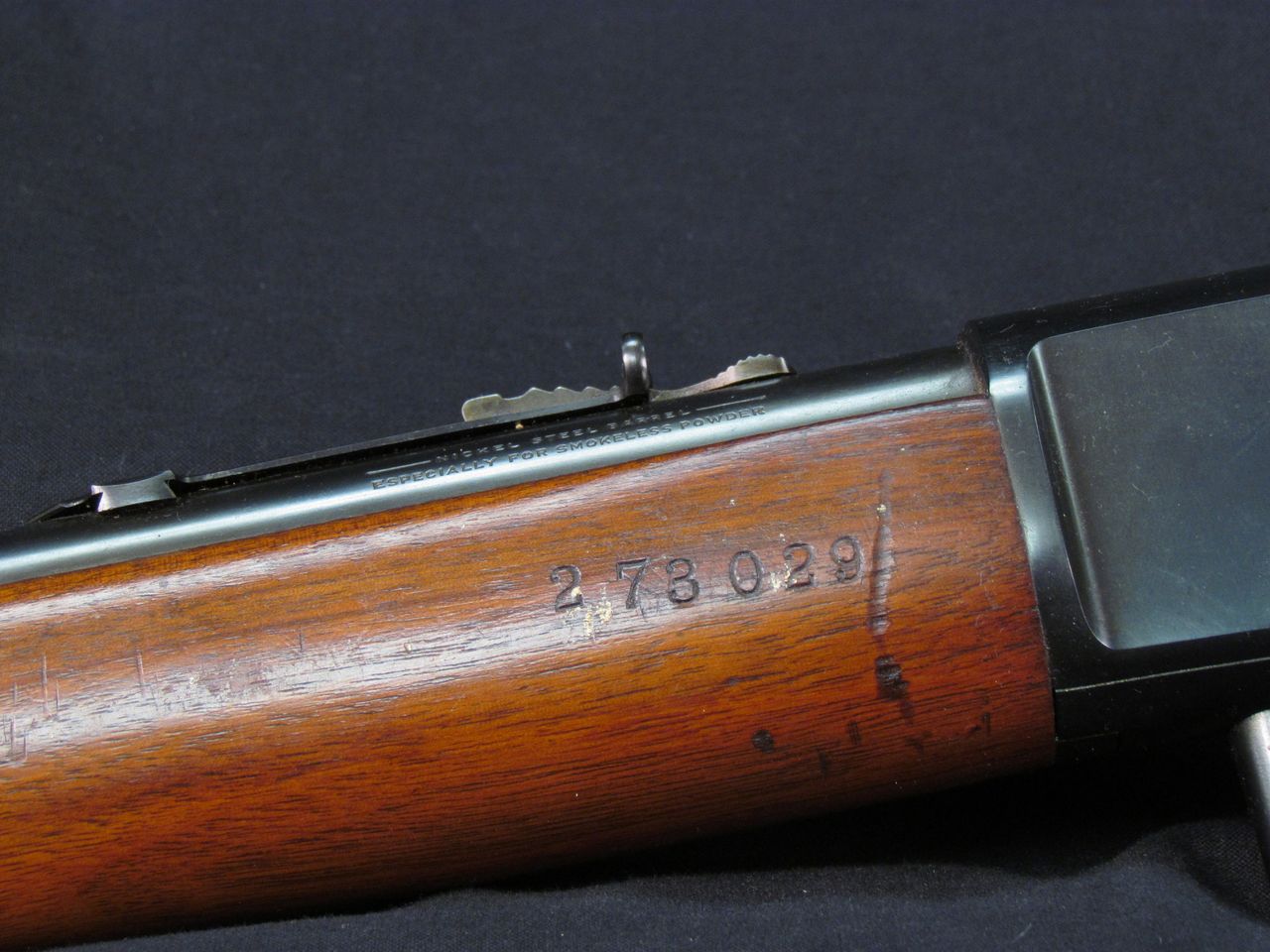
The Winchester Model 1907 does not always get the same spotlight as more famous military rifles. Still, it deserves attention for how early it embraced the self-loading concept in a practical shoulder arm. Chambered for a powerful intermediate-style cartridge, it offered fast follow-up shots in a compact package.
That combination made it feel like a preview of later military carbines and even assault rifle thinking. It arrived in a world still centered on full-power bolt actions, so its advantages were not yet fully appreciated. Looking back, the Model 1907 seems less like an odd commercial rifle and more like an early step toward modern infantry firepower.
Johnson M1941 Rifle
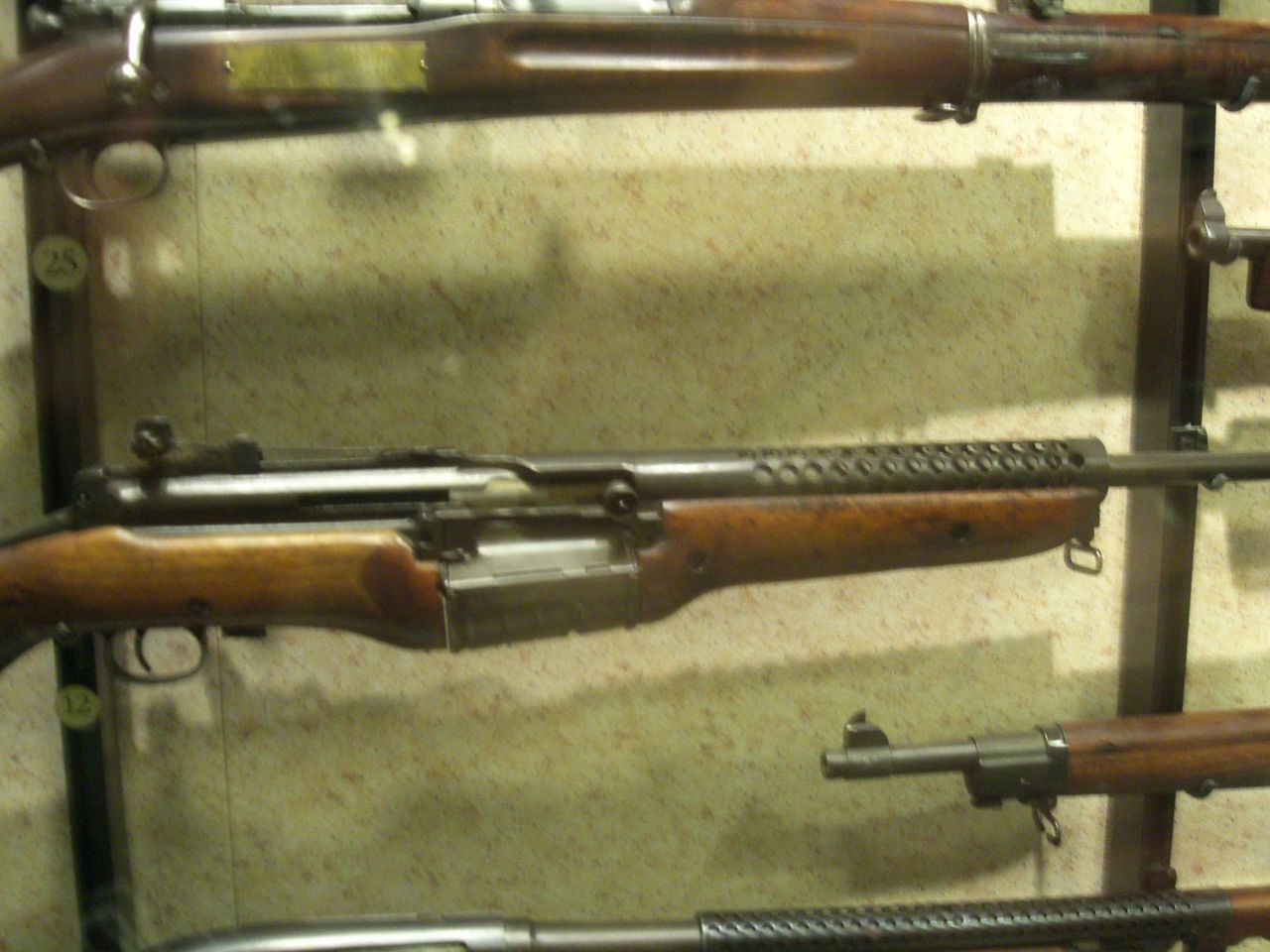
The Johnson M1941 arrived at a moment when semi-automatic service rifles were still proving themselves, and it brought a surprisingly modern set of ideas. Its short-recoil operation, rotary magazine, and quick-change barrel made it stand out from the more conventional service weapons of the era.
Those features suggested an unusually flexible battlefield tool, especially the barrel system, which hinted at modularity long before that became a fashionable selling point. The rifle also had drawbacks, including complexity and sensitivity under hard service, which limited adoption. Even so, the Johnson feels like a glimpse of a later design philosophy that prized adaptability as much as raw firepower.
ArmaLite AR-10
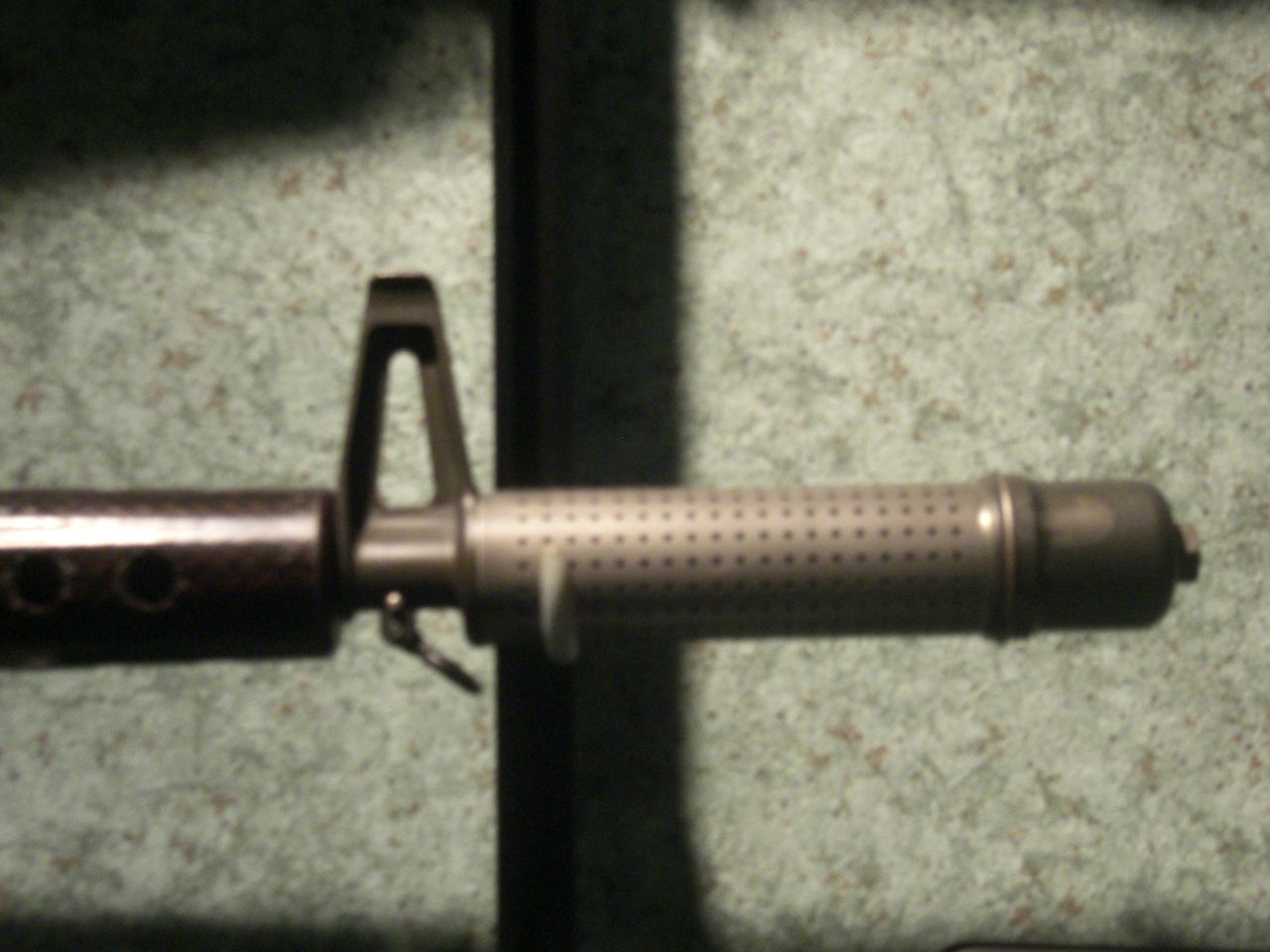
The original AR-10 looked radically different from the wood-and-steel battle rifles that dominated the 1950s. With its aluminum receivers, straight-line layout, synthetic furniture, and advanced manufacturing approach, it introduced a lightweight philosophy that would later define an entire family of rifles.
At the time, many of those ideas seemed unconventional or even risky. Yet the basic formula proved enormously influential, especially once smaller-caliber, high-velocity rifles gained traction. The AR-10 was not just a new rifle. It was a new way of thinking about materials, ergonomics, and how a service weapon could be built for the future rather than the past.
Steyr AUG
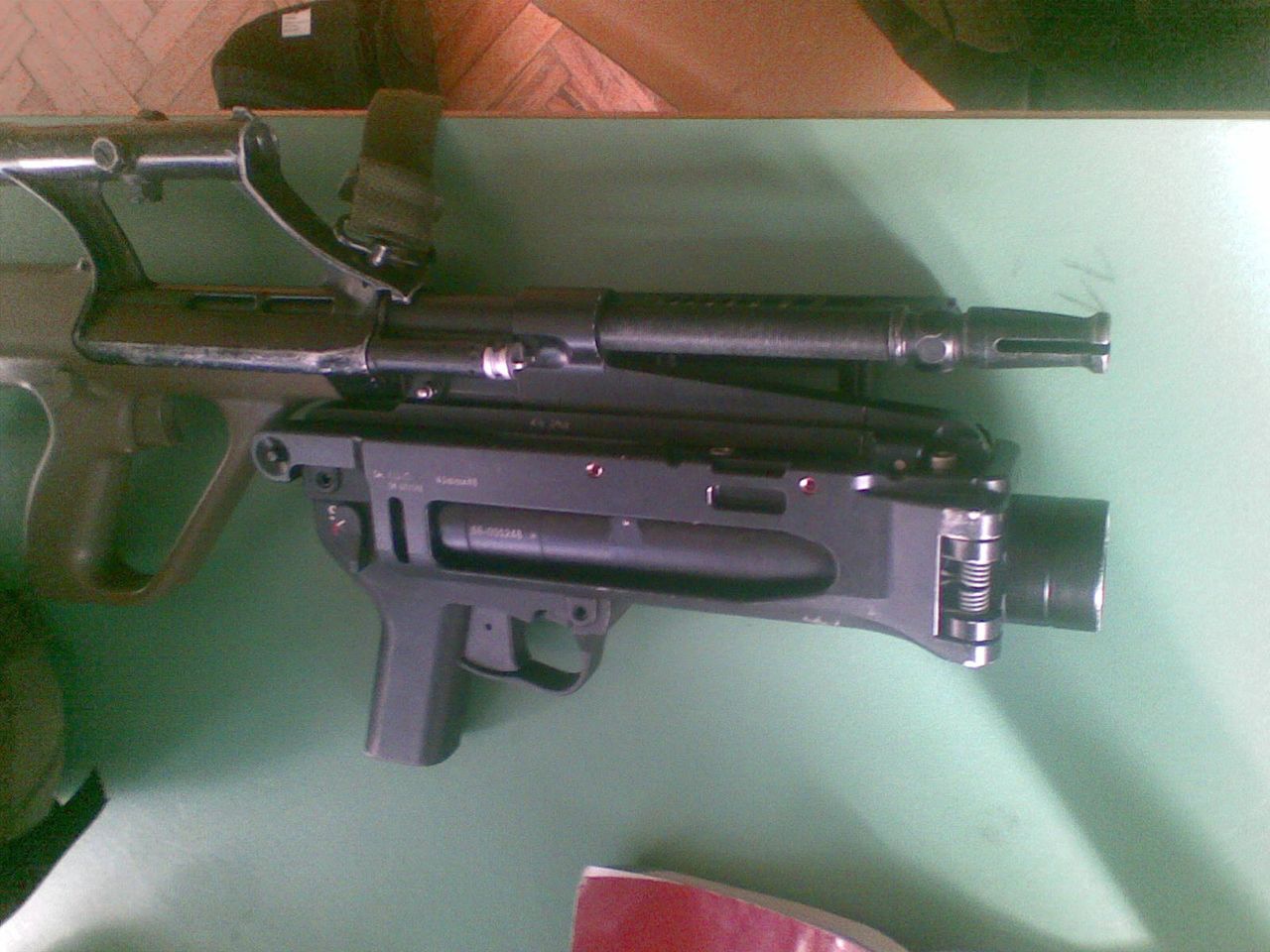
When the Steyr AUG appeared in the 1970s, it seemed almost like a prop from a science fiction set. Its bullpup layout kept a full-length barrel in a compact package, while its extensive polymer construction and integrated optics gave it a distinctly modern identity.
What once looked futuristic became a blueprint for many later service rifles. The AUG treated compactness, modularity, and sighting systems as core design features rather than optional extras. Not every military embraced the bullpup concept, but the rifle showed just how far industrial design and battlefield practicality could be pushed when a manufacturer was willing to break from tradition.
Heckler And Koch VP70
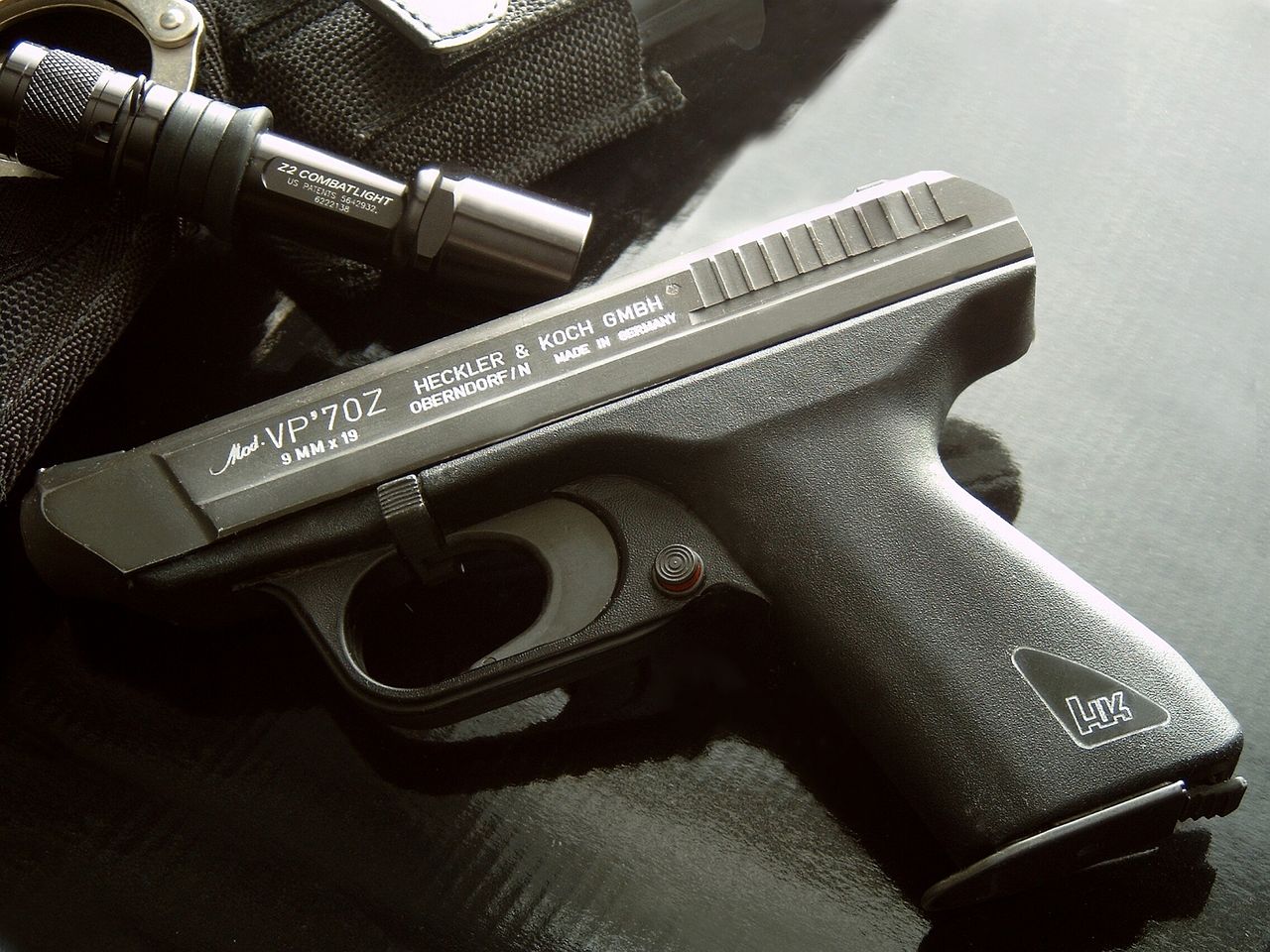
The VP70 was one of those pistols that made perfect sense only years later. Introduced in 1970, it used a polymer frame at a time when that material still seemed unusual for a serious handgun. It also offered a very high magazine capacity and, in some versions, a stock that enabled burst fire.
Taken together, those features made it feel more like a concept car than a conventional sidearm. The trigger was notoriously heavy, and the market was not fully ready for its strange mix of practicality and ambition. But once polymer pistols and high-capacity service handguns became standard, the VP70 looked less eccentric and more prophetic.
FN P90
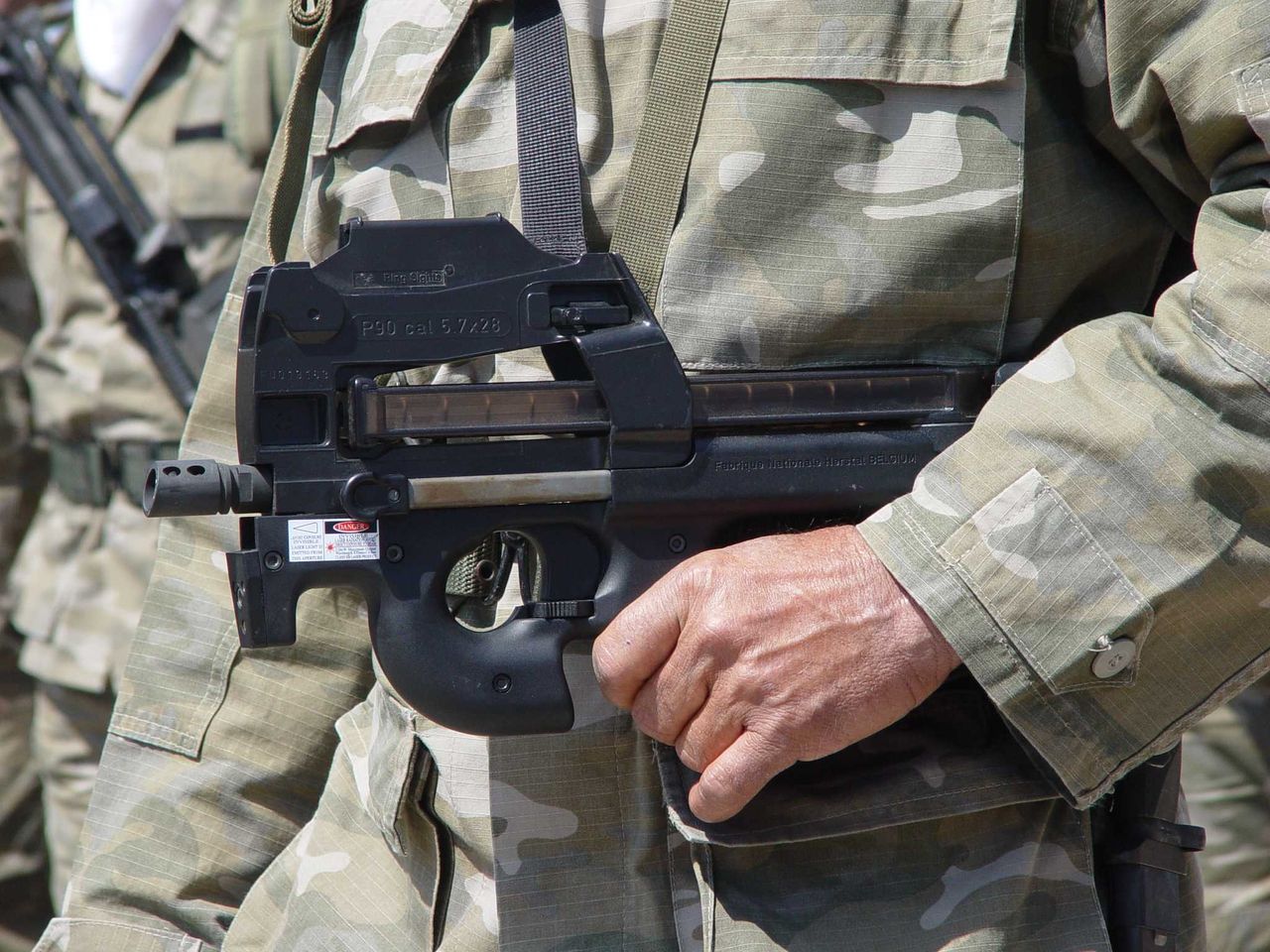
The FN P90 was built around a very specific future-looking idea: the personal defense weapon. Designed for vehicle crews, support troops, and others who needed something more capable than a pistol but smaller than a rifle, it combined a compact bullpup shape with a top-mounted 50-round magazine and an unusual cartridge.
Its controls, ambidextrous handling, and compact profile made it feel strikingly modern from the start. More importantly, it was tailored to a changing view of battlefield roles and armor penetration. Even where the category itself remained niche, the P90 proved that weapon design could be built around emerging tactical problems instead of inherited assumptions.