During the Cold War, escape gear had to do more than help someone flee. It had to pass unnoticed in a pocket, a uniform, or a travel bag while hiding tools that could mean the difference between capture and freedom. These six kits show how intelligence services disguised weapons and survival aids inside familiar objects, blending ingenuity, paranoia, and practical design.
Compass That Concealed a Tiny Firing Device
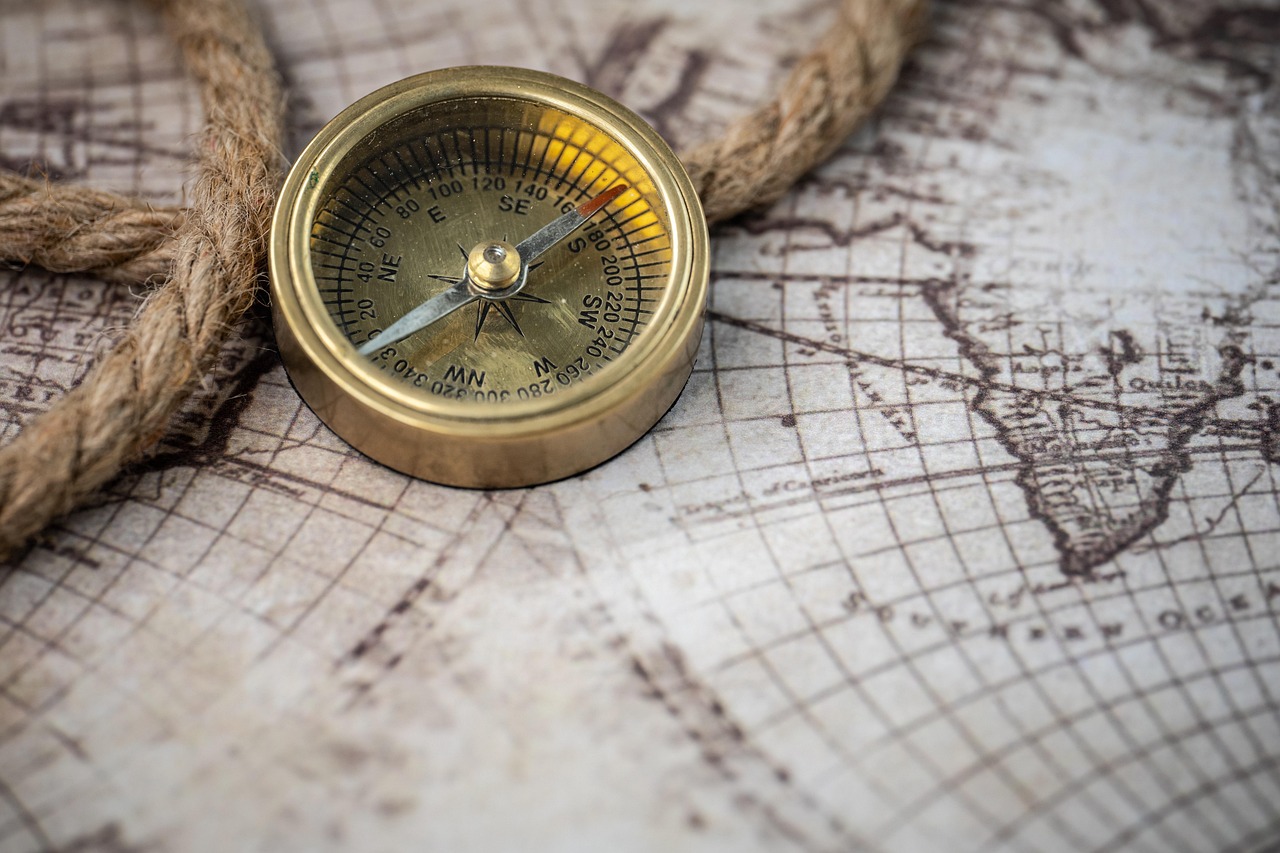
At first glance, a compact military compass looked like the last thing anyone would question. That was exactly the point. Some Cold War escape kits used navigation gear as cover for small hidden weapons or firing mechanisms, letting an airman or agent carry something dangerous in plain sight.
The design worked because a compass already belonged in a survival kit. If searched casually, it blended in with maps, rations, and signal gear. Hidden inside, however, it could provide a desperate last resort for self-defense or create an opening during an escape.
What makes this kind of object so fascinating is the trade-off between usefulness and secrecy. Every hidden component had to be compact, reliable, and convincing enough not to ruin the illusion of an ordinary field tool.
Fountain Pen With a Built-In Dart Weapon
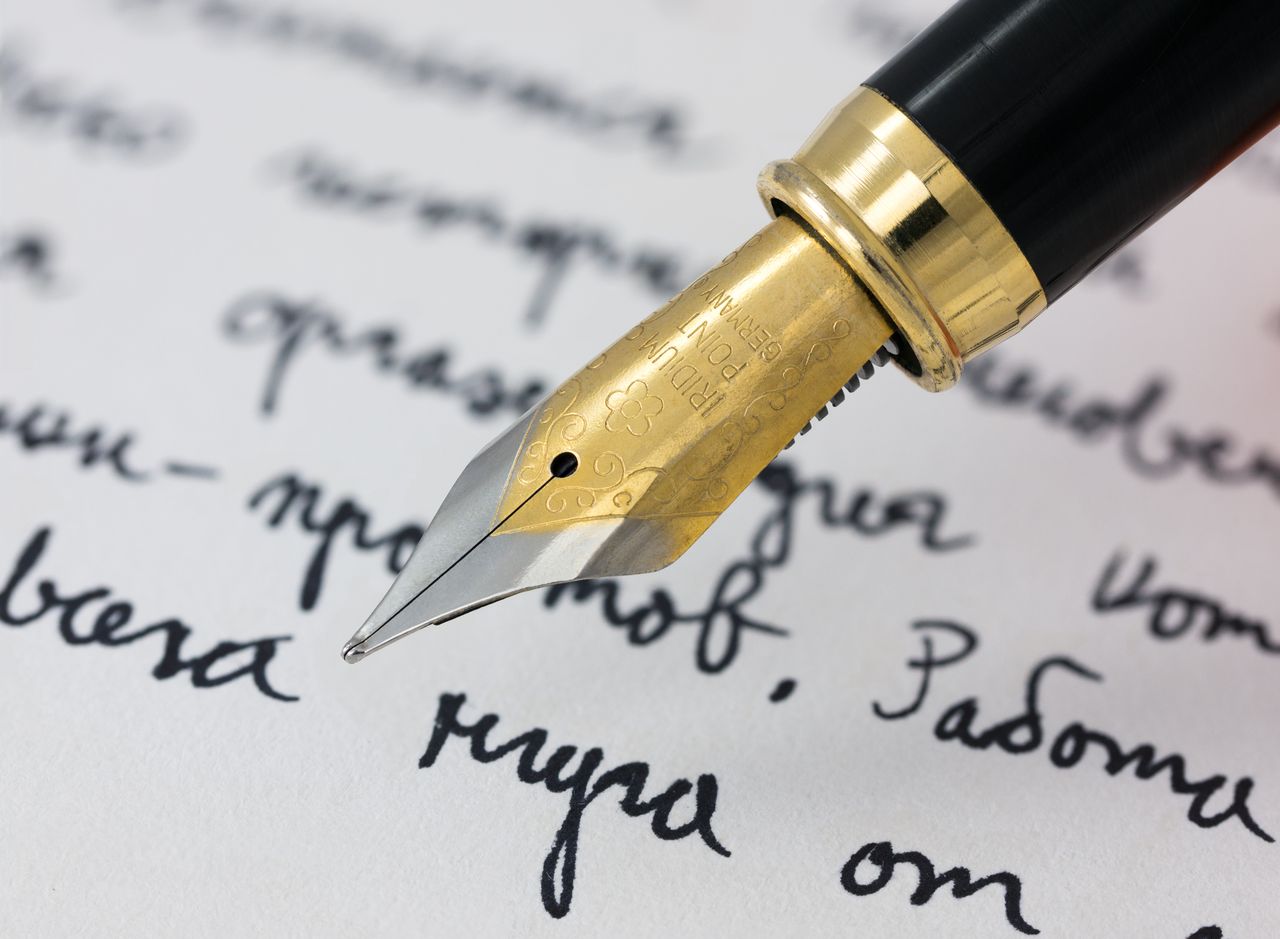
A pen was one of the smartest disguises in Cold War tradecraft because it traveled anywhere without raising suspicion. In some specialized kits, writing instruments were adapted to hide a tiny dart or short-range weapon, turning a routine desk object into something far more sinister.
The appeal was obvious. A pen could sit in a breast pocket, rest on a table, or pass through an ordinary conversation without attracting a second glance. That made it ideal for covert personnel who needed a compact defensive option that looked completely harmless.
It also captured the unnerving style of the era. Everyday professionalism, from notebooks to suits to office accessories, could become camouflage for survival tools designed for moments when secrecy suddenly failed.
Cigarette Case Hiding a Miniature Pistol
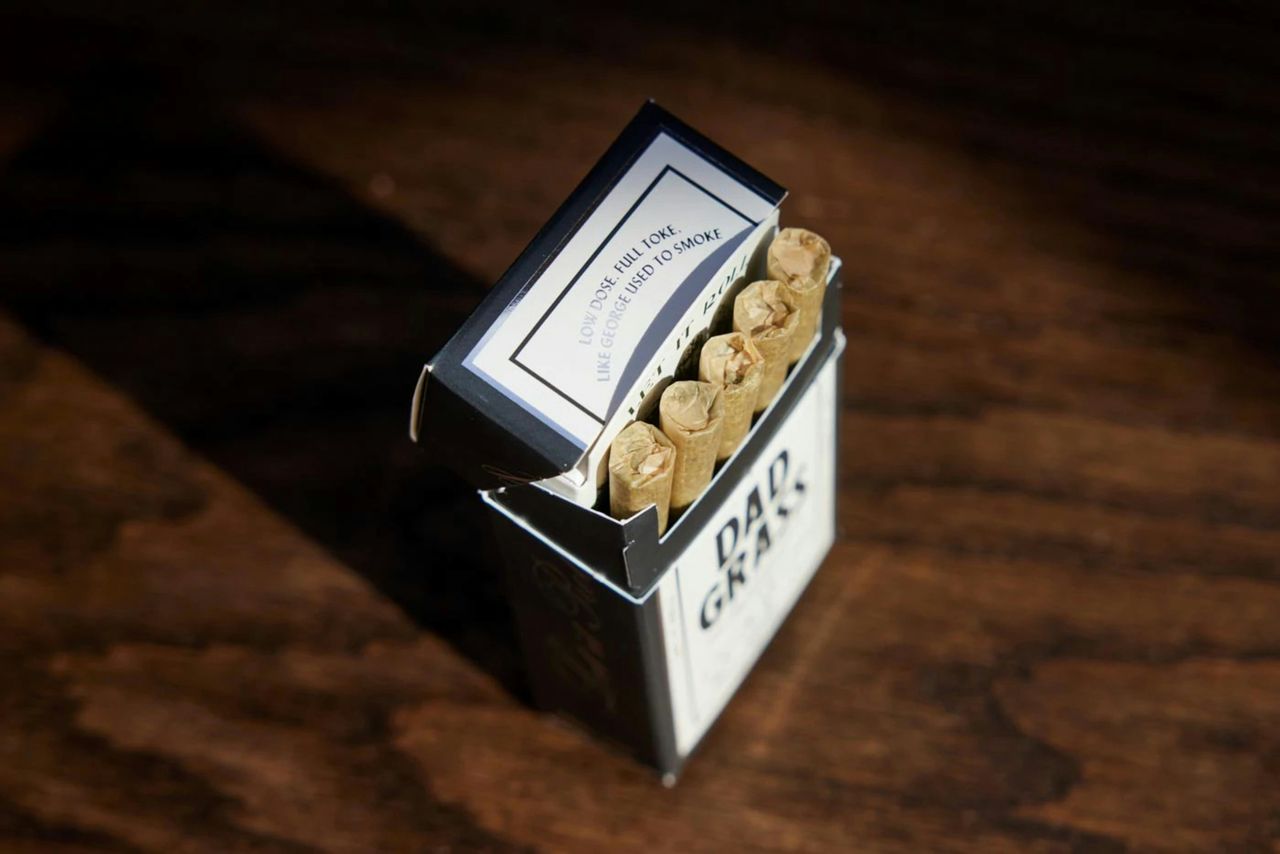
Few objects were more common in mid-century pockets than a cigarette case, which made it a natural shell for hidden escape gear. Some versions were modified to conceal a miniature pistol or single-shot device, combining social normalcy with covert firepower in one slim metal package.
The disguise worked because the case matched the habits and style of the period. It was fashionable, portable, and easy to explain away if spotted during a quick inspection. In a world of checkpoints, defections, and secret crossings, that kind of plausible everyday object mattered.
There was also a psychological edge to it. A person carrying one could appear relaxed and ordinary, while still holding a tool intended for a sudden break, a diversion, or a final attempt to get away.
Belt Buckle That Doubled as a Concealed Gun
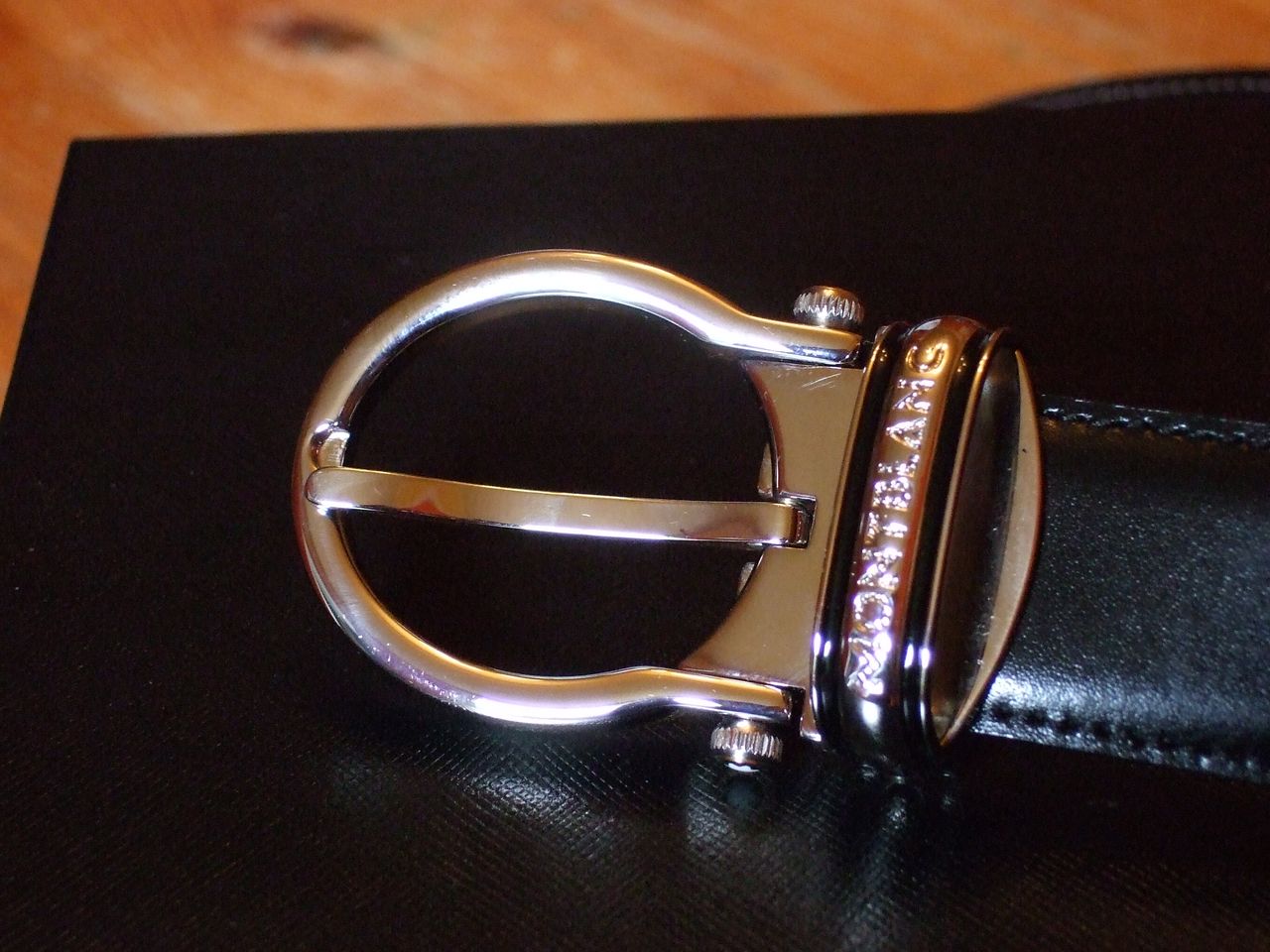
A belt buckle is so ordinary that it almost disappears into an outfit, which is exactly why designers saw potential in it. Certain escape devices turned the buckle into a concealed firearm or disguised launcher, hiding a weapon at the center of an otherwise unremarkable piece of clothing.
The advantage was constant access. Unlike gear buried in luggage or tucked into a jacket, a belt remained attached to the body and within easy reach. For someone trying to evade capture, that immediacy could be more important than accuracy or power.
This kind of object also highlights the unsettling creativity of Cold War engineering. The mission was not elegance for its own sake. It was to build something believable enough to survive inspection while still functioning when everything else had gone wrong.
Toiletry Brush With a Hidden Blade
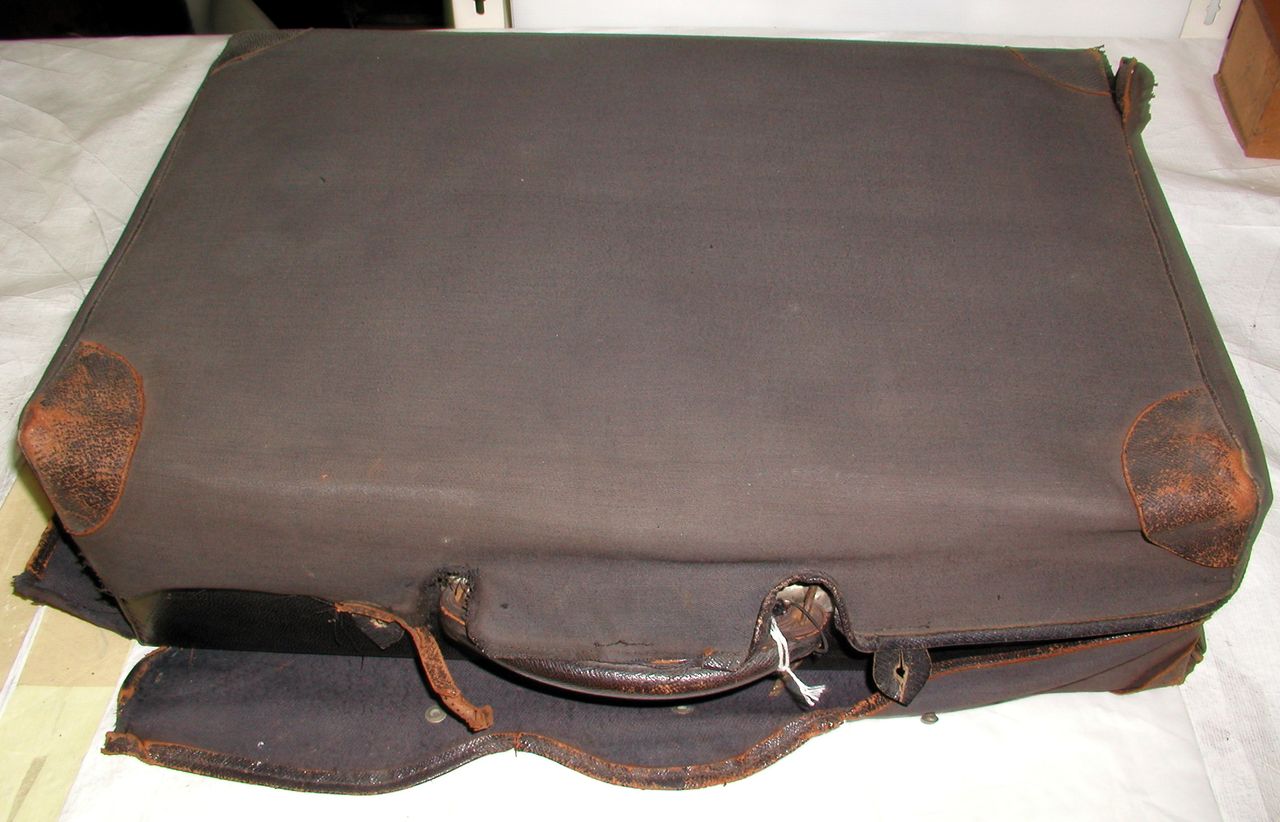
Personal grooming items offered ideal cover because they were private, portable, and deeply ordinary. In some escape kits, a toiletry brush or grooming handle concealed a slim blade, giving the carrier a tool that looked innocuous among razors, soap, and travel essentials.
It was a clever choice for another reason too. Toiletry kits often moved through luggage with little scrutiny compared with technical or military equipment. That allowed covert designers to tuck a practical cutting instrument into a place associated with routine, not resistance.
The result feels almost mundane until you think about the stakes. An object meant for shaving or brushing could become a means of cutting fabric, slicing bindings, or creating a narrow chance to break free at exactly the right moment.
Map Case Carrying an Improvised Gun Kit
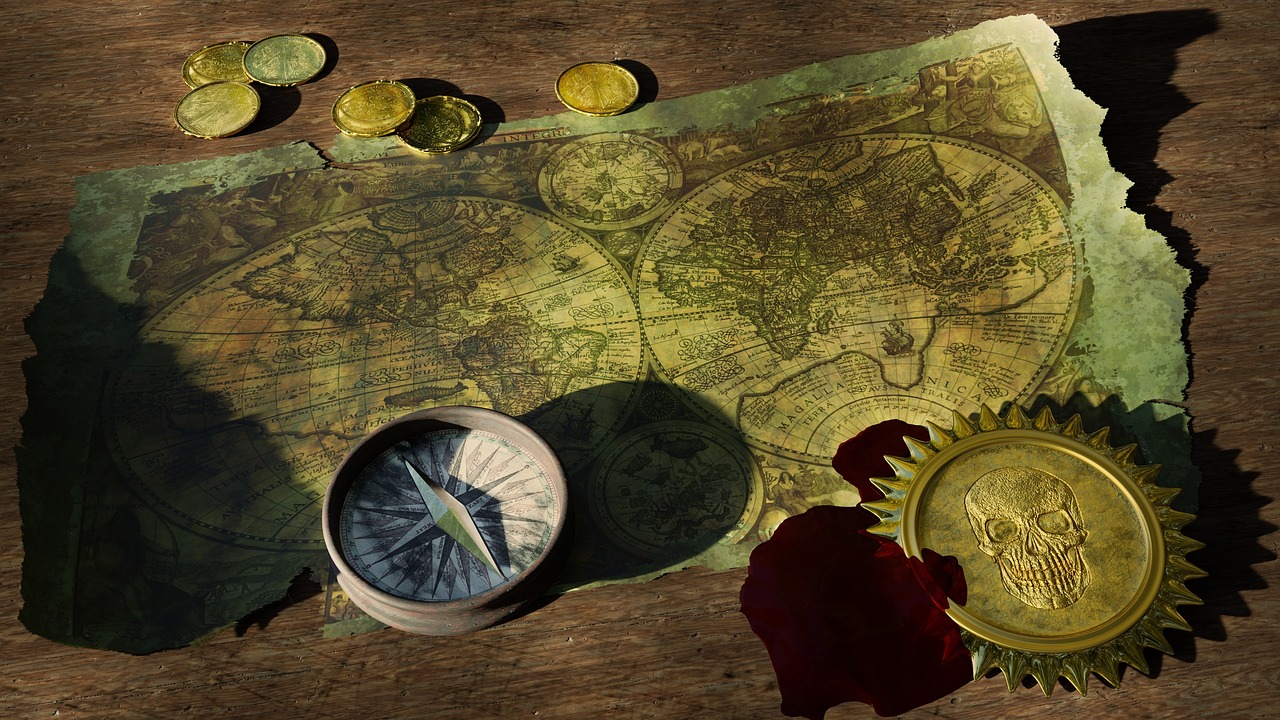
A map case belonged naturally in the hands of pilots, couriers, and military personnel, making it excellent camouflage for concealed escape gear. Some versions hid compact gun components or other weapon parts inside seams and compartments, masking threat within something that seemed purely administrative.
That setup had a practical advantage beyond disguise. A case already needed pockets, folds, and stiff panels, so secret spaces could be built in without radically changing the object’s shape. To an observer, it still read as a functional holder for charts and documents.
This kind of design shows how Cold War escape equipment often relied on context as much as mechanics. The right object in the right setting could vanish into the background, even when it carried something far more dangerous than paper.