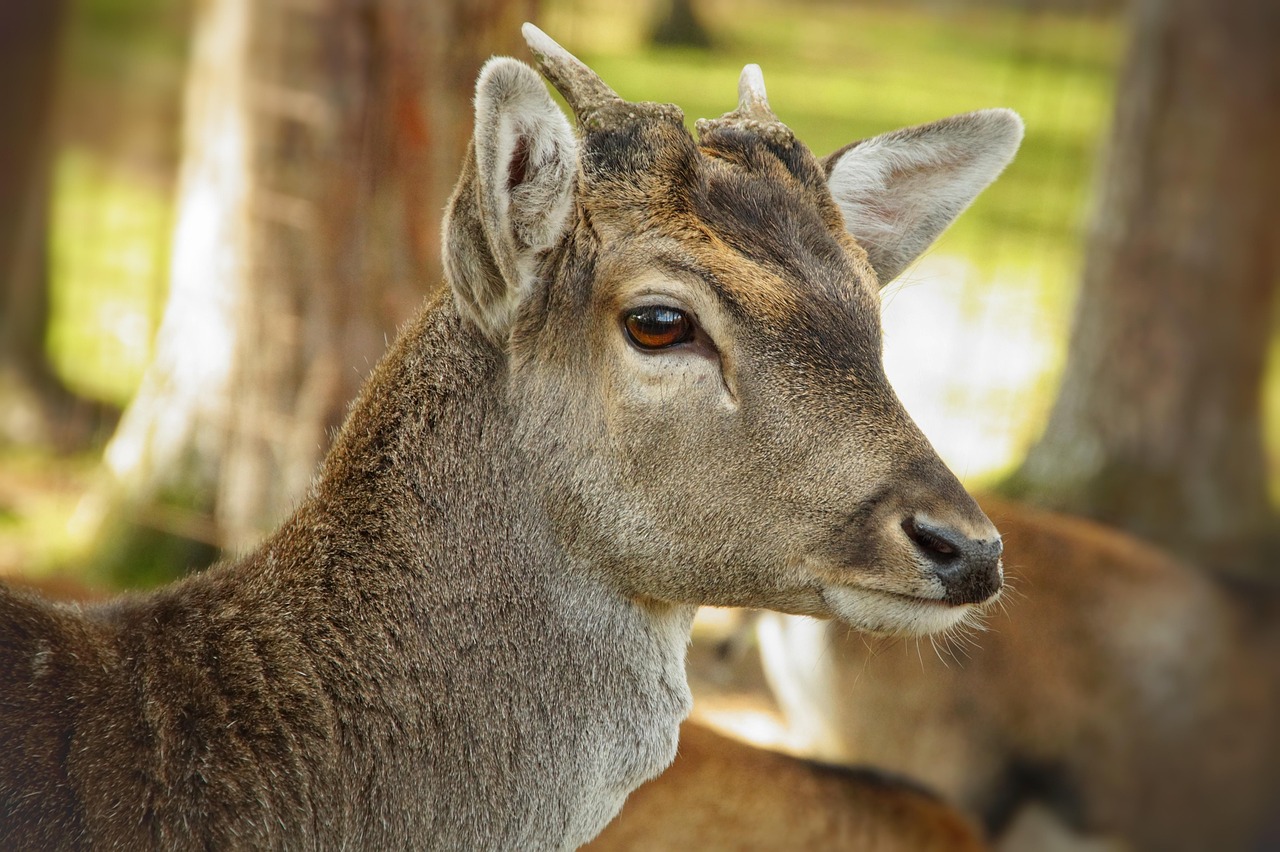
Most hunters know deer rely heavily on their noses, but their vision plays an even bigger role in detecting danger. Understanding how a deer sees the world can dramatically improve your approach in the field. Their eyes are designed for survival, offering wide-angle scanning, sharp motion detection, and impressive low-light performance. Research from wildlife biologists and studies on cervid vision indicate that deer may perceive certain colors with much greater sensitivity than humans. Recognizing these traits helps hunters move stealthily, choose effective camouflage, and avoid being detected before the shot presents itself.
1. Color Sensitivity
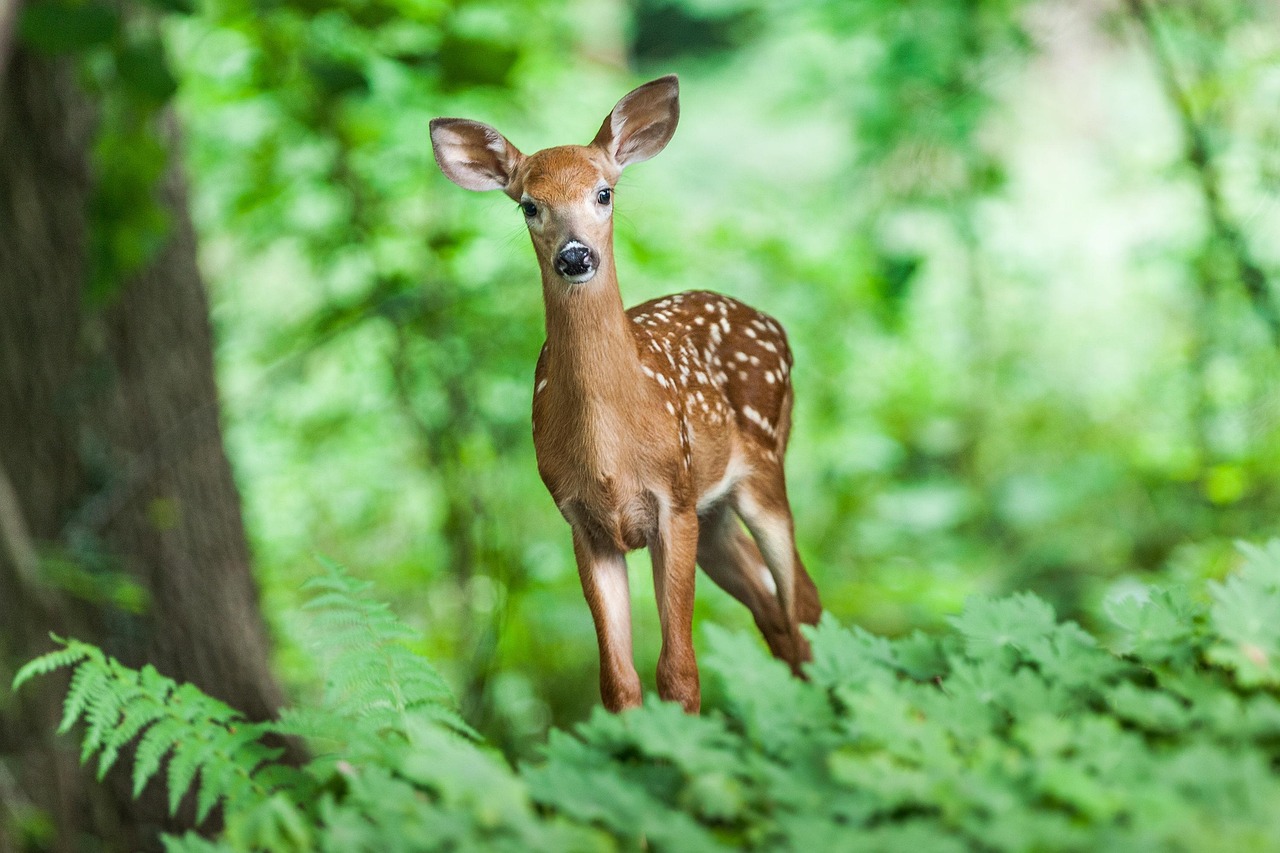
Deer don’t see the full color spectrum like humans, but what they do see, they perceive with exceptional sensitivity. Their eyes are built to detect blues and short-wavelength light far better than we can, which is why bright fabrics or detergent-treated clothing can glow like a beacon. This makes poor clothing choices extremely risky. Stick with earth tones and UV-free materials to avoid creating accidental highlights that their eyes quickly detect.
2. Wide Field of View
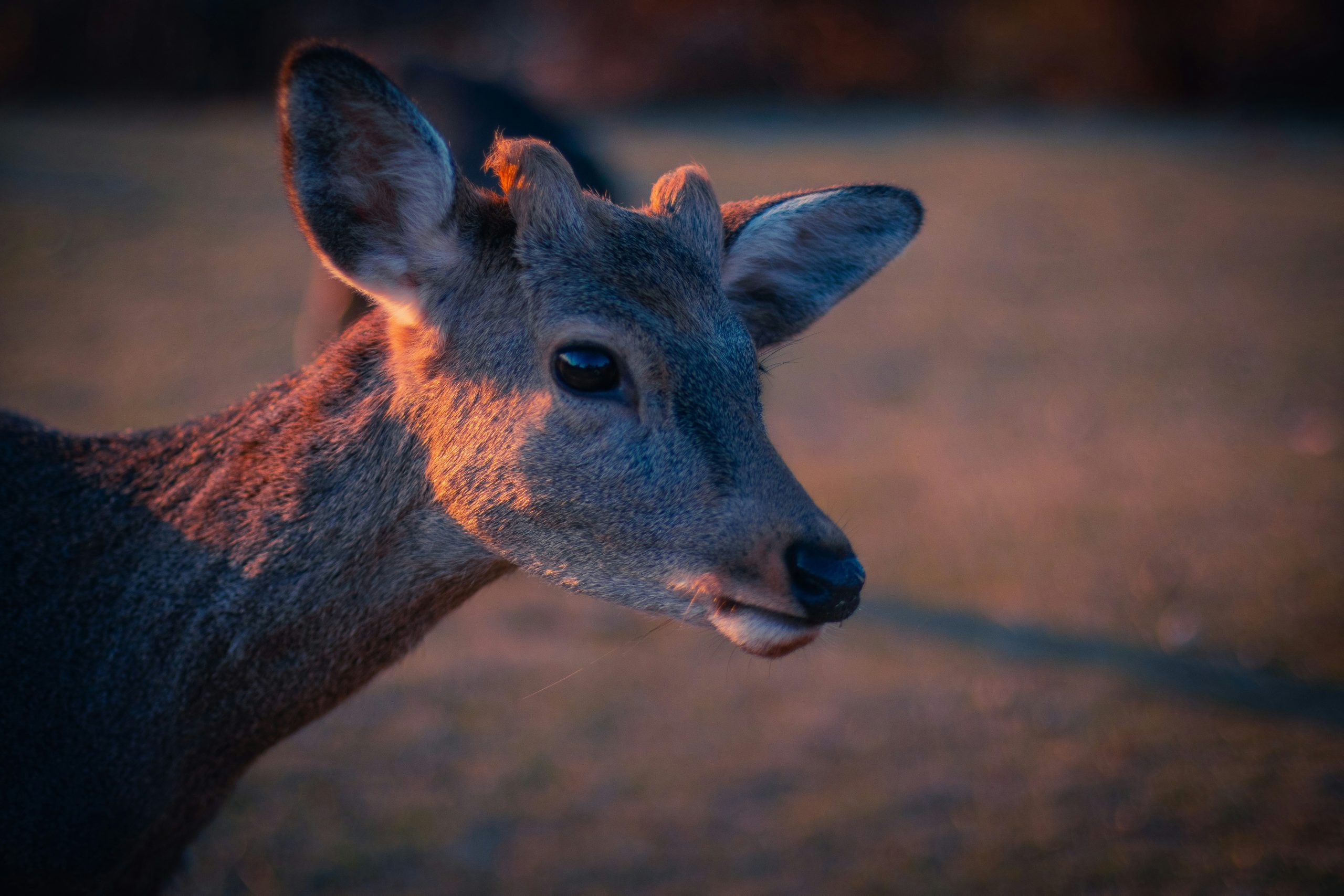
A deer’s eyes sit along the sides of its head, giving it an incredibly wide field of view, around 300 degrees, with only a small blind spot directly behind. This panoramic perspective lets them monitor vast surroundings without needing to move their head, which helps them detect even subtle disturbances. While they lack the sharp central focus we have, their ability to scan nearly an entire area at once makes careless movement easy to spot. Hunters should always assume a deer can see them from angles they wouldn’t expect and position stands accordingly.
3. Superior Low-Light Vision

Deer thrive in dawn and dusk conditions because their eyes are built to absorb every available trace of light. Their pupils open wider than ours, and a reflective layer behind the retina, called the tapetum lucidum, boosts their sensitivity even further. This combination gives them exceptional twilight clarity exactly when many hunters struggle to see details. Understanding this advantage means avoiding unnecessary motion at first and last light, when deer can spot shifting silhouettes that humans barely notice. Staying still and using natural shadows becomes even more critical.
4. Camouflage Detection
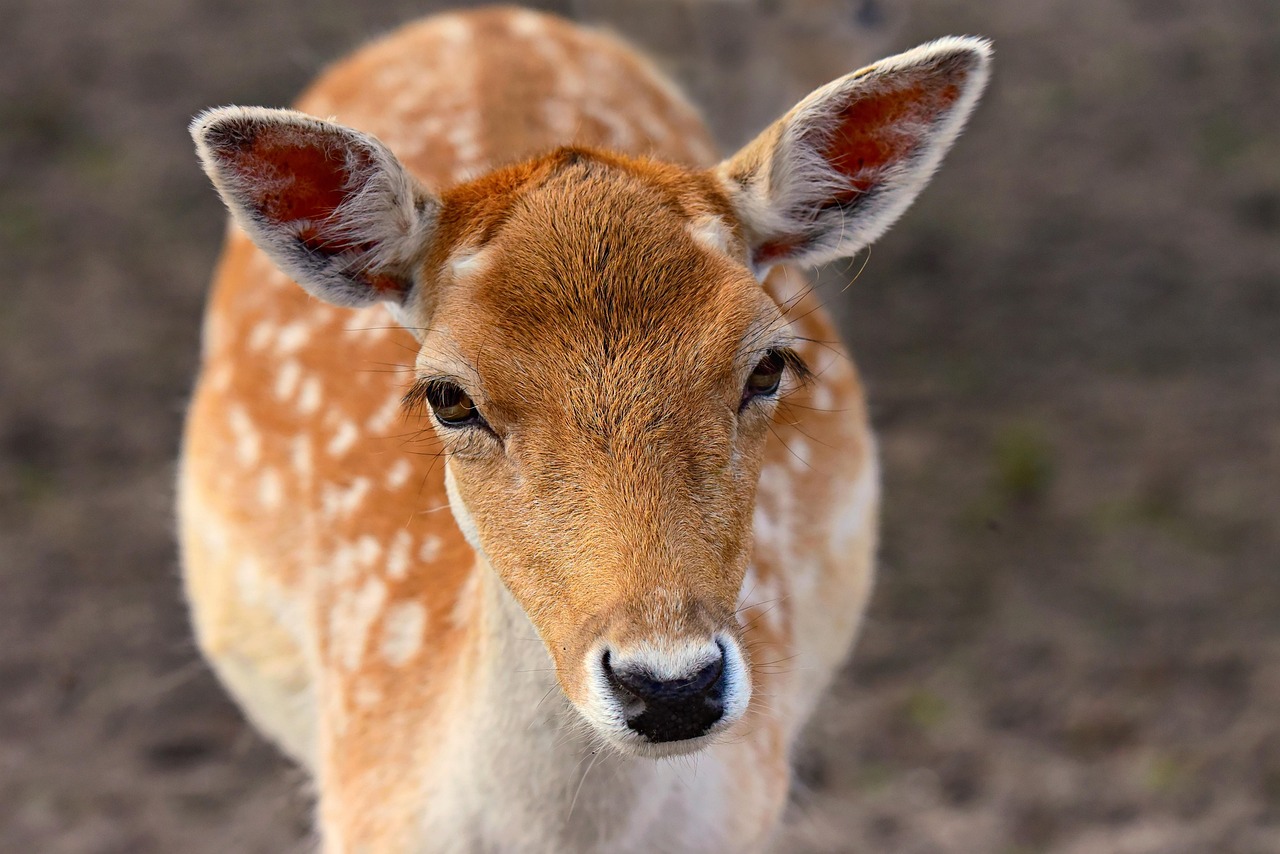
Deer may not see fine details the way humans do, but they excel at recognizing changes in shape, contrast, and outline. This means camouflage works only when paired with good behavior, breaking up your outline and blending into a backdrop. High-contrast gear, shiny accessories, or mismatched patterns can create visual “flags” that deer quickly catch. Even subtle edges around hats, gloves, or stand railings can stand out. The key is using natural, low-contrast patterns and avoiding anything that disrupts the smooth shapes found in the environment.
5. Motion Awareness
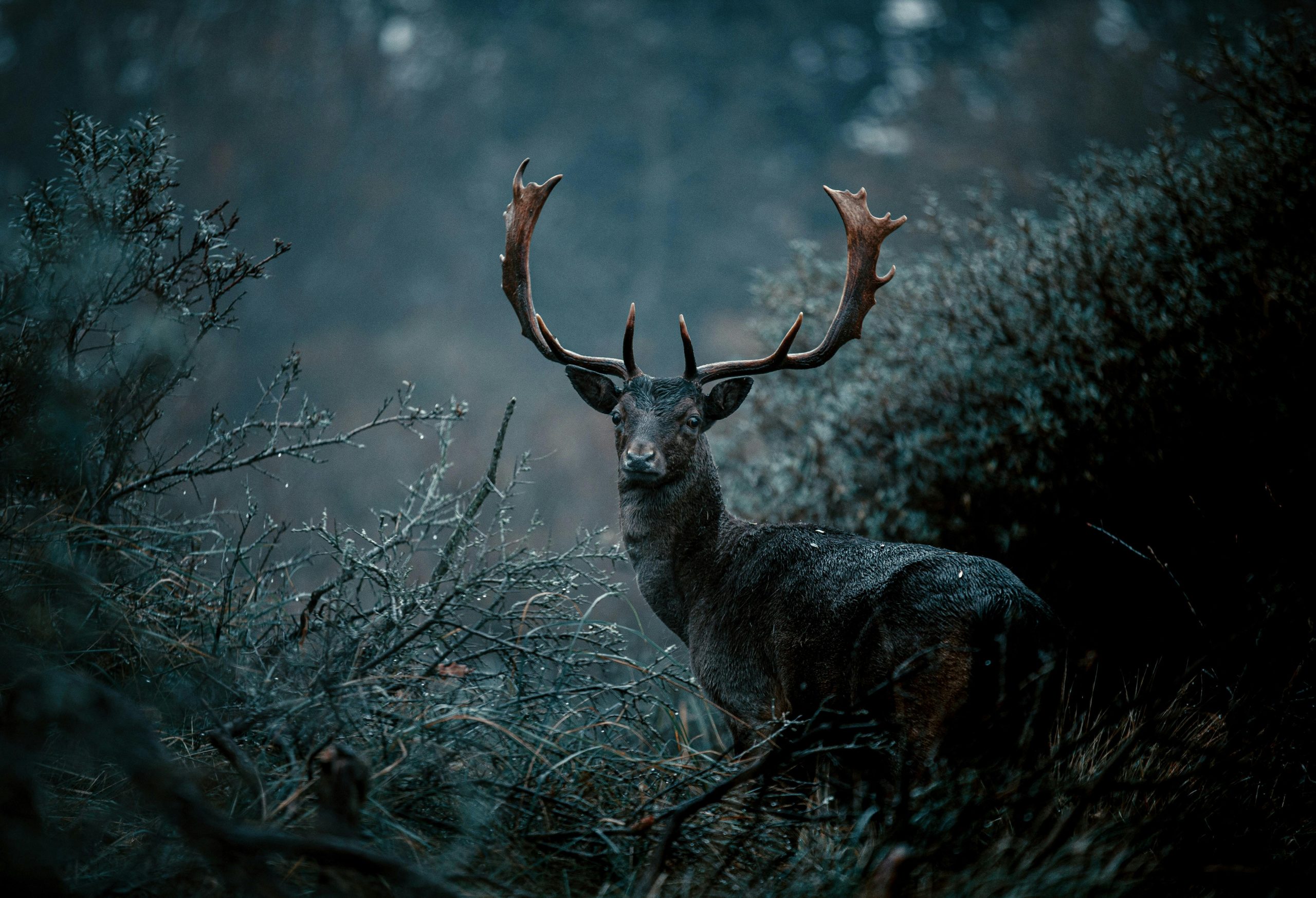
Movement is the number one giveaway when hunting deer. Their eyes are designed to detect motion at incredible sensitivity, far beyond what humans notice. Even slow shifts, like raising a bow or adjusting your footing, can alert a deer instantly, especially when combined with their wide field of view. Because their brain is wired to lock onto motion first, stillness is often your greatest camouflage. The best hunters’ time movements occur during moments when deer’s attention breaks, like when they lower their head, step behind cover, or turn slightly away.