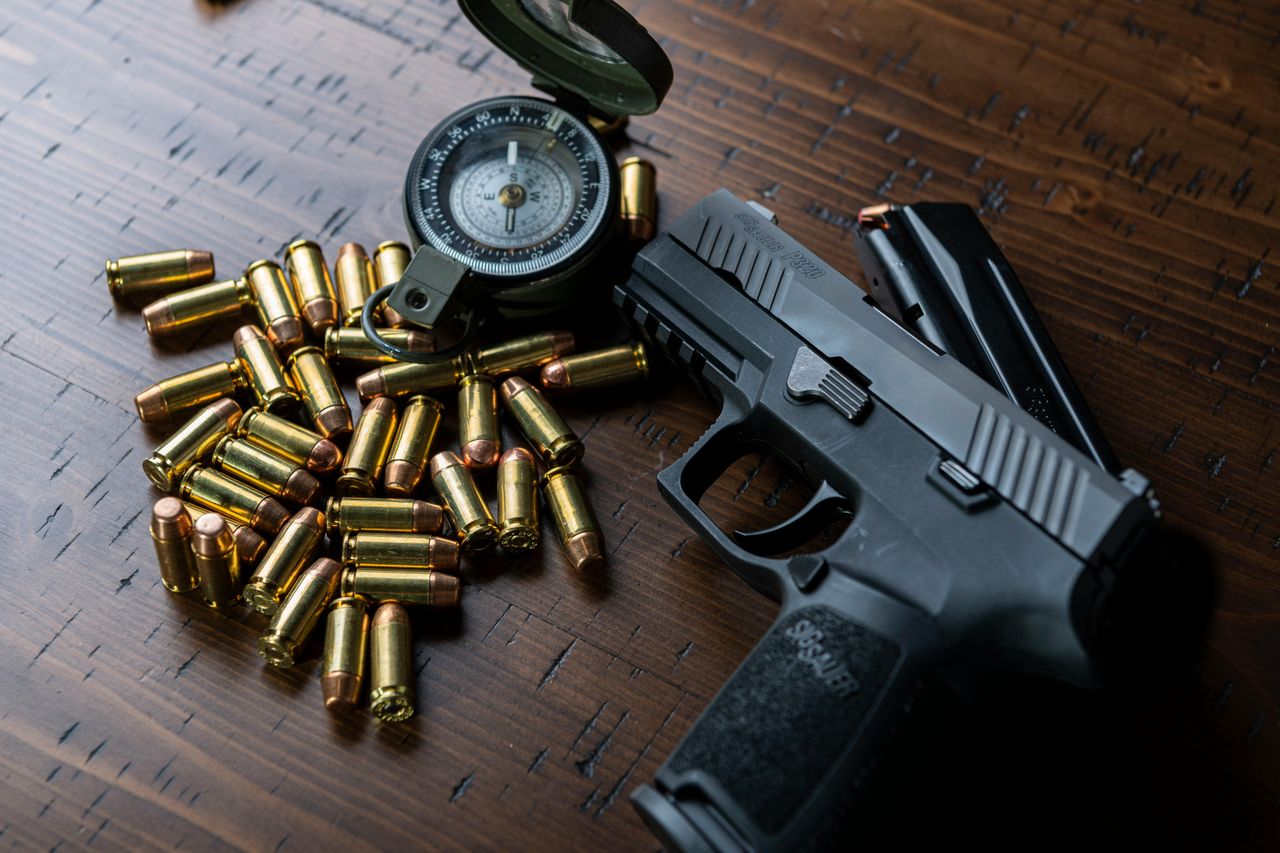
The Sig Sauer P320 has built a huge following, but even popular handguns can develop patterns of trouble once they see real use. From stoppages that interrupt a range day to wear issues that raise bigger questions about reliability, these are five malfunctions owners keep talking about. This gallery breaks down what they look like in the field and why they matter to everyday shooters.
Failure to Feed

One of the most common complaints from P320 owners is a round that hangs up before fully chambering. In the field, it often shows up as the nose of the cartridge catching on the feed ramp or stalling just short of battery, turning a smooth string of fire into an immediate stoppage.
Sometimes the culprit is simple, like weak magazine springs, dirty internals, or ammunition the pistol does not particularly like. Other times, shooters describe the problem appearing after long sessions when carbon, dust, and unburned powder start to build.
It is the kind of malfunction that can seem minor until it happens repeatedly. Once confidence in feeding starts to slip, every magazine begins to feel like a test instead of routine practice.
Failure to Extract

Extraction issues are another field complaint that gets attention fast because they stop the gun cold. Owners describe spent cases remaining lodged in the chamber or pulling free only halfway, leaving the slide to fight old brass while trying to load a fresh round behind it.
This kind of problem can stem from fouling in the chamber, extractor wear, or ammo that produces inconsistent pressure. In practical terms, it usually appears when the pistol gets hot and dirty, which is exactly when shooters expect a duty style handgun to keep running.
What makes extraction trouble especially frustrating is how unpredictable it can feel. A pistol might run cleanly for several magazines, then suddenly choke on one stubborn case and break the rhythm completely.
Failure to Eject

A failure to eject looks dramatic and usually feels even worse in the moment. Shooters often call it a stovepipe, with the empty case trapped upright in the ejection port while the slide remains partially open and the next shot never comes.
With the P320, owners who report this issue often point to a mix of variables rather than one universal cause. Light practice loads, a less than firm grip, recoil spring behavior, or a pistol overdue for cleaning can all contribute to brass not clearing the gun decisively.
Because it happens so visibly, this malfunction tends to shake confidence quickly. It also reminds shooters that reliability is not just about firing the round, but about cycling every part of the action cleanly and consistently.
Light Primer Strikes

Light primer strikes are the kind of problem that leave shooters staring at a cartridge and wondering whether the gun or the ammo is to blame. In reported P320 cases, the round chambers, the trigger is pressed, and instead of a bang there is only a click and a shallow dimple on the primer.
This can point to striker channel fouling, spring fatigue, debris, or occasional tolerance issues that reduce firing pin energy. It is not always constant, which makes it harder to diagnose, especially when the same box of ammunition fires perfectly in another handgun.
For owners, the bigger concern is trust. A pistol that fires nine times out of ten may be tolerable on a casual range trip, but it stops feeling acceptable the second reliability really matters.
Out-of-Battery and Return-to-Battery Problems

Some P320 owners report the slide not fully closing after a round chambers, leaving the pistol slightly out of battery. It can be subtle at first, just a slide that needs a tap forward, but in live fire it quickly becomes a serious interruption that stops the next shot from happening.
This issue may be tied to fouling, recoil spring wear, tight chamber conditions, or ammunition dimensions that do not play nicely with the pistol. In rough field conditions, even a small amount of grit or residue can be enough to make the gun feel sluggish on its return stroke.
What stands out about this malfunction is how it erodes confidence over time. A defensive style pistol is expected to snap back into battery without hesitation, not ask for extra attention between shots.