Every shooter develops preferences over time, but real understanding only comes from experience. Some pistols teach recoil control, others reveal trigger discipline, and a few redefine what reliability or ergonomics truly mean. Trying a wide range of handguns exposes shooters to different design philosophies, operating systems, and historical influences that shape modern firearms. Whether it’s a striker-fired workhorse, a classic steel frame, or a refined competition pistol, each offers lessons that can’t be learned from specs alone. This list highlights sixteen pistols that stand out not because they’re trendy, but because they represent important benchmarks in handgun design. Shooting them at least once helps build perspective, appreciation, and skill, regardless of whether you ever plan to own one.
1. Glock 17
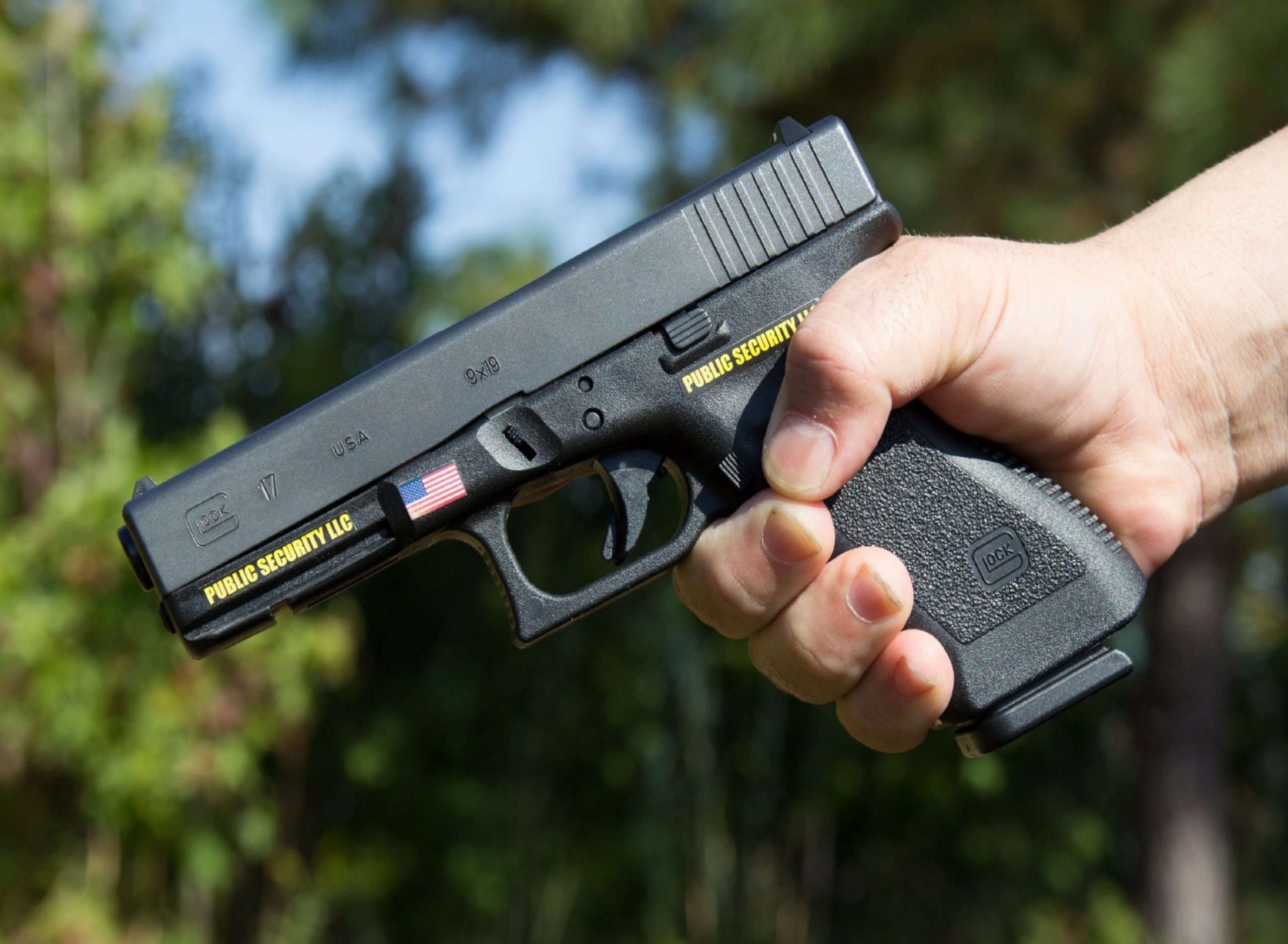
The Glock 17 is a baseline pistol every shooter should experience because it defines modern striker-fired reliability. Its simple controls, consistent trigger pull, and forgiving ergonomics make it approachable for beginners while still respected by professionals. Shooting a Glock 17 teaches recoil management without excess weight or complexity, and its predictable behavior highlights fundamentals rather than masking mistakes. The low bore axis and flexible polymer frame soften recoil in a way that surprises many first-time users. Even shooters who don’t like Glocks benefit from understanding why they dominate duty holsters. It’s not flashy, but it sets a standard against which countless pistols are measured.
2. SIG Sauer P226
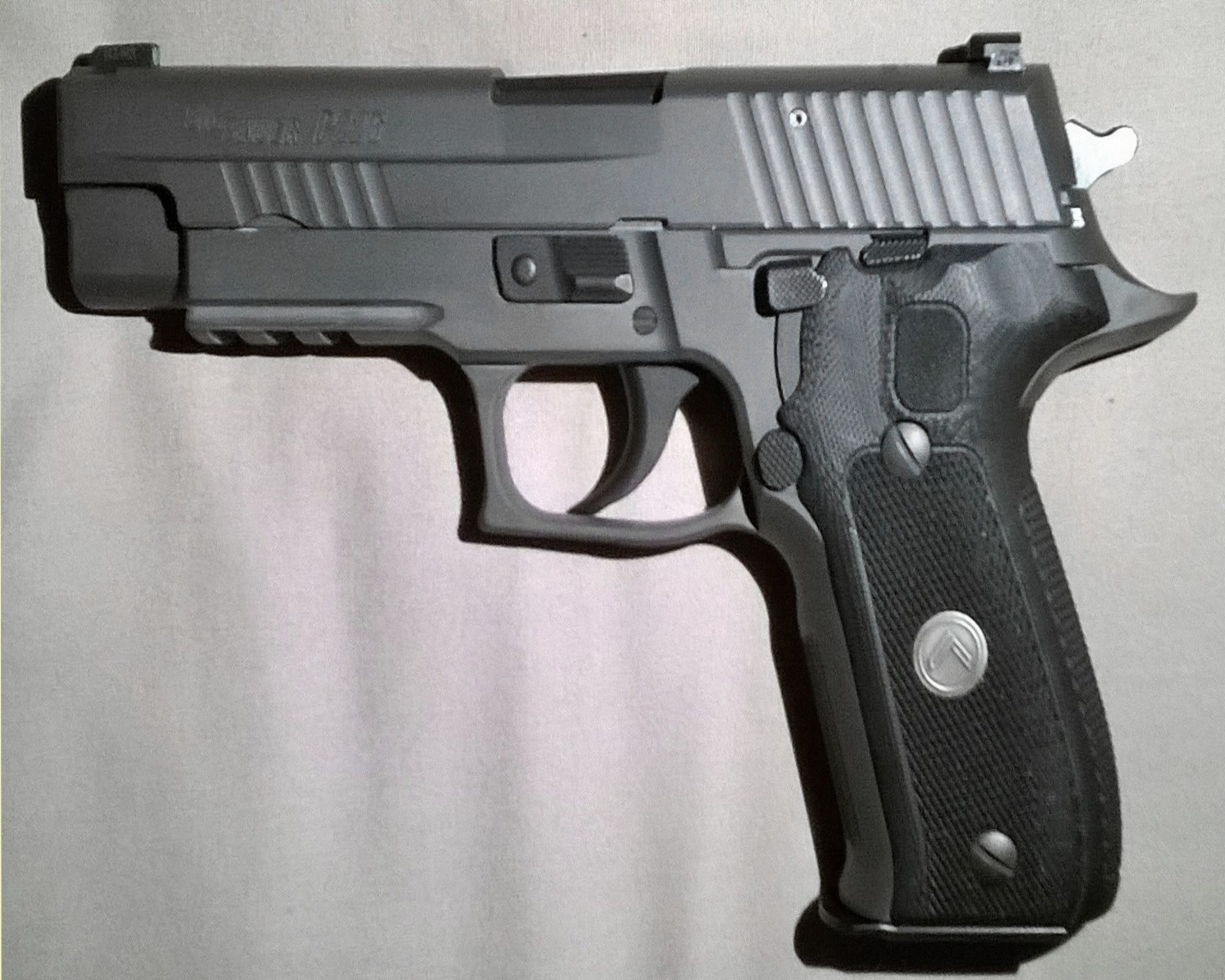
The SIG Sauer P226 showcases the feel of a full-size metal-framed service pistol done right. Its double-action/single-action trigger system teaches deliberate trigger control and transition management. The weight of the slide and frame produces a smooth recoil impulse that feels different from polymer pistols. Shooting the P226 helps shooters appreciate balance, slide mass, and how quality machining affects overall feel. The ergonomics encourage a high, stable grip, while the accuracy rewards disciplined fundamentals. Many shooters discover that the P226 feels almost effortless to shoot well. It represents an era where durability and refinement were equally important in duty handgun design.
3. Beretta 92FS
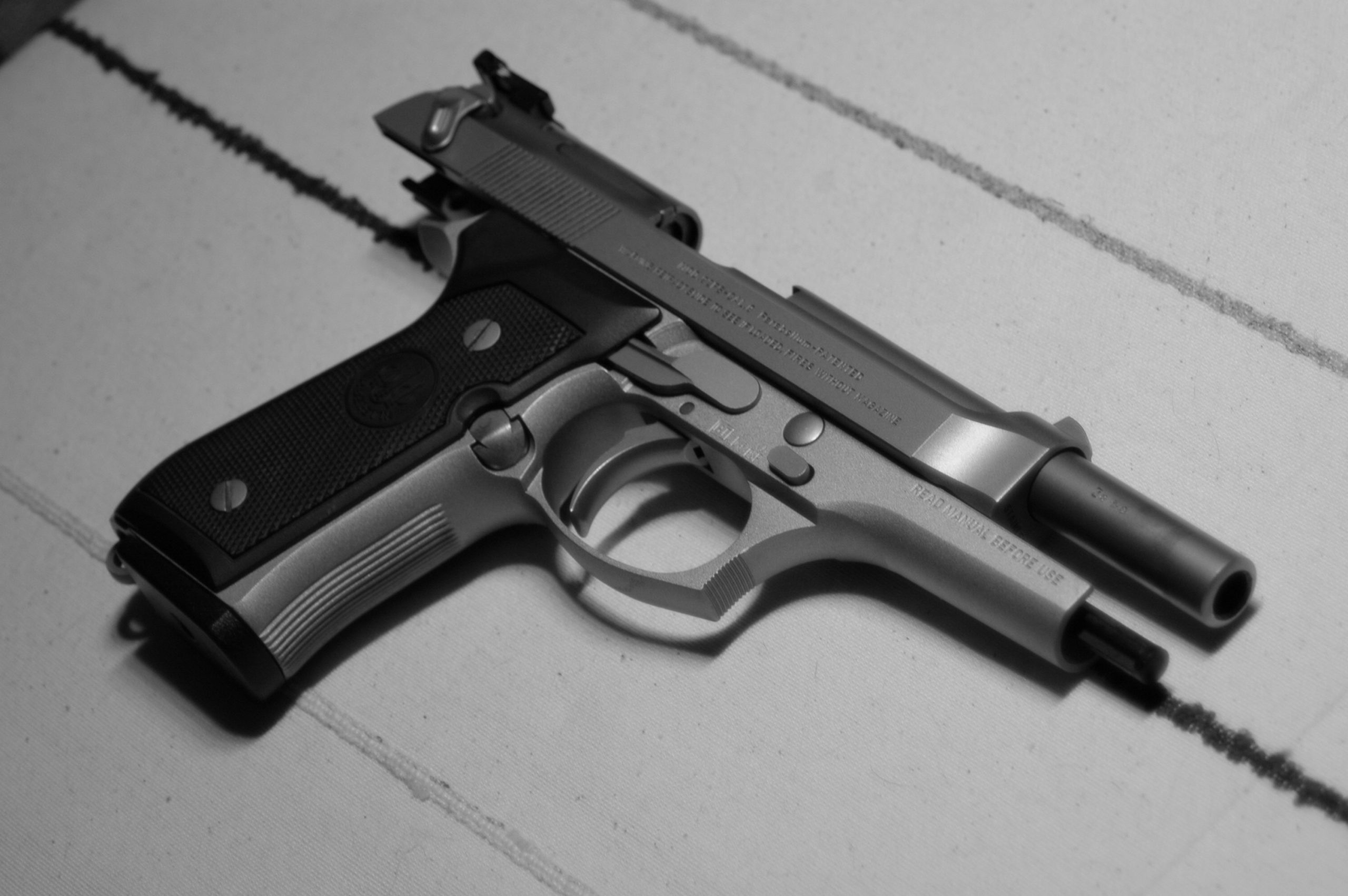
The Beretta 92FS offers a unique shooting experience shaped by its open-slide design and long sight radius. Its recoil feels soft and linear, making it surprisingly controllable despite its size. Shooting one teaches how slide mass and barrel length influence follow-up shots. The grip is large, but it forces shooters to adapt their hand placement and trigger reach. The double-action first pull reinforces disciplined trigger work, while the single-action break is crisp and predictable. Many shooters walk away appreciating how smooth and stable the platform feels. The 92FS remains an iconic service pistol for good reason.
4. SIG Sauer P320
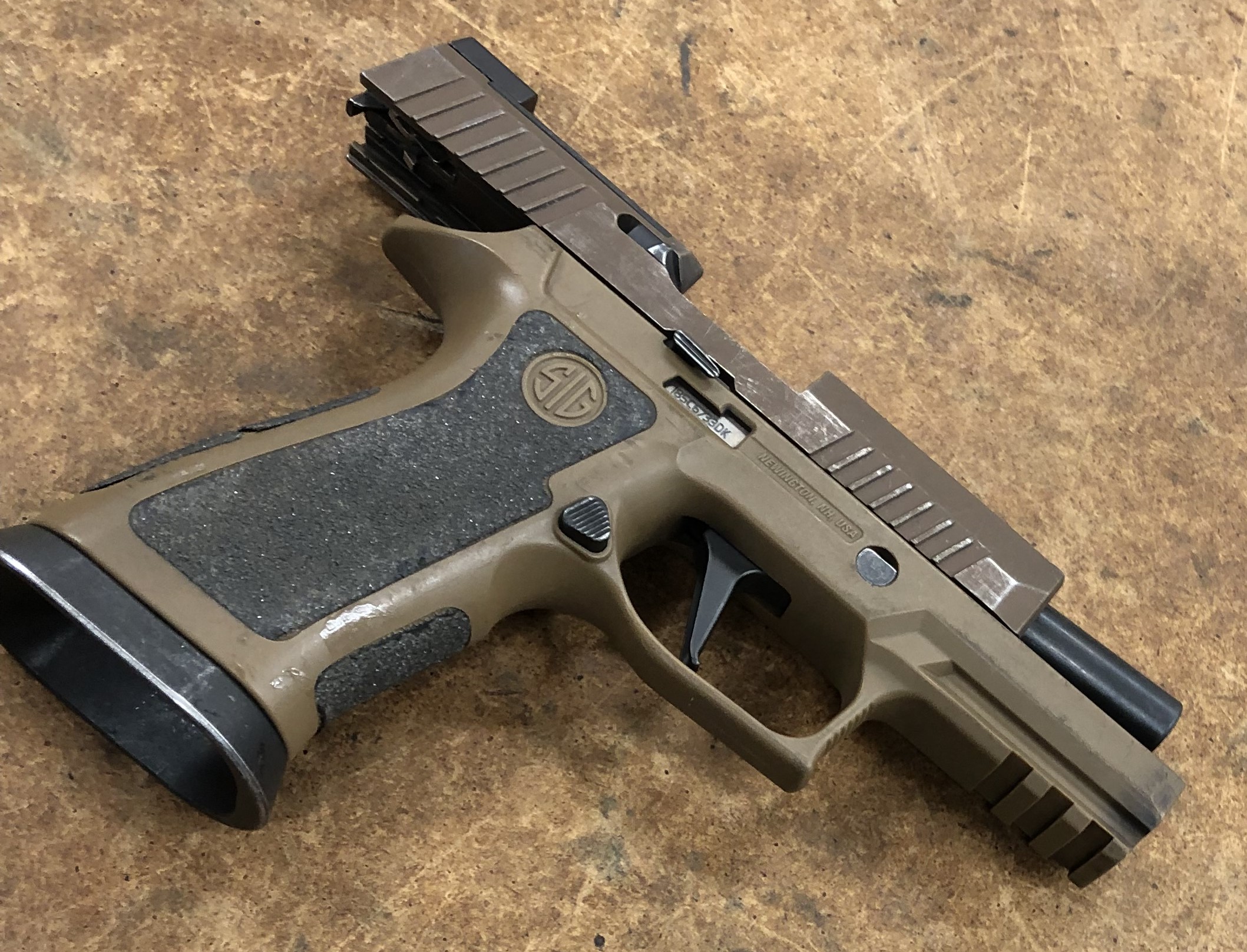
The SIG Sauer P320 exposes shooters to modern modular handgun design. Shooting it demonstrates how grip modules, slide lengths, and calibers influence balance and recoil. The striker-fired trigger encourages a smooth, straight press, reinforcing solid fundamentals. Recoil feels controlled and predictable, allowing shooters to focus on consistency rather than compensation. Many shooters appreciate how neutral the grip angle feels during rapid fire. The P320 shows how adaptability and simplicity can coexist in a duty-grade pistol. Trying one helps shooters understand why modularity has become a defining feature in modern handgun development.
5. CZ-75
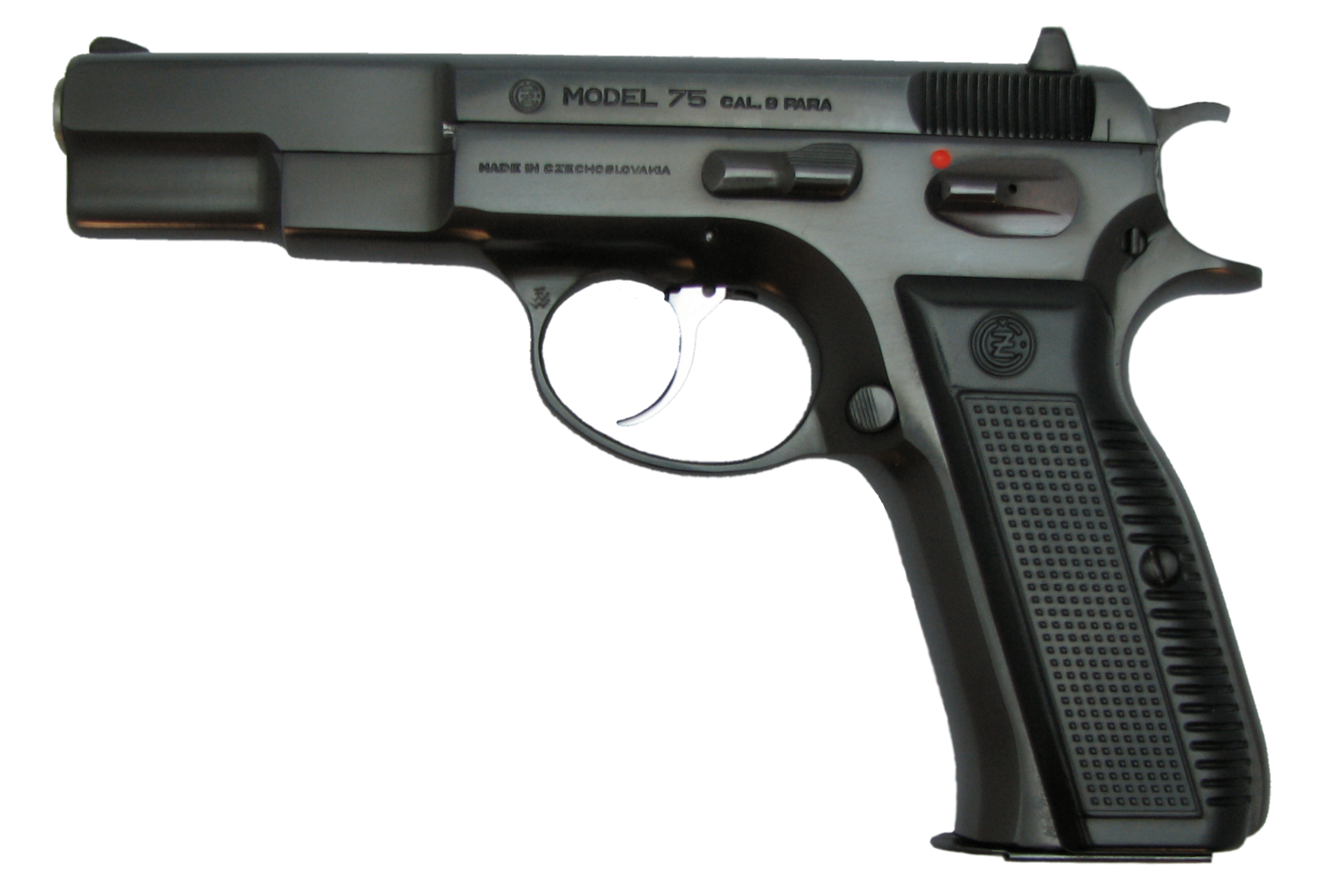
The CZ-75 blends steel-frame stability with excellent ergonomics, offering a shooting experience that feels planted and controlled. Its low bore axis and internal slide rails reduce muzzle rise and promote fast follow-up shots. Shooting one helps shooters understand how grip contour and weight distribution affect recoil management. The double-action/single-action system rewards smooth trigger work, while the accuracy often surprises first-time users. Many shooters notice how naturally the pistol points, reducing the need for conscious sight correction. The CZ-75 quietly teaches efficiency and control, making it a favorite among those who value shootability over brand recognition.
6. Smith & Wesson M&P 9
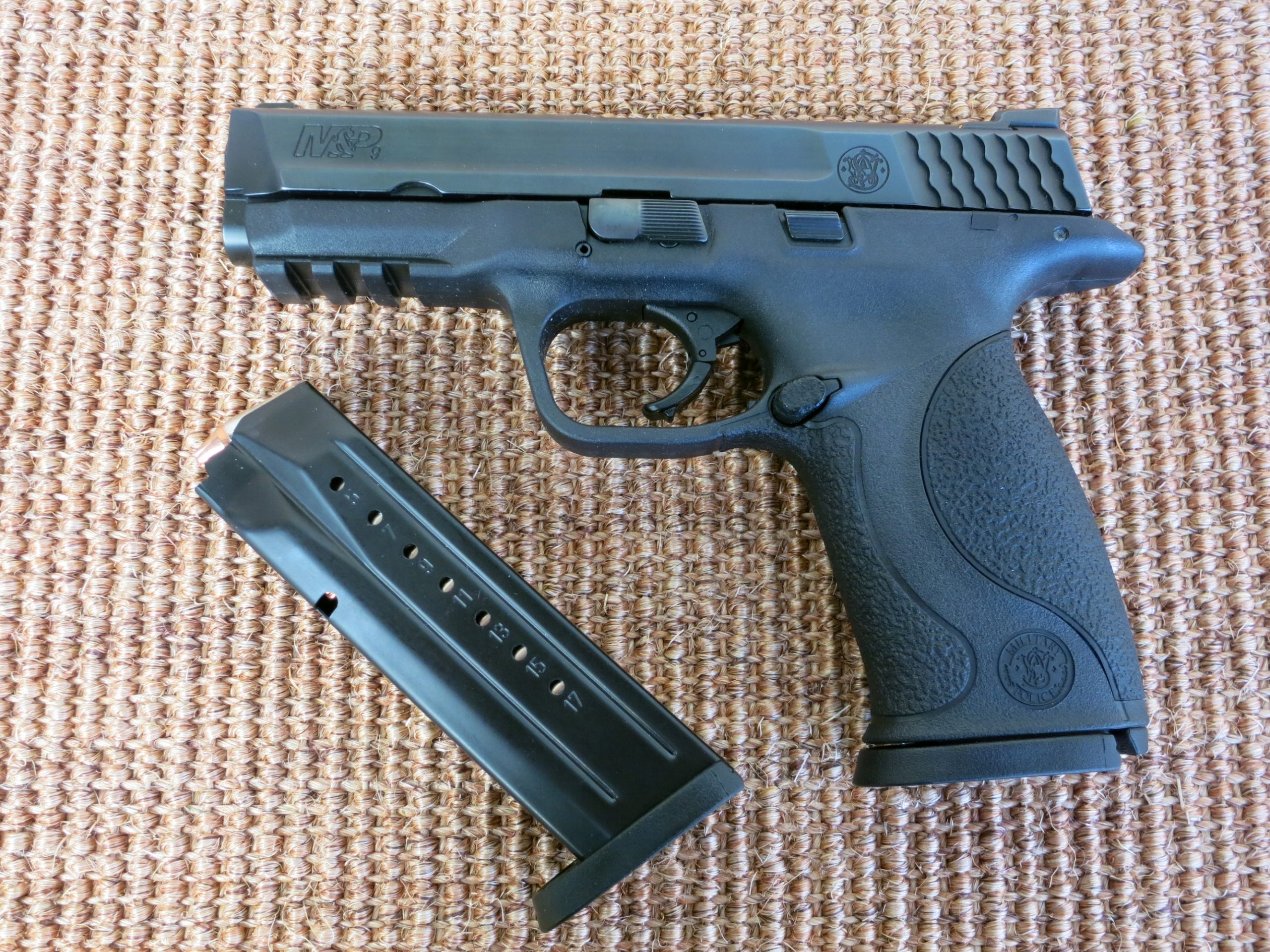
The M&P 9 represents American law enforcement design priorities in a modern striker-fired package. Its grip angle and interchangeable backstraps show how ergonomics can be tailored to different hand sizes. Shooting an M&P highlights the importance of grip texture and frame shape in recoil control. The trigger encourages a straight-back press, reinforcing good fundamentals. Many shooters appreciate how neutral and predictable the pistol feels during rapid strings. It may not feel flashy, but it excels at consistency. Trying one helps shooters understand why it’s trusted by agencies that value durability and adaptability.
7. Heckler & Koch USP
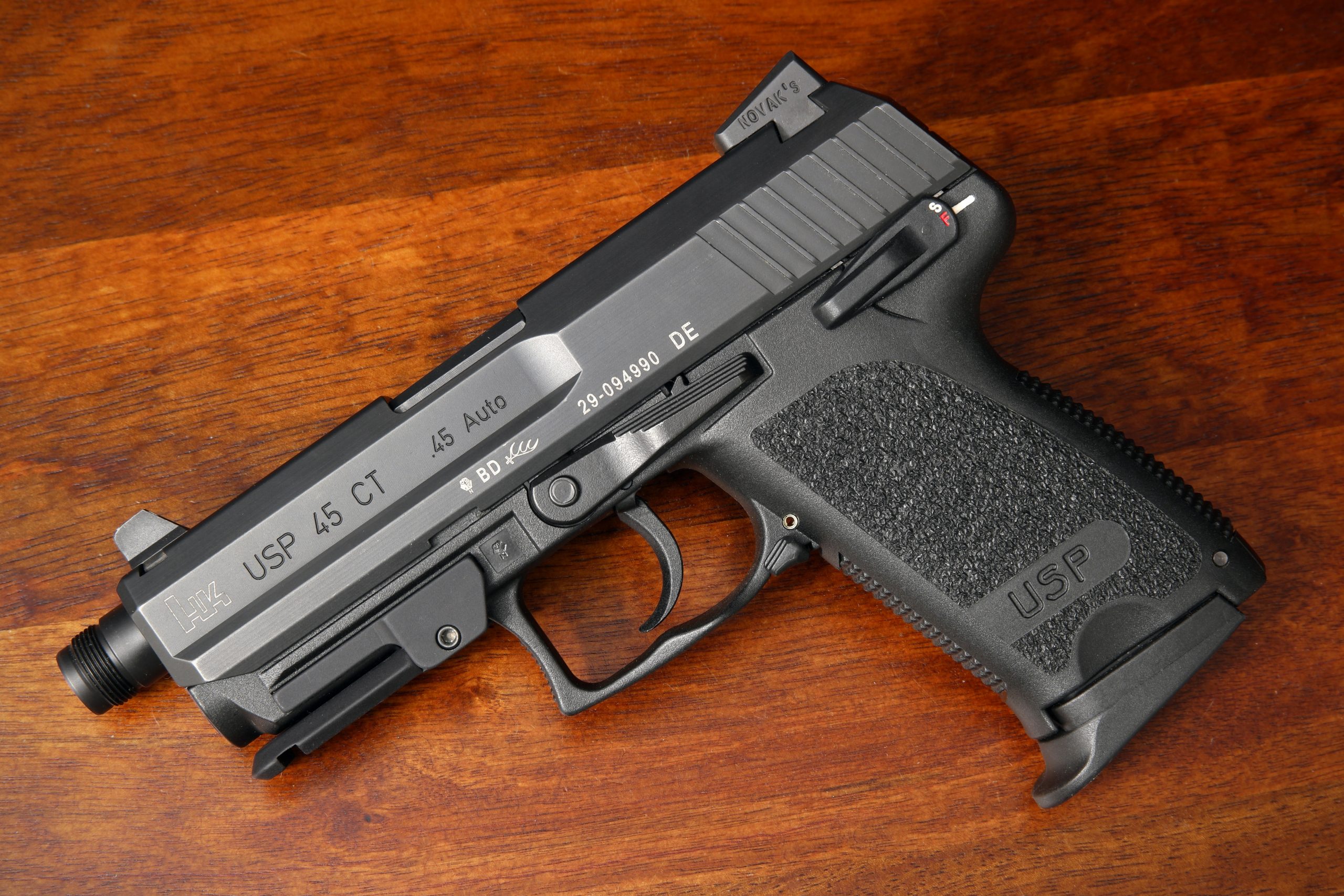
The HK USP delivers a sense of overbuilt confidence that few pistols can match. Its recoil system absorbs energy in a way that feels controlled and deliberate. Shooting the USP teaches how mass and engineering influence durability and recoil impulse. The trigger variants expose shooters to different control philosophies, from traditional DA/SA to safety-decocker setups. The grip feels substantial, encouraging a firm hold and disciplined technique. Many shooters come away impressed by how stable the pistol feels under recoil. It’s a lesson in engineering for harsh conditions rather than refined competition use.
8. Browning Hi-Power
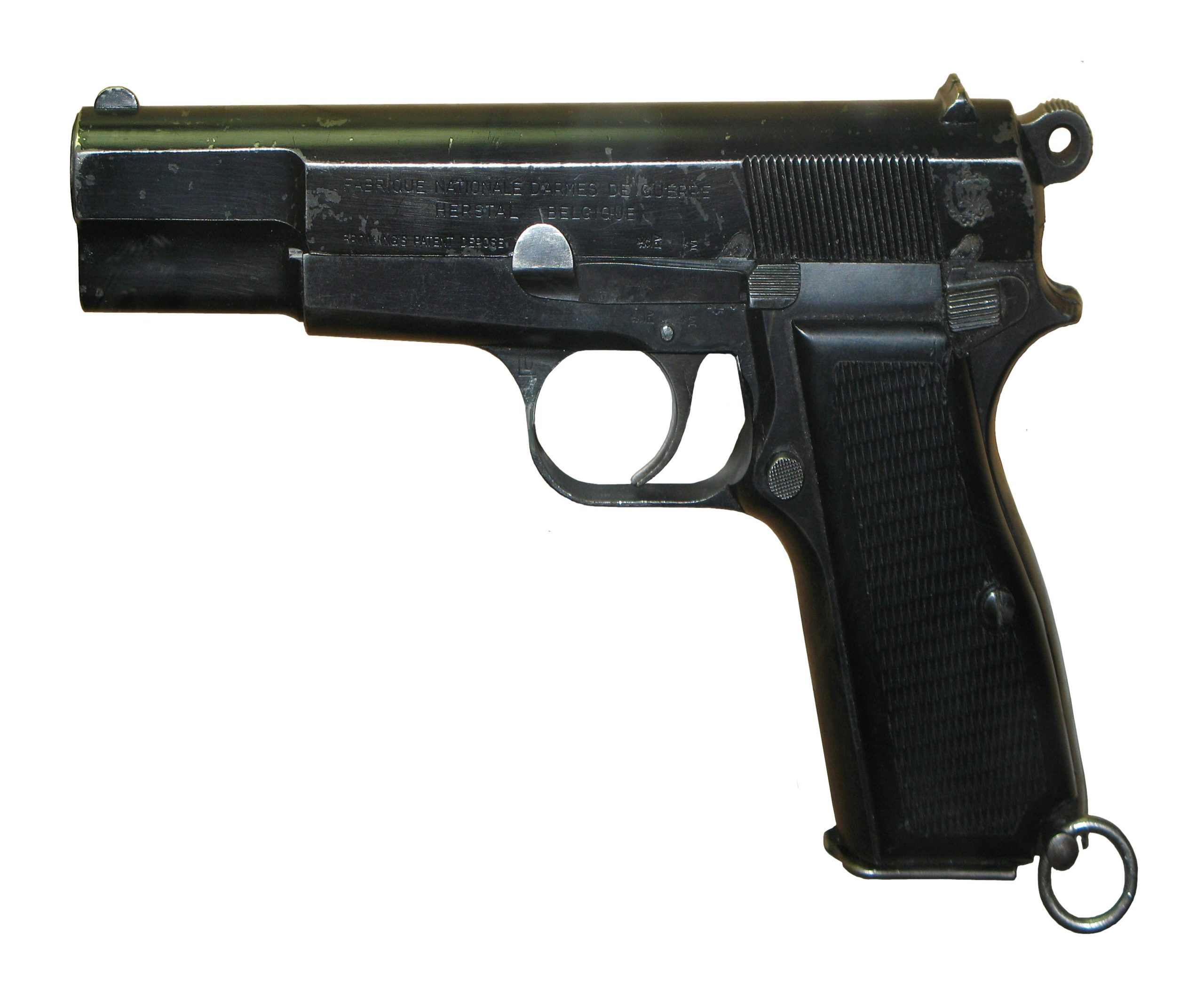
The Browning Hi-Power offers a glimpse into the evolution from single-stack to high-capacity service pistols. Its slim grip and natural pointability make it feel intuitive in the hand. Shooting one teaches how balance and grip shape can outweigh raw capacity numbers. The trigger, while not perfect, rewards smooth control and patience. Recoil is mild, and the steel frame keeps the pistol settled during firing. Many shooters are surprised by how modern the design still feels. The Hi-Power bridges history and practicality in a way few pistols can.
9. Ruger Mark IV
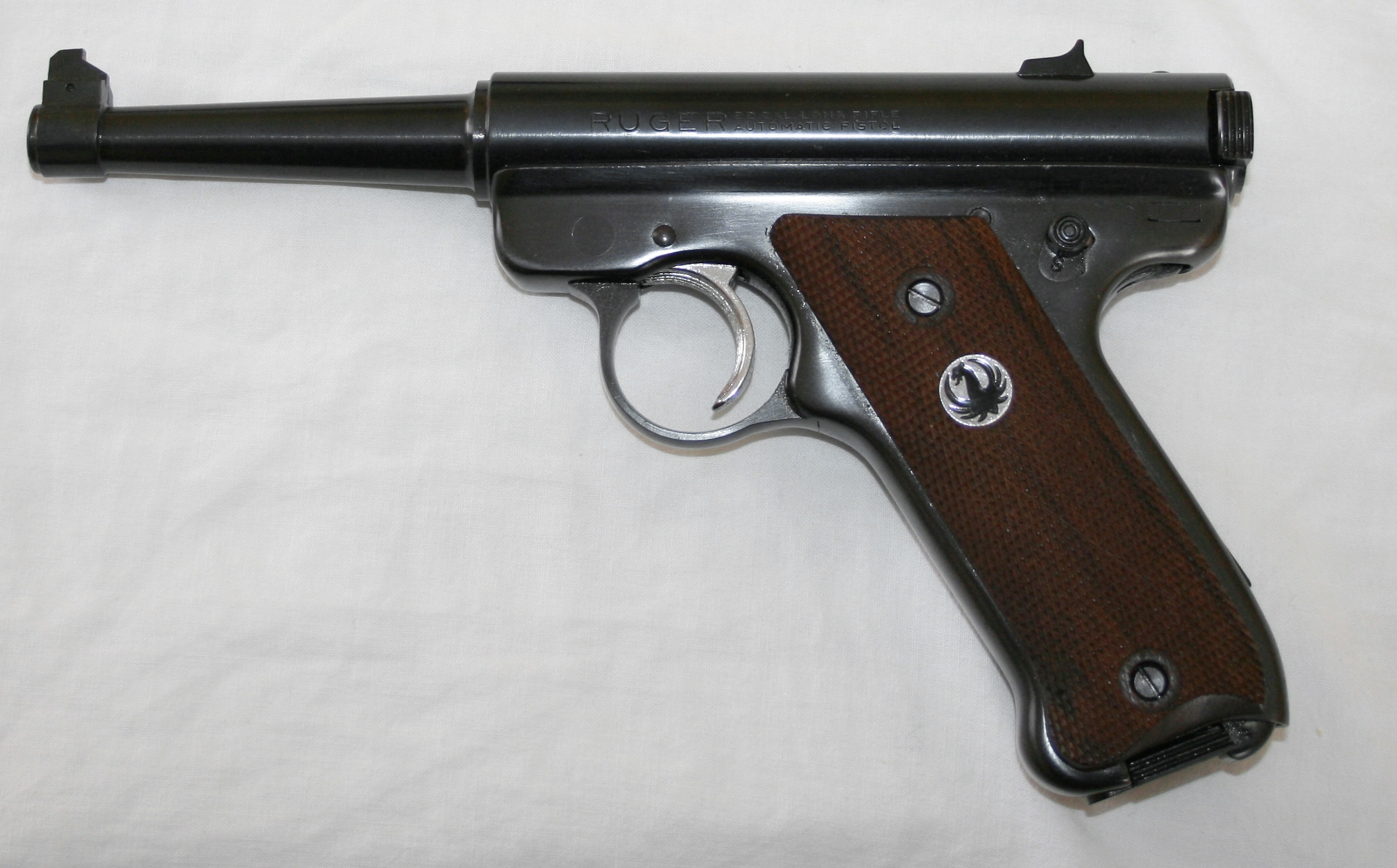
The Ruger Mark IV introduces shooters to precision fundamentals without heavy recoil or noise. Its fixed barrel and excellent accuracy highlight sight alignment and trigger control. Shooting one reveals how small errors become obvious when recoil isn’t masking them. The grip angle feels familiar, making the transition from centerfire pistols easy. It’s also a reminder that skill development doesn’t require powerful calibers. Many shooters find the Mark IV both humbling and rewarding. It reinforces patience, consistency, and focus, making it a must-try for shooters of all experience levels.
10. Walther PPQ
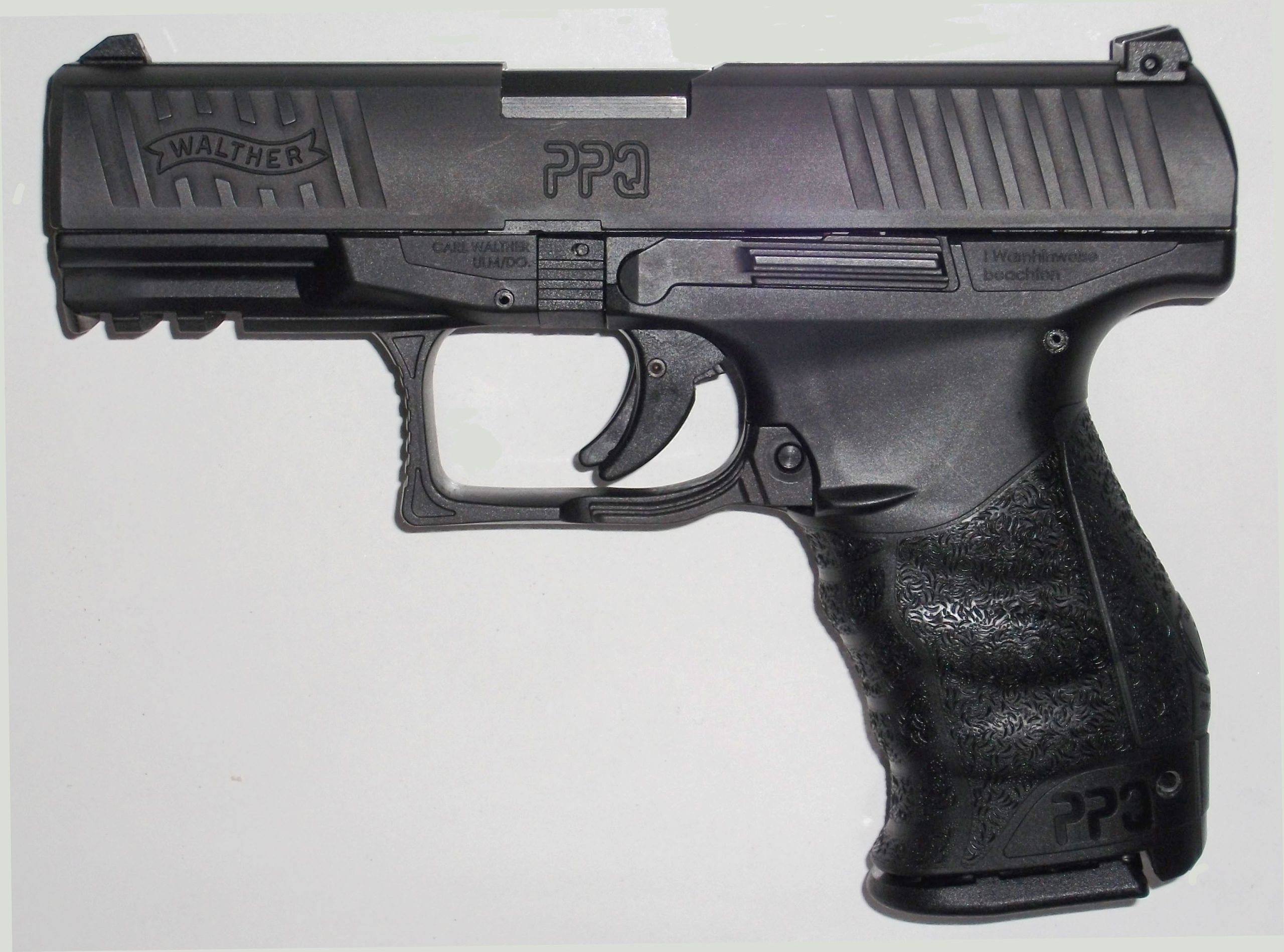
The Walther PPQ stands out for its exceptional factory trigger and ergonomics. Shooting it teaches how a refined trigger can enhance accuracy without compensating for poor technique. The grip texture and contour encourage a secure, repeatable hold. Recoil feels quick but manageable, promoting fast sight recovery. Many shooters immediately notice how naturally the pistol points. The PPQ demonstrates how thoughtful design can improve shooter confidence. Trying one helps shooters understand the impact of trigger quality on overall performance, especially during rapid fire.
11. Colt Python
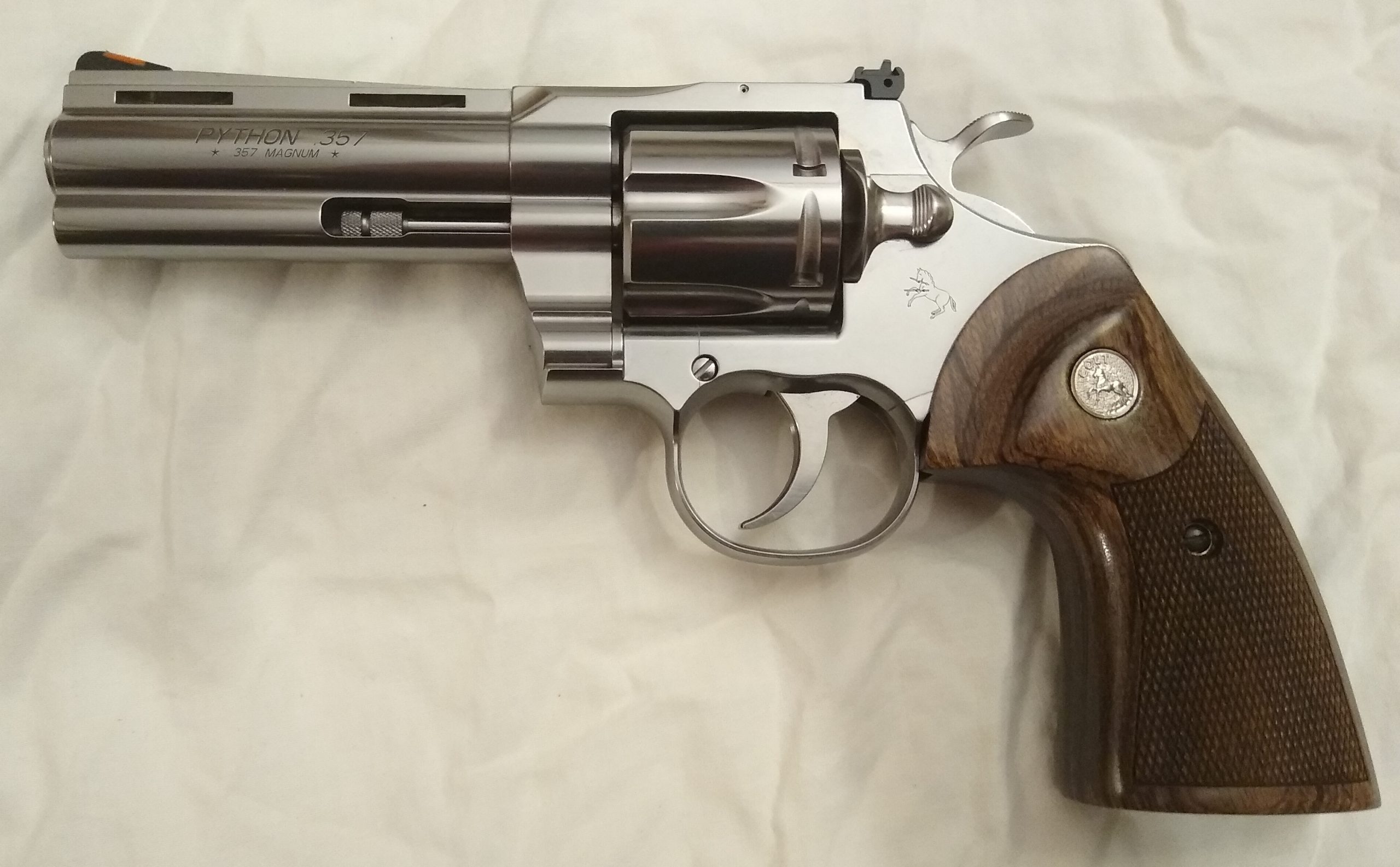
The Colt Python offers a revolver experience defined by smoothness and precision. Its double-action trigger pull teaches rhythm, control, and patience. Shooting a Python highlights the relationship between trigger weight and sight stability. The weight of the barrel and frame dampens recoil, making even magnum loads manageable. Many shooters gain a new appreciation for craftsmanship and mechanical refinement. It’s not about speed or capacity, but about control and consistency. The Python reminds shooters that mastery often comes from deliberate, thoughtful shooting.
12. Makarov PM
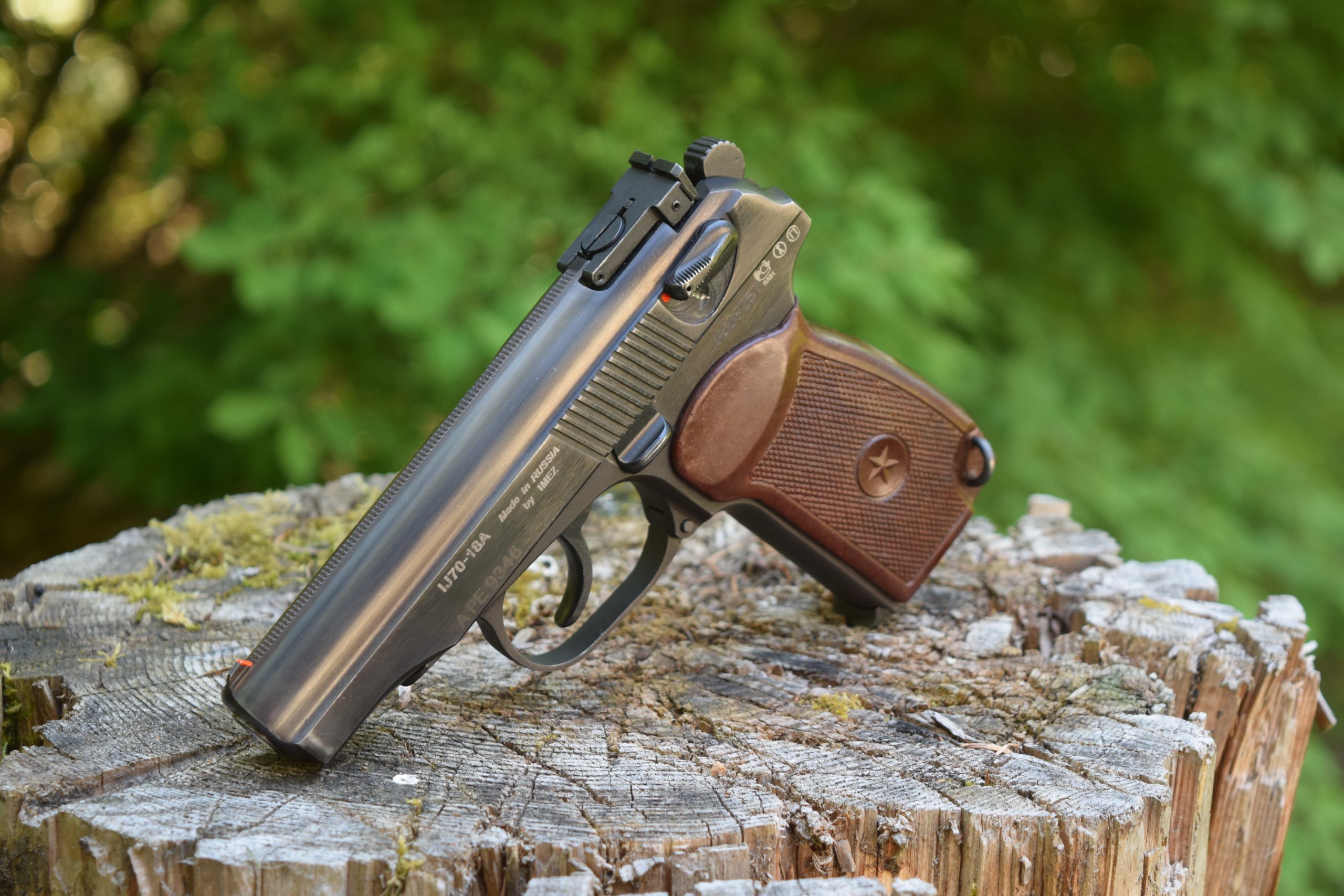
The Makarov PM showcases utilitarian simplicity in handgun design. Shooting one teaches how straightforward mechanics can still deliver reliable performance. The blowback recoil feels sharper, emphasizing grip discipline and stance. The trigger encourages deliberate shooting, rewarding patience over speed. Many shooters are surprised by the accuracy achievable from such a simple pistol. It offers insight into Cold War-era design priorities. Trying a Makarov builds appreciation for function-first engineering and how simplicity can still meet practical needs.
13. Taurus TX22
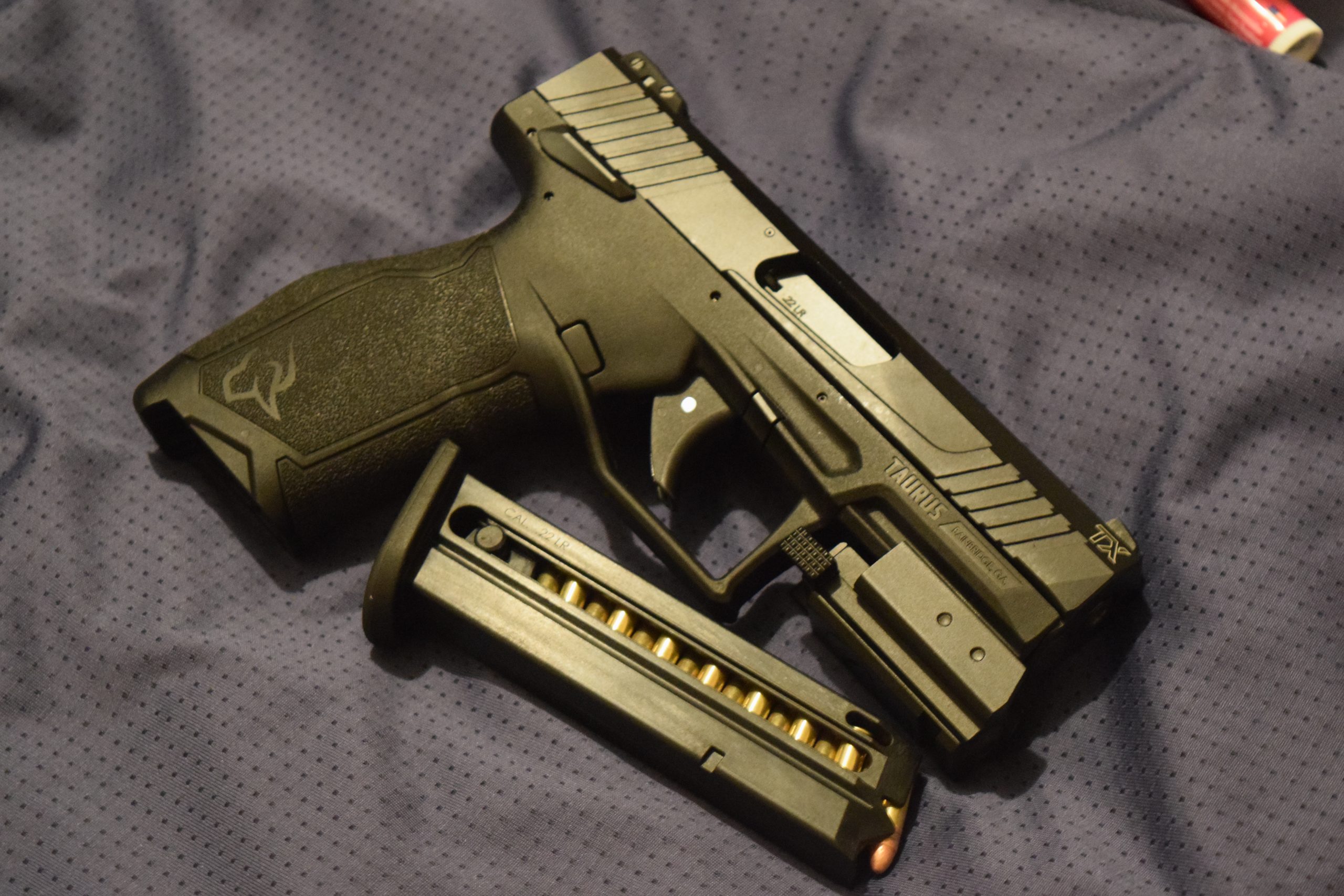
The Taurus TX22 brings modern ergonomics to rimfire training. Shooting it highlights how affordable pistols can still offer excellent shootability. The light recoil allows shooters to focus on grip, trigger, and transitions. Its reliability encourages longer practice sessions without frustration. Many shooters find it ideal for refining fundamentals at a lower cost. The TX22 proves that training pistols don’t have to feel like compromises. It’s an accessible way to improve skills while maintaining realistic handling characteristics.
14. FN Five-seveN
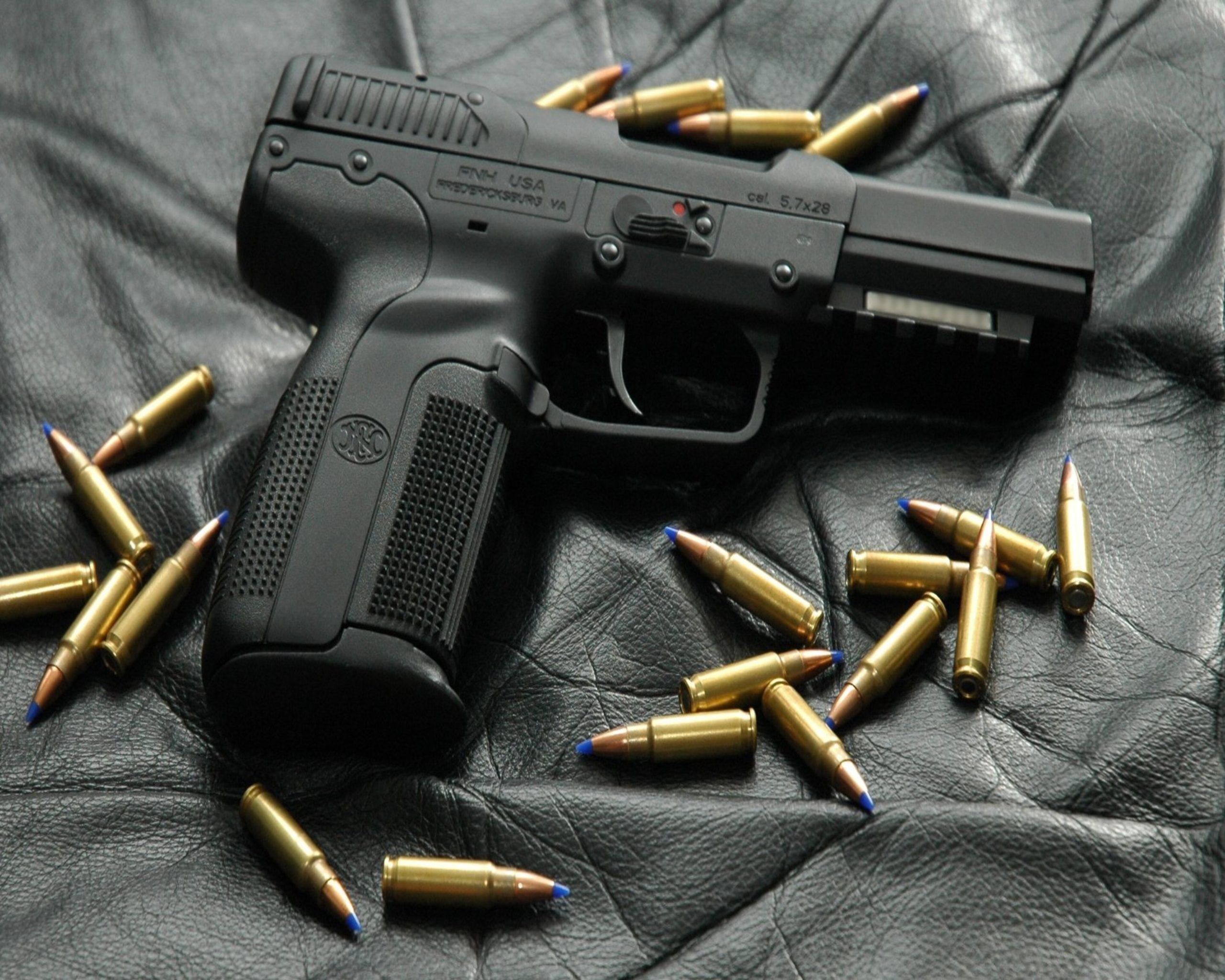
The FN Five-seveN offers a truly unique shooting experience. Its lightweight slide and low recoil feel unlike most centerfire pistols. Shooting one teaches how high-velocity cartridges behave differently from traditional handgun rounds. The grip is large, forcing shooters to adapt hand placement. Accuracy comes easily, but trigger discipline remains essential. Many shooters walk away intrigued by its unconventional design. The Five-seveN expands understanding of what a pistol can be, beyond traditional calibers and layouts.
15. Desert Eagle
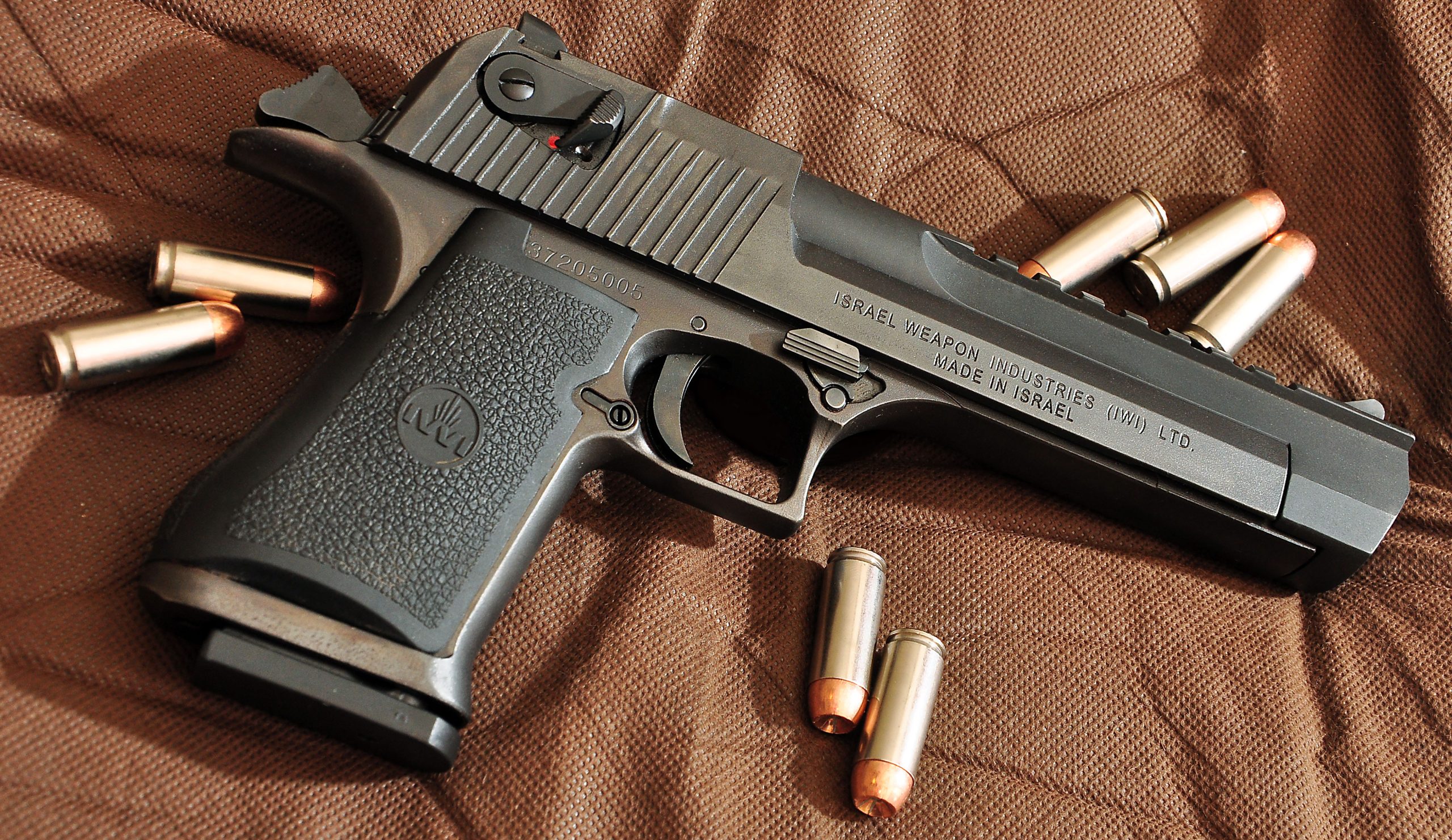
The Desert Eagle is less practical and more experiential, but that’s exactly why it belongs on this list. Shooting one teaches respect for recoil, weight, and mechanical timing. The gas-operated system feels dramatically different from standard pistols. Each shot demands focus, grip strength, and control. Many shooters gain a deeper understanding of how power influences handling. It’s not about efficiency, but about experiencing extremes. The Desert Eagle leaves a lasting impression on anyone who fires it.
16. Springfield XD
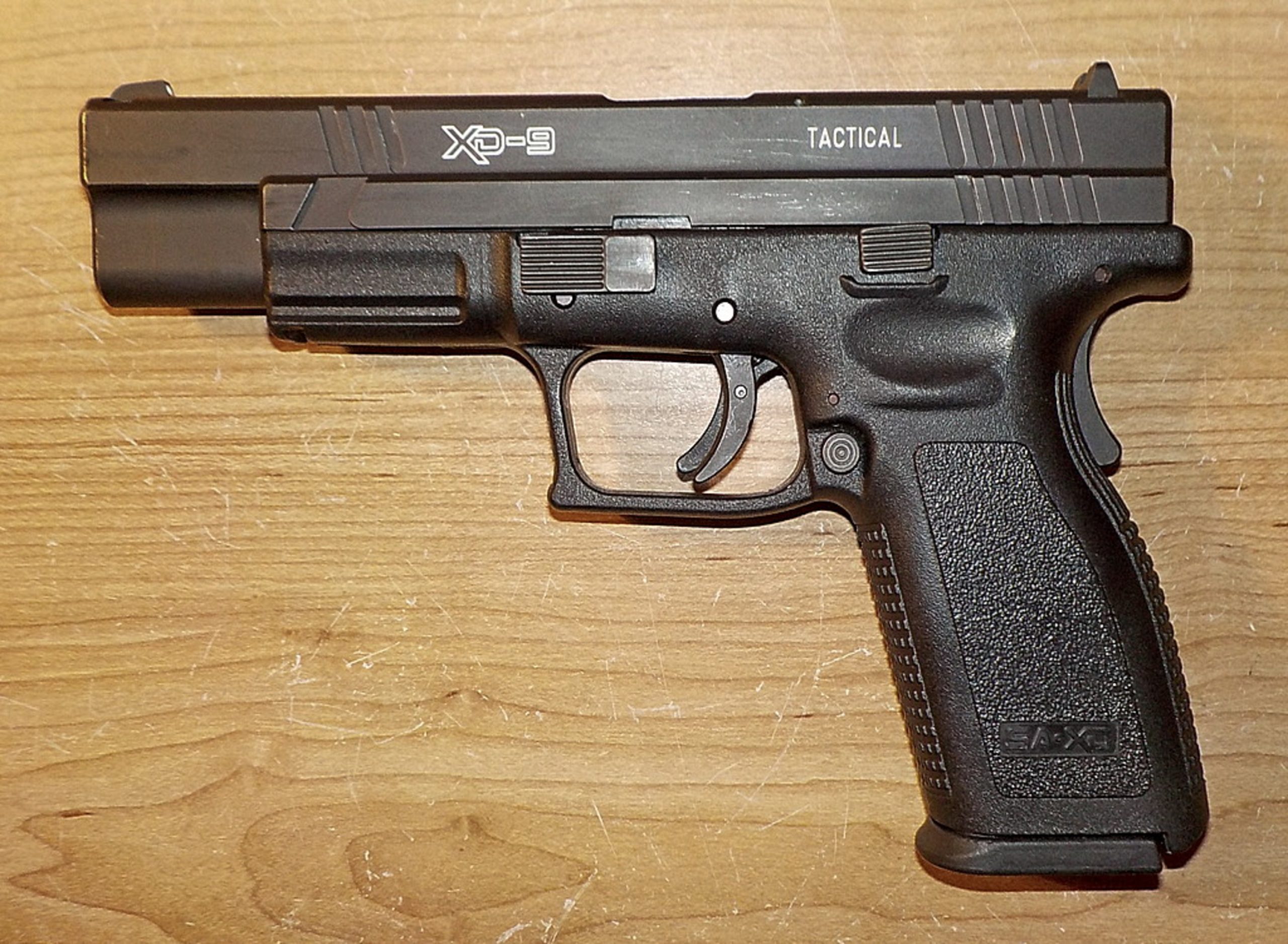
The Springfield XD offers a straightforward striker-fired experience with added safety features. Shooting it highlights how grip safeties influence handling and confidence. The recoil impulse feels predictable, encouraging consistent technique. The grip angle and texture promote a natural point of aim. Many shooters appreciate how intuitive the controls feel. Trying the XD helps shooters compare different striker-fired philosophies side by side. It reinforces that small design choices can meaningfully shape the shooting experience.