Out in the wild, hunters are trained to watch for big threats: bears, storms, and rough terrain. But sometimes, the smallest enemies cause the biggest problems. Microscopic parasites, biting insects, and invisible bacteria can ruin a hunt faster than any predator. Many of these tiny threats thrive in the same environments where hunters love to roam. Knowing how to spot and avoid them can make the difference between a safe trip and a dangerous infection.
1. Deer Ticks
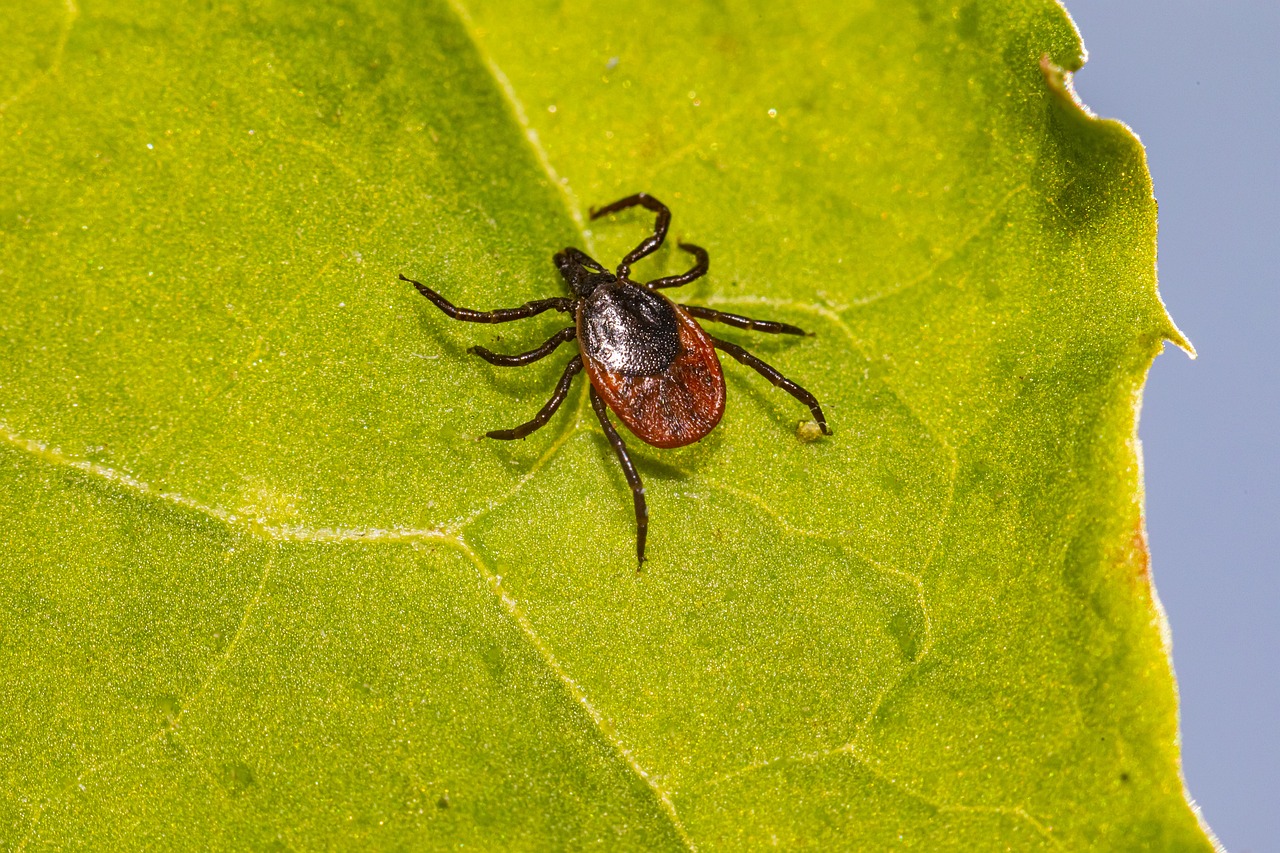
Tiny and nearly invisible, deer ticks cling to tall grass and latch onto passing hunters. They transmit Lyme disease, which begins with fatigue and fever but can evolve into joint pain and heart complications. Always wear permethrin-treated clothing, tuck in pants, and check every inch of skin after exposure. Early removal with tweezers can prevent infection entirely.
2. Mosquitoes
Mosquitoes may seem like a normal nuisance, but they can transmit serious diseases like West Nile virus and dengue. Their bites swell and itch, often distracting hunters from concentration. Repellents containing DEET or picaridin, long sleeves, and netting during dusk and dawn are essential. Standing water near camps should always be drained to cut breeding.
3. Assassin Bugs
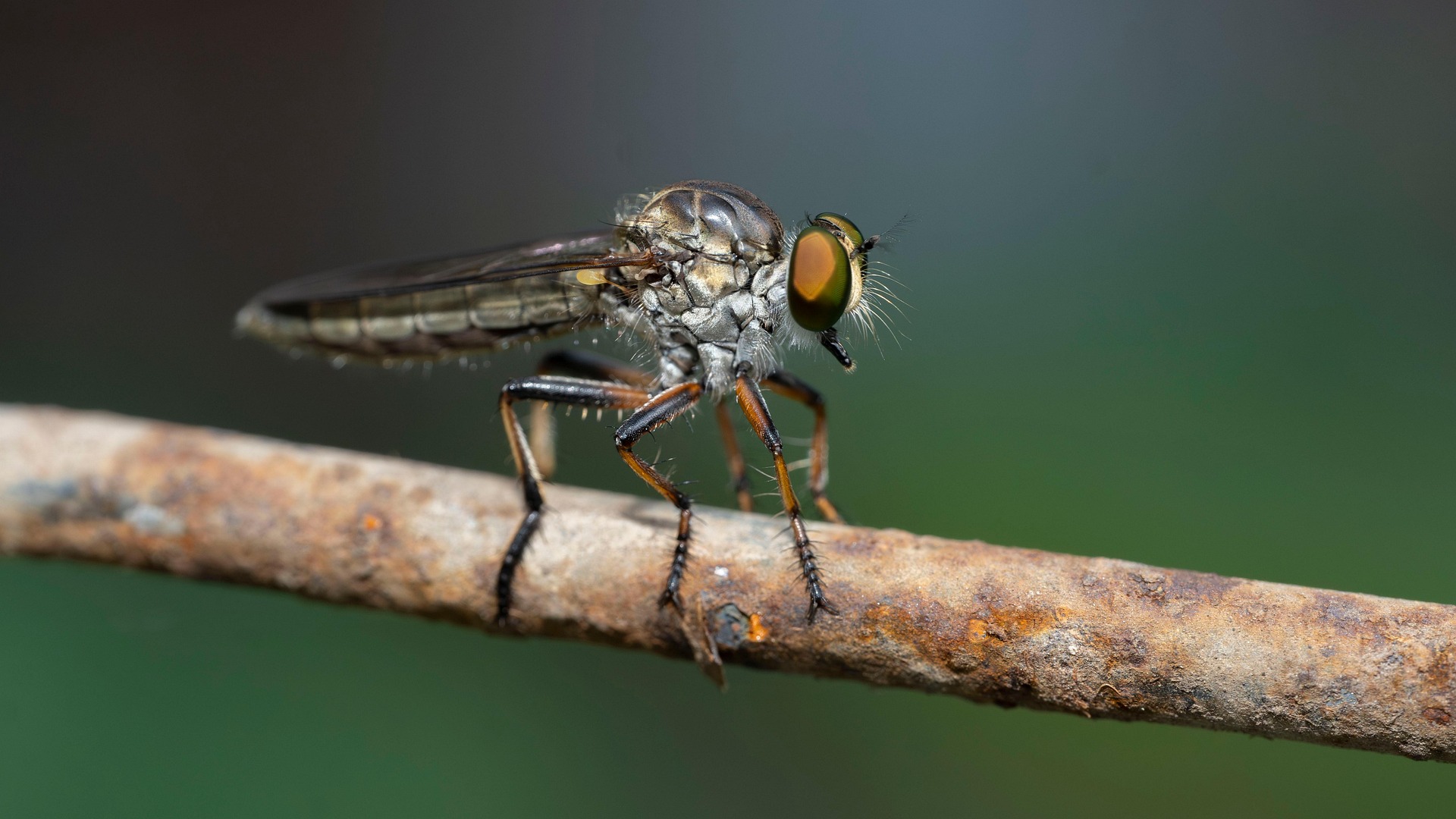
These predatory insects, often called kissing bugs, hide in crevices, under bark, or within animal nests. While their bite seems harmless at first, assassin bugs can transmit Chagas disease, a slow-developing infection that damages the heart and digestive system. Hunters sleeping outdoors or near old shelters should avoid lying directly on the ground and seal tent openings tightly. Using treated sleeping gear offers solid protection..
4. Botflies
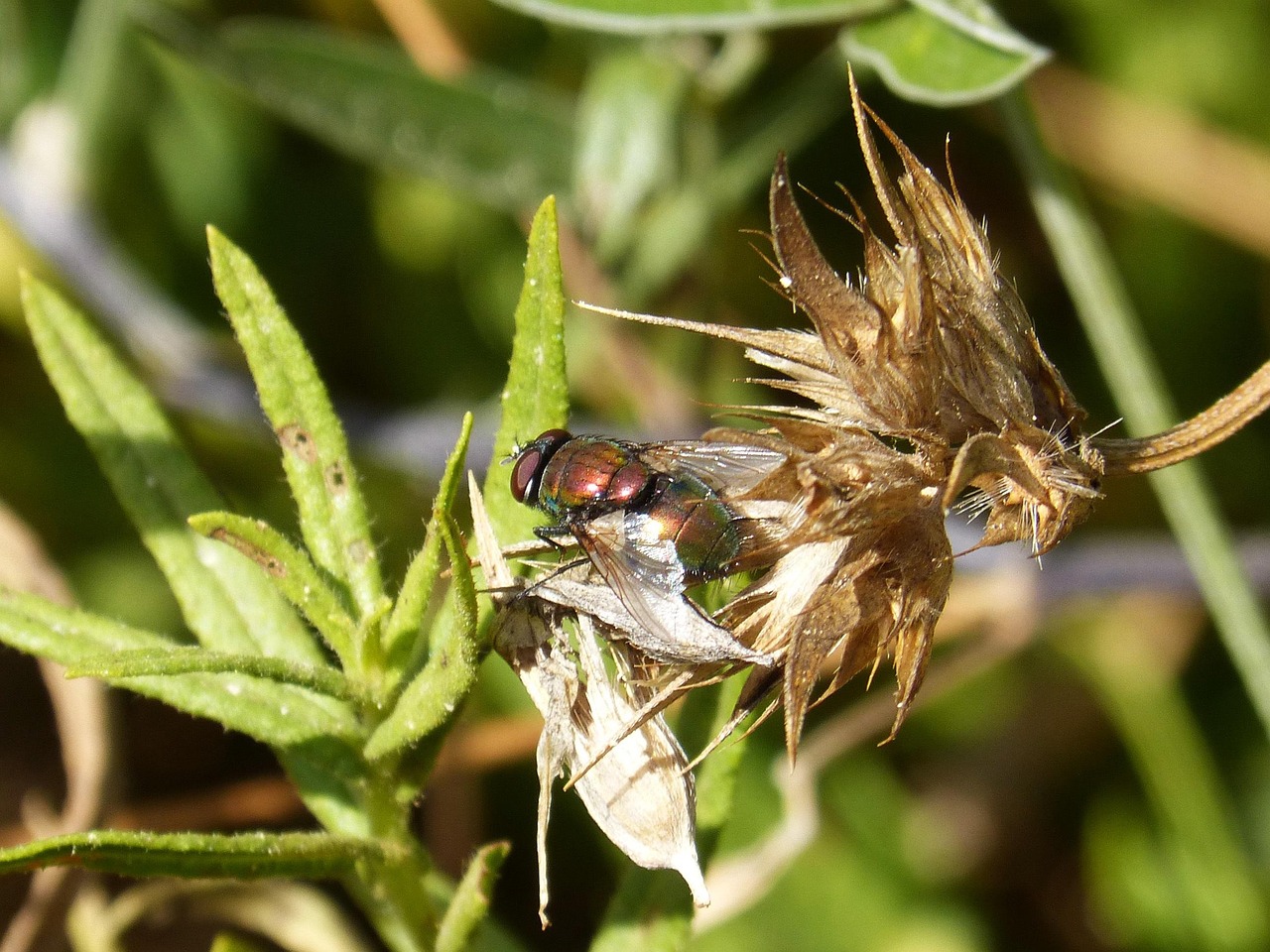
Botflies lay eggs on mosquitoes, which then transfer larvae to animals or humans. Once inside the skin, the larvae grow painfully until removed. Hunters in tropical or southern forests face higher risks. Covering exposed skin and treating mosquito bites quickly helps prevent infestation. If infected, professional medical removal is the only safe option.
5. Fire Ants
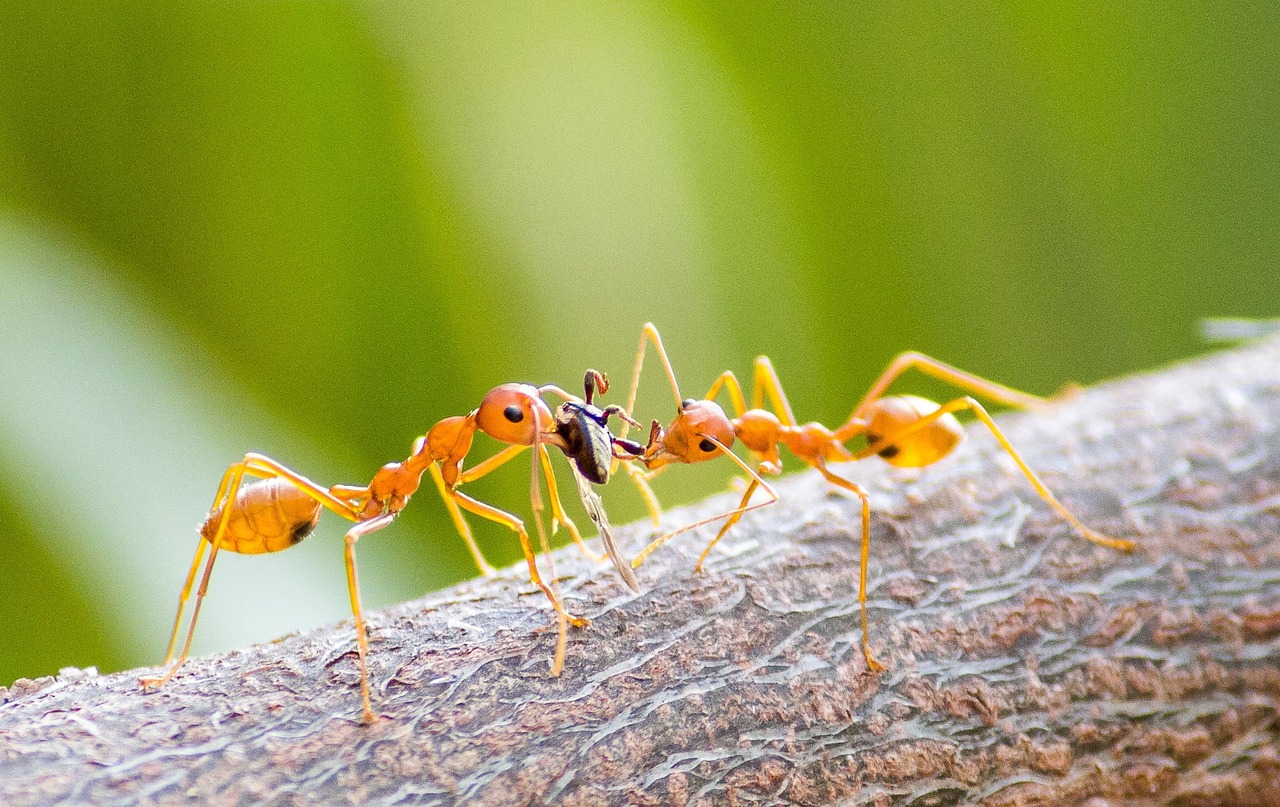
Fire ants build massive underground mounds that are easy to overlook. Disturbing one can unleash hundreds of painful, stinging insects within seconds. The bites burn and may cause allergic reactions. Always scan the ground before resting or setting gear. Antihistamines and topical creams can reduce swelling, while boots and tucked pants add key protection.
6. Tsetse Flies

Though mostly confined to Africa, tsetse flies remind us how fast disease can spread from wildlife zones. Their painful bites transmit parasites that attack the nervous system. Travelers and international hunters should wear neutral-colored clothing and avoid scented products. Knowledge of local insect risks is crucial before any overseas hunting trip.
7. Kissing Bugs
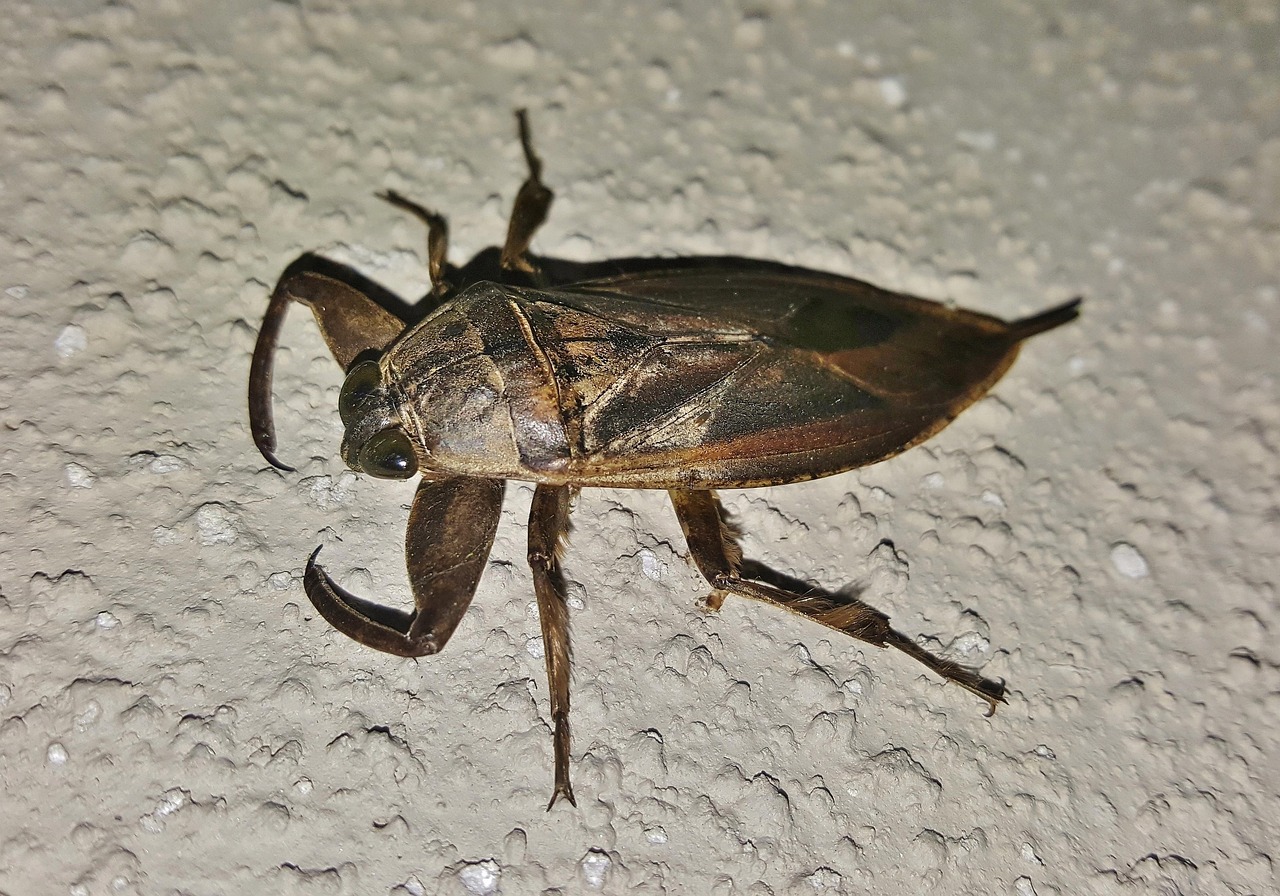
Kissing bugs, also called assassin bugs, sound romantic but are anything but. These nocturnal insects are drawn to carbon dioxide and often bite around the lips or eyes while you sleep. Their real danger lies in transmitting Chagas disease, a condition that can affect the heart over time. They hide in crevices, bark, or under debris during the day. Sealing tent gaps, using permethrin-treated gear, and avoiding old wood shelters help reduce contact with these stealthy threats.
8. Blackflies

Blackflies thrive near running water and swarm aggressively in humid areas. Their bites bleed and swell, often leading to infections or fevers. Hunters who set up near rivers or lakes should wear light colors and use head nets. Smoke from campfires helps drive them off naturally. Avoid scratching to prevent open sores.
9. Horseflies
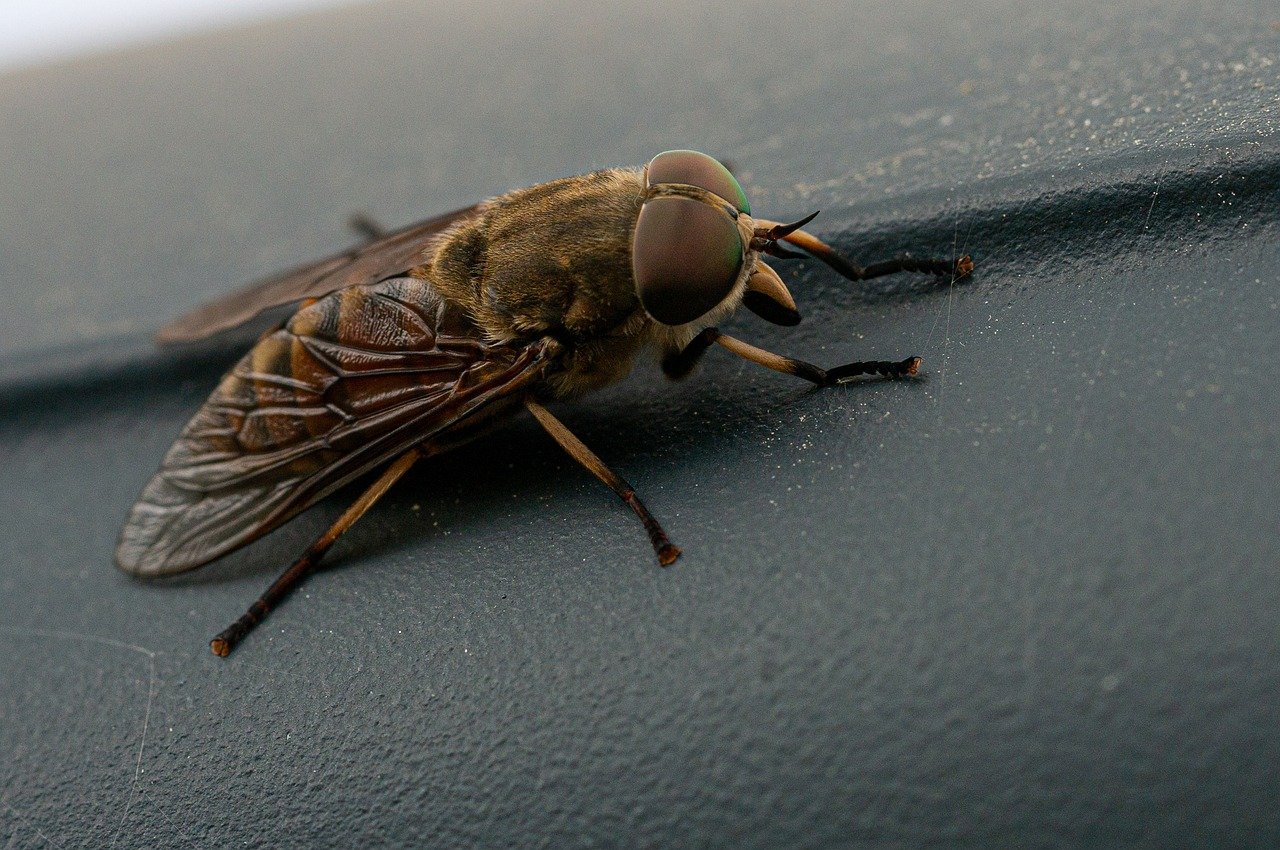
These large, buzzing insects can slice through clothing with razor-sharp mouthparts. Beyond their painful bite, they can spread bacterial infections. Horseflies are drawn to movement, sweat, and dark colors. Keeping cool, using repellents, and wearing light shades help. Their bites require proper cleaning to prevent infection and scarring.
10. Midges
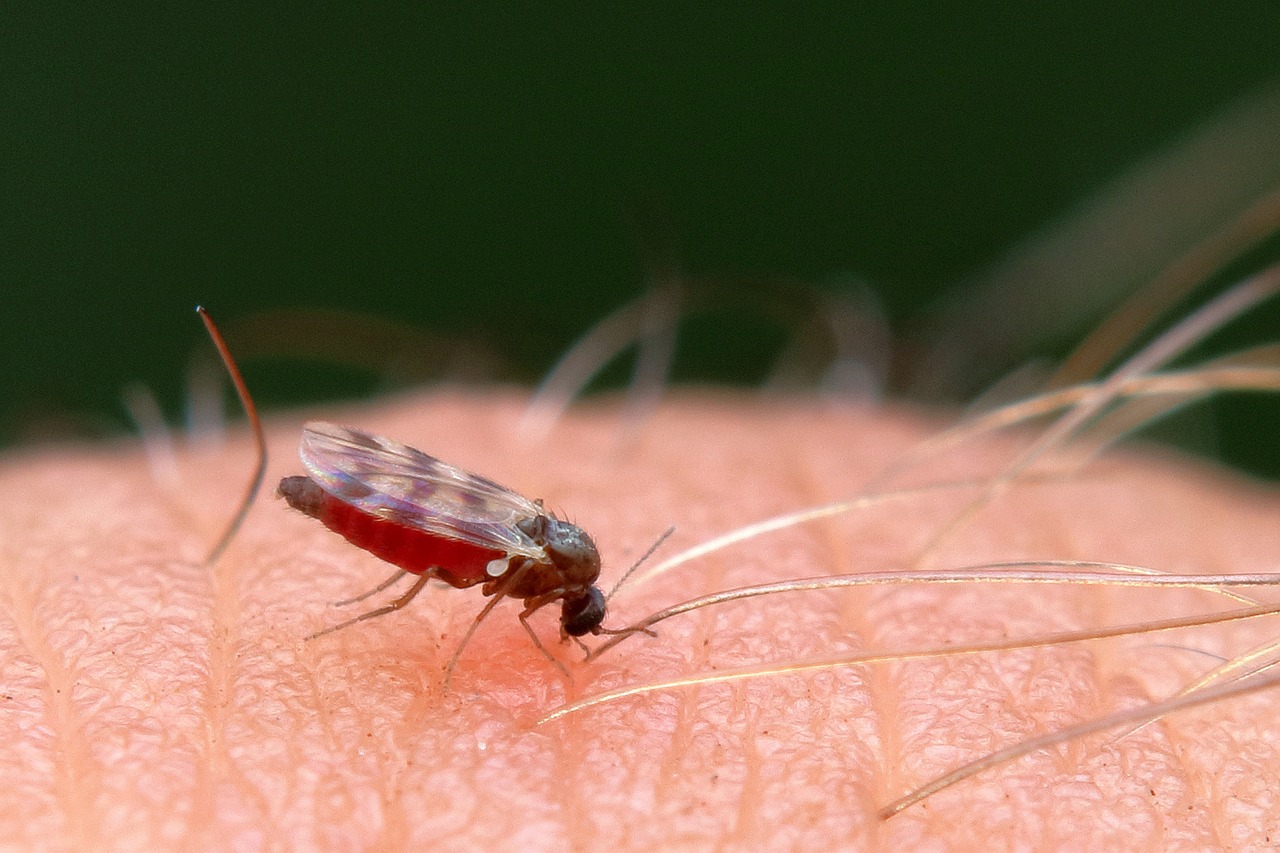
Midges are almost invisible until you feel their bite. Found in marshy or coastal zones, they can transmit biting-midge dermatitis. A layer of insect repellent or even petroleum jelly on exposed skin prevents bites. Hunters who camp near wetlands should bring mesh screens and avoid using bright lights that attract swarms.
11. Trombiculid Mites
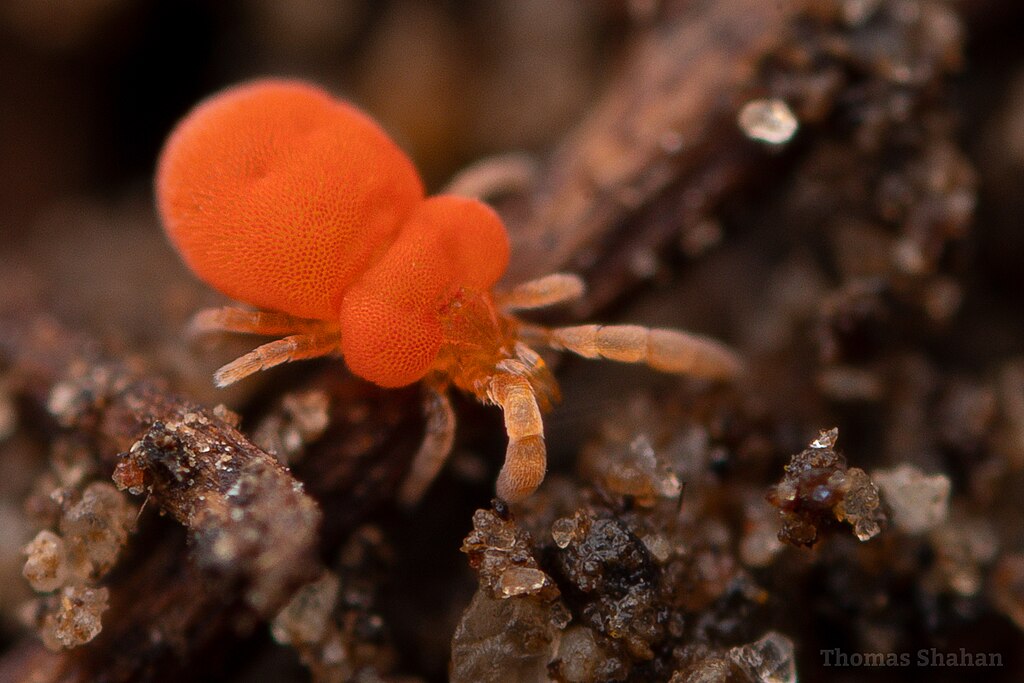
Found in dense vegetation, these mites carry the bacteria responsible for scrub typhus, a disease that causes fever, rash, and organ complications. While more common in Asia, some North American variants exist. Hunters in warm, humid zones should keep to cleared trails and wash clothing after use. Symptoms demand immediate antibiotic treatment.
12. Fleas
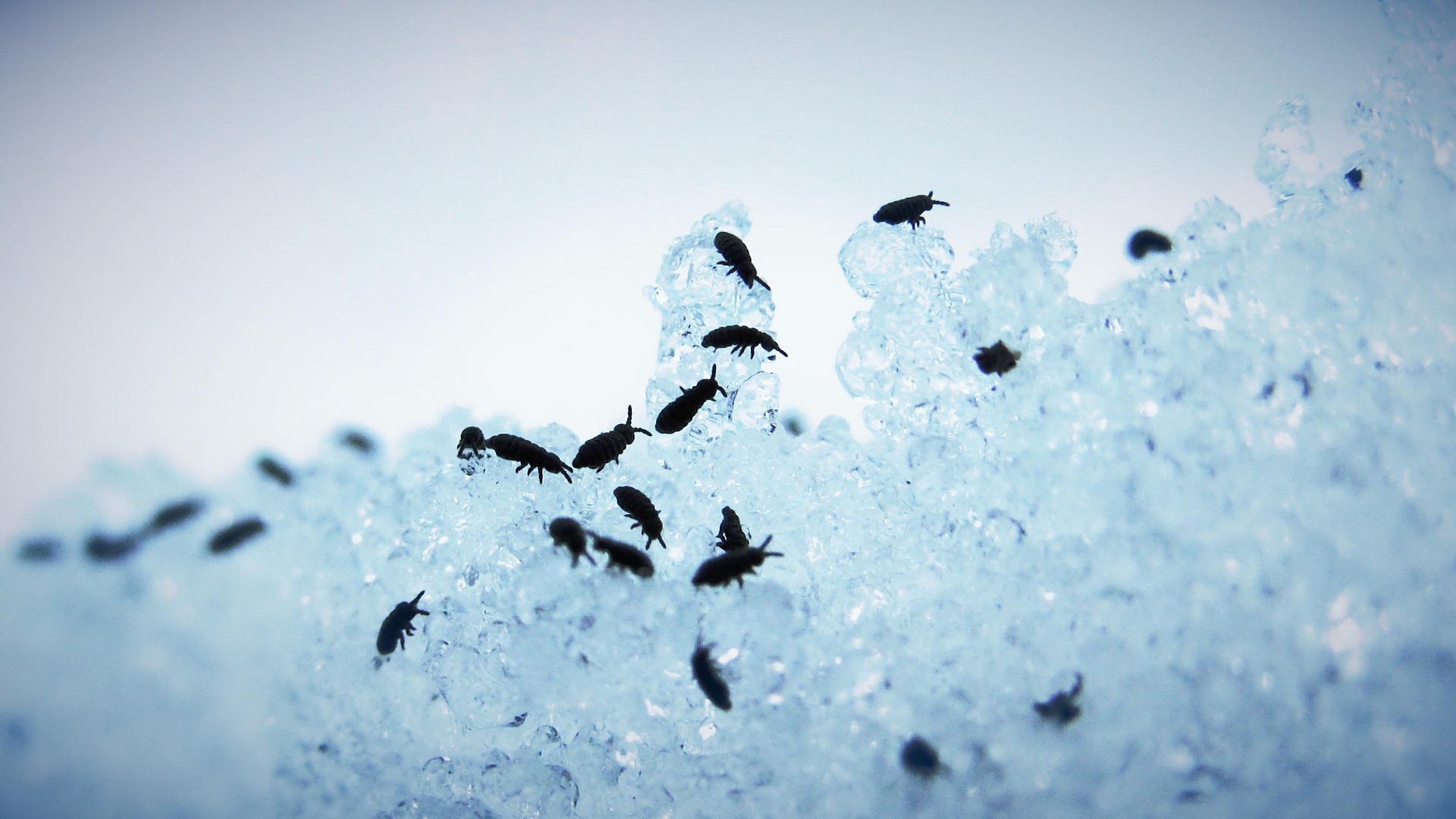
Fleas jump from wildlife hosts onto humans and carry diseases like murine typhus or even plague strains. Hunters handling carcasses or using cabins near rodents are at risk. Keep gear and sleeping bags off the ground and inspect pets if tagging along. Regular camp cleaning keeps infestations under control.
13. Blister Beetles
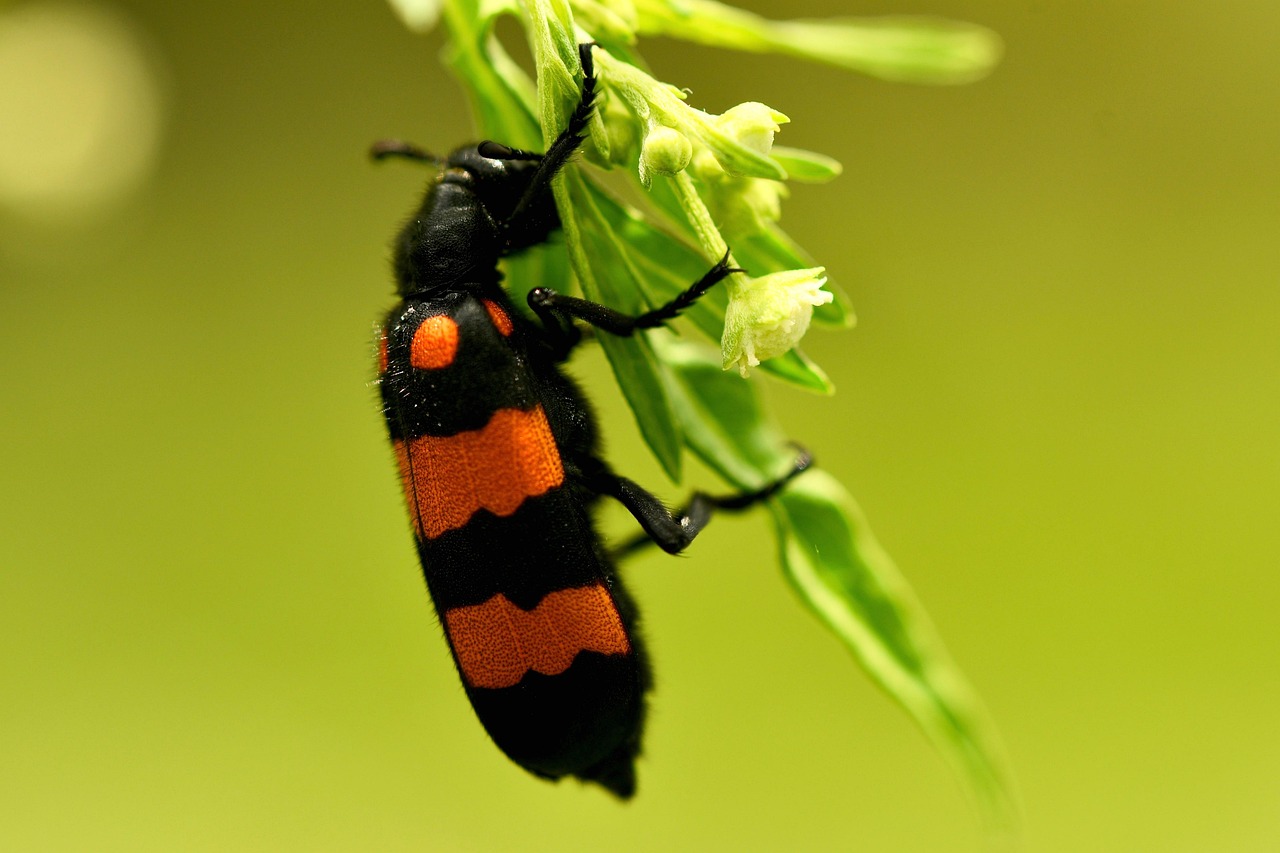
Blister beetles secrete a chemical called cantharidin that causes painful blisters and skin irritation. While they rarely bite, handling them or accidentally crushing them on clothing or gear can trigger severe skin reactions. Found in fields, meadows, and along hiking trails, these beetles are often ignored because of their small size and slow movement. Wearing gloves while gathering firewood or handling plants can prevent accidental exposure.
14. Army Ants
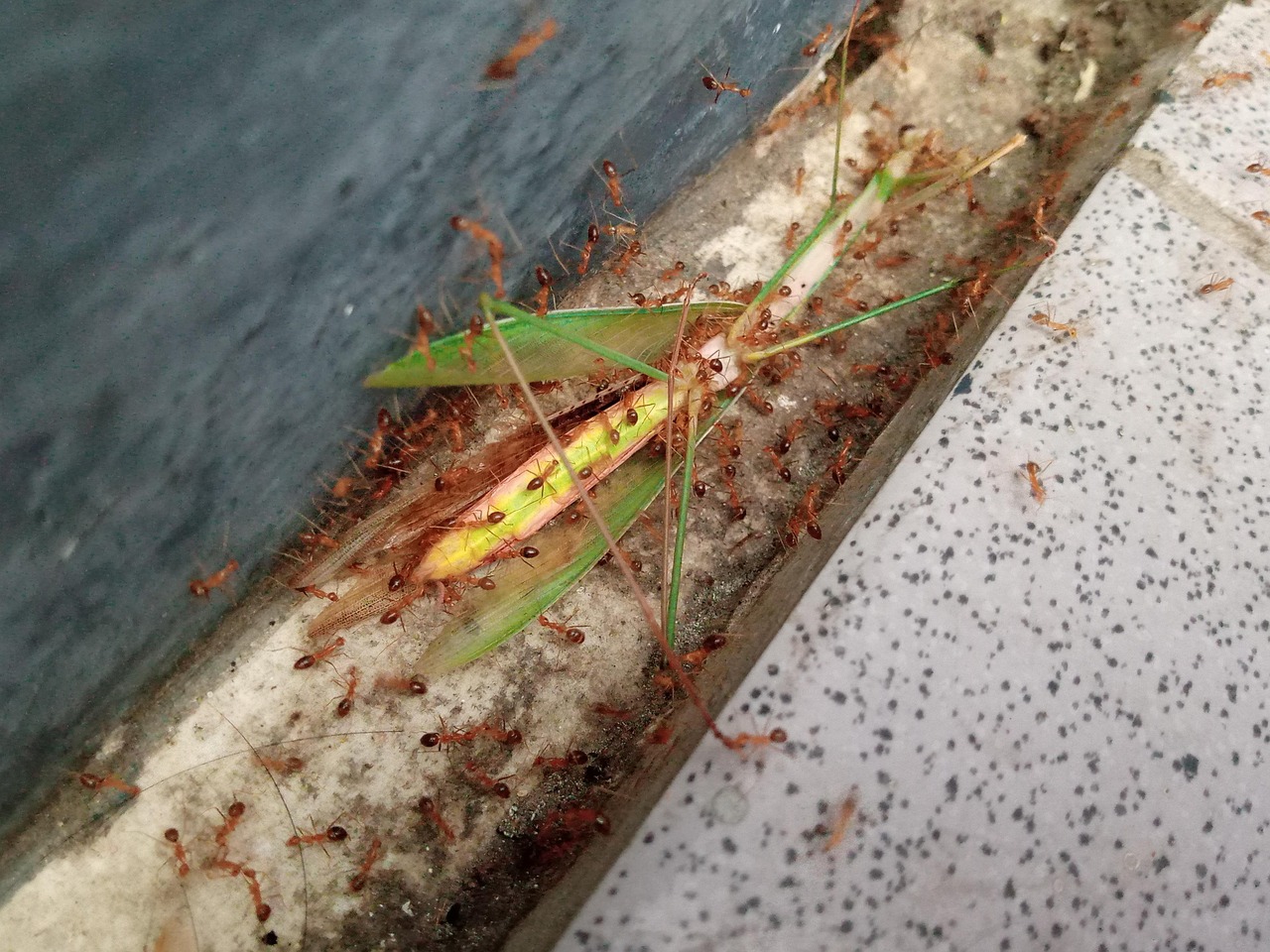
Army ants move in massive, organized columns that devour anything in their path, from insects to small reptiles. Their powerful mandibles can latch onto skin, and while their venom isn’t deadly, their bites can be extremely painful. They travel through rainforests and dense vegetation, often taking over entire camps overnight. If you spot them, pack up fast and move; these creatures don’t turn back. Avoid resting near rotting logs or leaf piles where they nest.
15. Tick-Borne Viruses
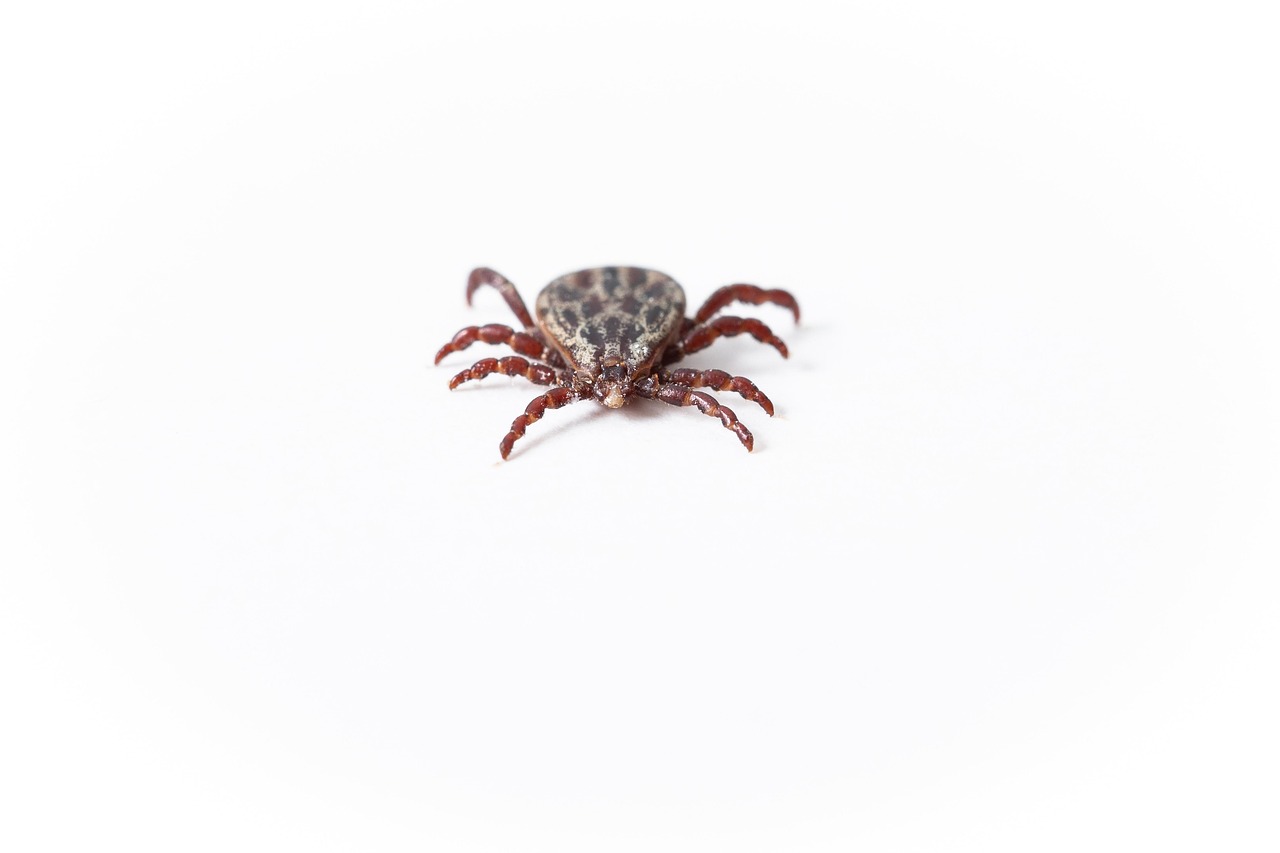
Beyond Lyme disease, newer viruses like Heartland and Powassan are spreading across the US. They attack the brain and immune system, sometimes with lasting damage. Hunters in wooded regions must perform thorough tick checks daily, including scalp and gear. Awareness and quick removal remain the most effective defense available.