Some shotguns are beautiful enough to make you stop and admire them before heading outdoors. They feature polished walnut stocks, intricate engravings, elegant receivers, and carefully finished metalwork. However, good looks do not always translate into practical performance in the field. A lightweight side-by-side may carry beautifully but produce noticeable recoil, while an elaborate over-under can feel unnecessarily heavy during a long hunting day. Fine finishes may also demand extra attention when exposed to rain, mud, and rough handling. These 12 shotguns illustrate the interesting trade-offs between craftsmanship, comfort, durability, weight, and everyday field practicality.
1. Purdey Damascus Model Sidelock

A Purdey Damascus sidelock represents traditional gunmaking at its most refined. Its engraving and selected walnut make it a treasured possession, but refinement brings compromises. A bespoke side-by-side is an expensive object to expose to wet weather, abrasive cover or careless transport. Its traditional handling may also feel unfamiliar to someone raised on modern over-unders. The 12-bore format does not make it a universal field choice: fit, balance and experience matter more than prestige. It is gorgeous, but many owners will hesitate before treating it as an everyday rough-weather companion in poor weather.
2. Holland & Holland Royal Over-and-Under
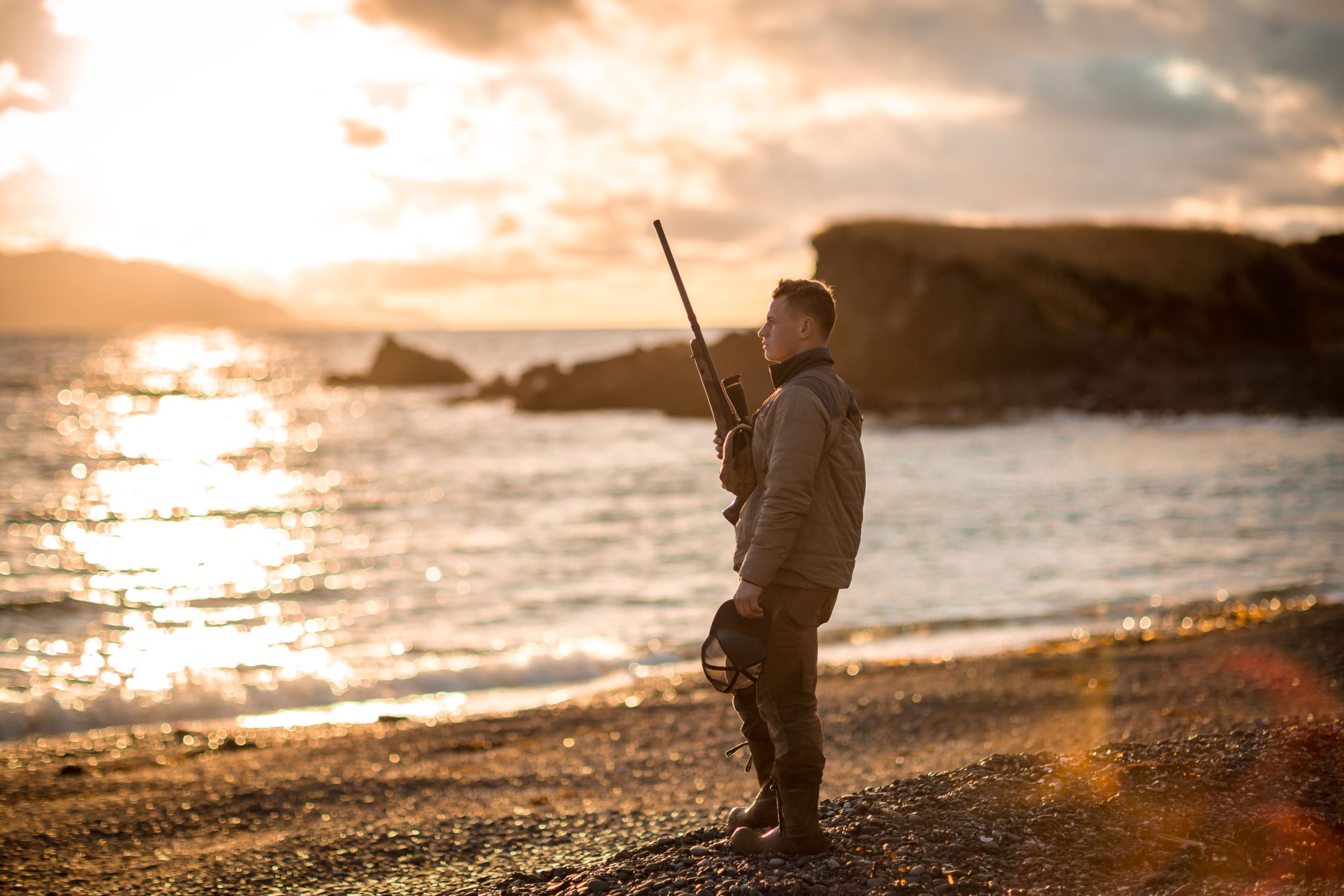
The Holland & Holland Royal Over-and-Under combines the clean lines of a British best gun with fine engraving and figured walnut. Its bespoke character is part of the attraction, yet also explains the compromise: a luxury possession can feel too precious for thorny hedges, muddy pegs and sudden downpours. The over-and-under layout is familiar to many shooters, but a custom stock and individual balance must suit the person carrying it. A 12-bore example may be versatile on paper, but its value and finish encourage careful treatment rather than carefree use. Beauty comes with responsibility in the field.
3. John Rigby Rising Bite

The Rigby Rising Bite is a handsome expression of classic British side-by-side design, with a distinctive locking arrangement and traditional lines. Its appeal lies in craftsmanship rather than modern convenience, which creates a field compromise. A finely finished bespoke gun is not something most owners want to drag through brambles or leave exposed to rain. Side-by-side handling differs from the more familiar over-and-under pattern, so it may not feel natural to every shooter. In a 12-bore configuration, it offers a traditional sporting format, but stock dimensions and balance must suit its owner. It is as much heirloom as tool.
4. Beretta SO Series

Beretta’s SO family has long represented the company’s high-grade over-and-under craftsmanship. The classic SO2 and SO3 examples are associated with 12-gauge barrels around 710 mm long and an approximate weight of 3.3 kg, giving them a substantial, deliberate feel. That mass can steady the gun, but it becomes noticeable over a long walk across upland ground. Their hand engraving and selected walnut also make them more delicate in appearance than a plain working shotgun. The compromise is not poor performance; it is that a beautifully finished, relatively heavy sporting gun may be more at home on managed shoots than in rough, wet cover.
5. Browning Citori 825 Golden Clays
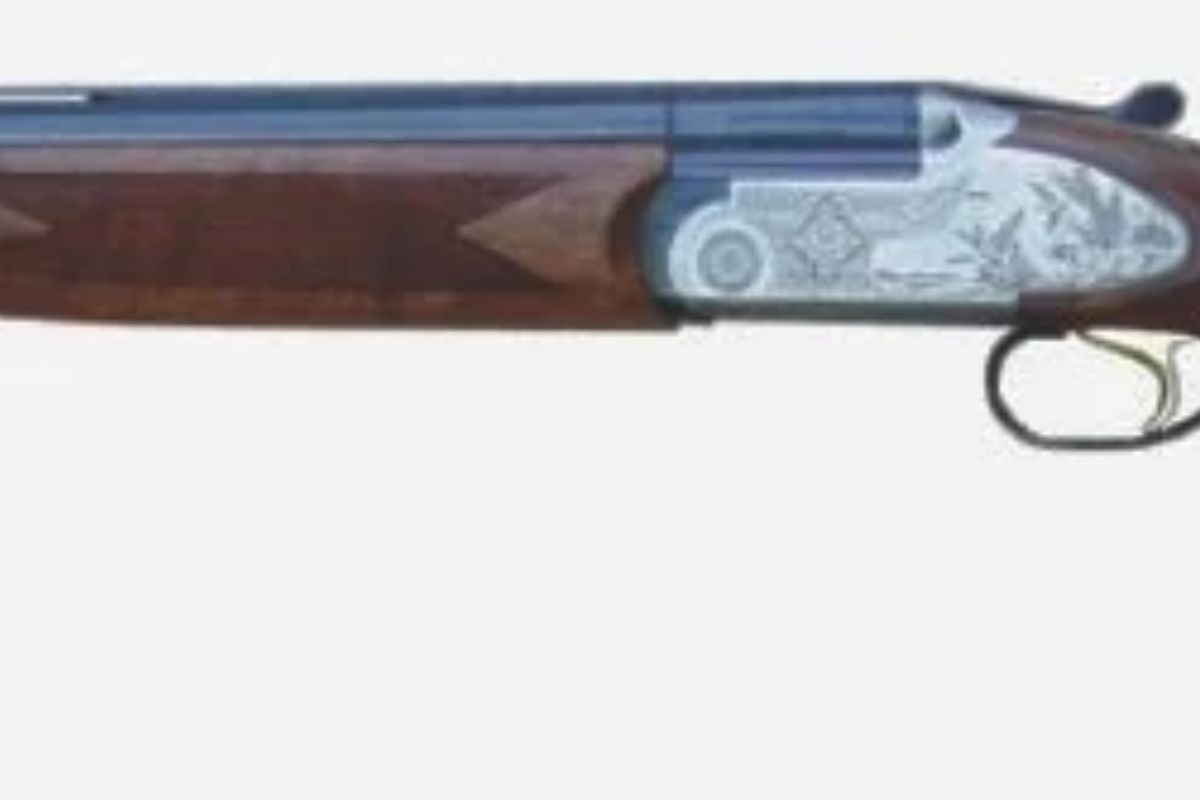
The Citori 825 Golden Clays is built to attract attention, with Grade V or VI walnut, gold receiver details and a refined over-and-under profile. Published specifications list a 12-gauge chamber, 30-inch barrels, and a weight of about 8.2 pounds. That weight can help the gun feel composed during deliberate shooting, but it is a burden when a field day involves miles of walking. Its adjustable comb and premium finish add appeal, although the price and decorative treatment may make owners cautious around mud and brush. It is a handsome sporting shotgun, but its clays-oriented character is an obvious compromise for all-day hunting.
6. Browning A5 Upland
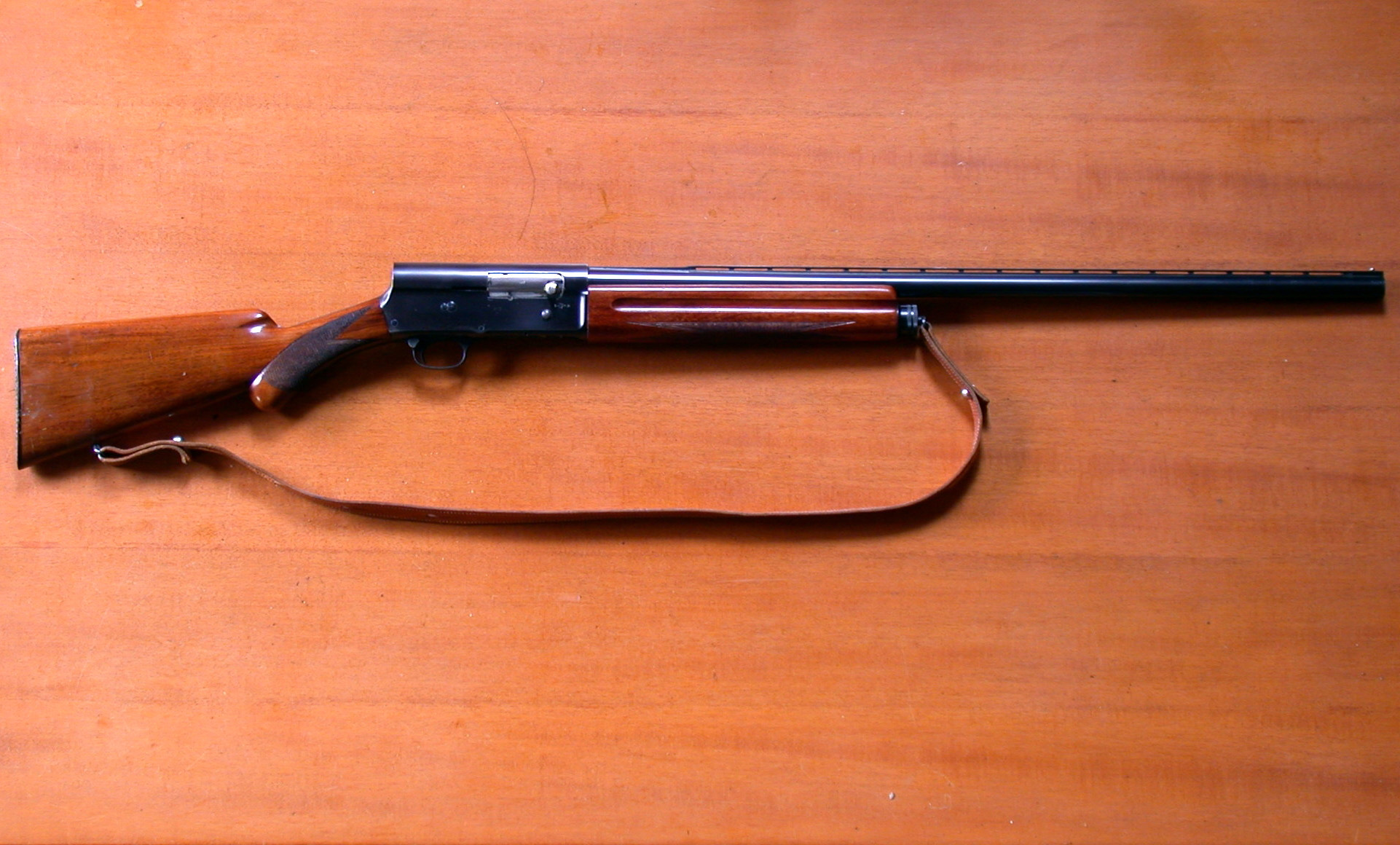
The Browning A5 Upland gives the familiar humpback silhouette a polished walnut-and-metal presentation in a lightweight 20-gauge package. One published configuration weighs about 5.7 pounds and has a 28-inch barrel, an appealing combination for upland country. The compromise is familiar with very light shotguns: reduced weight makes walking easier but can make recoil feel sharper, depending on load and fit. Its classic styling has real charm. It is a lively companion, though some shooters may prefer a heavier gun for extended sessions or heavier loads. The right fit remains essential, even in a beautifully finished lightweight design.
7. Beretta 687 Silver Pigeon III

The Beretta 687 Silver Pigeon III is admired for restrained engraving, figured walnut and familiar over-and-under proportions. It is offered in several gauges and barrel configurations, so exact weight and dimensions depend on the version. That choice is useful, but buyers must pay attention to fit instead of assuming every example carries the same way. The polished wood and decorative receiver look excellent in a cabinet, while repeated exposure to rain, grit, and rough handling calls for more care than a synthetic-stock field gun. Its compromise is subtle: elegant enough to feel special, yet still expected to work outdoors.
8. Perazzi High Tech Game

The Perazzi High Tech Game brings a competition-minded maker’s precision and distinctive styling into a game-oriented over-and-under. Its appeal is the combination of finished metalwork, quality walnut and a purposeful sporting profile. The compromise is that a gun associated with premium target shooting can feel like more equipment than a hunter needs for an ordinary field day. Specifications vary with order and configuration, so barrel length, stock dimensions and weight should be checked on the exact gun. Its refined finish also deserves protection from hard knocks. It is capable, but not necessarily the carefree choice.
9. Caesar Guerini Invictus ArtCo SG

The Invictus ArtCo SG stands out through decorative receiver work and the polished presentation expected of a premium Italian over-and-under. That finish creates hesitation when walking through wet grass, scrub or tight woodland. A high-grade sporting shotgun can also be heavier and more expensive than a basic field model, depending on specification. Buyers should confirm gauge, barrel length and weight for the particular example. Its compromise is less about capability than priorities: it looks made to be admired, while field use rarely offers cabinet-level protection on a demanding day outdoors.
10. Rizzini BR552 De Luxe Special

The Rizzini BR552 De Luxe Special is a traditional side-by-side with upgraded wood and decorative action finishing. Its classic outline has a charm that modern synthetic-stock designs cannot easily match. Yet the layout may feel less familiar to shooters accustomed to over-and-unders, and the slim profile is not automatically a perfect fit for every build. Exact dimensions depend on configuration, so gauge and barrel length should be checked on the individual gun. Fine walnut also needs care after exposure to rain. It is an attractive sporting choice, but its elegance brings limits in rough conditions.
11. Fabarm Grade IV Sporting

The Fabarm Grade IV Sporting pairs a detailed receiver with quality walnut and modern over-and-under proportions. Its sporting configuration creates the compromise: a gun designed around deliberate range use may feel less convenient when a hunt demands constant carrying over uneven terrain. Grade IV decoration gives it a more luxurious appearance than a plain field model, but extra polish does not improve resistance to scratches or careless handling. Gauge, barrel length, and weight vary by version, so the exact specification matters. It offers craftsmanship and design, though it may be more gun than a casual hunter needs for all-day field use.
12. Benelli 828U

The Benelli 828U has a modern, sculpted appearance that sets it apart from traditional walnut over-and-unders. Its lightweight construction and distinctive receiver design appeal to shooters who value contemporary engineering. The compromise is that a light 12-gauge can transmit more felt recoil than a heavier shotgun when ammunition, fi,t and shooting style are not well matched. Its unusual design may also divide traditionalists who prefer a conventional break-action gun. Common configurations offer 26- or 28-inch barrels. It is a striking field option, but its handling needs to suit the individual rather than the brochure.