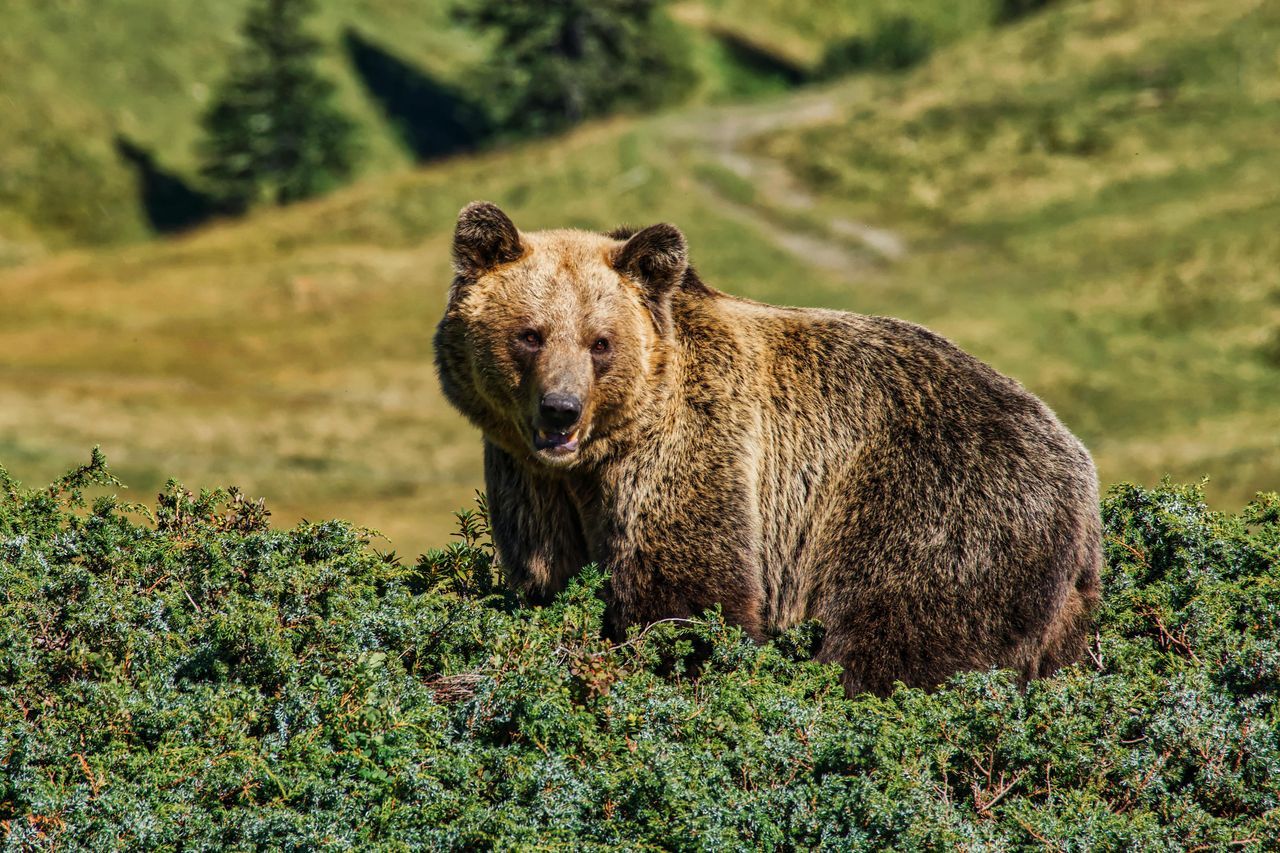
California put the grizzly on its flag, then erased the animal from the landscape more than a century ago. Now the idea of bringing it back has exploded into a statewide argument over identity, safety, science, and land use. What sounds like a simple conservation story quickly turns into a collision between urban values and rural realities.
The bear means different things to different Californians
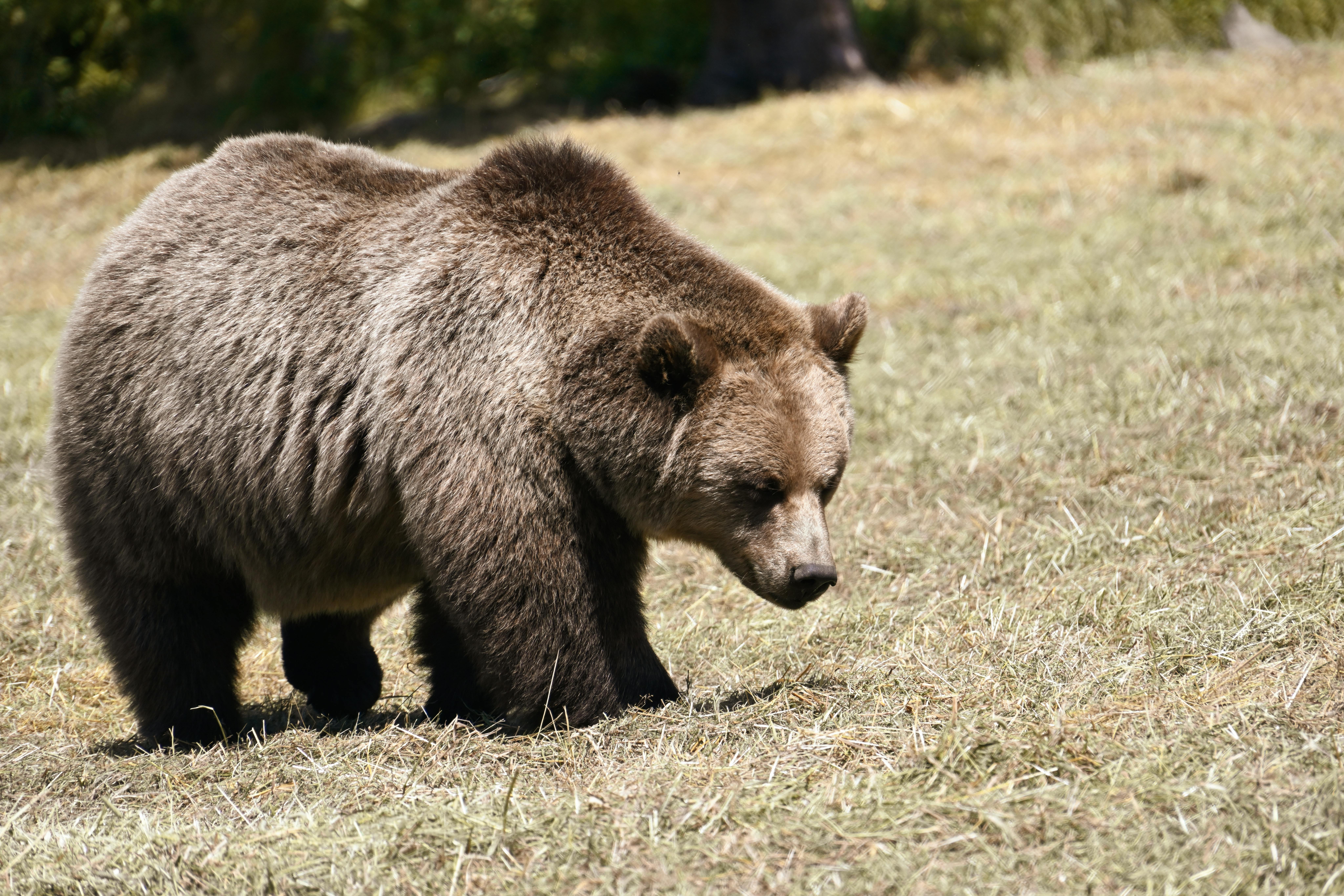
For some people, the grizzly is the missing symbol of a wilder California, a chance to restore a species that once shaped the state’s ecosystems and imagination. To them, reintroduction feels like unfinished history finally being addressed.
For others, the same animal represents risk, disruption, and a decision driven by people far from ranches, foothill towns, and backcountry work sites. That gap in meaning is what makes this debate so combustible.
It is not just about one species. It is about who gets to define what California should be in 2026, and whose vision counts when values clash on the ground.
Ranchers see the costs before anyone else does
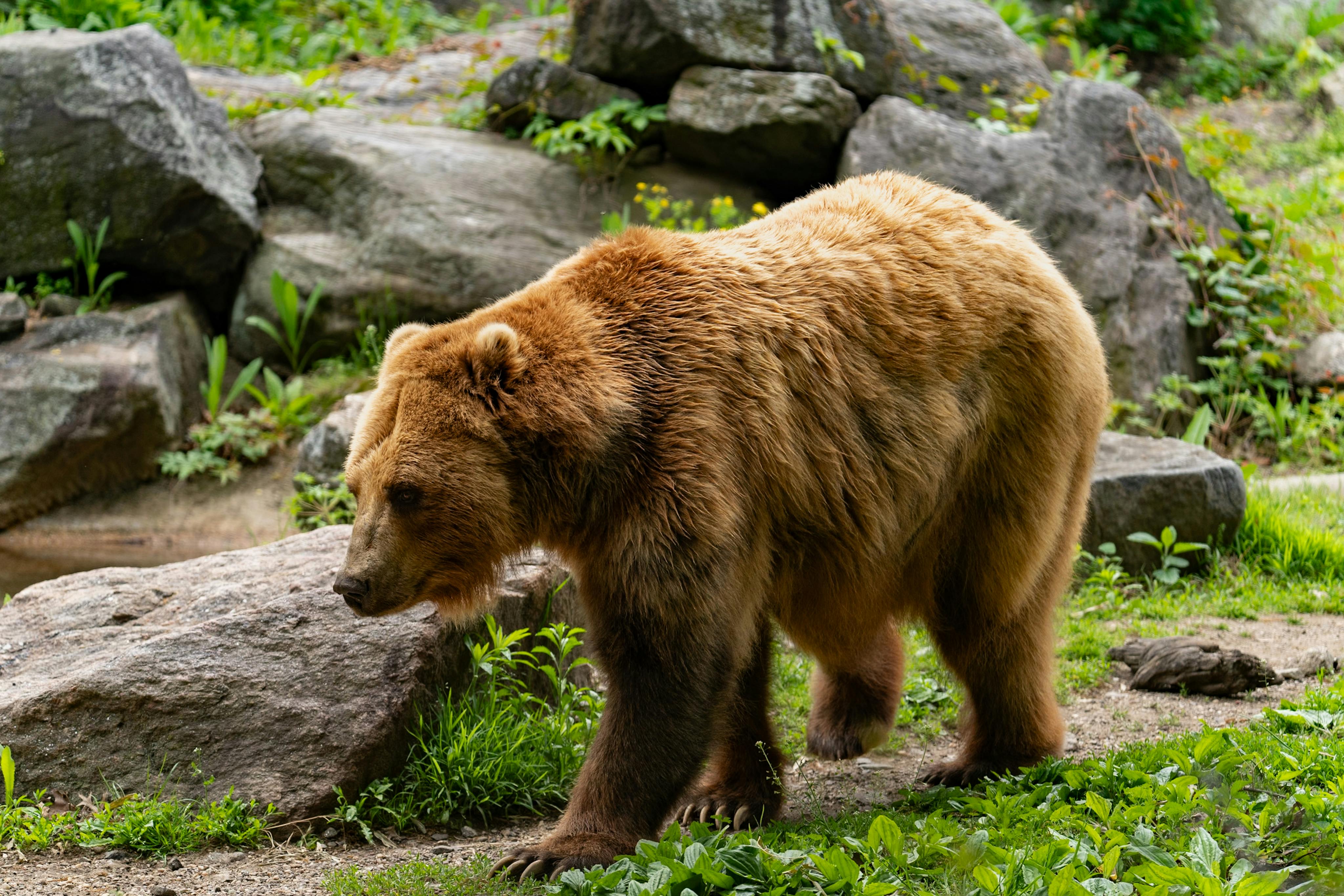
Supporters often frame reintroduction as a long-term ecological investment, but cattle producers and sheep ranchers tend to see the immediate math. A single predator conflict can mean dead livestock, more fencing, more monitoring, and more anxiety during calving season.
Even with compensation programs, many ranchers argue that reimbursement rarely covers the full picture. Lost animals are only part of it. Time, stress, disrupted grazing patterns, and extra labor all add up fast.
That is why opposition in agricultural counties runs so deep. To families already working with thin margins, grizzlies do not look like a noble experiment. They look like another bill arriving from Sacramento.
Public safety fears are emotionally powerful

Wildlife experts often note that grizzly attacks are rare, especially when people follow strict food storage and trail safety rules. But rare is not the same as irrelevant, and fear has a way of outrunning statistics.
Parents in mountain communities worry about school bus stops, hikers picture worst-case encounters, and campground operators wonder how visitors will react to warning signs. Those concerns land harder than any spreadsheet ever could.
The emotional force of public safety is one reason this issue stays so divisive. It asks residents to trust management plans while imagining a very large predator returning to places where daily life, not just recreation, unfolds outdoors.
Scientists and officials do not all agree on readiness
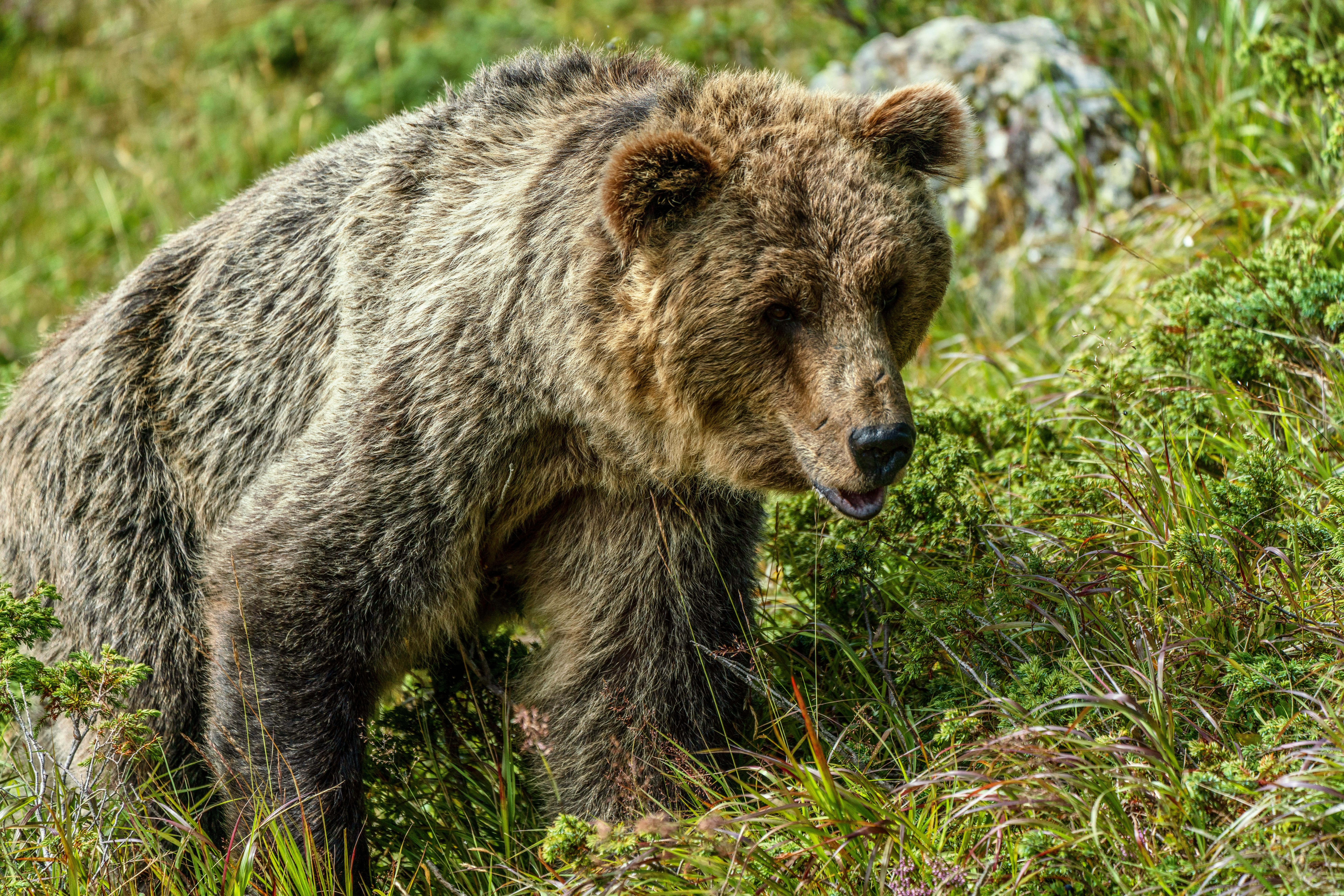
On paper, reintroduction sounds like a question for biologists, habitat modelers, and state agencies. In practice, even experts disagree about how much suitable range exists, how connected that habitat really is, and how many bears the landscape could support without constant conflict.
Some researchers say California has enough remote terrain, prey, and protected land to give grizzlies a real shot. Others caution that roads, recreation pressure, drought, and fragmented habitat make the plan far more complicated than advocates admit.
When specialists send mixed signals, the public hears uncertainty. And uncertainty is where political fights thrive, because each side can claim the science is on its side.
The politics pit coastal voters against inland communities

The geography of support and opposition tells its own story. In many urban and coastal areas, grizzly restoration plays well as a bold climate-era conservation goal, one that fits a broader appetite for rewilding and symbolic repair.
In inland counties, especially where people live closer to forests, grazing lands, and fire-prone terrain, the proposal can feel imposed from afar. Residents often say the people most enthusiastic about grizzlies are least likely to deal with the consequences.
That political split turns a wildlife question into a culture-war question. The bear becomes a stand-in for a familiar California tension between metropolitan power and rural self-determination.
Tribal voices add urgency and complexity

Many Native communities bring a perspective that does not fit neatly into the usual pro versus anti frame. For some tribes, the grizzly carries deep cultural meaning, and its return is tied to restoration, memory, and respect for relationships broken by colonization.
At the same time, tribal nations are not monolithic, and views can differ based on geography, governance, and practical concerns about land stewardship. Cultural significance does not automatically erase questions about safety, access, or management authority.
That makes tribal involvement especially important in 2026. It broadens the conversation beyond standard environmental politics and forces the state to confront who should lead when restoration has both ecological and historical stakes.
Tourism and recreation could change in unpredictable ways
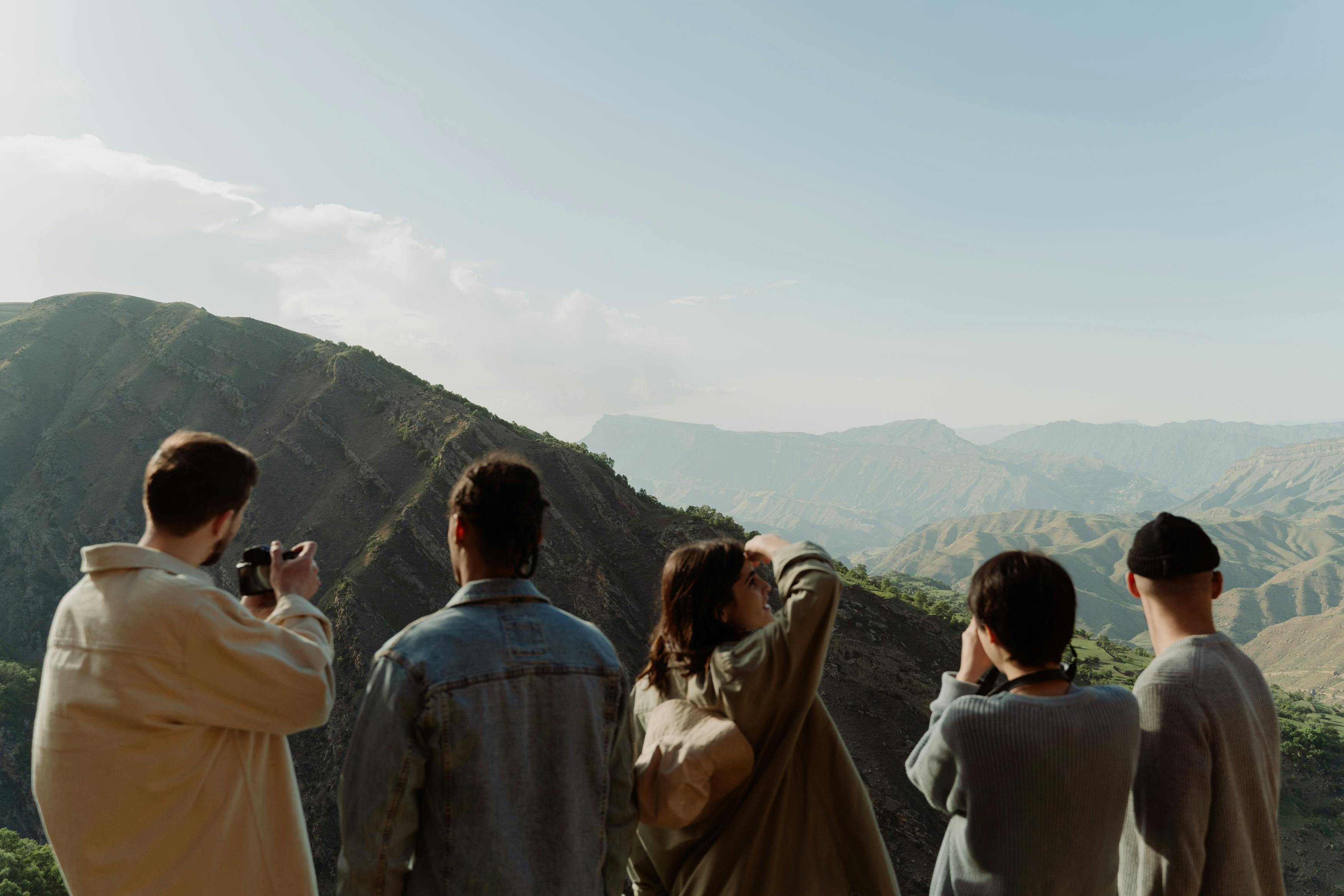
Some advocates argue grizzlies could become a powerful draw for wildlife tourism, giving California a conservation story with global intrigue. The idea of a restored apex predator has obvious appeal for photographers, park visitors, and outdoor brands.
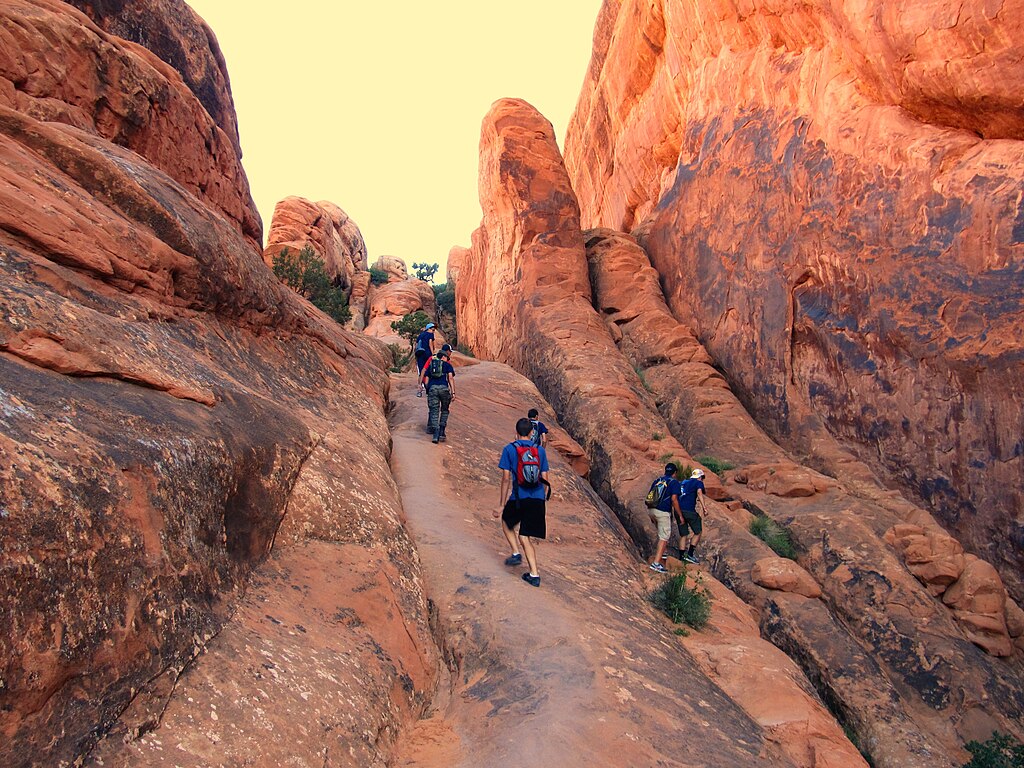
But recreation managers know the other side of that promise. More bear closures, stricter food rules, altered trail access, and nervous visitors could reshape the outdoor economy in less glamorous ways.
That uncertainty keeps local businesses divided. A lodge owner might see opportunity, while a campground host sees headaches. In a state where recreation is both identity and industry, even small behavioral changes can become a major source of friction.
It forces California to choose what restoration really means

The fiercest part of the argument may be philosophical. Californians broadly support conservation in the abstract, but grizzly reintroduction tests whether that support holds when restoration becomes expensive, inconvenient, and politically risky.
It asks a blunt question: should the state restore species only when the public is comfortable, or also when restoration demands sacrifice and long-term adaptation? That is a much harder standard than celebrating wildlife from a distance.
In that sense, the grizzly debate is bigger than bears. It is a referendum on how modern California balances moral ambition with local consent, and whether symbolic environmental values can survive contact with real landscapes and real people.