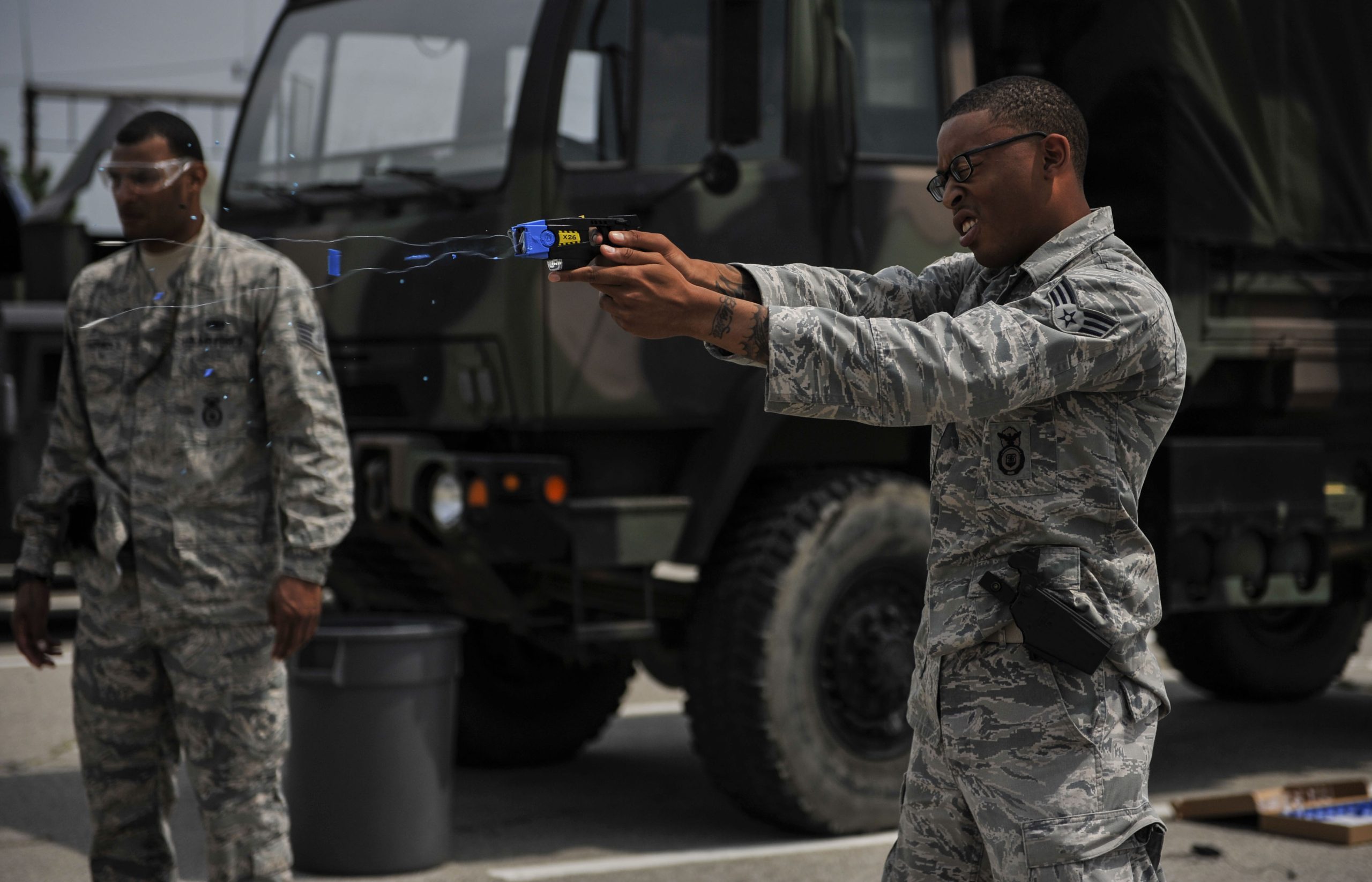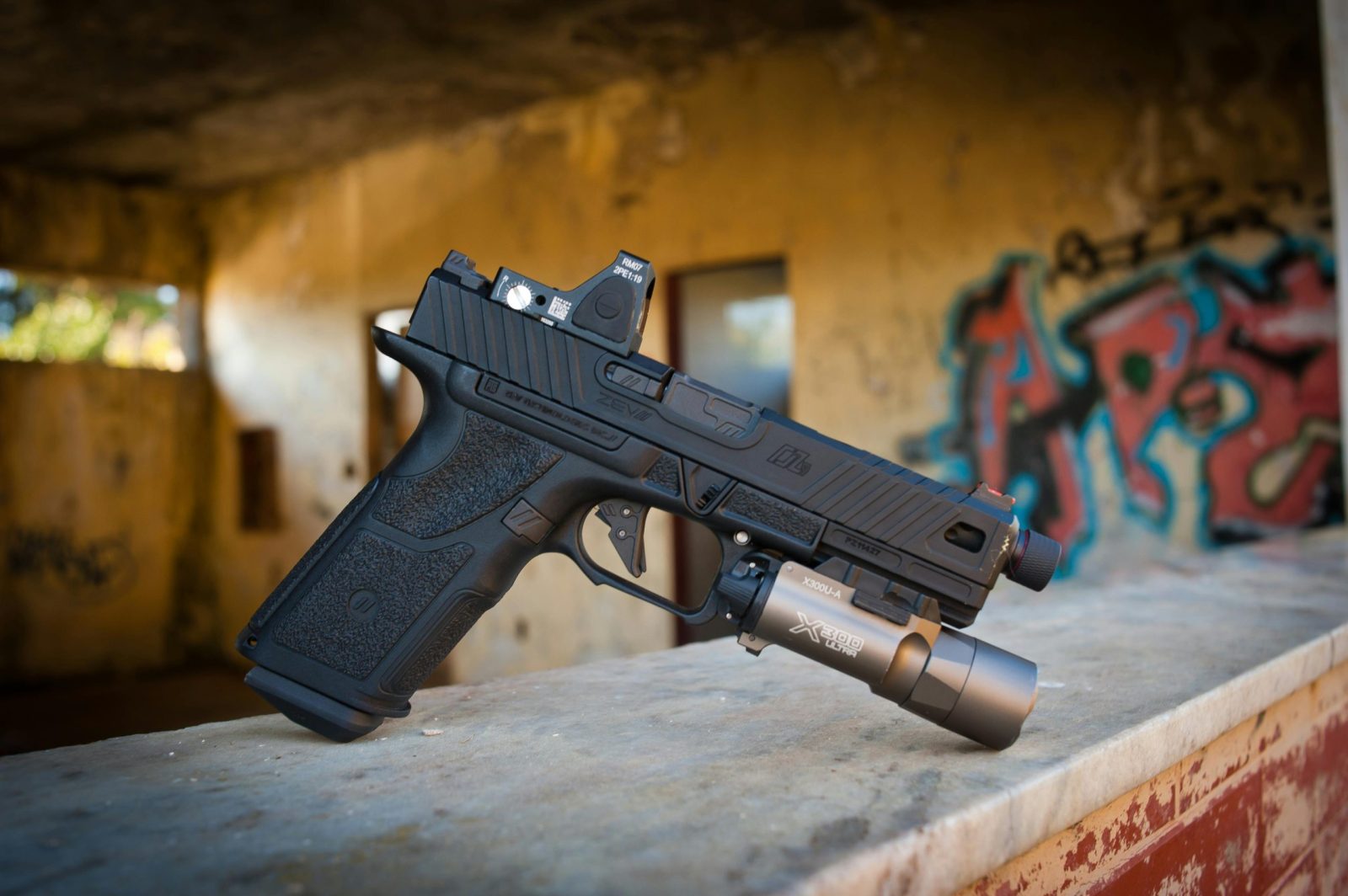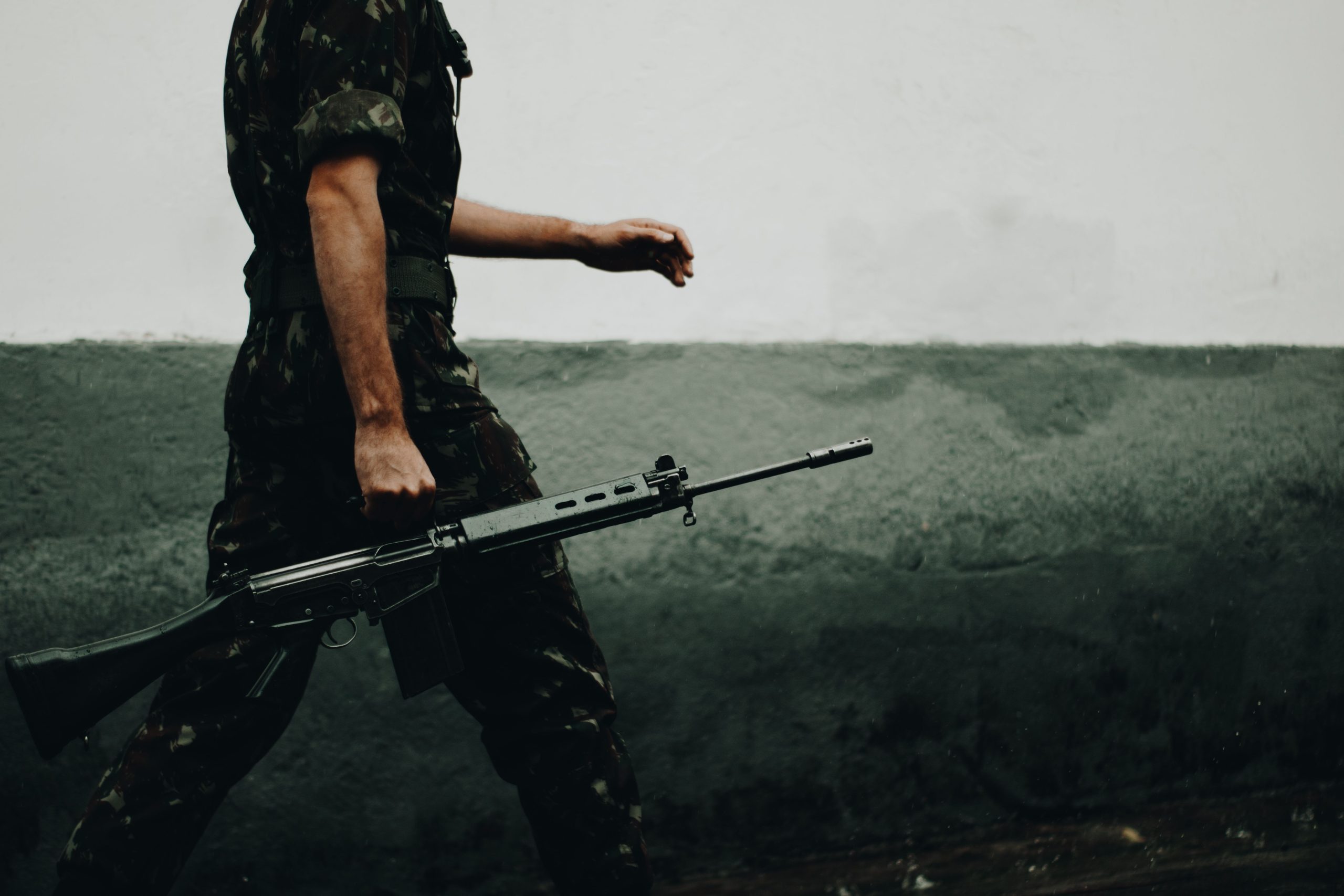
Backcountry travel can involve long hikes, changing weather, rough terrain, wildlife encounters, and limited access to help. If someone legally chooses to carry a firearm, the decision involves more than size or power. Weight, reliability, safe storage, environmental exposure, training, and local regulations all matter. The National Park Service recommends checking the rules of the specific area before traveling and emphasizes that firearms are not a replacement for basic wildlife-safety practices.
1. Overall Carry Weight
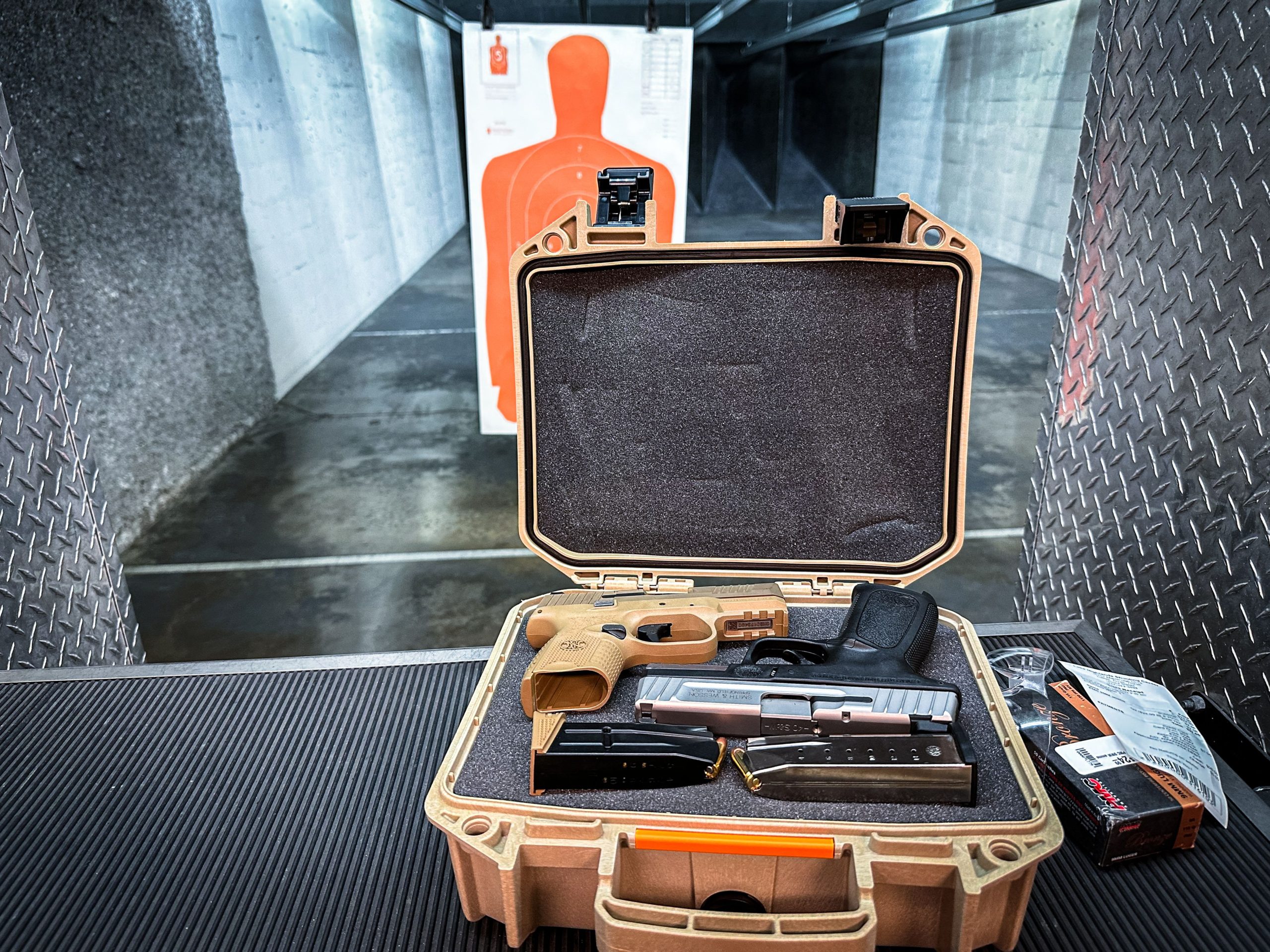
Weight becomes increasingly noticeable when a hike covers several miles with a loaded backpack. A backcountry setup can already include water, food, navigation equipment, first-aid supplies, clothing, and emergency gear. Adding a firearm and its associated equipment means considering the complete carry weight rather than looking only at the unloaded firearm. A difference of a few ounces may seem insignificant at home but can become noticeable after 10 or 15 miles of walking. Comfort should also be considered alongside secure retention and safe handling.
2. Resistance to Outdoor Conditions
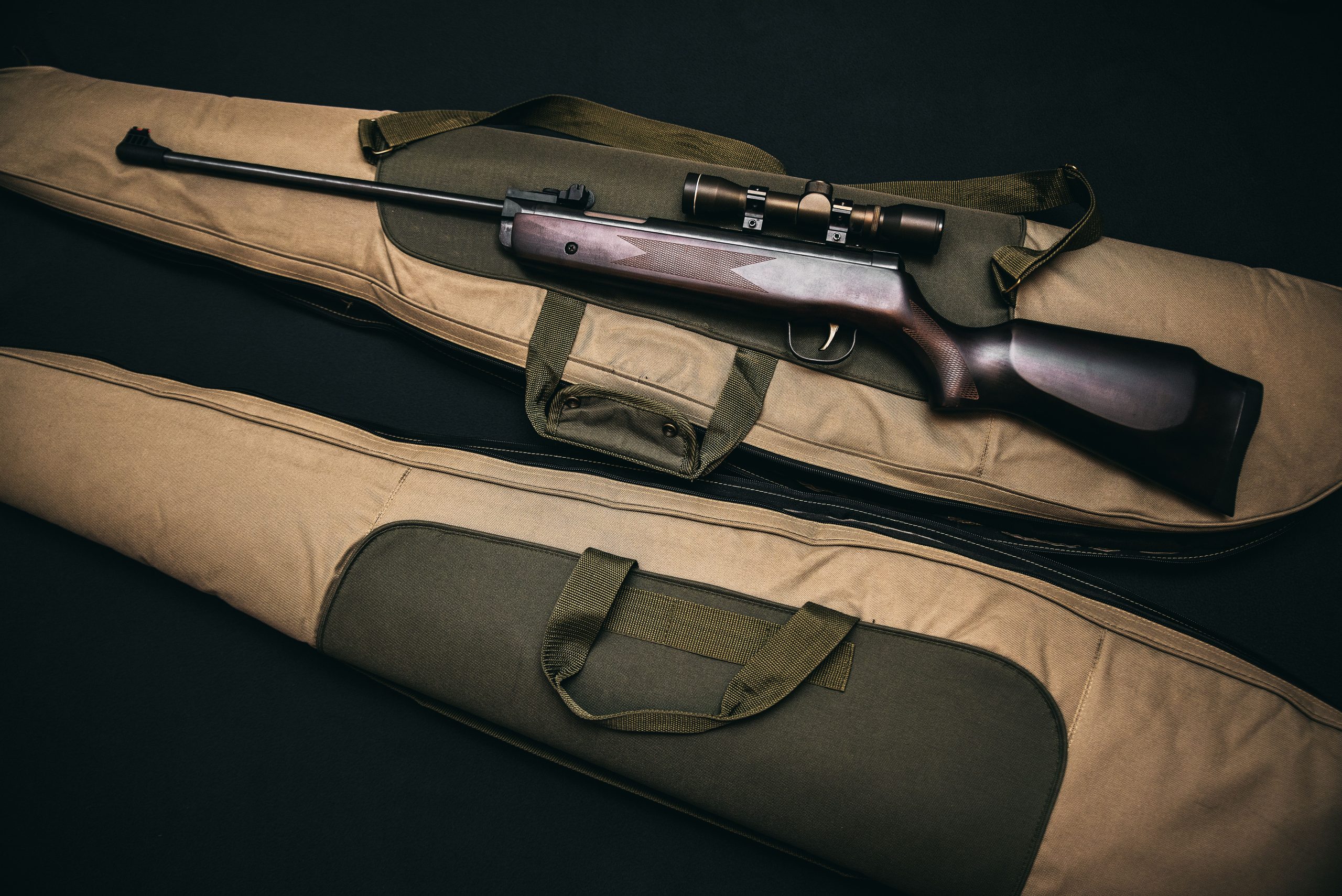
Backcountry equipment can face rain, humidity, mud, dust, sweat, freezing temperatures, and rapid changes in weather. A firearm carried outdoors therefore requires attention to corrosion resistance and appropriate maintenance. Even a short trip can expose equipment to moisture for several hours. Metal surfaces, springs, ammunition, and other components should be protected according to the manufacturer’s instructions. Environmental conditions also affect other safety equipment, so a complete backcountry plan should account for temperatures, precipitation, and the expected duration of the trip.
3. Reliability and Maintenance
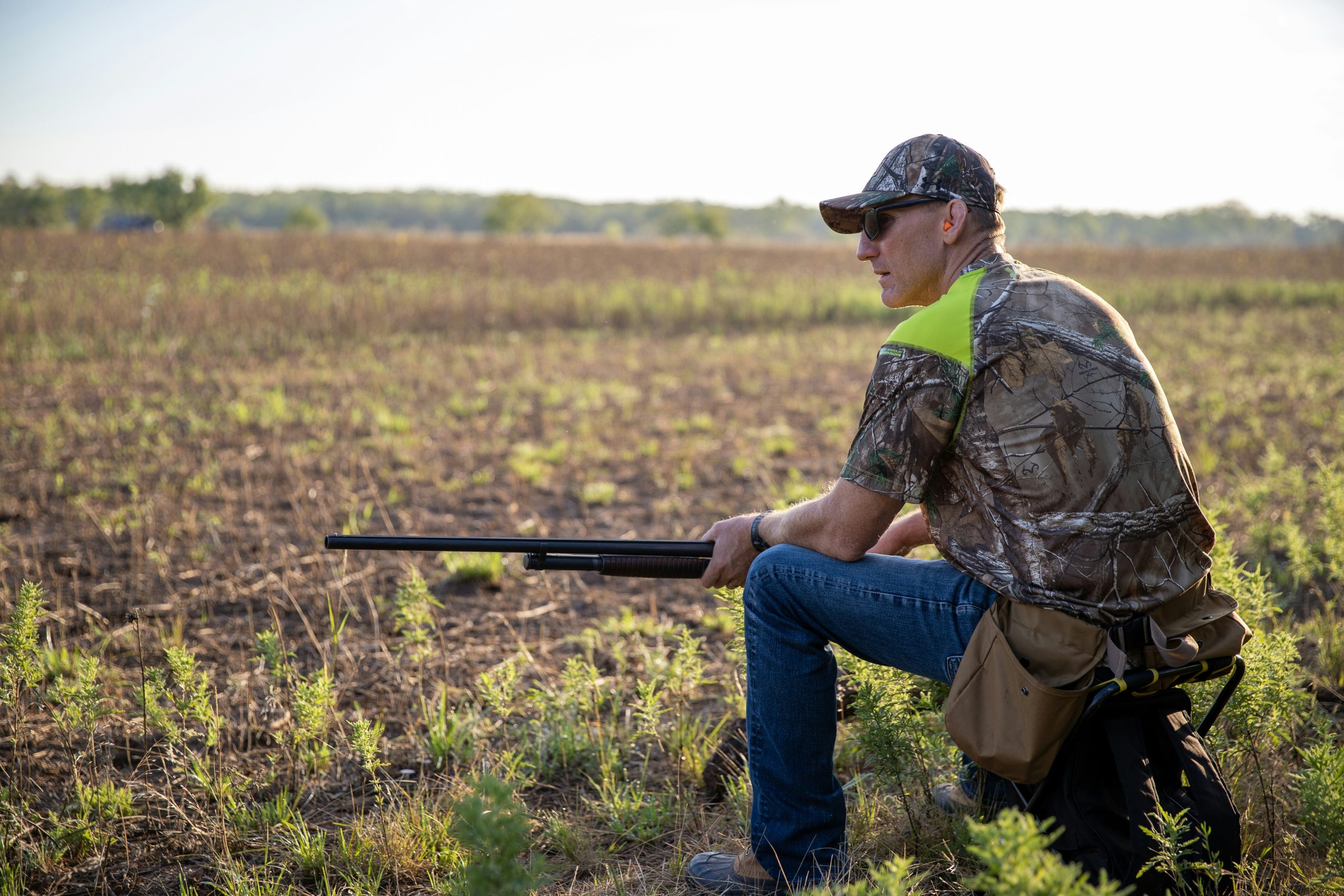
Reliability matters because backcountry travelers may be many miles from a road, ranger station, or medical facility. That does not mean equipment should be modified or maintained beyond the manufacturer’s specifications. Instead, users should understand the maintenance schedule, inspect equipment before departure, and address obvious wear or damage before a trip. A responsible preparation routine might include checking the equipment several days before departure rather than immediately before leaving. Manufacturer guidance should remain the primary reference for inspection, cleaning, storage, and service.
4. Secure Retention
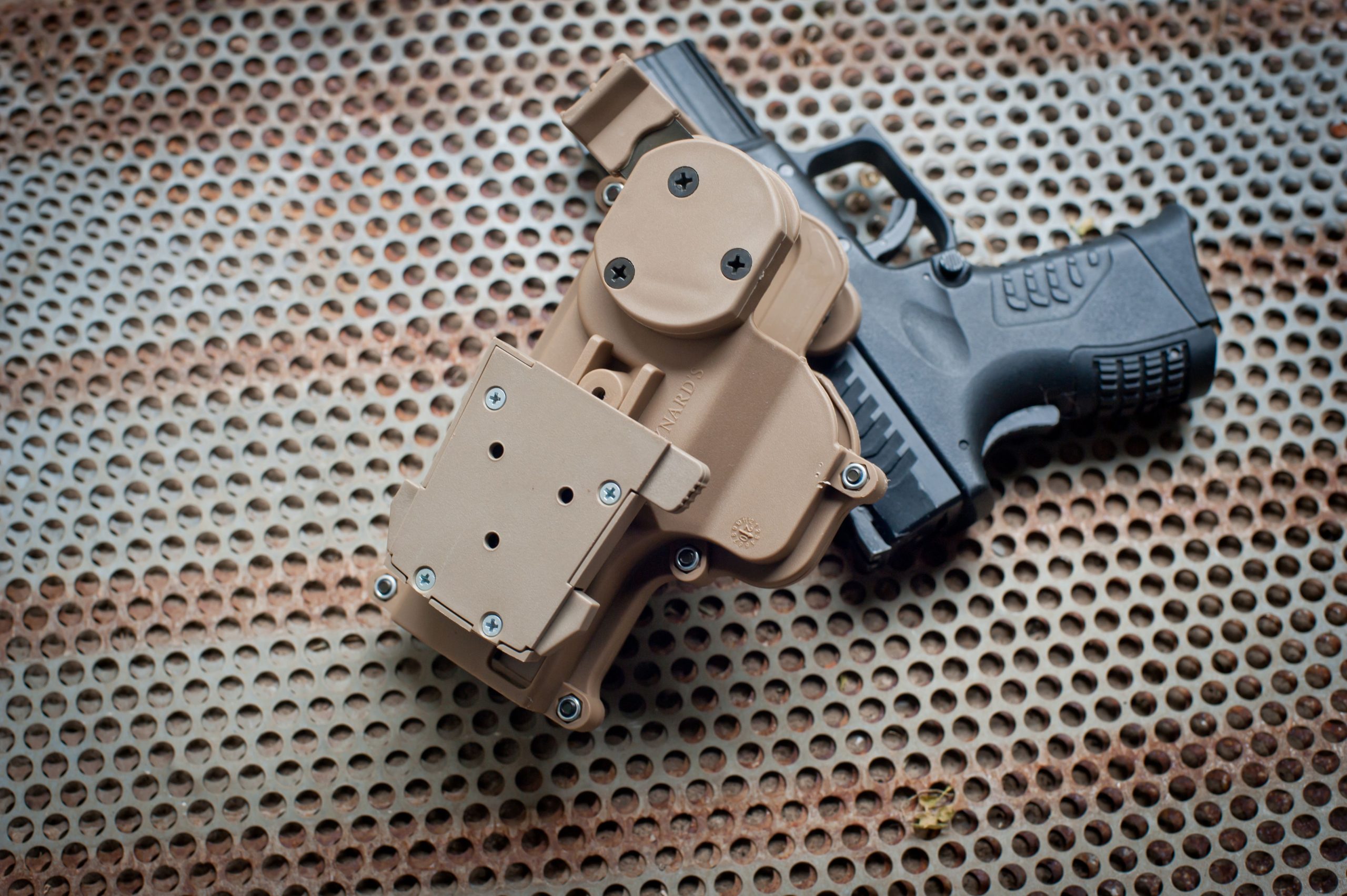
A backcountry firearm must remain securely controlled while walking, climbing, scrambling, or crossing uneven ground. Loose equipment can shift when a hiker bends, falls, climbs over obstacles, or removes a backpack. Safe retention therefore deserves attention before the trip begins. The carrying method should be compatible with normal hiking movements and should not interfere with climbing, trekking poles, a backpack, or emergency equipment. The important principle is consistent control of the firearm rather than simply choosing the smallest available option.
5. Safe Storage Around Camp
A firearm carried on a trail presents different considerations once the group establishes camp. Tents, cooking areas, sleeping arrangements, and other equipment can create crowded spaces where accidental access becomes a concern. Safe storage should follow applicable laws and the firearm manufacturer’s instructions. Campers should also consider other members of the group and anyone who might encounter their equipment. The National Park Service stresses that firearms are not substitutes for wildlife-awareness practices, food storage, and other precautions designed to prevent dangerous encounters.
6. Familiarity With the Equipment
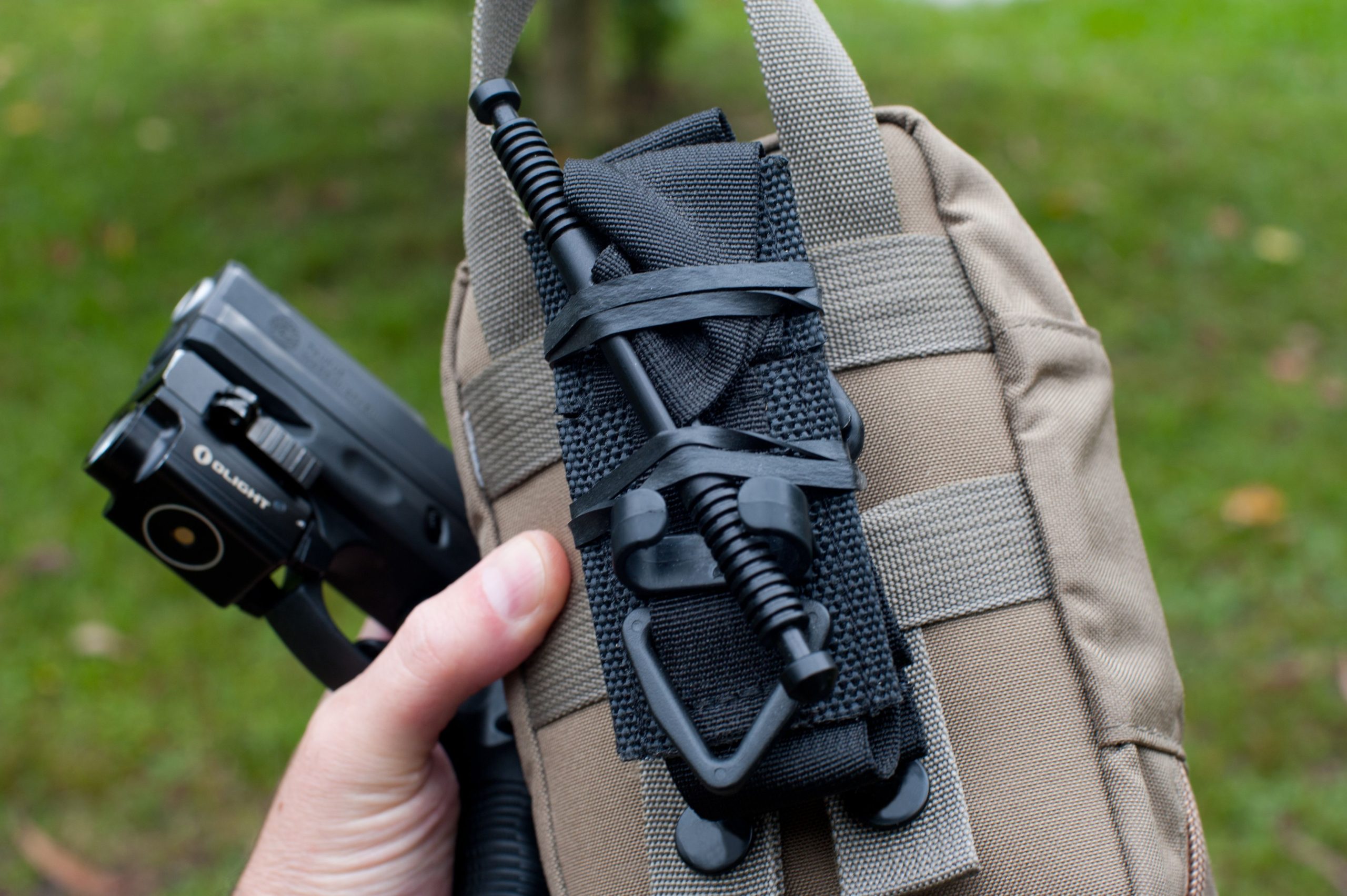
Familiarity is more important than simply owning a firearm. Someone who chooses to carry one in the backcountry should already understand its safe handling, storage, and basic operation before starting a remote trip. Stress, darkness, rain, fatigue, and difficult terrain can complicate ordinary tasks. Carrying unfamiliar equipment can introduce additional risks. The National Park Service specifically advises people to carefully assess their experience and comfort level before taking a firearm into bear country.
7. Ammunition Protection
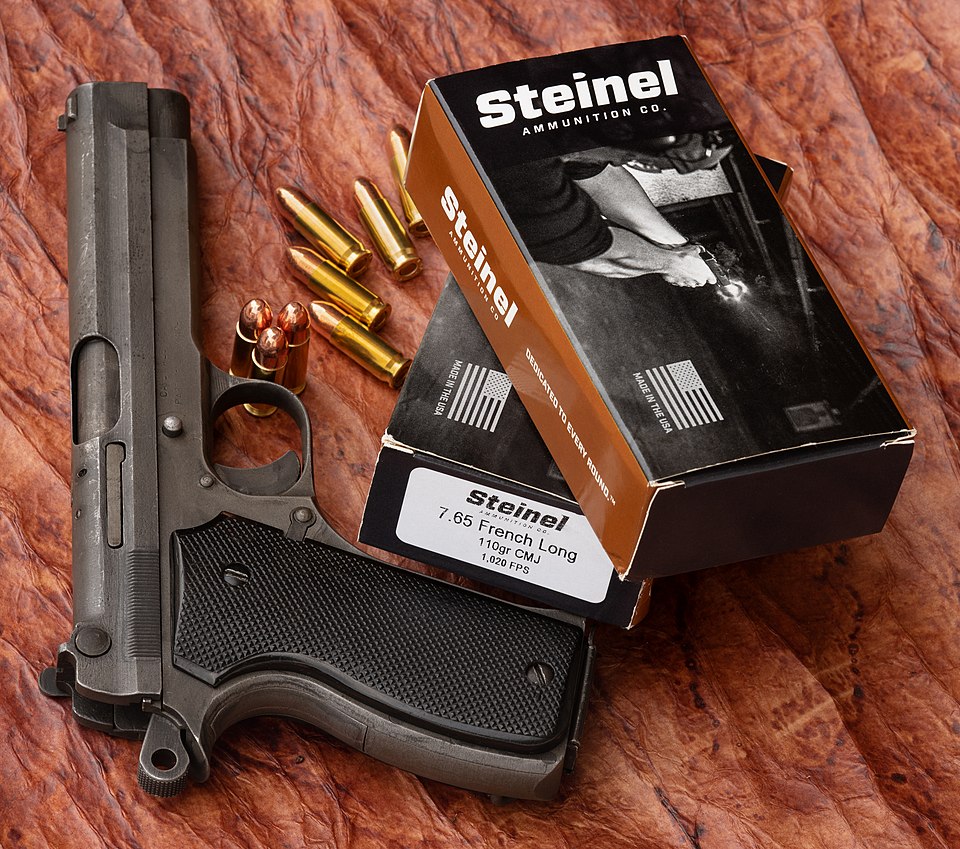
Ammunition can encounter moisture, dirt, temperature changes, and prolonged storage during outdoor travel. Keeping ammunition protected from unnecessary exposure is therefore part of sensible preparation. Travelers should follow the manufacturer’s storage recommendations and inspect ammunition before use. A backcountry trip may last 2 days, 5 days, or considerably longer, so environmental exposure can vary substantially. Ammunition should also be transported and stored according to the applicable laws. Separate attention to ammunition prevents a common mistake of considering only the firearm itself.
8. Legal Requirements
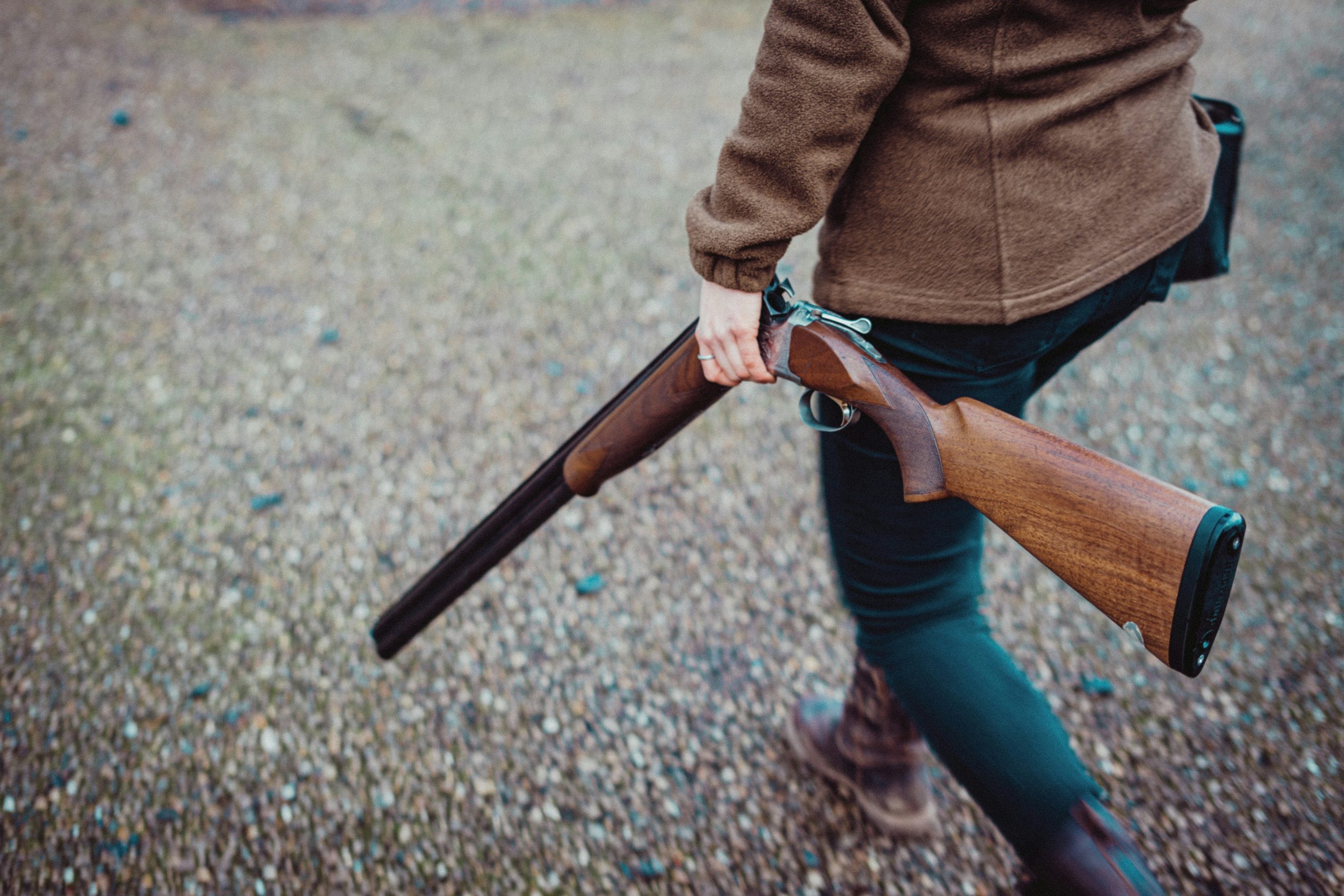
Backcountry firearm laws can change considerably between states, jurisdictions, parks, forests, and other public lands. Rules may address possession, concealed carry, transportation, discharge, hunting, ammunition, and prohibited locations. The National Park Service states that possession within national park units must comply with applicable federal, state, and local law, while firearm discharge is generally prohibited unless specifically authorized. Visitors are responsible for checking the rules applying to their particular destination before departure.
9. Wildlife Awareness

Carrying a firearm should never replace learning about the wildlife in the area. Bears, mountain lions, snakes, and other animals require different avoidance strategies, while food odors and improperly stored garbage can create additional problems. The National Park Service recommends maintaining awareness, avoiding surprising wildlife, and following local guidance. In bear country, it specifically recommends bear spray as a defensive tool and emphasizes that firearms can create additional dangers during an encounter.
10. Accessibility Without Unsafe Handling
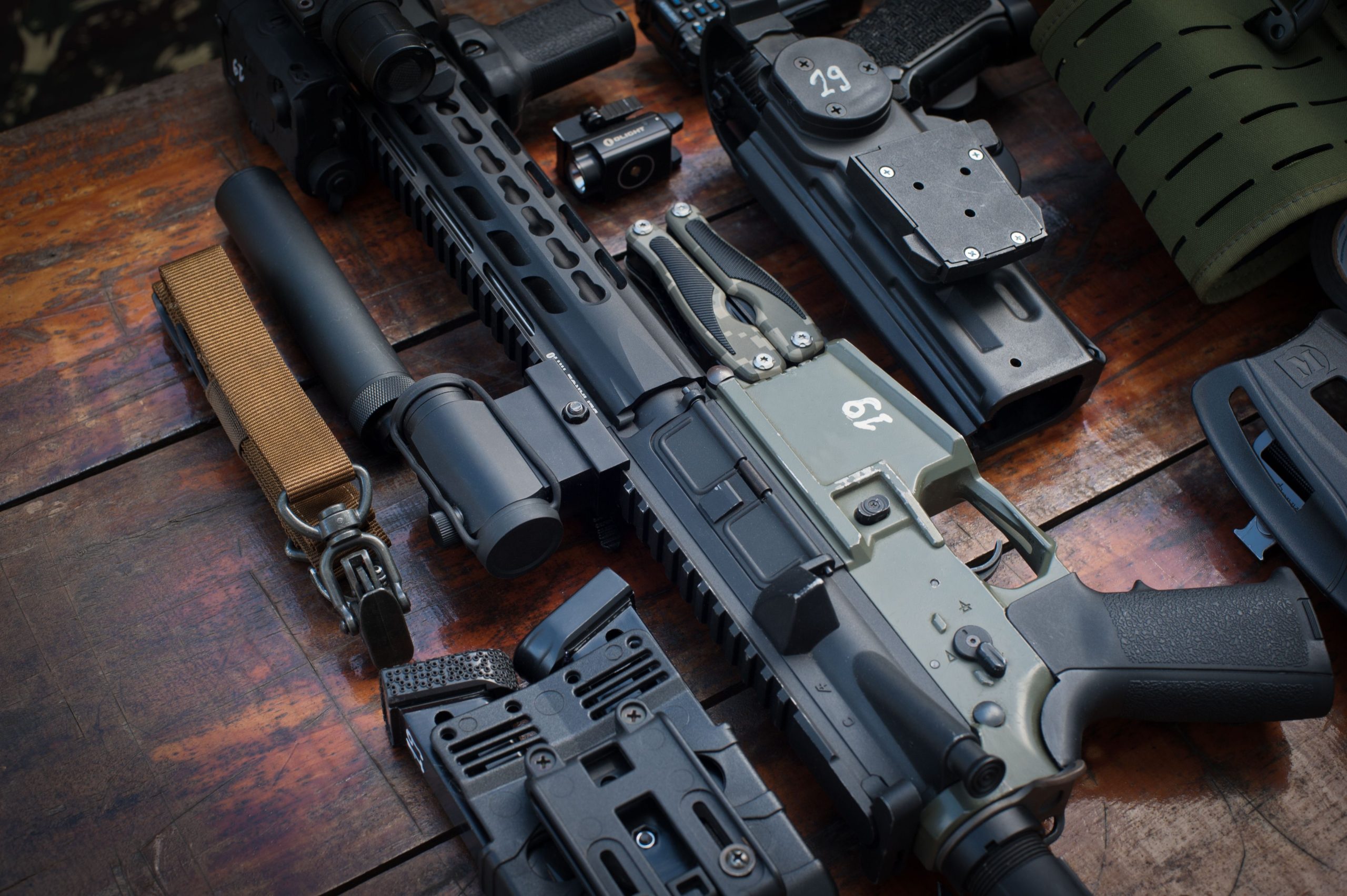
Backcountry equipment needs to remain accessible while still being safely controlled. A hiker may spend 6 hours moving through steep terrain, crossing streams, or wearing different layers of clothing. Equipment that shifts constantly can become a distraction and increase handling risks. At the same time, carrying methods should never encourage unnecessary handling while walking. A sensible setup keeps safety as the priority and should be tested under ordinary hiking conditions before a remote trip rather than improvised on the trail.
11. Weather and Temperature Planning
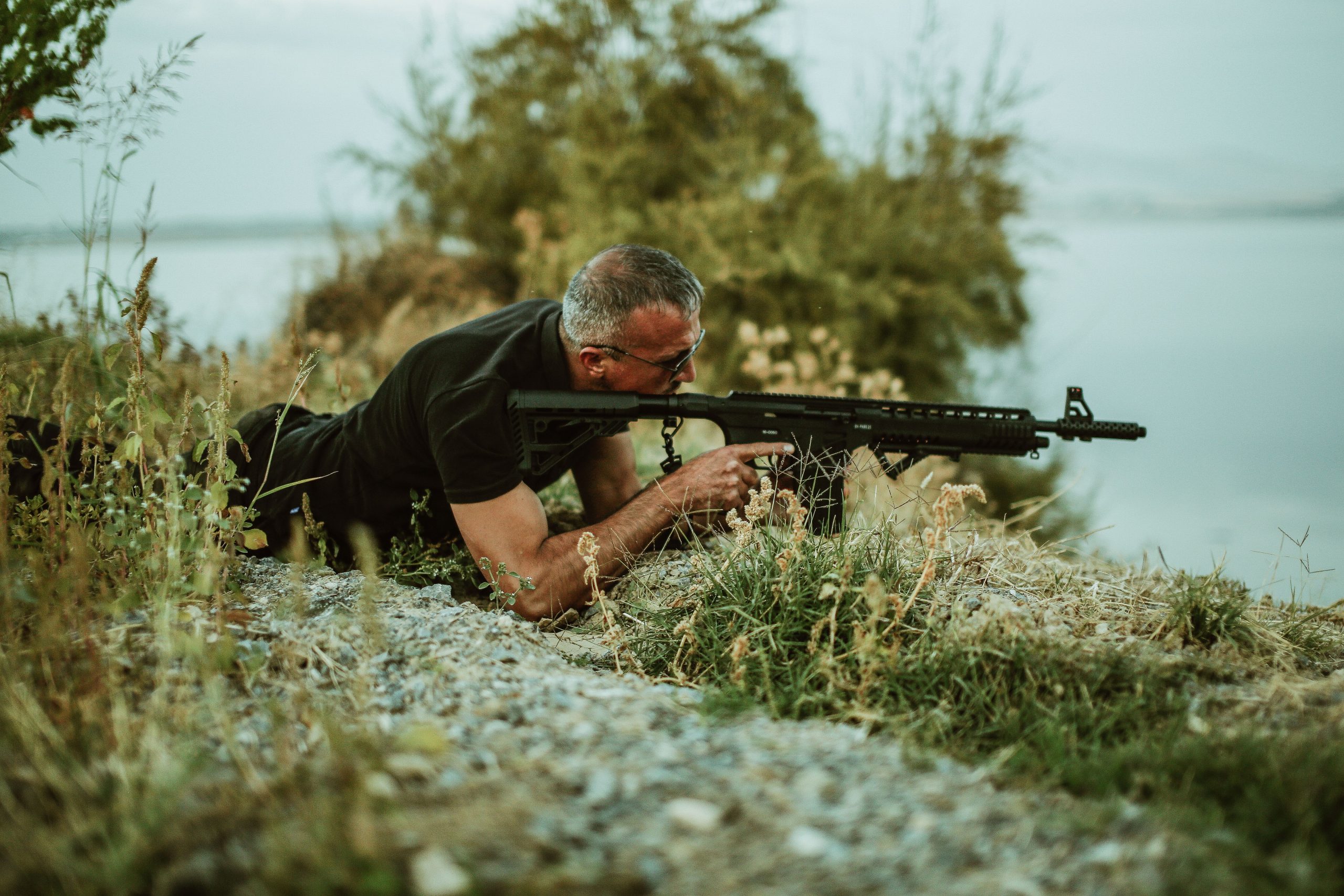
Temperature can influence almost every part of a backcountry trip. A journey beginning at 25°C may encounter considerably colder conditions at elevation, while summer trips can expose equipment to prolonged heat and humidity. Rain can introduce another layer of concern. Planning should therefore consider the forecast, elevation, season, and expected time outdoors. Yellowstone National Park, for example, warns that bear spray itself requires careful storage because extreme heat can create hazards. The broader lesson is that every safety item needs environment-specific preparation.
12. Complete Backcountry Preparation
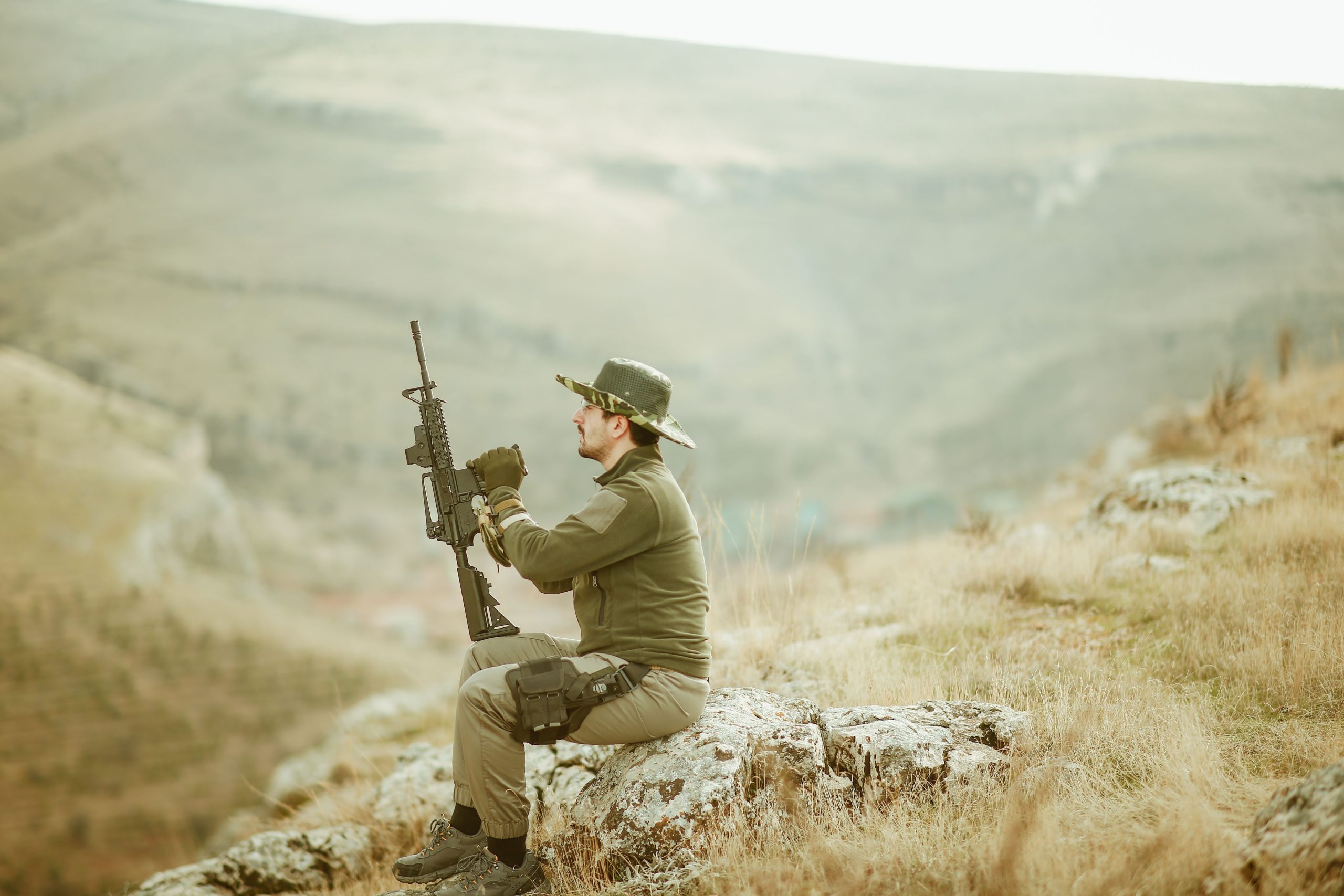
A firearm is only one small part of a responsible backcountry safety plan. A well-prepared hiker may also need navigation equipment, sufficient water, food, first-aid supplies, weather-appropriate clothing, communication equipment, and an emergency plan. The National Park Service identifies inadequate preparation, insufficient water, poor clothing, and failure to communicate an itinerary as contributors to hiking emergencies. For a trip lasting 1 day or several nights, preparation should match the terrain, weather, distance, and remoteness rather than relying on one piece of equipment.