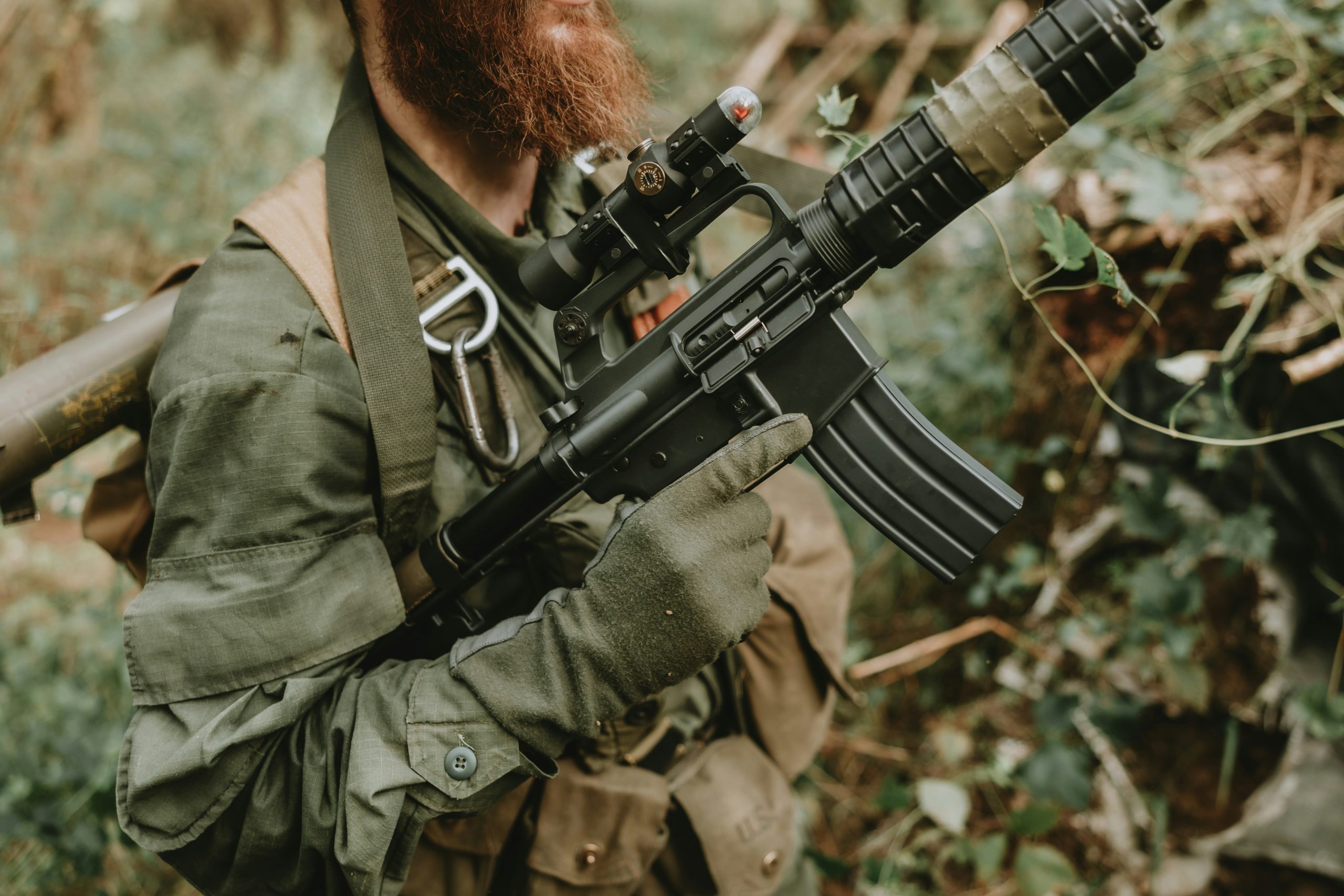
U.S. firearm law is not one uniform set of rules. Federal statutes apply nationwide, while individual states can impose additional restrictions on particular firearms, features, magazines, or methods of manufacture. That creates a moving legal landscape in which a firearm that is lawful in one state may be restricted in another. The examples below focus on firearm categories that are already subject to significant regulation or have become subjects of recent legislation. Laws can change, and existing court challenges can also affect enforcement, so the applicable state and federal rules should always be checked before relying on a general description.
1. AR-15-Style Semiautomatic Rifles
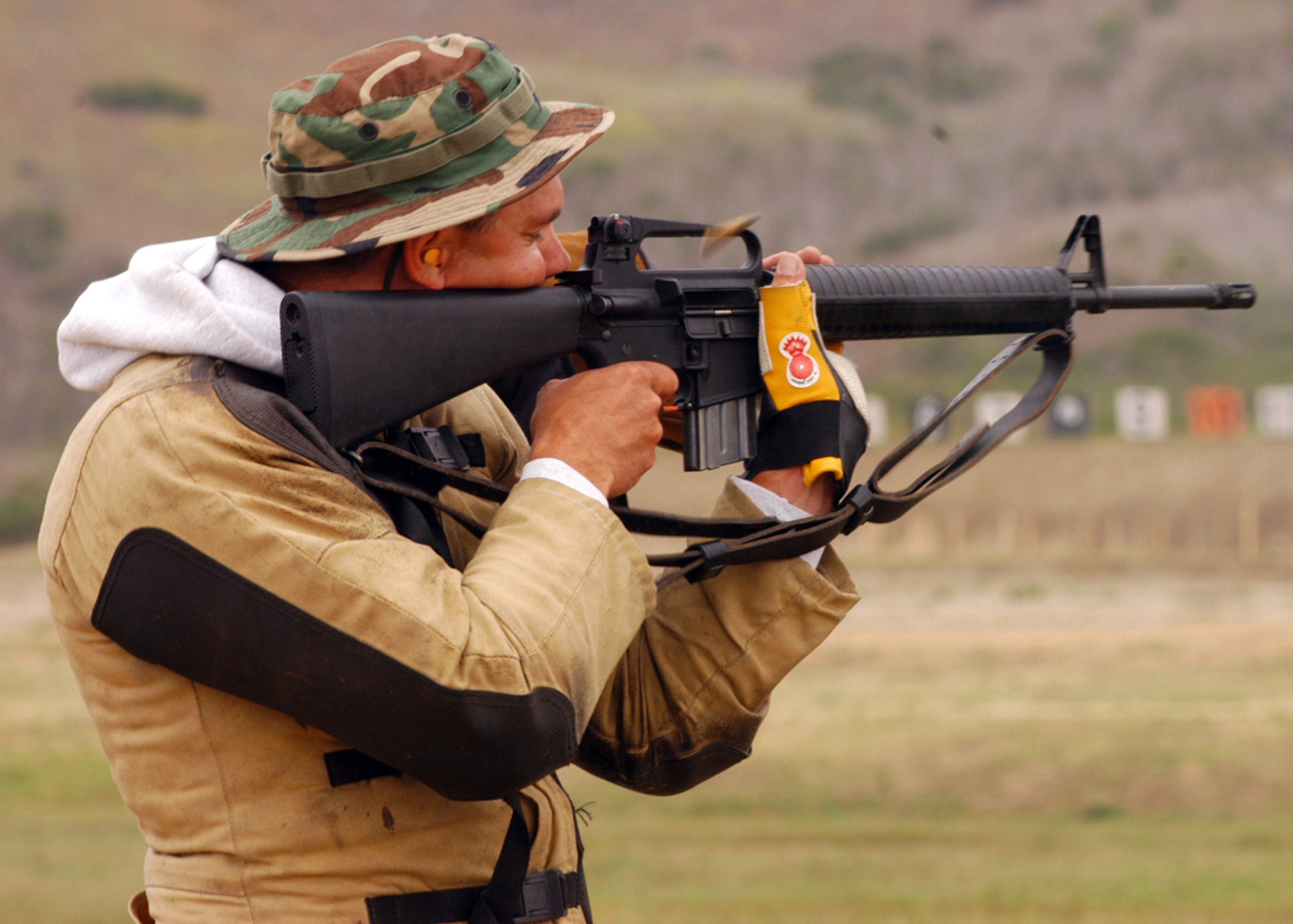
AR-15-style semiautomatic rifles are among the firearms most exposed to changing state restrictions because lawmakers often regulate them through features, models, or both. California, for example, restricts specified AR-15 variants and certain semiautomatic centerfire rifles with listed characteristics. As of May 2026, 11 states and Washington, D.C., had laws prohibiting the purchase and/or possession of assault weapons. That does not mean every AR-pattern rifle is prohibited nationwide. Ownership can depend on the state, exact configuration, grandfathering rules, and whether legislation changes the definition.
2. AK-Pattern Semiautomatic Rifles

AK-pattern semiautomatic rifles face a similar legal issue, particularly where statutes identify AK variants by name or regulate rifles according to features. California law, for example, expressly covers models that are variations of the AK or AR-15, while other jurisdictions use different definitions. As of May 2026, 11 states plus Washington, D.C., had assault-weapon prohibitions. An AK-pattern rifle legal in one state may therefore face restrictions elsewhere, and future legislation can alter which models or configurations fall within a regulated category. The label alone does not determine legality.
3. Feature-Rich Semiautomatic Pistols
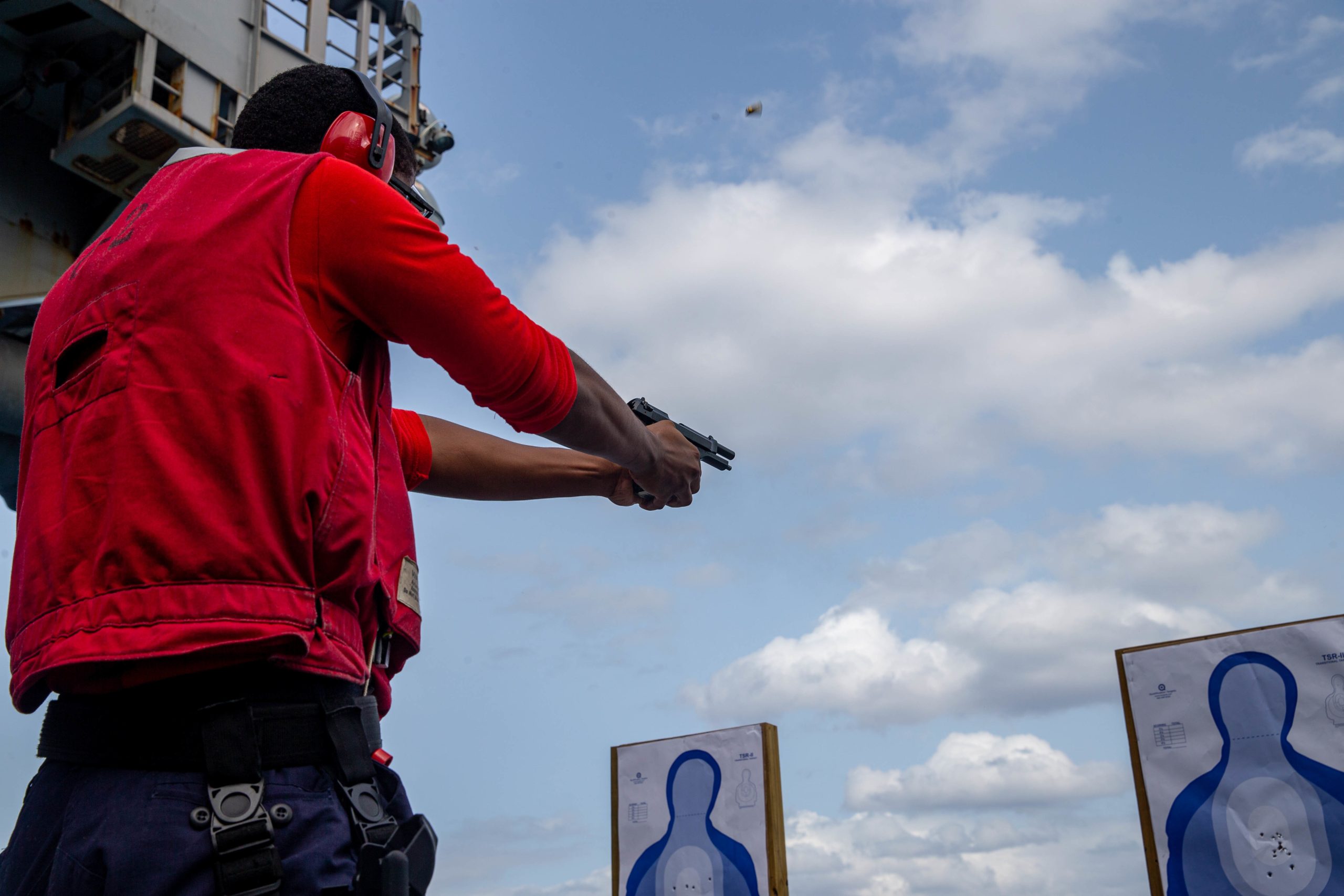
Certain semiautomatic pistols can face tighter rules when a state law focuses on design features rather than a model name. California, for example, includes some semiautomatic pistols with features such as threaded barrels, a second handgrip, or detachable magazines located outside the pistol grip within its assault-weapon definition. Maryland has enacted a different restriction: beginning January 1, 2027, SB 334 prohibits the manufacture, sale, purchase, receipt, or transfer of defined machine-gun-convertible pistols, subject to exceptions. A model’s name is therefore only one part of the legal analysis.
4. Firearms Using Large-Capacity Magazines
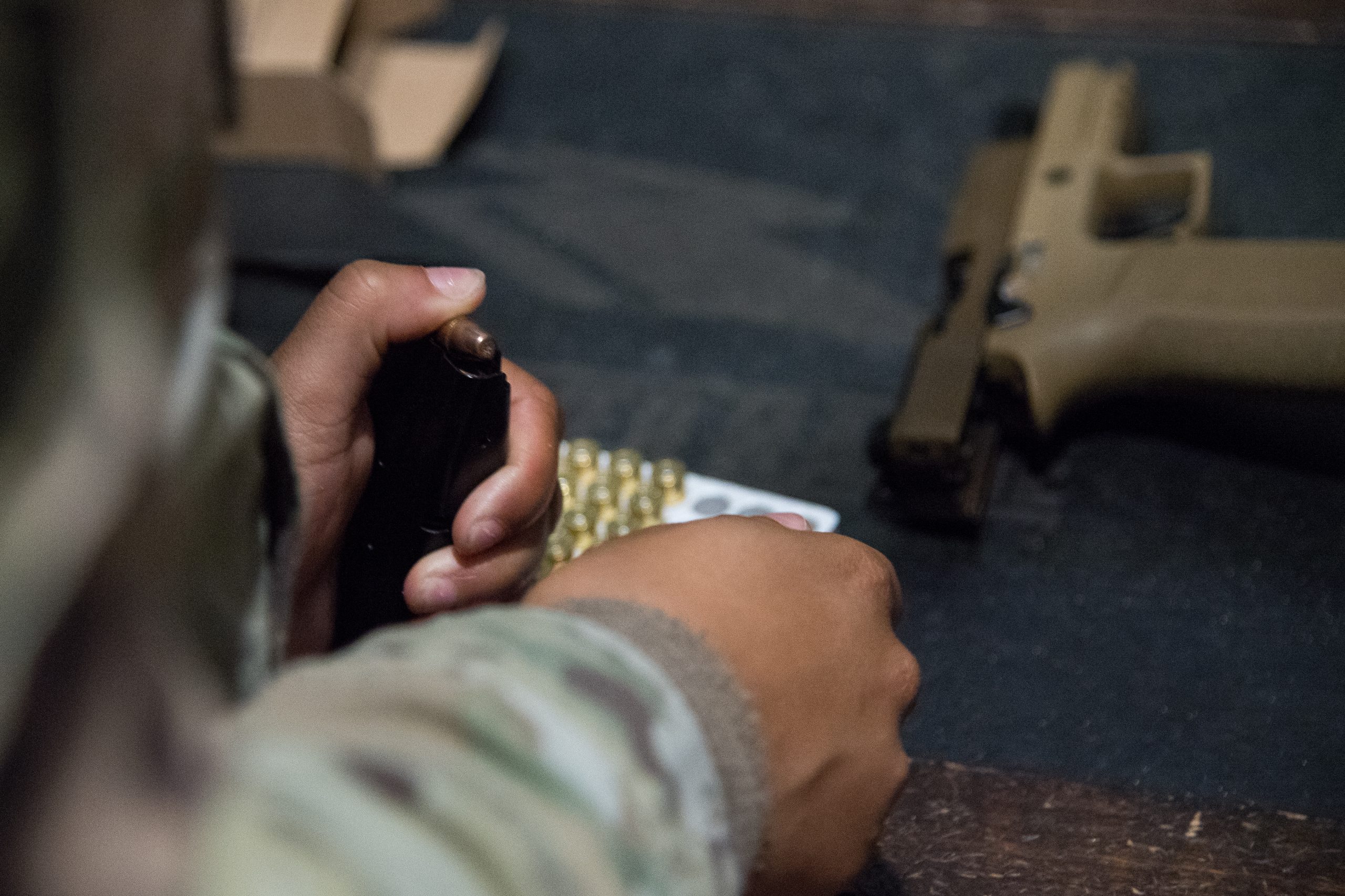
Firearms commonly paired with magazines holding more than 10 rounds can become harder to own where magazine limits apply, even when the firearm itself is not banned. As of May 2026, 15 states and Washington, D.C., prohibited the purchase of high-capacity magazines, and 12 of those states also regulated possession. California, for example, generally prohibits magazines capable of accepting more than 10 rounds. These rules can affect a semiautomatic pistol, rifle, or other firearm depending on its magazine system. Exact definitions, exceptions, and grandfather provisions differ by state.
5. Privately Made Firearms
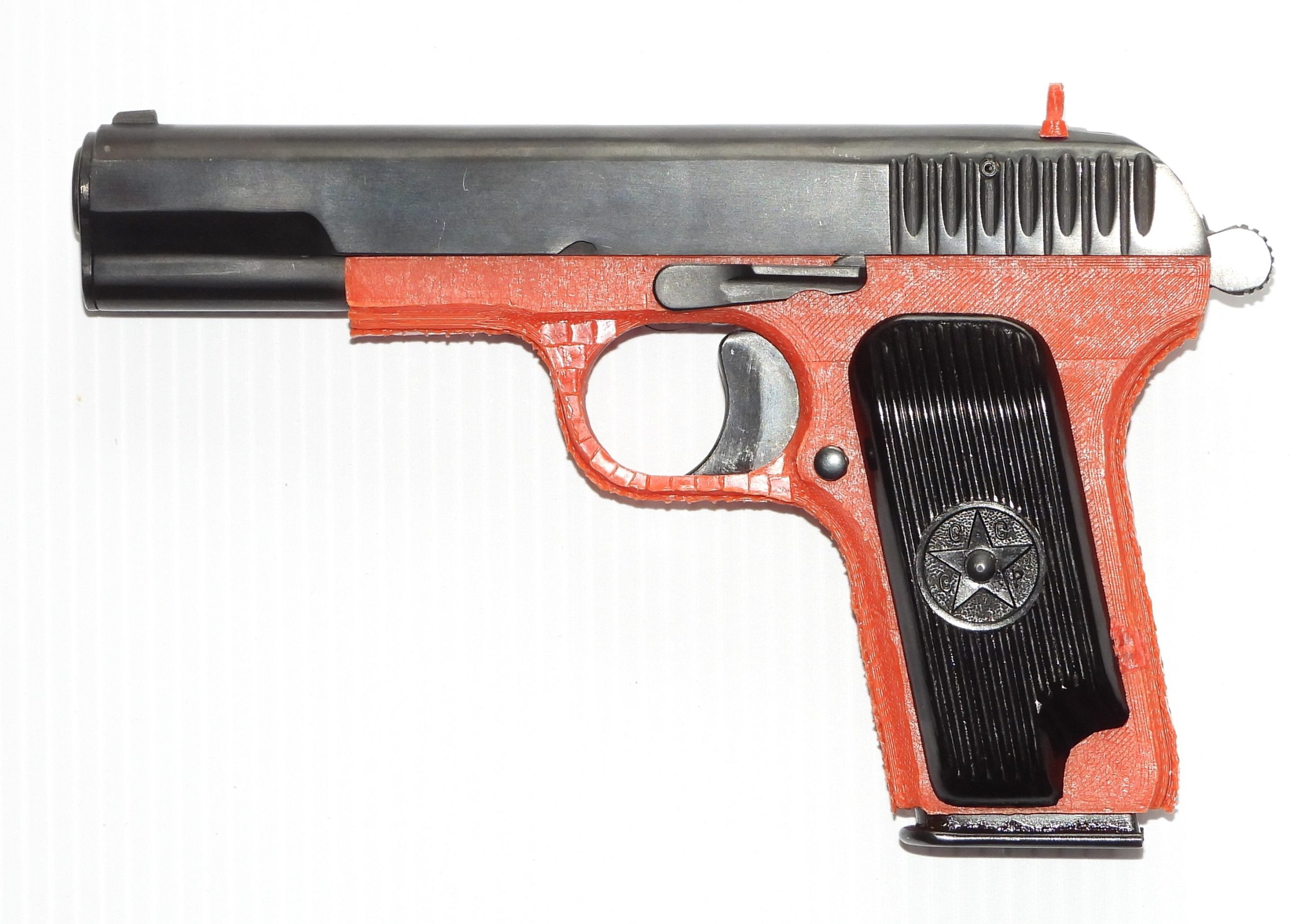
Privately made firearms, often called ghost guns, face an expanding patchwork of state requirements. ATF says federal law does not make every privately made firearm illegal and recognizes circumstances in which individuals may make firearms for themselves. However, state rules can add serial-number, background-check, reporting, or manufacturing restrictions. As of January 2026, 17 states had laws regulating ghost guns, according to Everytown’s state-law tracker. The rules differ considerably: some cover component parts, while others address 3D-printed firearms or require additional identification. Federal and state definitions should be checked separately before any transfer.
6. Short-Barreled Rifles
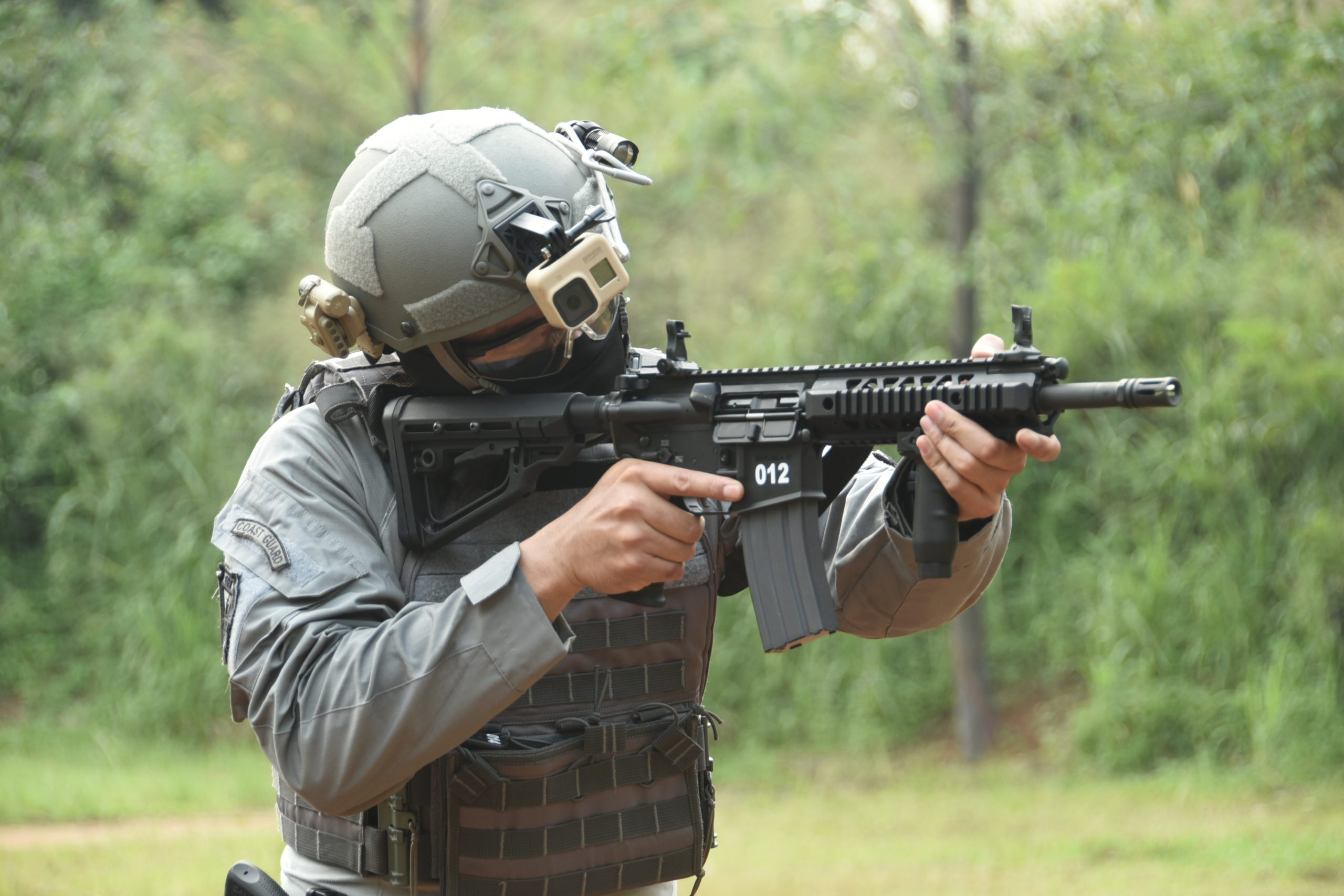
Short-barreled rifles occupy a separate legal category because federal law already treats them as National Firearms Act firearms. ATF defines a rifle with a barrel under 16 inches, or a rifle-derived weapon under 26 inches overall, as subject to the NFA. The framework also covers several other categories and dates to 1934. State law can add further restrictions, so an SBR that is federally compliant may still be restricted locally. Changes in state statutes or federal rules can therefore affect the ownership, transfer, or continued legality of these compact rifles. Federal registration and state legality are separate questions for owners.
7. Machine Guns
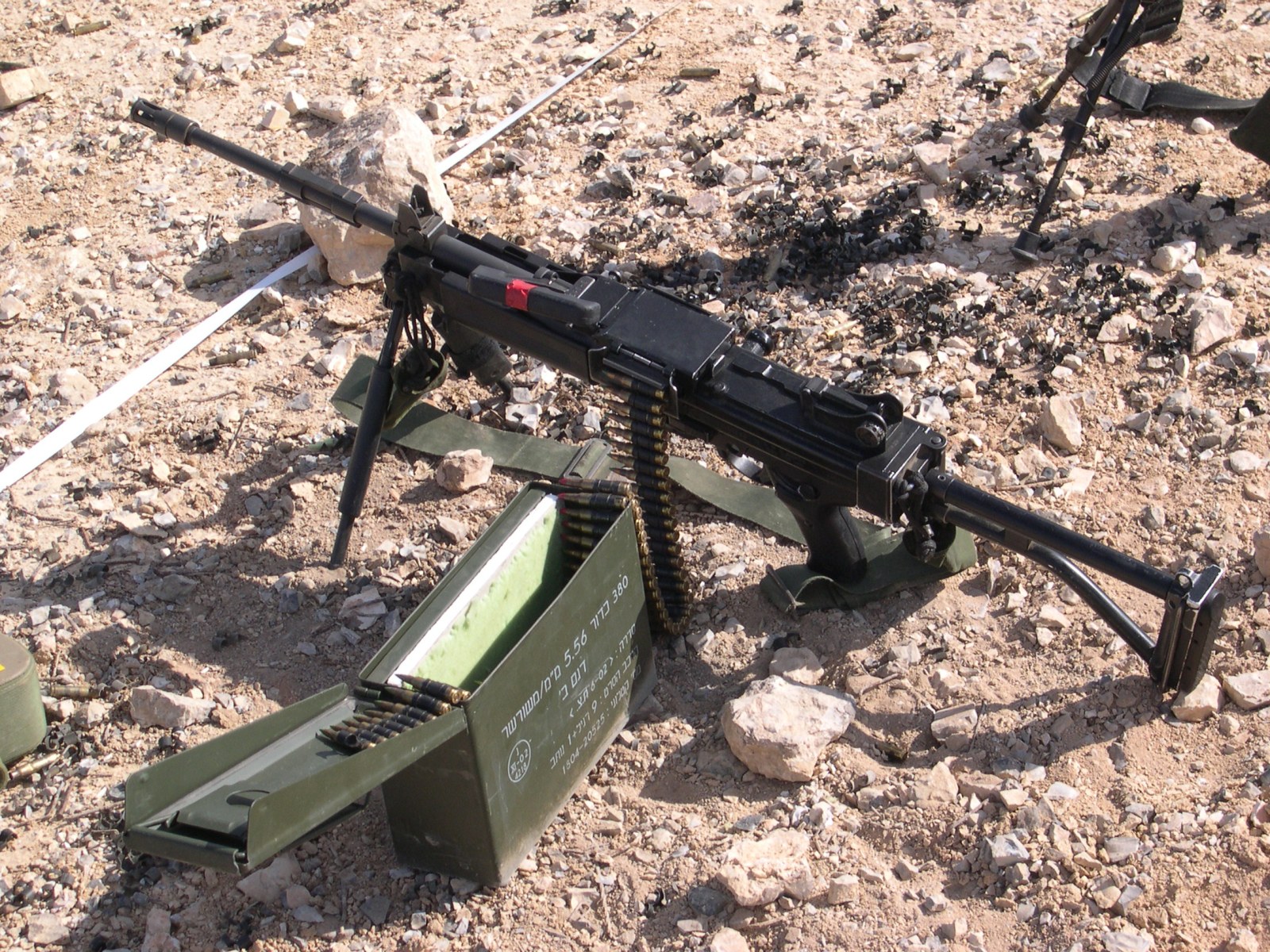
Machine guns are already among the most tightly controlled civilian firearms under federal law, making them important whenever ownership rules change. The Firearm Owners’ Protection Act of 1986 amended federal law to prohibit transfers and possession of machine guns made after May 19, 1986, with limited exceptions for government agencies and guns lawfully possessed before that date. In May 2026, ATF revised its regulations after the Supreme Court’s Cargill decision concerning bump stocks. These rules show how dates and definitions can determine whether possession is lawful. Numerical detail: the key federal cutoff date is May 19, 1986.