Hunting entertainment in the United States is no longer limited to cable television, scheduled episodes, and professional outdoor networks. YouTube channels, social media creators, and independent production teams now bring viewers into the field through full-length hunts, scouting trips, equipment tests, and personal stories. Their appeal comes from direct access to real experiences, regular uploads, and the freedom to explore hunting beyond a traditional TV format. Although these creators are not eliminating outdoor television, they are changing how audiences discover hunting personalities and follow seasons throughout the year.
1. The Hunting Public
The Hunting Public built its following around ordinary hunters tackling public land, changing conditions, and real-season uncertainty. The team began posting in 2017 and shares field journals, practical lessons, and conversations about deer, turkey, and other game. Viewers see scouting decisions and failed attempts as well as successful hunts, which makes each trip feel less like a polished television segment. Its regular online format also lets fans follow a season through many episodes instead of waiting for a weekly broadcast. The channel launched in 2017.
2. MeatEater and Steven Rinella
Steven Rinella’s MeatEater blends hunting trips with wildlife knowledge, conservation discussions, and wild-game cooking. Rather than ending the story when an animal is harvested, episodes often follow the process through field preparation and the meal, giving the adventure a wider context. Podcasts, books, and digital videos extend the experience beyond the screen. It suits viewers who want entertainment and useful background. Its 3-part mix keeps the story useful after the hunt ends. It feels personal.
3. Born and Raised Outdoors
Born and Raised Outdoors is known for western big-game adventures, especially elk hunting, emphasizing preparation, teamwork, and learning. Its videos take viewers through the rhythm of a trip: studying terrain, calling, moving carefully, and adjusting when animals do not behave as expected. The channel’s group-based storytelling makes the hunt feel like a shared expedition rather than a host-led television production. Viewers can compare locations and tactics as weather, pressure, and patience shape outcomes. Preparation, teamwork, and adaptation define its appeal.
4. Seek One
Seek One brings a distinctive focus to whitetail deer hunting near developed areas, where access, local rules, and careful planning can shape the entire challenge. Its videos follow the search for mature bucks and show how hunters read sign, assess property boundaries, and make decisions in tight settings. That urban and suburban angle differs from the wide-open western landscapes often featured on television. Each hunt brings fresh constraints and surprises as deer behavior changes. The 2 key challenges are finding deer and respecting access rules.
5. Deer Meat for Dinner
Rob Arrington’s Deer Meat for Dinner combines hunting with fishing, family life, travel, and cooking, making it accessible even to viewers who do not watch hunting programs regularly. A typical story can move from finding food outdoors to preparing it at home, connecting the adventure with the final meal. Its personality-led videos suit viewers who prefer flexible online viewing to scheduled TV. Hunting becomes one part of a broader outdoor lifestyle. Its 3-part appeal is adventure, family, and food. That combination gives each video a clear beginning, middle, and end.
6. Randy Newberg, Hunter
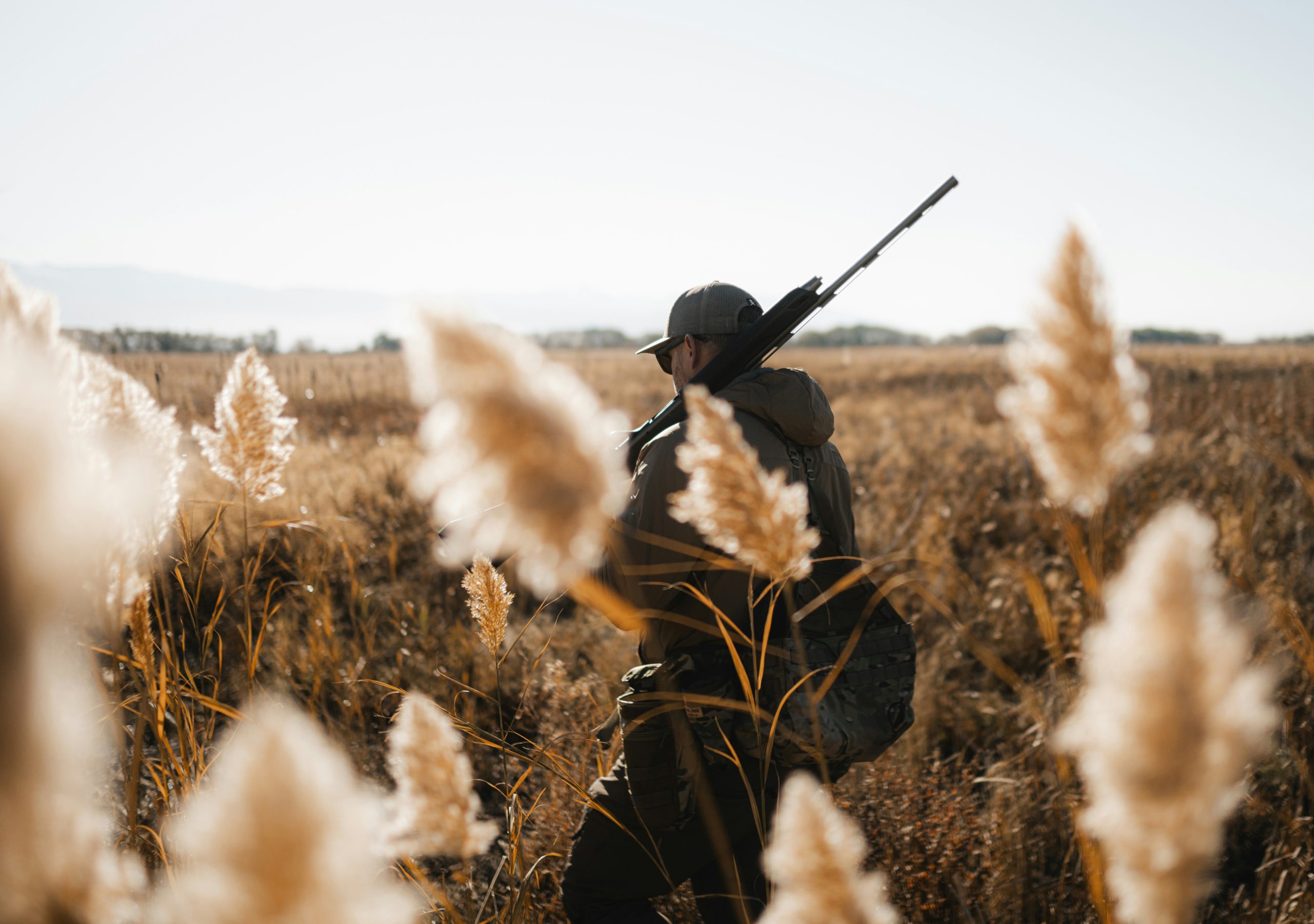
Randy Newberg focuses on do-it-yourself public-land hunting and the practical work behind western big-game seasons. His content often explores regulations, access, maps, planning, and the decisions hunters must make before reaching the field. This helps viewers learn the process, not just watch a dramatic finish. He also connects individual trips with public-land access and conservation. His videos return to 3 essentials: access, planning, and conservation. Newcomers gain context, while experienced hunters can revisit access and season-planning details.
7. Hushin
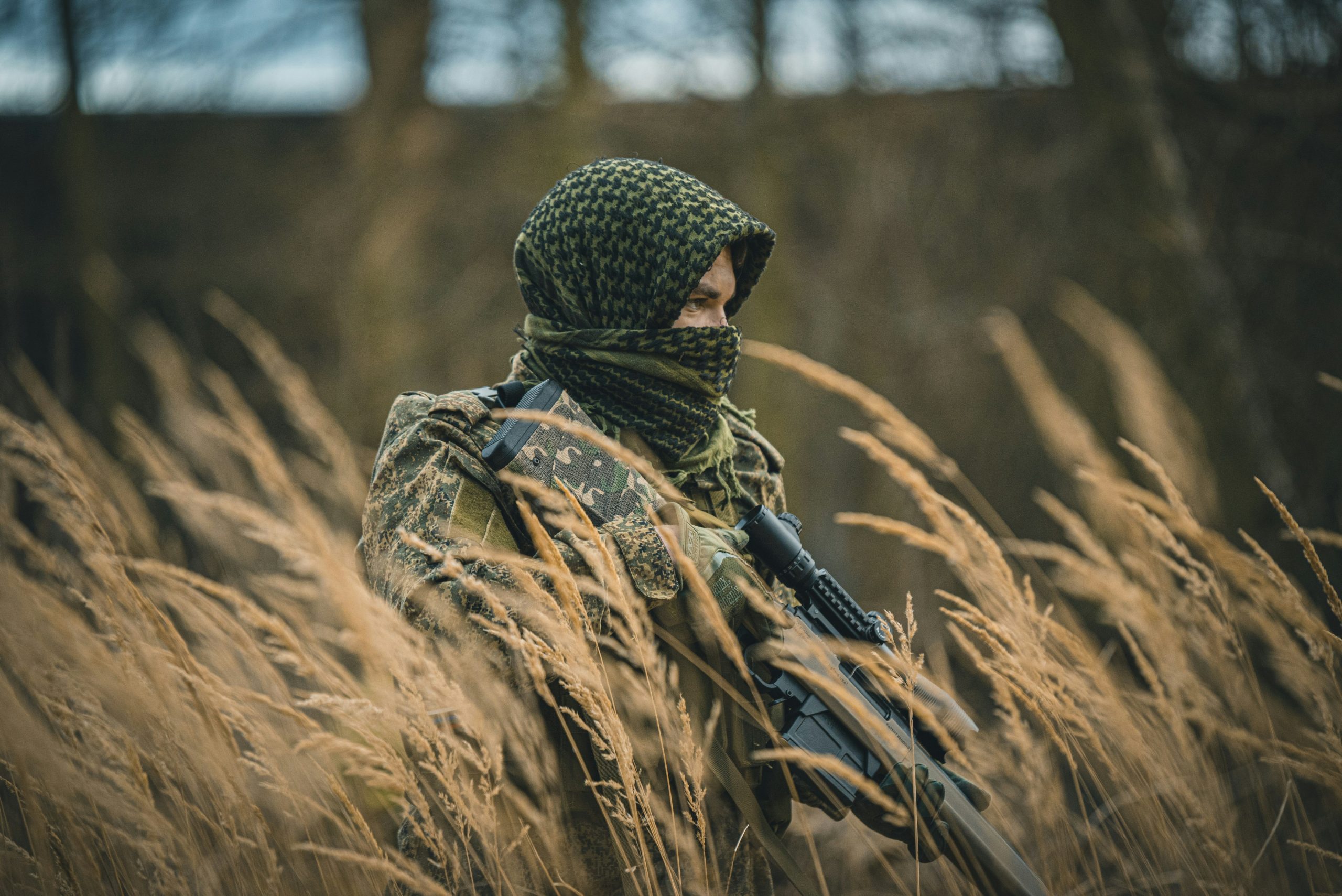
Hushin presents hunting as a group adventure, with western trips, camp life, travel, and the unpredictable moments that occur between major events. The channel’s appeal comes from following a crew through the full experience rather than seeing only a carefully edited success. Viewers see the effort of reaching hunting areas and adapting to conditions. The casual style feels like a continuing video diary rather than a TV episode. Its 3 sides are the hunt, camp life, and travel. The stories show that trips involve logistics, weather, and time together, not just the moment an animal appears.
8. The Hunting Beast

Dan Infalt’s The Hunting Beast is especially associated with close-range whitetail strategy, including difficult terrain and pressured deer. Instead of relying on cinematic travel sequences, the channel places more attention on fieldcraft: reading sign, choosing access routes, understanding bedding areas, and learning from mistakes. Infalt’s approach appeals to viewers who want detailed explanations they can study before a hunt. The practical lessons serve viewers who want detail over polished TV drama. Three recurring themes are sign, access, and timing.