Ranch life puts firearms to work in ways that go beyond target practice or recreational shooting. A rancher might need a rifle for managing predators where lawful, a dependable shotgun for close-range farm duties, or a practical firearm that tolerates dust, rain, and long hours in a vehicle. Weight, ammunition availability, ease of maintenance, and years of proven service can matter more than the latest features or impressive range performance. These 11 firearms illustrate why rural users often value reliability, versatility, and practical ownership costs over the qualities that attract attention at an urban shooting range.
1. Winchester Model 1894
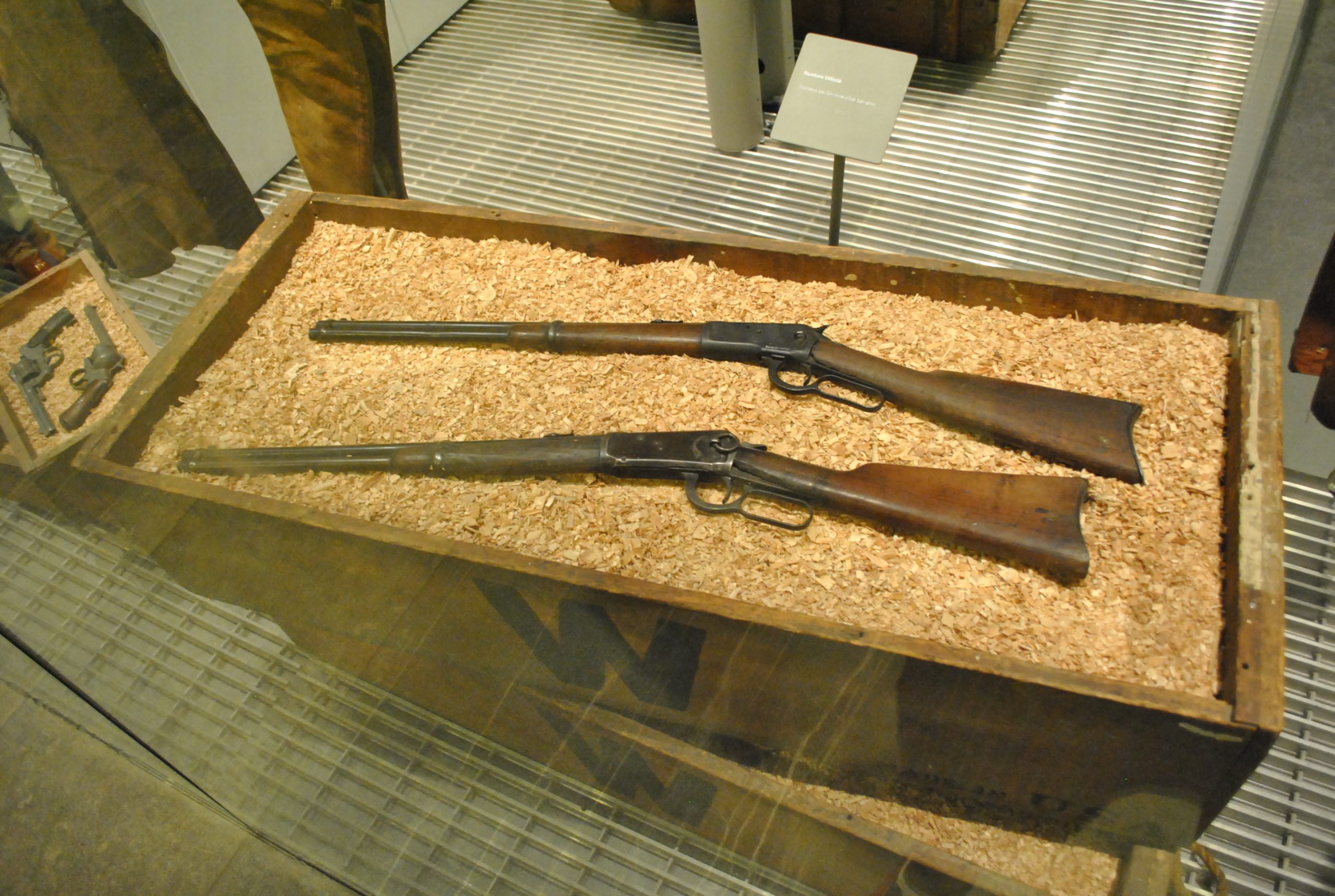
Introduced in 1894, the Winchester Model 1894 became closely associated with working life across the American West. Its lever-action design is compact enough to carry on horseback or in a ranch truck, while common chamberings such as .30-30 Winchester have long been used for deer-sized game. Ranchers may appreciate its familiar controls and decades of service more than high-capacity magazines or tactical styling. Older examples vary greatly in condition, however, so a used rifle deserves a careful inspection by a qualified gunsmith before it is trusted.
2. Marlin 336

The Marlin 336 entered production in 1948 and earned a reputation as a practical lever-action rifle for woods and fields. Many versions are chambered in .30-30 Winchester, a cartridge widely available in North America and suited to typical deer-hunting distances. Its side-ejecting action can accommodate a traditional scope more easily than some top-ejecting designs. For a rancher, straightforward handling and a long record of use may outweigh the appeal of a newer platform. Features differ by production year, so check the individual rifle rather than assuming every 336 is identical.
3. Ruger American Rifle
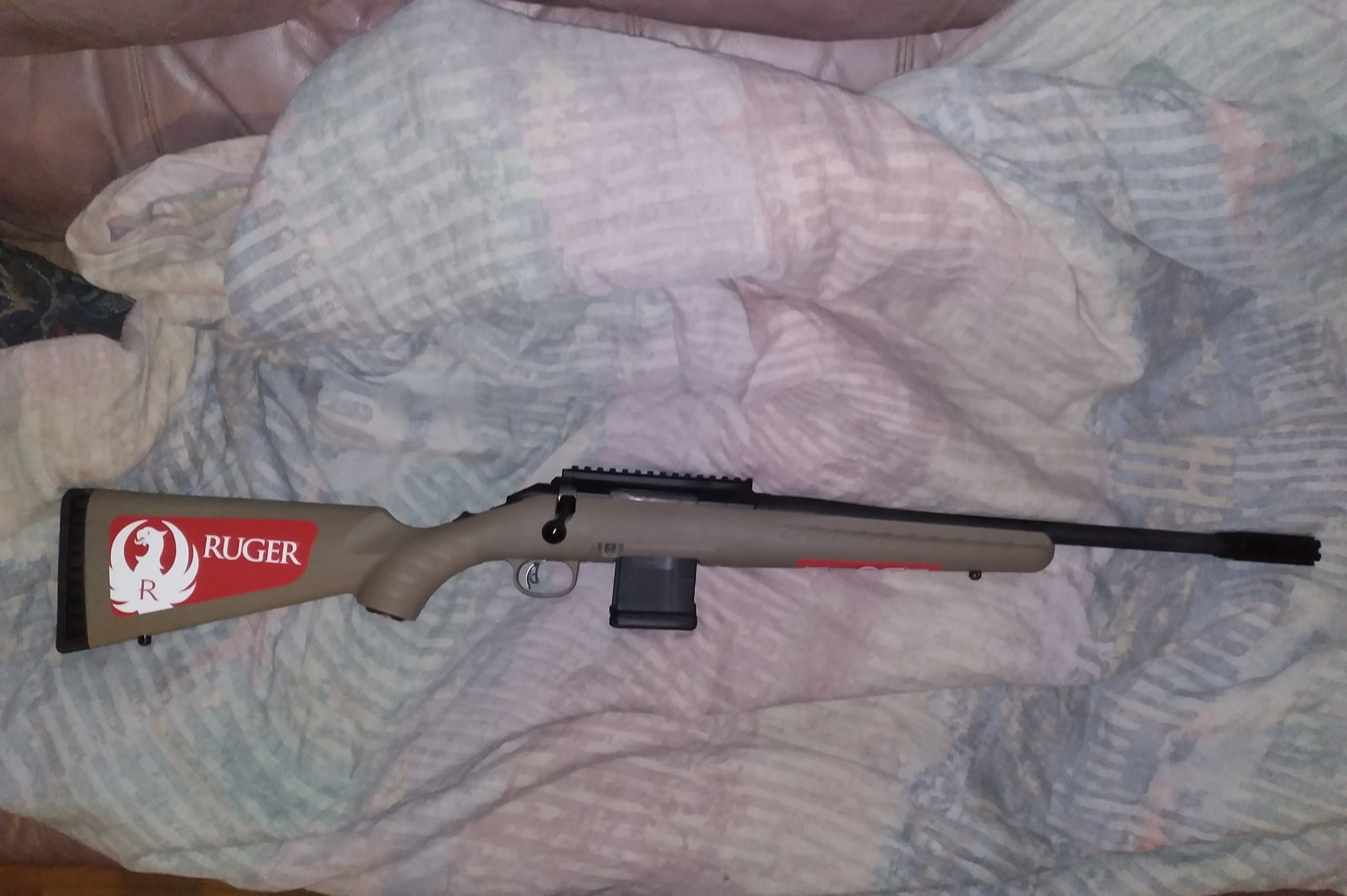
First released in 2012, the Ruger American Rifle was designed as an affordable bolt-action sporting rifle. Depending on the version, it is offered in familiar hunting chamberings such as .308 Winchester and .30-06 Springfield. A synthetic stock and simple construction can make it sensible for outdoor use where weather and rough transport are everyday concerns. Ranchers may value consistent accuracy and easy upkeep over ornate wood or premium finishes. Model generations vary, so verify chambering, magazine type, and fit before purchasing. Check the exact variant.
4. Remington Model 700
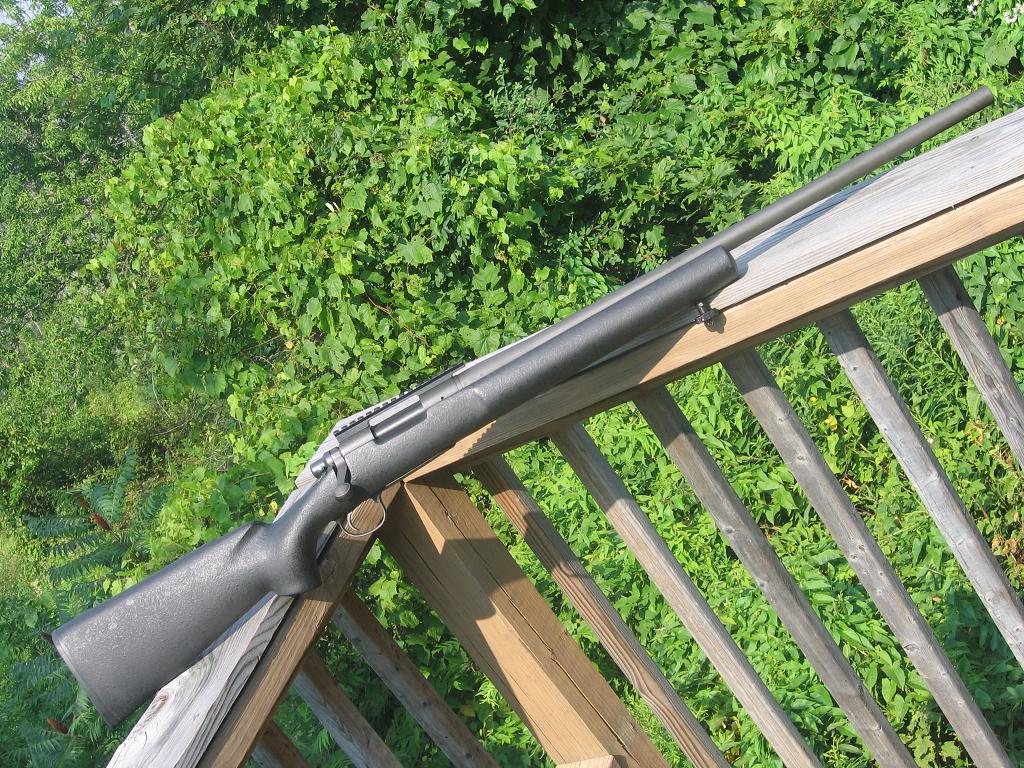
Introduced in 1962, the Remington Model 700 became one of America’s best-known bolt-action rifle families. Its broad range of chamberings and aftermarket support make it adaptable to different lawful hunting needs, from lighter game cartridges to larger options. Ranchers who own one may find ammunition and servicing familiar, although availability depends on location and model. Its long history does not make every example equally suitable: older or modified firearms should be checked for safe condition, and model-specific safety information reviewed before use.
5. Winchester Model 70
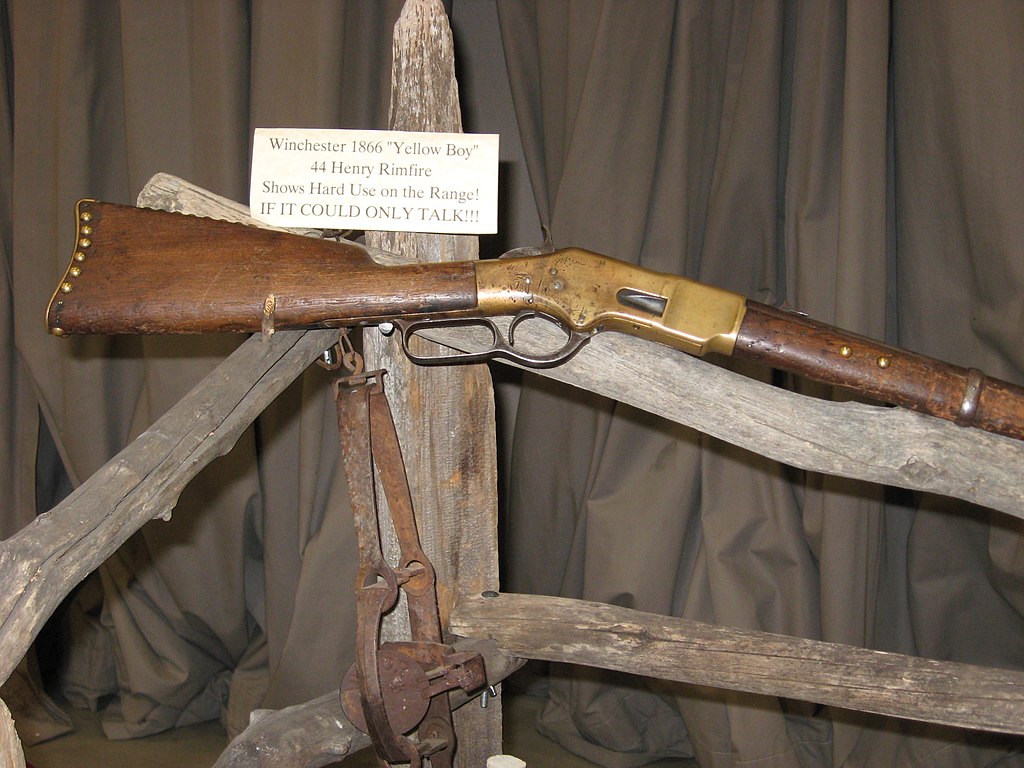
The Winchester Model 70 debuted in 1936 and is often called a classic American sporting rifle. It has been sold in numerous chamberings and configurations, giving buyers choices for different terrain and game. Ranchers may prefer its familiar bolt-action operation and durable hunting design to a rifle built mainly for competition. Its reputation is no substitute for evaluating an individual firearm. Production details changed over the decades, and weight, action features, and accuracy can differ by version. A sound fit and suitable cartridge matter more than a famous name.
6. Browning BAR
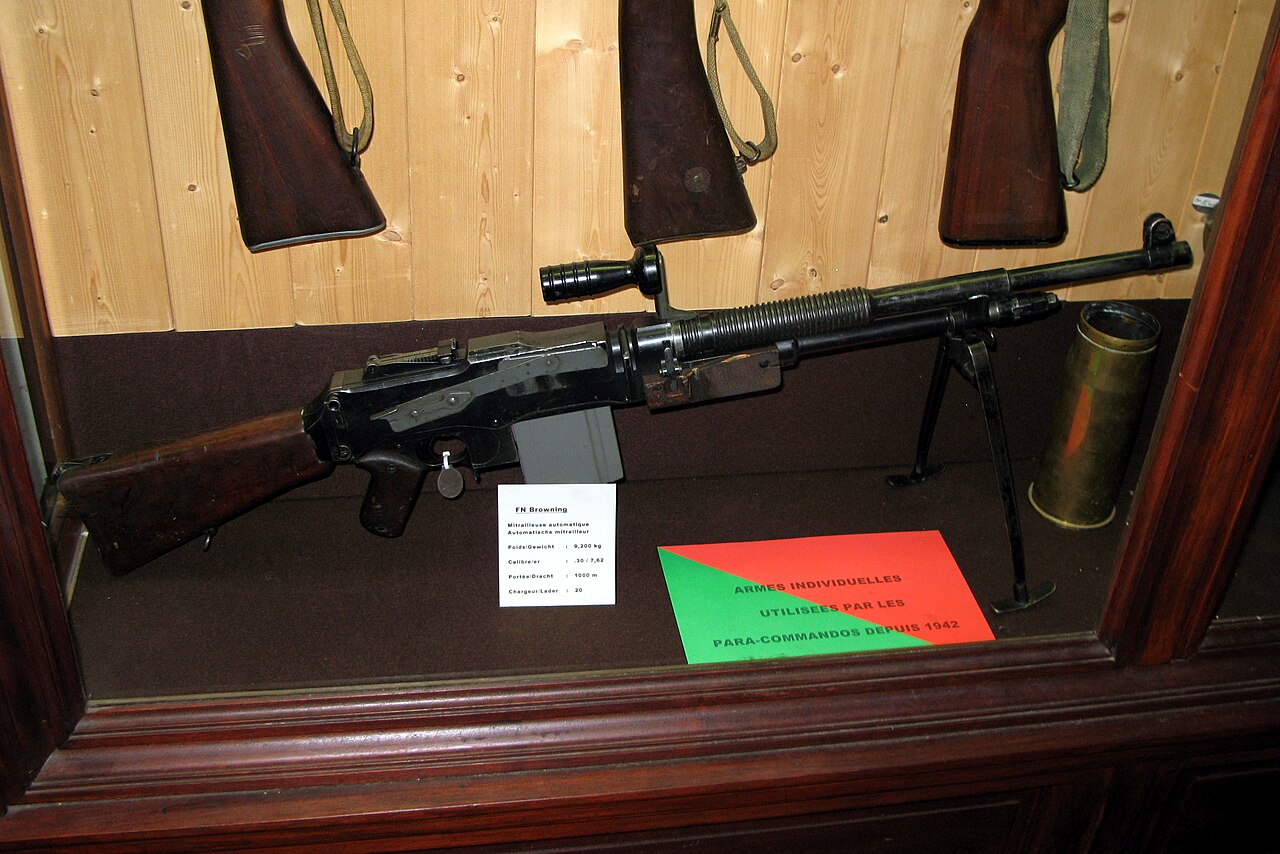
Introduced in 1967, the Browning BAR sporting rifle uses a gas-operated semi-automatic action and should not be confused with the military Browning Automatic Rifle. It has been offered in hunting cartridges including .308 Winchester and .30-06 Springfield, depending on model. The action can make follow-up shots less disruptive than cycling a bolt, but the rifle is generally heavier and more complex than a basic bolt-action. Ranchers may choose it for field performance while considering cleaning needs, parts support, and the cost of a well-maintained example.
7. Mossberg 500

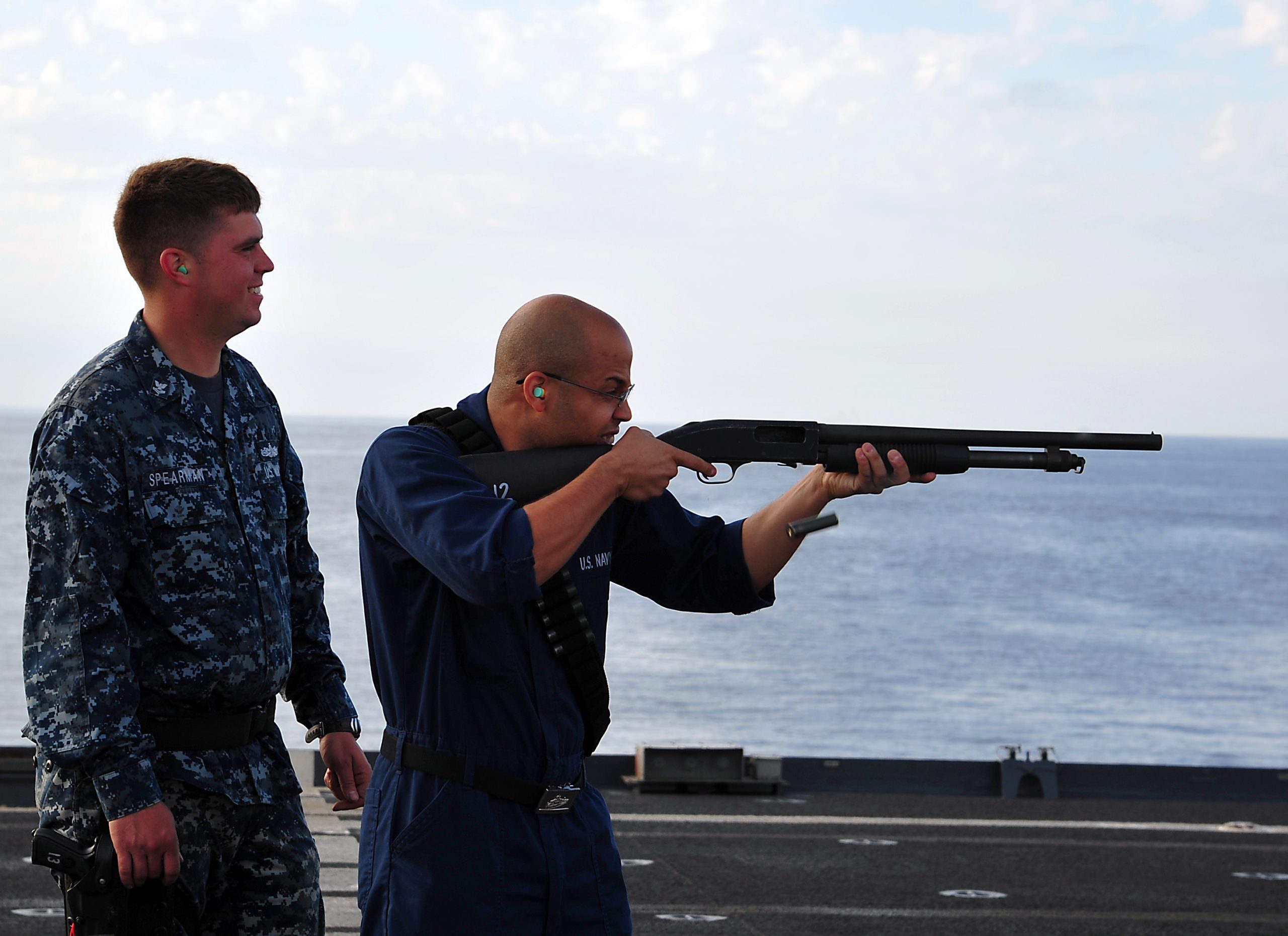
Since its introduction in 1961, the Mossberg 500 pump-action shotgun has become a common choice for farm, sporting, and home use. Many versions accept 12-gauge ammunition, while 20-gauge models offer a lighter alternative for some users. Interchangeable barrels and a wide range of configurations help explain its appeal, though parts are not universally interchangeable across every variant. On a ranch, a shotgun may serve lawful pest-control or hunting roles where local rules permit. Its practical attraction is versatility, but safe storage and using the correct ammunition remain essential.
8. Remington 870
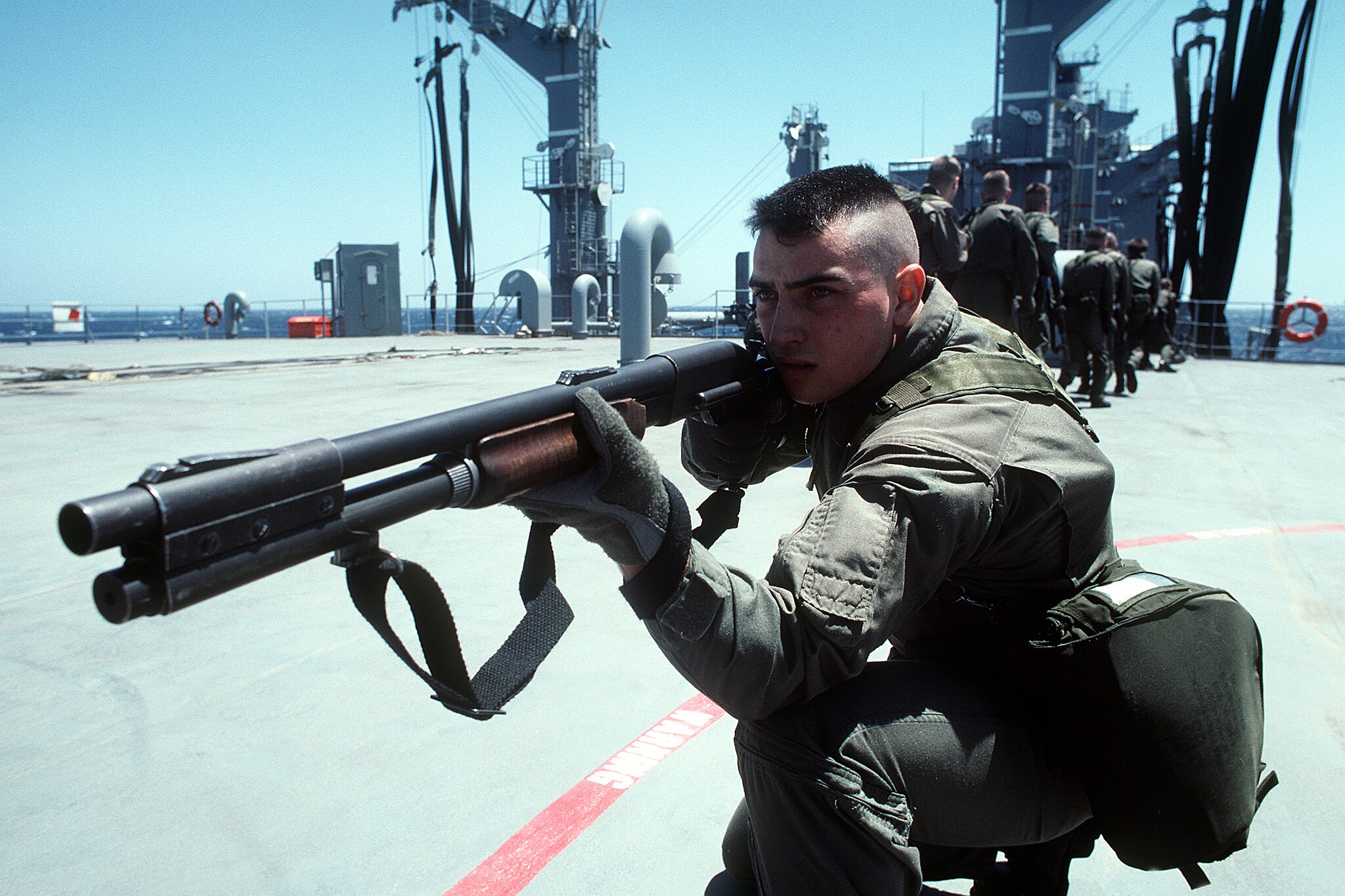
Launched in 1950, the Remington 870 is one of the most widely recognized pump-action shotguns in the United States. It has been produced in 12 gauge and several other gauges, with versions for hunting, sport shooting, and other uses. A rancher may value its long service history and the familiarity of a simple manual action, especially in a household that already maintains one. Yet the 870 name covers many variants and production periods, and condition can vary significantly. Inspect the chamber, bore, action, and safety with a qualified professional before relying on a used example.
9. Ruger 10/22
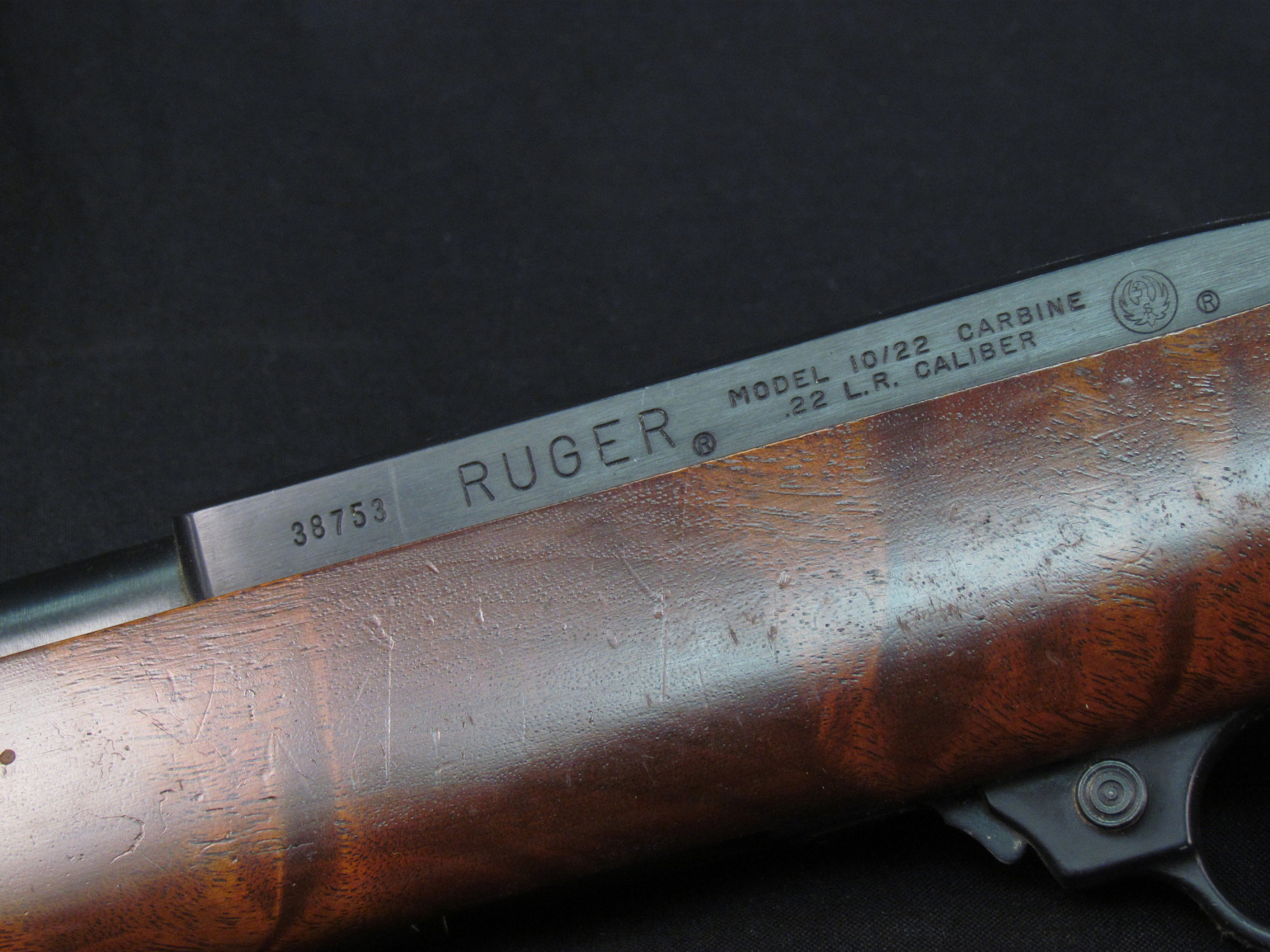
Introduced in 1964, the Ruger 10/22 is a lightweight semi-automatic rifle chambered in .22 Long Rifle. Its modest report, low recoil, and relatively inexpensive ammunition make it useful for recreational practice and certain small-game tasks where lawful. On a large property, it may be easier to carry for informal range sessions than a full-size centerfire rifle. It is not a substitute for a more powerful hunting firearm when the task requires one. Ranchers often appreciate how approachable it is for routine practice, while still following local laws and safe backstop rules.
10. Henry Golden Boy
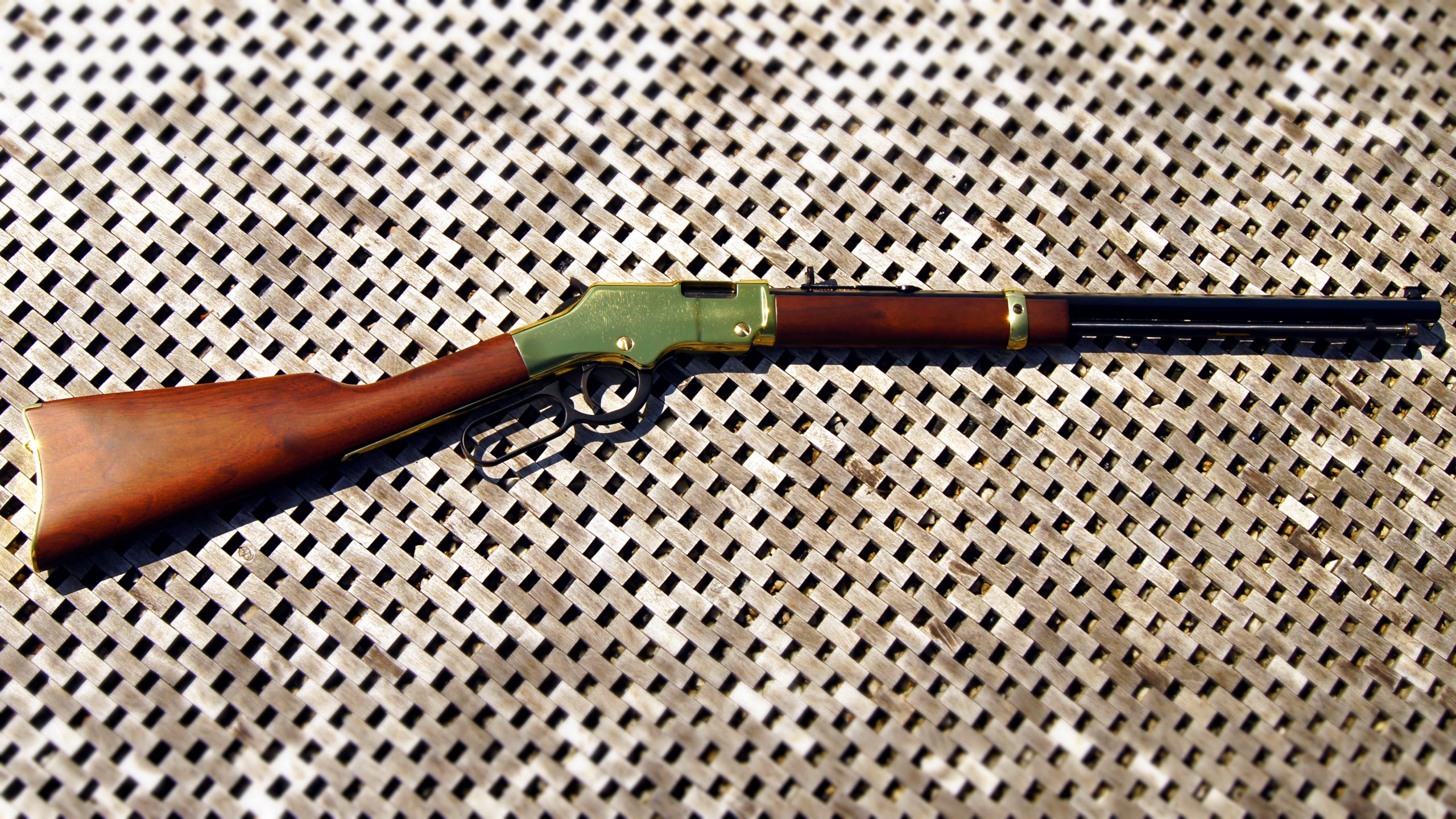
Henry introduced the Golden Boy in 1997 as a modern lever-action rifle with a traditional appearance. Common versions are chambered in .22 Long Rifle, with other rimfire options offered across the broader Henry line. Its light recoil and manageable size suit recreational shooting and small-game use where permitted, while the polished brass-tone receiver and walnut stock give it a distinctive look. A rancher may choose it for enjoyable, low-cost practice rather than heavy-duty work. The finish can show wear with rough handling, so it is best matched to the job and maintained accordingly.
11. Glock 19
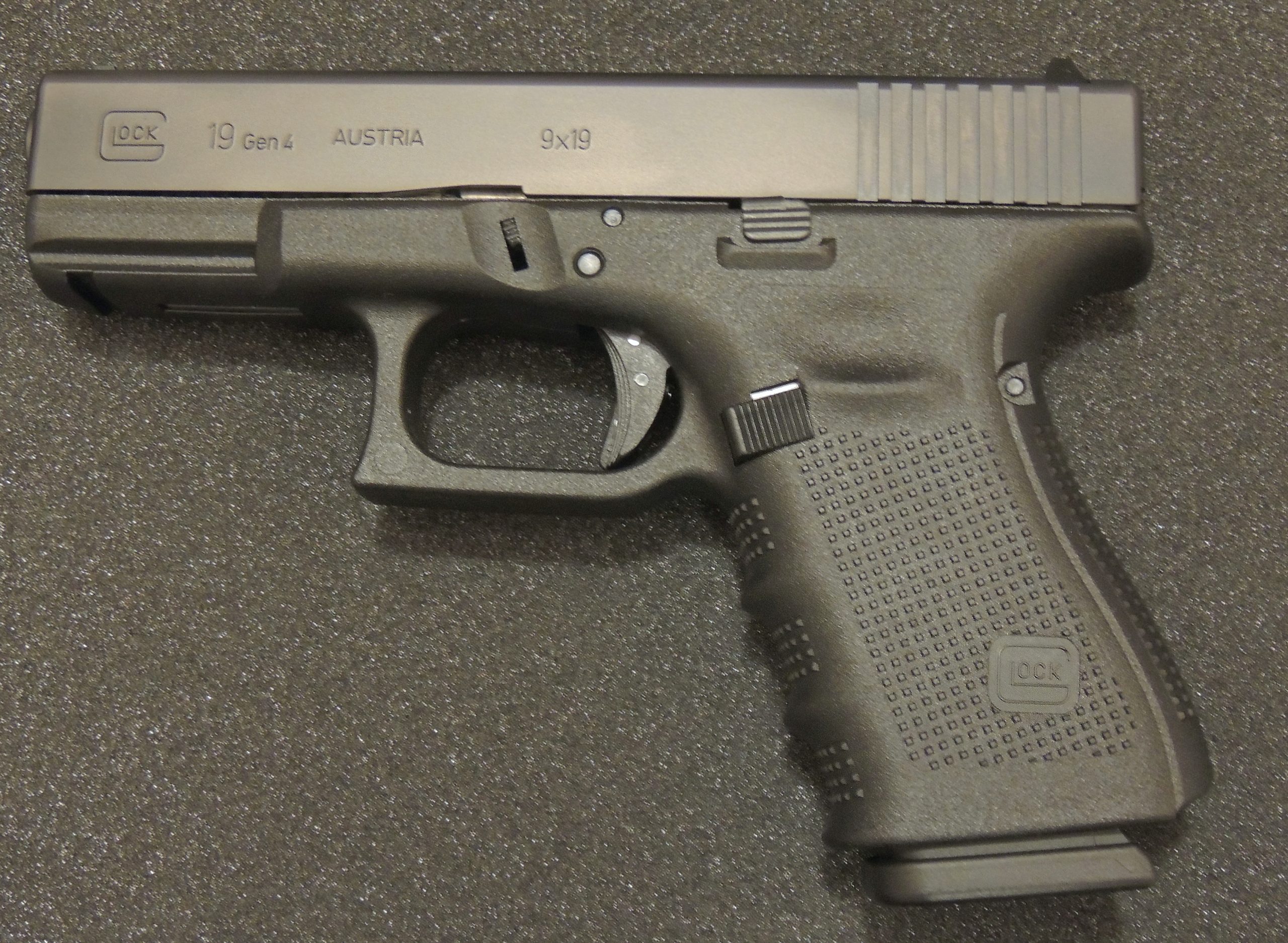
Introduced in 1988, the Glock 19 is a compact 9×19 mm semi-automatic pistol used for lawful personal protection and range practice. Its polymer frame keeps weight moderate, and magazine capacity depends on the magazine and applicable law. Some ranchers prefer a handgun because it can be carried more conveniently than a long gun during certain tasks, although it cannot replace a rifle or shotgun. Rural owners may prioritize fit, secure carry, weather exposure, and maintenance over accessories. Training and local legal requirements are essential.