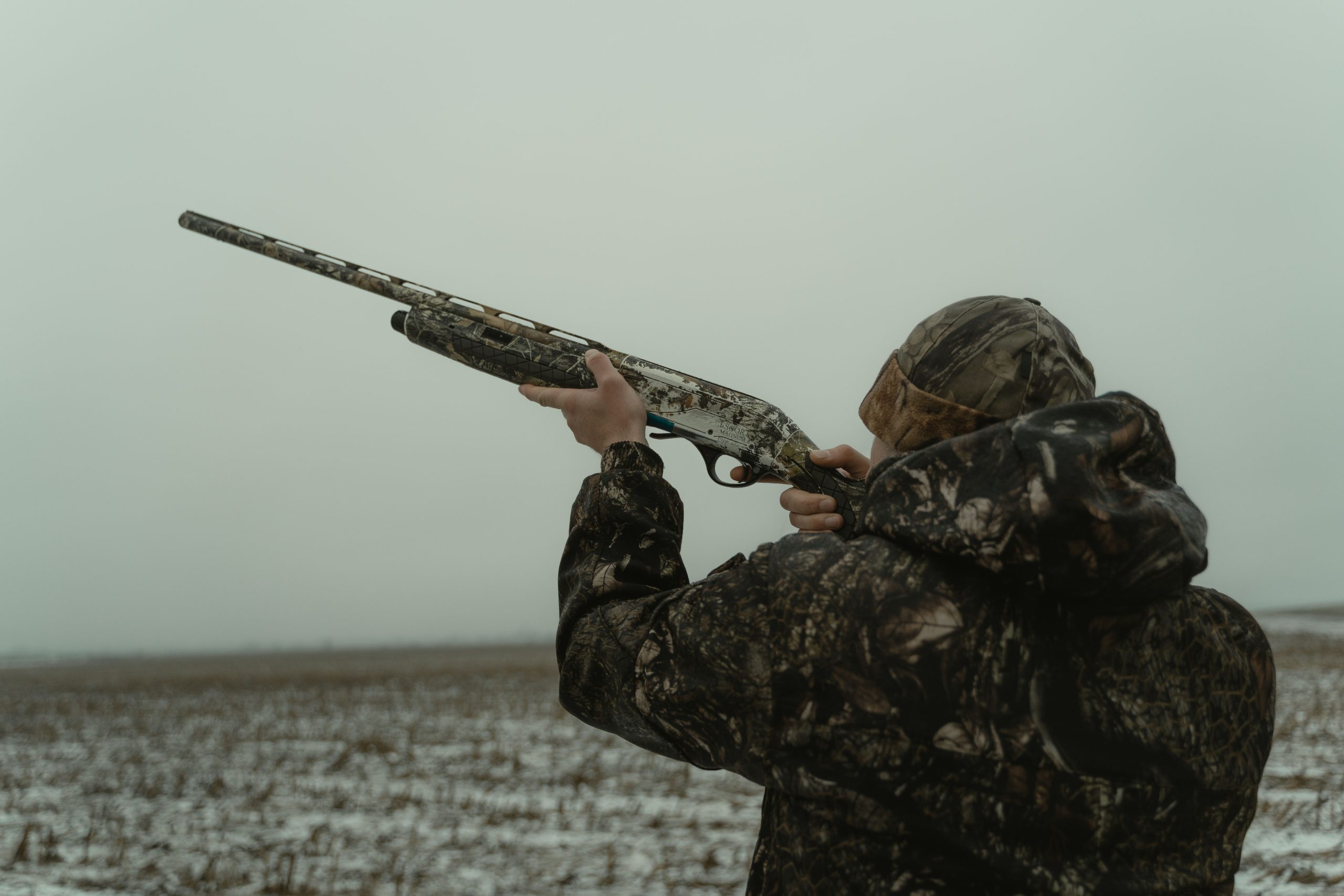
Ammunition rules are becoming an increasingly important part of preseason planning. For the 2026-27 hunting year, hunters may encounter stricter nonlead requirements, different rules on federal land, new youth-hunt provisions, and incentives for trying lead-free loads. These changes do not apply everywhere, so a cartridge that is legal in one location may not be legal in another. Checking the current regulations, ammunition construction, shot size, and hunting property before opening day can prevent costly mistakes.
1. Minnesota Removes a Lead-Free Exception
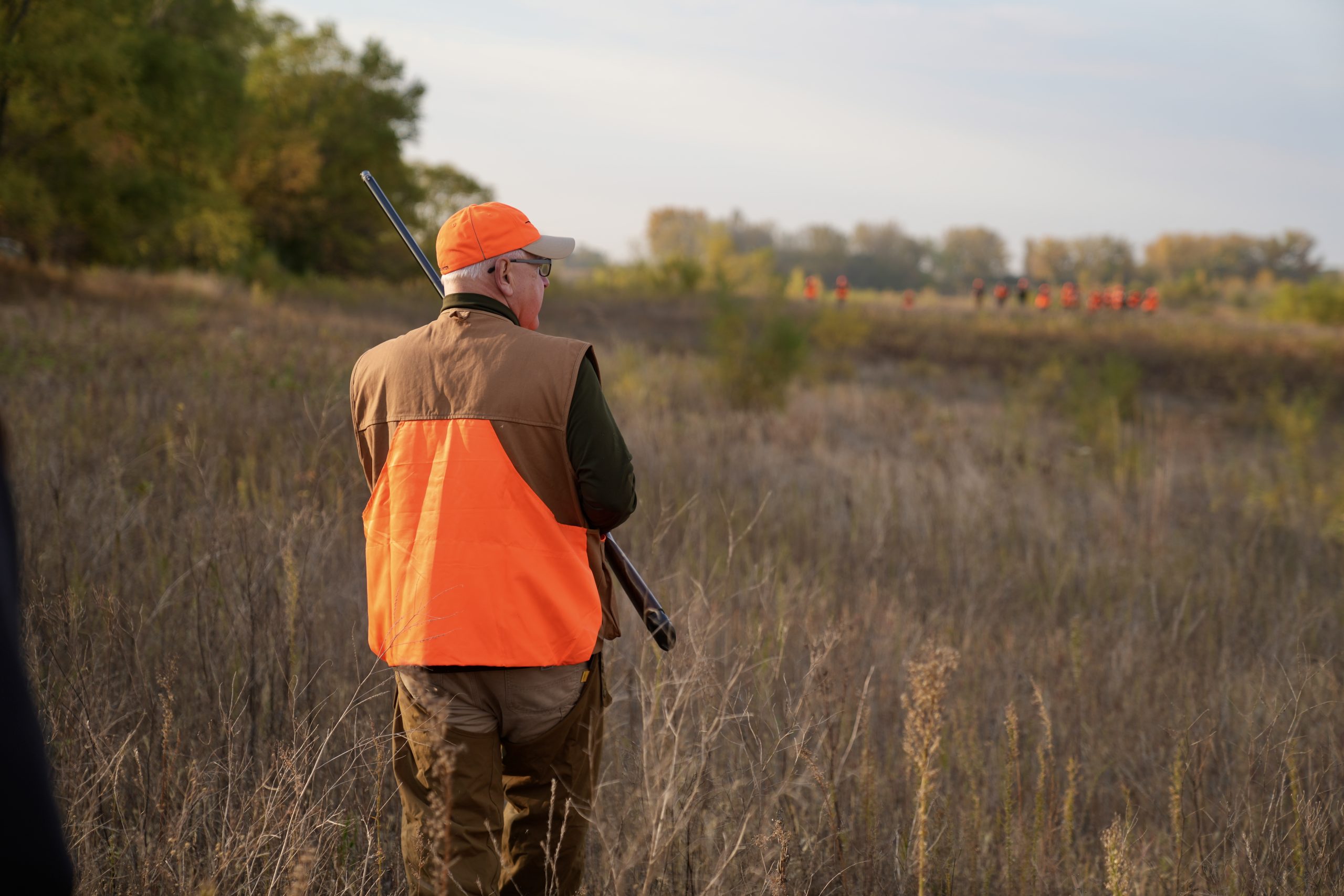
In Minnesota, a notable 2026 change applies to special youth deer hunts held in state parks and Scientific and Natural Areas. Lead-free ammunition is now required in every case, removing the previous exception for youth hunts inside the former shotgun zone. The rule covers bullets, slugs, muzzleloader ammunition, and other single projectiles, which must be made entirely from approved lead-free material. The affected youth hunters are ages 12 to 15, so families should verify the special-hunt rules before arriving and plan ahead if local stores have limited nonlead choices.
2. California Keeps Its Statewide Nonlead Rule
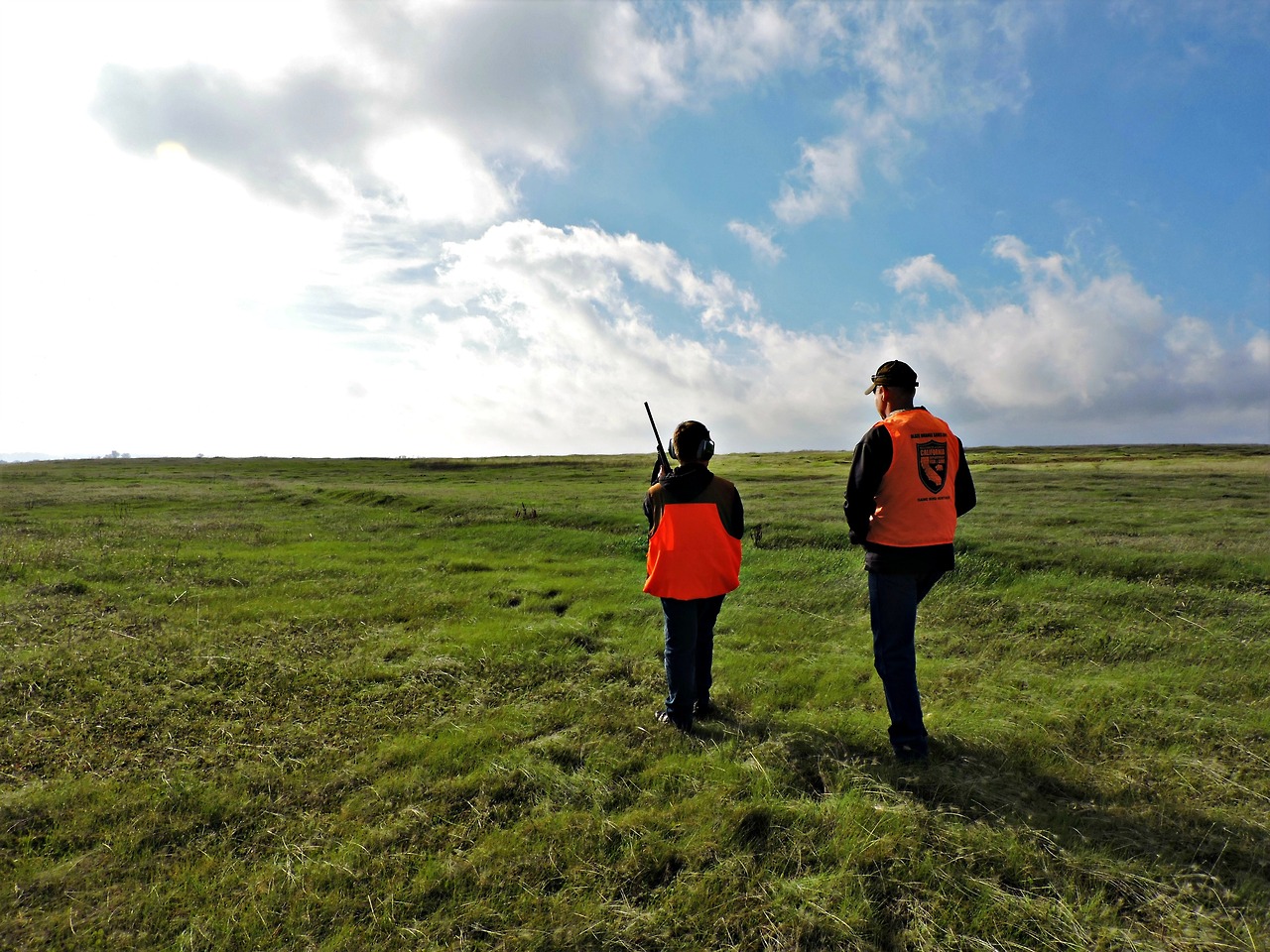
California enters the 2026-27 season with one of the broadest ammunition requirements in the country: nonlead ammunition is required when taking any wildlife with a firearm anywhere in the state. That means hunters cannot assume the rule applies only to deer or other big game. Lead-core bullets are not acceptable, even when surrounded by a copper jacket. Certified alternatives include approved nonlead bullets and shotgun loads. Checking the current certification list before buying ammunition is important because the state can approve additional products.
3. Federal Refuges Offer Lead-Free Incentives
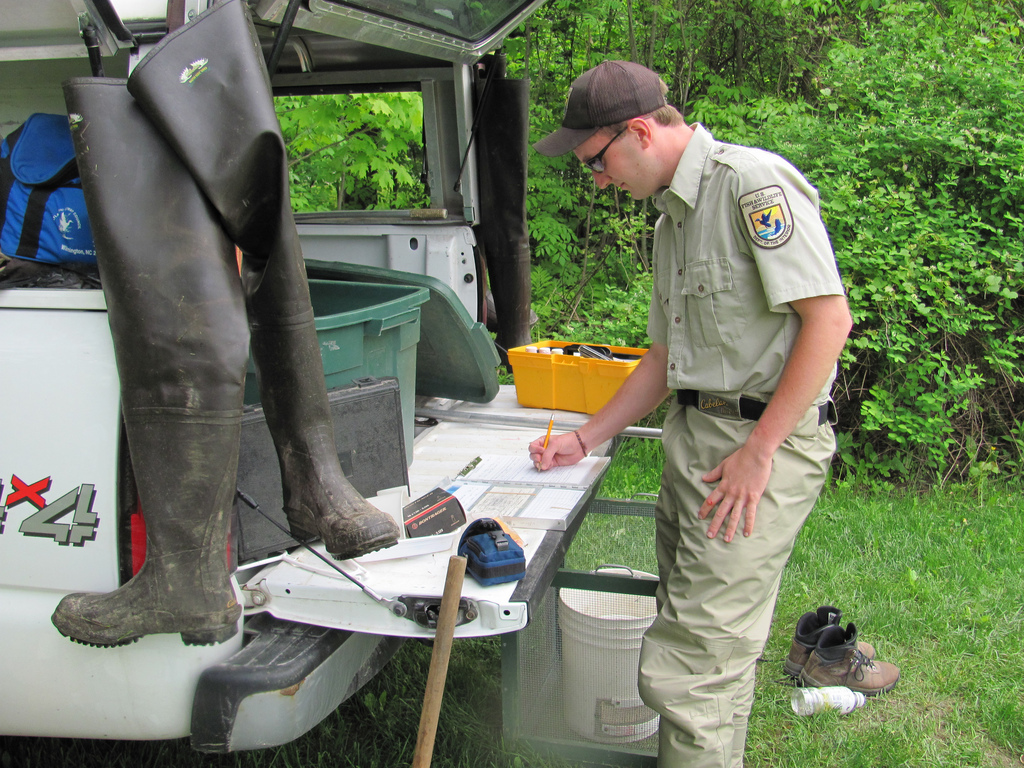
For the 2026-27 season, the U.S. Fish and Wildlife Service is offering a voluntary lead-free ammunition incentive at 26 national wildlife refuges in 19 states. Eligible hunters can receive up to $50 per box for rifle ammunition or $25 for shotgun or muzzleloader ammunition, with a limit of 2 boxes per hunter. Purchases generally need receipts dated June 1, 202,6 or later, and participating refuges have their own documentation requirements. This can reduce the cost of trying a different load. Reloaders can also qualify for component reimbursement under the program, subject to its stated limits.
4. Federal Policy Changes the Refuge Rule Landscape
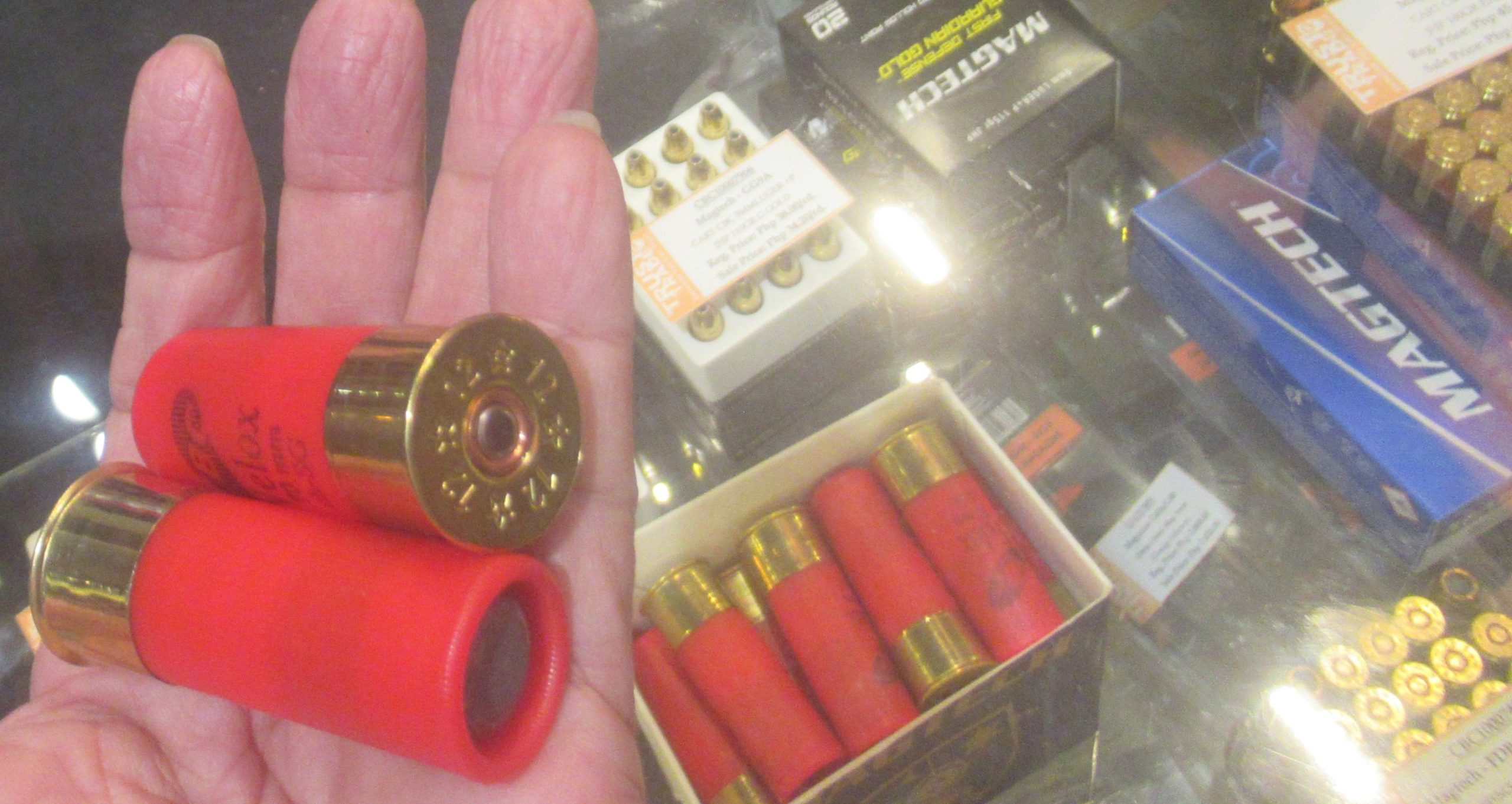
A 2026 U.S. Fish and Wildlife Service policy also changes how new lead-ammunition restrictions can be imposed on Service lands. Station-specific restrictions generally cannot be added unless site- and species-specific scientific evidence shows a direct population-level impact, or the restriction is needed to match state or Tribal law. Any such restriction must receive Director approval and documented justification. The practical point for hunters is simple: do not assume every federal refuge follows the same ammunition rule. Check the individual refuge regulations.
5. Lead-Free Choices Are Expanding
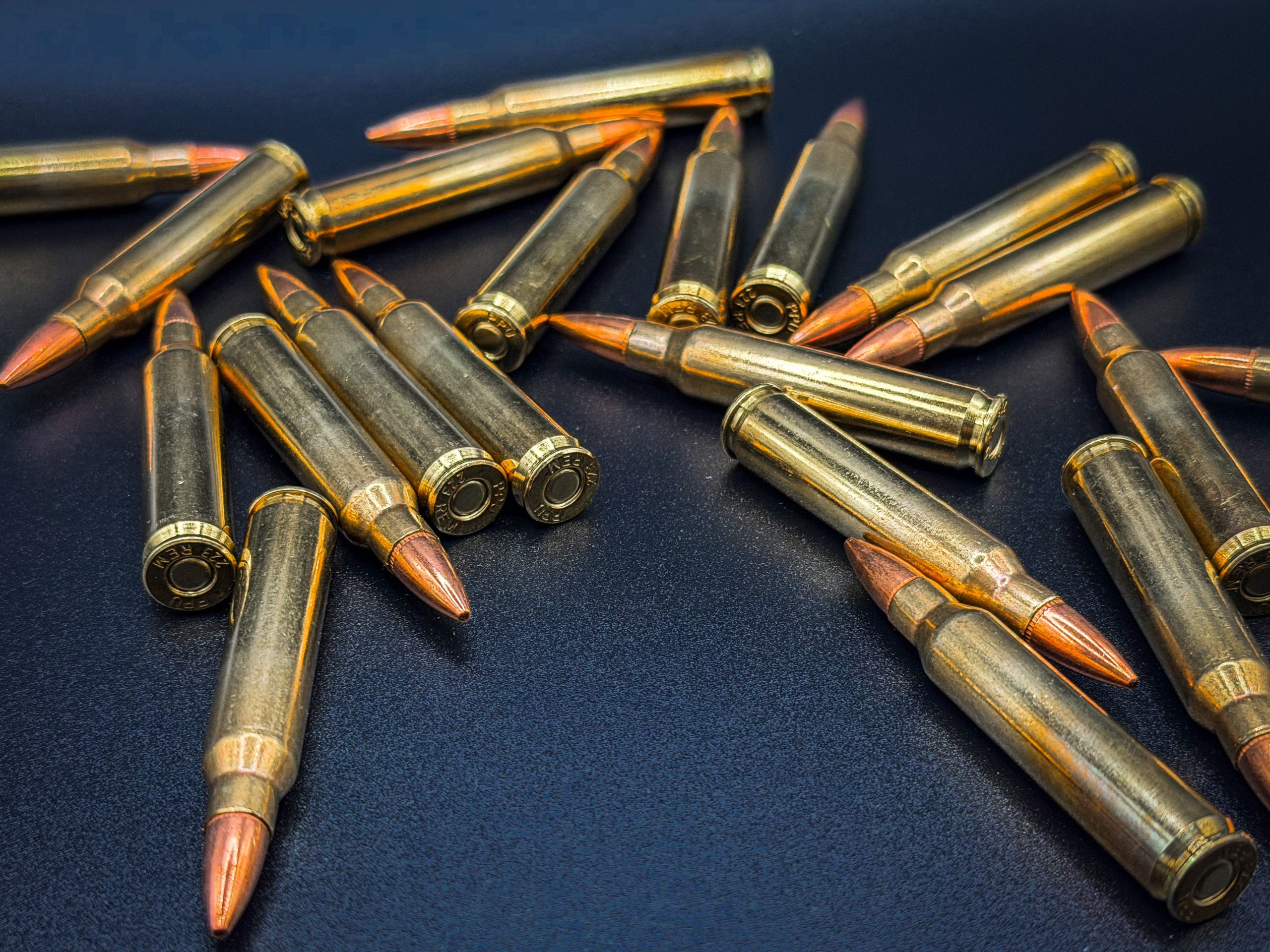
Lead-free ammunition is becoming easier to find in more hunting categories, which matters when a regulation or local program requires it. California maintains a certification system for approved nonlead ammunition, while federal refuge programs now cover rifle, shotgun, and muzzleloader users. Copper is a common choice for big-game rifle ammunition, but it is not the only nonlead material available. Hunters should match the exact ammunition to their firearm and game species, then confirm that the product is lawful where they plan to hunt. Availability can still vary by region.
6. Shot Restrictions Still Matter on Federal Waterfowl Areas
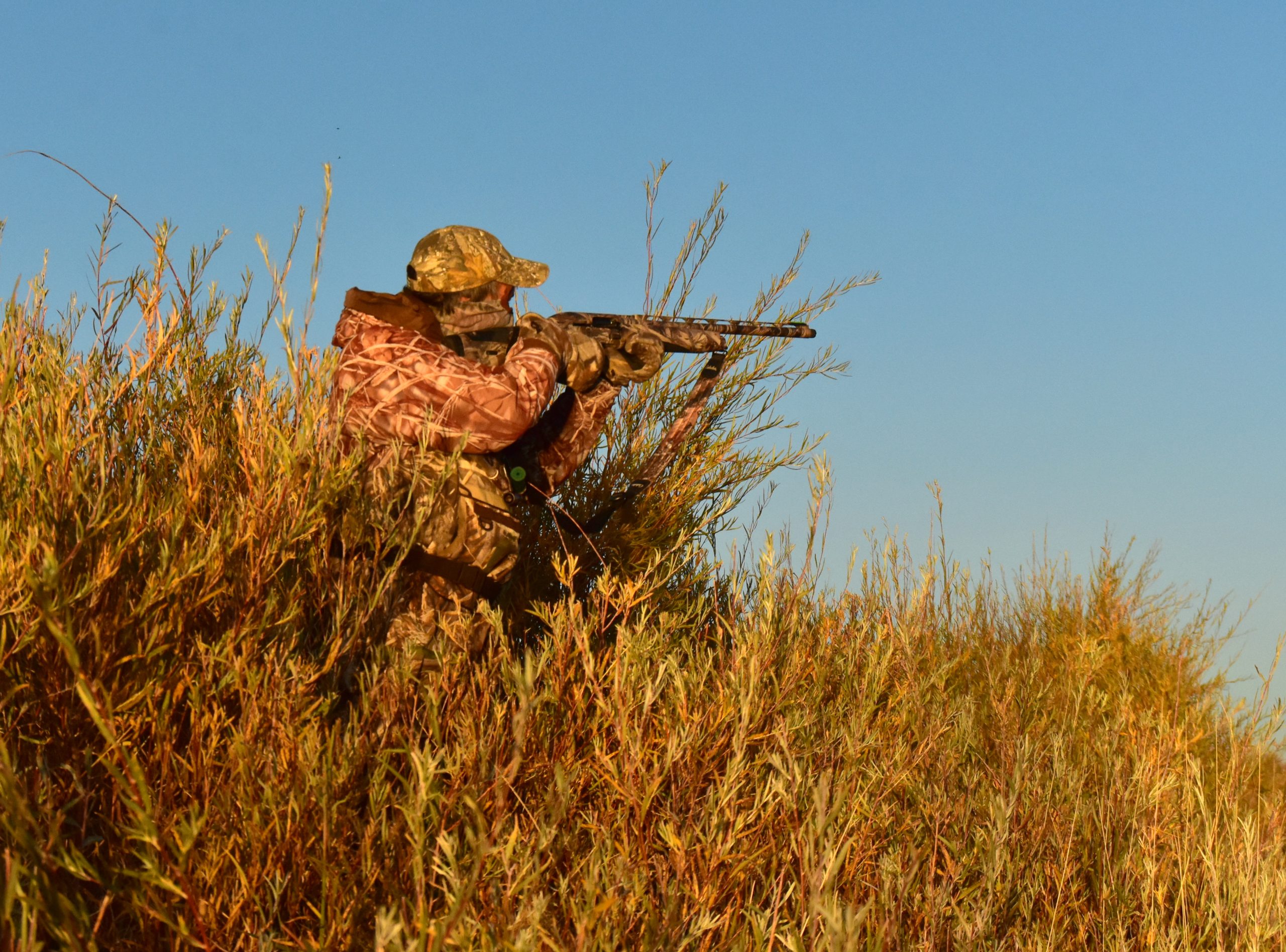
Even where a state does not require nonlead ammunition for every hunt, federal lands can impose separate rules. Wisconsin’s 2026-27 regulations, for example, prohibit hunting game birds or wild turkey with lead or other toxic shot while on federal Waterfowl Production Areas. The same regulations also limit shot size and place restrictions on certain ammunition designs. A hunter moving between private land, state property,y and federal ground can therefore face different ammunition rules on the same trip. Location matters as much as species, especially when boundaries are crossed.
7. Expanding Bullets Remain a Key Legal Requirement

Some state regulations specify not only what ammunition contains, but how it is designed to perform. Wisconsin’s 2026-27 rules require deer, bear and elk to be hunted with ammunition using a single projectile of an expanding design, rather than an unrestricted projectile type. That makes bullet construction a compliance issue, not merely a performance preference. Before opening day, hunters should read the species-specific ammunition section and confirm that the exact cartridge and bullet they carry meet the current wording. The requirement is separate from accuracy or recoil preferences.
8. Shot Size Limits Can Affect Load Selection
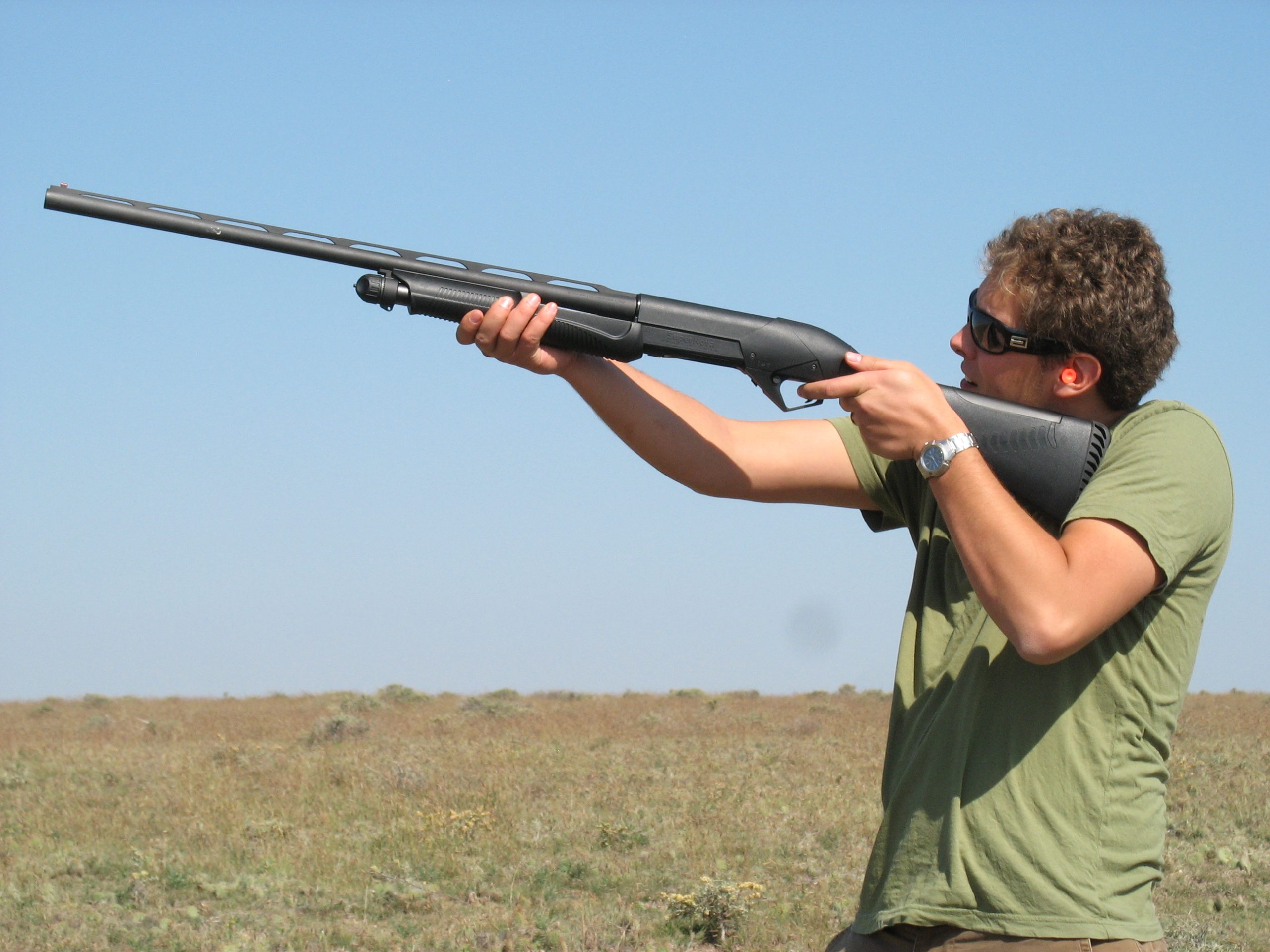
Shotgun hunters should also pay attention to maximum shot size rather than buying any load labeled for hunting. Wisconsin’s 2026-27 general rules prohibit shot shells containing shot larger than T for ordinary hunting, with specified exceptions for furbearing animals and certain migratory birds. That detail can matter when hunters switch between species or locations during one season. A box suitable for one legal use may not automatically be lawful for another, so the shot size printed on the package deserves a final check. Always match it to the current hunt.
9. Muzzleloader Ammunition Can Fall Under Nonlead Rules
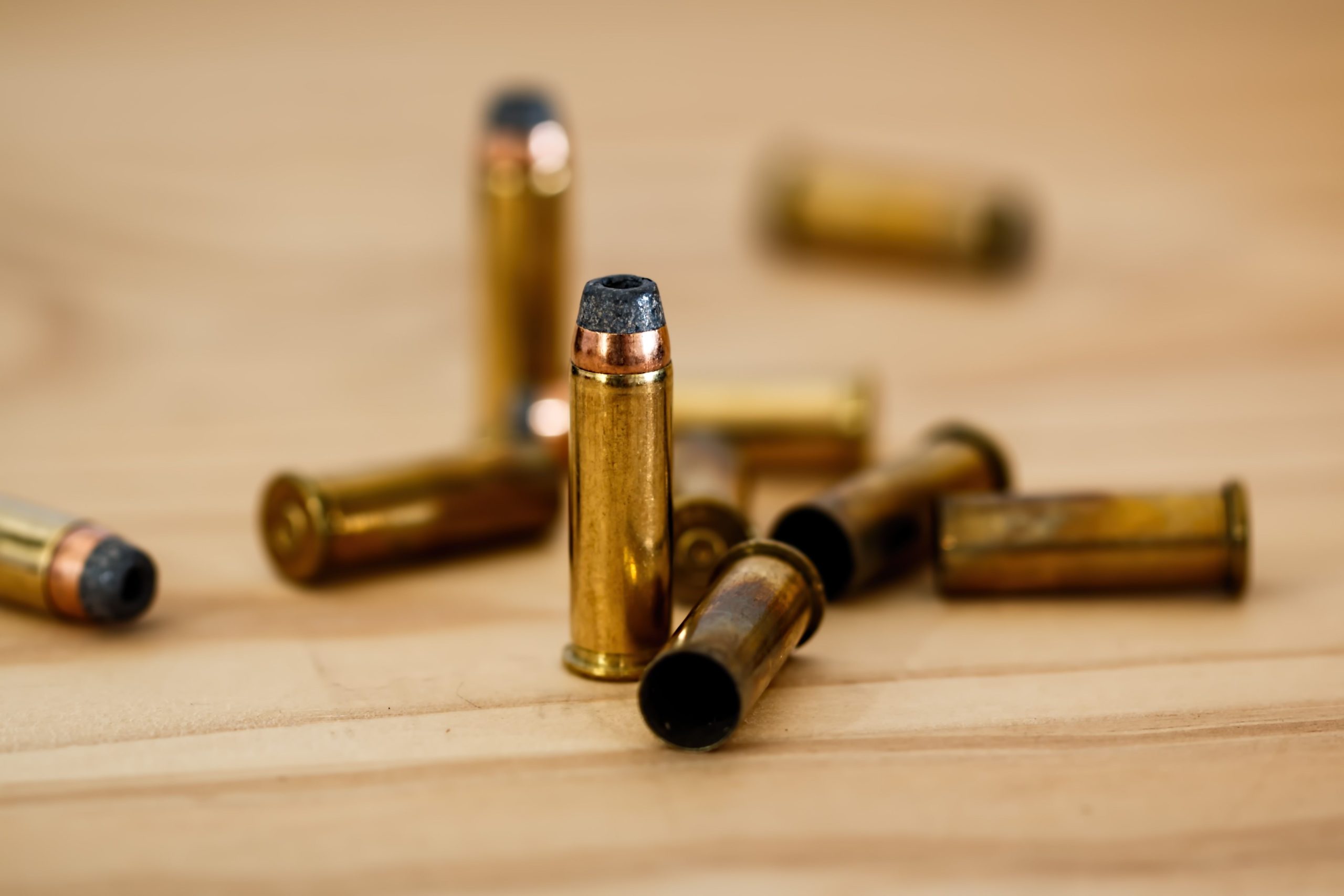
Muzzleloader hunters should not assume that traditional equipment automatically avoids modern ammunition restrictions. Minnesota’s 2026 special youth deer-hunt requirements specifically include muzzleloader ammunition among the projectiles that must be entirely lead-free. Federal refuge incentive programs also recognize muzzleloader ammunition separately, offering up to $25 per eligible box. Because projectile material can determine legality, hunters should verify the exact projectile construction and local rules before the hunt, especially when traveling across state lines.
10. Receipts and Packaging Can Become Important
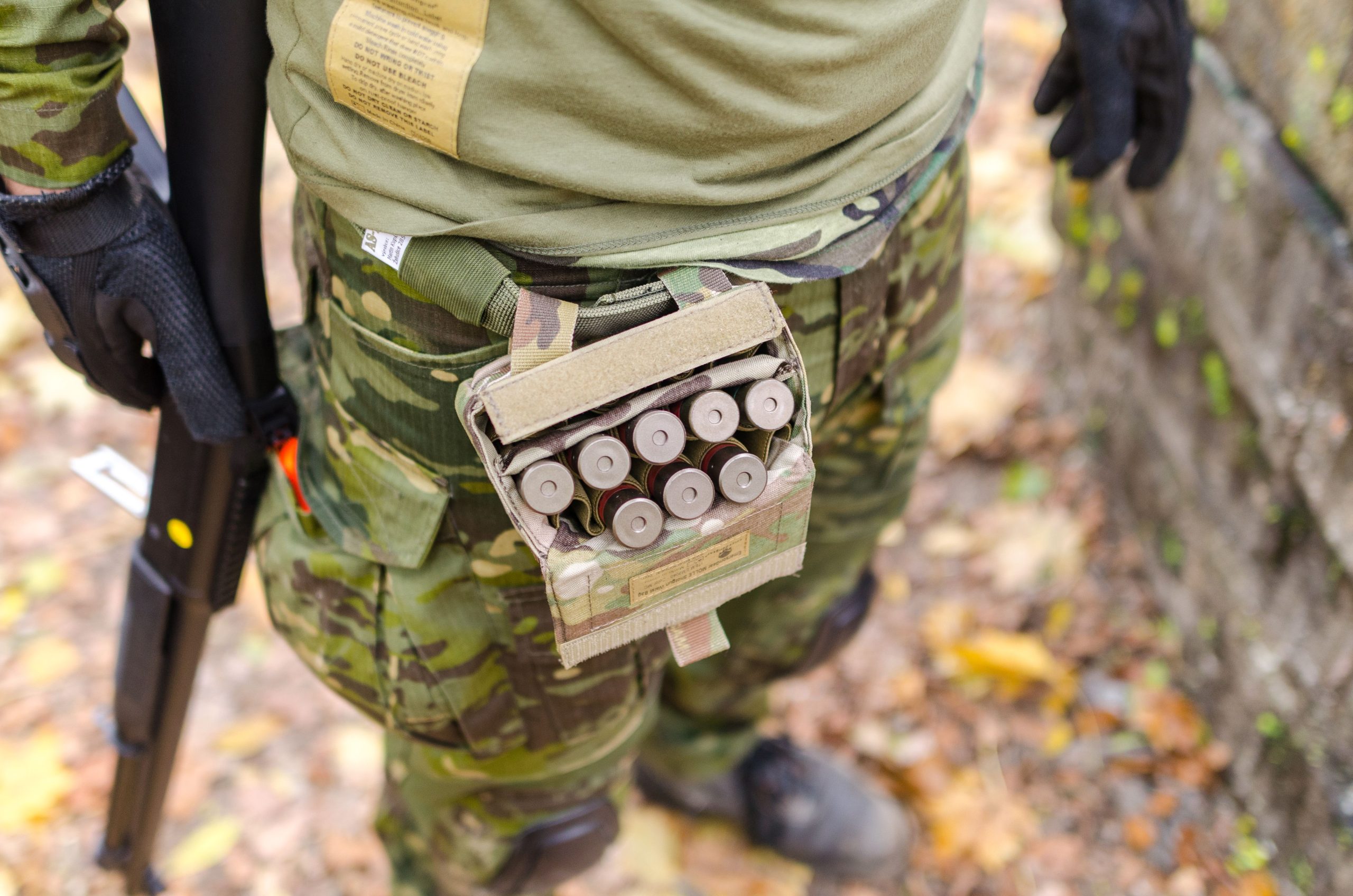
Some 2026 ammunition programs make documentation part of the process. Under the U.S. Fish and Wildlife Service lead-free incentive, hunters may need the ammunition box, purchase receipt, and current refuge permit or confirmation. The ammunition box must show identifying information such as brand, type,ype and grain weight or shot size. Receipts dated before June 1, 2026 are not eligible for the federal incentive. Keeping the original packaging until the hunt and reimbursement process is complete can therefore be more useful than many hunters expect.
11. State Certification Lists Deserve a Preseason Check
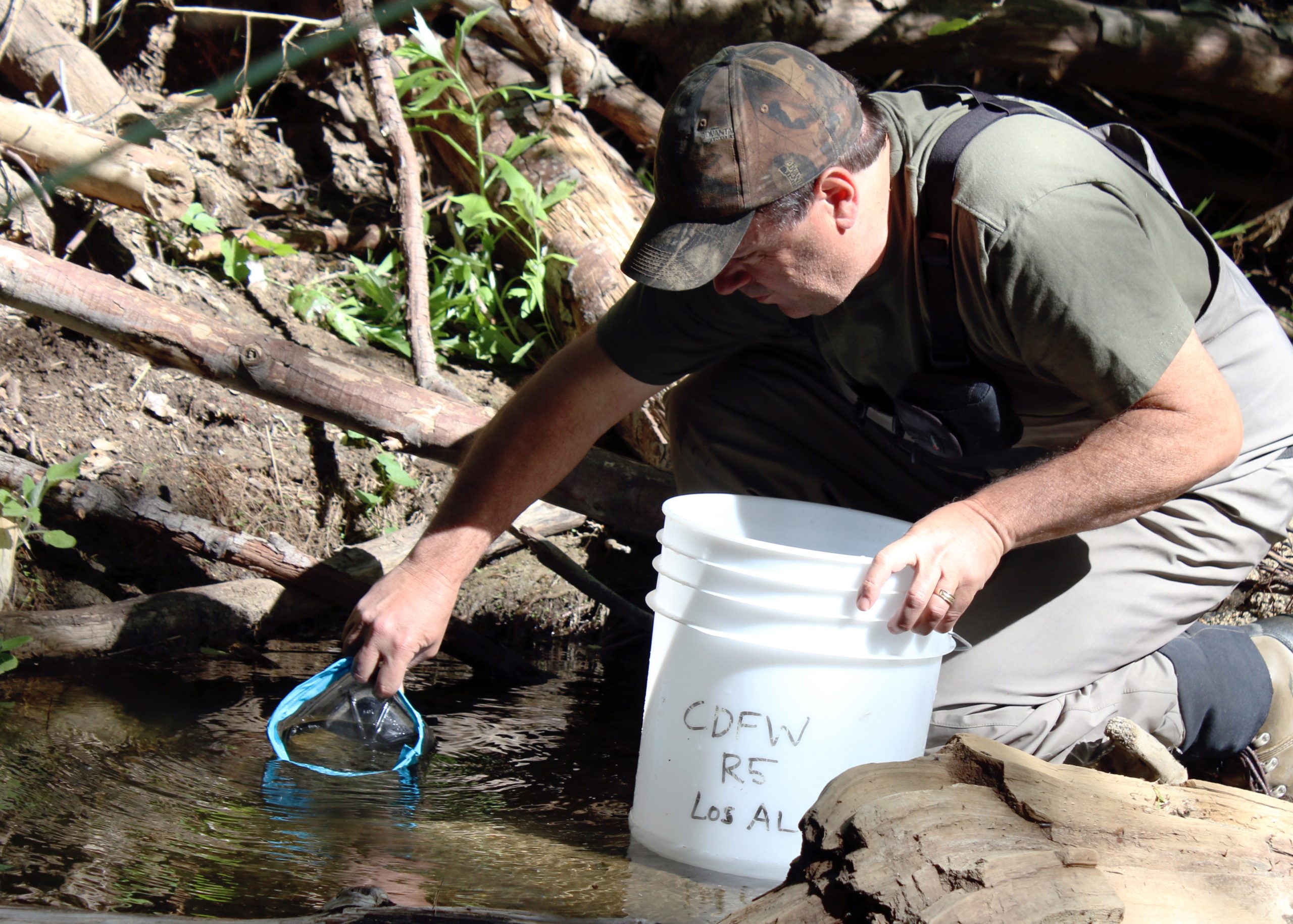
California’s nonlead system shows why the product name alone is not always enough. The California Department of Fish and Wildlife maintains a certified nonlead ammunition list and explains that shotgun pellets must use materials approved as nontoxic by the U.S. Fish and Wildlife Service. The list can be updated when additional products are approved. For the 2026-27 season, hunters should check the current list rather than relying on an old box, a retailer description,tion or a general claim that a load is environmentally friendly. This is useful when ammunition was bought in another state.
12. A Single Trip Can Involve Several Rules
The biggest practical change may be the need to check ammunition rules at the exact hunting location. A hunter could face a statewide nonlead requirement in California, a new youth-hunt requirement in Minnesota, a federal refuge incentive at one location, or separate federal-land shot restrictions elsewhere. These rules can also vary by species, season, and ammunition type. Before a 2026 hunt, confirm four things: the location, target species, projectile or shot type, and current season regulation. That simple check can prevent an otherwise avoidable violation.