Some overlanding routes have a reputation for adventure. What catches many drivers off guard is how quickly those same trails expose weak tires, overloaded suspensions, marginal cooling systems, and bad planning. These 11 routes have become cautionary tales because they punish unprepared vehicles far faster than most people expect.
White Rim Road, Utah

White Rim Road looks manageable in photos, which is exactly why it catches so many people by surprise. The route mixes ledges, sharp rock, loose climbs, and long isolated stretches where a small mechanical issue can become a trip-ending problem in a hurry.
Tires take a beating here, especially when drivers stay overinflated and rush through rocky sections. Suspension components, skid plates, and sidewalls all pay the price.
Heat, distance, and overconfidence are the real combination to fear. A vehicle that feels perfectly healthy at the trailhead can sound very different by the time it crawls back out.
Mojave Road, California

Mojave Road has a legendary name, but the terrain is less romantic when your cooling system is already marginal. Sand, embedded rock, dry lake beds, and long hot miles combine to stress engines and transmissions that were barely ready for daily commuting.
The route also exposes weak packing habits. Overloaded rigs sink deeper in sand, work harder on climbs, and punish shocks for hours at a time.
Drivers often arrive thinking the challenge is mostly navigation. In reality, the bigger story is mechanical attrition, with overheating, punctures, and loose hardware turning a scenic crossing into a roadside repair session.
Dalton Highway Side Routes, Alaska
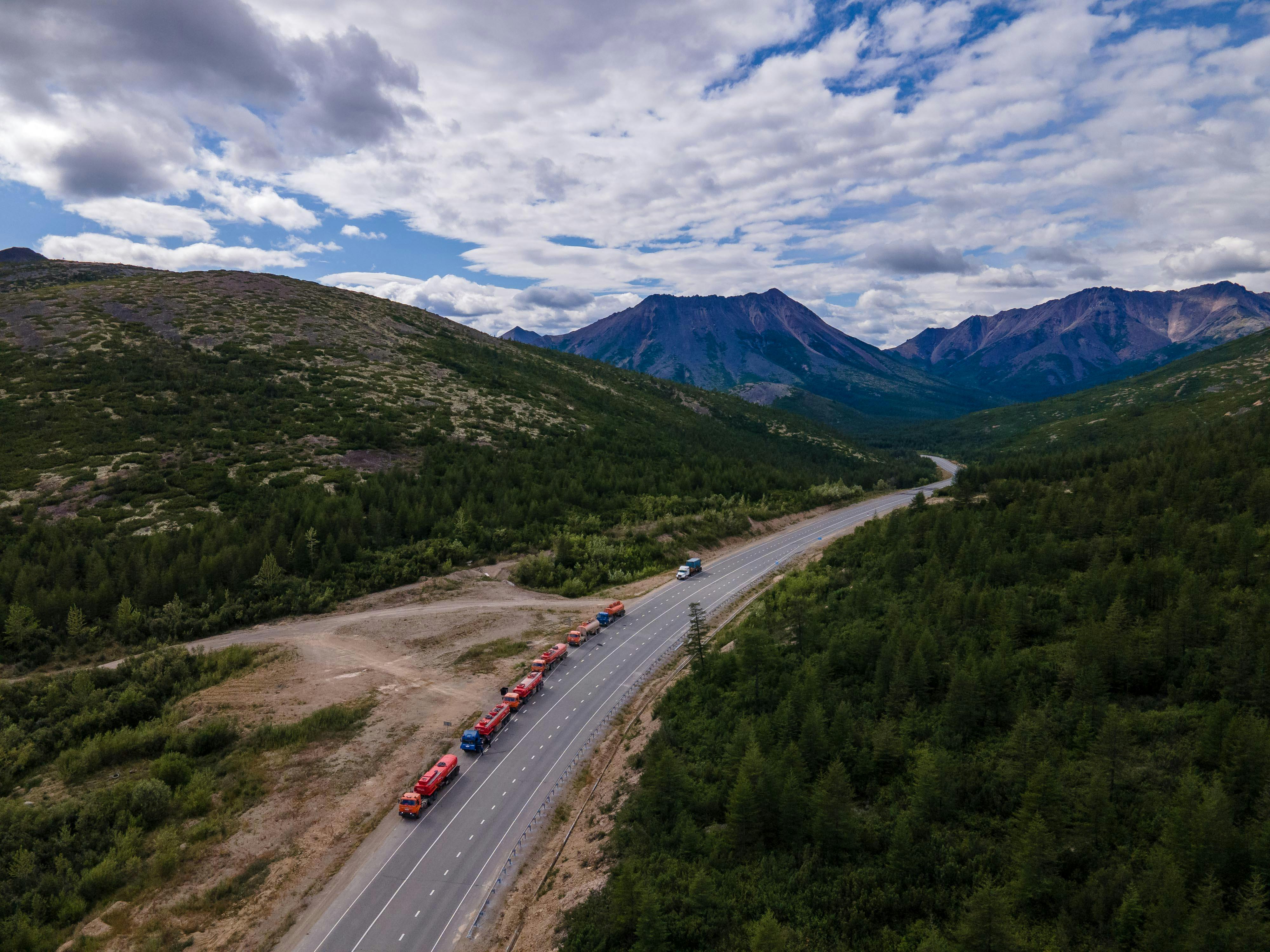
The Dalton Highway and its side routes are famous for remoteness, but the road surface itself is what destroys confidence first. Calcium chloride mud, flying gravel, and endless corrugations can strip a vehicle of comfort and reliability in a single day.
Windshields crack, paint gets sandblasted, and tires suffer constant abuse from sharp aggregate. Even well-built rigs can loosen fast when washboards keep hammering everything underneath.
Cold weather adds another layer of punishment, especially for batteries, seals, and fluids. An unprepared vehicle does not just feel out of place here. It starts falling apart one vibration at a time.
The Canning Stock Route, Australia

The Canning Stock Route is one of those trips that turns every weak point into a major issue. Deep sand, relentless corrugations, huge distances, and desert heat make it less of a drive and more of a sustained test of engineering and restraint.
Suspensions overheat, shocks fade, and wheel bearings can fail if maintenance was skipped or loading was careless. Fuel weight and water weight add stress before the route even gets difficult.
What destroys vehicles here is not one dramatic obstacle. It is the cumulative punishment of day after day of vibration, heat, and sand, all happening far from help and even farther from spare parts.
Trans Euro Trail Balkan Sections
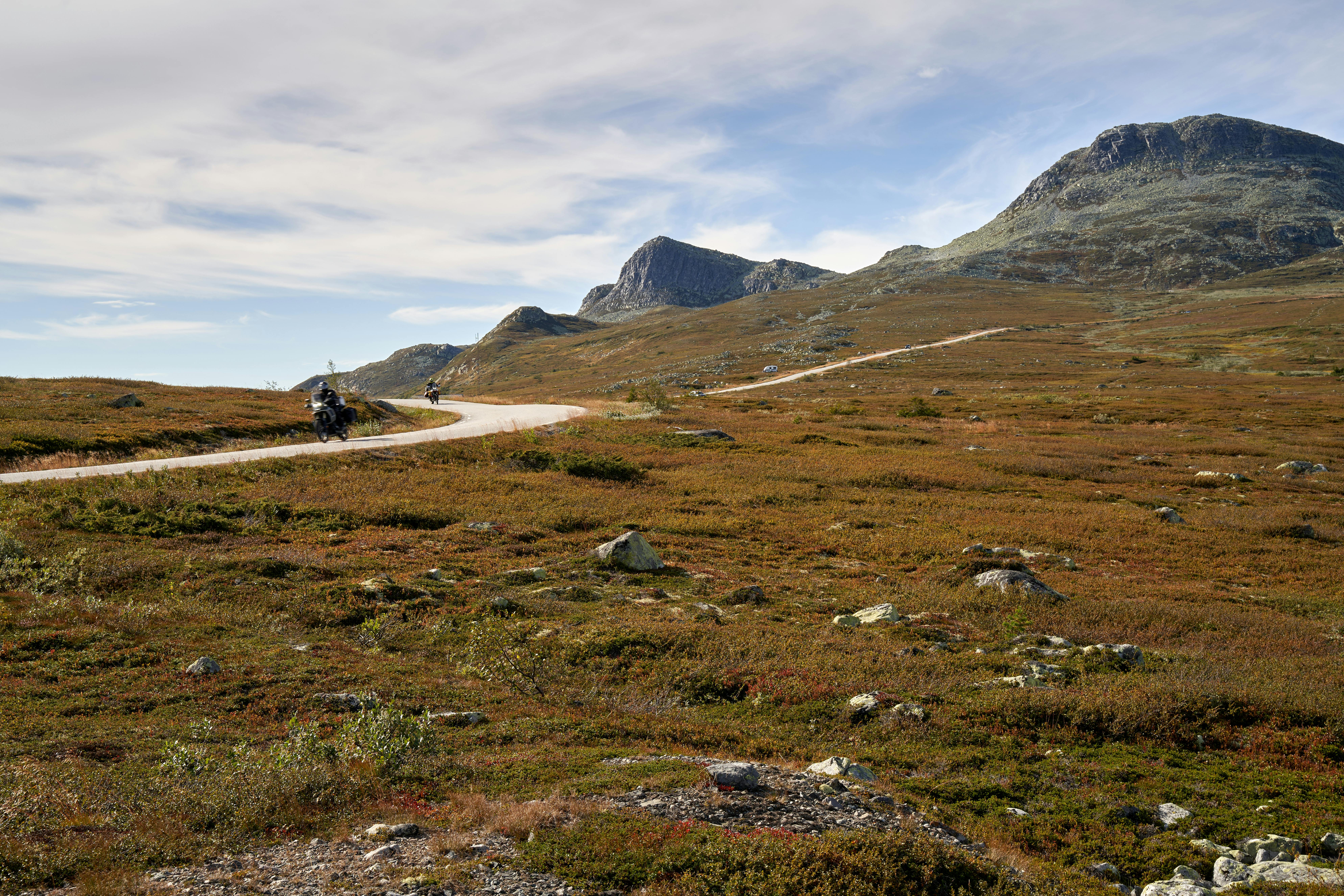
Parts of the Trans Euro Trail through the Balkans can look like gentle countryside until weather changes the entire equation. What starts as a dirt road can become deep mud, rut-filled climbs, and slick rock that chew through clutches, tires, and patience.
Vehicles without proper underbody protection suffer quickly when hidden stones and washouts appear under standing water. Recovery points and traction aids stop being optional as soon as the surface turns greasy.
The real trap is variability. Drivers prepare for a scenic crossing, then find themselves fighting conditions that are rougher, steeper, and far more damaging than the map suggested that morning.
Rubicon Trail, California

The Rubicon Trail is one of the clearest examples of a route exposing vehicles that were never honestly trail-ready. Clearance, articulation, gearing, tire construction, and driver judgment all matter here, and shortcomings become obvious almost immediately.
Rock gardens and ledges punish long wheelbases, vulnerable differentials, and street-oriented tires. Body damage is common, but driveline strain is the more expensive story.
A lot of rigs roll in looking aggressive and leave with bent parts, shredded sidewalls, or overheated transmissions. The Rubicon is not especially forgiving, and it has a talent for turning cosmetic off-road builds into cautionary examples.
Dempster Highway, Canada

The Dempster Highway can feel deceptively simple because much of it is just gravel and distance. But that combination, especially in bad weather, is brutal on tires, paint, suspension bushings, and any driver who underestimated the value of spares.
When it rains, the surface turns slick and heavy, coating wheel wells and undercarriages with a thick mess that adds weight and stress. When it dries, sharp stones start attacking again.
Long isolation changes the stakes of every minor failure. A weak spare, a soft sidewall, or a neglected alignment issue may survive weekend trails, but the Dempster has a way of making those weaknesses expensive very fast.
Simpson Desert Crossing, Australia
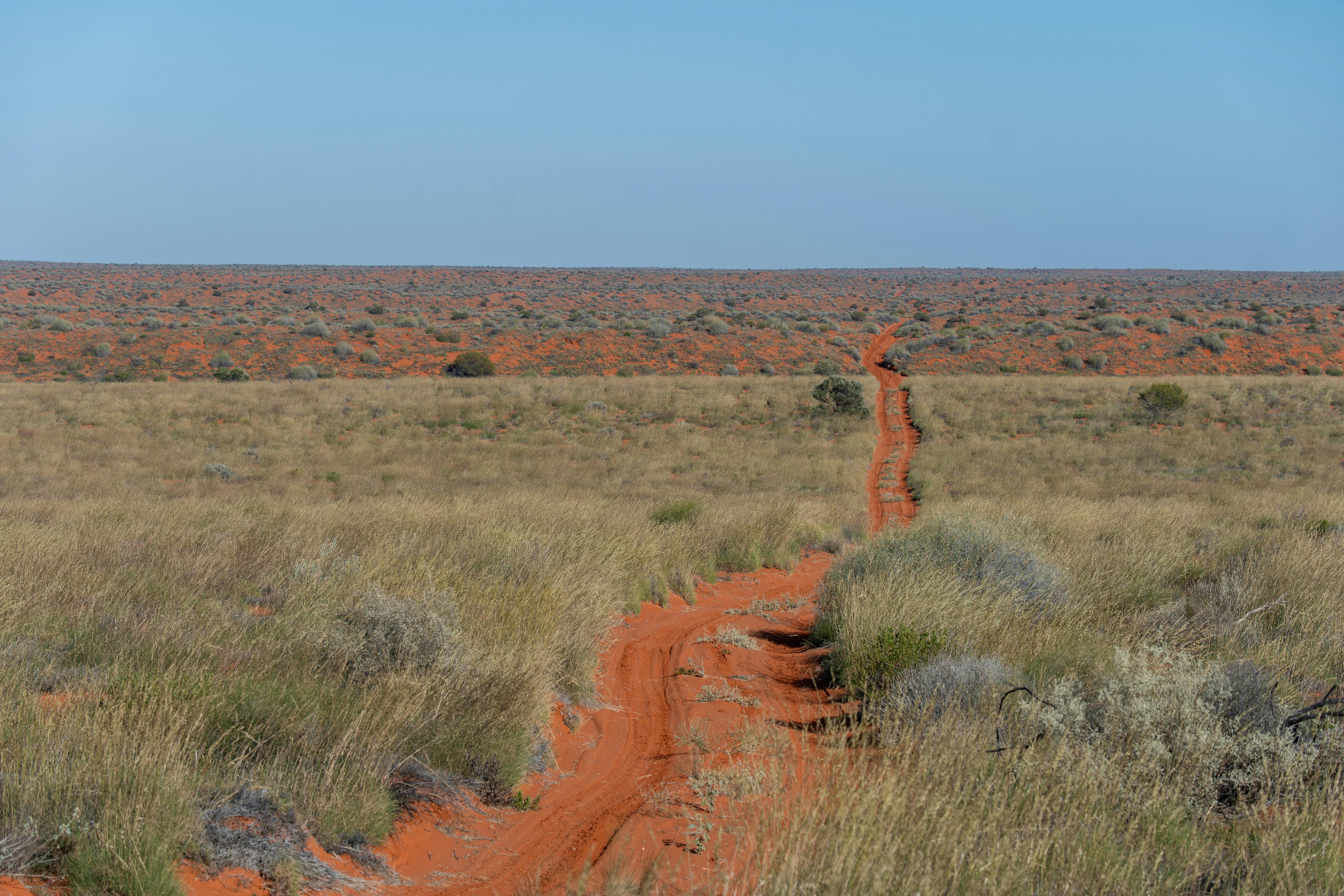
A Simpson Desert crossing is often described in terms of dunes, but the real challenge is repetition. Climb after climb in soft sand keeps engines hot, transmissions loaded, and drivers tempted to use momentum in ways that punish the whole vehicle.
Tire pressures make or break the trip here. Get them wrong, and the route becomes a nonstop lesson in wheelspin, digging, overheating, and avoidable component stress.
Weight is another silent enemy. Extra fuel, water, and gear are necessary, but every kilogram makes recoveries harder and driveline strain worse. In the Simpson, bad setup multiplies with every dune that looks just like the last.
Black Bear Pass, Colorado

Black Bear Pass is not the longest route on this list, but it can expose poor setup and poor judgment in a matter of minutes. Narrow shelf sections, steep descents, loose rock, and switchbacks demand control rather than bravado.
Brakes and cooling systems work hard at altitude, while tire placement becomes crucial near sharp drop-offs and embedded rocks. A larger vehicle can feel cumbersome very quickly.
What destroys unprepared vehicles here is often a chain reaction. One small mistake leads to scraping, overheating, panicked braking, or awkward recovery moves, and suddenly a scenic mountain trail becomes a very costly lesson in capability limits.
Iceland’s F Roads

Iceland’s F roads are stunning, but the landscape has no sympathy for vehicles that arrive half prepared. River crossings, lava rock, rough tracks, and sudden weather shifts create a mechanical gamble for anyone treating the interior like a casual scenic detour.
Water crossings are the biggest wake-up call. Depth changes fast, current matters, and a careless entry can soak electrics or contaminate driveline components before lunch.
Then come the rocks, ruts, and cold conditions that test tires, underbody protection, and common sense. A rental-grade approach can work for a while, but these roads often reveal the difference between adventurous marketing and actual readiness.
Baja Backcountry Routes, Mexico
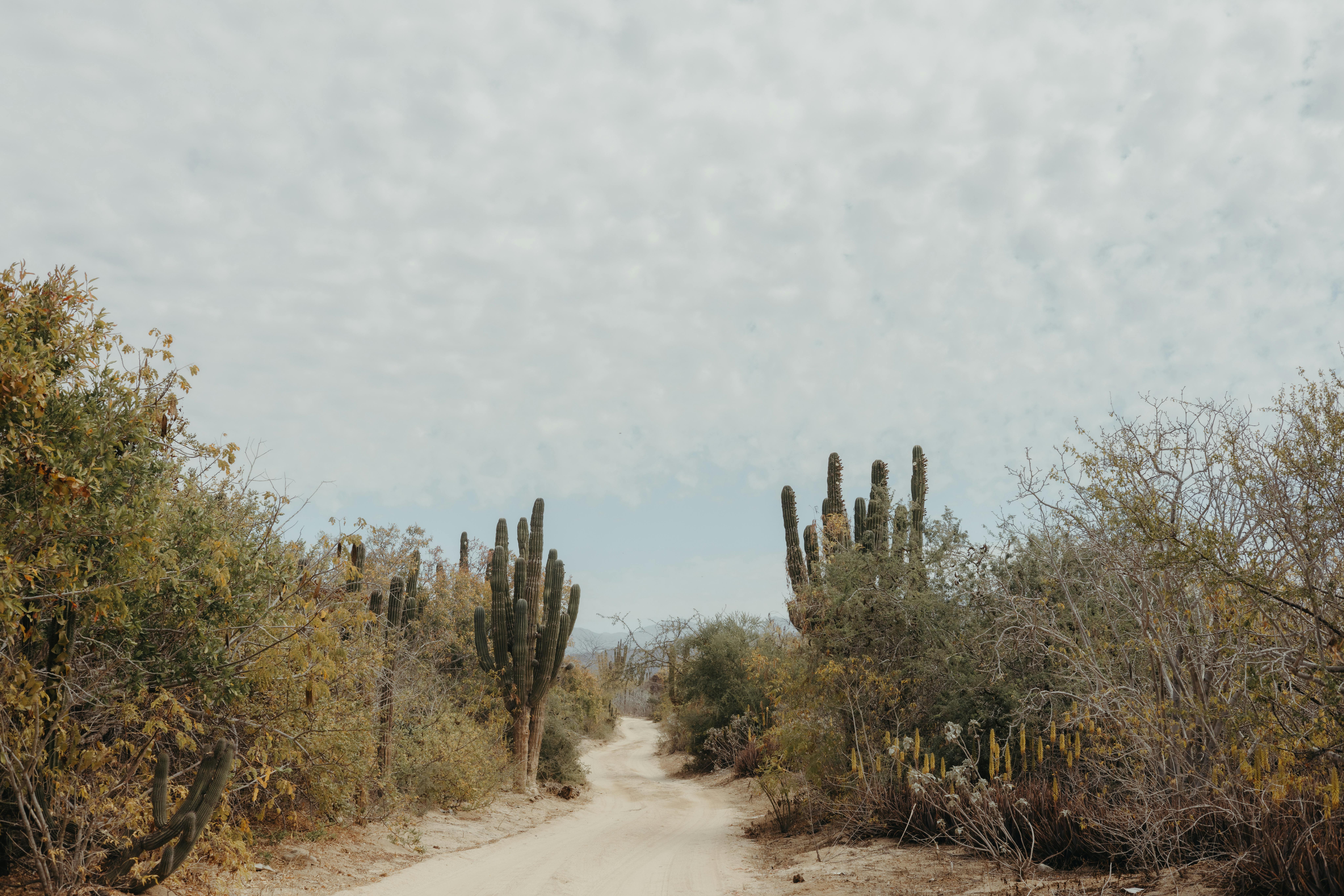
Baja’s backcountry routes lure people in with ocean views, desert tracks, and the promise of easy adventure. Then the washboards start, and suddenly shocks, leaf springs, mounts, and interior trim begin losing their will to live.
The relentless corrugations are famous for shaking vehicles apart, especially heavily loaded rigs pushed too fast. Add heat, sharp rocks, and long fuel gaps, and small maintenance issues stop being small.
A route can feel straightforward on the map while still being mechanically punishing for hours on end. In Baja, the damage often comes from vibration and speed rather than one dramatic obstacle, which is exactly why so many drivers underestimate it.