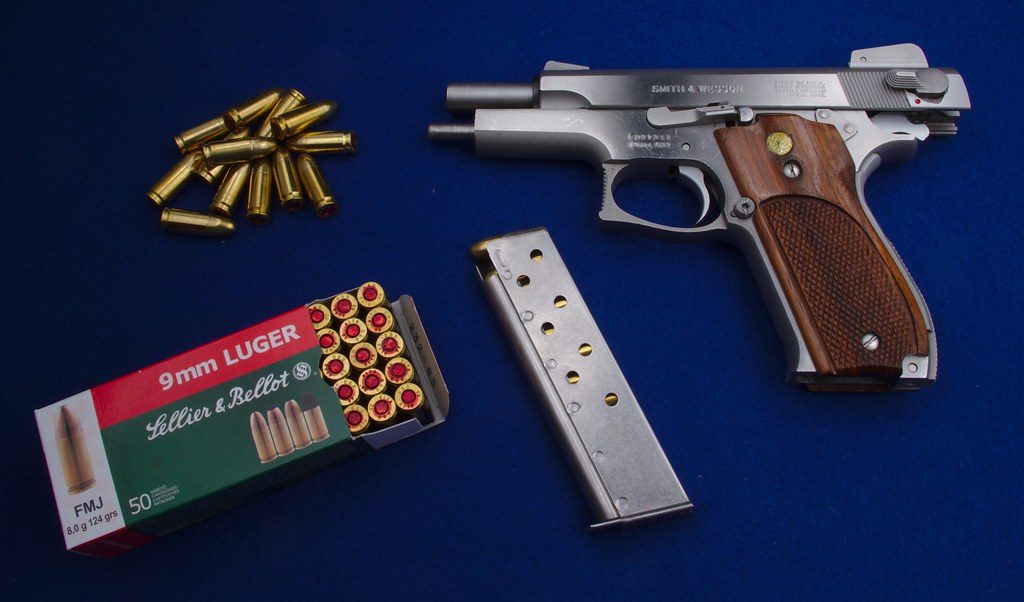
Plenty of gun features debut to eye rolls, hot takes, and predictions that they will never catch on. Then the market shifts, shooters adapt, and suddenly the same idea shows up everywhere from duty pistols to hunting rifles. These are the once-questioned features that went from novelty to near-standard equipment.
Polymer Frames

There was a time when a serious handgun was supposed to feel like a block of steel or aluminum. When polymer-framed pistols started gaining attention, plenty of shooters treated them like disposable tools, more toy than trusted sidearm.
Then reality stepped in. Polymer cut weight, resisted corrosion, reduced manufacturing cost, and held up to hard use better than many critics expected. Agencies adopted them, civilians embraced them, and the market followed.
Today, even brands once defined by metal handguns either offer polymer models or borrow the same design logic. What looked cheap at first ended up redefining the modern sidearm.
Accessory Rails
At first glance, rails under a handgun barrel looked like one more tactical flourish aimed at catalogs and action movies. Many traditionalists saw them as unnecessary bulk, especially on carry guns that were expected to stay slim and simple.
But once weapon lights became more reliable and more accepted for home defense and duty use, the rail stopped looking cosmetic. It became a practical mounting point that gave shooters useful flexibility without requiring custom work.
Now rails appear on everything from service pistols to compact defensive models. Even guns marketed as minimalist often include at least a modest rail because buyers expect the option.
Optics-Ready Slides

Milled pistol slides once struck many shooters as a solution hunting for a problem. Red dots on handguns were often associated with competition gear, tall mounts, odd balance, and a look that seemed too specialized for mainstream use.
Then slide-mounted optics got tougher, smaller, and easier to use. As more shooters saw the speed and clarity benefits, factory optics cuts became a smarter answer than expensive custom milling.
Now optics-ready is one of the most copied phrases in the handgun business. A feature once mocked as niche has become a selling point across duty, carry, and range models alike.
Threaded Barrels
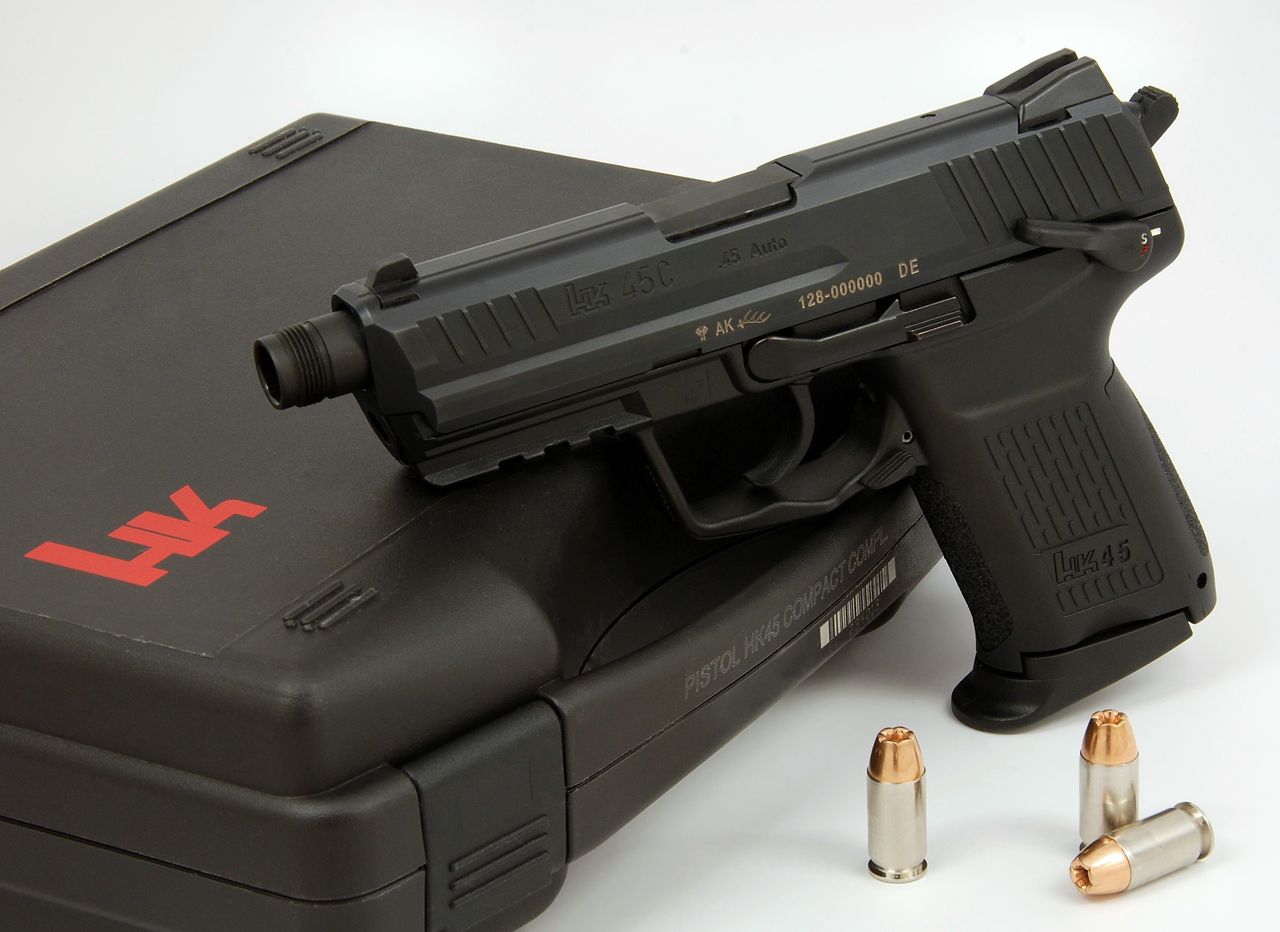
For years, threaded barrels were often treated like pure range swagger, the kind of feature added to make a pistol or rifle look more serious than it really was. To some buyers, the exposed threads seemed awkward unless a suppressor was already part of the plan.
As suppressor ownership expanded and muzzle devices became more common, that view changed. A threaded barrel meant options, from suppressors to compensators, without replacing the host firearm or paying for custom work.
Now many manufacturers offer threaded variants right from the factory. What once felt like a niche enthusiast upgrade is increasingly marketed as normal, practical versatility.
Modular Chassis and Fire Control Units
The idea that the core serialized part of a gun could drop into different frames sounded strange to a lot of traditional buyers. Guns were expected to be fixed objects, not configurable systems built around a removable internal unit.
Once modularity proved its value, the appeal became obvious. Shooters could change grip size, frame style, or caliber with less hassle, while manufacturers could build entire product families around one central design.
Today, modular handgun systems and chassis-based rifles influence how many brands think about platforms. What once seemed overly clever now looks like one of the industry’s most efficient ideas.
Interchangeable Backstraps

There was a period when swappable backstraps felt like a marketing trick, especially to shooters who believed a handgun grip should simply fit or not fit. Critics argued that a few plastic inserts could never meaningfully change comfort or control.
But hand size matters, and so does trigger reach. Once people actually spent time with these systems, they discovered that small changes in palm swell and grip shape could noticeably improve handling.
Now interchangeable backstraps are common even on affordable pistols. The feature may look modest, but it helped normalize the idea that one gun should adapt to different shooters, not the other way around.
Flared Magazine Wells

A flared magwell used to scream competition gun. On defensive pistols or general-purpose rifles, many people saw it as an unnecessary add-on that solved a problem most ordinary shooters did not think they had.
Then training culture changed. Faster reloads, cleaner indexing, and more forgiving magazine insertion under stress suddenly sounded useful beyond the match world. Even a subtle flare could help without making a gun feel oversized.
Manufacturers noticed. Today, factory magwells and gently beveled openings appear on all kinds of firearms, often presented as premium but practical enhancements rather than pure gamer hardware.
Adjustable Stocks
Older generations often viewed adjustable stocks as tactical theater, especially when compared with the classic lines of fixed wood or synthetic rifle stocks. To some eyes, collapsible or multi-position designs looked faddish and out of place.
Function won the argument. Adjustable length of pull helps fit different body sizes, shooting positions, clothing layers, and optic setups. It also makes one firearm more versatile across multiple roles and users.
That practicality pushed adjustable stocks far beyond military-style rifles. Variants now show up on hunting guns, chassis rifles, and shotguns because comfort and fit are hard to dismiss once shooters experience the difference.
Suppressor-Height Sights

Tall iron sights initially looked oddly specialized, the sort of thing only a suppressor owner or competitive tinkerer would want. On a standard handgun, they seemed bulky, snag-prone, and out of proportion to the gun itself.
As slide-mounted optics spread, those tall sights found a second life. They became useful backup irons and, in many setups, a way to co-witness through the optic window. That gave them broader purpose than their original name suggested.
Now many factory pistols ship with elevated sights even if a suppressor is nowhere in sight. A formerly narrow feature turned into part of the modern defensive handgun formula.
M-LOK and Slot-Based Attachment Systems

When slim handguards with slot-based attachment systems began replacing older quad rails, some shooters were skeptical. Fewer full-length rail sections sounded like less capability, and the cleaner look struck critics as another style trend dressed up as innovation.
But lighter weight, smoother handling, and configurable mounting proved persuasive. Shooters could place accessories where needed instead of carrying rail space everywhere, and the rifle felt better in the hand as a result.
That balance of comfort and function made systems like M-LOK hard to ignore. Today, slot-based handguards dominate the market, while bulky quad rails look more specialized than standard.
Flat-Faced Triggers
Flat-faced triggers once looked like pure trend material, especially to shooters raised on curved trigger shoes. The design seemed too competition-oriented, more about modern styling and online buzz than any meaningful improvement in feel.
Yet many shooters found that a flat face encouraged consistent finger placement and offered a different sense of leverage during the press. The effect is subjective, but subjective preferences still drive buying decisions in a huge way.
That was enough to move the feature into the mainstream. Today, flat triggers appear on factory pistols and rifles across price ranges, often marketed as both performance-minded and comfortable.