In survival circles, fire is still the skill that separates discomfort from real danger. The latest kits winning attention in 2026 are not just lighter or more compact, they are smarter about weather, redundancy, and ease of use under stress. This gallery breaks down the fire starting kits that experienced outdoors people are reaching for now, and why these setups are replacing older standby options.
Stormproof Match and Tinder Capsule Kit

This is the kit many survivalists still trust when conditions turn ugly fast. A handful of stormproof matches paired with waxed tinder in a sealed capsule gives you speed, simplicity, and a very low chance of user error when your hands are cold or shaky.
What is changing in 2026 is the packaging. Better waterproof cases, brighter visibility colors, and more compact tinder tabs are making this classic setup feel newly relevant. It is especially popular with hikers and hunters who want a dependable first line before moving to more skill-heavy tools.
Ferro Rod Kit With Prepared Tinder Bundle
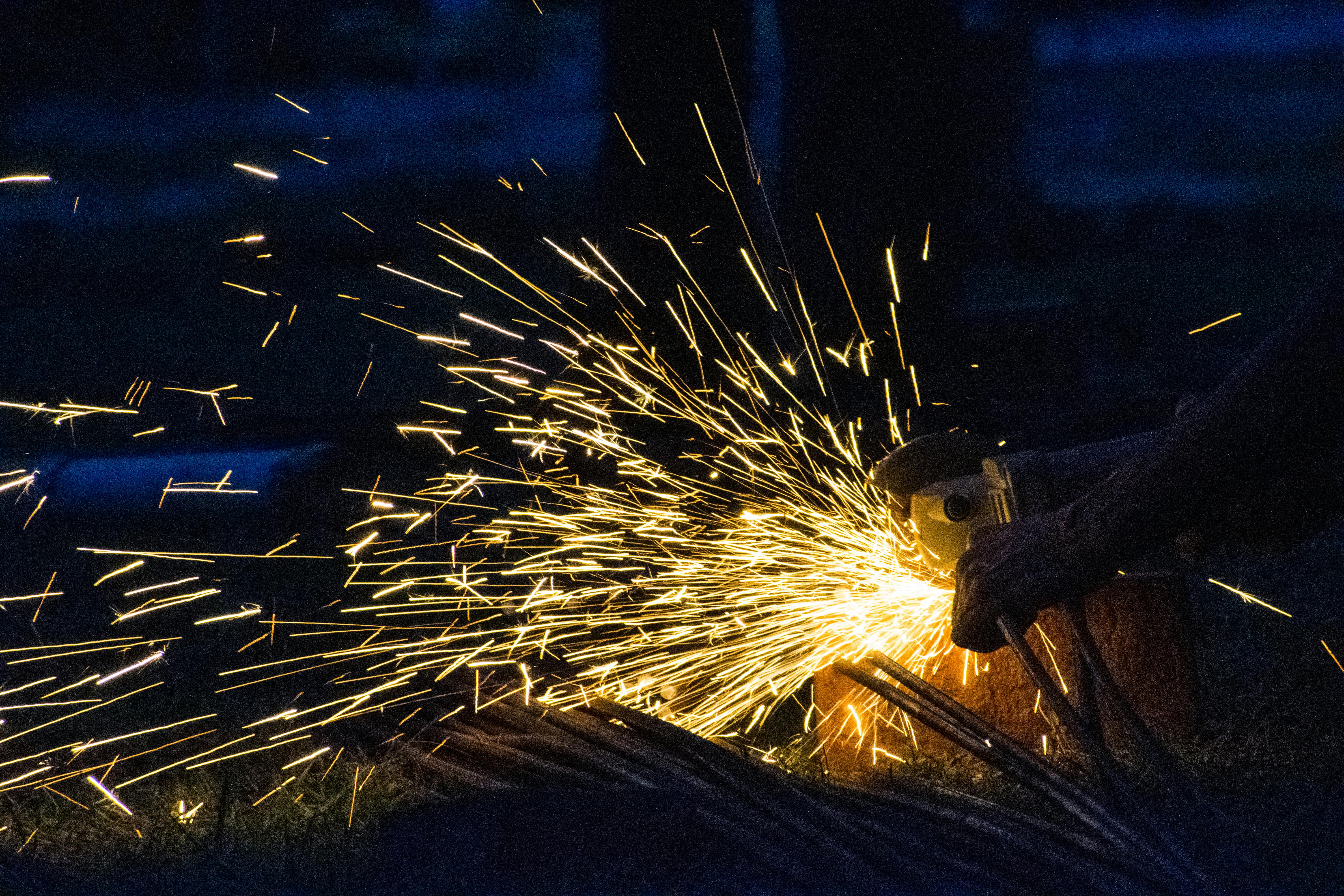
A ferro rod remains one of the most trusted tools in any survival system, but serious users are increasingly pairing it with curated tinder bundles instead of improvising everything on site. That means cotton and wax tabs, jute fibers, and shavings that catch a spark quickly without wasting effort.
The appeal is durability. Unlike lighters and matches, a ferro rod can sit for years and still perform, even after getting soaked. In 2026, more kits are arriving with ergonomic handles and striker designs that throw larger spark showers, making them friendlier for newer users without losing credibility with experts.
Waterproof Lighter Backup Kit
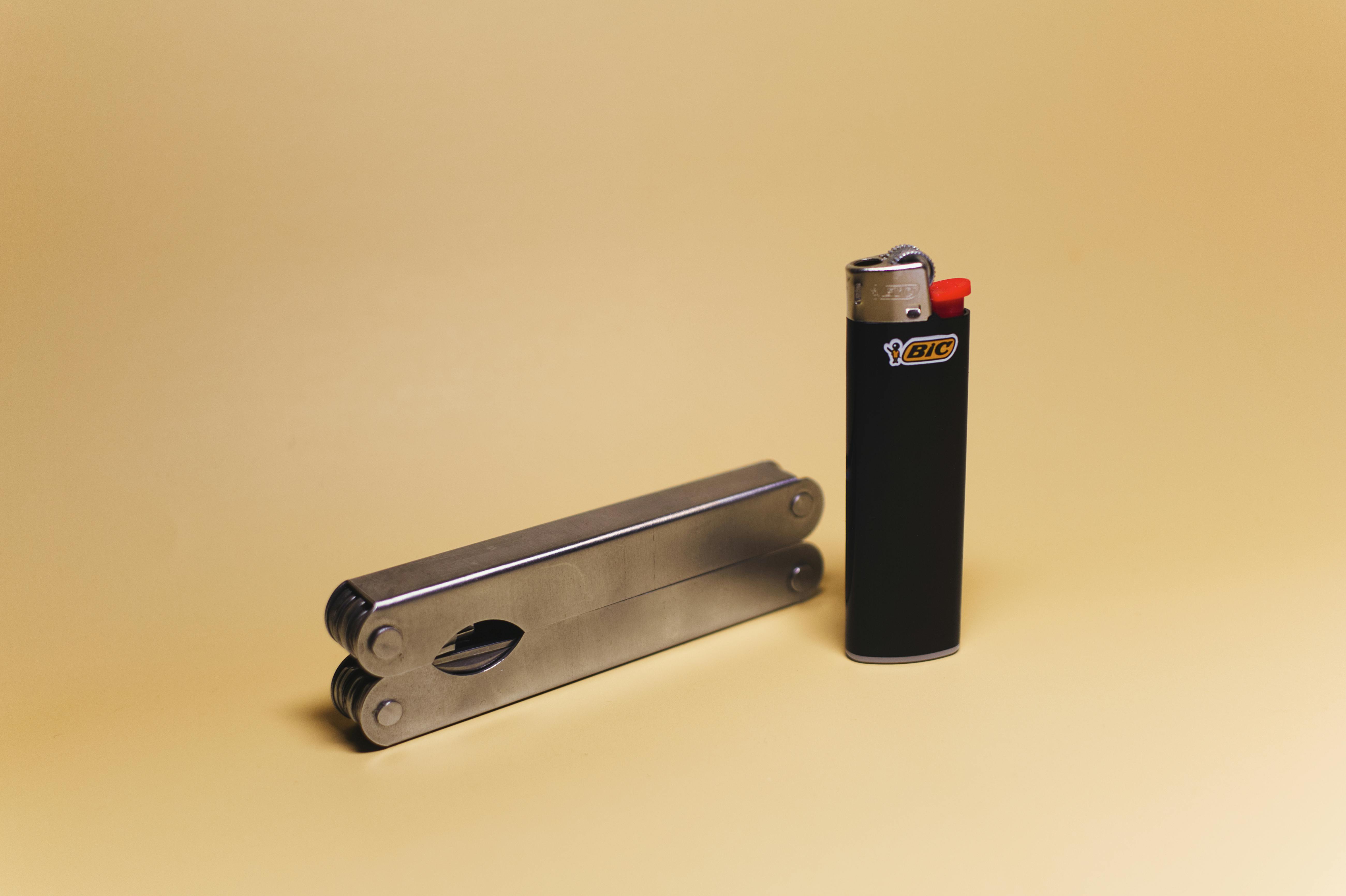
For all the romance around primitive methods, plenty of serious survivalists still want a flame instantly. A waterproof lighter kit, usually packed with a mini Bic-style lighter, spare fuel source, and dry tinder, offers exactly that. It is fast, intuitive, and excellent for morale when energy is already running low.
The shift in 2026 is toward redundancy rather than dependence. Users are not carrying one lighter and hoping for the best. They are sealing a primary lighter with a second ignition source and compact tinder in a rugged micro-case, creating a lightweight backup that earns its place in almost any pack.
Plasma Lighter and Tinder Kit

Rechargeable plasma lighters have moved from gadget status to serious backup gear, especially for people who spend time in windy environments. Because they use an electric arc instead of a flame, they are less fussy in gusty weather and can ignite char cloth, fine tinder, and other prepared materials with impressive consistency.
What keeps them from replacing everything is power management. That is why the smart kits in 2026 bundle a plasma lighter with dry tinder and a secondary ignition method. Used that way, they become a clean, compact option for vehicle kits, bug-out bags, and day packs where convenience matters.
Magnesium Block Fire Starter Kit
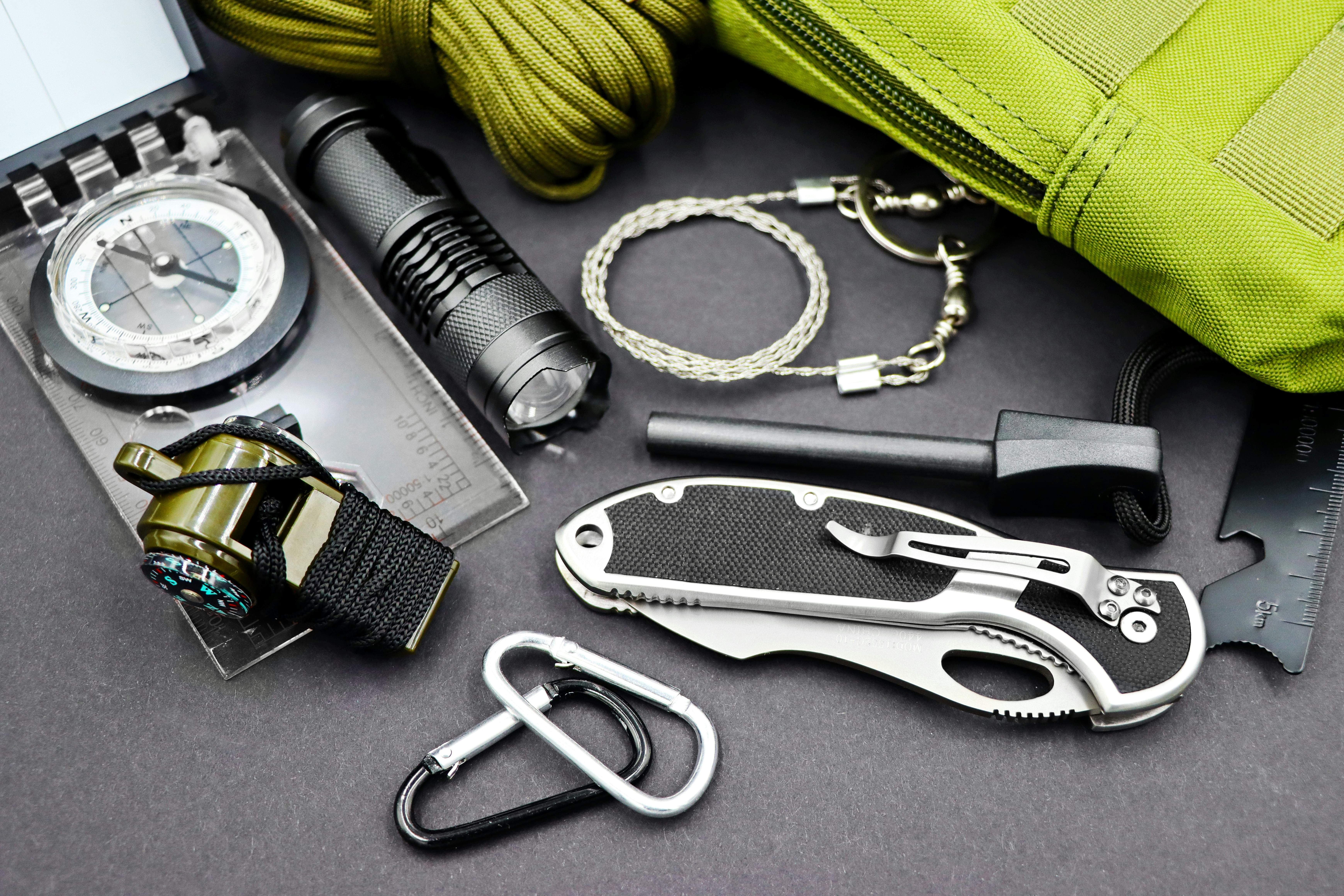
The magnesium block kit is getting another wave of appreciation from people who value old-school dependability. Shaving magnesium into a small pile and then striking sparks into it takes a little practice, but the payoff is a hot, intense burn that can help bridge the gap between reluctant tinder and a stable flame.
In 2026, survivalists are choosing better-designed versions with larger ferro rods, improved grip, and integrated scraper tools that are less frustrating to use. It is not the quickest method on the list, but many users like it as a deep-backup option that works after years of neglect.
Char Cloth Tin and Spark Kit
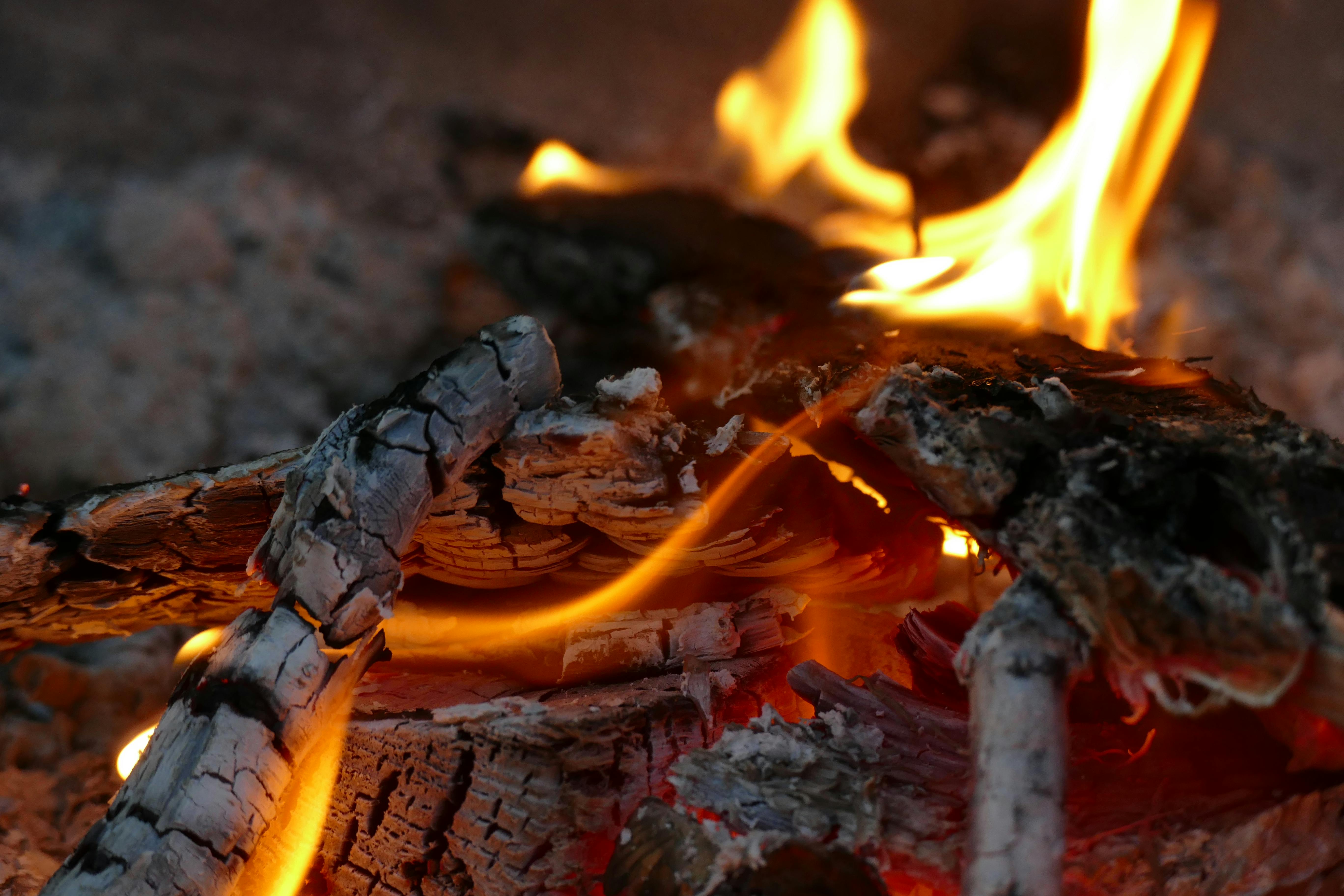
For bushcraft-minded survivalists, char cloth is making a quiet comeback. Paired with a ferro rod or traditional spark source, it catches and holds an ember beautifully, giving you more control during the delicate transition from spark to flame. It feels slower than a lighter, but many users appreciate how teachable and reliable the process can be.
Modern versions of this kit are less improvised than they used to be. Small metal tins, pre-made char rounds, and protective pouches are now sold as tidy systems, making them easier to carry and less likely to crumble into useless dust at the bottom of a pack.
Wet-Weather Tinder Pouch Kit
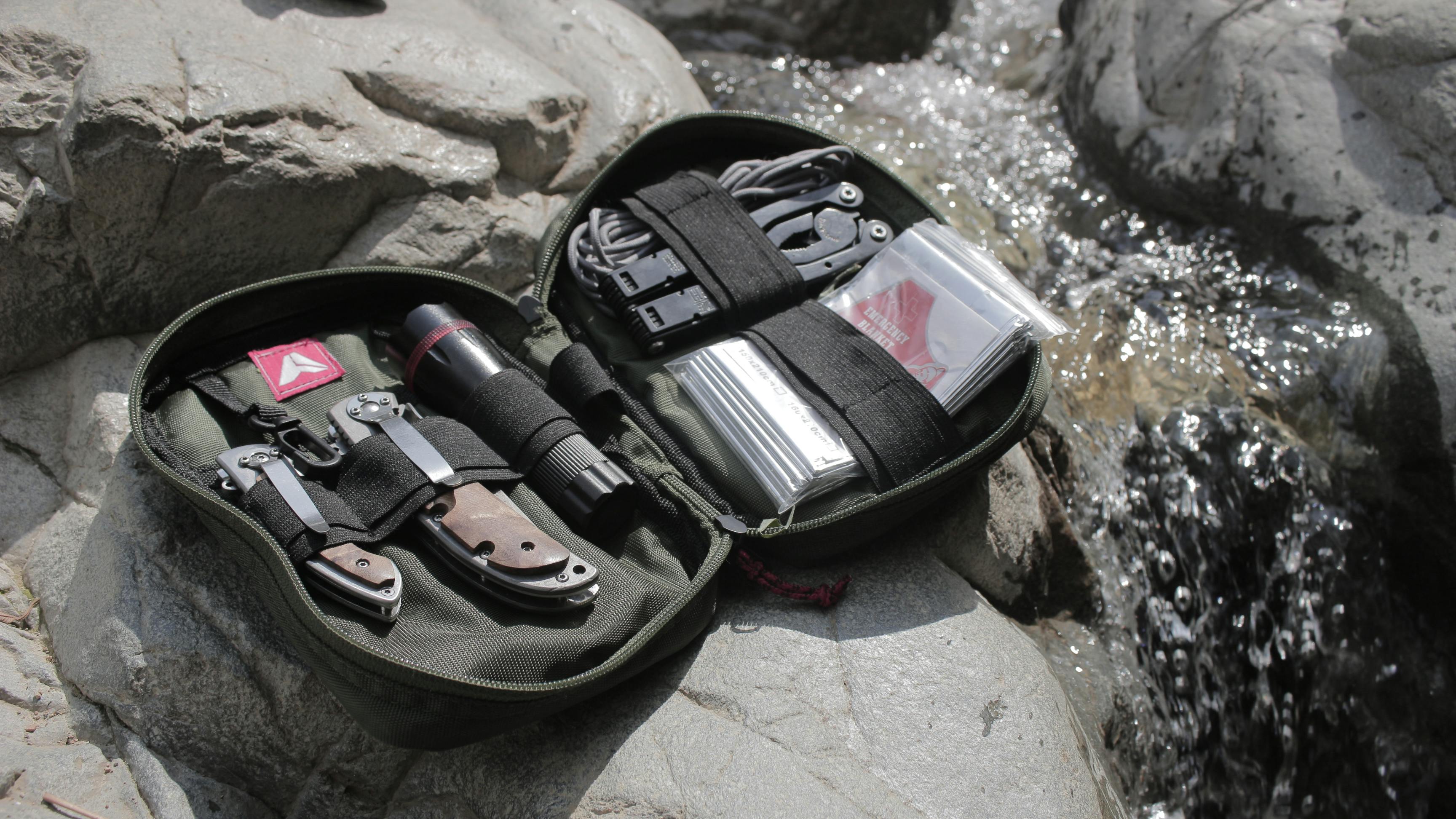
Sometimes the real problem is not the spark source, it is everything around it being damp, cold, or stubbornly uncooperative. That is why wet-weather tinder pouches are gaining fans in 2026. These kits focus on highly reliable tinder, from resin-rich sticks to waxed fibers and compressed tabs that burn long enough to dry out kindling.
Serious survivalists like the realism of this approach. In bad conditions, the best spark tool in the world means little if your tinder fizzles instantly. A dedicated wet-weather pouch acknowledges that fire starting is a system, and that a stronger middle step often matters more than adding another gadget.
Pocket Bellows and Ember Kit

This setup is less about making the first spark and more about making that spark count. Pocket bellows, usually telescoping metal tubes, let you direct steady air into a tiny ember without getting your face too close to smoke or collapsing your fragile tinder nest. In practice, that control can be the difference between success and another reset.
In 2026, more survivalists are adding pocket bellows to compact ember-focused kits that include char material, tinder, and a spark source. It is a small refinement, but one that reflects a more practiced mindset. Starting fire is one thing. Growing it efficiently is another skill entirely.
Solar Ignition Backup Kit
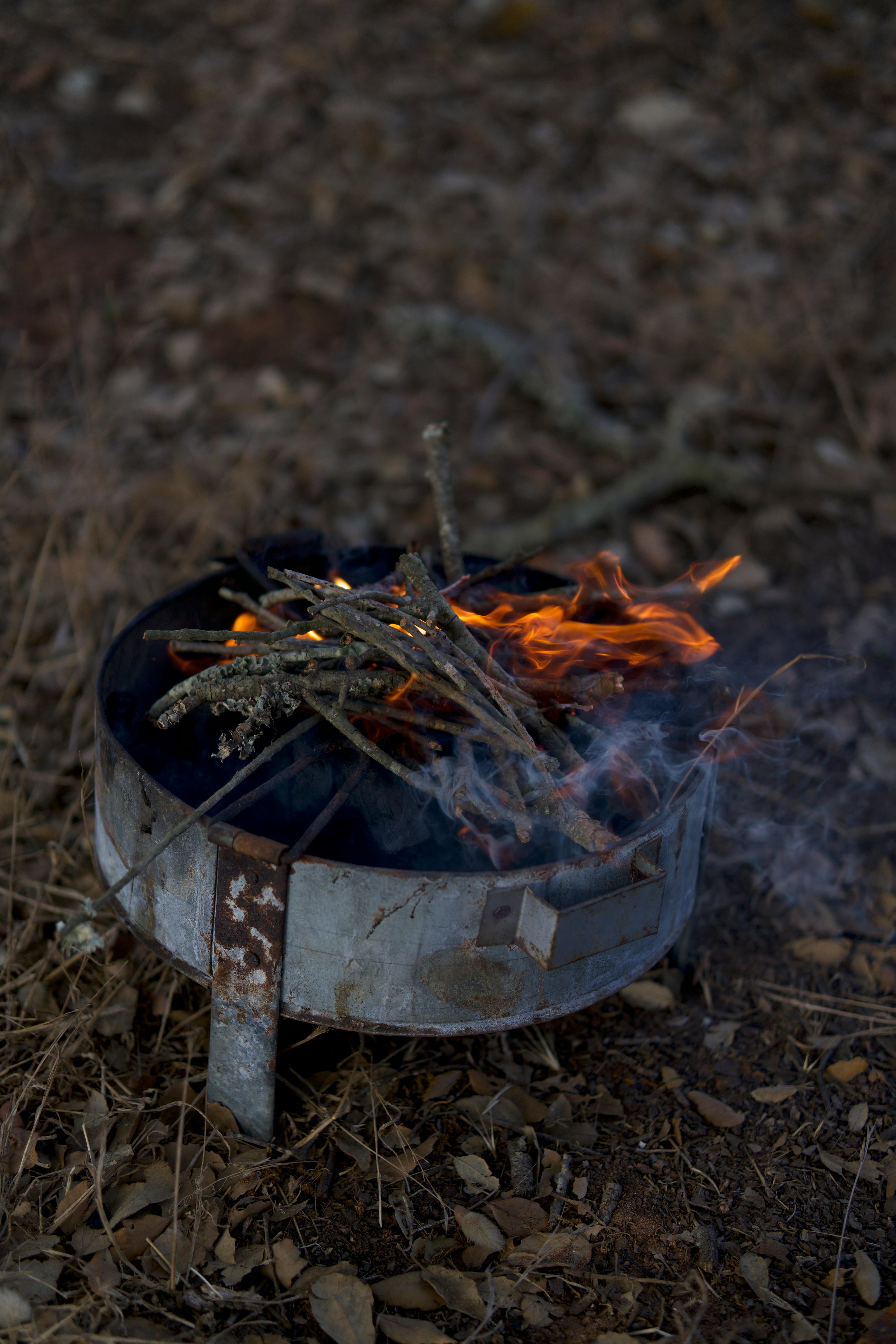
Solar fire starting tools still occupy a niche, but that niche is getting more serious attention in 2026. Compact Fresnel lenses and polished reflector designs weigh almost nothing and never run out of fuel, making them attractive as an emergency backup in sunny climates or long-duration kits where every gram matters.
No one sensible treats solar ignition as a primary answer for every environment. The value is in redundancy and endurance. When packed with dark, dry tinder and a conventional spark source, a solar kit becomes a quiet insurance policy, especially for desert travel and vehicle emergency bags.
One-Handed Fire Starter Kit

Injury planning is becoming a bigger part of survival gear choices, and one-handed fire kits reflect that shift. These setups are designed so a user can operate them with limited dexterity, whether that means a thumb-strike lighter, a mounted ferro rod system, or tinder that lights with minimal fine motor control.
The idea is simple but powerful. Stress, cold, and fatigue can make even two working hands feel clumsy. In 2026, kits that reduce those friction points are standing out because they feel grounded in real-world failure points, not just ideal camp conditions. That makes them especially appealing for preparedness-minded buyers.
Vacuum-Sealed Micro Fire Kit
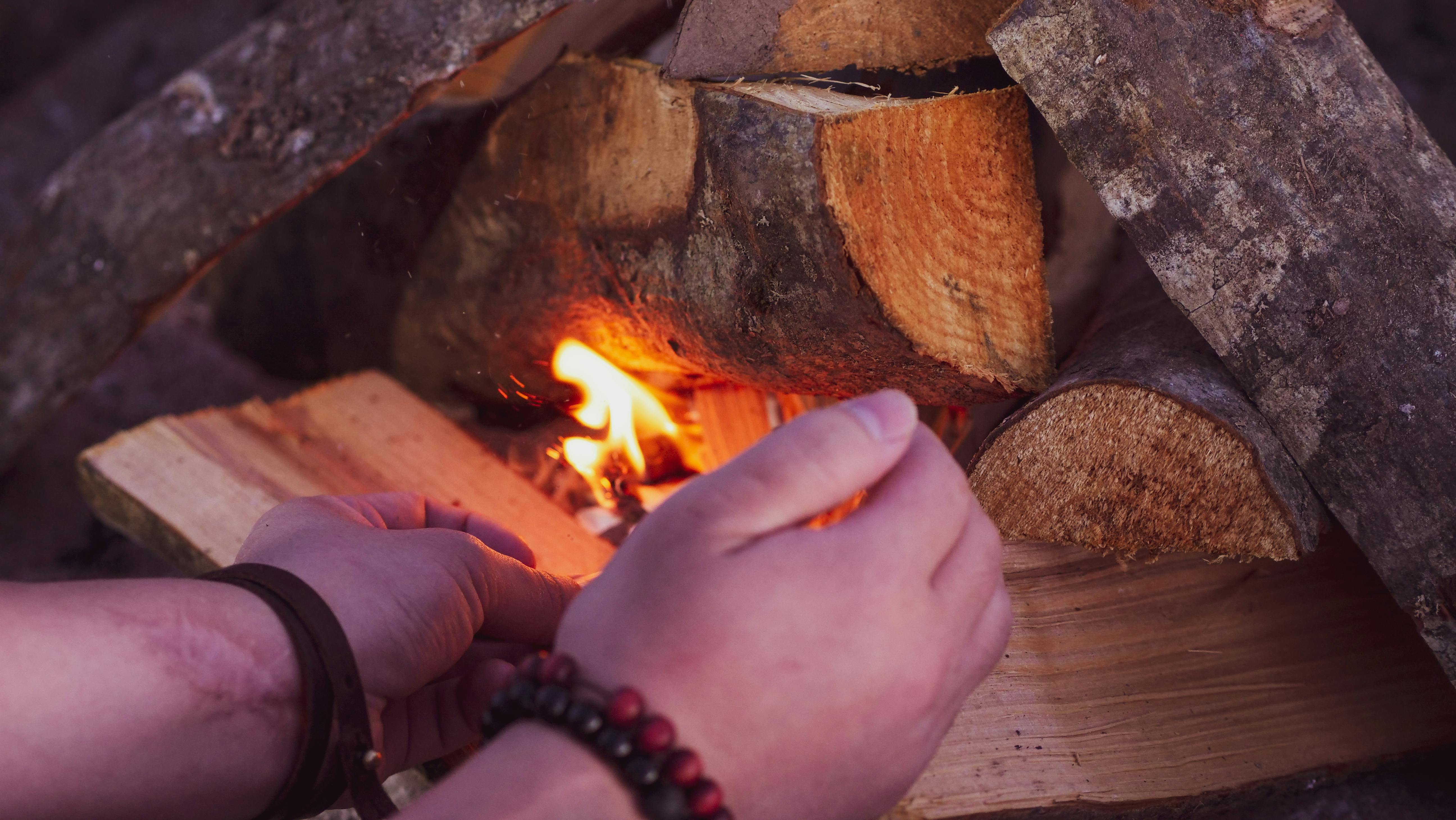
The vacuum-sealed micro kit is all about compact insurance. Usually no bigger than a wallet or snack bar, it contains tiny but carefully chosen essentials like tinder tabs, a mini ferro rod, waterproof matches, and sometimes a razor-thin striker. The sealed format keeps moisture out and keeps the contents from slowly degrading in storage.
This style is catching on in 2026 because it fits where larger kits do not. Survivalists are sliding them into jackets, fishing vests, first aid kits, and glove boxes, then forgetting about them until needed. That low profile makes them ideal for everyday carry and secondary backups.