Long before radar apps and hourly forecasts, people watched animals for clues about changing weather. Many hunters still do, because shifts in movement, calls, feeding, and cover can hint that wind, rain, or pressure changes are moving in fast. This gallery looks at 11 animals known for acting differently before a storm and explains the calm, practical adjustments experienced hunters often make when they notice those signals.
Deer

Deer often seem to sense a weather turn before people do. Ahead of a storm, many hunters notice bucks and does feeding hard, moving earlier than usual, and stepping into openings with a little more urgency. As pressure drops and wind begins to build, that burst of activity can be short but very noticeable.
Experienced hunters usually avoid overcomplicating it. If deer are on their feet ahead of incoming rain, they move quickly to a known travel corridor, food source, or bedding edge and stay alert for a brief window. Once wind and heavy rain settle in, many will back out, knowing deer often bed tight and become harder to pattern safely and cleanly.
Turkey
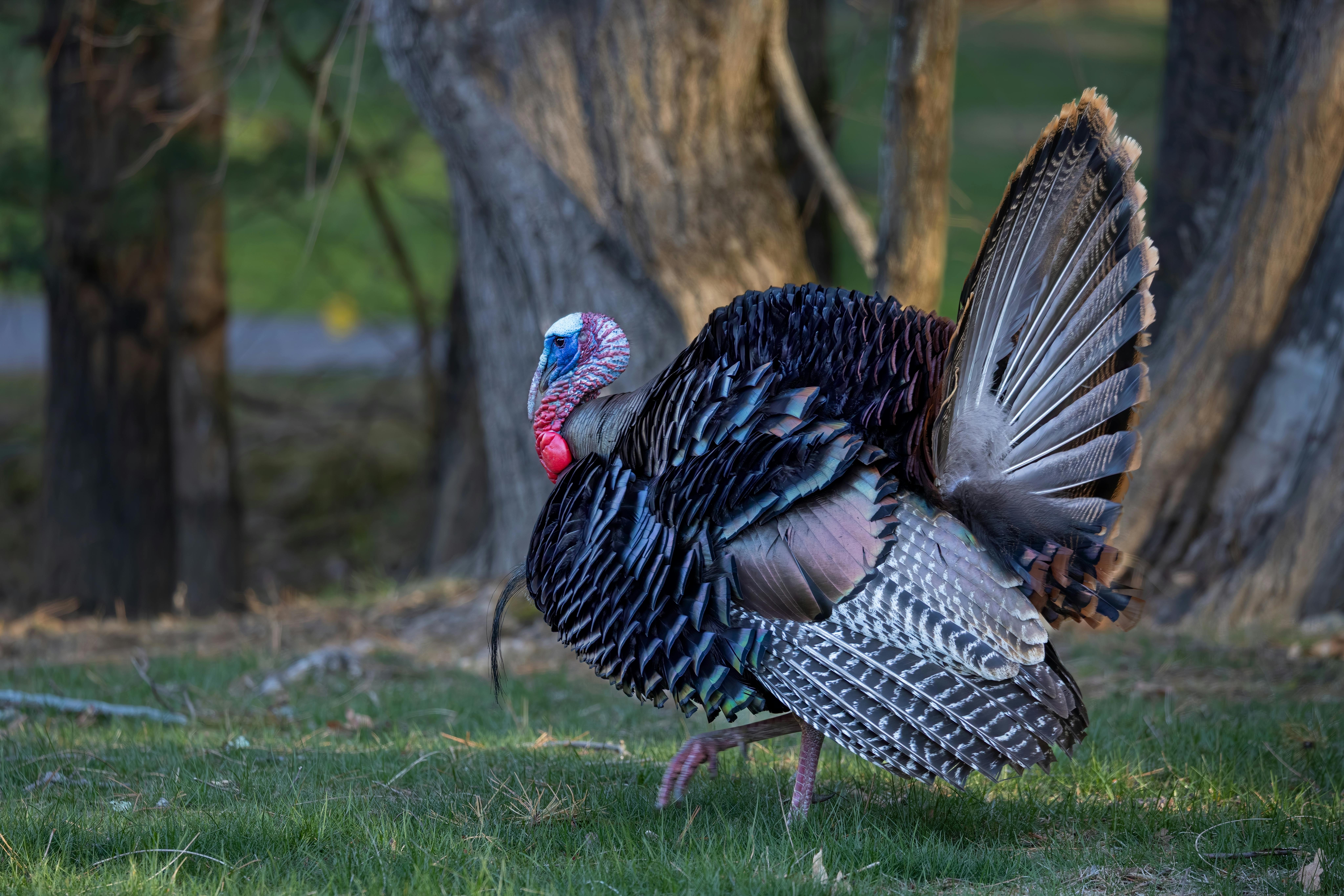
Wild turkeys can get especially twitchy before a storm. Flocks may feed aggressively, drift toward open ground, and become more vocal when the air feels charged and the wind starts to change. Hunters who spend enough mornings around them often say the birds look restless, as if they are trying to finish business before weather shuts things down.
Seasoned turkey hunters usually focus on visibility and movement lanes when they catch that pattern. They may set up near field edges or open woods where birds can see danger coming in gusty conditions. If thunder is close, they often call less and prioritize safety, since exposed ridges and tall isolated trees are no place to linger when lightning is on the way.
Ducks

Waterfowl hunters pay close attention to ducks when weather is changing because birds often respond fast to wind and pressure. Before a front, ducks may fly lower, trade more frequently, and feed with extra intensity. On some days the marsh suddenly feels alive, with birds moving in waves as conditions begin to shift.
Veteran hunters tend to adjust decoy spreads and hide quality rather than chase every flock. If ducks are working with the wind, they set landing pockets that match that approach and choose sheltered spots where birds naturally drop in. They also keep an eye on safety, because strong gusts, rising water, and lightning can turn a productive hunt into a dangerous one with very little warning.
Geese
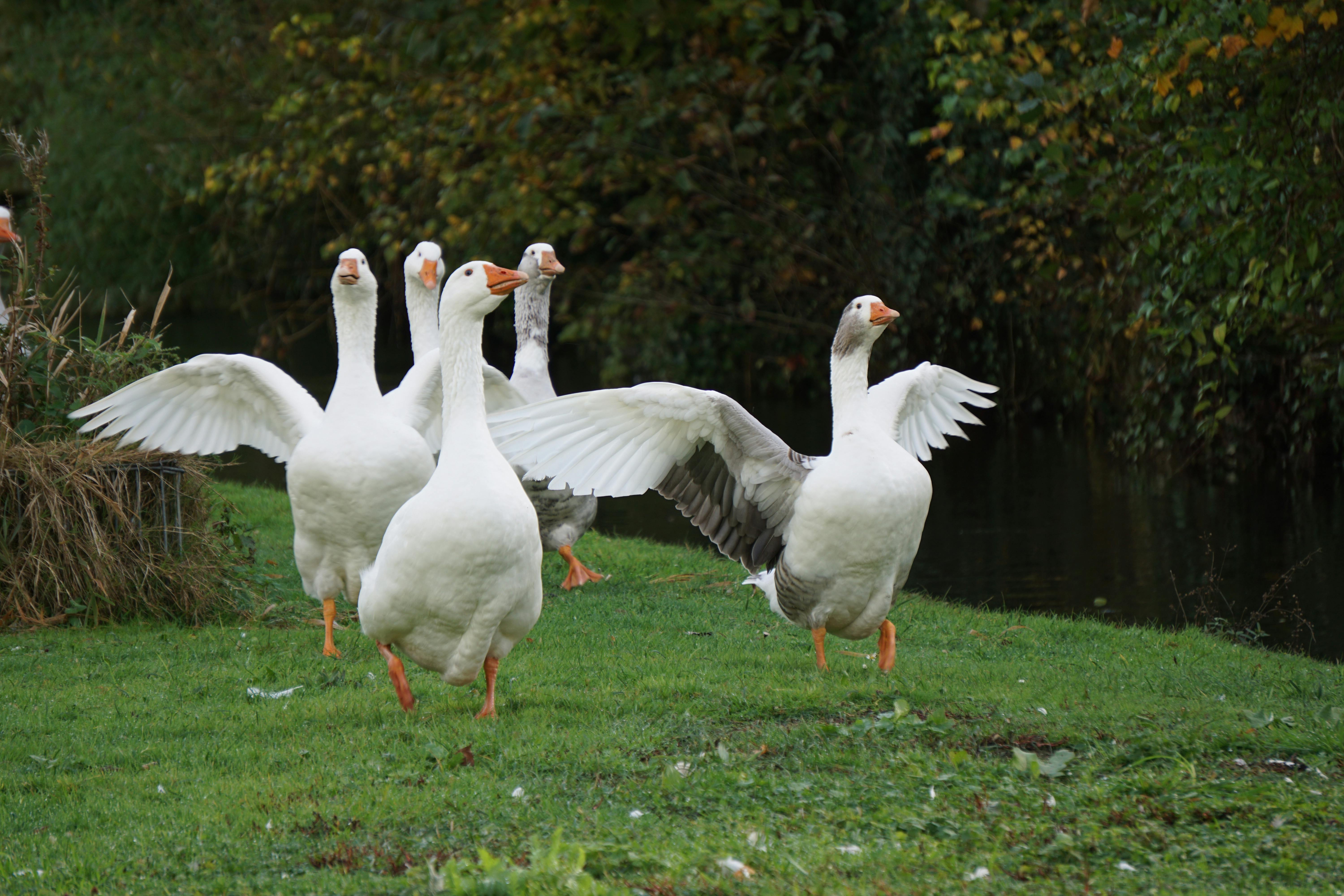
Geese often advertise a weather change with noise before they show it with movement. Hunters frequently notice louder calling, tighter flock behavior, and determined feeding just ahead of rough weather. In farm country, that can mean birds piling into cut fields for a last hard meal before wind and rain make travel more difficult.
Experienced goose hunters usually resist the urge to overcall when birds are already active. Instead, they refine concealment, watch flight lines, and get in place where geese want to be before the front fully arrives. If winds are forecast to become severe, many wrap the hunt early, because layout blinds, open fields, and shifting visibility are not worth gambling with when conditions turn truly ugly.
Squirrels

Squirrels can be one of the quiet woods’ best weather alarms. Before a storm, they often feed fast, cut more nuts, and move with a sort of frantic purpose from tree to tree. In hardwood country, that sudden burst of chatter and activity can tell attentive hunters that the comfortable part of the day may not last long.
Old hands often use that clue to tighten their plans. If squirrels are busy early, hunters settle near productive mast trees and take advantage of the short rush before rain suppresses movement. They also listen closely, because once wind rises, branches, leaves, and shifting treetops make it much harder to hear game and much easier to misread normal woods noise as animal movement.
Rabbits

Rabbits often become harder to spot once bad weather settles in, which is why pre-storm behavior matters. Ahead of rain or a strong front, they may feed a little farther from thick cover and show themselves in field margins, brushy lanes, and weedy openings. Hunters and dog handlers who know their ground often notice that brief increase in visible movement.
Experienced rabbit hunters usually treat it as a timing signal, not a guarantee. They work likely edges early, keep dogs under close control, and pay attention to where rabbits duck back into shelter when the first gusts start. Those escape routes and hideouts often become the best places to revisit after the storm passes and normal movement resumes.
Crows

Crows have a reputation for being sharp observers, and many outdoors people return the favor by watching them. Before a storm, crows may fly lower, call more persistently, or gather in noticeable groups near sheltered timber and field edges. Their behavior can make the landscape feel busy in a way that hints the weather is not far behind.
Hunters who pay attention to crows do not usually treat them as a direct target indicator. Instead, they read crow movement as a general sign that wind, pressure, and visibility are changing across the area. That often means adjusting stand choice, avoiding overly exposed locations, and preparing for the fact that other game may either move briefly before the weather hits or lock down once it arrives.
Frogs

Frogs may not be a hunting species in most conversations, but they are classic storm announcers in wetlands and low country. When humidity climbs and rain nears, choruses can intensify, especially around ponds, marshes, and flooded timber. That swelling sound often tells experienced hunters that moisture and changing air pressure are settling over the area.
People in duck country, swamp bottoms, and river edges often use that cue as one more piece of the puzzle. Louder frog activity can confirm that conditions are turning wetter and visibility may soon shrink. Hunters then think practically, checking routes back to the truck or boat ramp, securing gear, and avoiding low spots that can flood quickly once a passing shower turns into a sustained storm.
Cattle and Horses

Farm animals are not game, but hunters notice them because they live outdoors and react openly to changing weather. Cattle may bunch together, turn their backs to the wind, or drift toward shelter before a storm. Horses can become alert, restless, or unusually focused on the horizon, especially when wind and static in the air begin to build.
Experienced hunters read that behavior as a local weather clue, particularly in open country where livestock share the same fields, ridges, and draws they hunt around. If animals are grouping tightly or acting uneasy, hunters often rethink exposed setups and long walks across open ground. It is less about folklore and more about respecting what seasoned observation can reveal before the first drops ever fall.
Songbirds
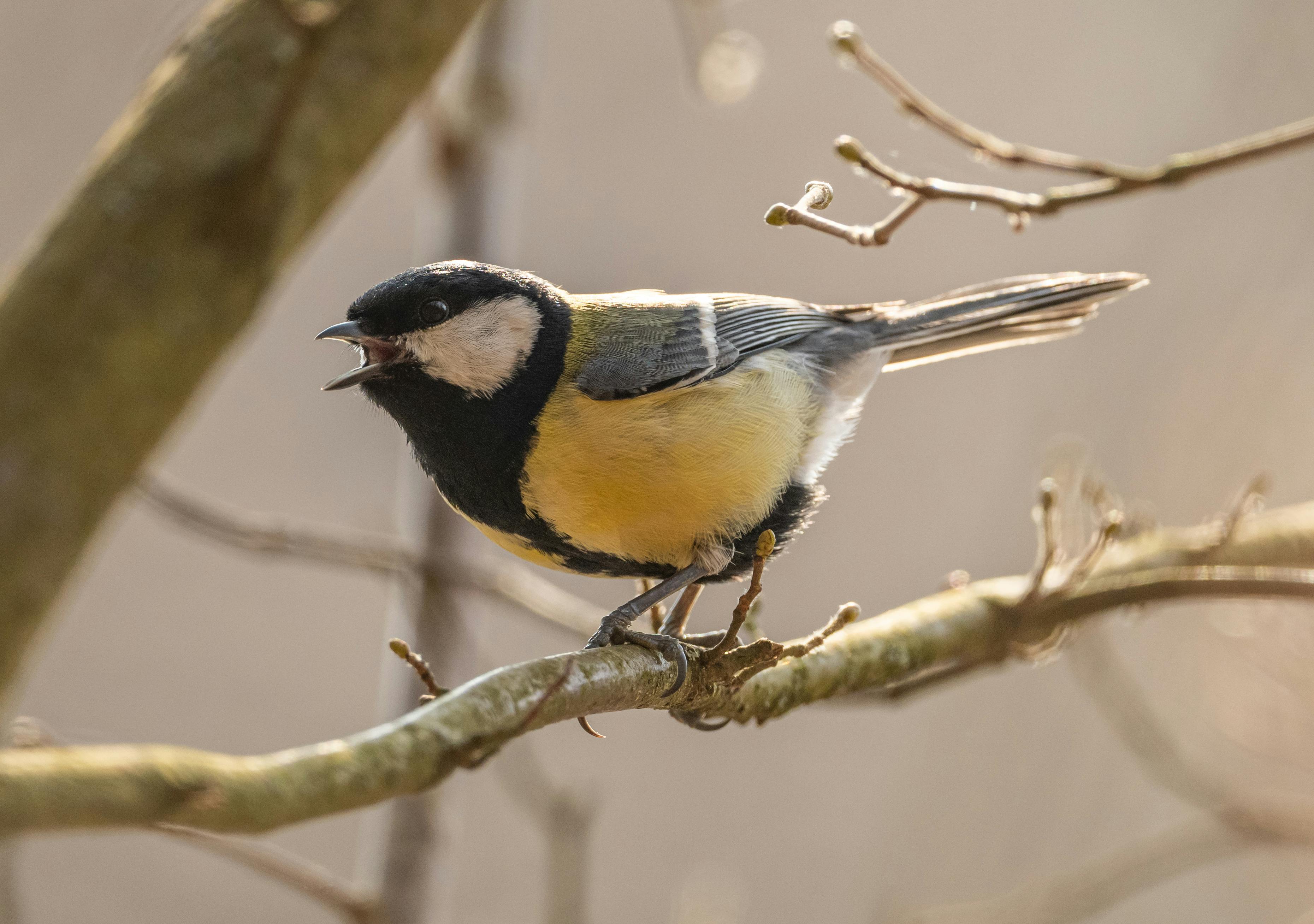
Small birds often broadcast weather shifts in subtle but useful ways. Before a storm, hunters may notice swallows flying lower, songbirds feeding close to cover, or an unusual burst of activity followed by sudden quiet. Those changes are easy to miss if you are focused only on big game, but they can be some of the clearest signs in the woods.
Veteran hunters treat songbird behavior as background intelligence. A lively treeline that goes still can mean wind, pressure, or rain is about to change the mood of the entire area. That often prompts a simple decision: stay put for a possible short movement window, or leave before worsening weather turns the hunt into a noisy, low-visibility sit with limited odds and more safety concerns.
Insects and Bees

Many hunters trust insects as much as any forecast, because bugs react quickly to humidity, pressure, and wind. Before a storm, mosquitoes may thicken in still pockets, ants can become more active around mounds, and bees often seem to hurry low and direct as they return to shelter. It is not glamorous fieldcraft, but it is often reliable.
Experienced hunters use those signs to make small, smart adjustments. Extra insect activity can confirm that the air is turning heavy and that rain may not be far behind, especially when paired with shifting bird and deer movement. That usually means organizing gear, protecting optics and ammunition, and deciding whether the next hour is worth staying for or whether the better move is a clean exit before conditions deteriorate.