Wild animals are fascinating to watch, but admiration can quickly turn into panic when you meet the wrong creature at the wrong distance. From forests and mountains to rivers and coastlines, some species demand real caution, not just curiosity. This gallery highlights 10 animals that are especially risky to encounter unprepared, and why knowing a little beforehand can make all the difference.
Grizzly Bear

A grizzly bear can look almost calm until you realize how fast and powerful it really is. In bear country, a surprise encounter on a trail or near a food source can go bad in seconds, especially if the animal feels cornered or is protecting cubs.
Preparation matters here more than bravado. Making noise, carrying bear spray, storing food properly, and recognizing defensive behavior can dramatically improve your odds. The worst mistake is treating a grizzly like a photo opportunity instead of a wild animal with immense strength and very little patience for human errors.
Moose
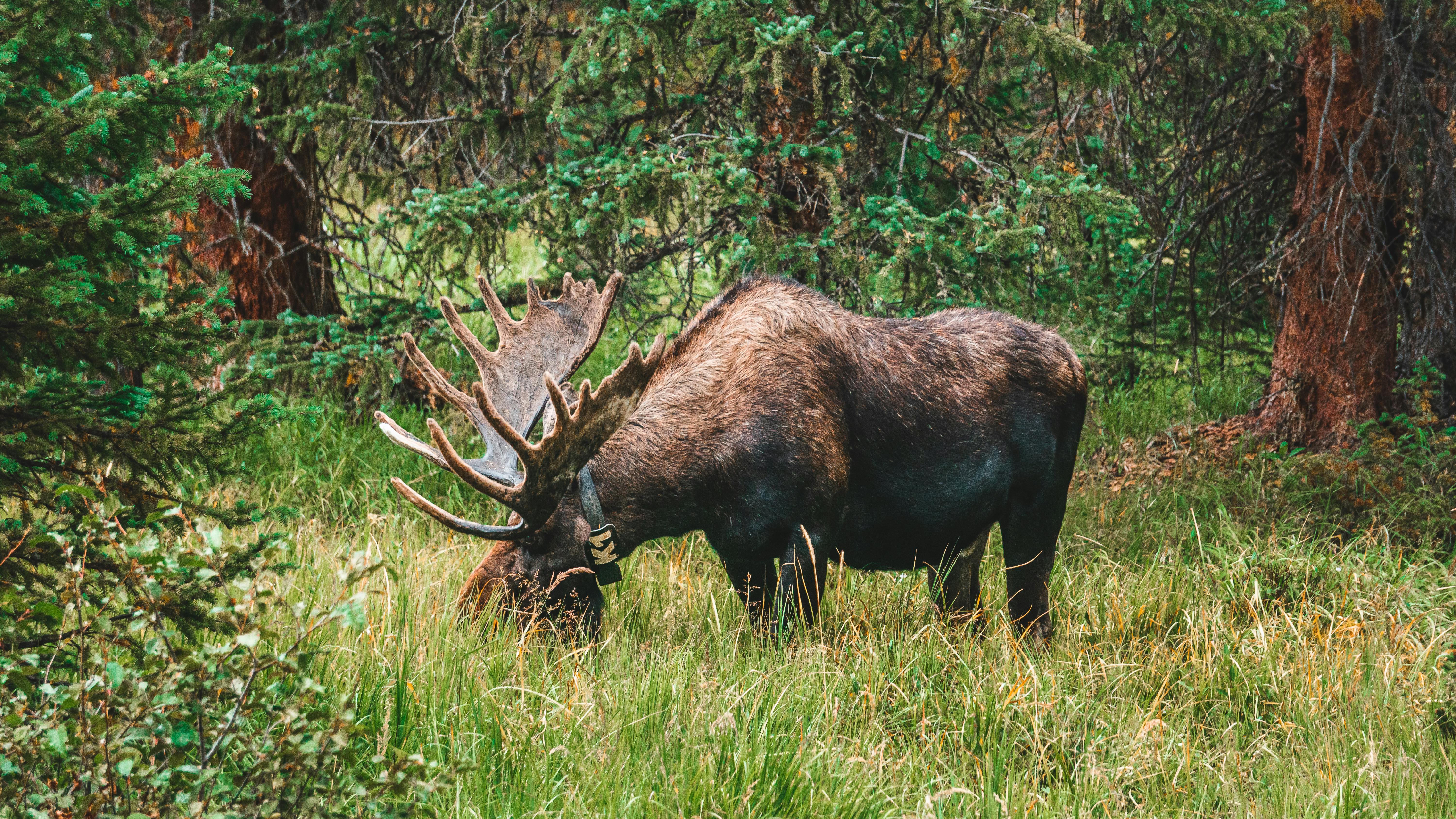
Moose do not always get the respect they deserve, mostly because they are not predators. But these huge animals are responsible for many injuries because people misread them as slow, gentle, or easy to approach. During rutting season or when calves are nearby, that assumption can become a painful lesson.
A threatened moose may stomp, charge, and keep coming with surprising speed. In neighborhoods, parks, and roadside areas, they can be even more dangerous because people let their guard down. Giving one plenty of room and watching for warning signs is far smarter than trying to sneak in a closer look.
African Buffalo
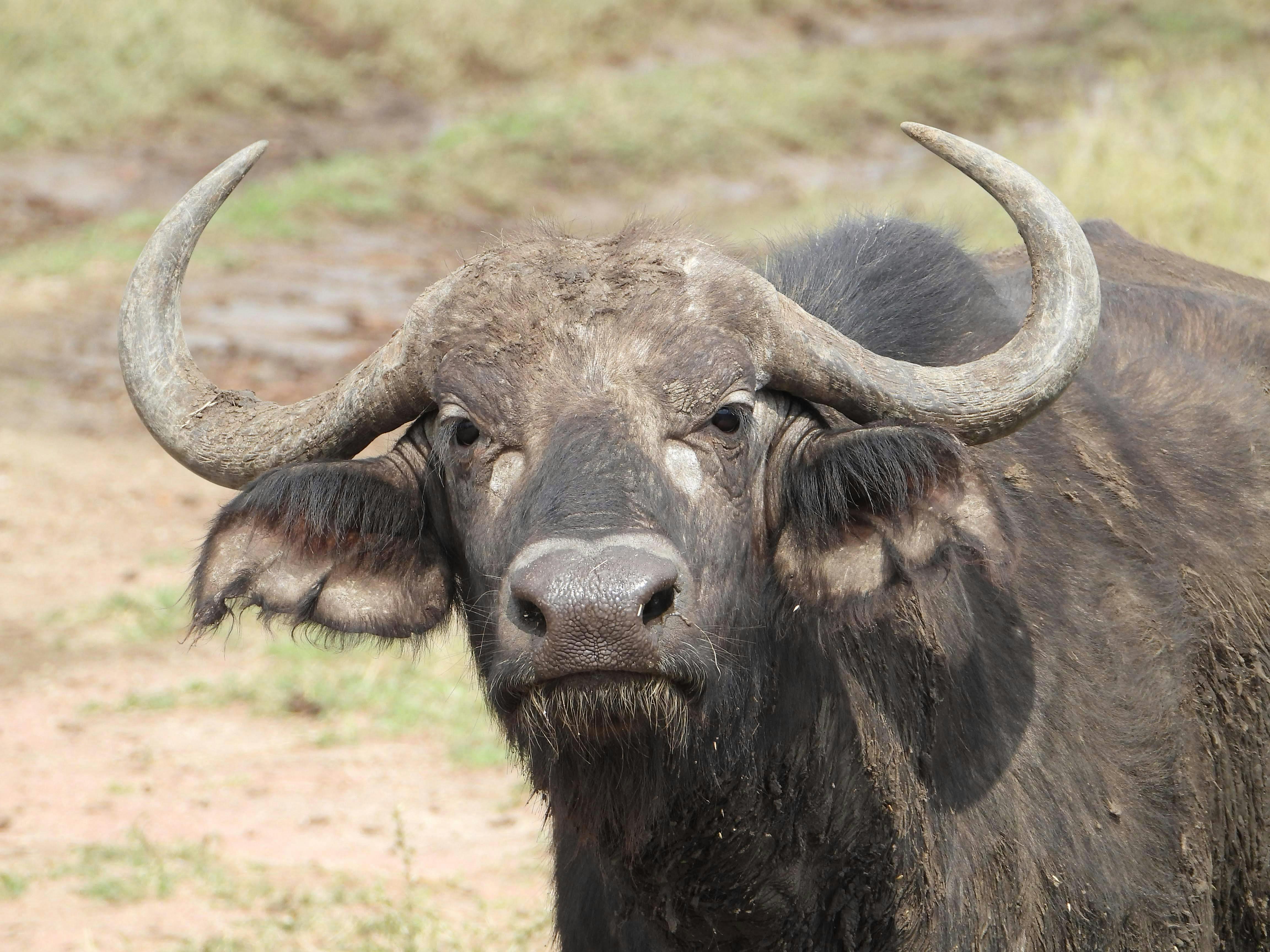
The African buffalo has a reputation that safari guides take very seriously. It is powerful, unpredictable, and known for charging when injured, startled, or otherwise agitated. This is not an animal you want to underestimate just because it spends part of the day looking like it is casually grazing.
What makes buffalo so unnerving is their toughness and tendency to stand their ground. In thick brush, visibility drops and reaction time disappears fast. For travelers on safari, the safest encounters happen from a secure vehicle with an experienced guide who understands herd behavior and can read tension before it turns into a charge.
Hippo
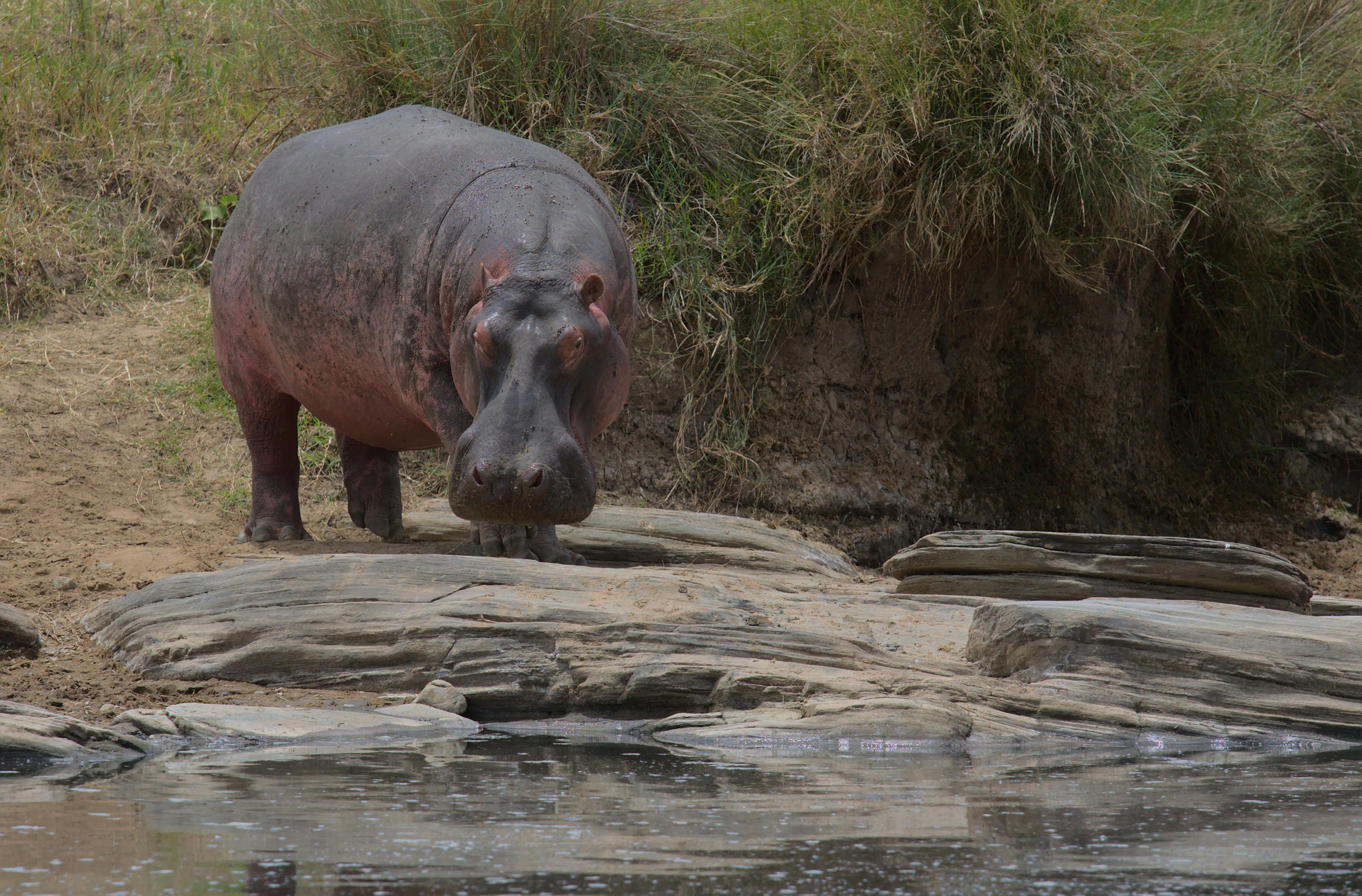
Hippos may look almost cartoonish from a distance, but they are among the most dangerous large animals in Africa. They are intensely territorial in water and can move much faster on land than most people expect. A quiet river scene can become chaotic with very little warning.
Boaters, anglers, and shoreline visitors are especially vulnerable when they drift too close or block a hippo’s path back to water. Their size alone is intimidating, but it is the sudden aggression that catches people off guard. The smart move is simple: keep your distance, stay alert, and never assume a resting hippo is harmless.
Saltwater Crocodile
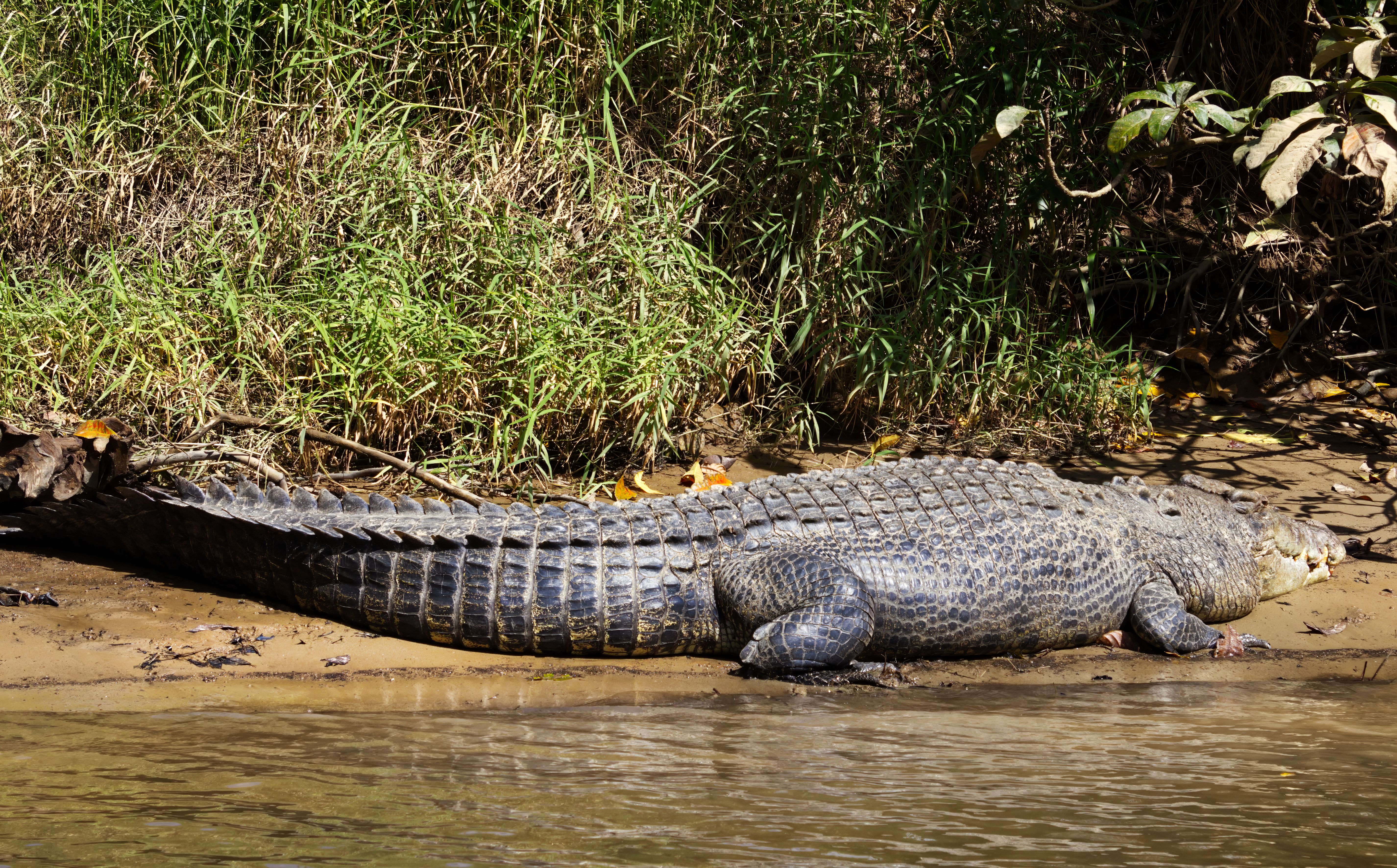
A saltwater crocodile is the definition of an ambush predator. It can remain nearly invisible in murky water, then explode into motion with terrifying force. In northern Australia and parts of Asia, this is the animal that turns an inviting riverbank into a place where caution should always come first.
People get into trouble when they swim, fish, or camp too close to the water without understanding local warnings. Crocodiles are patient, stealthy, and perfectly suited to attack from the edge. If a place is marked as croc habitat, believe it. Confidence is useless here, but distance and local knowledge are invaluable.
Mountain Lion

Seeing a mountain lion in the wild is rare, which is exactly why the encounter can feel so unsettling. These cats are elusive and usually avoid people, but when one does linger nearby, the situation deserves immediate attention. Their stealth is part of what makes them so unnerving in foothills, canyons, and wooded trails.
Joggers, solo hikers, and people with small pets are more likely to find themselves in risky situations. Running can trigger pursuit, while crouching can make you seem vulnerable. Experts typically advise staying upright, appearing larger, and backing away slowly. It is a tense reminder that not every quiet trail is as empty as it seems.
Wild Boar
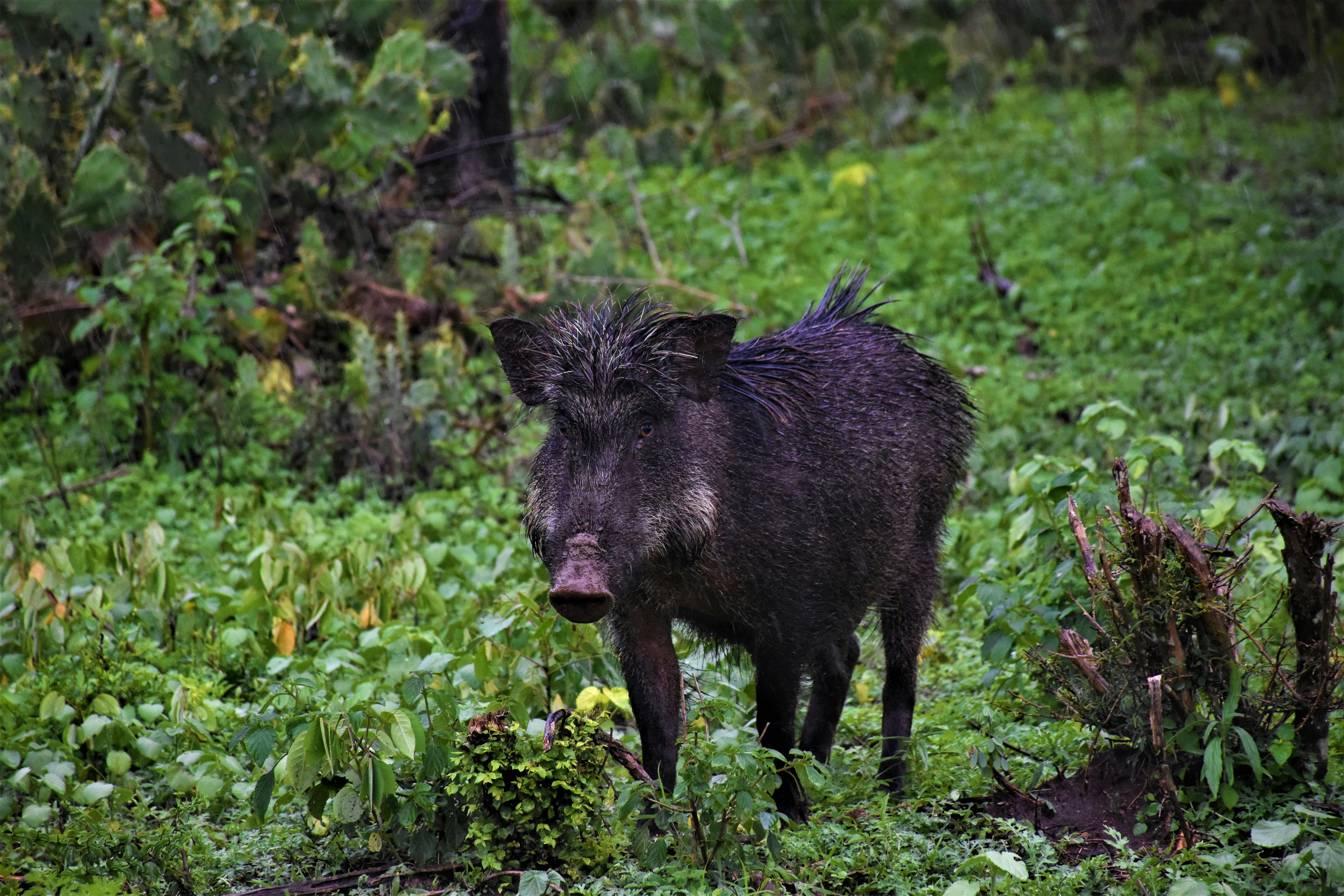
Wild boars are built like muscular battering rams, and they can be astonishingly aggressive when cornered. In forests, farmland, and even suburban edges in some regions, they are more common than many people realize. That familiarity can create the illusion that they are merely nuisance animals, not genuinely dangerous ones.
A charging boar is low, fast, and difficult to evade, especially on uneven ground. Tusks can inflict serious injuries, and females protecting piglets can react instantly. If you encounter one, the goal is not to challenge it or scare it off for fun. Calm distance and a clear escape route are much better ideas.
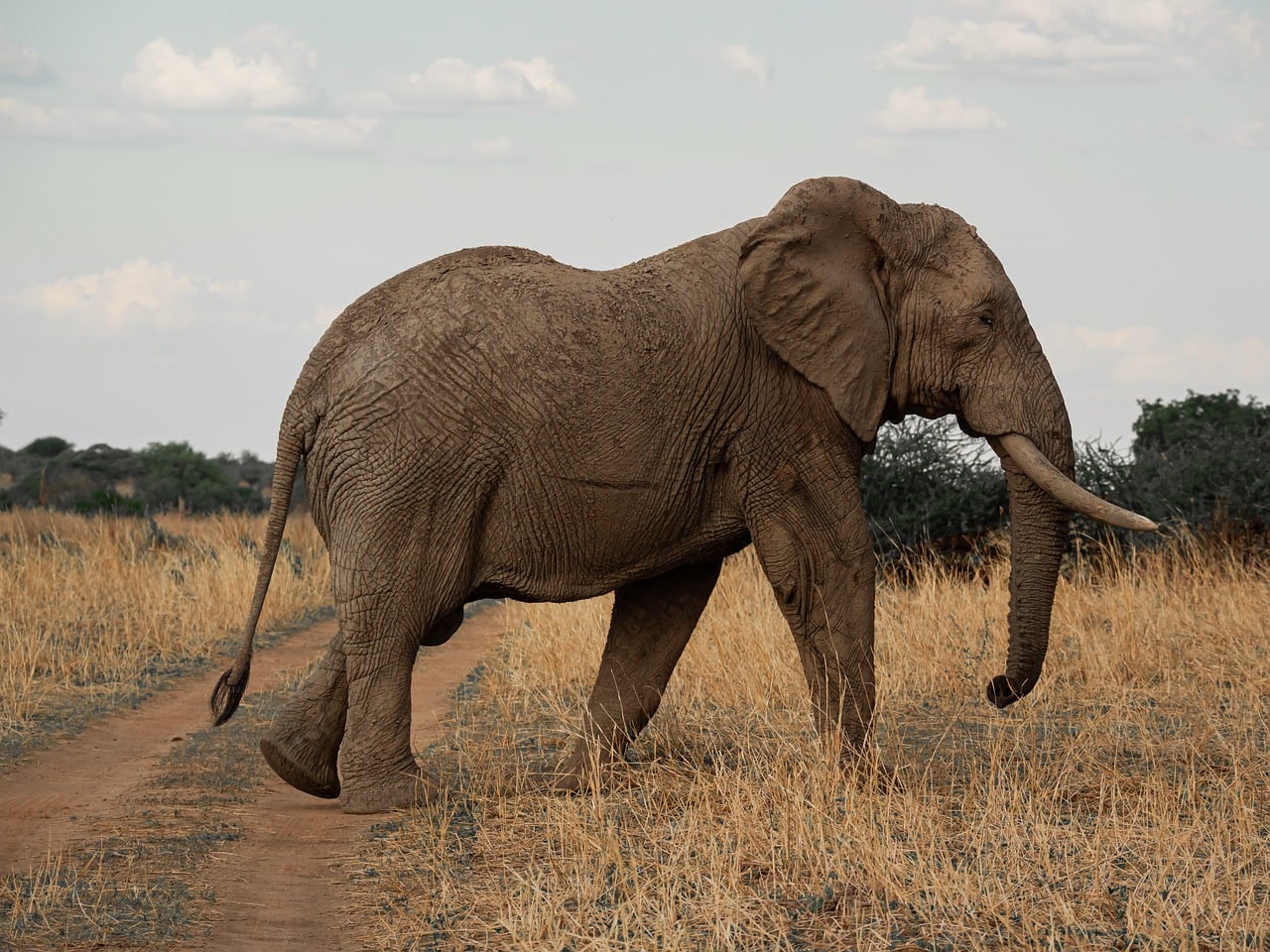
Elephant
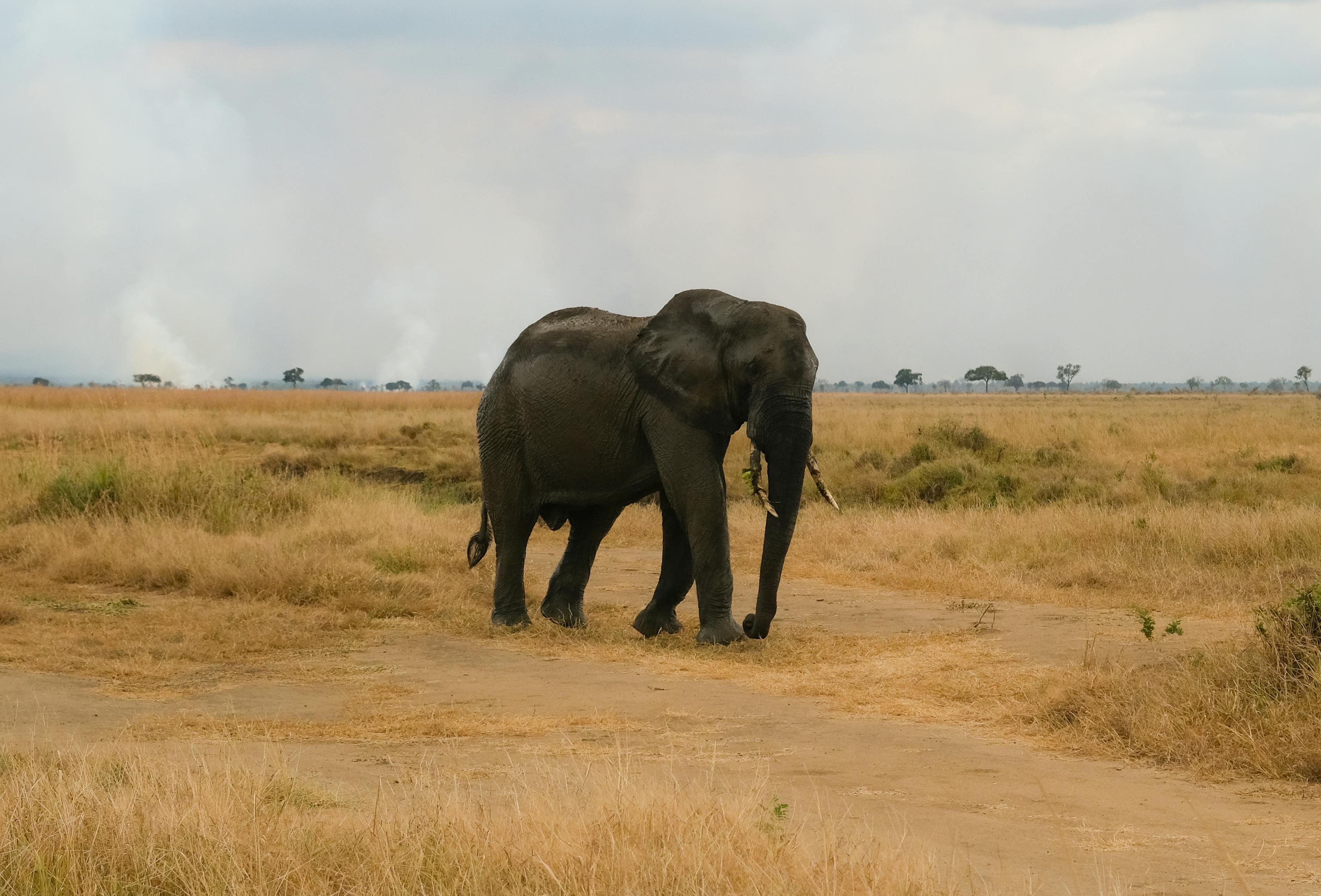
Elephants inspire awe for good reason, but that awe should always come with respect. Despite their intelligence and social complexity, they can become dangerously aggressive when stressed, surprised, or protecting young. A mock charge is intimidating enough, and a real one is something no person on foot wants to test.
Trouble often starts when people get too close for a better view or underestimate how quickly an elephant can cover ground. Ears, trunk position, and head posture can signal rising agitation, but reading those cues takes experience. From a safe distance, elephants are unforgettable. Up close without preparation, they are overwhelming in the most literal sense.
Polar Bear

A polar bear is not just another bear in a more dramatic setting. In the Arctic, it is a top predator in an environment where help is remote, weather is harsh, and mistakes carry heavy consequences. If one appears nearby, the encounter is serious from the very first moment.
These bears are curious, powerful, and capable of covering ground with unsettling efficiency. Researchers, guides, and Arctic travelers prepare carefully with deterrents, watch systems, and strict camp protocols for a reason. The landscape may look silent and beautiful, but the presence of a polar bear changes the equation instantly from adventure to emergency.
Box Jellyfish
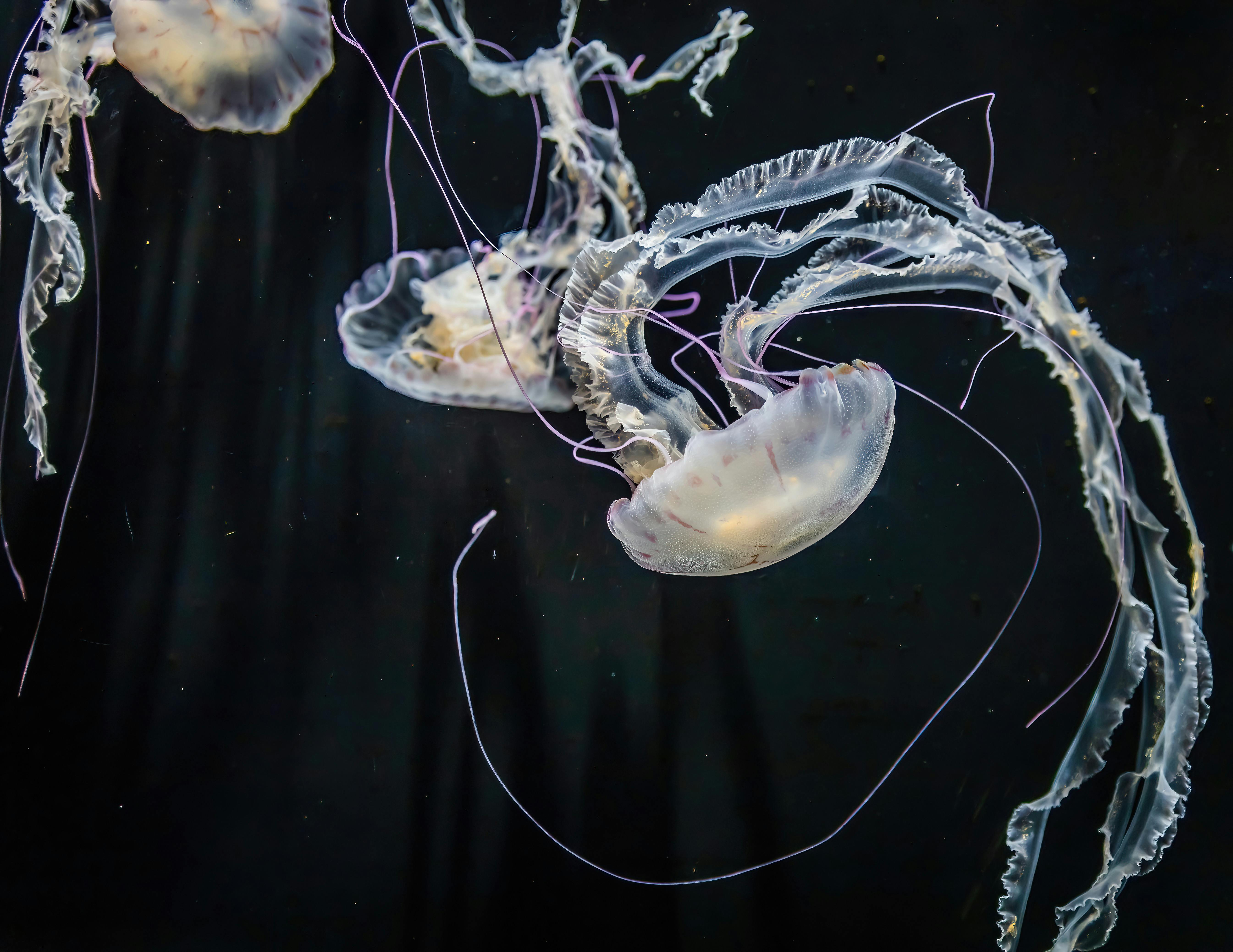
Not every dangerous encounter comes with teeth, claws, or a dramatic warning display. The box jellyfish is nearly transparent, easy to miss, and capable of delivering a sting so severe that swimmers can be incapacitated within minutes. In warm coastal waters, that makes it one of the most alarming hazards of all.
The real problem is how ordinary the setting can seem. A beautiful beach and calm water do not always signal safety, especially during jellyfish season. Protective suits, local beach advisories, and stinger nets exist for a reason. When the threat is almost invisible, preparation is what keeps a tropical swim from becoming a medical crisis.