You know that a good pair of camping shoes can make or break your outdoor adventure. The right footwear keeps you comfortable, steady, and protected from unexpected terrain. Whether you’re hiking rugged trails, exploring rivers, or relaxing by the fire, your shoes should match your activities. By understanding what to look for, you can enjoy every step of your camping trip with confidence, comfort, and lasting support.
Prioritize Comfort and Fit
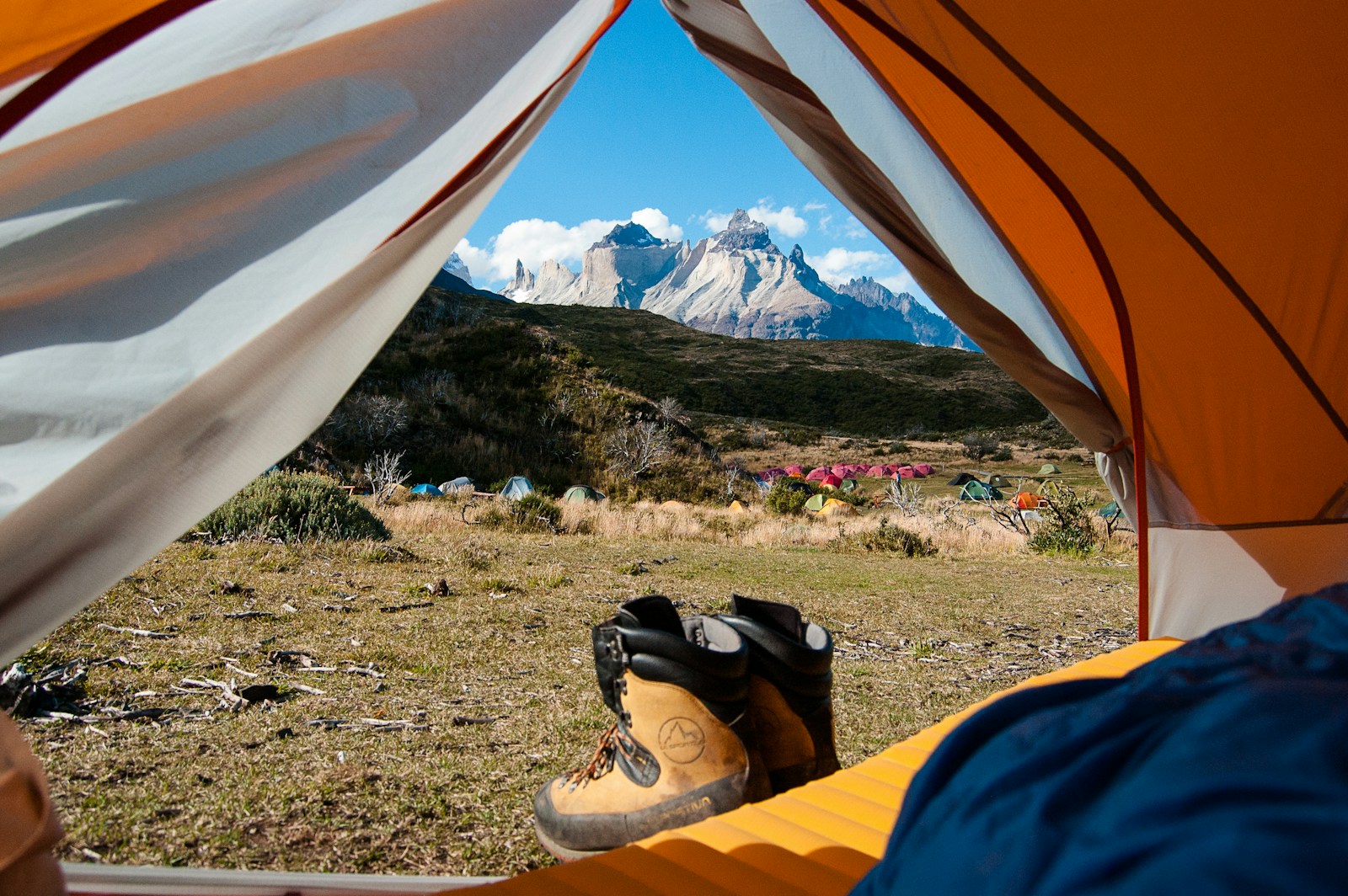
You should always choose camping shoes that feel comfortable from the start. A snug yet flexible fit prevents blisters and fatigue during long walks. Try them on with the same socks you plan to wear outdoors. Pay attention to cushioning around the heel and arch since these areas absorb the most pressure. Comfortable shoes let you focus on the adventure instead of sore feet.
Choose the Right Material
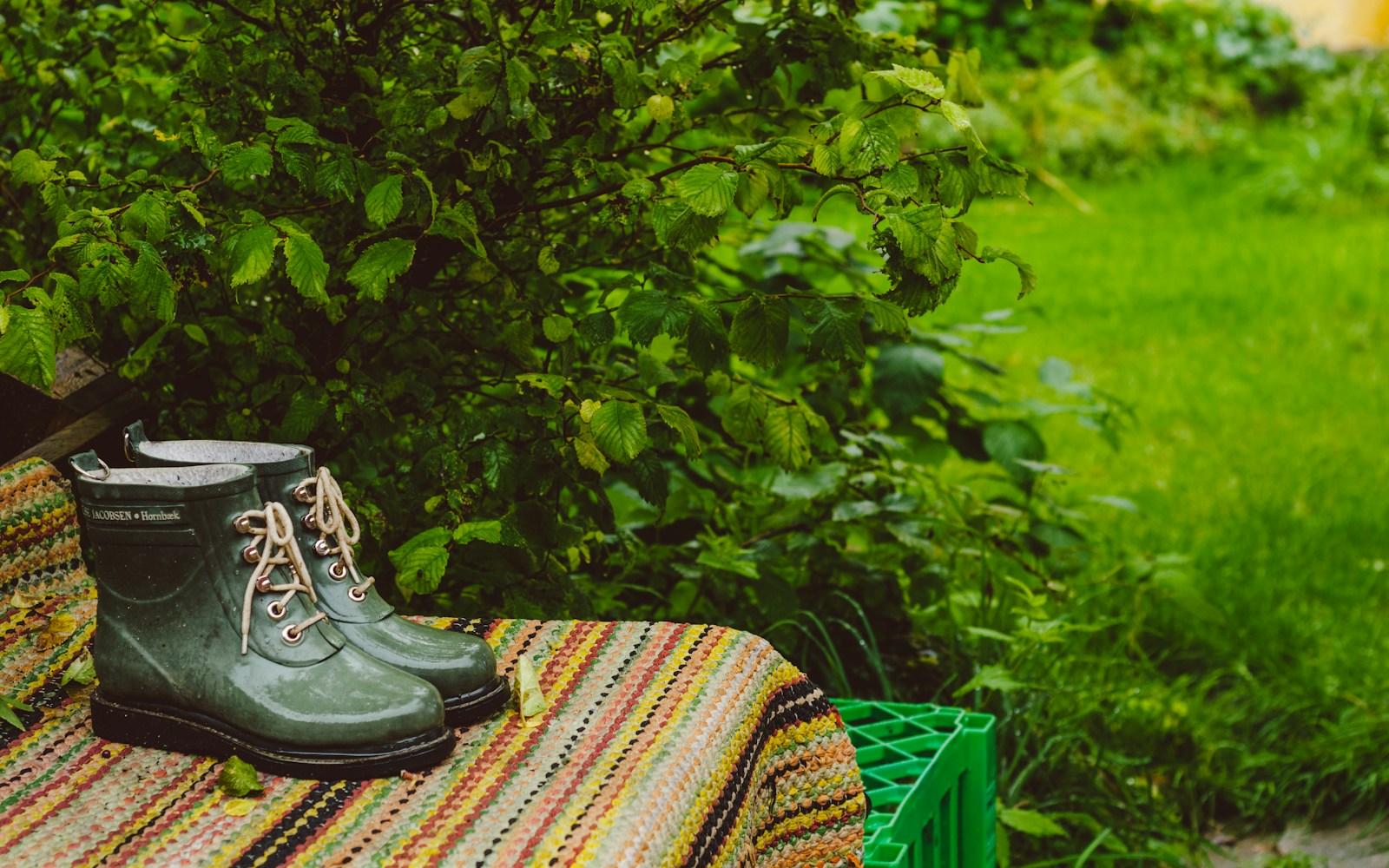
You can extend your shoes’ life by selecting the right material for your environment. Leather offers durability and water resistance, while mesh fabrics keep your feet cool in warmer climates. Synthetic blends often provide a balance of both. Consider where you’ll camp most often, since the right material determines how your shoes perform and how easily they dry after exposure to moisture.
Check for Water Resistance
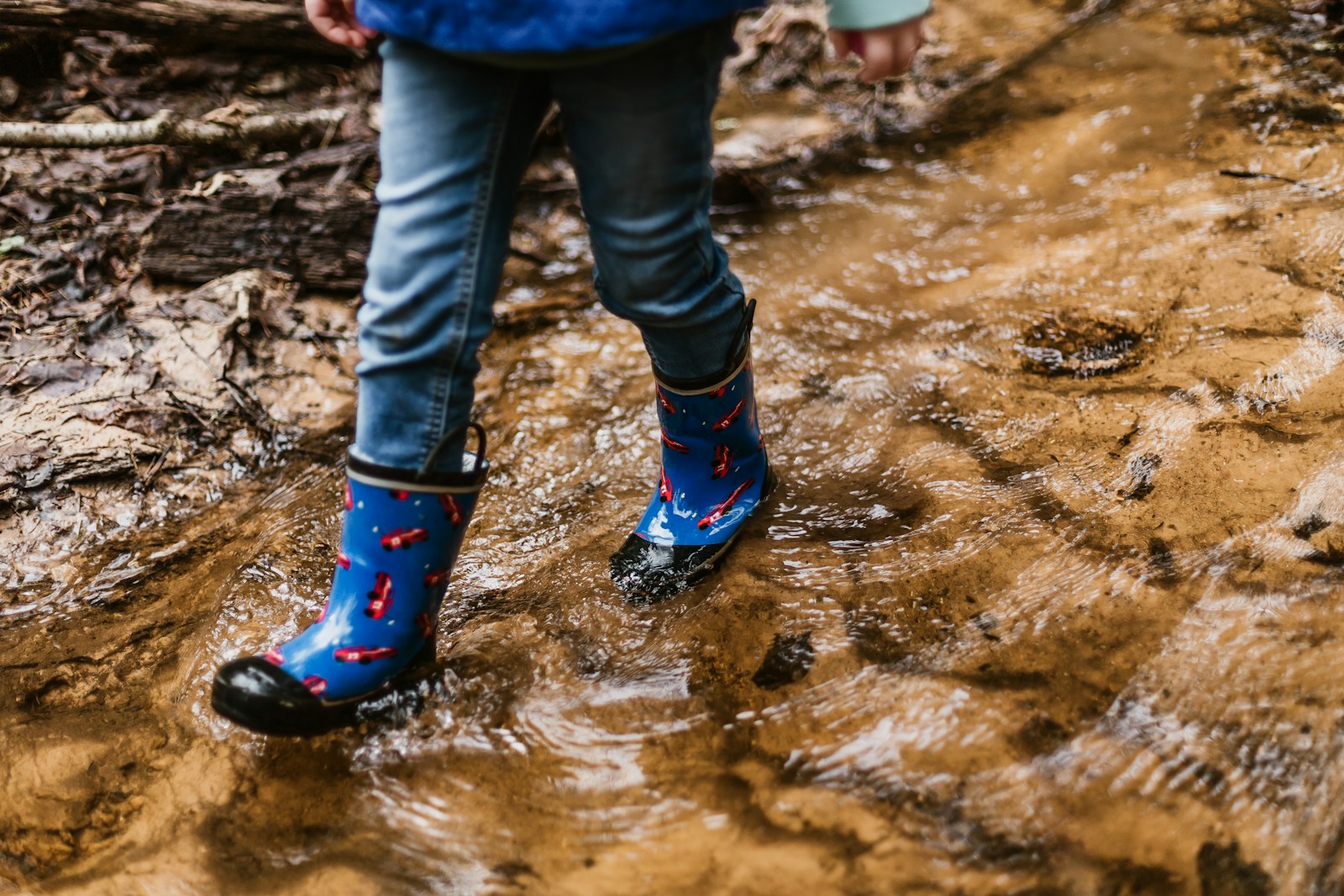
You should make sure your camping shoes can handle wet conditions. Waterproof or water-resistant shoes prevent discomfort from puddles or morning dew. Look for models with sealed seams or water-repelling coatings. If you prefer lighter shoes, quick-drying mesh designs can also work well. Dry feet not only feel better but also reduce the chance of blisters and infections during your trip.
Evaluate Traction and Grip
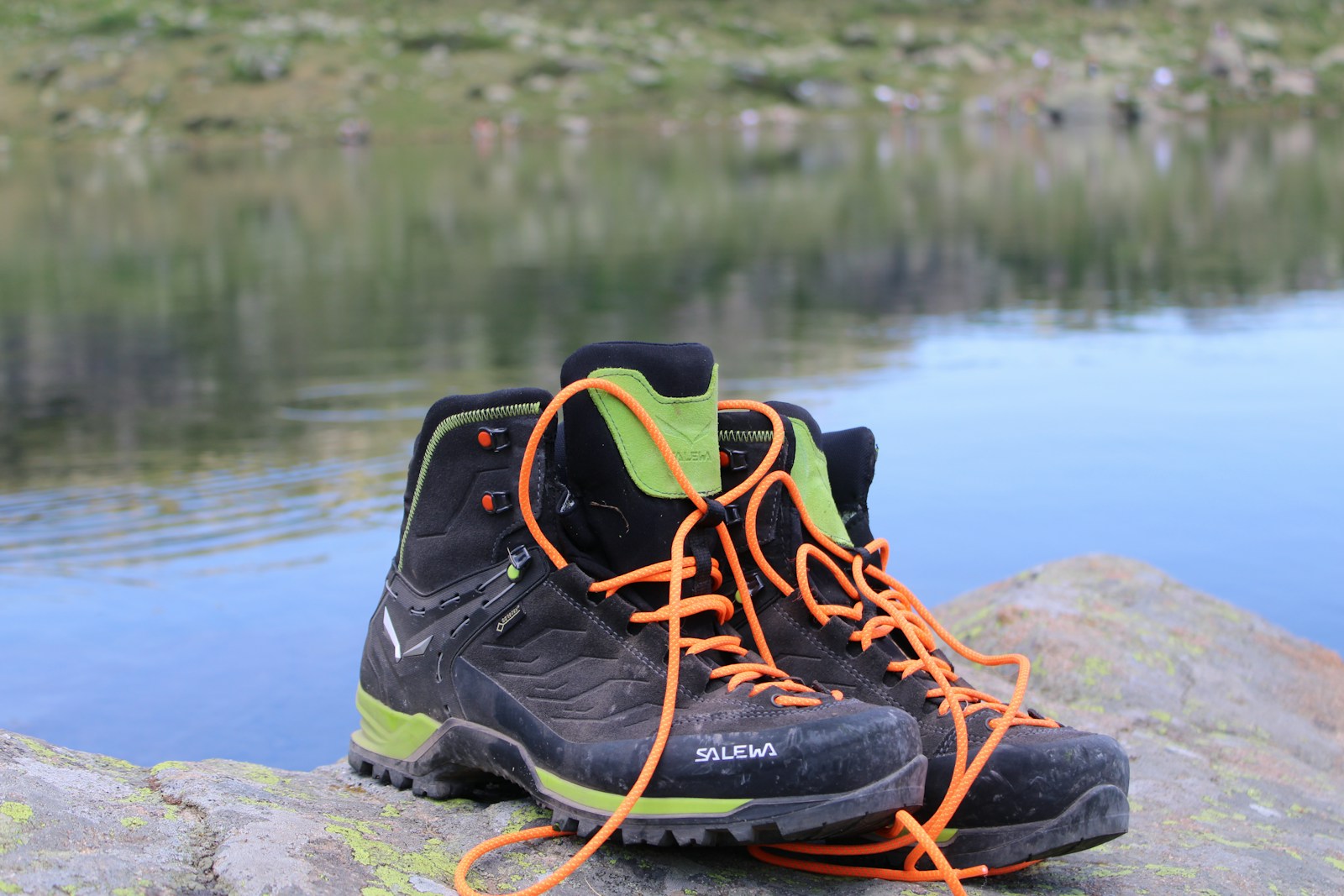
You can stay safe on uneven or slippery surfaces by choosing shoes with strong traction. Deep, multi-directional lugs on the sole provide better grip on rocks, mud, or loose dirt. Test the flexibility and firmness of the sole to ensure stability. A shoe with dependable traction keeps you upright and confident whether you’re hiking steep slopes or crossing streams.
Consider Breathability
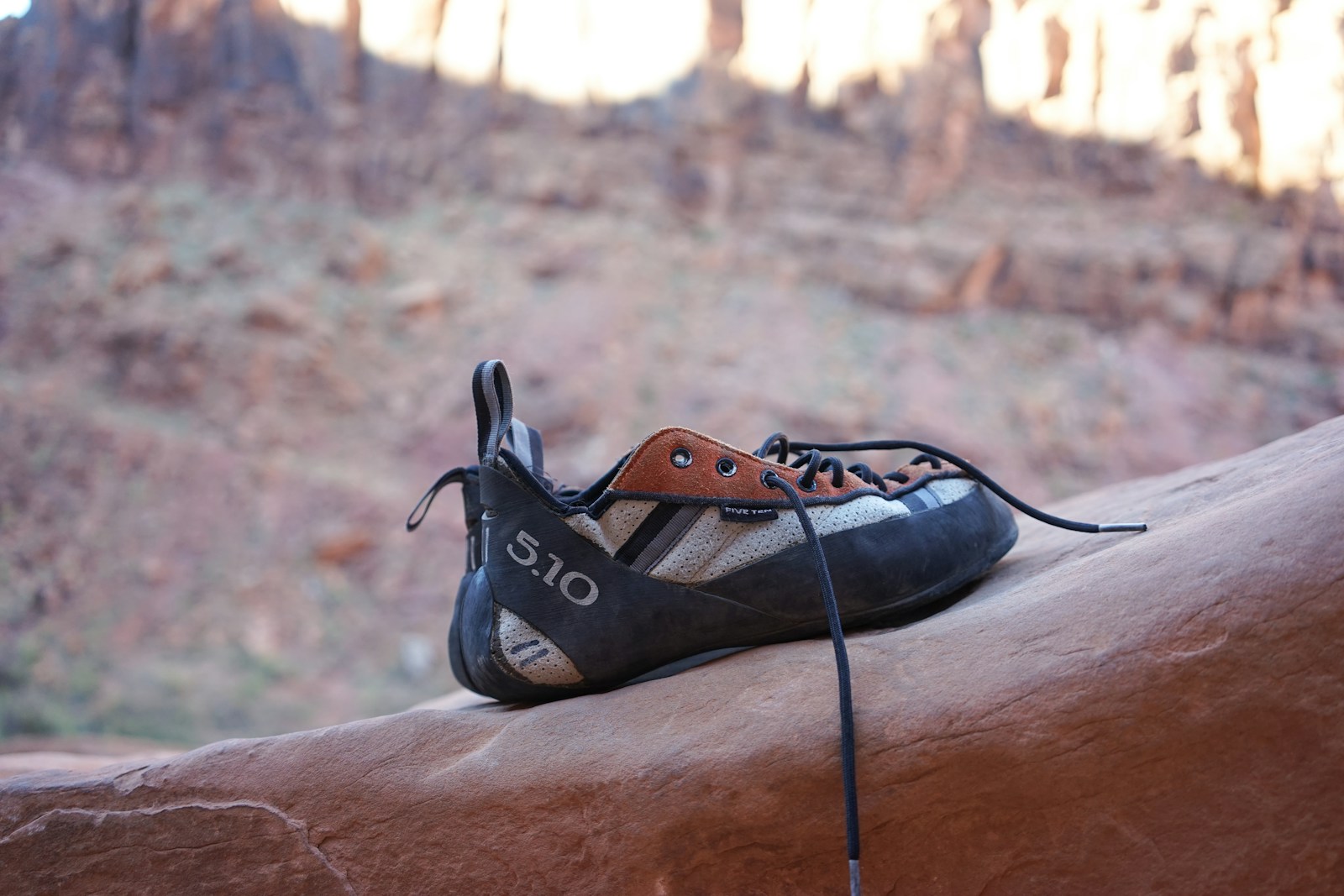
You should look for camping shoes that allow air circulation to keep your feet dry and cool. Breathable materials prevent moisture buildup that leads to odor and discomfort. Mesh panels or ventilation holes enhance airflow without compromising protection. Good ventilation helps maintain foot health, especially during hot summer hikes when sweat can quickly cause irritation.
Think About Weight
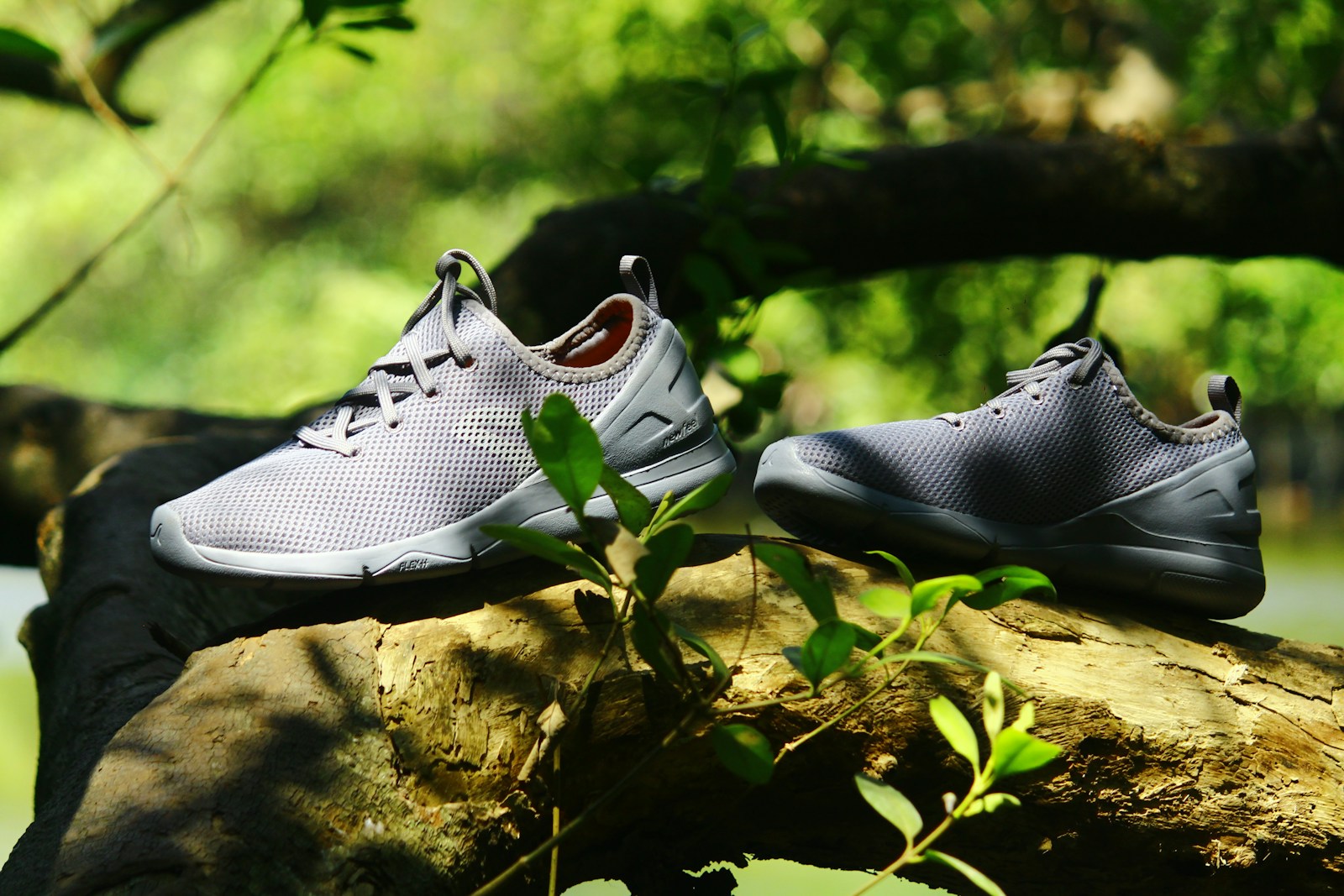
You can move more freely by choosing lightweight camping shoes. Heavy shoes may feel sturdy, but they can tire your legs over time. Lighter options make walking easier, especially for long trails or active days. The best shoes strike a balance between minimal weight and solid support, helping you stay agile while keeping your energy up throughout your camping adventures.
Test Durability
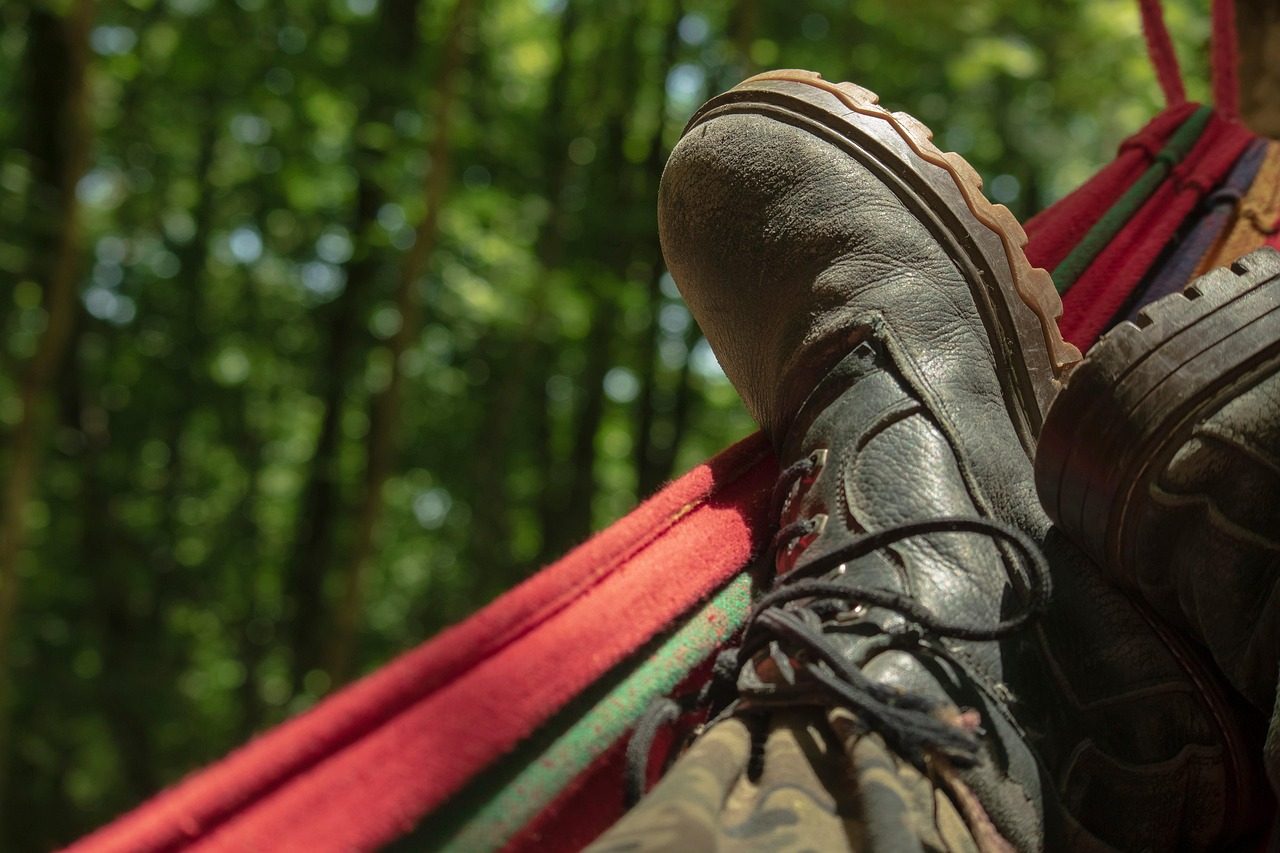
You should check for durability before investing in camping shoes. Reinforced stitching, thick soles, and quality materials ensure they withstand rugged terrain. Bend and twist them slightly to test flexibility without feeling flimsy. Shoes built to last save money in the long run and perform better across different surfaces, making them a dependable part of your outdoor gear collection.
Assess Arch and Ankle Support
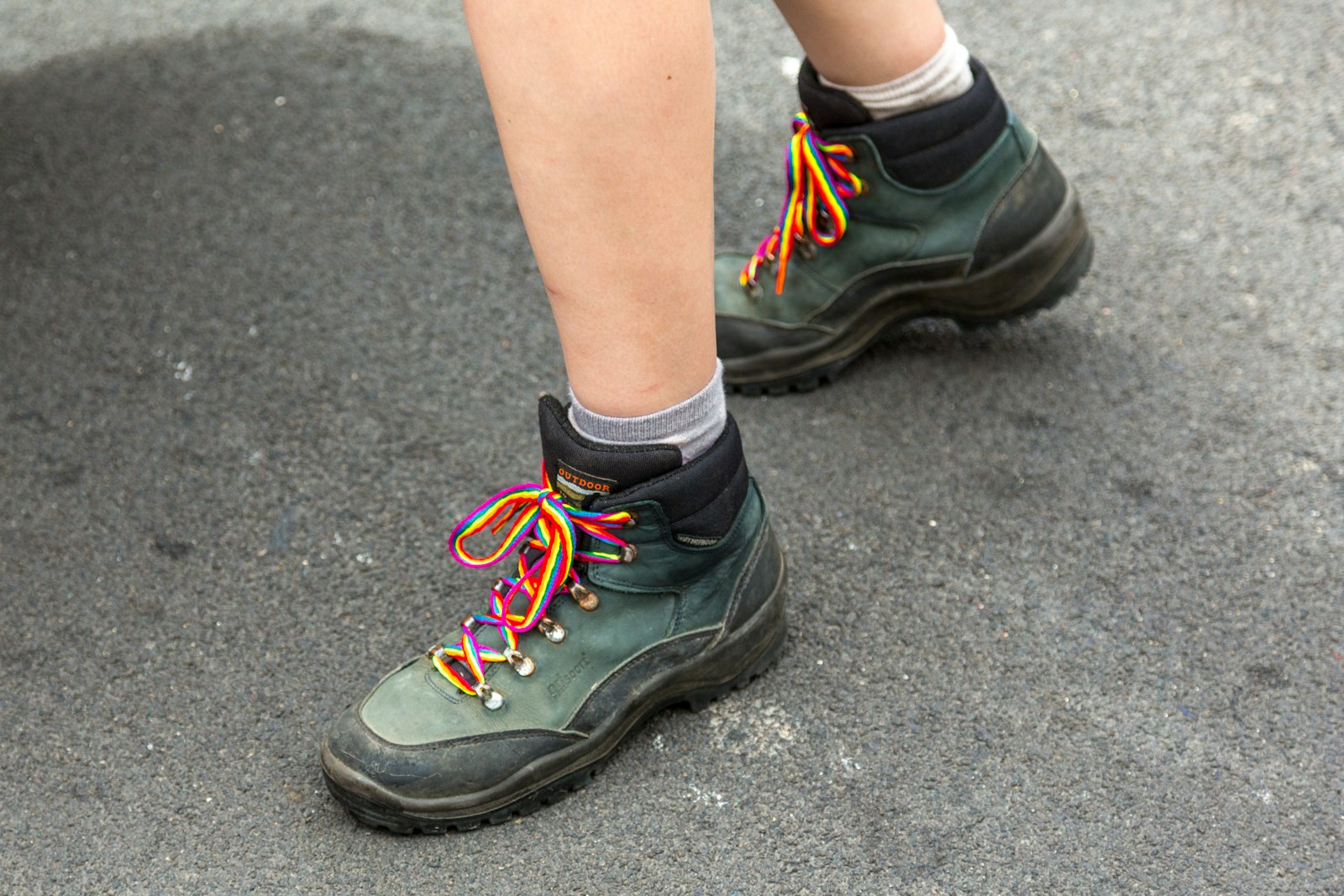
You can prevent strain by ensuring your shoes provide proper support for your arches and ankles. Firm midsoles help distribute weight evenly, while padded ankle collars offer extra stability. This support reduces the risk of twists and fatigue, especially when carrying heavy backpacks. Well-supported shoes keep your posture natural and movement steady during long hikes or uneven paths.
Consider Easy Maintenance
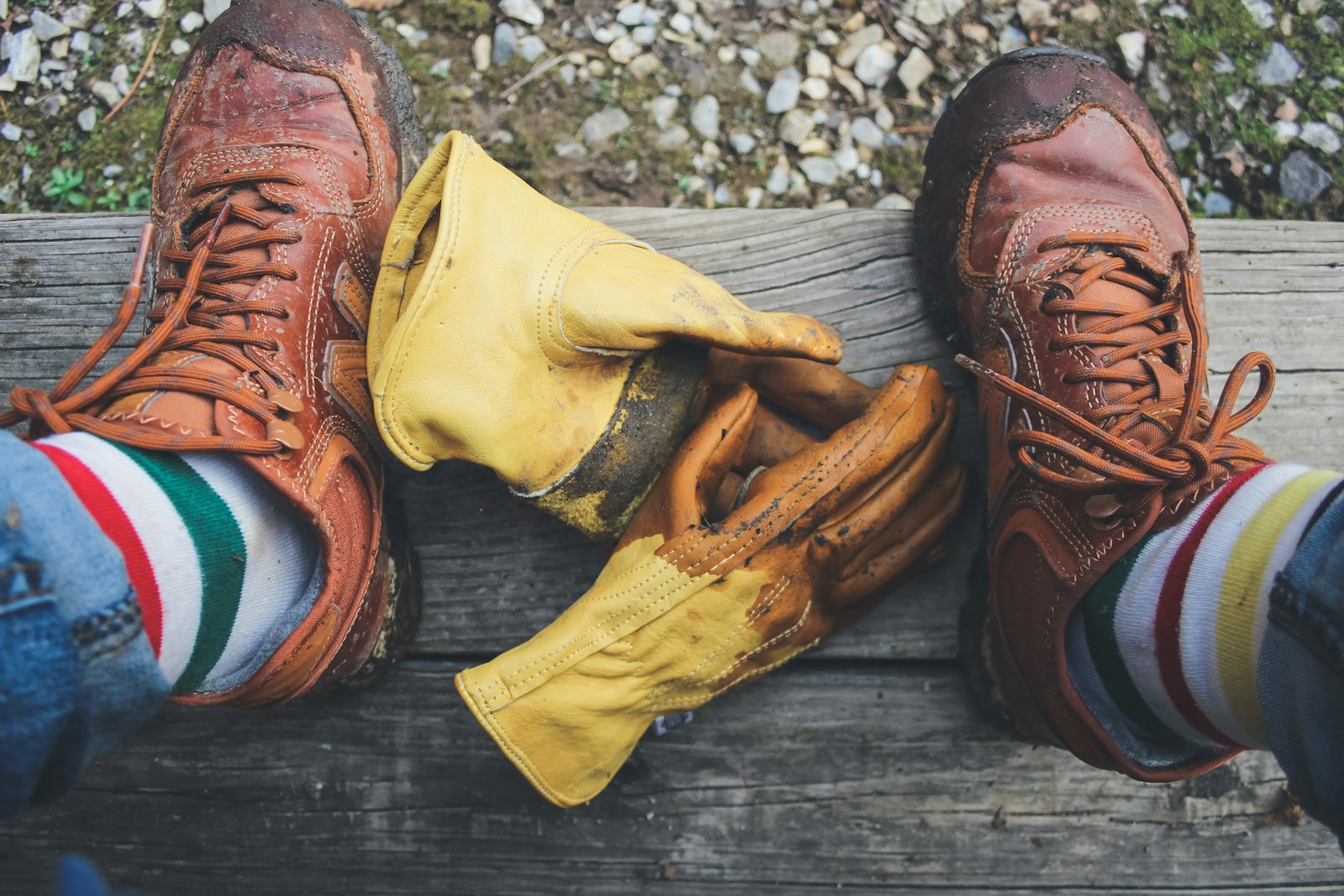
You should look for shoes that are simple to clean and quick to dry after muddy or wet conditions. Removable insoles make cleaning easier, and non-absorbent fabrics prevent lingering smells. Some designs can even be rinsed off easily with water. Low-maintenance shoes save you time after your trip and stay fresh for future adventures without extra effort.
Match Shoes to Terrain
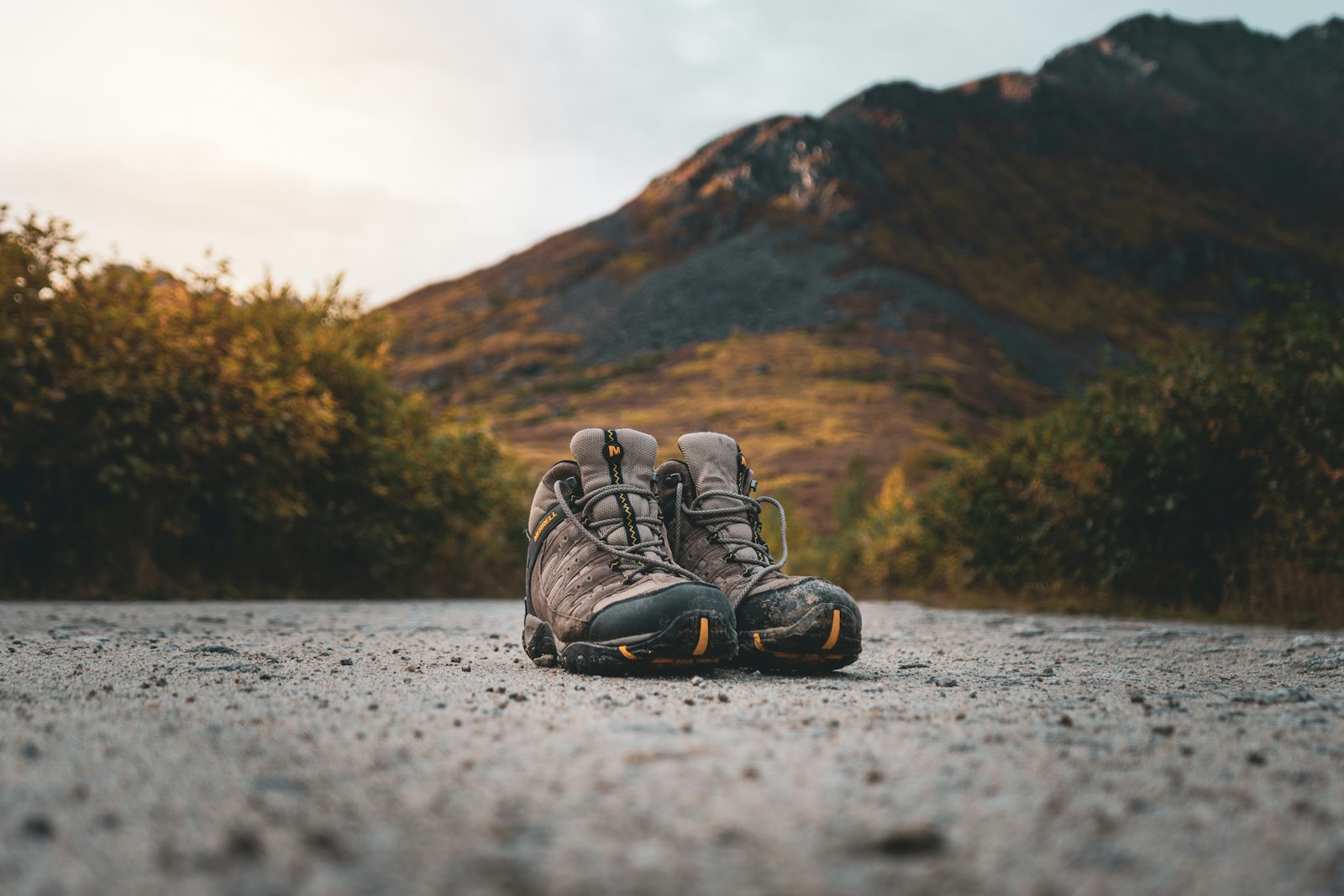
You can choose the best camping shoes by matching them to your destination’s terrain. Trail runners work well for light hikes, while hiking boots provide more protection for rocky or uneven ground. Water shoes are perfect for lakeside or river camping. Picking the right style ensures comfort and safety, letting you move confidently across any landscape nature presents.