The Winchester Model 12 has a loyal following for good reason. It is elegant, durable, and deeply tied to American sporting history, which also means values can swing sharply based on condition and originality. Before money changes hands, experienced collectors slow down and study a handful of details that reveal whether a gun is a prize, a project, or a pass.
Overall Condition
The first thing most collectors notice is the gun’s overall condition. Finish wear, dents in the wood, rust freckles, pitting, and signs of hard use shape value before anyone discusses rarer details. A Model 12 that looks honest and well cared for usually inspires more confidence than one that seems heavily polished or neglected.
Condition is also about consistency. If the metal shows major wear but the stock looks freshly sanded and glossy, something may be off. Collectors like examples that age evenly, because that often suggests the gun has not been aggressively altered to improve its appearance for sale.
Original Finish
Original blue and factory wood finish matter enormously on a Winchester Model 12. A refinish can make a gun look attractive at first glance, but seasoned buyers know it often reduces collector appeal and can blur important factory markings. Sharp edges, proper polish, and age-appropriate tone are usually better signs than a shiny surface alone.
Collectors often tilt the gun under good light to study how the metal reflects. Reblued guns may show softened stampings, rounded corners, or buffing marks where crisp lines should remain. On the wood, an overly smooth surface or filled checkering can hint that originality has been traded for cosmetics.
Matching Serial Number and Production Era
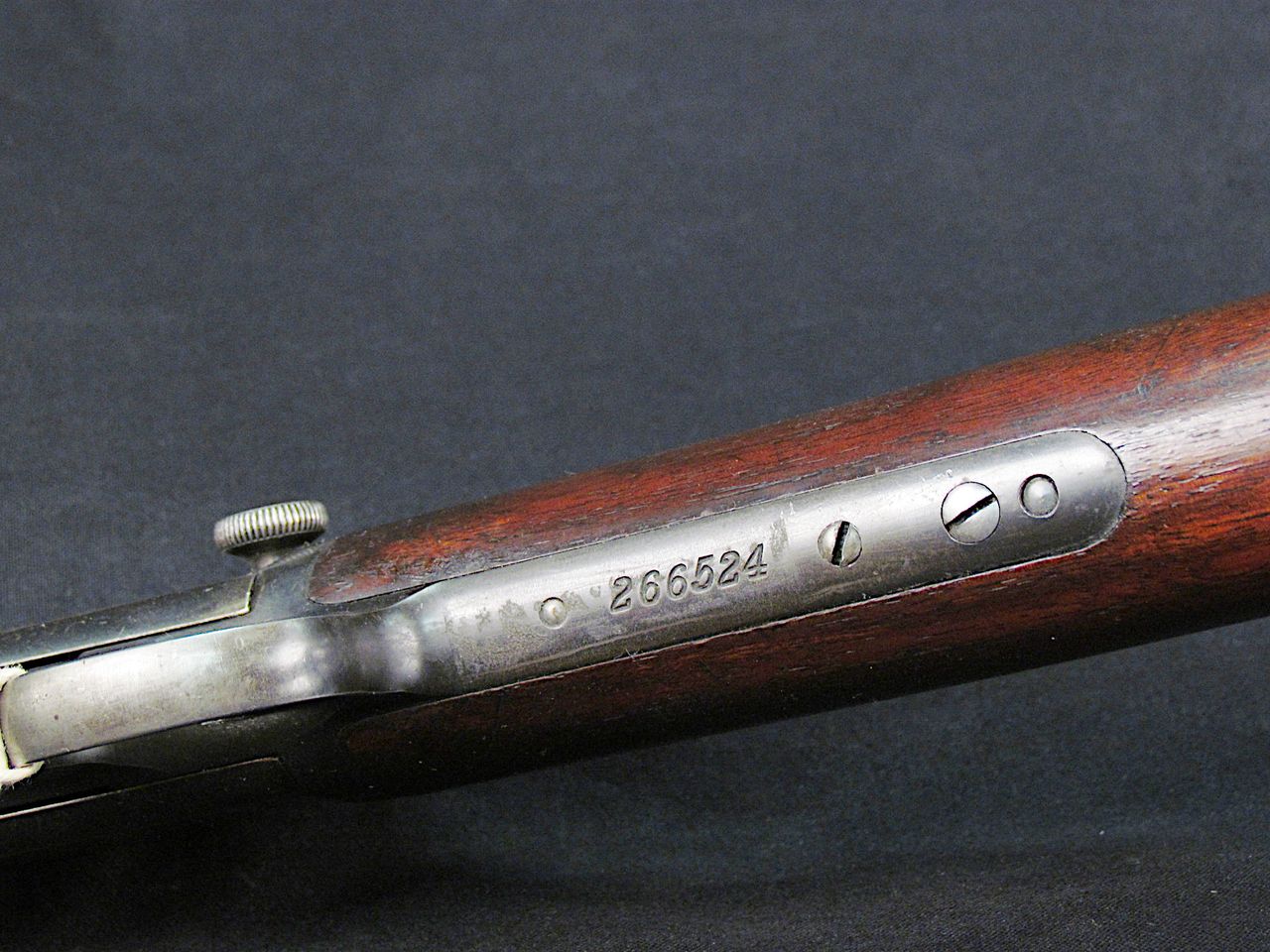
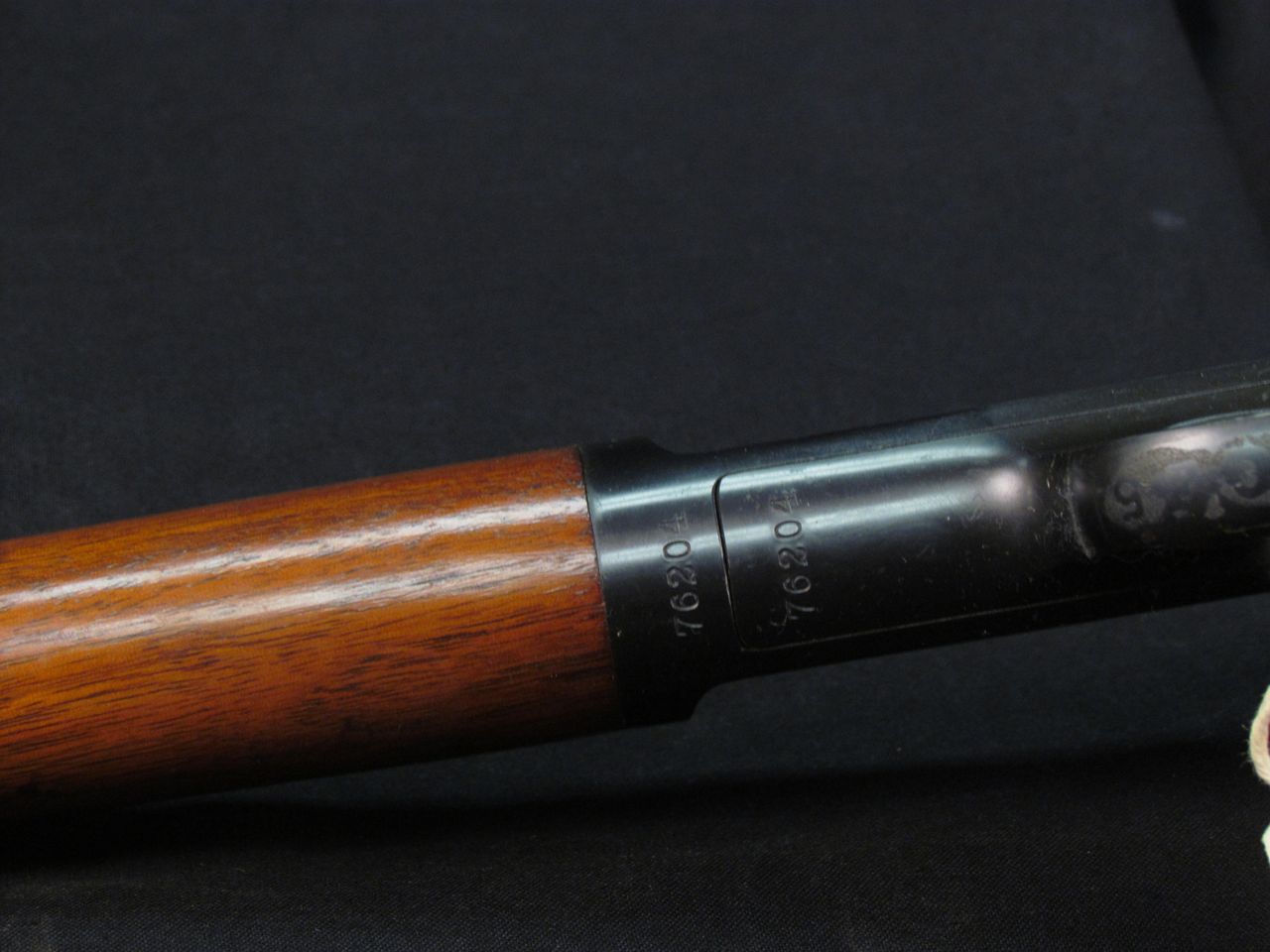
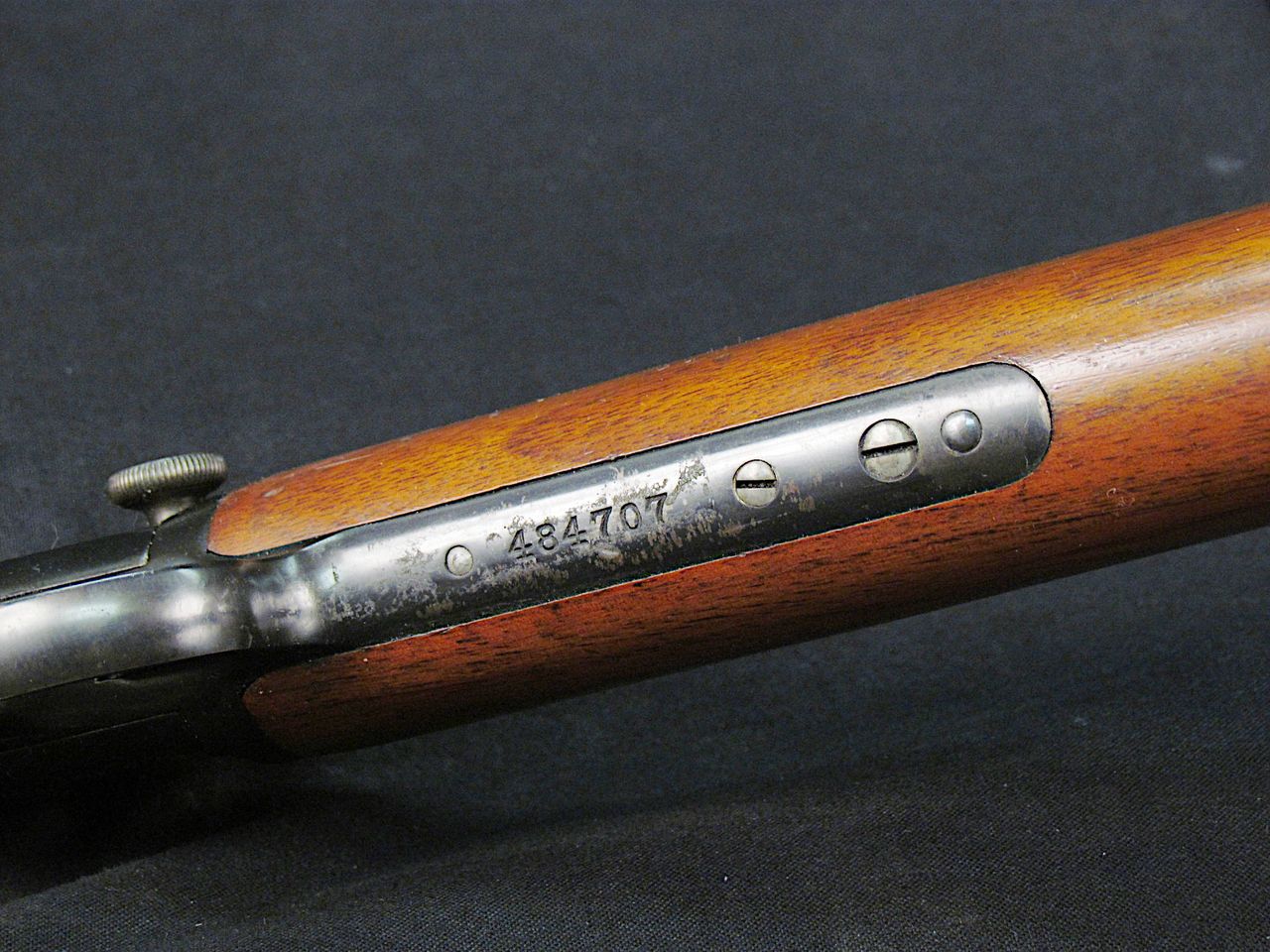
Serial number research helps place a Model 12 in the right production period, and that can affect both collectibility and price. Buyers often compare the number against reliable factory date references to see whether the gun’s features actually fit the era it supposedly comes from. If the details do not line up, questions start immediately.
This step can also reveal whether a gun belongs to a more desirable pre-war or early production range. A seller may describe a shotgun loosely, but collectors want specifics. The serial number gives the piece a timeline, and that timeline helps separate an ordinary field gun from a more interesting example.
Correct Barrel Length and Markings

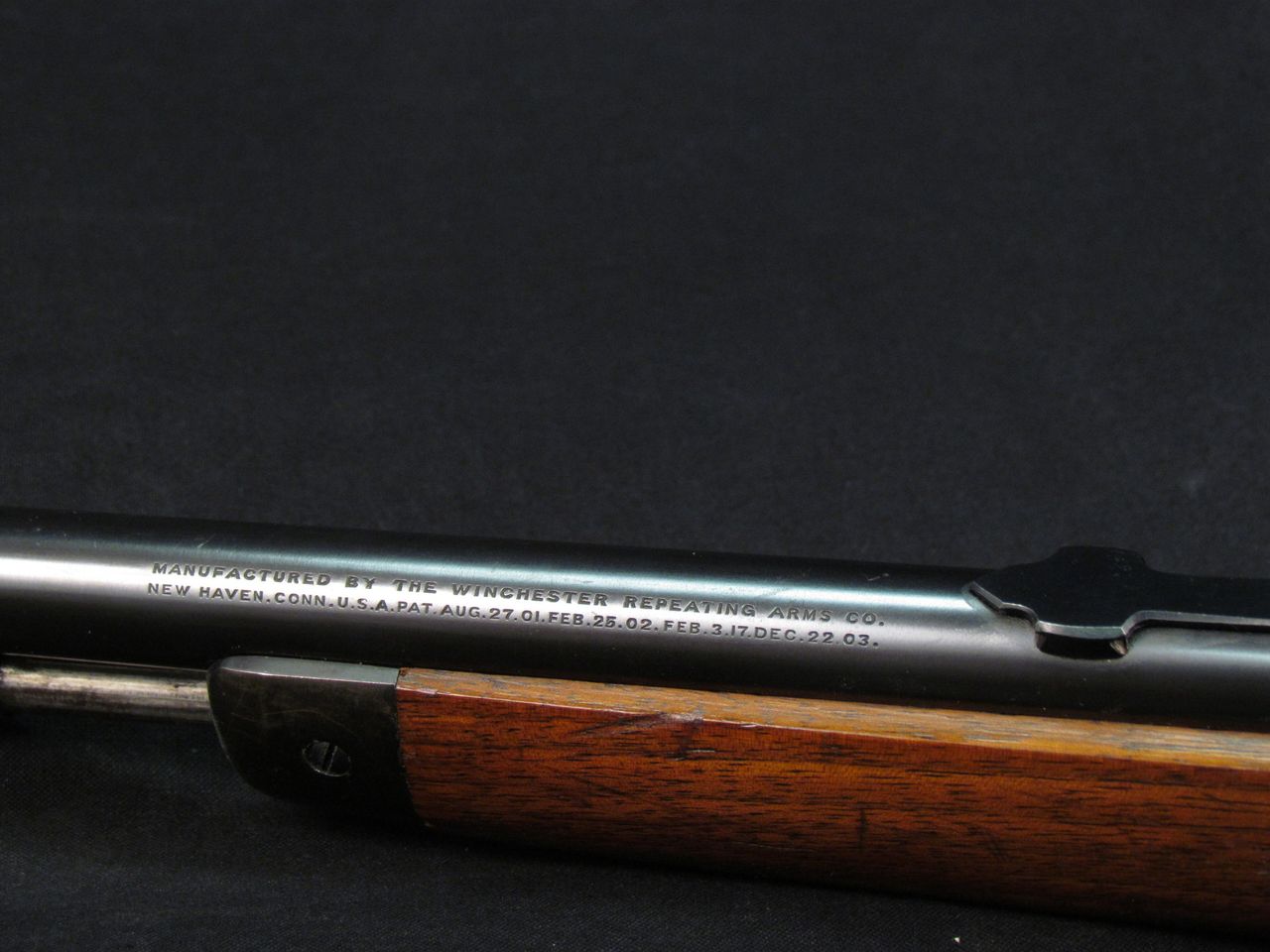
Barrel length is one of those details that can quietly change value. Model 12 collectors pay close attention to whether the barrel length is factory correct for the configuration and whether the markings look right for the period. A shortened barrel can hurt desirability, even if the gun still functions perfectly.
The muzzle is a favorite inspection point because it may reveal a cut-down tube. Collectors look for proper choke markings, a factory-style bead, and clean barrel stamps. If the legends are faint, misplaced, or partially removed, that may suggest the barrel was altered or replaced at some point.
Gauge and Chambering
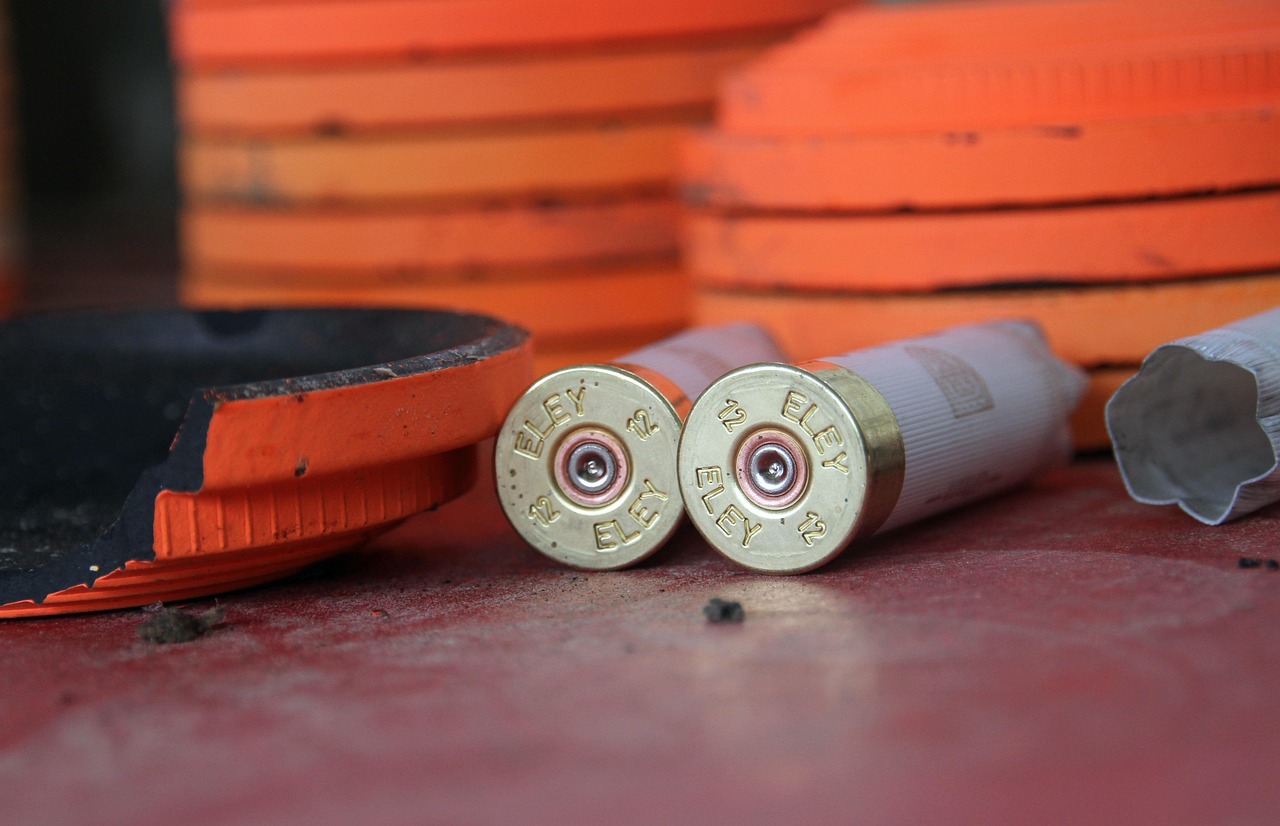
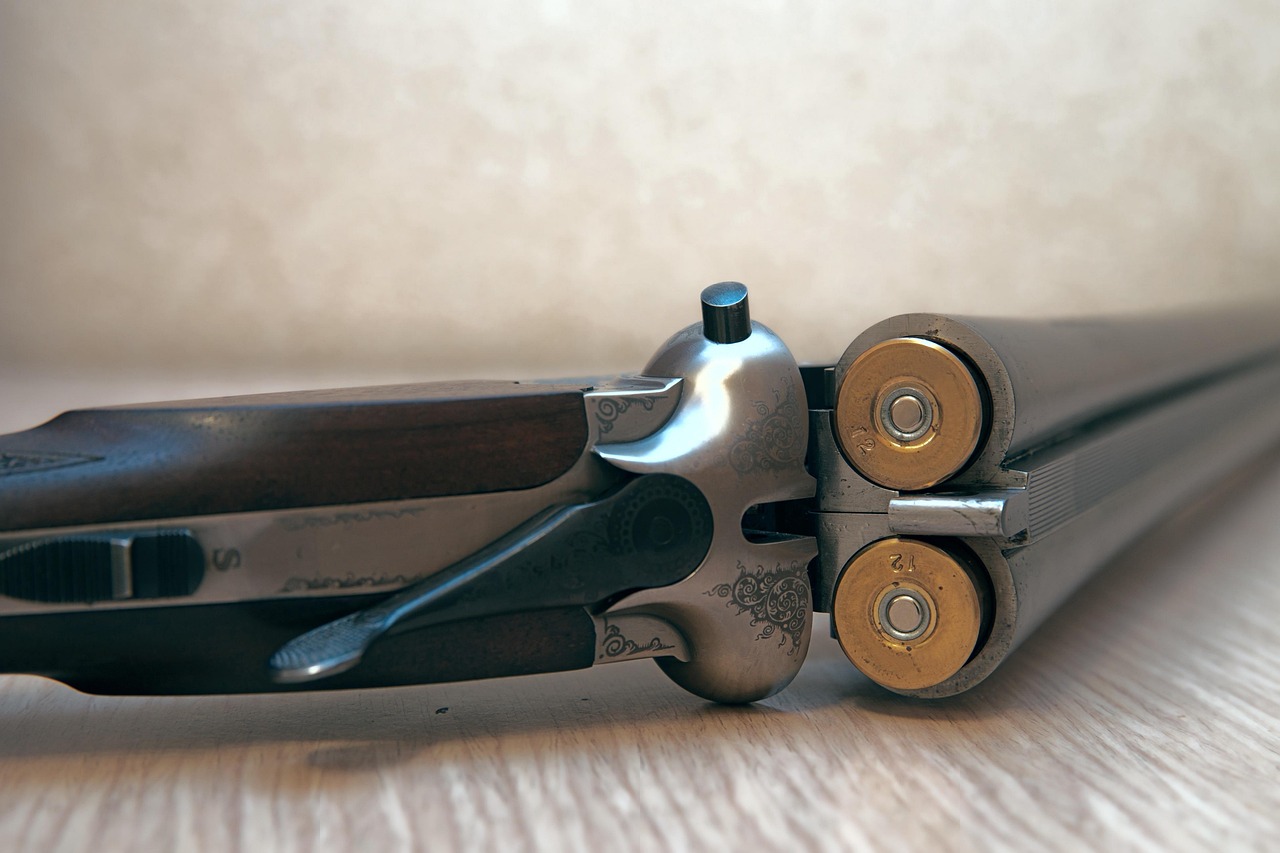
Not every Model 12 brings the same level of interest, and gauge plays a big role in that. While 12-gauge guns are common and beloved by shooters, scarcer gauges can attract stronger collector attention depending on condition and originality. Chamber length also matters, especially if a gun has been modified from its original setup.
Collectors check the barrel and receiver markings carefully to confirm the gun is exactly what the seller says it is. A 16 or 20 gauge may draw a second look, but only if the rest of the gun checks out. Rarity is helpful, though correctness is what turns rarity into real value.
Wood Condition and Fit
The stock and fore-end tell a long story if you know where to look. Collectors examine cracks behind the receiver, chips around the buttplate, oil soaking near the action, and sanding that may have changed the stock’s original contours. Even beautiful walnut loses some appeal if it no longer fits the metal the way Winchester intended.
Fit is especially important around the tangs and receiver. Proud wood, shrunken wood, or uneven gaps can suggest replacement parts, heavy refinishing, or long neglect. Collectors usually prefer handling marks over obvious repair work, because honest wear feels more authentic than a stock made to look newer than it really is.
Bore Quality and Mechanical Function

A Model 12 can be collectible and still need careful mechanical evaluation. Buyers look down the bore for pitting, corrosion, bulges, or rings, all of which can affect both safety and value. They also cycle the action to feel whether it runs with the slick, confident motion that helped make this shotgun famous.
Function checks usually include the slide, lockup, trigger, and safety, handled appropriately and lawfully. A rough action or questionable internals may point to heavy use or poor storage. Even collectors who mainly display their guns appreciate a mechanically sound example, because condition on the inside often mirrors the truth on the outside.
Signs of Replacement Parts

One replaced part does not always ruin a Model 12, but collectors want to know exactly what has been changed. Buttplates, sights, screws, recoil pads, barrels, and magazine components are common areas where substitutions appear. The challenge is that some replacements look convincing until you compare wear patterns and fit.
Experienced buyers study screw slots, metal color, and the relationship between parts. A fresh-looking component on an otherwise worn gun can be a giveaway, just as mismatched finish tones can raise suspicion. The goal is not perfection at all costs. It is understanding whether the shotgun remains a coherent, original example.
Special Configurations and Factory Features

Not all Model 12s are straightforward field guns, and that is where things get interesting. Trap grades, skeet setups, solid rib barrels, checkered wood, factory vent ribs, and other period features can lift a gun well above the ordinary, but only if they are genuine. Collectors are careful because upgraded descriptions are common in sales listings.
The smart approach is to compare every claimed feature against known factory patterns for that era. Details such as rib style, stock dimensions, and engraving quality should make sense together. When a special configuration is correct, it can transform a nice shotgun into a highly desirable collector piece.
Provenance and Documentation
Paperwork may not change the feel of a shotgun in hand, but it can absolutely change how collectors view it. Factory letters, old receipts, family history, period cases, and documented competition or hunting use all add texture to a Model 12’s story. In some cases, that story becomes a meaningful part of the value.
Documentation also helps support originality claims that might otherwise rest on opinion alone. A gun with believable provenance stands on firmer ground than one with only a polished sales pitch. Collectors love the Model 12 for its craftsmanship, but they also appreciate the confidence that comes from a clear, well-supported history.