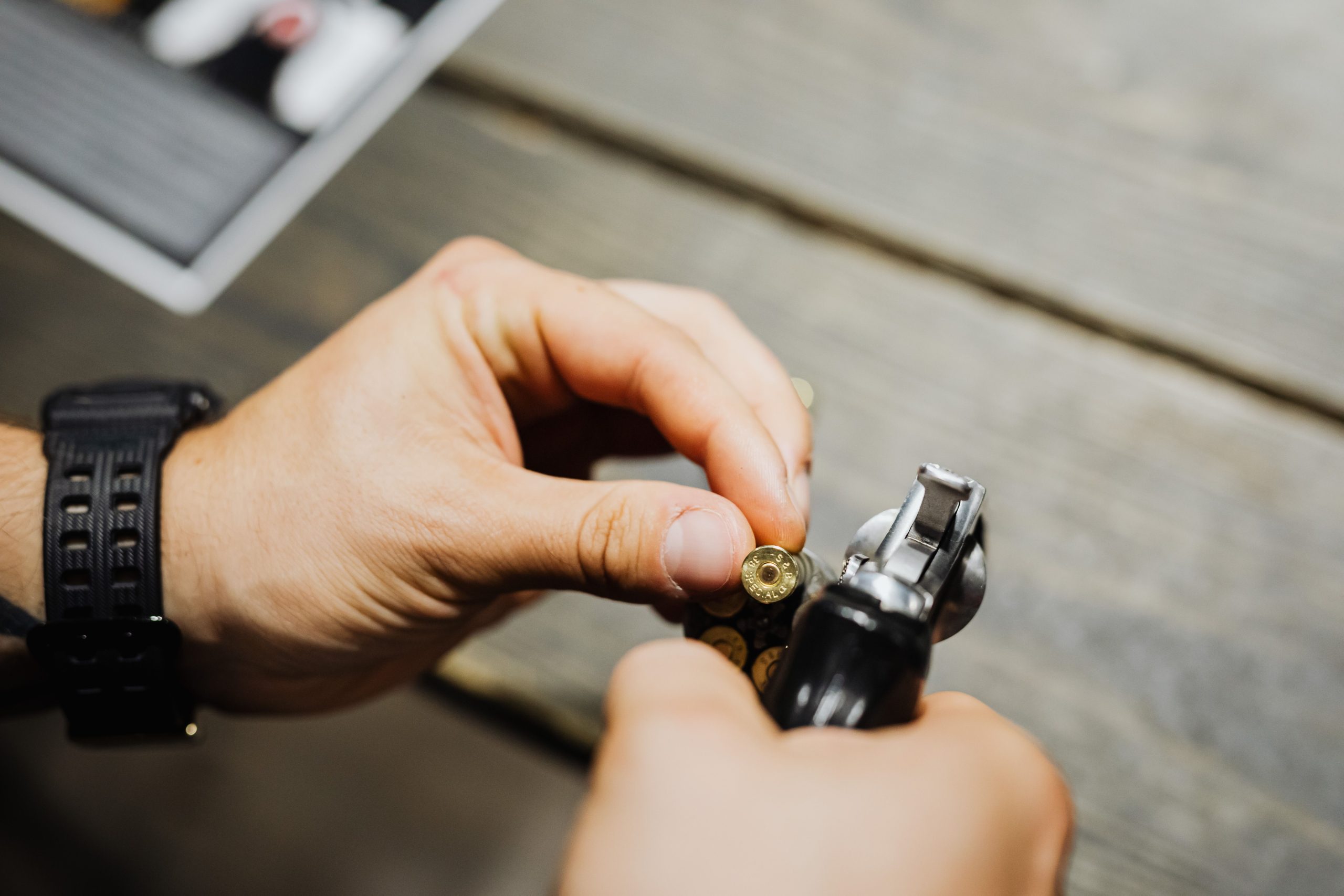
The Colt Anaconda occupies a fascinating place in hunting history. When it appeared in 1990, it brought Colt’s famous revolver styling into the big-bore .44 Magnum world with a size and presence that immediately separated it from ordinary sidearms. It was never a universal replacement for a rifle, but for hunters interested in handgun hunting, the Anaconda offered an intriguing combination of power, durability, accuracy potential, and classic Colt character. The 2021 redesign added modern improvements while preserving that distinctive identity.
1. It puts .44 Magnum Power in a Colt
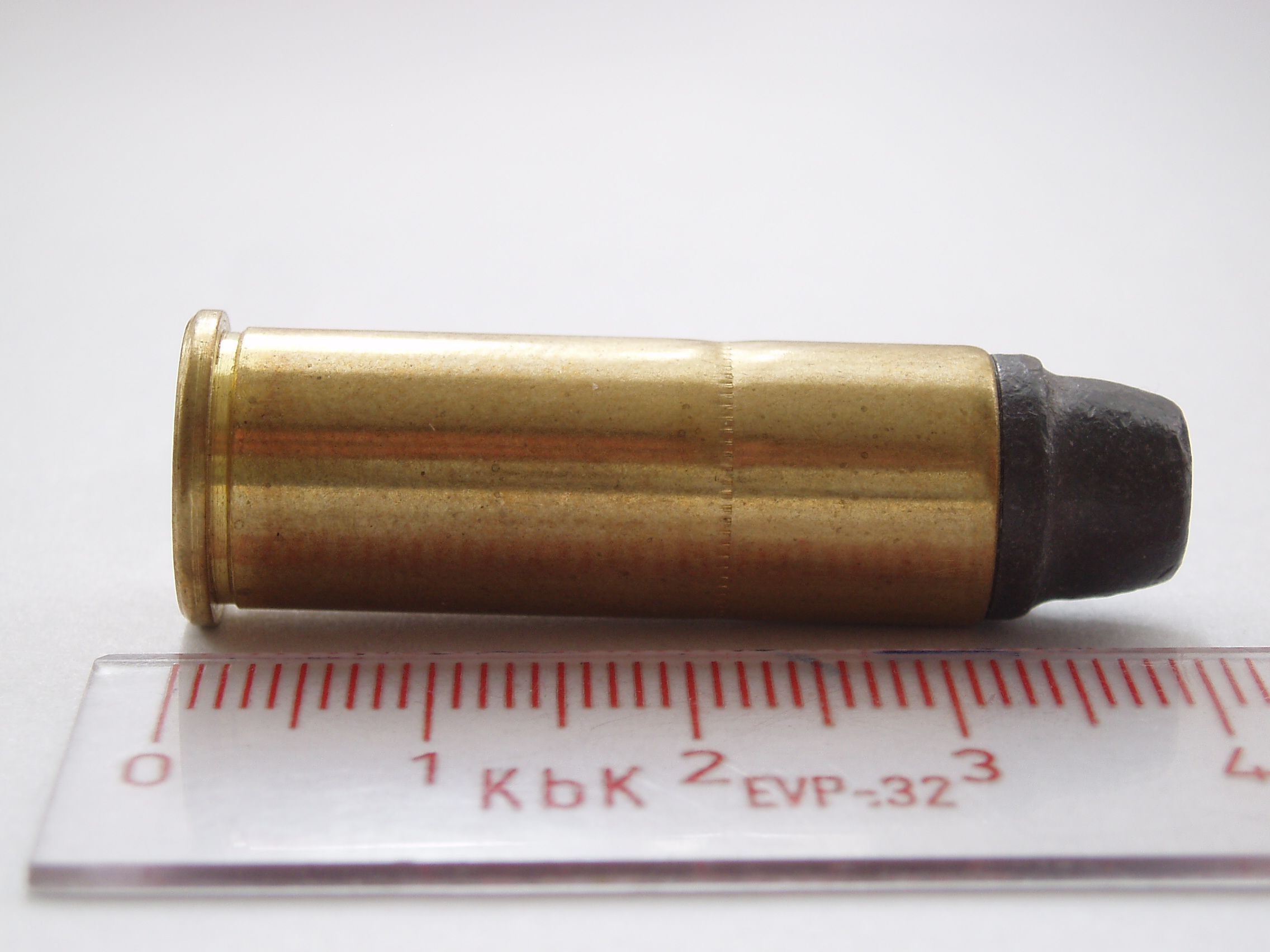
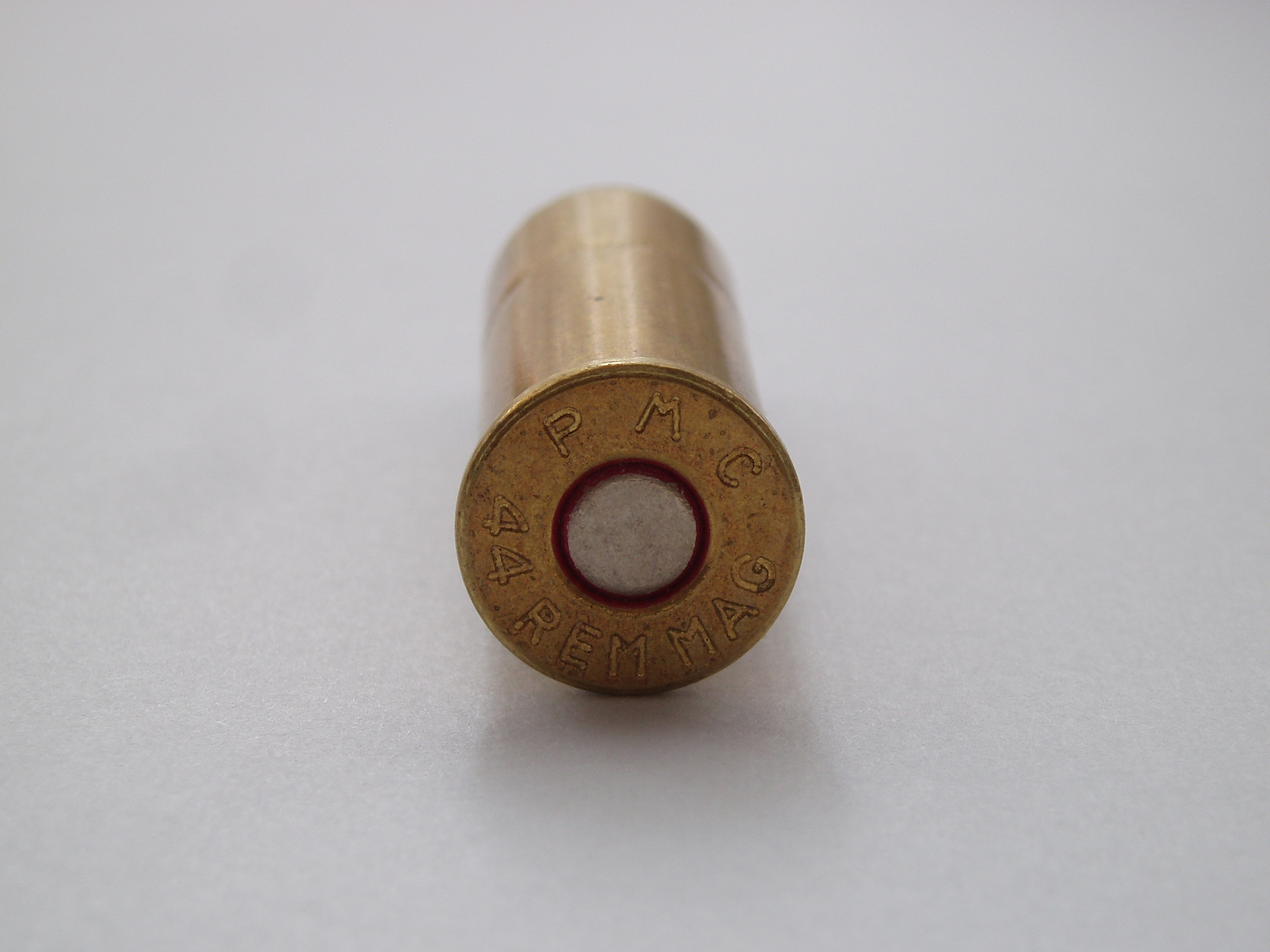
Introduced in 1990, the Anaconda gave Colt a large-frame revolver built around the .44 Magnum, a cartridge long associated with hunting and outdoor carry. Its six-shot cylinder and substantial construction made it a serious handgun rather than a compact sidearm. The original line later included .45 Colt and .44 Special versions, while barrel choices ranged from 4 to 8 inches. For hunters attracted to handgun hunting, that combination offered a distinctly different path from carrying a traditional long gun.
2. The 8-Inch Barrel Made It a Hunting Specialist
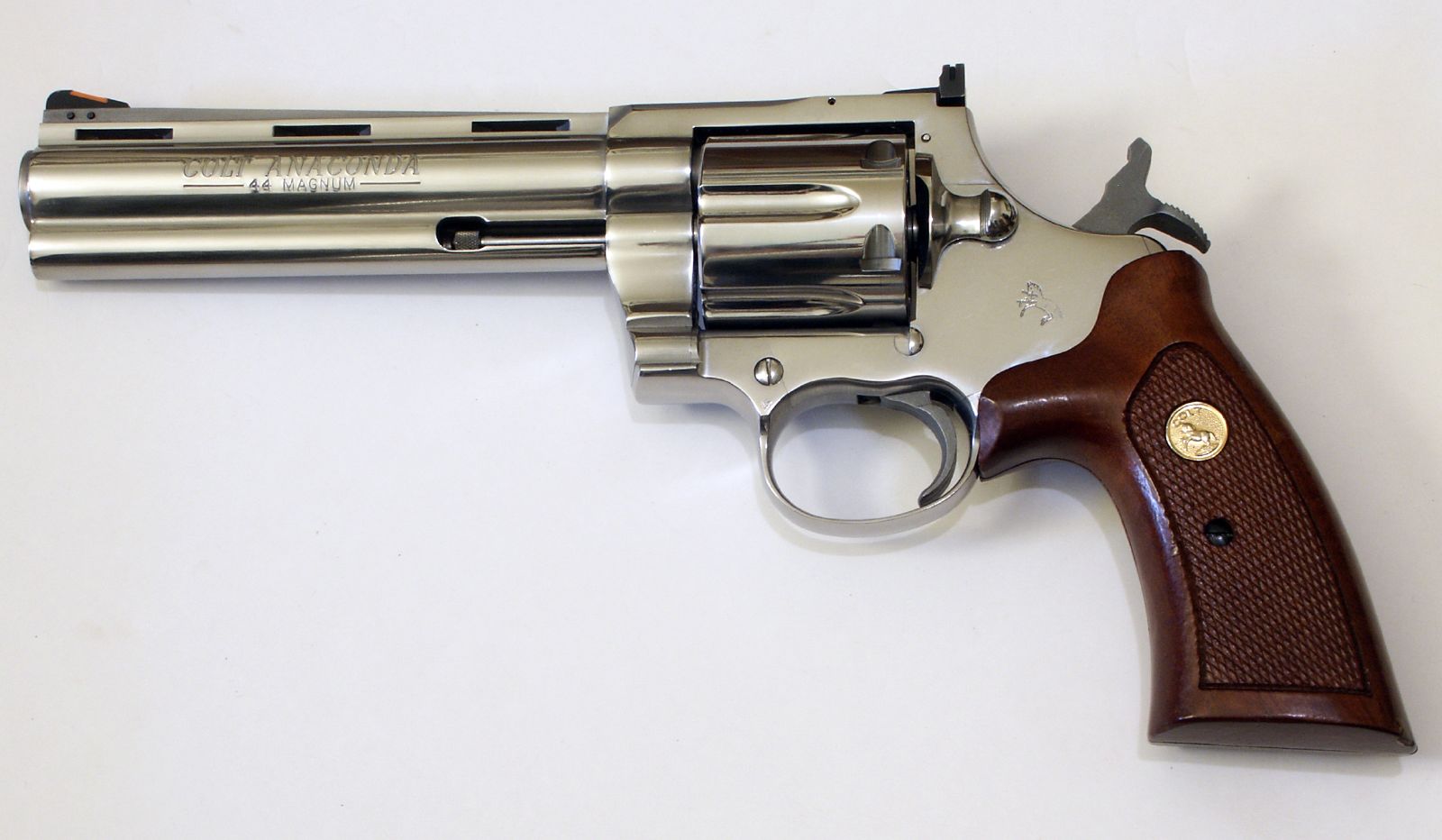
The Anaconda’s 8-inch barrel helped define its hunting identity. The longer tube added weight forward and provided a long sighting plane, while the full-length underlug reinforced the revolver’s unmistakably substantial profile. Colt also offered 6-inch and, on original models, shorter configurations. An 8-inch Anaconda is hardly a lightweight companion, but that heft was part of its appeal. Hunters who wanted a powerful revolver with a classic field-gun presence could see it as a specialized alternative to a rifle.
3. Stainless Steel Changed the Field-Gun Equation
One of the Anaconda’s defining traits was its stainless-steel construction. The original revolver represented Colt’s move into the large-bore magnum market with a finish that suited hard outdoor use and gave the gun a distinctive appearance. The metalwork also contributed to its considerable weight, especially with the longer barrels. That mattered to hunters because carrying a heavy handgun is a trade-off, not a free advantage. Still, the Anaconda’s combination of stainless steel, a large frame, and .44 Magnum chambering created a package built around durability and serious field performance.
4. Six Shots Kept the Design Simple
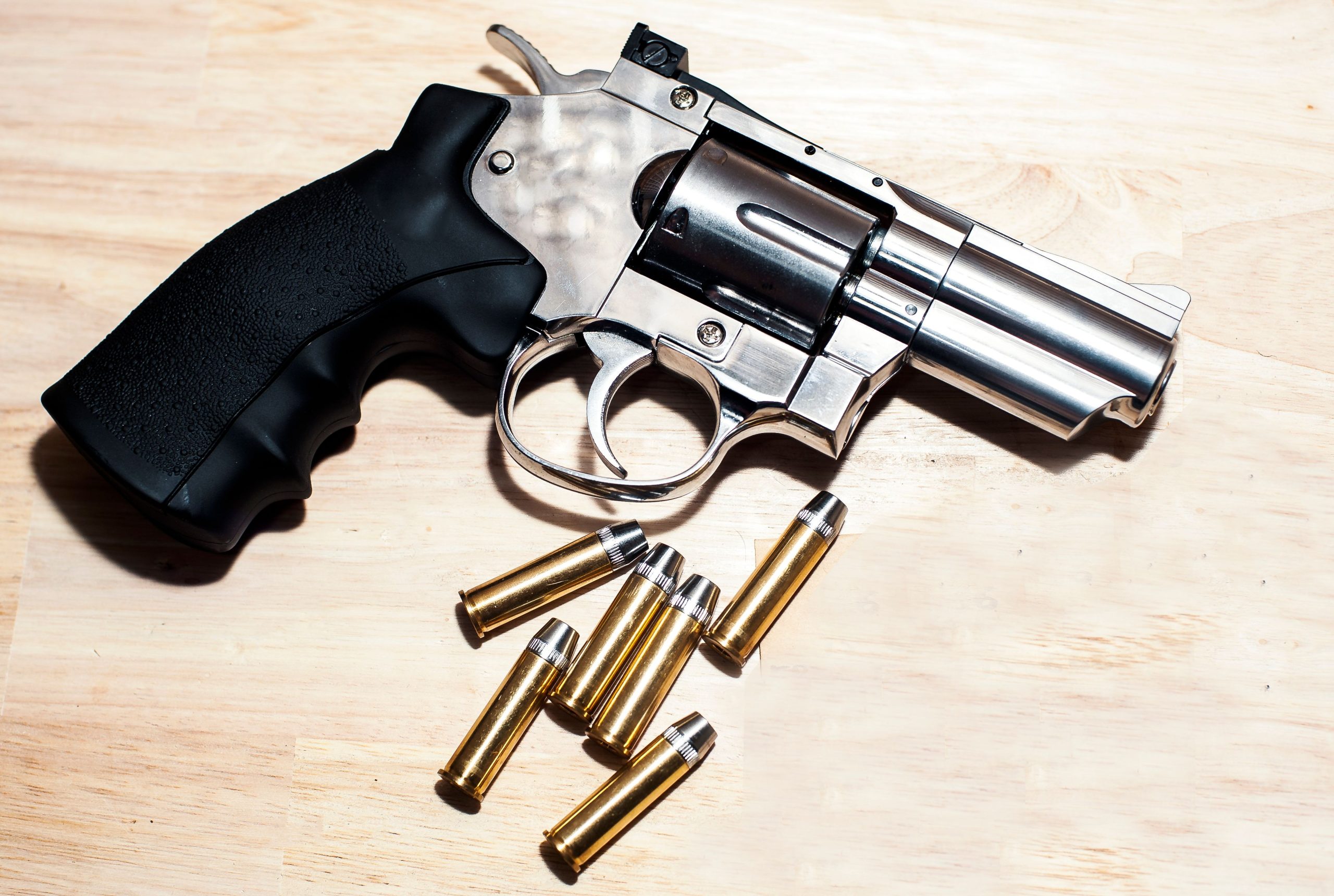
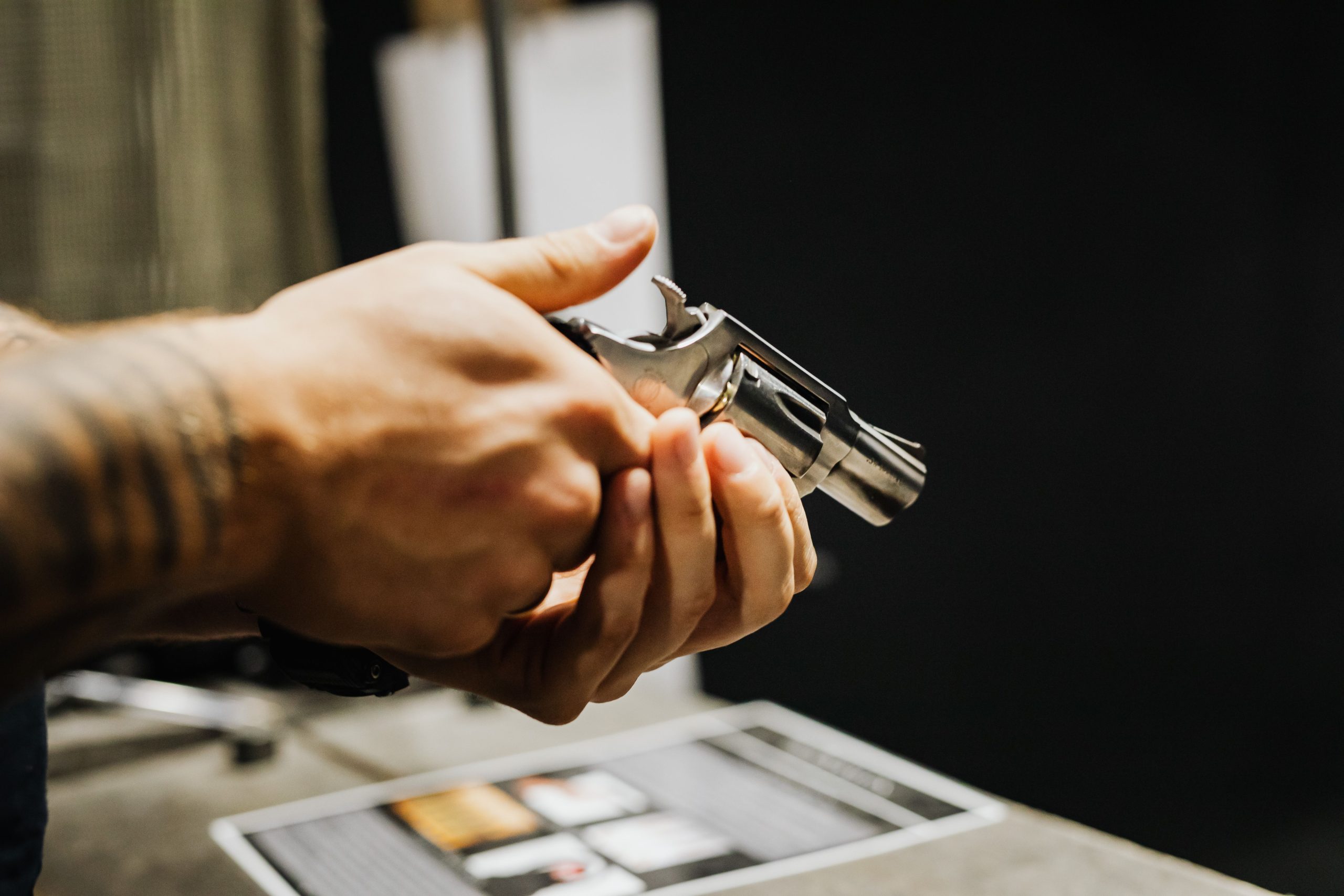
The Anaconda uses a six-round cylinder, following the traditional format of large-frame hunting revolvers. That capacity is modest beside many modern repeating firearms, but simplicity was central to its appeal. There is no detachable magazine to manage, and the revolver’s basic operating concept remains familiar to generations of handgun users. For hunters, the six-shot cylinder fit the Anaconda’s specialized role: a powerful sidearm intended for deliberate shooting rather than high-volume fire. Its cylinder, frame, and overall proportions also gave the revolver the unmistakable presence of a purpose-built big-bore handgun.
5. Adjustable Sights Suited for Serious Shooting
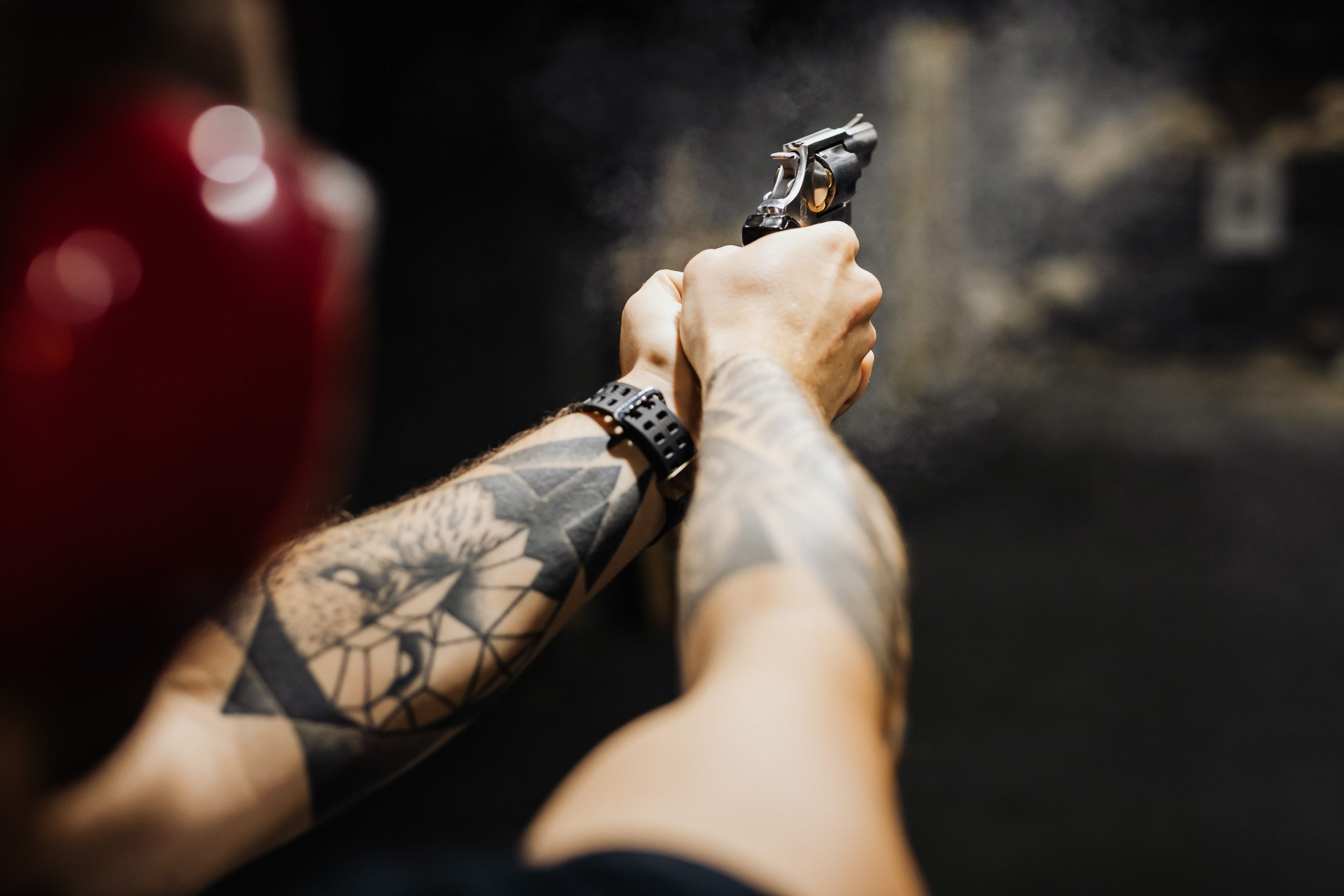
Colt equipped the Anaconda with fully adjustable rear sights and a ramp-style front sight with a visible insert on many versions. That arrangement gave hunters and target shooters more flexibility than a simple fixed-sight revolver. The ability to adjust the rear sight was particularly relevant because ammunition, barrel length, and individual revolvers can influence the point of impact. The later Anaconda also added an optics-ready approach, with the top strap drilled and tapped for mounting hardware. That made the design more adaptable without abandoning its traditional revolver character.
6. The Full-Length Lug Added More Than Looks
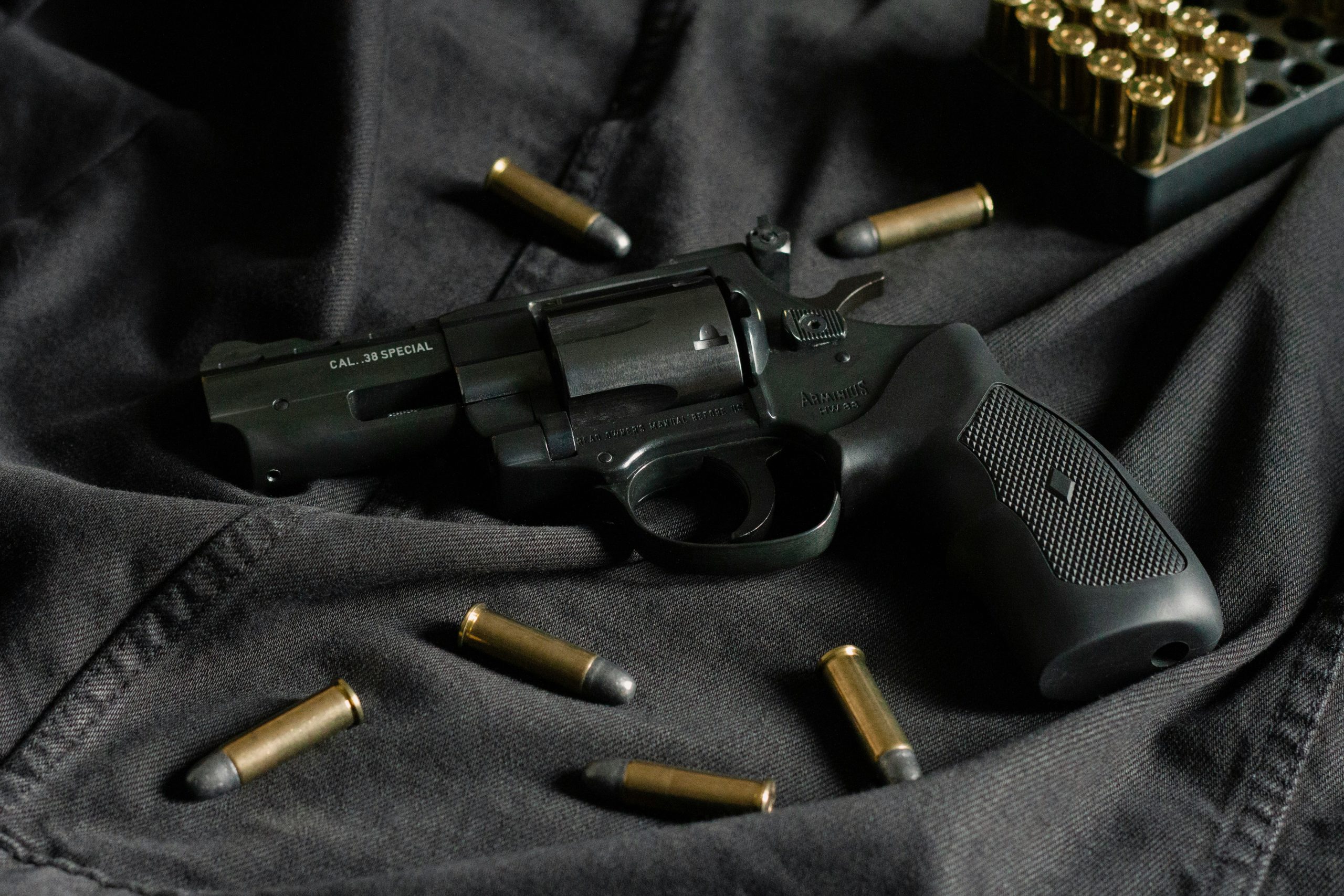
The Anaconda’s barrel wears a full-length underlug that covers the ejector rod, a feature that became one of its visual signatures. It also adds substantial material beneath the barrel, contributing to the revolver’s forward weight and rugged appearance. Combined with the large frame and stainless construction, the lug makes the Anaconda look unmistakably like a big-bore hunting handgun. The feature is not merely decorative, though it should not be treated as a magic accuracy device either. Its practical significance is part of a broader design built around strength, weight, and durability.
7. Colt Fixed the Trigger on the Modern Version
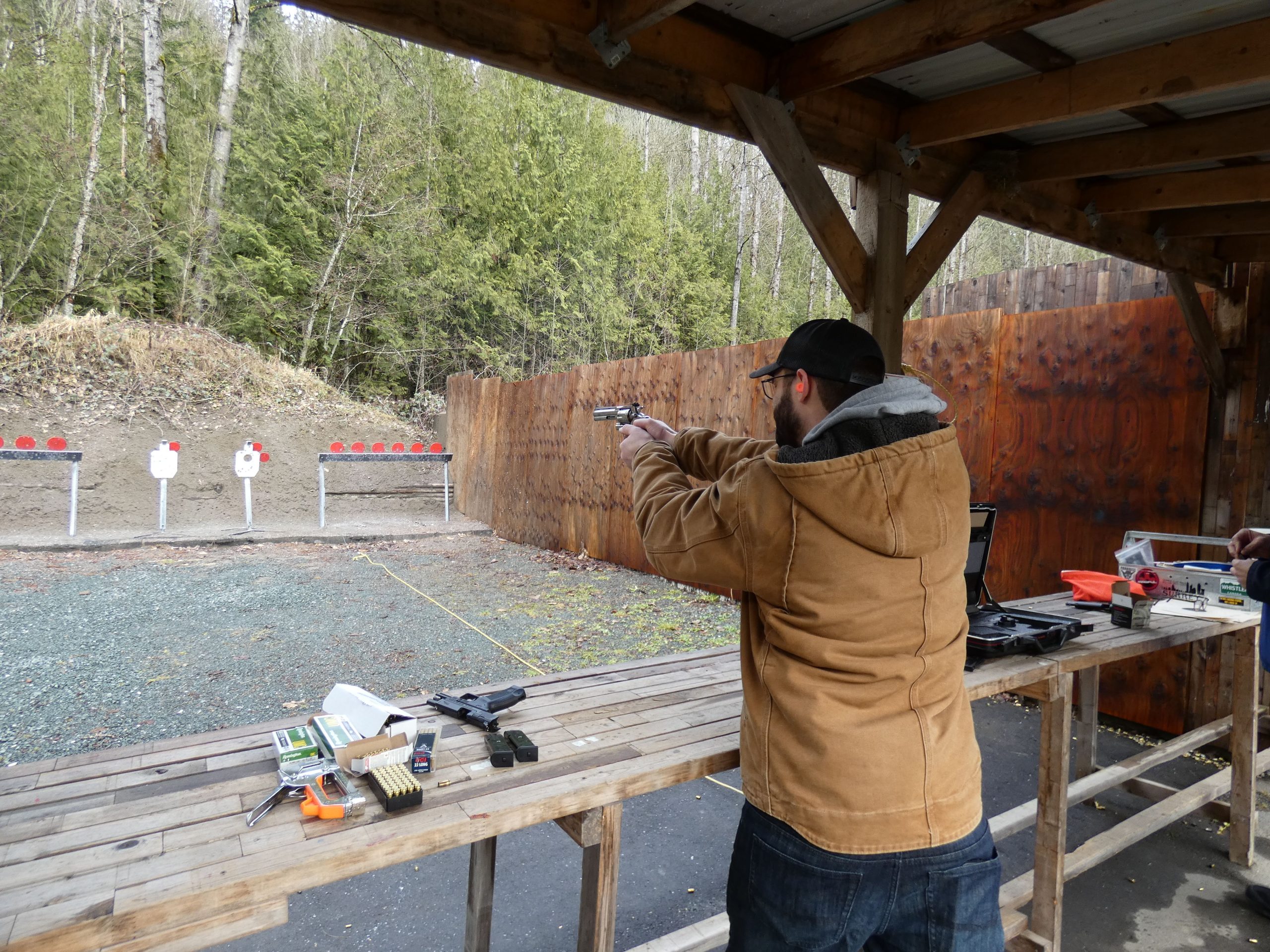
The original Anaconda developed a reputation for a less refined trigger, but Colt’s 2021 return addressed that area with redesigned internal parts and a Linear Leaf Spring system. The modern version offers both single-action and double-action operation, with a smoother feel than the earlier design. Colt effectively kept the classic Anaconda silhouette while updating its mechanism. That distinction matters when comparing generations: an original 1990s Anaconda and a current-production example may share a name and appearance, yet their internal systems and trigger characteristics are not identical.
8. Optics Turned It Into a More Flexible Hunting Arm
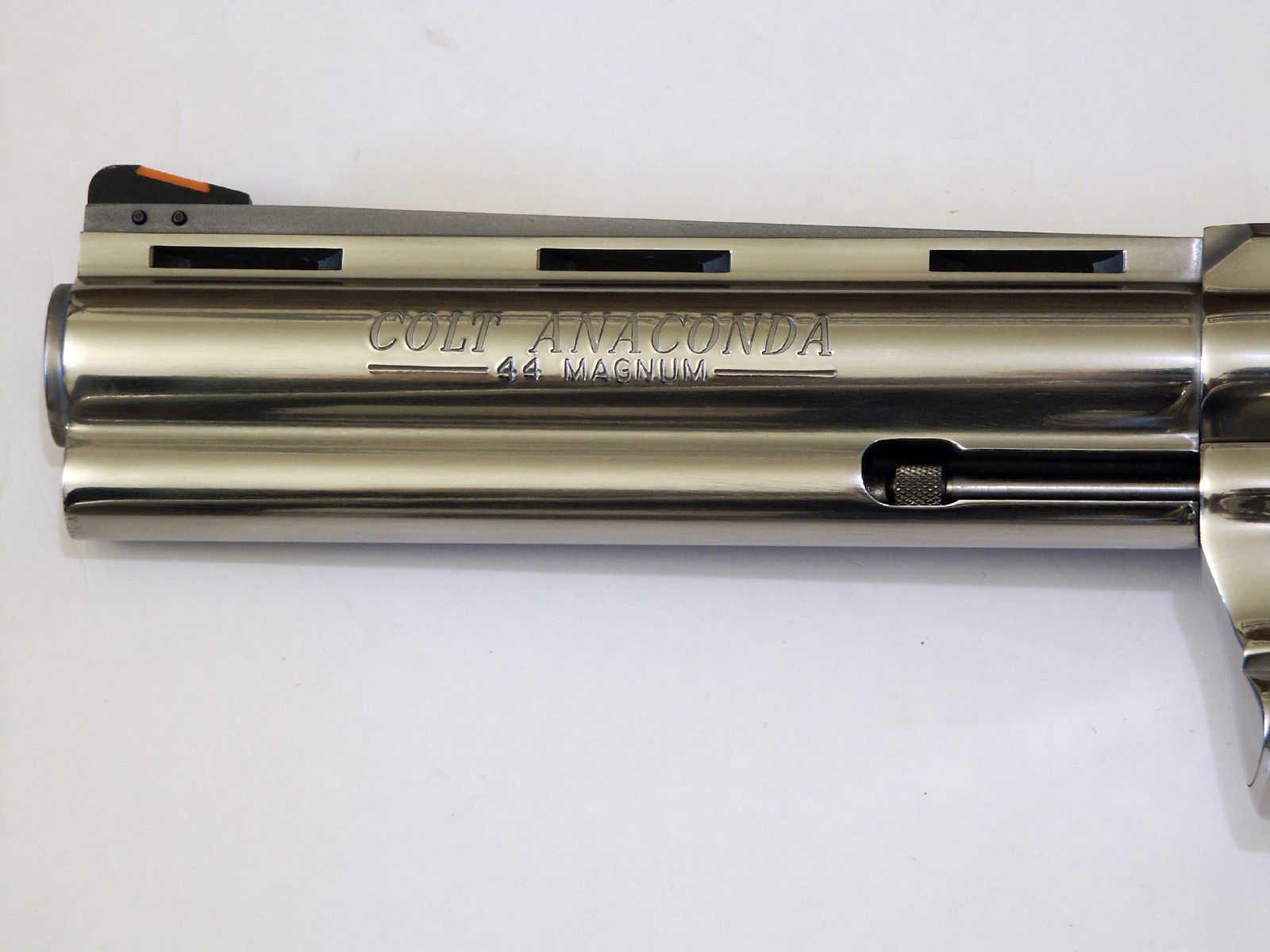
The modern Anaconda was designed with optics in mind, with its top strap drilled and tapped for mounting equipment. Colt’s setup can accept a Picatinny rail, expanding the revolver’s sighting possibilities beyond its adjustable iron sights. For hunters, that is significant because the Anaconda’s size already places it in a specialized handgun category. An optic can make the platform more adaptable to different shooting preferences, although it also adds equipment and changes the balance. The result is a revolver that can bridge classic big-bore styling and contemporary hunting expectations.
9. The Hogue Grip Addressed .44 Magnum Recoil
The modern Anaconda uses Hogue rubber grips, selected with the revolver’s powerful chambering in mind. Grip design matters greatly on a heavy .44 Magnum because recoil is influenced not only by ammunition but also by firearm weight, grip shape, and how the shooter holds the gun. The Anaconda’s substantial frame already contributes considerable mass, and the rubber stocks add another layer of practical comfort. This does not make powerful ammunition effortless, but it helps explain why the revolver was engineered as a complete system rather than simply a large frame wrapped around a magnum cartridge.
10. Its Legend Was Built Around the Hunter’s Choice
The Anaconda never truly made rifles obsolete, and calling it a rifle replacement oversells the idea. Its real attraction was giving hunters another option: a large, six-shot .44 Magnum revolver with Colt styling, substantial weight, adjustable sights, and, on the modern version, optics capability. Colt discontinued the original line after years of production, then reintroduced a redesigned Anaconda in 2021. That history helped turn the model into both a hunting tool and a collectible. For enthusiasts, its appeal lies in how unusually well those two identities overlap.