Batoning wood with a knife looks simple in videos, but in the field, small mistakes can turn a useful skill into a frustrating or risky one. Seasoned outdoorsmen tend to agree that beginners often focus on force when they should be thinking about wood choice, blade control, and safety. This gallery breaks down the habits experts see most often, and explains how to correct them before they become bad practice.
Using the Wrong Knife for the Job

One of the biggest beginner mistakes is assuming any knife can baton wood. Experienced outdoorsmen usually reach for a sturdy fixed blade with a full tang or other robust construction, because the task puts repeated shock through the tool. A light folding knife or thin kitchen style blade is simply not built for that abuse.
The issue is not just durability, but control. A knife that is too thin, too short, or poorly balanced can twist in the cut and bind unexpectedly. Veterans tend to match the blade to the wood size, using a practical tool rather than trying to prove that one knife can do everything.
In short, batoning is less about bravado and more about using the right steel, shape, and strength for a controlled split.
Choosing Wood That Is Too Big

Beginners often go straight for chunky rounds because they think bigger pieces mean faster results. Experienced woodsmen usually do the opposite. They start with wood that matches the knife length and the kind of split they actually need, especially if they are making kindling for a fire.
When the wood is too wide, the blade may sink only partway before binding hard. That can lead to wild swings with the baton, awkward levering, or a stuck knife that is difficult to free safely. None of that helps when your goal is just to make dry, usable fuel.
More often than not, smart batoning starts with modest pieces and steady progress, not oversized logs and unnecessary struggle.
Ignoring the Grain and Natural Cracks

Seasoned outdoorsmen rarely attack a piece of wood at random. They read the grain, look for checks, knots, twists, and natural cracks, then choose the line of least resistance. Beginners often miss this step and wonder why one stick splits cleanly while another fights every strike.
Wood has a structure, and that structure tells you where the blade wants to travel. If you baton through a knot or across twisted grain, the knife can wander off course or stop cold. That not only wastes energy, it also increases the chance of glancing blows and unstable movement.
Experienced hands treat each piece like a small puzzle. A few seconds of observation usually saves a lot of force and frustration.
Striking the Spine in the Wrong Place
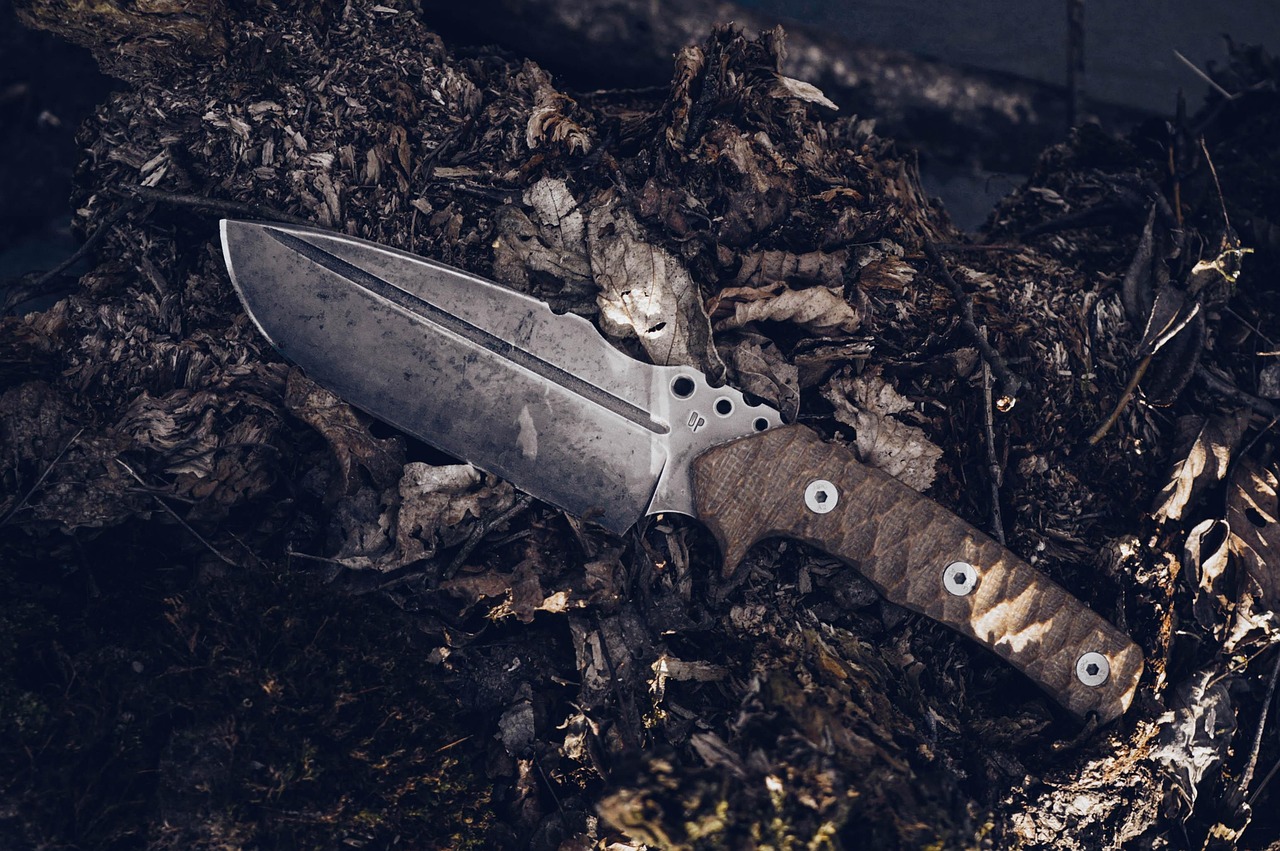
Many beginners hit the knife spine wherever the baton lands, then keep pounding without noticing how the blade is entering the wood. Outdoorsmen with experience tend to strike near the part of the spine that keeps the knife tracking straight, adjusting as the split begins to open.
If the force is too far toward the tip or too heavy on one side, the blade can cant sideways. That often causes binding, uneven splits, or a knife that exits the wood unexpectedly. Precision matters more than raw power, especially early in the cut.
A good baton stroke is deliberate and repeatable. It is not frantic chopping with a stick, and skilled campers know the difference immediately.
Using a Baton That Is Too Hard or Too Small
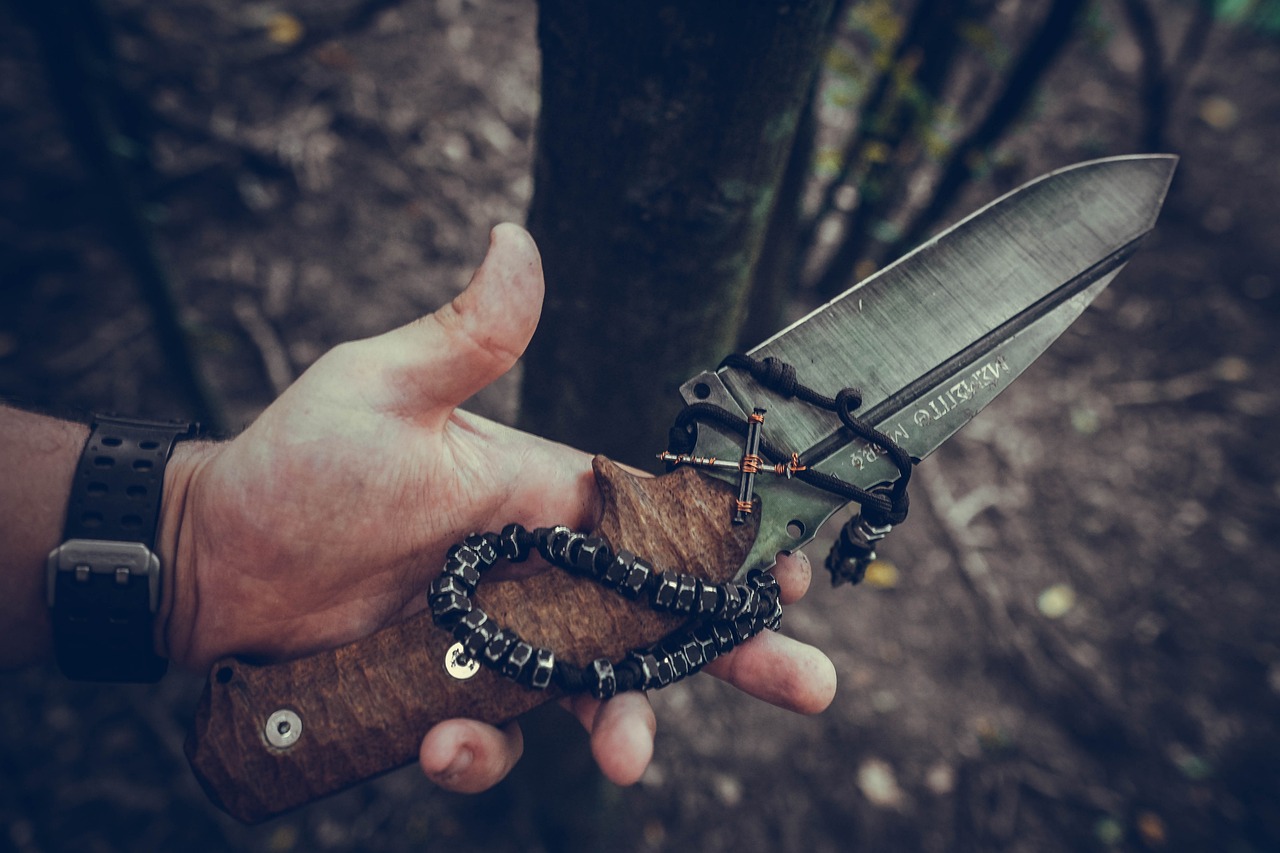
The baton itself gets overlooked by a lot of beginners. People grab a random branch that is either too thin, too short, or so hard that it jars the hand and hammers the knife unnecessarily. Experienced outdoorsmen usually choose a solid, green or slightly resilient club that feels secure and absorbs some impact.
A good baton gives you control without excessive shock. If it is too small, you end up swinging harder to compensate, which usually makes accuracy worse. If it is too hard or awkwardly shaped, the strikes can feel harsh and inconsistent.
Veterans know the baton is part of the system, not an afterthought. The right improvised club makes the whole process smoother and safer.
Forcing the Blade Instead of Letting the Split Open

A classic beginner move is to keep hammering straight down even when the wood is already starting to separate. Experienced outdoorsmen pay attention to the split as it develops. Once the grain opens, they often guide the blade, adjust the wood, or work with the crack instead of just adding more force.
Wood splitting is dynamic, not mechanical. Sometimes a few measured taps and a slight repositioning are far more effective than repeated heavy blows. Force without feedback can drive the knife deeper into a bind or push it off line.
People who do this often make batoning look easy because they are responding to the wood in real time. That is a skill beginners tend to underestimate.
Placing Hands and Body in Unsafe Positions

Experienced outdoorsmen are almost obsessive about where their hands, knees, and feet are during batoning. Beginners, by contrast, sometimes brace wood with a hand too close to the blade path or lean over the work in a way that leaves little margin for error if the knife slips.
The danger is not only the edge itself. A stuck blade can pop free, a baton can glance off, and split wood can shift suddenly. Good technique creates a stable work surface and keeps body parts out of the likely travel zone.
What looks cautious is actually efficient. When your stance is balanced and your support hand is smartly placed, you work with less tension and a lot more control.
Trying to Baton on an Unstable Surface

A lot of frustration starts under the wood, not in it. Beginners often try to baton on uneven ground, loose rocks, or a rolling log, then wonder why the blade shifts or the piece keeps tipping. Seasoned campers usually set up on a stump, flat log, or other stable base that supports the split.
An unstable surface wastes energy because every strike has to fight movement before it can drive the blade. It also creates awkward angles that make the knife more likely to twist. Even dry, straight grain can become difficult when the work platform is unreliable.
Experts know prep matters. A solid base turns batoning from a messy wrestling match into a controlled, predictable task.
Using Batoning for Every Piece of Firewood

One thing experienced outdoorsmen say all the time is that batoning is a method, not a religion. Beginners sometimes use it on every stick they touch, even when snapping deadwood by hand, shaving feather sticks, or using smaller pieces would be easier and faster.
Batoning shines when you need dry inner wood, manageable kindling, or a controlled split with limited tools. It is not always the smartest answer for processing a whole pile of fuel. Overusing it can tire you out and put unnecessary wear on your knife.
The more experienced the camper, the more selective they tend to be. Knowing when not to baton is part of knowing how to do it well.
Treating the Technique Like a Strength Test
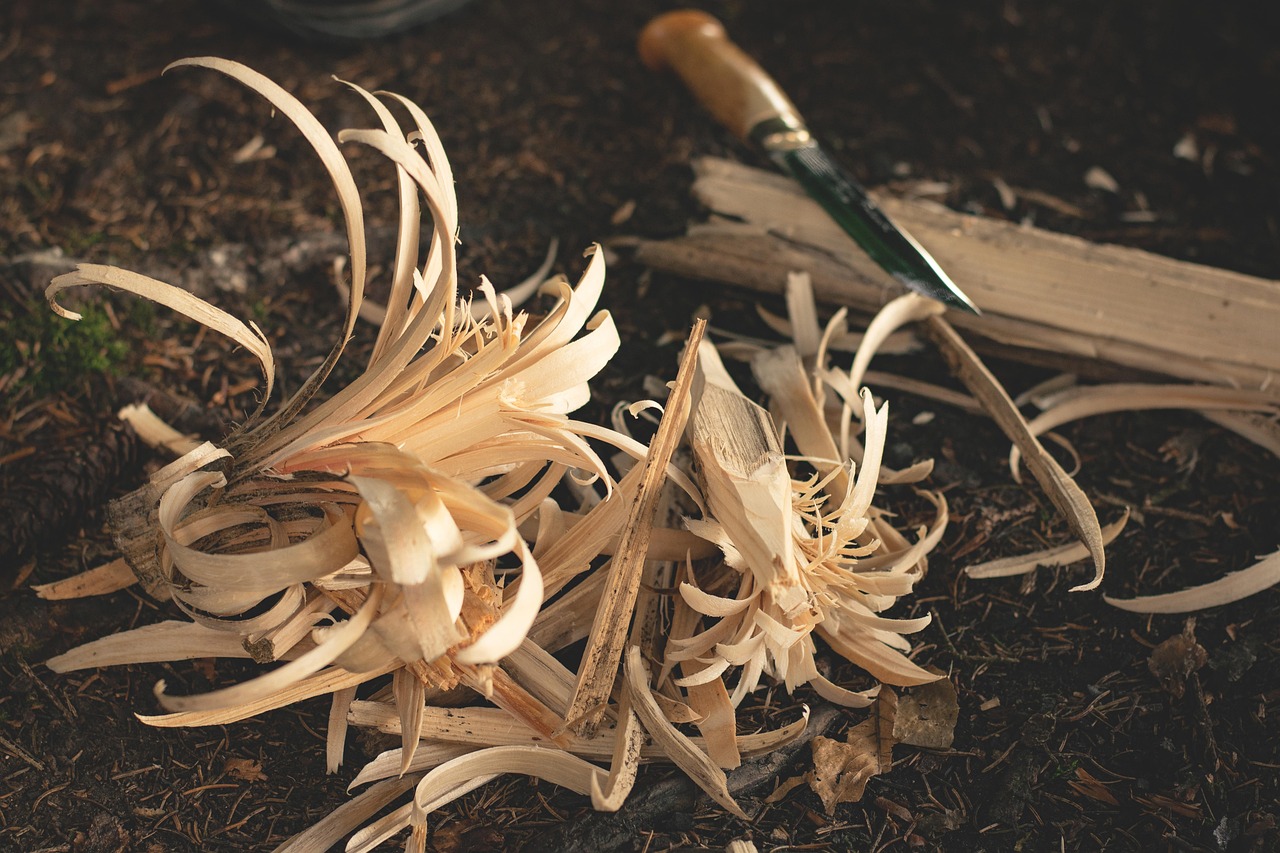
Beginners often approach batoning as a show of force, as if success depends on hitting harder than the wood can resist. Experienced outdoorsmen see it differently. They rely on alignment, patience, and reading the material, because good technique usually beats brute effort in the long run.
That mindset changes everything. It leads to better knife choice, smarter wood selection, cleaner strikes, and fewer risky movements. It also makes the process quieter and more efficient, which is exactly what you want when working in cold, wet, or fading light.
In the field, skill has a calm look to it. The people who split wood best are rarely the ones trying to muscle every piece into submission.