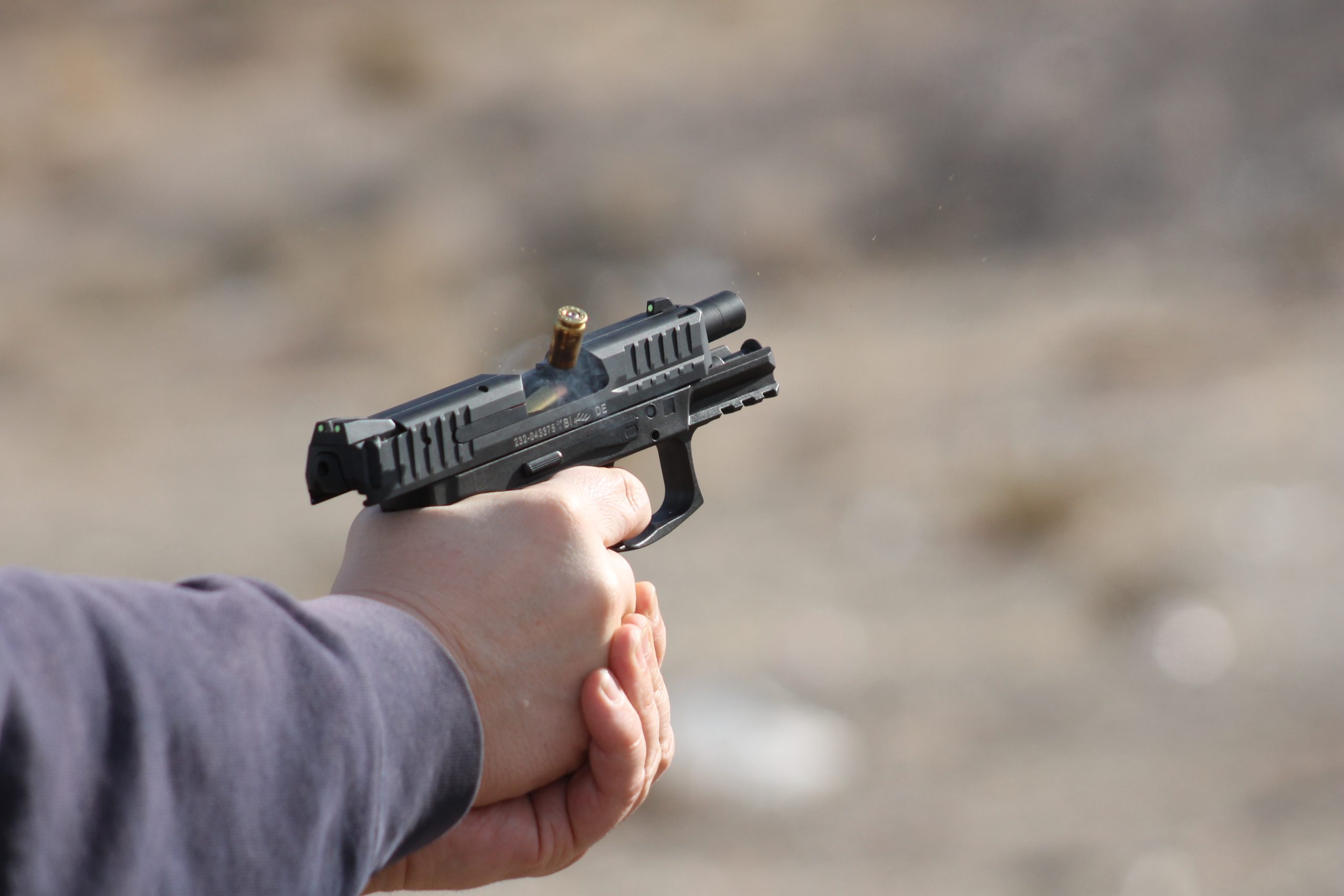
Subsonic ammunition is often discussed as if the only difference is reduced noise, but experienced suppressor owners know the story is much bigger in the field. From recoil feel to impact shifts and terminal performance, these loads can behave in ways that surprise even seasoned shooters. This gallery breaks down eight commonly discussed subsonic options and why they stand apart from standard loads when real-world use replaces range-bench assumptions.
.22 LR Subsonic Hollow Points

For many suppressor owners, .22 LR subsonic hollow points are the gateway into noticing how different ammunition can feel once velocity drops below the sound barrier. The report often becomes far softer than high-velocity rimfire, and the shooting experience can seem almost oddly calm by comparison.
In the field, users often mention cleaner follow-up shots, less disturbance to nearby pests, and more predictable behavior from rifles that prefer standard velocity loads. The tradeoff is that not every semi-auto cycles equally well, and expansion can vary widely depending on barrel length. That mix of quiet performance and equipment sensitivity is exactly why this category gets so much discussion.
9mm 147 Grain FMJ
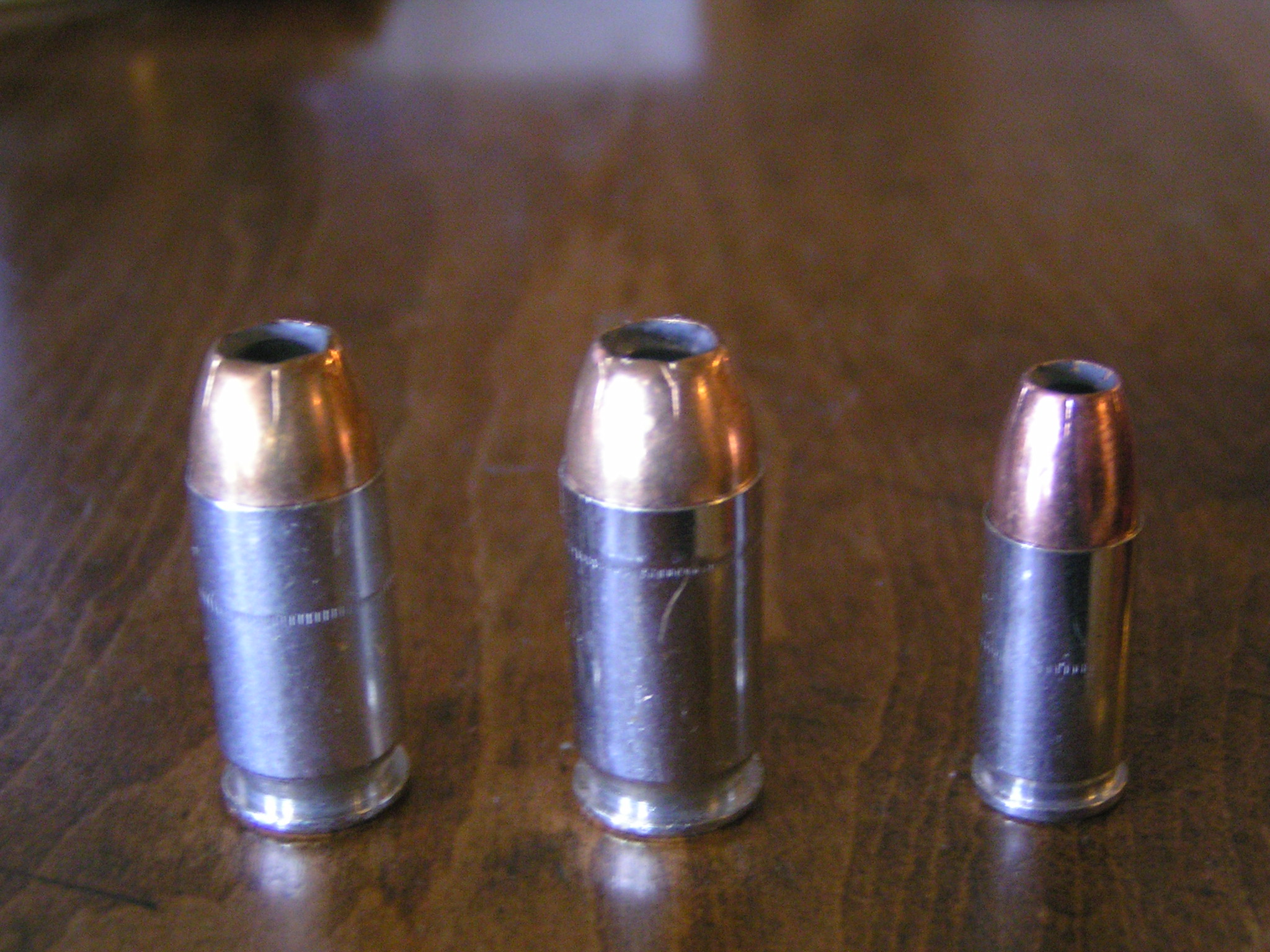
Among suppressed pistol shooters, 9mm 147-grain full metal jacket loads are often treated as the practical baseline for subsonic performance. Compared with lighter, faster standard loads, they tend to produce a deeper tone, a softer crack, and a recoil impulse many describe as more like a push than a snap.
That difference matters in training and informal field use, where shooters often say the gun tracks differently and recovery between shots feels more controlled. The catch is that the point of impact can shift, sometimes more than newcomers expect. Reliability is usually strong in service-size pistols, but shorter barrels and recoil spring setups can turn a familiar handgun into something that behaves noticeably differently.
.45 ACP 230 Grain Ball
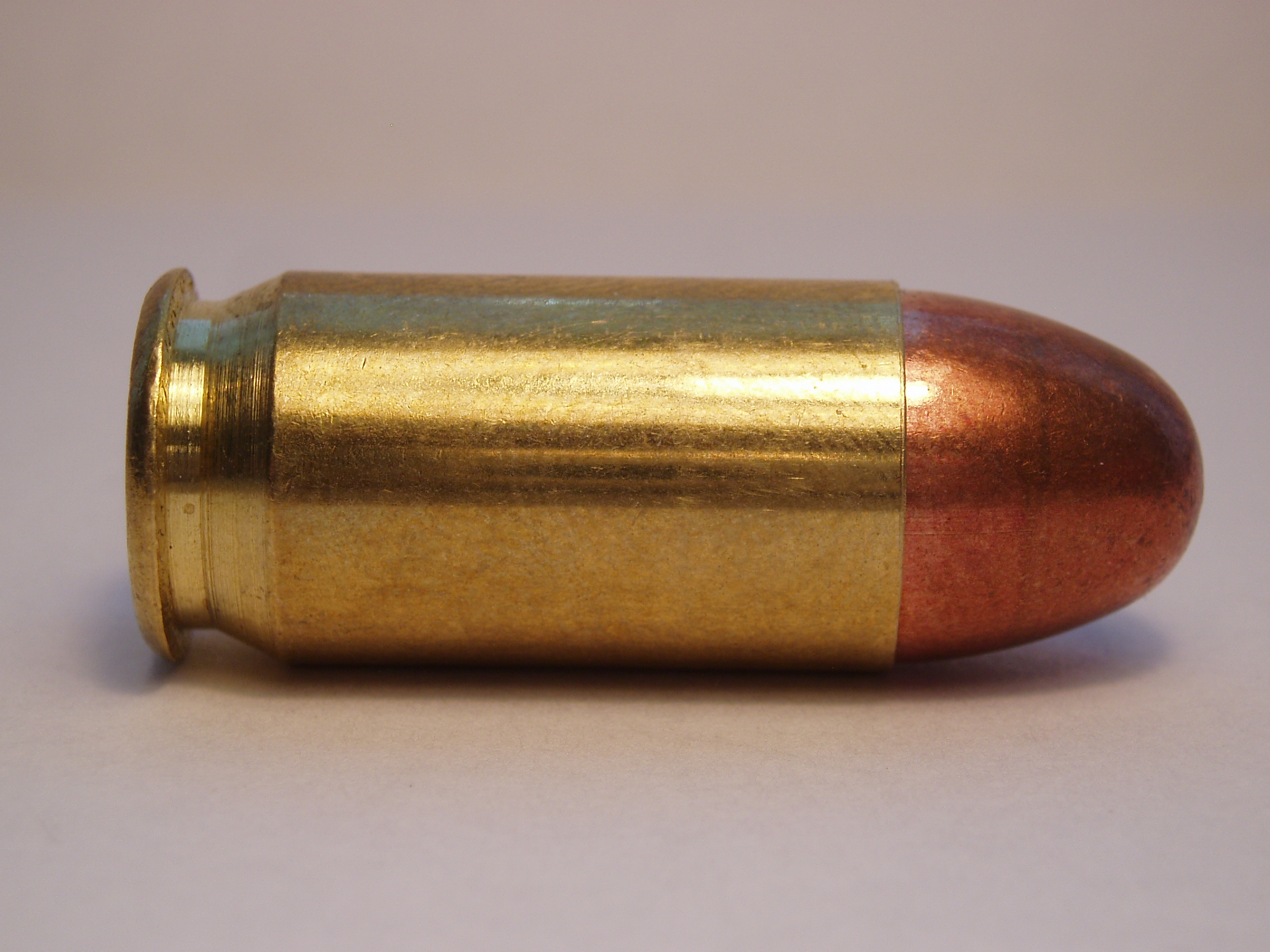
The .45 ACP has long enjoyed a reputation as a naturally subsonic performer, and suppressor owners often say that is where its personality really shows. With 230-grain ball ammunition, the cartridge usually avoids the velocity issues that make some 9mm loads unpredictable around the sound barrier.
What stands out in the field is the heavy, deliberate recoil pulse and the lower-pitched sound signature many shooters find pleasing through a can. Standard .45 loads and subsonic .45 loads can seem less dramatically different than in other calibers, but that is part of the point. The consistency is the appeal, although bulk, magazine capacity, and handgun size still keep it from being the universal answer for everyone.
.300 Blackout 220 Grain OTM

If one cartridge regularly comes up in subsonic suppressor conversations, it is .300 Blackout with 220-grain open tip match ammunition. Compared with standard supersonic .300 Blackout loads, the field experience can feel like switching to an entirely different platform, from sound signature to downrange energy delivery.
Shooters often praise how well this combination pairs with short barrels and modern suppressors, especially for discreet target work or close-range hunting where legal. At the same time, they also caution that the trajectory becomes much more arched, and impact shifts must be verified. The result is a setup that can be exceptionally quiet and controllable, but one that demands honest distance limits and careful zero confirmation.
.300 Blackout Expanding Subsonics

Expanding .300 Blackout subsonics are where suppressed field use gets especially specialized. Owners often say these loads behave completely differently from both supersonic hunting rounds and generic heavy match subsonics, because they are engineered to open reliably at lower impact speeds rather than just fly quietly.
That design can make a real difference in the game at appropriate distances, but it also introduces more variables. Barrel length, twist rate, and velocity loss all matter, and not every expanding subsonic performs the same after passing through bone or heavy tissue. Shooters who praise them tend to do so after testing in their own rifles, because this is one category where broad assumptions can quickly lead to disappointing results.
.308 Winchester Subsonic Loads
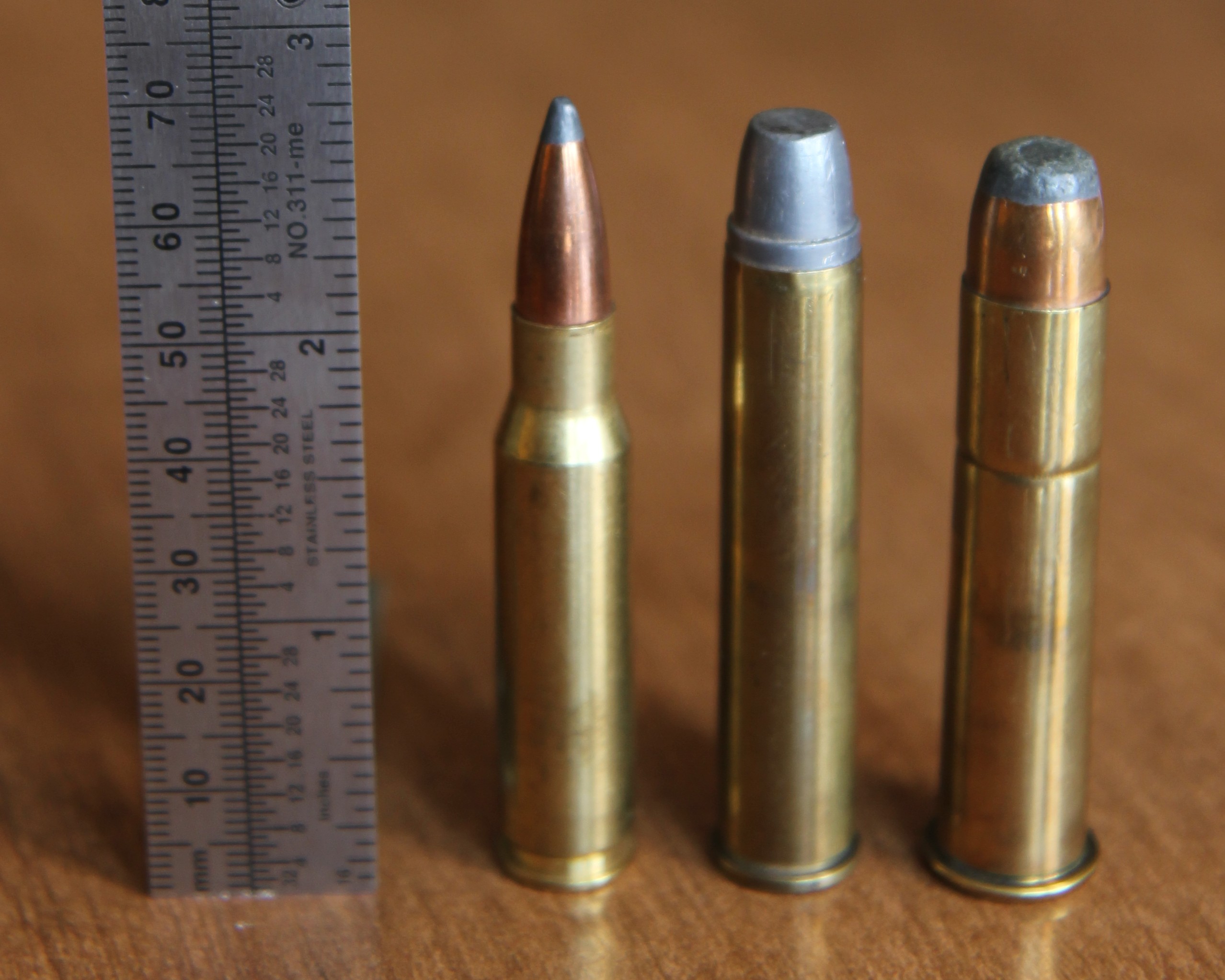
Subsonic .308 Winchester loads attract shooters who want a familiar rifle platform to do something very unfamiliar. Compared with standard .308 ammunition, the difference is dramatic: recoil drops sharply, the report changes character, and effective range becomes a far more delicate balancing act.
In the field, many suppressor owners describe these rounds as fascinating but highly purpose-specific. They can be quiet and surprisingly pleasant from bolt guns, yet the trajectory is steep enough that range estimation becomes critical even at moderate distances. Semi-auto function is another common issue, with many rifles needing tuning or manual operation. That combination of novelty, precision demands, and platform sensitivity is what gives subsonic .308 its distinct reputation.
.38 Special 158 Grain

For revolver shooters and lever-gun fans, .38 Special 158-grain loads remain one of the classic subsonic choices. Out of many firearms, they stay comfortably below the sound barrier, and suppressor owners using threaded carbines often say the contrast with hotter standard loads is easy to hear and feel.
Of course, revolvers bring a well-known limitation because cylinder gap noise reduces the suppressor effect. In a lever action or certain single-action platforms, though, the cartridge can feel wonderfully mild and easy to manage. Users often talk about the gentle recoil and nostalgic rhythm of shooting it suppressed. It is not the flattest or most powerful option here, but its soft manners are a big part of the appeal.
.45 Colt Heavy Subsonics

Heavy .45 Colt subsonic loads occupy an interesting corner of suppressed shooting, especially in modern lever guns and strong single-action revolvers. Suppressor owners who experiment with them often say they deliver a very different field impression than standard cowboy-style ammunition, with more authority, deeper tone, and a substantial shove in recoil.
That difference can be rewarding, but it comes with caveats. Firearm strength, pressure limits, and load selection matter enormously in .45 Colt, perhaps more than casual observers realize. In the right platform, these loads can feel smooth, effective, and uniquely old-school despite modern suppression. In the wrong one, they can be inappropriate or underwhelming, which is why experienced users emphasize matching the load to the exact gun.