Shotgun design has never been limited to traditional wooden stocks, familiar pump mechanisms, and conventional magazine arrangements. Over the years, firearms manufacturers and independent designers have experimented with unusual feeding systems, unconventional layouts, distinctive operating mechanisms, and futuristic-looking profiles. Some of these designs became commercially successful, while others remained rare prototypes or short-lived experiments. What makes them particularly interesting is how differently they approached the same basic firearm concept. From revolving-cylinder shotguns and bullpup configurations to dual-tube magazines and distinctive lever actions, these 10 examples have memorable designs that are still documented in historical photographs, manufacturer archives, and firearms reference collections.
1. Winchester Model 1887
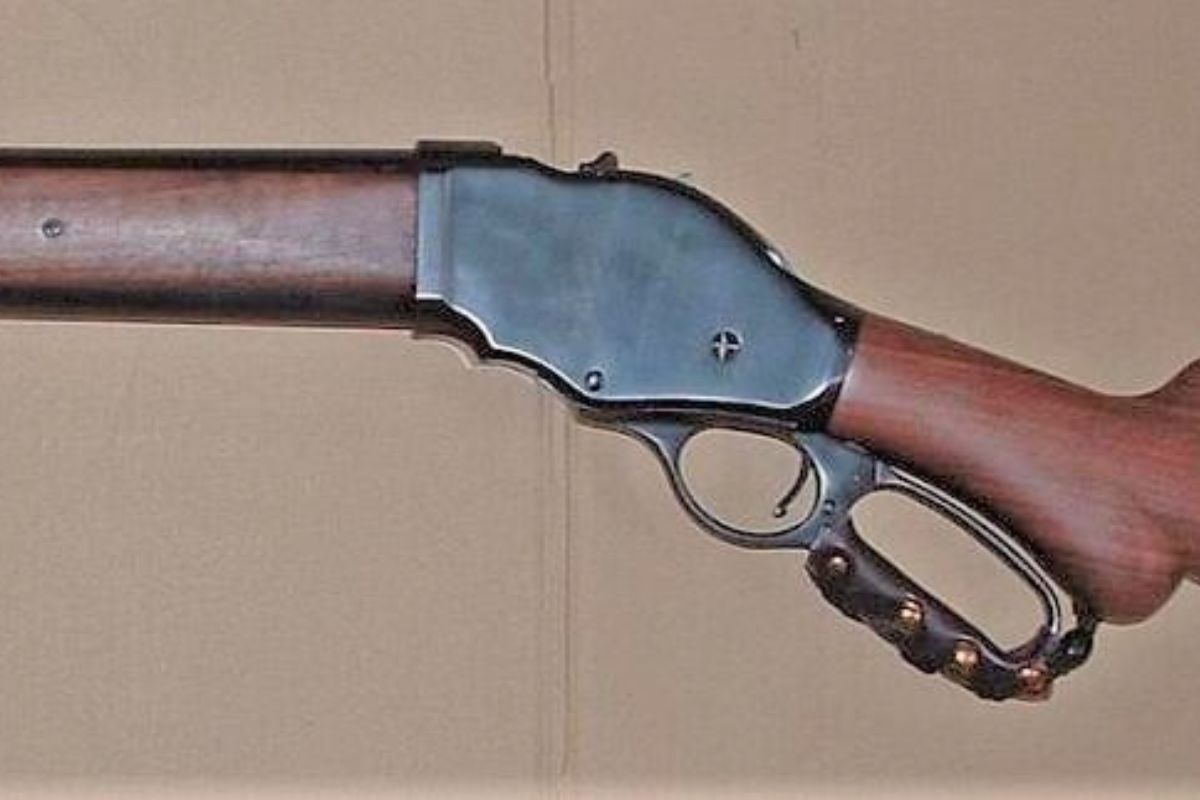
The Winchester Model 1887 stands apart because it brought lever-action technology to the shotgun world. Designed by John Browning and introduced in 1887, it was originally offered in 12-gauge and later in 10-gauge versions. Unlike the familiar pump-action shotguns that followed, its distinctive lever-operated mechanism gave it a profile more commonly associated with rifles of the period. Early examples featured traditional wooden furniture and an exposed metal receiver, creating an unmistakably nineteenth-century appearance. Its historical importance also comes from its place among the earliest commercially successful repeating shotguns. Collectors can still find photographs of original models, surviving examples, and later reproductions that preserve its distinctive appearance.
2. Browning Auto-5
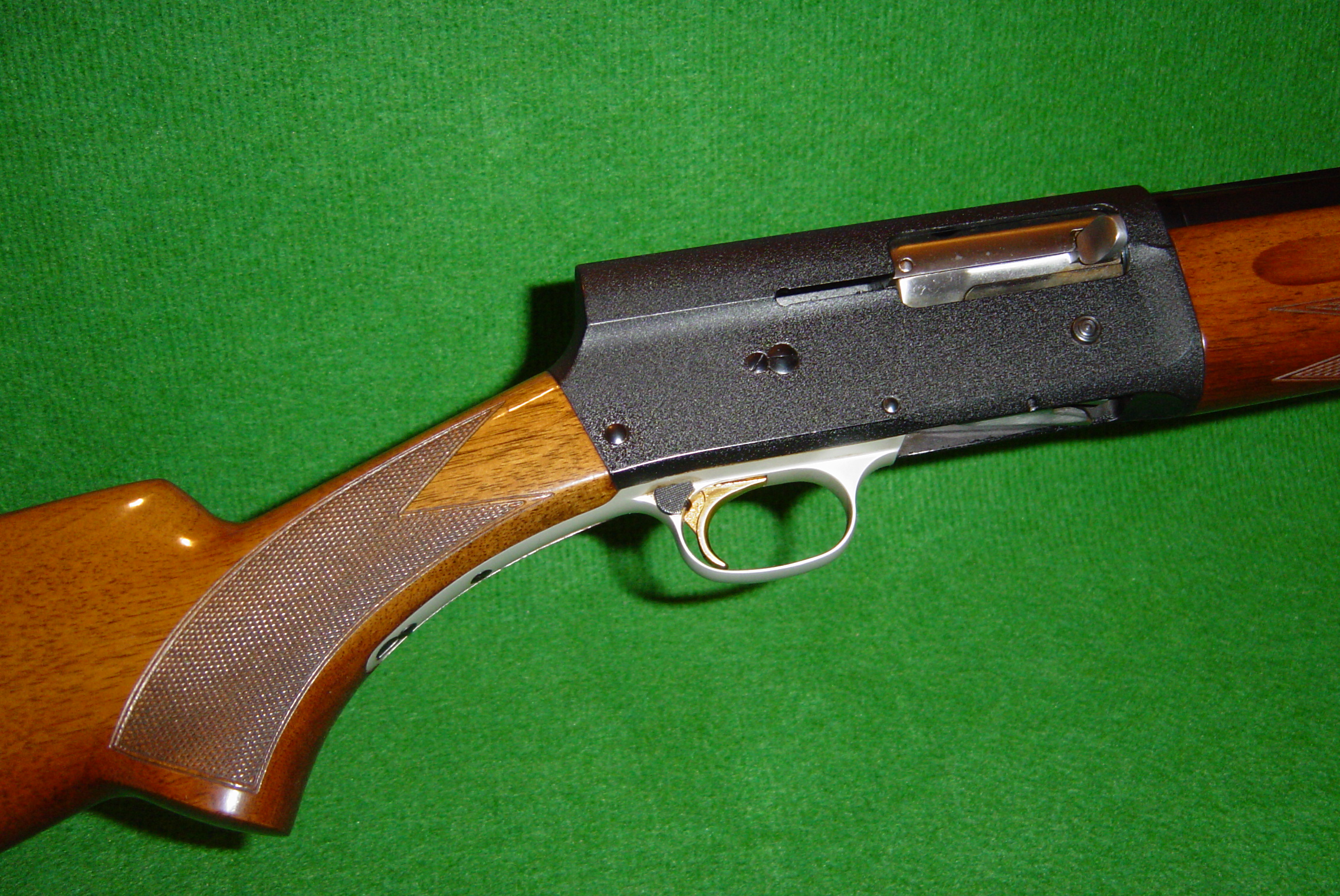
The Browning Auto-5 is instantly recognizable because of its unusual humpback receiver, which gives the shotgun a noticeably different silhouette from conventional sporting models. Introduced in 1902, it became one of the most influential semiautomatic shotgun designs in history. John Browning’s long-recoil operating system was another distinctive feature, separating it from many later designs. The original Auto-5 was produced in several gauges, including 12, 16, and 20, with numerous barrel, stock, and finish variations appearing over its long production life. Its receiver profile remained its most recognizable characteristic. Historical photographs show everything from early hunting versions to later models, making it an especially interesting design to explore.
3. Armsel Striker
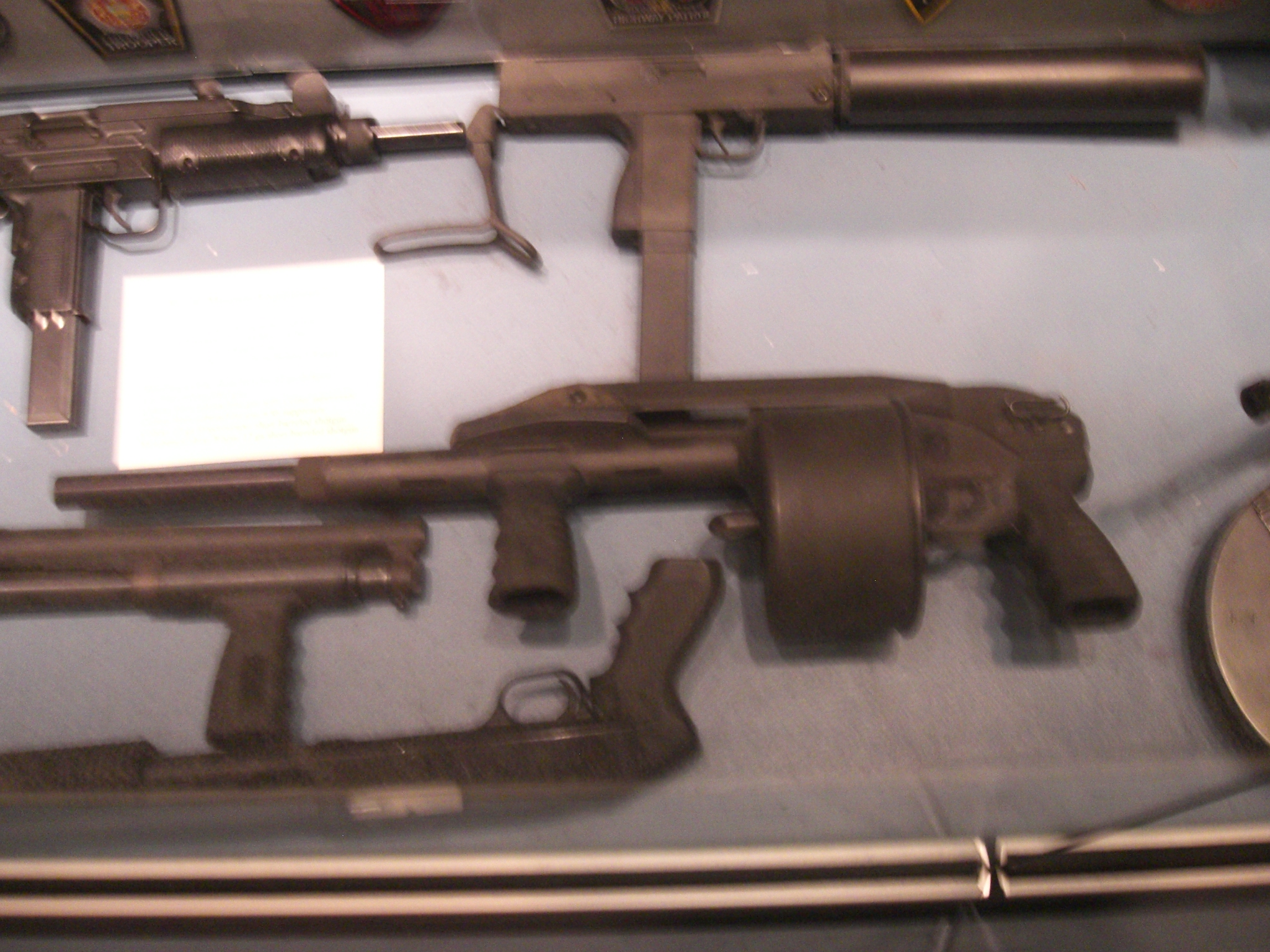
The Armsel Striker is one of the most unusual shotgun designs to emerge from South Africa during the 1980s. Developed by Hilton Walker, it replaced the familiar tubular magazine arrangement with a large revolving cylinder that gives the firearm an unmistakable appearance. Its original configuration accommodated 12 rounds of 12-gauge ammunition, making the oversized drum its defining visual feature. The design also incorporated a folding stock, pistol grip, and prominent front grip. An improved derivative called the Protecta appeared later, with changes to the original mechanism. The Striker’s unusual proportions made it popular in action films and firearms photography. Pictures of its different versions provide a fascinating look at an unconventional approach to shotgun design.
4. Neostead 2000

The Neostead 2000 looks unlike almost any conventional pump-action shotgun because of its distinctive bullpup arrangement and twin magazine tubes positioned above the barrel. Developed in South Africa by designer Tony Neophytou during the 1990s, it was eventually produced in limited numbers during the early 2000s. Its unusual configuration provided a reported capacity of 12+1 rounds in 12-gauge. Another interesting feature was its selector system, which allowed the two magazine tubes to be used independently or alternately. The forward-positioned barrel and rearward action created a compact overall profile. With only around 200 examples reportedly manufactured, the Neostead remains a particularly interesting subject for collectors looking through rare shotgun photographs.
5. Pancor Jackhammer

The Pancor Jackhammer looks more like a futuristic film prop than a conventional shotgun, but it was a genuine experimental design developed by American inventor John Anderson during the 1980s. Patented in 1987, this unusual 12-gauge bullpup firearm combined a revolving-cylinder arrangement with an automatic operating system. Its proposed configuration featured a 10-round ammunition system, while its distinctive body enclosed much of the mechanism. Only three working prototypes were reportedly constructed, and the project never developed into a commercial production firearm. Its unusual appearance eventually made it recognizable in films, television, and video games. Surviving photographs, prototype images, and patent illustrations make the Jackhammer particularly fascinating to examine.
6. Kel-Tec KSG
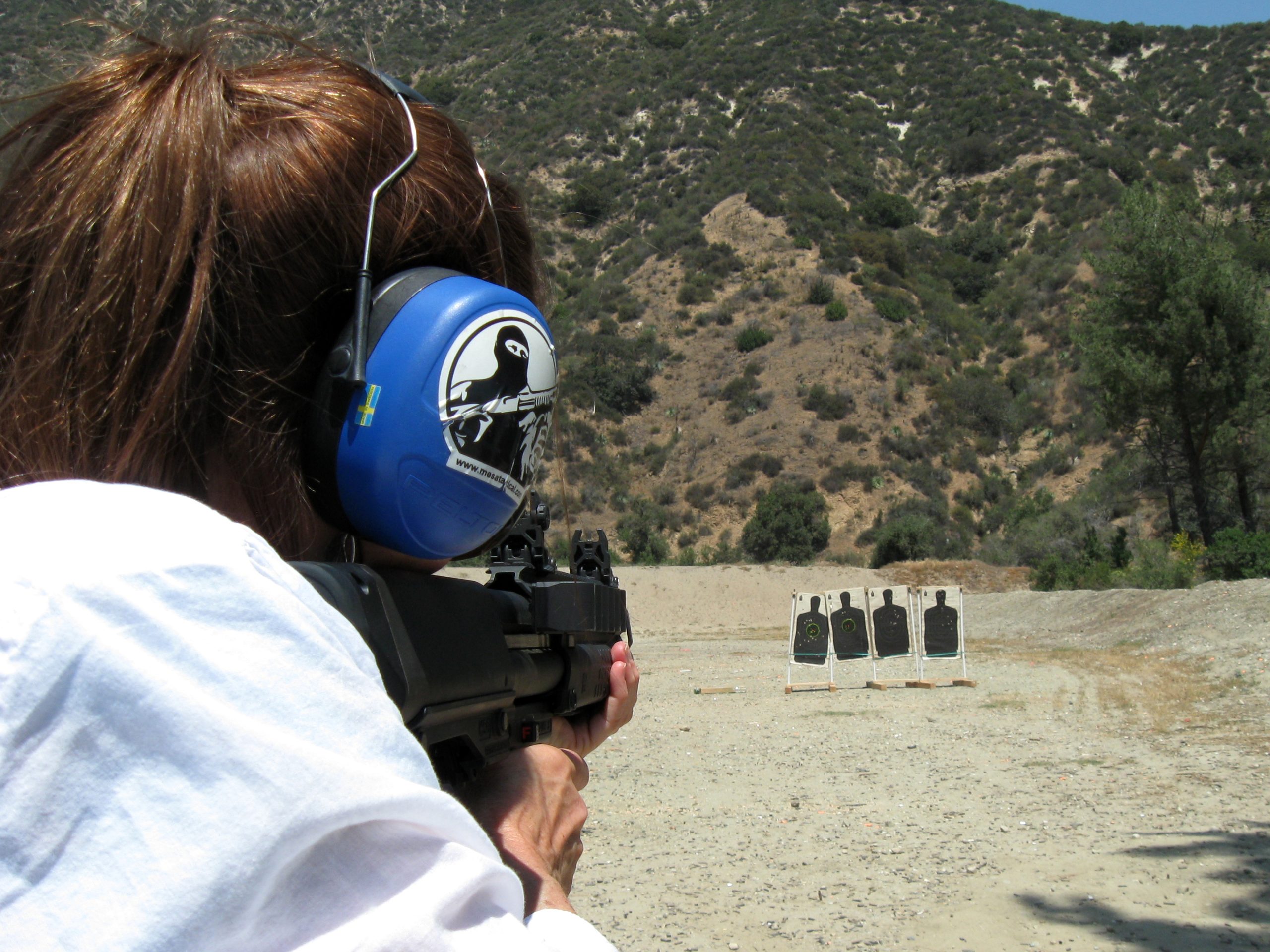
The Kel-Tec KSG introduced a distinctive approach to modern pump-action shotgun design by placing two magazine tubes above the barrel rather than using a conventional single tube beneath it. Introduced in 2011, this bullpup 12-gauge shotgun became recognizable for its compact proportions and unusual magazine arrangement. The two tubes provide a combined capacity of 14+1 rounds when using compatible 2¾-inch ammunition, although capacity varies with shell length. A selector determines which tube supplies ammunition, giving the firearm an unusual layout compared with traditional sporting shotguns. Its polymer exterior, compact stock arrangement, and prominent twin tubes create an unmistakable silhouette. Photographs of the KSG also reveal how dramatically modern shotgun styling has evolved.
7. SRM 1216

The SRM 1216 is an unusual semiautomatic shotgun that stands out because of its detachable, rotating magazine system. Developed by SRM Arms, it uses four connected magazine tubes arranged in a rotating assembly beneath the barrel. Each tube holds four 12-gauge shells, giving the standard configuration a total capacity of 16 rounds. Rather than relying on a traditional fixed magazine or conventional detachable box, its distinctive assembly can be rotated to present another loaded tube. The firearm also features a modern receiver, polymer components, and a relatively compact profile. Its unconventional magazine arrangement makes it particularly recognizable in photographs. The SRM 1216 is an interesting example of how designers experimented with ammunition storage without abandoning a familiar shotgun format.
8. SPAS-12
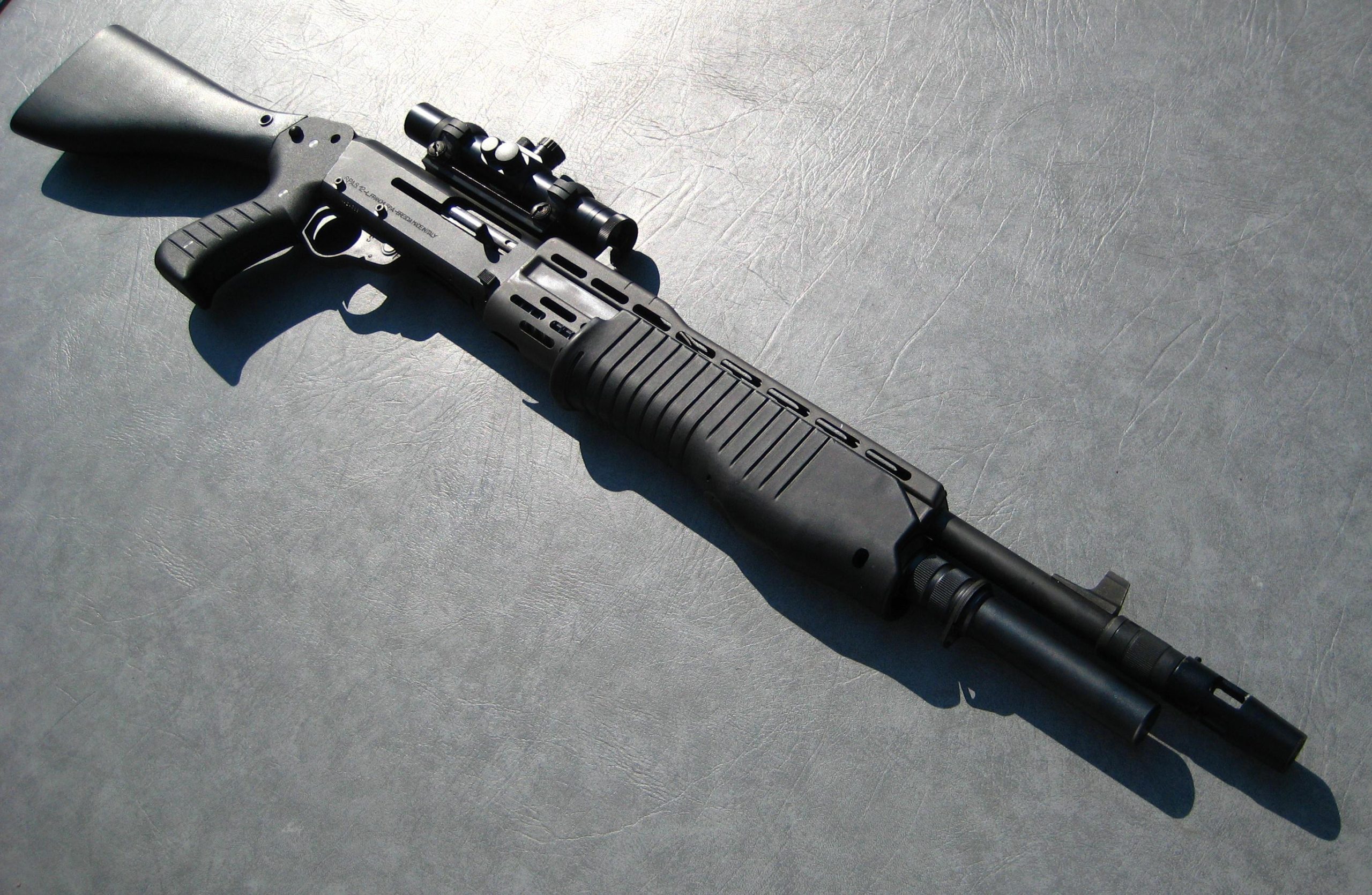
The SPAS-12 became one of the most recognizable modern shotguns because of its angular appearance, distinctive folding stock, and unusual combination of operating systems. Developed by Italian manufacturer Franchi during the 1970s, it was introduced in 1979 and designed around a 12-gauge chamber. Its dual-mode arrangement allowed the firearm to operate through semiautomatic or manually operated pump action, depending on the configuration and ammunition requirements. Other distinctive details included a heat shield, prominent carrying handle on certain versions, and an unusual folding stock with a hook-shaped attachment. Production ended in 2000, but its appearance remains familiar through films, video games, and surviving examples. Few shotguns have maintained such a recognizable visual identity.
9. Daewoo USAS-12

The Daewoo USAS-12 is an unusually large semiautomatic shotgun whose appearance resembles a military rifle more than a traditional sporting firearm. Developed in South Korea during the 1980s, it uses a 12-gauge gas-operated system and was produced in configurations featuring either a 10-round box magazine or a 20-round drum magazine. Its bulky receiver, prominent carrying handle, pistol grip, and distinctive overall proportions make it visually different from conventional shotguns. The design was associated with military and security applications rather than ordinary hunting. Although it never achieved widespread commercial popularity, surviving examples and historical photographs document its distinctive construction. The USAS-12 remains an interesting illustration of attempts to give a shotgun the appearance and layout of a modern military firearm.
10. Mossberg 500 Chainsaw

The Mossberg 500 Chainsaw is a particularly unusual factory-configured shotgun because of its distinctive front-end arrangement. Based on the established Mossberg 500 pump-action platform, this variant features a prominent chainsaw-style vertical front grip that gives it an appearance unlike conventional sporting models. It retains the familiar 12-gauge pump-action architecture and a tubular magazine, with capacity depending on the particular configuration. The unusual accessory-inspired styling was intended to create a distinctive compact firearm rather than a traditional field shotgun. Its exposed front assembly and recognizable Mossberg receiver make it easy to identify in photographs. The Chainsaw demonstrates that unusual shotgun designs are not always about complicated internal mechanisms; sometimes a dramatically different external layout is enough to make a model memorable.