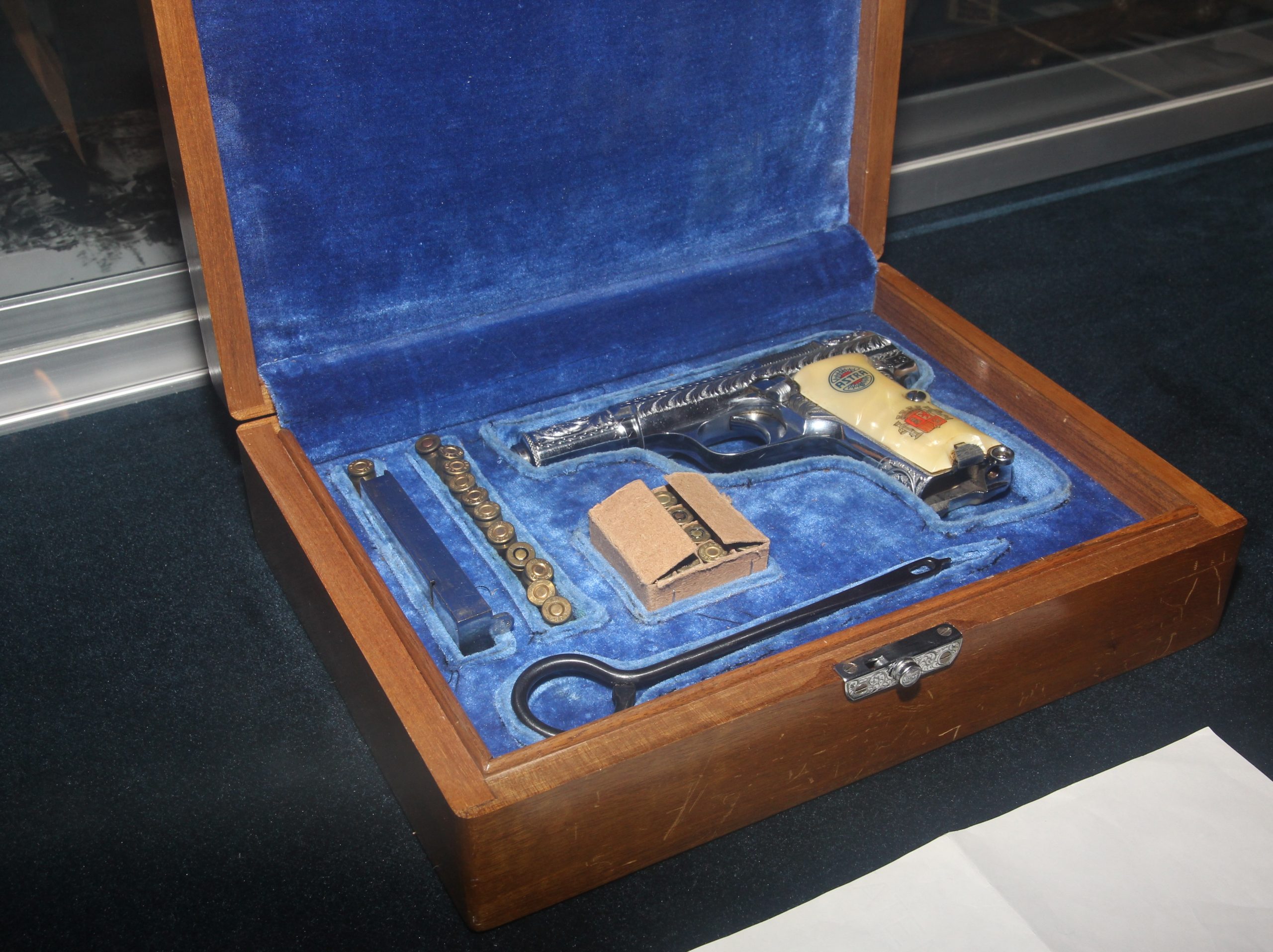
The Astra 400, also known as the Model 1921, is remembered for an extraordinary feature that helped turn an unusual Spanish service pistol into a collector’s legend. Its chamber could accommodate several cartridges beyond its intended 9mm Largo, but the popular claim that it could safely fire almost anything is misleading. The real story involves clever engineering, unusual dimensions, a heavy blowback system, and ammunition compatibility that was far more complicated than the legend suggests.
1. Its “Any 9mm” Reputation Was Born From Its Chamber
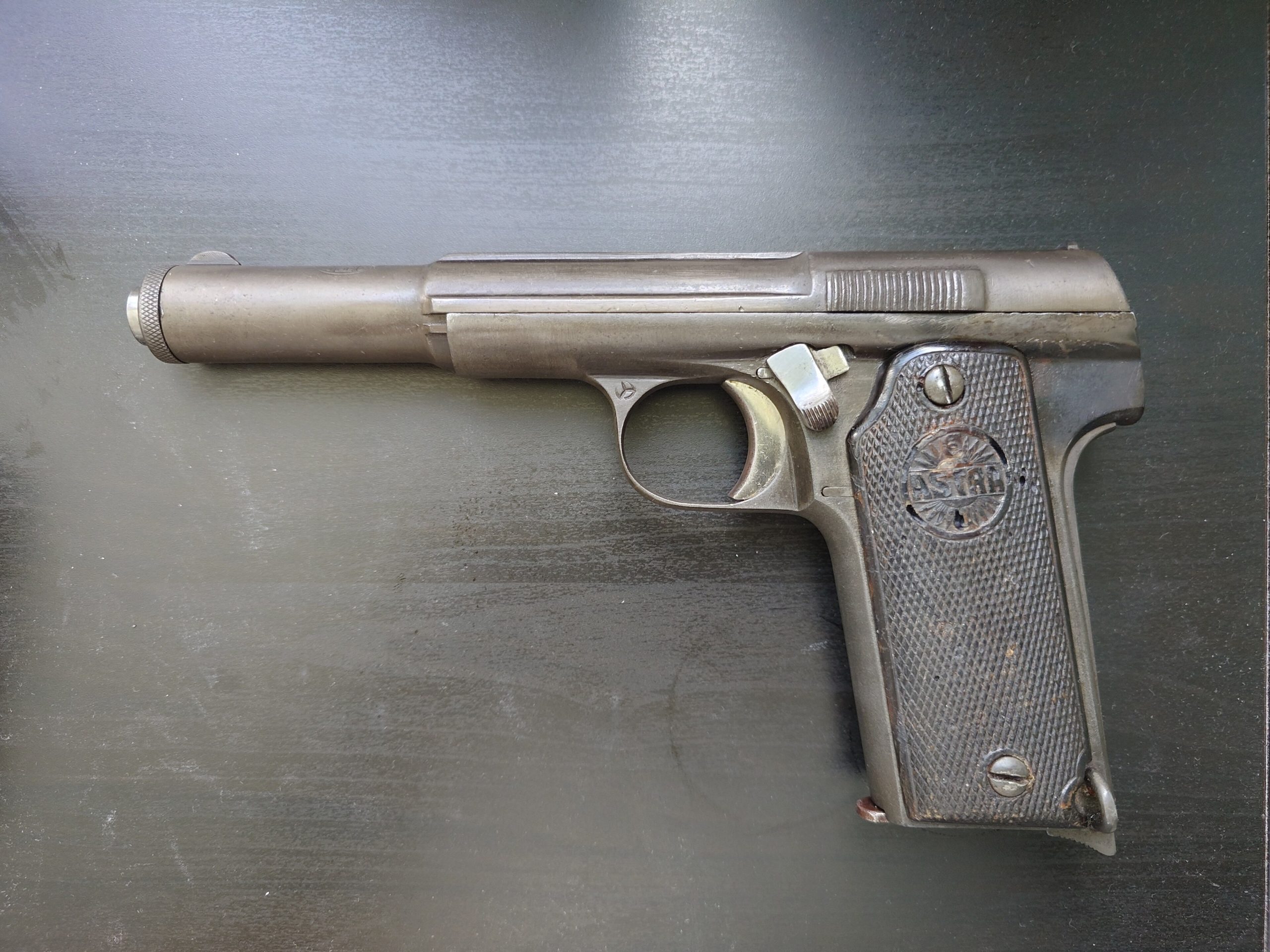
The Astra 400 earned its unusual reputation because its chamber was built around the long 9×23mm Largo cartridge, yet its dimensions could accept several shorter or similarly sized rounds. That created a remarkable historical oddity, but it did not make the pistol a universal multi-caliber firearm. Contemporary and later references disagree on exactly which cartridges functioned reliably. The key number is 9×23 mm: that was the intended cartridge, while the pistol’s 8-round magazine and generous chamber geometry created the legend. That distinction is central to the story.
2. The Blowback Action Was the Real Engineering Trick
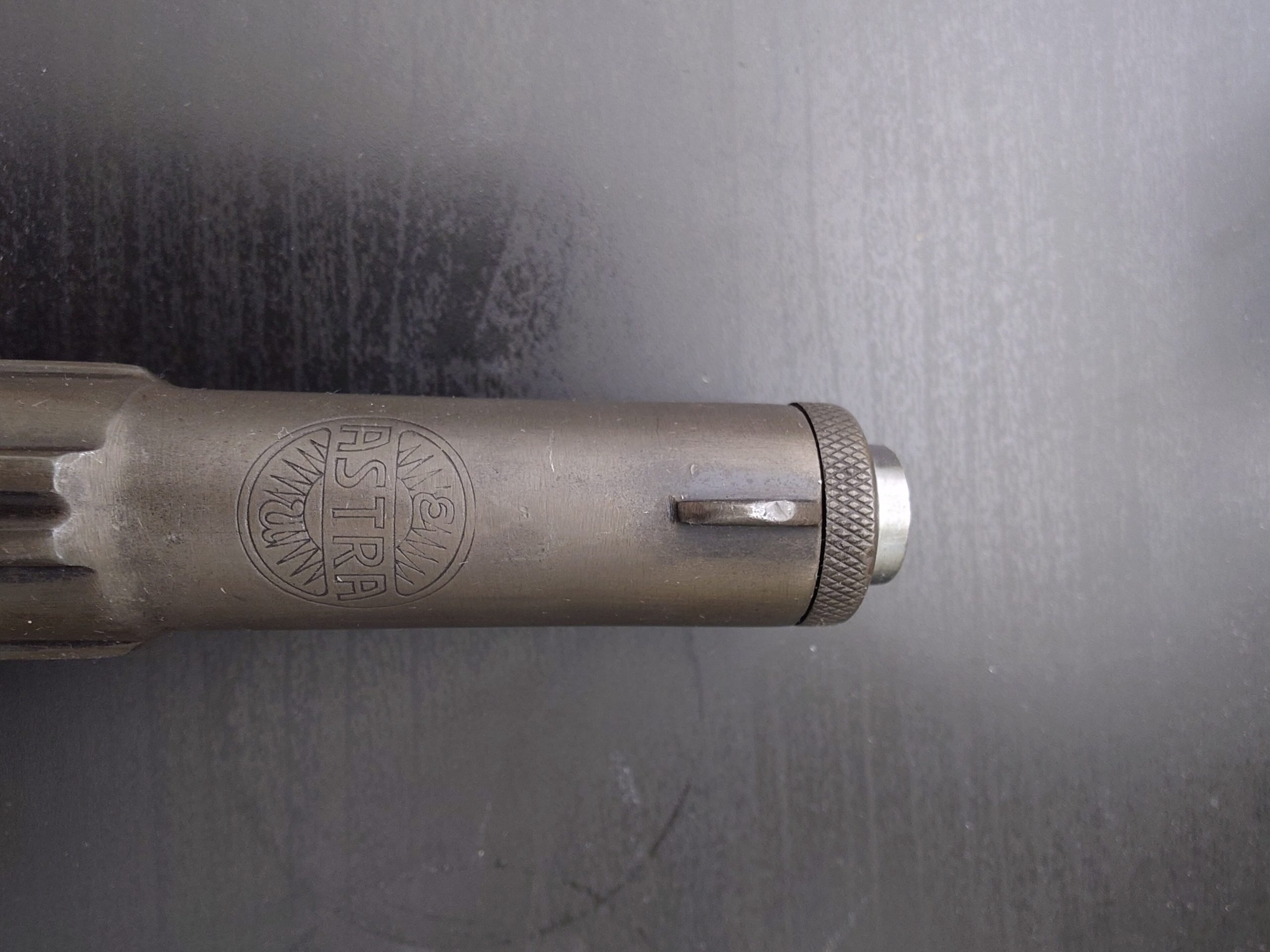
Most powerful service pistols of the period used a locked breech, but the Astra 400 relied on simple blowback operation. Its designers compensated with mass and spring tension rather than a mechanical locking system. The pistol weighed about 1.14 kg and used a 150 mm barrel, giving the slide substantial resistance to rearward movement. That combination let the gun handle the intended 9mm Largo load without a locking mechanism. It also explains why the 400 feels unusually substantial compared with many pistols of its era. It is one reason collectors notice the gun immediately.
3. A Heavy Slide Did More Than Add Weight
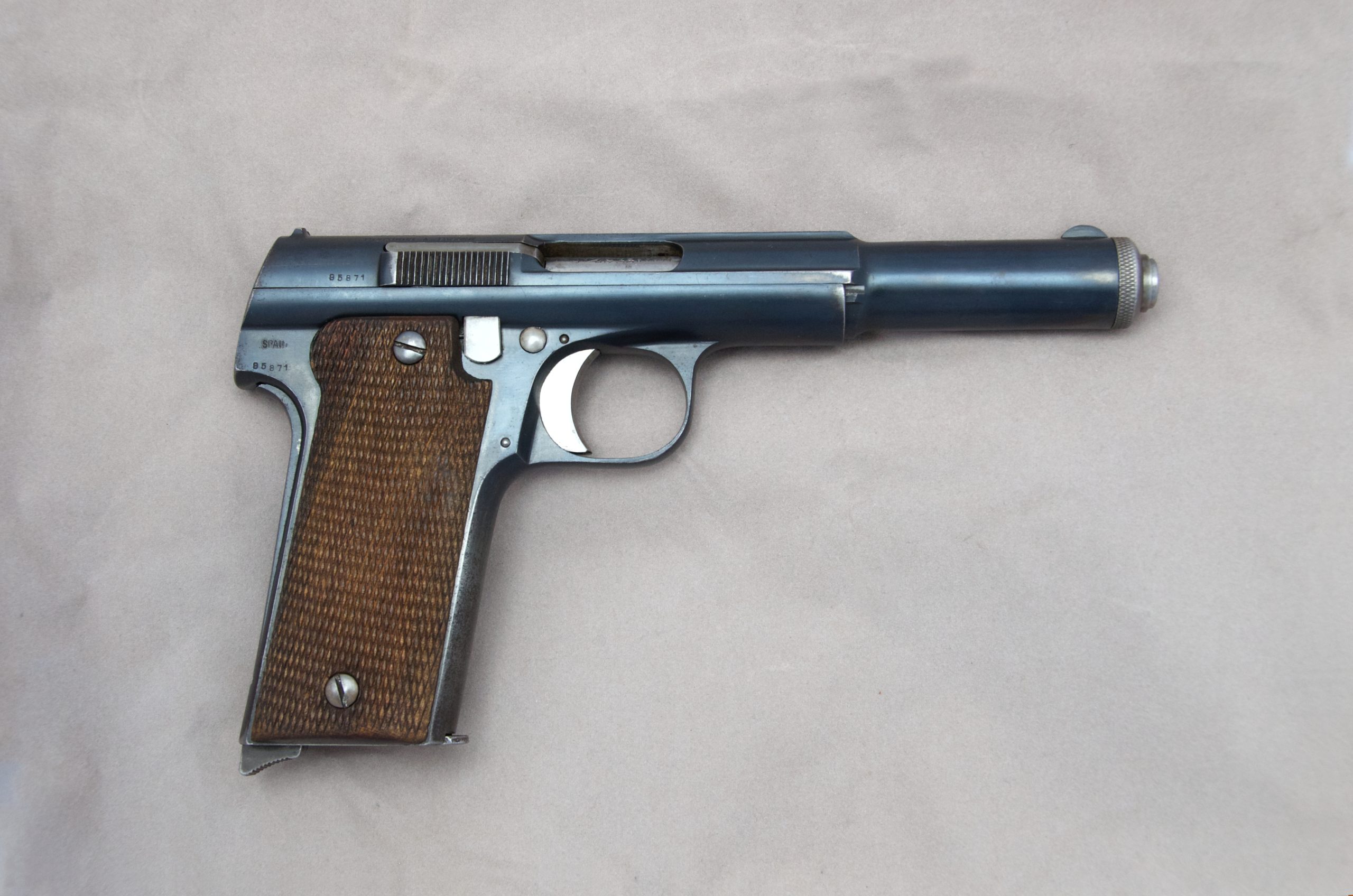
The tubular slide was one of the Astra 400’s most recognizable features, extending around the barrel and contributing heavily to its operating system. With a loaded weight of around 1.14 kg and an overall length of nearly 225 mm, the pistol was hardly a lightweight sidearm. That mass helped delay slide movement during firing, while the strong recoil spring returned the slide forward. The arrangement was mechanically simple, but it made manipulation noticeably stiff. The design shows how engineers could trade compactness and ease of handling for rugged mechanical simplicity.
4. The Original Cartridge Was 9mm Largo
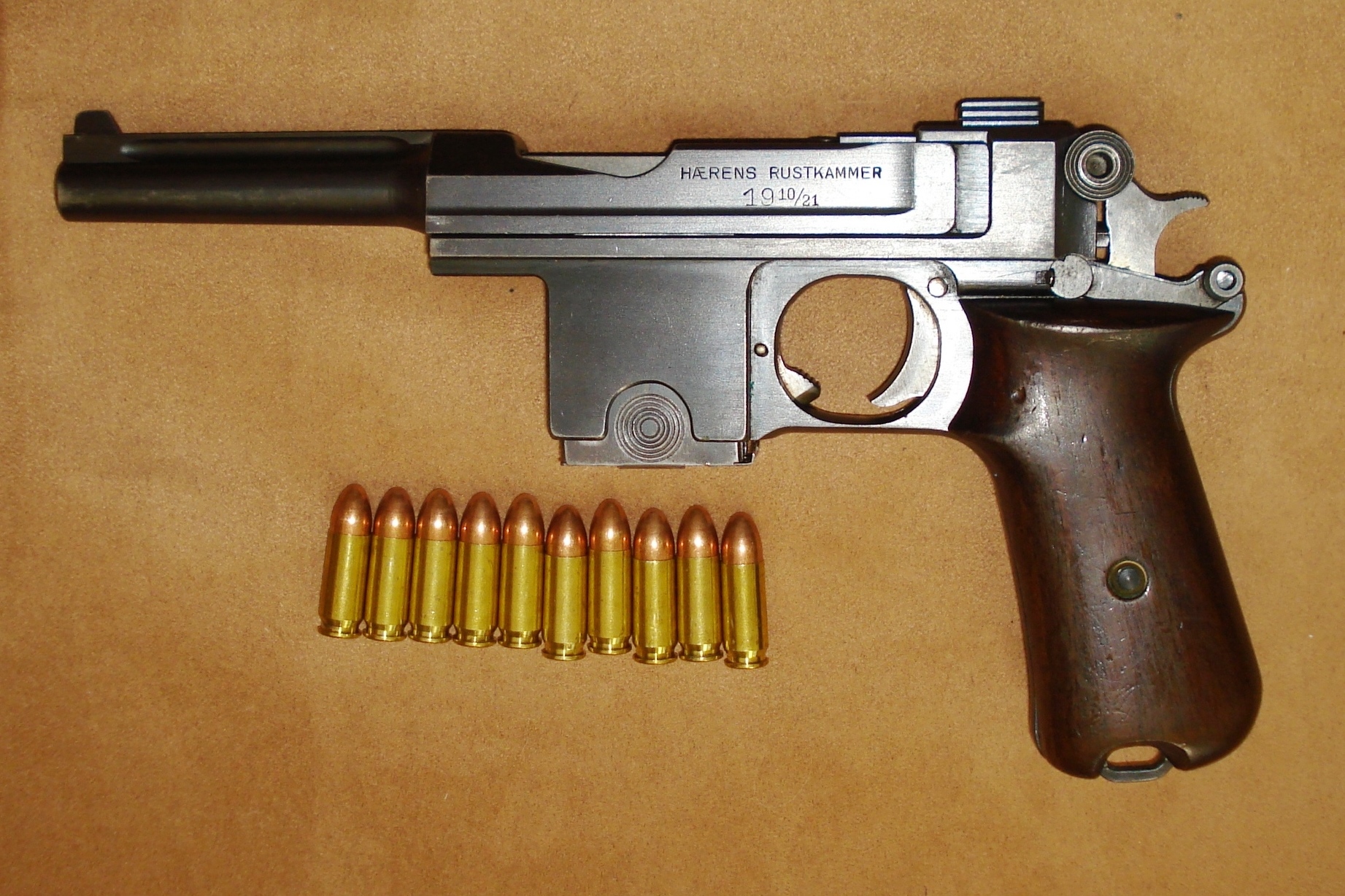
The 400 was adopted by Spain in 1921 as the Model 1921 service pistol, and its primary chambering was 9×23mm Bergmann-Bayard, commonly called 9mm Largo. This cartridge is longer than 9×19mm Luger and was the ammunition the pistol was designed around. Historical references commonly give an 8-round capacity and a 150 mm barrel. Those figures matter because they separate the original military configuration from later Astra models. Calling the 400 a generic 9mm pistol hides the fact that its entire operating system was developed around one specific cartridge.
5. Some Other Cartridges Could Function, but That Was Not a Promise
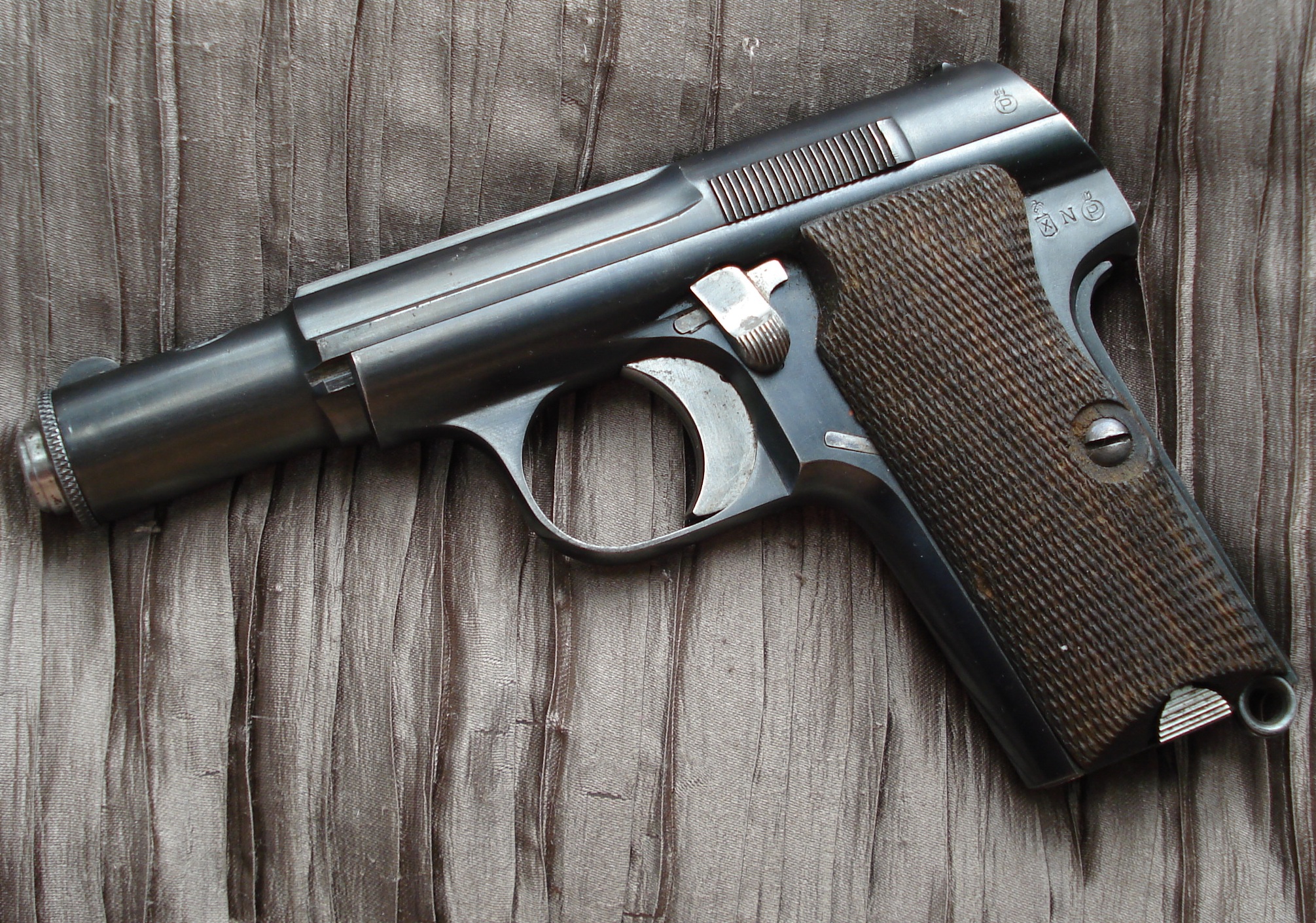
Reports have documented Astra 400 pistols firing cartridges such as 9mm Steyr, 9mm Browning Long, 9mm Luger, and certain .38-caliber automatic cartridges. However, “can chamber” and “can safely and reliably fire” are not the same statement. Differences in case length, pressure, rim design, headspacing, and ammunition condition can affect function. Historical sources specifically warn that reliability varied. Therefore, the famous multi-cartridge capability is better understood as a curious consequence of the chamber design, not a recommendation to experiment with ammunition.
6. The 9mm Luger Story Is Where the Myth Gets Dangerous
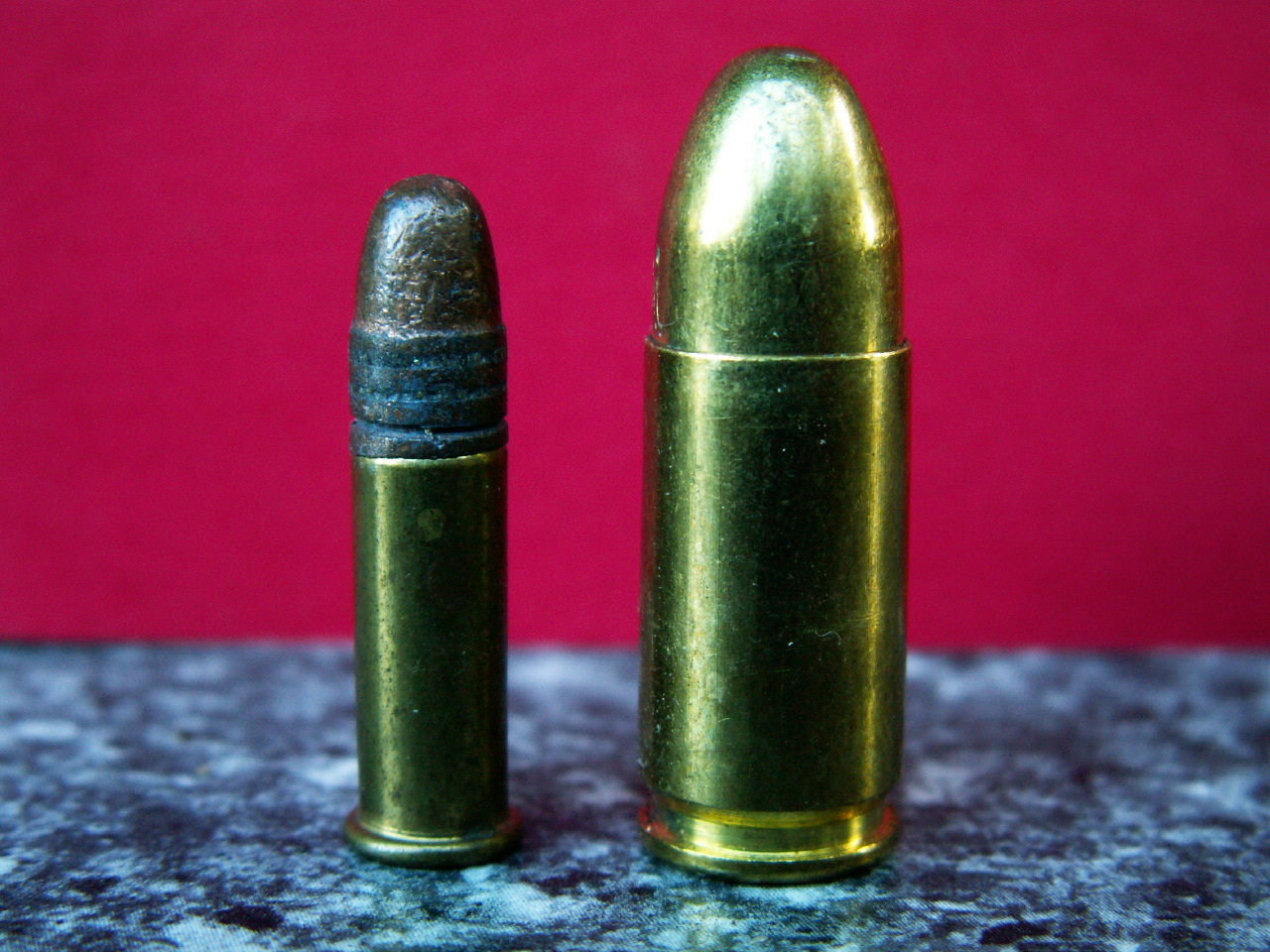
The 9×19mm Luger cartridge is shorter than 9mm Largo, and that dimensional difference created a serious headspace concern in the Model 400. Some examples could fire it, but historical technical commentary warns that the shorter case could sit too far forward in the long chamber. That makes the popular claim that an Astra 400 safely fires 9mm Luger misleading. The number to remember is 19 versus 23 mm: those four millimeters are not a trivial detail when cartridge position and ignition are involved. This is why the cartridge designation matters more than the word “9mm” alone.
7. Spain Eventually Had a Better Answer: the Astra 600
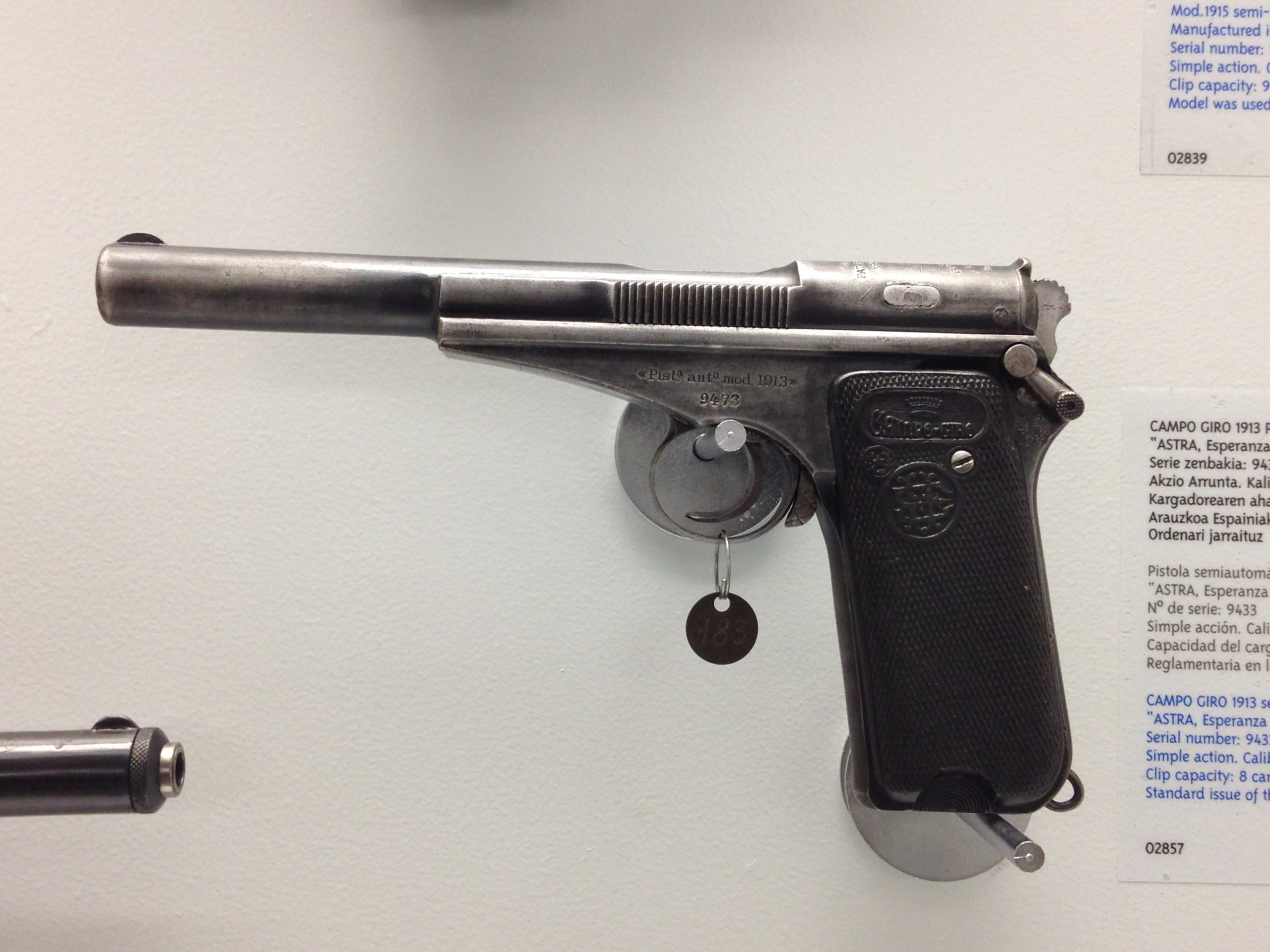
The German demand for a pistol suited specifically to 9×19mm ammunition helped lead to the Astra 600. Introduced in 1943, the 600 was derived from the 400 but shortened and chambered specifically for 9mm Luger. Its barrel was about 135 mm long, compared with roughly 150 mm on the 400, and its weight was about 1.08 kg. The dedicated model simplified ammunition supply for wartime service.
8. More Than 106,000 Were Built, Giving the Design a Long Afterlife
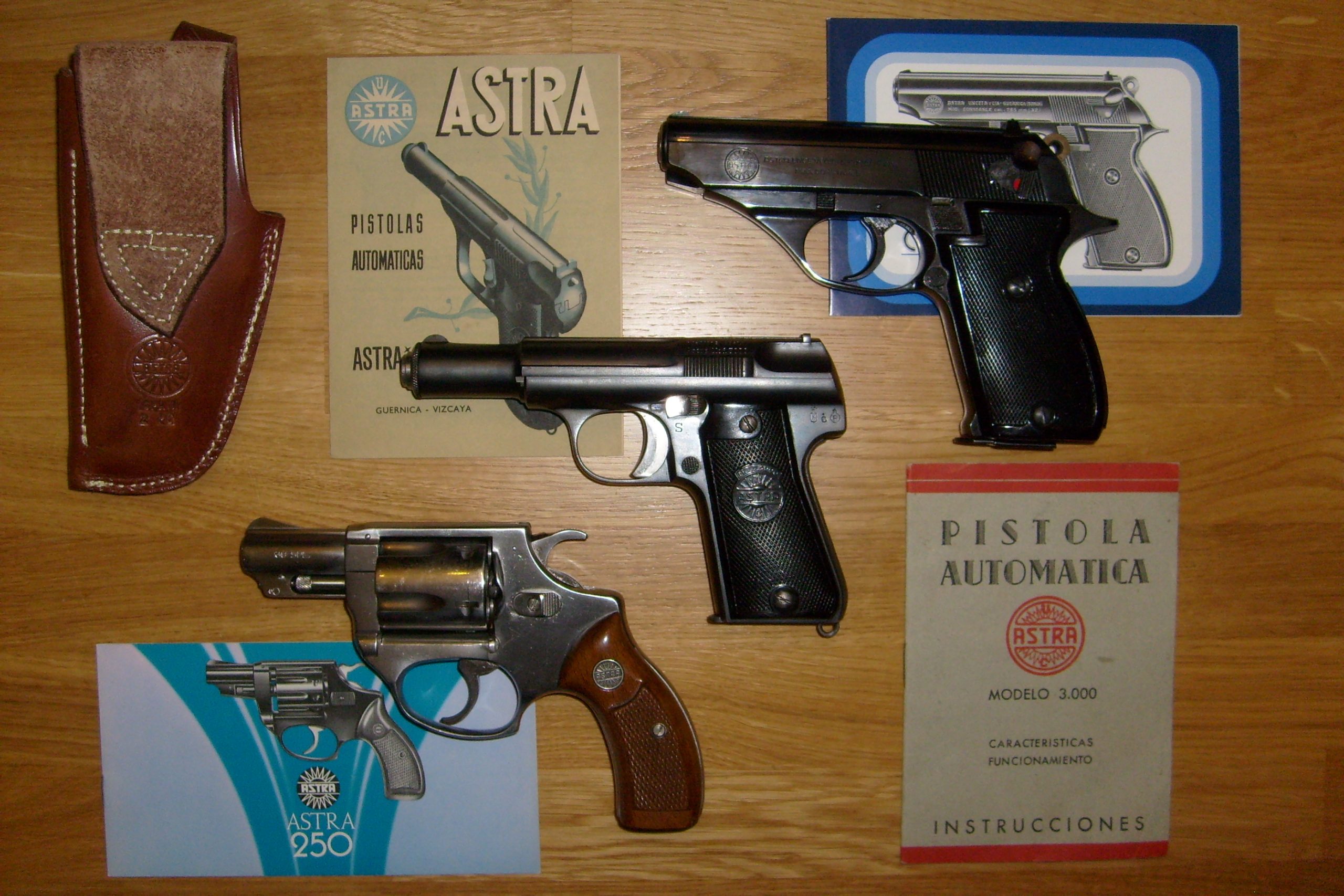
The Astra 400 was not a tiny experimental curiosity. Sources commonly place production at roughly 106,000 pistols, with manufacture beginning in 1921 and continuing into the postwar period. It served the Spanish military and appeared in several wartime theaters, while examples also reached foreign users. That large production run helped preserve the pistol and spread stories about its unusual chamber. The numbers also explain why collectors still encounter 400s today, although condition, markings, replacement parts, and ammunition suitability can vary considerably from one surviving pistol to another.
9. Its Greatest Secret Is That the Legend Exaggerates a Real Feature
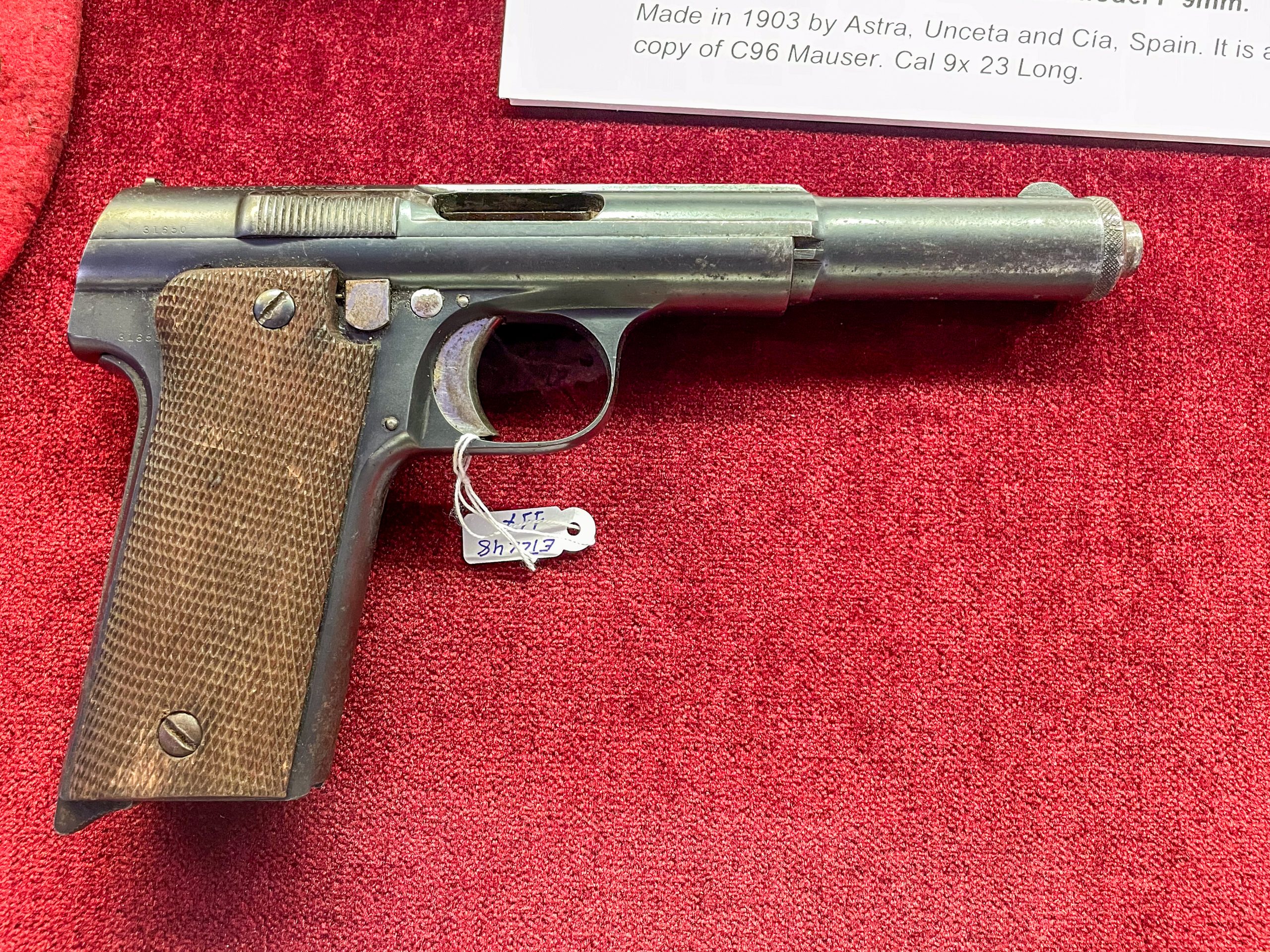
The Astra 400 genuinely was unusual, but its most famous secret is often overstated. Its chamber and feeding geometry allowed some ammunition outside the original 9mm Largo specification to function, yet that did not transform it into a safe “anything goes” pistol. The design dates to the early 1920s, carries 8 rounds, and uses a simple blowback action. Those three numbers summarize its character: 1921 origins, 8-round capacity, and a 9×23mm service cartridge. For a surviving example, ammunition decisions should follow its markings and qualified gunsmith advice.