Military rifles were once issued by the thousands because armies needed dependable, practical weapons rather than rare collector pieces. Decades later, many of those same rifles have become desirable historical objects. Their value comes from scarcity, condition, markings, production history, and the stories attached to them. Here are 10 rifles that moved from ordinary military service into the world of collecting.
1. M1 Garand
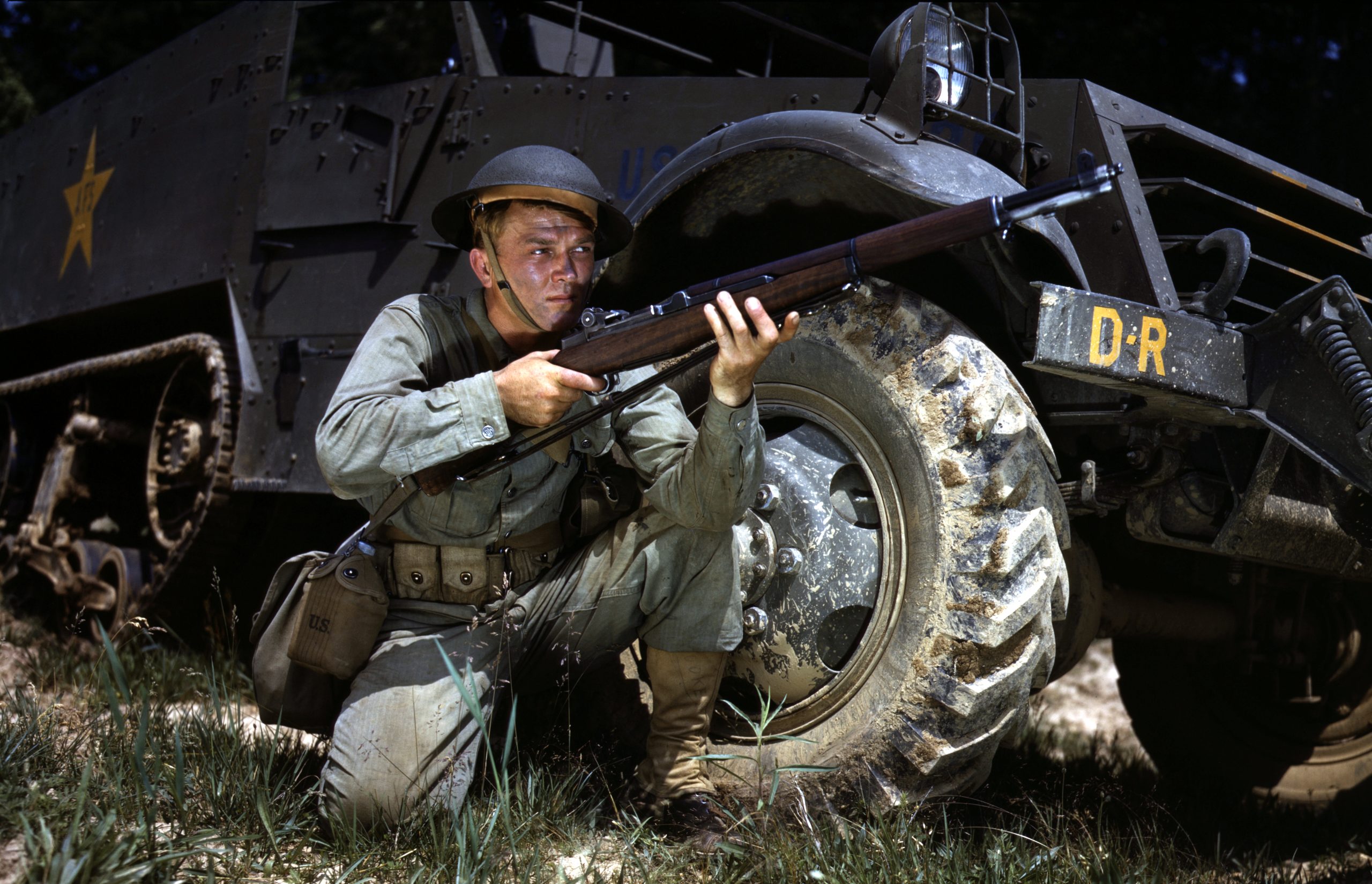
The U.S. M1 Garand became the standard American infantry rifle in 1936 and remained central through World War II and the Korean War. It fired the .30-06 Springfield cartridge and used an 8-round en-bloc clip. More than 5 million were produced before American production ended in 1957. Today, collectors look closely at manufacturer, receiver markings, original parts, and matching components. A heavily refurbished example may be common, while an unusually well-preserved wartime rifle can command considerably more attention from collectors.
2. Lee-Enfield No. 4
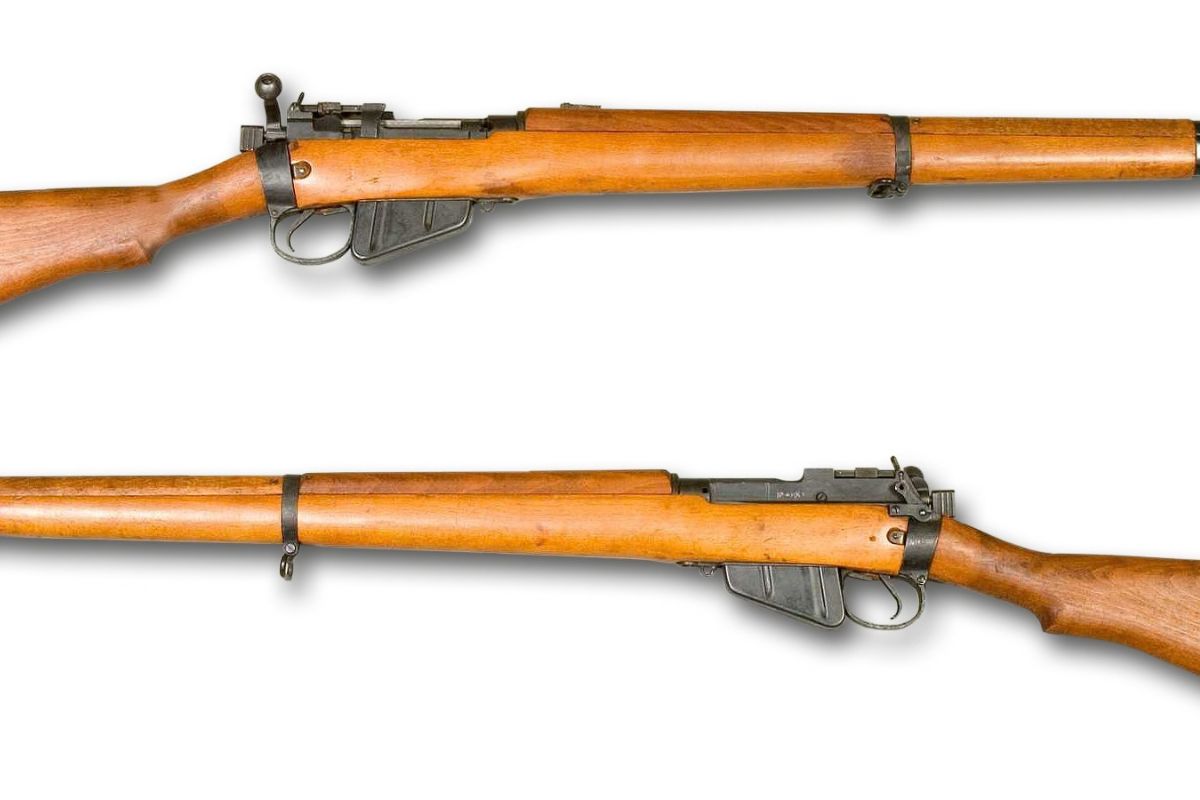
Britain’s Lee-Enfield No. 4 became one of the most recognizable service rifles of World War II. It used the .303 British cartridge and retained the famous 10-round magazine that gave trained soldiers a high practical rate of fire. Production exceeded 4 million rifles across several factories and countries. Although many survived through postwar military service, original examples are increasingly treated as historical collectibles. Collectors commonly examine factory markings, production dates, matching components, wartime configuration, and evidence of later arsenal refurbishment.
3. Mosin-Nagant M91/30
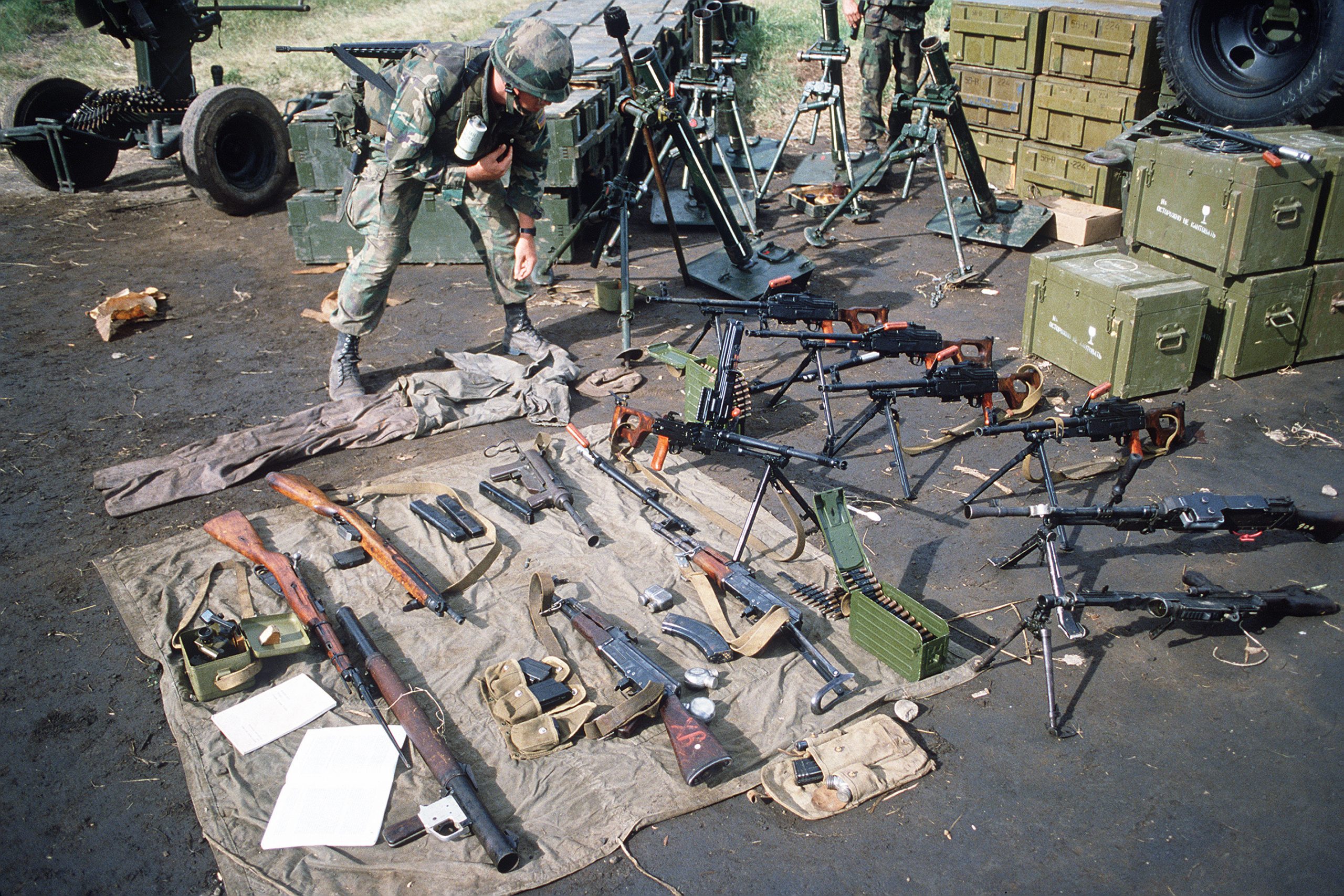
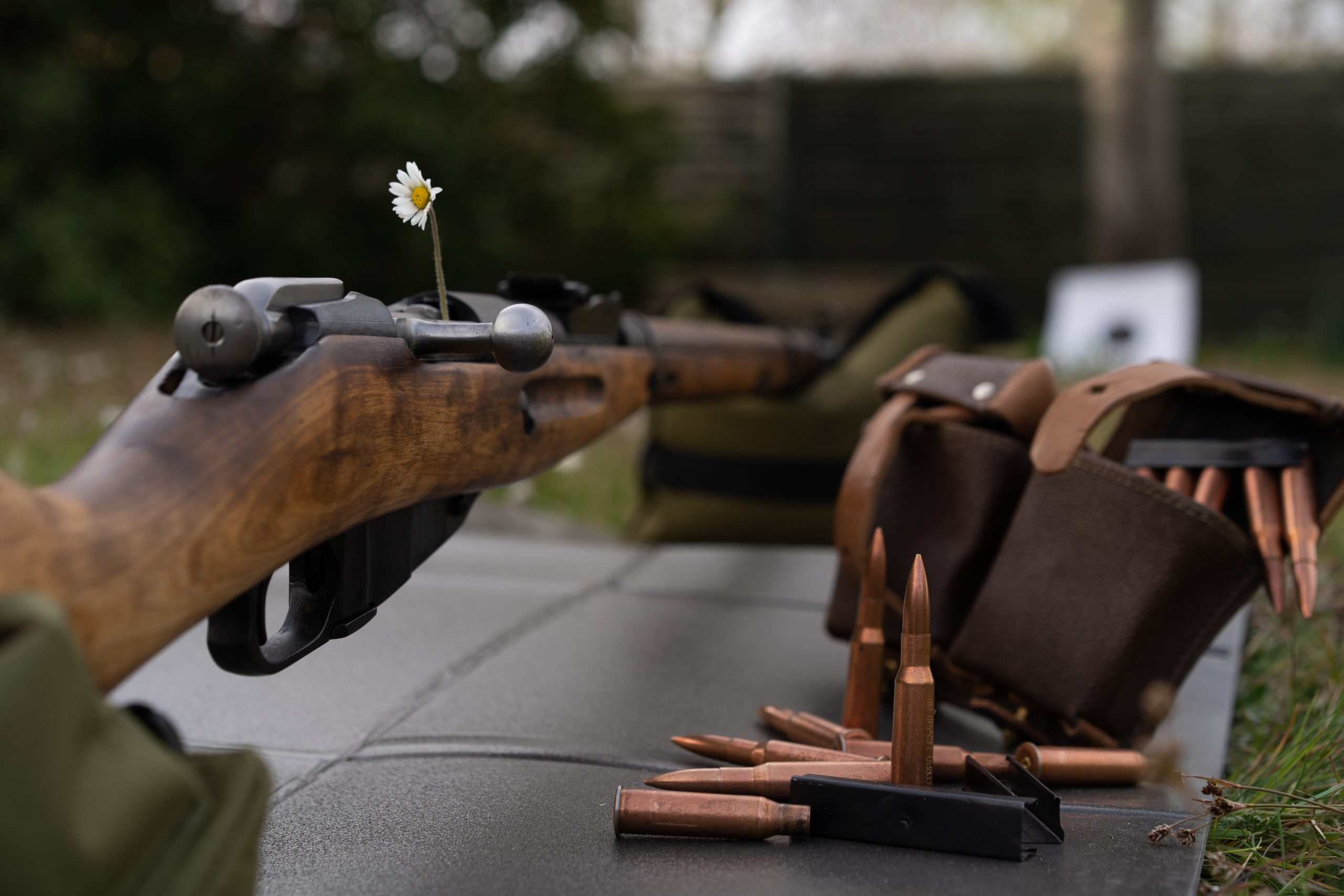
The Soviet Mosin-Nagant M91/30 served as a standard infantry rifle for much of World War II and became especially famous for its enormous wartime production. Chambered in 7.62×54mmR, it used a 5-round internal magazine and a bolt-action design dating back to the late 19th century. Millions were manufactured, making ordinary examples relatively accessible for years. Collectors now distinguish rifles by arsenal, year, markings, wartime features, and condition. Unusual variants and scarce production details can make one rifle substantially more interesting than another.
4. Mauser Karabiner 98k
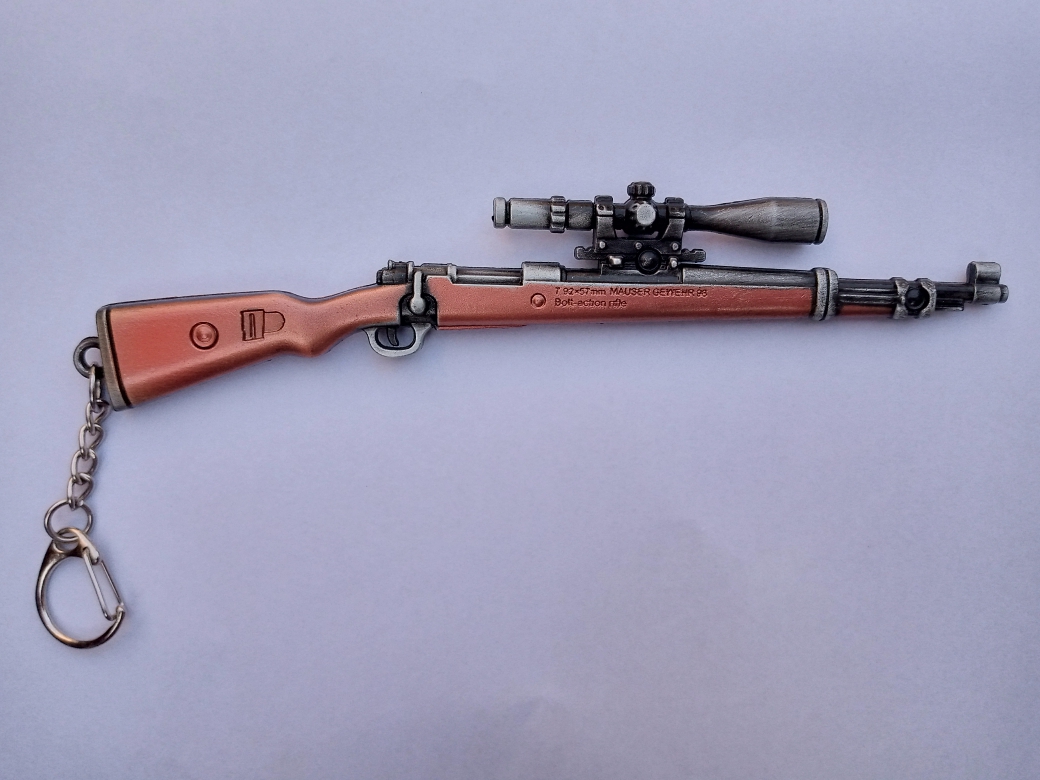
The Karabiner 98k was Germany’s standard infantry rifle during World War II, with production reaching roughly 14 million rifles across numerous manufacturers and years. It fired the 7.92×57mm Mauser cartridge and held 5 rounds in its internal magazine. Because so many were produced, collectors encounter enormous variation in markings and manufacturing details. Original condition matters greatly, especially when a rifle retains period-correct parts and finishes. Wartime capture history, uncommon factory codes, and documented provenance can further increase collector interest.
5. Springfield M1903
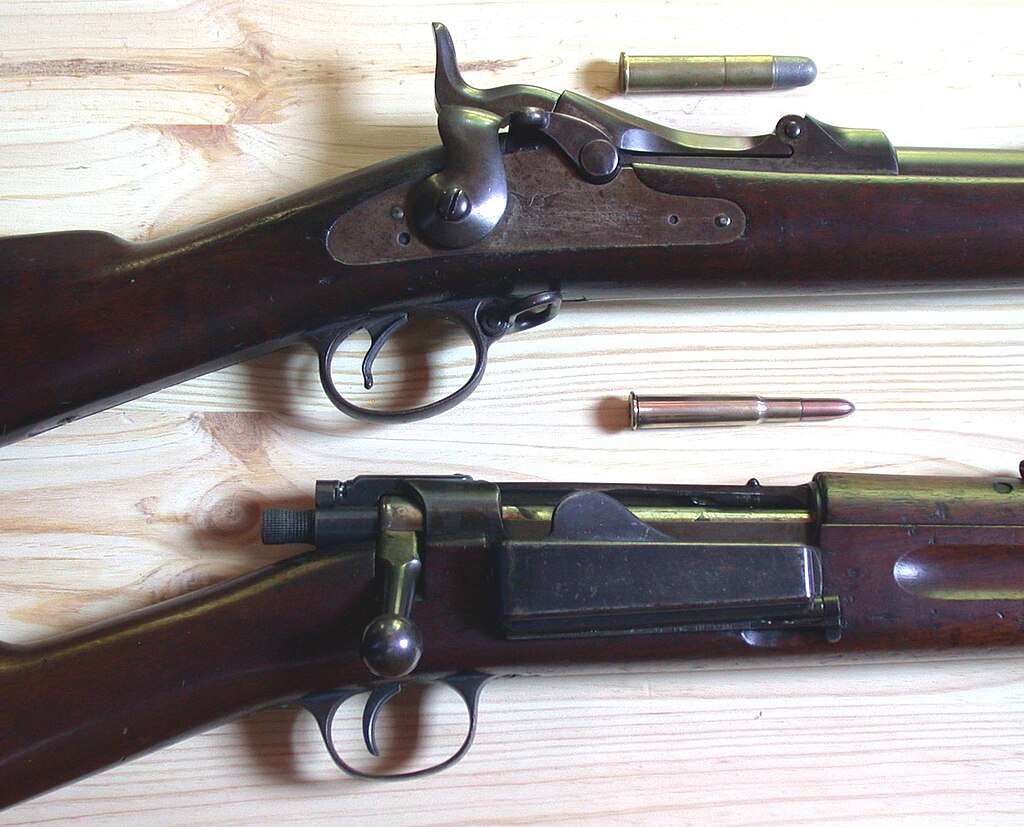
The U.S. Springfield M1903 entered service in 1903 and became one of America’s most important early 20th-century military rifles. It was chambered for .30-06 Springfield and used a 5-round internal magazine. More than 3 million were produced before production ended, with the rifle remaining relevant through both World Wars. Today, collectors value examples that preserve their original configuration, manufacturer markings, and period features. Rifles connected to particular production periods or military programs can be especially desirable when their history is well documented.
6. SVT-40

The Soviet SVT-40 represented a major move toward semi-automatic infantry rifles during World War II. It fired the 7.62×54mmR cartridge and used a detachable 10-round magazine, giving soldiers a different capability from the standard Mosin-Nagant. Production reached roughly 1.6 million rifles before manufacturing ended in 1945. Its wartime history and comparatively limited production make original examples attractive to collectors. Condition, arsenal markings, production year, matching components, and the presence of period-correct features all influence how historically significant an individual rifle appears.
7. FN FAL
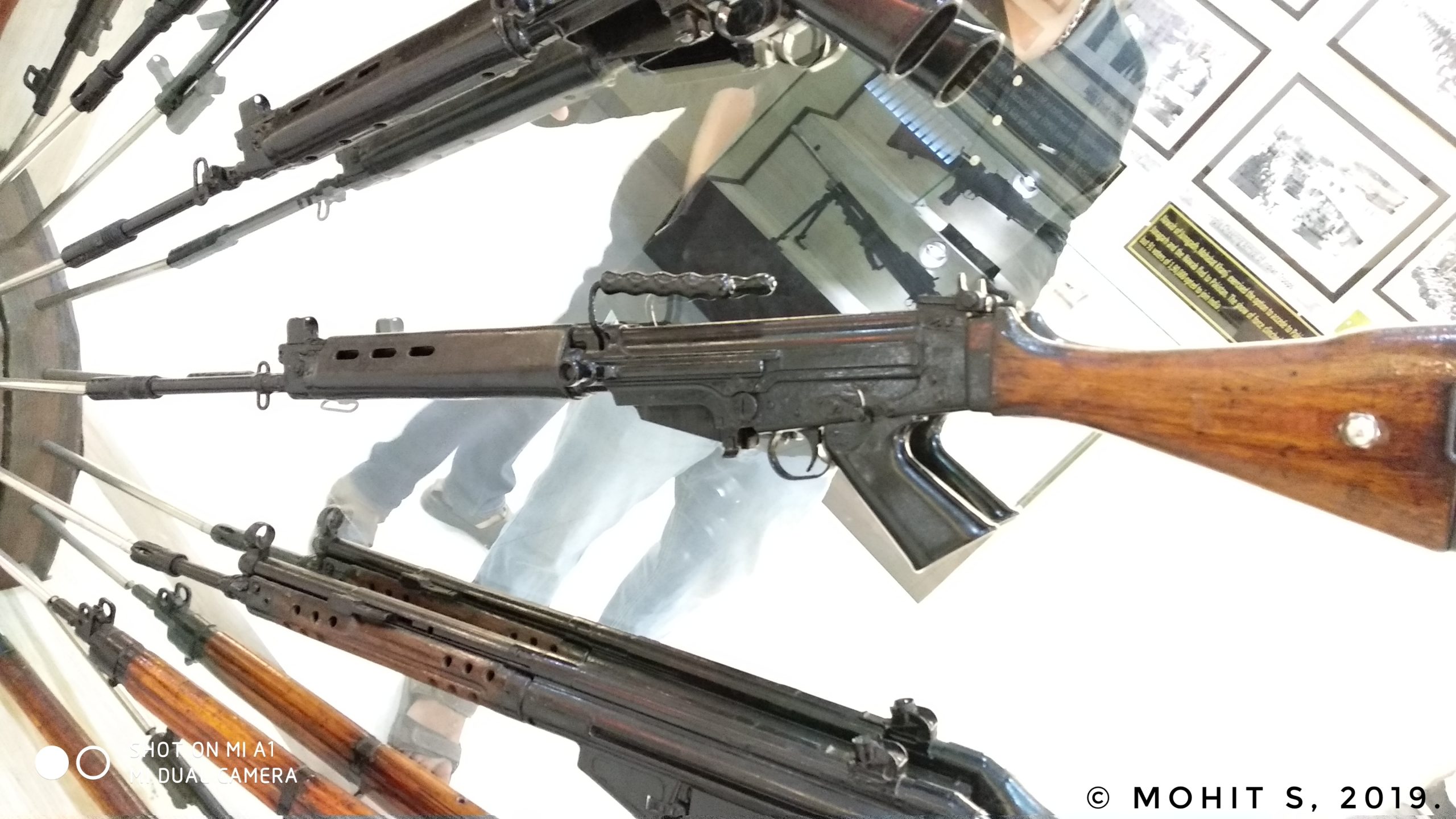
The FN FAL became one of the Cold War’s most widely adopted military rifles, earning the nickname “the right arm of the Free World.” More than 90 countries adopted versions or derivatives, although configurations varied between nations. Most military FALs used the 7.62×51mm NATO cartridge and detachable magazines commonly holding 20 rounds. Surviving original military rifles are increasingly interesting to collectors because civilian examples do not always replicate their service configuration. National markings, manufacturer, military history, and original parts can make particular examples stand out.
8. Lee-Enfield No. 1 Mk III
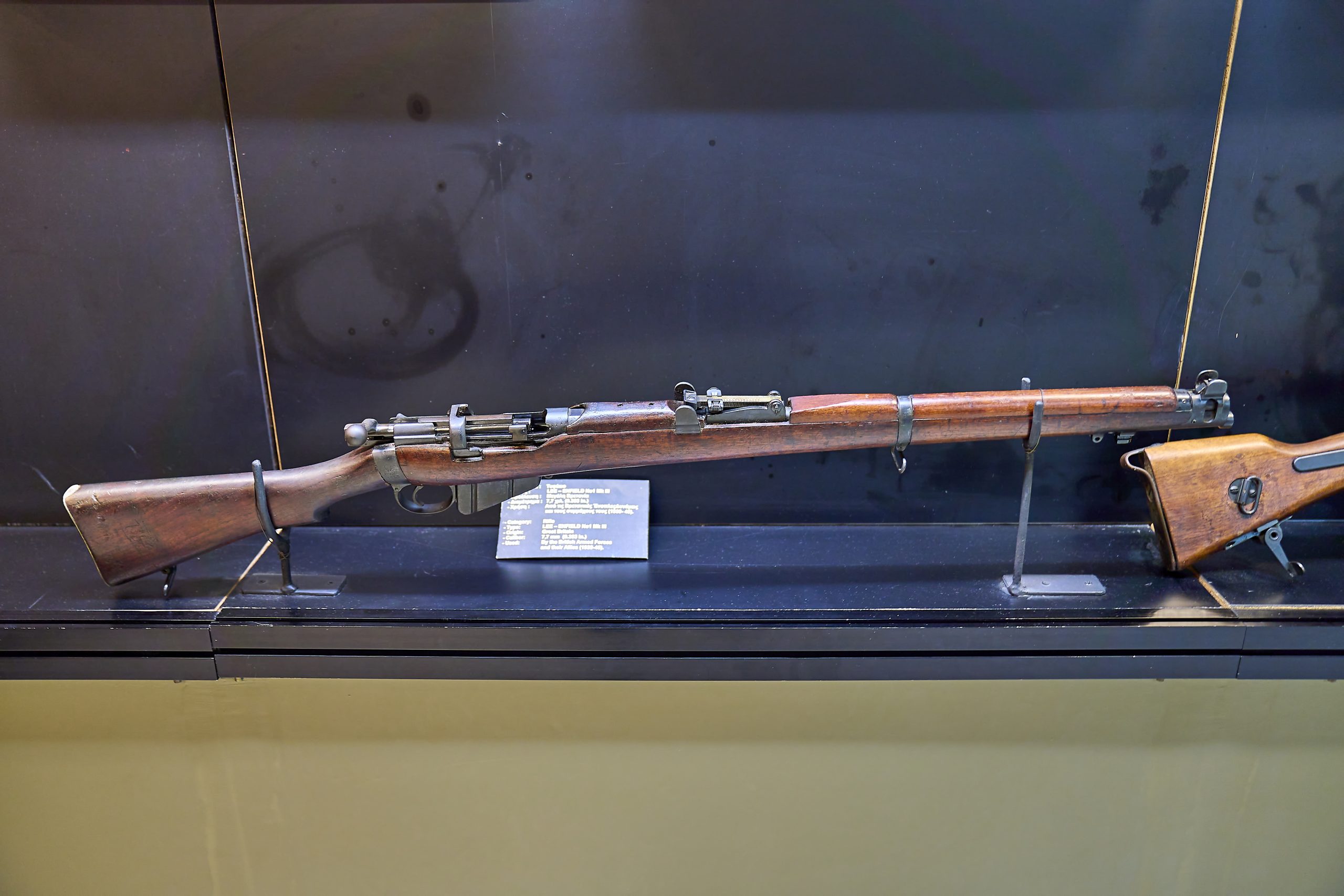
The Lee-Enfield No. 1 Mk III, introduced in 1907, served the British Empire and Commonwealth through two World Wars and numerous conflicts. It fired .303 British ammunition and carried 10 rounds in its detachable magazine. Millions were manufactured in Britain, Australia, India, and elsewhere. Indian-made rifles are particularly interesting because production continued at Rifle Factory Ishapore for decades. Collectors often study manufacturer markings, dates, inspection stamps, furniture, and refurbishment history. A rifle retaining unusual original features can offer far more historical interest than its ordinary appearance suggests.
9. Gewehr 43
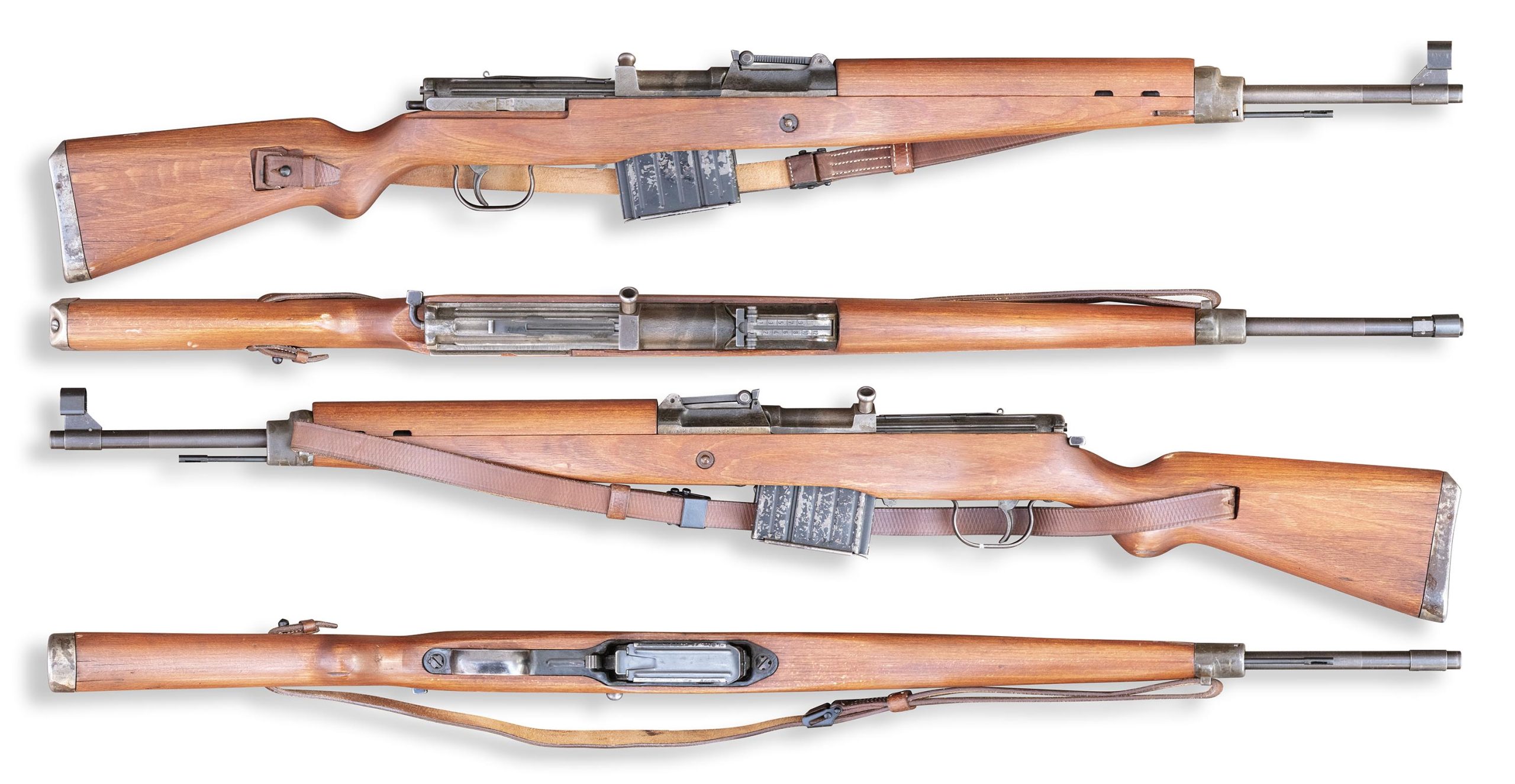
Germany’s Gewehr 43 was a semi-automatic military rifle developed during World War II to give German infantry greater firepower than the standard Karabiner 98k. It fired the 7.92×57mm Mauser cartridge and used a detachable 10-round magazine. Production was relatively limited, with estimates commonly placed around 400,000 rifles. That scarcity makes surviving original examples particularly desirable among military collectors. Variations in manufacturer codes, receiver markings, wartime components, and production details help specialists identify when and where an individual rifle was made.
10. M14
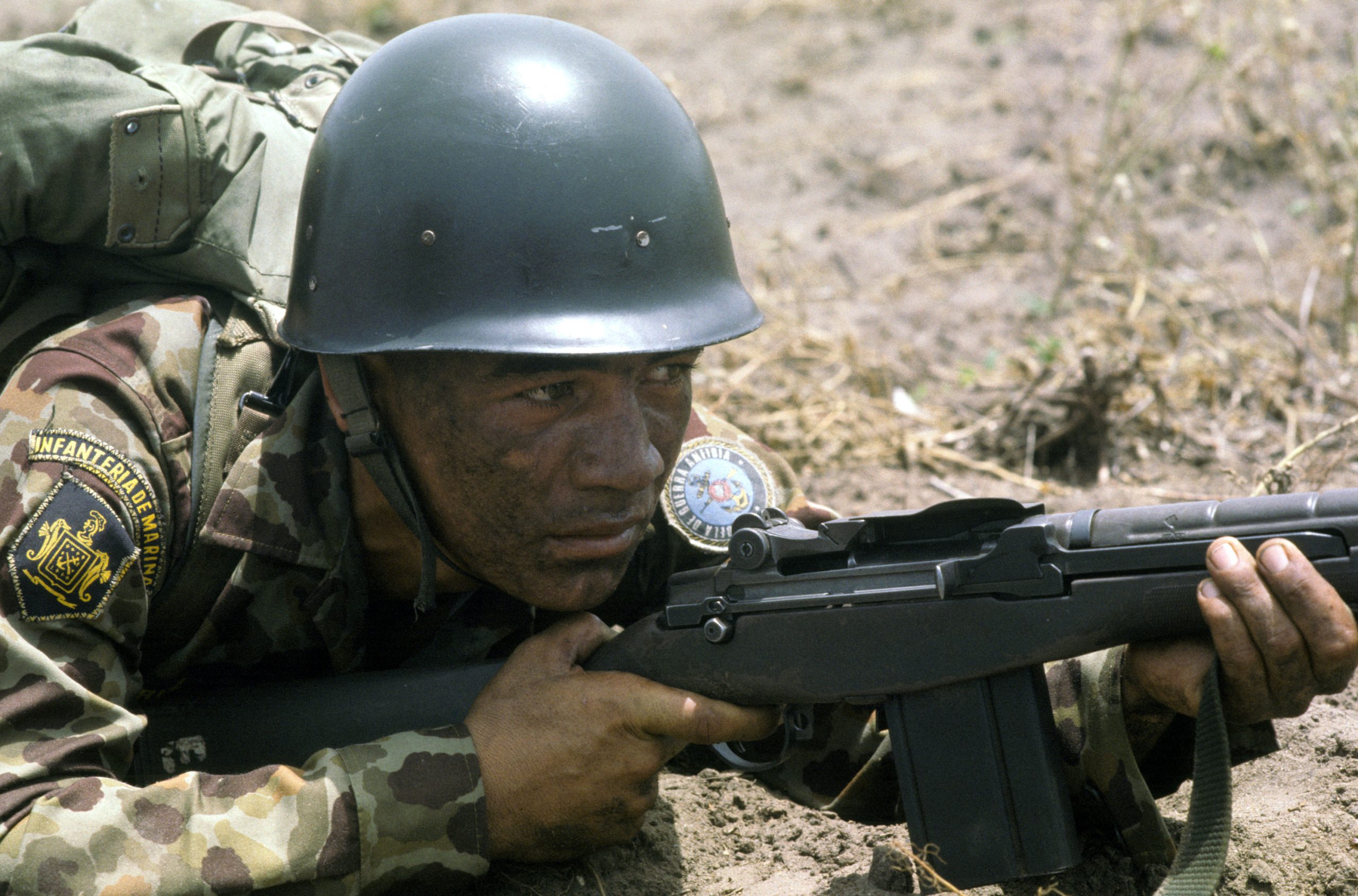
The M14 became the U.S. standard service rifle in 1959, replacing the M1 Garand and combining a detachable 20-round magazine with selective-fire capability. It fired the 7.62×51mm NATO cartridge and served as the primary U.S. infantry rifle for only a relatively short period before the M16 family replaced it. Fewer than 1.4 million M14 rifles were produced for U.S. military service. Today, original examples are significant Cold War collectibles, particularly when they retain authentic markings, configuration, and documented military provenance.