New rifle launches are usually built around confidence. Manufacturers announce fresh designs, highlight new features, and put them in front of buyers, expecting the first production guns to establish a strong reputation. Occasionally, however, a safety problem appears much earlier than expected. The examples below are documented recalls or safety actions involving relatively new rifle models. Importantly, the available records do not support the literal claim that all 10 were recalled within the same week they launched, so the list uses the more accurate standard of rifles that encountered significant recall action unusually early in their market life.
1. Smith & Wesson Response

Smith & Wesson’s Response 9mm pistol-caliber carbine entered the market as a modern, adaptable rifle with a modular magazine system. Its early production run, however, encountered a serious safety concern. In February 2024, Smith & Wesson announced a recall covering Response rifles manufactured before February 12, 2024. The company identified a condition in which the bolt might not fully close, creating the possibility of an out-of-battery discharge if the trigger were pulled. The company advised affected owners to stop using the rifles and return them for inspection and repair. The recall was particularly notable because the Response was still a relatively new product.
2. Thompson/Center Compass
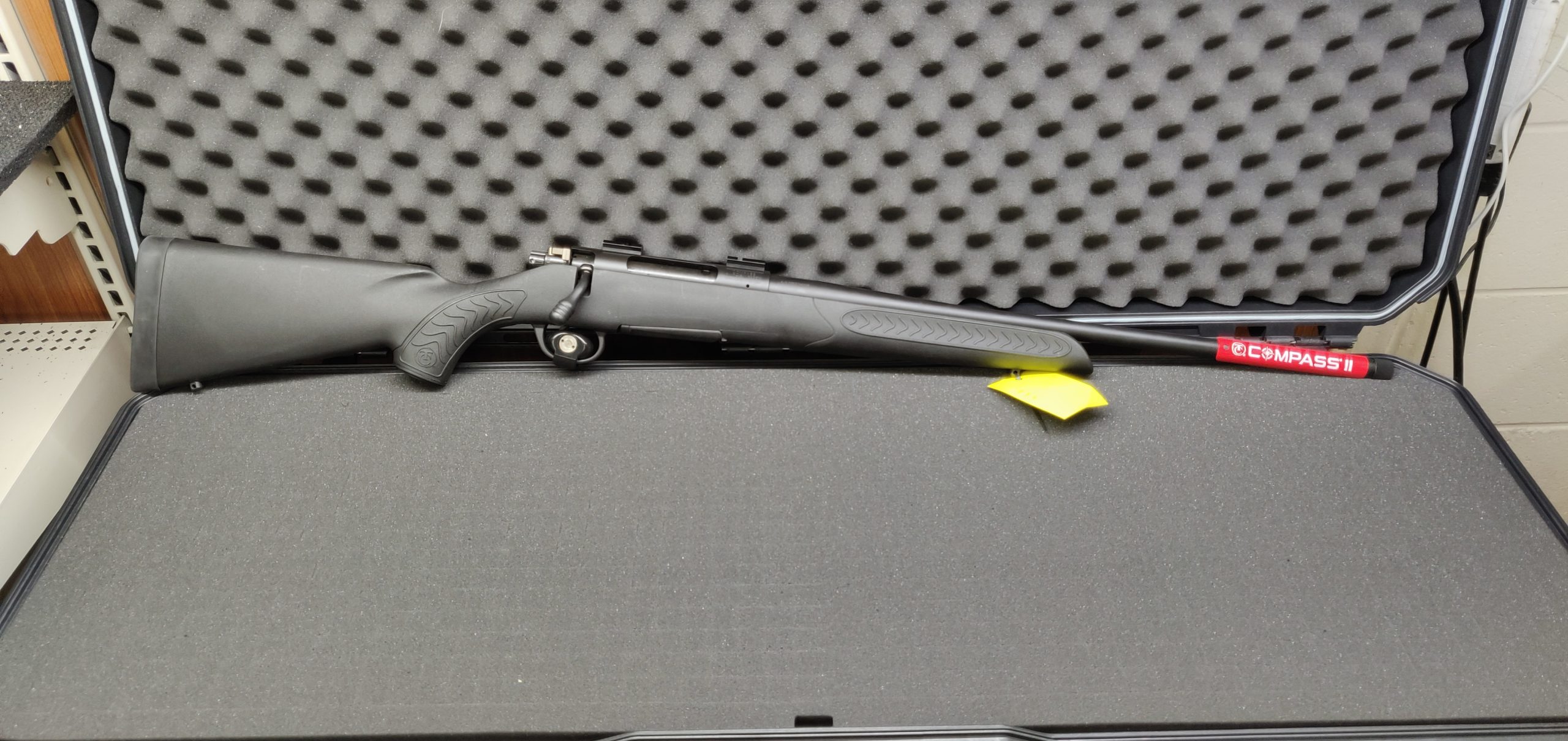
The Thompson/Center Compass was introduced as an affordable bolt-action hunting rifle, with a starting price of about $399. Its early history was interrupted when Thompson/Center announced a safety recall covering Compass rifles manufactured before September 16, 2016. The company asked owners to stop using affected rifles and return them for corrective work at no charge. Contemporary reporting described the Compass as having been introduced earlier that same year, making the recall an unusually early problem for a new model. The episode showed how quickly a promising hunting rifle can move from product launch publicity to factory service.
3. SIG Sauer CROSS
SIG Sauer introduced the CROSS as its first U.S.-produced bolt-action rifle, giving the company a new entry in the lightweight hunting and precision-rifle market. The rifle weighed under 7 pounds and was announced in several chamberings, including 6.5 Creedmoor and .308 Winchester. In November 2020, SIG issued a safety recall after evaluating a CROSS that experienced a delayed discharge after the trigger was pulled. The company responded by modifying the firing mechanism and covering shipping and replacement costs. Because the CROSS had been introduced only the previous year, the recall arrived relatively early in its commercial life.
4. Beretta BRX1
Beretta’s BRX1 straight-pull rifle was a major new entry when the company issued a broad safety recall in December 2021. The issue involved the rifle’s reversible charging handle and the possibility of incorrect positioning during reassembly. Beretta said the problem originated from improper handling rather than an inherent defect, and it reported no injuries from the incident. Even so, the company decided that the remaining possibility was unacceptable and recalled the rifles for installation of an updated component. The timing was striking because the BRX1 was described at the time as a newly introduced rifle, making the action unusually early in its market history.
5. CZ 600
The CZ 600 arrived in November 2021 as a completely new family of modular centerfire rifles. Its interchangeable-barrel concept was one of the model’s defining features, allowing owners to change calibers. By 2022, CZ-USA issued a safety recall after identifying a potential catastrophic failure if a barrel was installed incorrectly. The company required affected rifles to be returned for inspection and modification. The eventual solution permanently installed the barrels, removing the user-interchangeable feature from recalled rifles. CZ also offered refunds to customers who did not accept the modification. The episode changed one of the rifle’s most distinctive original features.
6. Winchester XPR

Winchester’s XPR was developed as a modern bolt-action hunting rifle positioned below some of the company’s more expensive models. A safety recall followed after testing identified a problem involving the safety mechanism and trigger system. Winchester’s January 2016 notice warned owners not to load or fire affected rifles until they received a factory retrofit. The company planned to replace specific trigger-group components without charging owners. The recall was significant because it applied broadly to XPR rifles rather than being limited to a tiny batch. It became an early quality-control issue associated with one of Winchester’s newer bolt-action platforms.
7. Colt CBX
Colt’s CBX bolt-action line eventually faced a significant safety recall in May 2025 covering both the CBX Precision and CBX Tac Hunter. Colt identified a condition in which pulling the trigger while the safety was engaged could prevent the trigger from fully resetting. Moving the safety to the fire position could then potentially produce an unintended discharge without another trigger pull. Colt advised owners to stop using the rifles immediately. Because the CBX line had already been discontinued, the company offered affected customers either specified cash refunds or replacement revolver options. The recall covered multiple configurations and chamberings.
8. Remington Model 597 .17 HMR
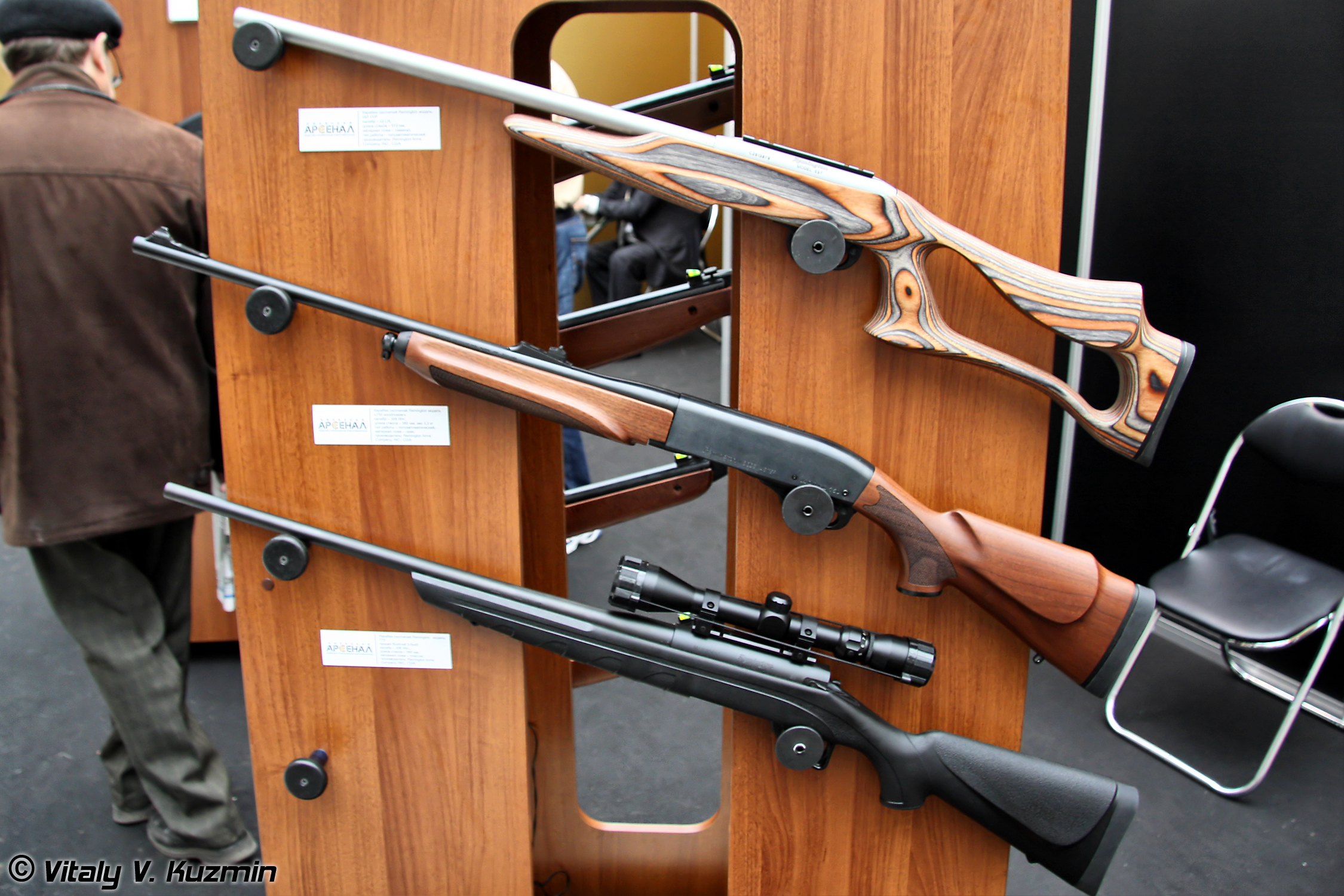
The Remington Model 597 chambered in .17 HMR became associated with a particularly unusual recall because the problem involved compatibility between the rifle and ammunition. Semi-automatic .17 HMR firearms had demonstrated reliability and safety concerns with the cartridge, leading Remington to recall its Model 597 .17 HMR along with the company’s .17 HMR ammunition. Customers were instructed to stop using the combination. Remington offered replacement incentives, including $200 or $250 coupons depending on the Model 597 configuration. The case demonstrated that a rifle’s safety can depend heavily on the interaction between its operating system and a specific cartridge.
9. Remington Model 660
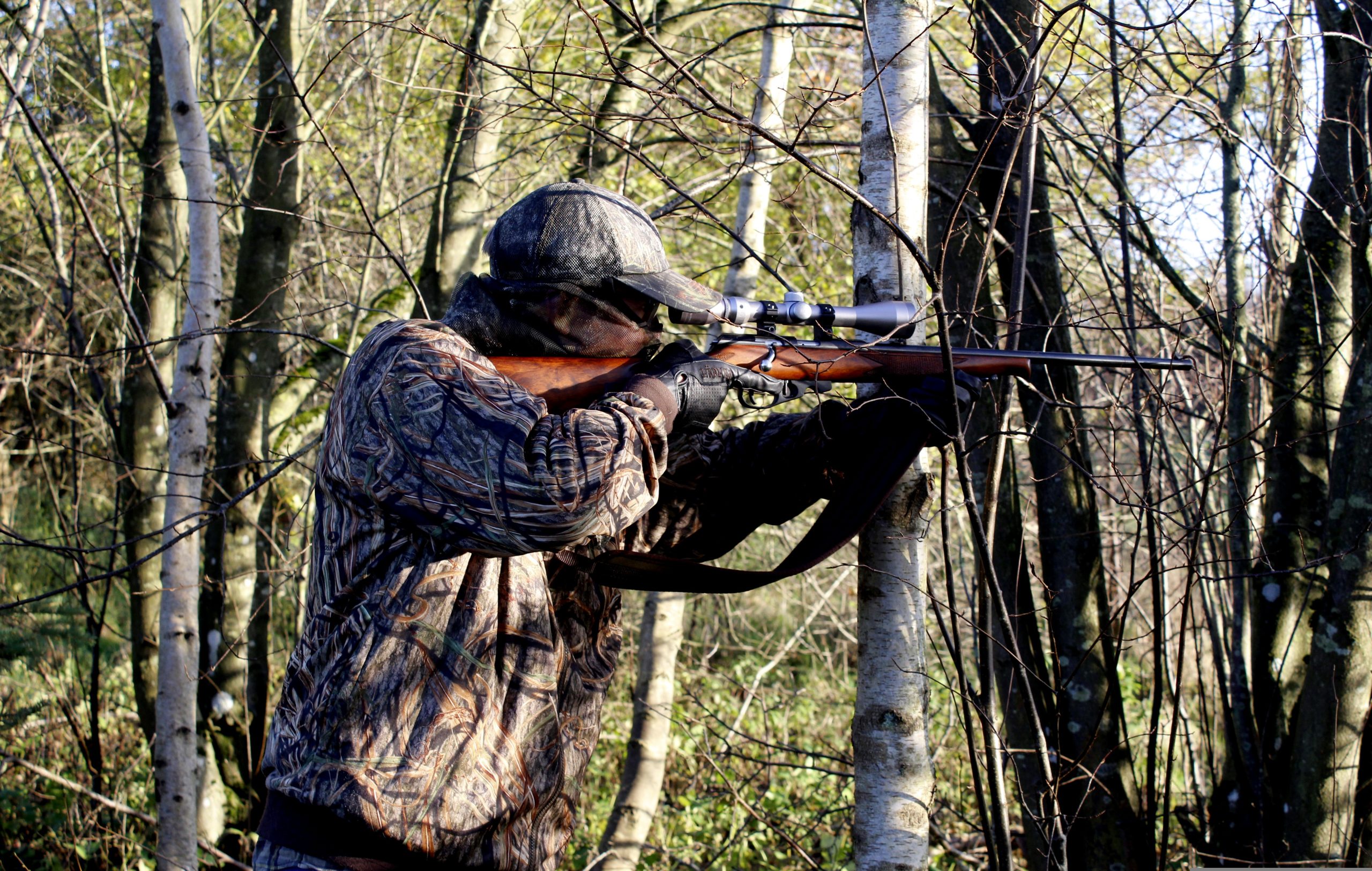
The Remington Model 660 was introduced in 1968 as a redesigned successor to the Model 600. Production lasted only about 3 years, with approximately 45,332 Model 660 rifles produced according to published historical figures. More than a decade later, the model became part of a 1979 safety modification program involving the bolt-lock mechanism. Under certain circumstances, the mechanism could contribute to an accidental discharge. The timing was therefore very different from the modern examples in this list, because the recall came years after launch. Still, the Model 660 remains a useful historical example of a rifle receiving a major safety correction after entering the market.
10. Colt CBX Precision and Tac Hunter
The Colt CBX recall also stands out because it affected two distinct versions of the same newly established rifle family. The CBX Precision and CBX Tac Hunter were both covered by Colt’s May 15, 2025 safety notice. The company said the potential problem could allow an unintended discharge when the manual safety was moved from safe to fire after an incomplete trigger reset. Colt stated that it was unaware of injuries involving the public. Because the CBX line had been discontinued, Colt chose a different remedy from a conventional repair program, offering refunds or specified replacement revolvers. The case involved 2 CBX variants under one recall.