Buying hunting land can feel like chasing a dream, but seasoned landowners know the real surprises usually show up after closing day. The biggest mistakes are rarely about price alone. They are about access, habitat, neighbors, upkeep, and the hidden realities that turn a beautiful property into either a smart investment or a constant headache.
Legal access matters more than a pretty map

A parcel can look perfect on a listing map and still be difficult to reach in the real world. Experienced buyers always verify deeded, recorded access, not just a handshake agreement or a trail everyone has used for years. If access depends on a neighbor’s goodwill, that problem can turn expensive fast.
It also pays to drive the route in bad weather, not only on a sunny afternoon. Mud, washouts, locked gates, and steep grades can change how usable a property really is. The land may be yours, but if getting onto it is a battle, every future trip starts with frustration.
Water changes everything for wildlife and value

First-time buyers often focus on acreage and overlook how water shapes the entire property. Creeks, ponds, springs, marsh edges, and even reliable seasonal drainage can influence deer movement, turkey activity, habitat diversity, and resale appeal. Land with dependable water usually hunts better and holds its value more confidently.
But water is not automatically a win. Flood-prone bottoms, washed-out crossings, and poorly drained access roads can create real limitations. Veteran landowners look at where water sits, where it moves, and how it affects both game patterns and usability. A blue line on a map tells only part of that story.
The neighbors influence your hunting more than you think

A property line does not stop pressure, noise, or bad habits from nearby land. Experienced buyers try to learn how surrounding parcels are used before they make an offer. Heavy ATV traffic, frequent target shooting, loose dogs, or aggressive fence-line hunting can change how animals move and how enjoyable the place feels.
On the other hand, neighboring cattle ground, large timber tracts, or lightly used family farms can help create a strong local habitat picture. Smart buyers spend time in the area, talk to people, and visit at different times of day. The land itself is only one piece of the experience.
Habitat quality beats raw acreage

Big acreage sounds impressive, but seasoned hunters know a smaller tract with excellent cover, food, bedding, and travel corridors can outperform a larger, featureless property. Habitat is what gives land its real hunting personality. Edge, diversity, native browse, mast production, and thick security cover often matter more than sheer size.
This is where walking the ground becomes essential. Listings can make open, overgrazed, or heavily logged land look more productive than it is. Experienced owners look for signs of how wildlife actually uses the place, not how the photos frame it. Good habitat can make modest acreage hunt much bigger.
Topography affects hunting, access, and building costs
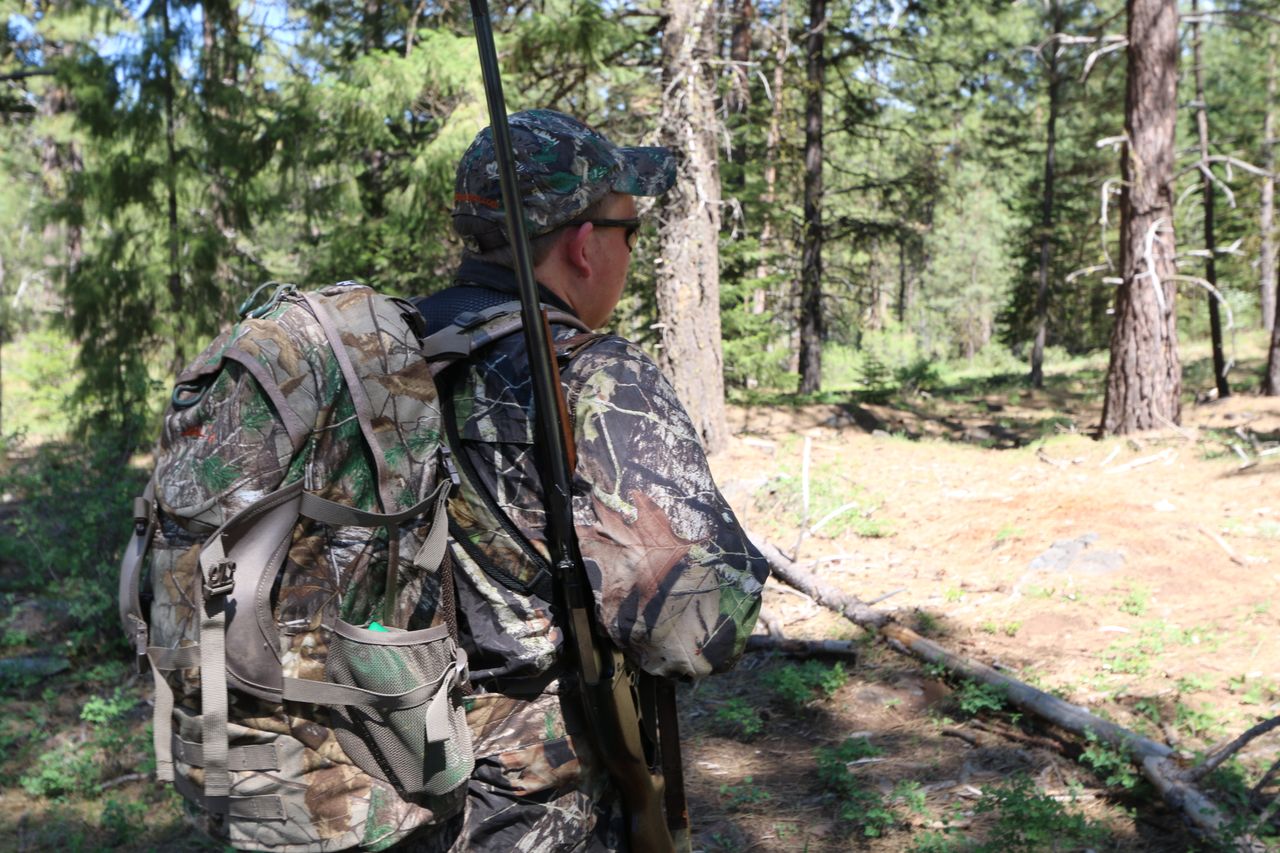
Contour lines can seem abstract until you are dragging a deer uphill, repairing erosion, or trying to place a driveway on a steep slope. Veteran buyers study topography because it influences stand access, wind behavior, drainage, sight lines, and where game naturally funnels. Terrain can be one of a property’s biggest assets or one of its constant challenges.
It also affects future improvements. Building a cabin, cutting trails, adding food plots, or bringing in utilities can cost far more on rugged land than beginners expect. A property with dramatic views may be beautiful, but beautiful and practical are not always the same thing.
Taxes, insurance, and upkeep do not stop at closing

Many first-time buyers budget for the purchase and then underestimate the annual carrying costs. Property taxes, liability insurance, road maintenance, gate repairs, invasive plant control, tree work, and equipment can add up quickly. Hunting land is not a set-it-and-forget-it asset, especially if you want it to improve over time.
Experienced owners ask for a realistic picture of yearly expenses before they fall in love with a tract. They also check whether the property qualifies for agricultural, timber, or conservation tax treatment. The right tax status can make ownership much easier, while surprises in the tax bill can sour the dream in a hurry.
Seller photos rarely show the toughest season

Listings are usually shot when grass is green, trails are passable, and the land looks its absolute best. That is understandable, but experienced landowners know every property has a hard season. It may be winter access, summer mosquitoes, spring flooding, or fall pressure from nearby activity. Those realities do not always make the brochure.
If possible, buyers should visit more than once and ask direct questions about seasonal changes. Where does water pool after rain? Which roads become difficult? How thick does undergrowth get by late summer? The best time to evaluate land is often when it is least flattering, because that is when the hidden issues stand out.
A hunting property is also a long-term land management project

First-time buyers sometimes imagine buying hunting land means stepping into instant success. Seasoned owners know the opposite is often true. Good land usually gets better through years of thoughtful work, from timber improvement and food plots to invasive species control and strategic access planning.
That does not mean every property needs a major overhaul, but it does mean a buyer should be honest about time, money, and interest. If you want a place that performs well, you are not just purchasing acres. You are taking responsibility for habitat decisions that shape what the property becomes over the next decade.
Resale depends on more than today’s hunting dreams

It is easy to buy with your current plans in mind and ignore what the next buyer may want. Experienced landowners think about resale from the start. Access, water, road frontage, build sites, timber value, and location near growing recreation markets can all affect how easy the property is to move later.
Even if you expect to keep it forever, life changes. Families grow, finances shift, and priorities evolve. A parcel that serves as both a good hunting property and a broadly attractive piece of land gives you options. Smart purchases are personal, but they are also practical enough to appeal beyond one owner’s vision.
Walking the land reveals what paperwork cannot

Surveys, aerial maps, and listing sheets are useful, but they cannot replace boots on the ground. Experienced buyers walk ridges, bottoms, field edges, creek crossings, and boundary lines because that is how hidden details show themselves. You notice old dump sites, unexpected wet spots, fence issues, invasive plants, and how the land actually feels underfoot.
Just as important, walking reveals signs of life. Trails, rubs, droppings, bedding areas, turkey scratching, and natural movement corridors tell a story no brochure can fully capture. Before buying hunting land, the most valuable inspection tool is often time spent wandering it slowly and paying close attention.