Bushcraft is more than a survival skill; it’s a deep connection with the natural world. The right setting allows you to sharpen your instincts, test endurance, and master primitive techniques without distractions. From dense American forests to remote mountain ranges abroad, these destinations offer the solitude, challenge, and natural resources that every bushcrafter craves. Here are ten perfect places to practice the craft of true wilderness living.
1. Boundary Waters Canoe Area, Minnesota, USA
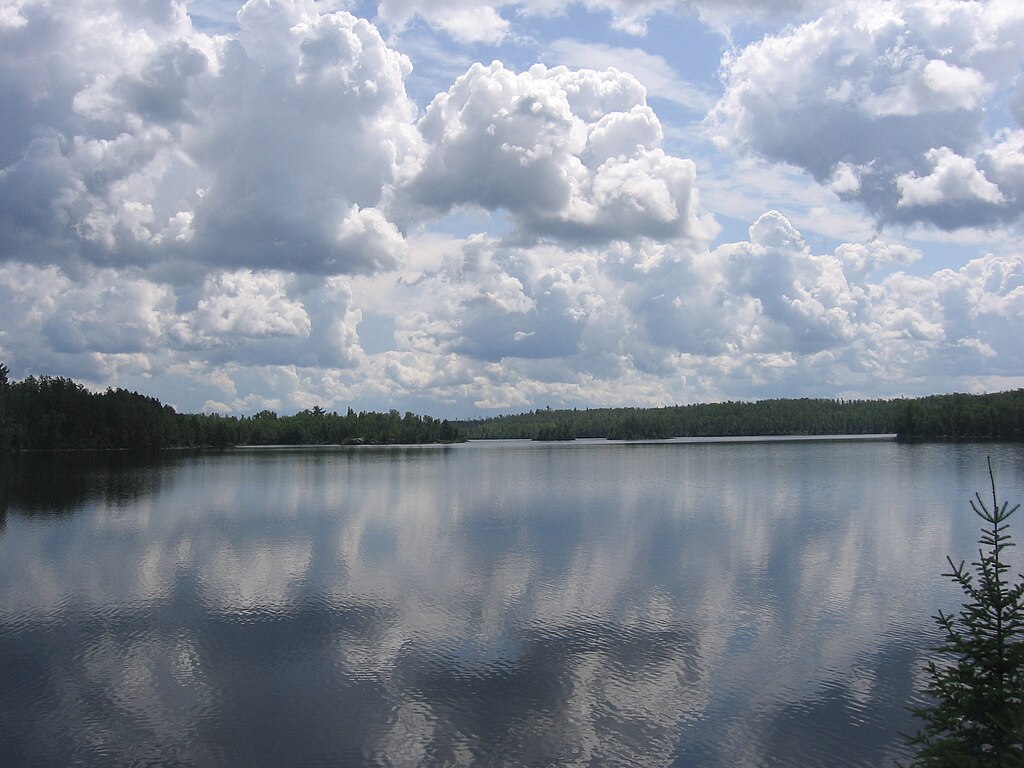
Stretching over a million acres of lakes, rivers, and pine forests, the Boundary Waters is a dream for bushcraft enthusiasts. Accessible only by canoe or foot, it offers endless opportunities to practice fire making, shelter building, and navigation. The abundance of fish and wild edibles encourages true self-reliance. Days are filled with still waters and echoing loons, and nights bring crystal clear skies ideal for solitude and reflection on your wilderness journey.
2. Great Smoky Mountains, Tennessee, North Carolina, USA
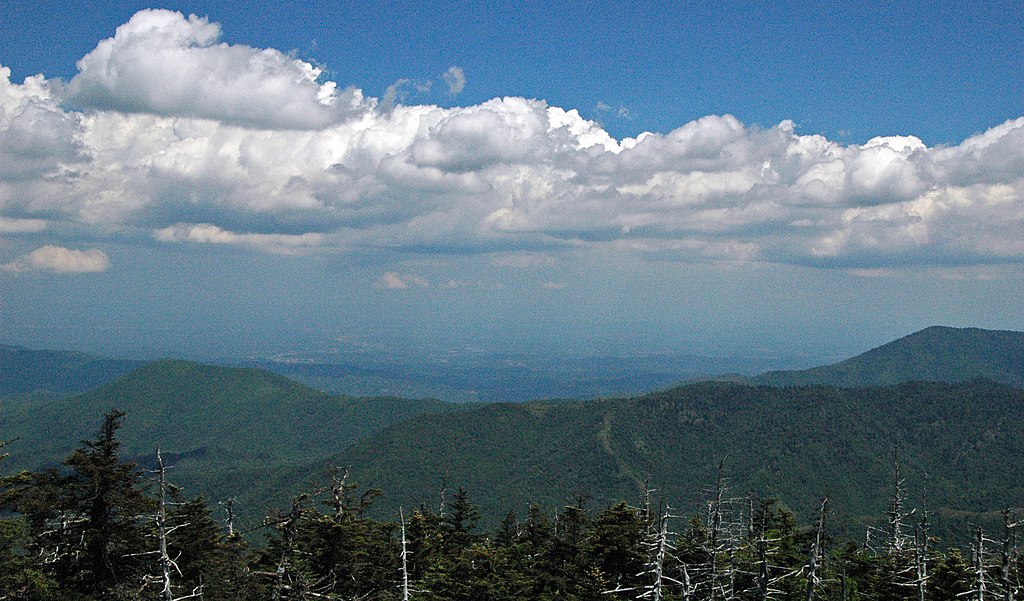
The Smokies’ humid forests and unpredictable weather make them perfect for testing your adaptability. Dense vegetation challenges your tracking and fire starting skills, while cold streams and shifting temperatures refine your resource management. The region’s rich biodiversity means edible plants and small game are plentiful. With minimal light pollution and deep valleys, it’s a wild, living classroom where bushcraft meets real Appalachian resilience and raw natural beauty.
3. Frank Church River of No Return Wilderness, Idaho, USA
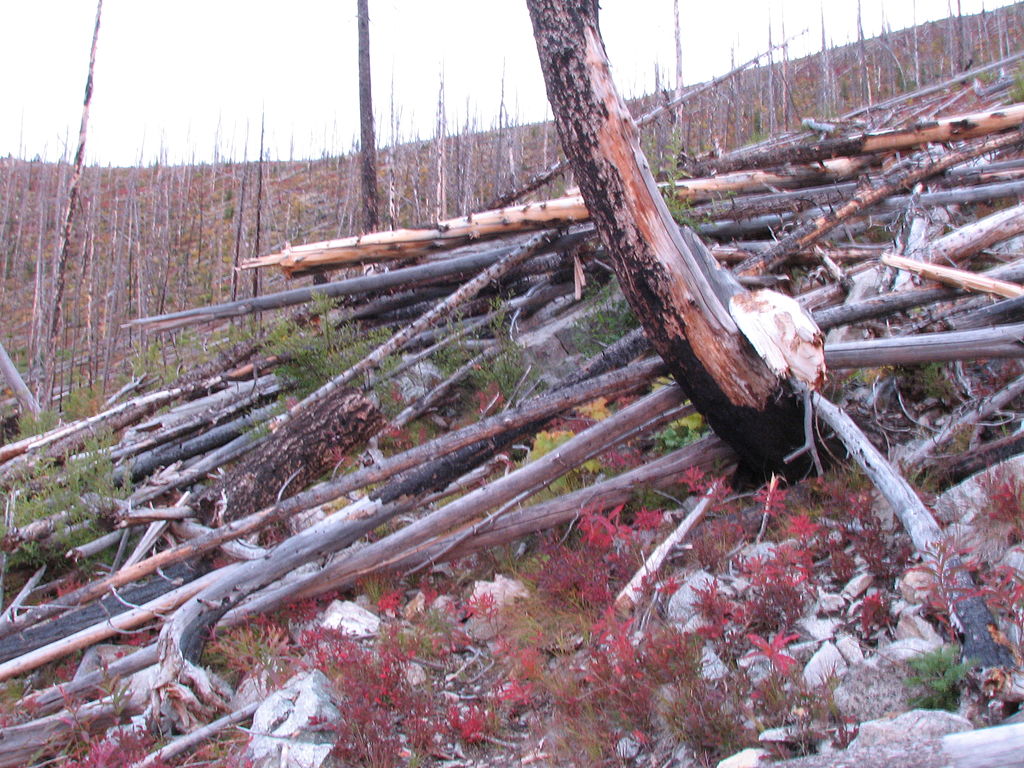
Covering over two million acres, this immense wilderness embodies pure isolation. Towering mountains, deep gorges, and wild rivers make it one of the most untamed regions in the continental U.S. Here, you can test advanced skills like stone tool making, primitive fishing, and long-term camp maintenance. The steep terrain demands stamina, while its silence reminds you what true wilderness independence feels like: raw, humbling, and unforgettable.
4. Algonquin Provincial Park, Ontario, Canada
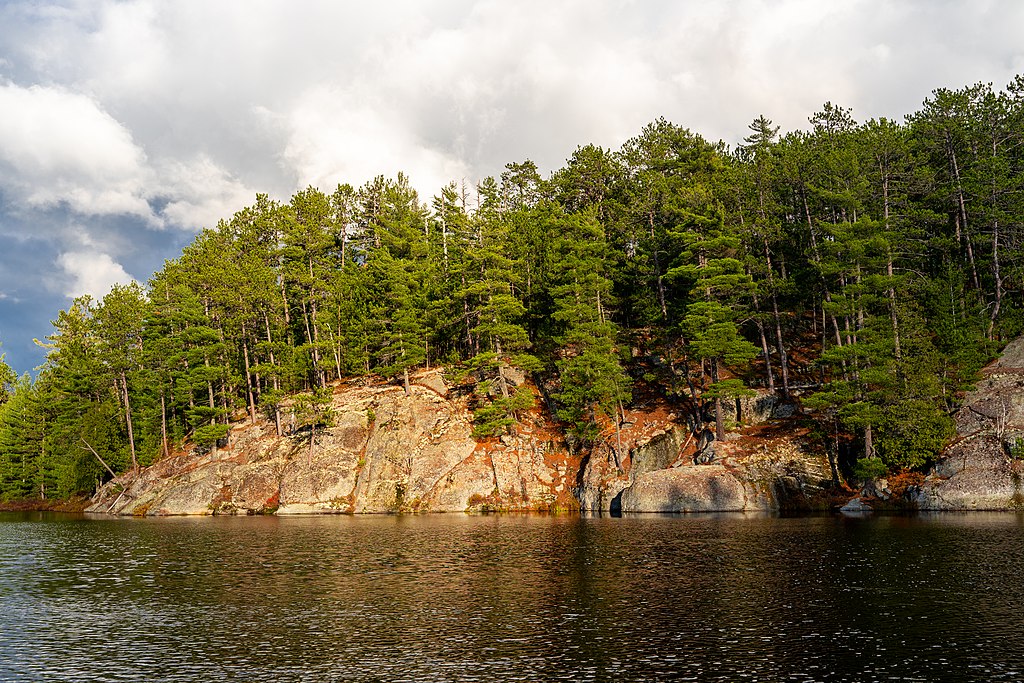
Just across the northern border, Algonquin offers vast forests, clear lakes, and rugged terrain perfect for classic bushcraft. The park’s mixed woodlands provide excellent materials for carving, cordage, and firecraft. Canoe travel between lakes teaches traditional portaging techniques still valued today. Black bears, moose, and beavers inhabit the area, adding to its authenticity. It’s a wild environment that builds patience, discipline, and respect for the old ways of living.
5. Gila Wilderness, New Mexico, USA
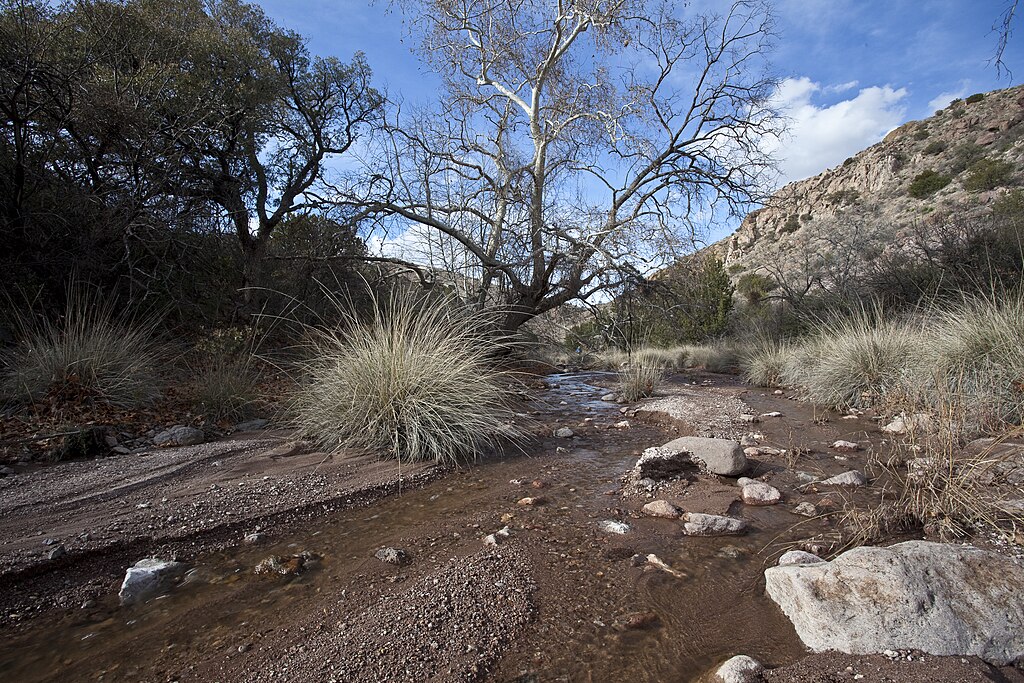
This is the first designated wilderness in the U.S., offering a balance of desert and mountain ecosystems. Its harsh, dry conditions teach valuable lessons about water sourcing, foraging, and heat management. Pine forests offer fire-starting material, while rocky canyons challenge your route-finding skills. The mix of high desert survival and cool mountain nights makes Gila a perfect training ground for learning self-sufficiency under extreme yet rewarding conditions.
6. Cairngorms National Park, Scotland
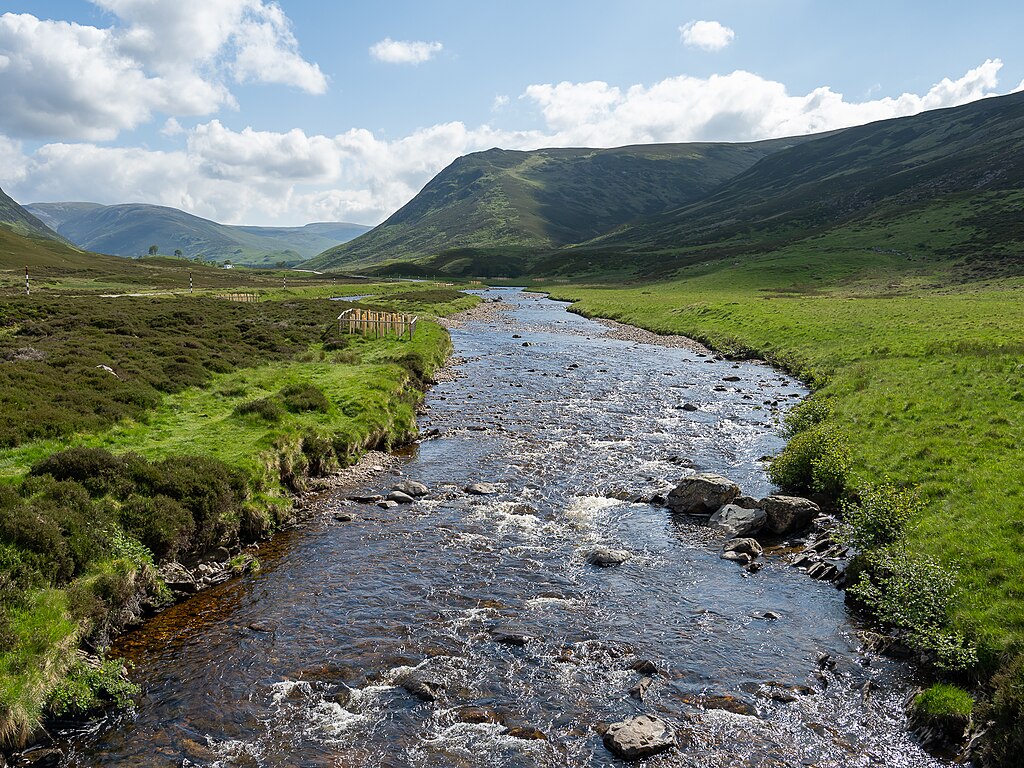
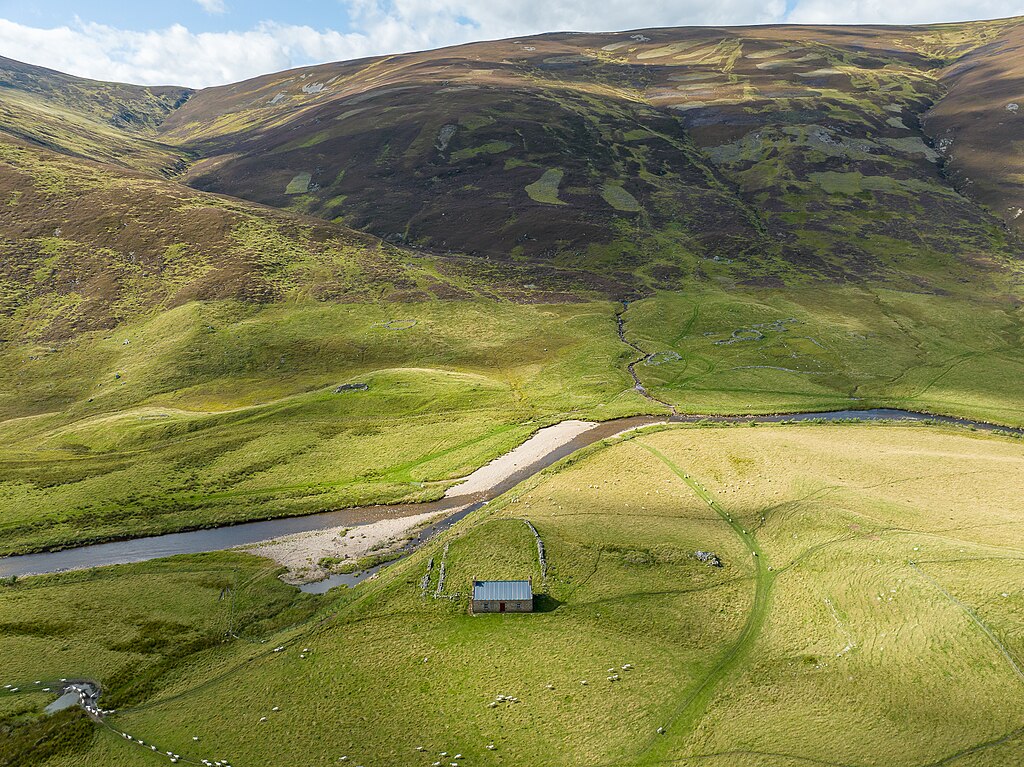
The Scottish Highlands’ rugged peaks and windswept moors test both endurance and ingenuity. The Cairngorms offer ancient pine forests, cold rivers, and unpredictable weather, ideal for shelter construction and navigation practice. Its remoteness ensures complete immersion, far from civilization. Wild camping is legal here, giving you freedom to set up primitive camps while mastering essential skills like firecraft in damp, often mist-covered environments steeped in old-world wilderness charm.
7. Big Bend National Park, Texas, USA
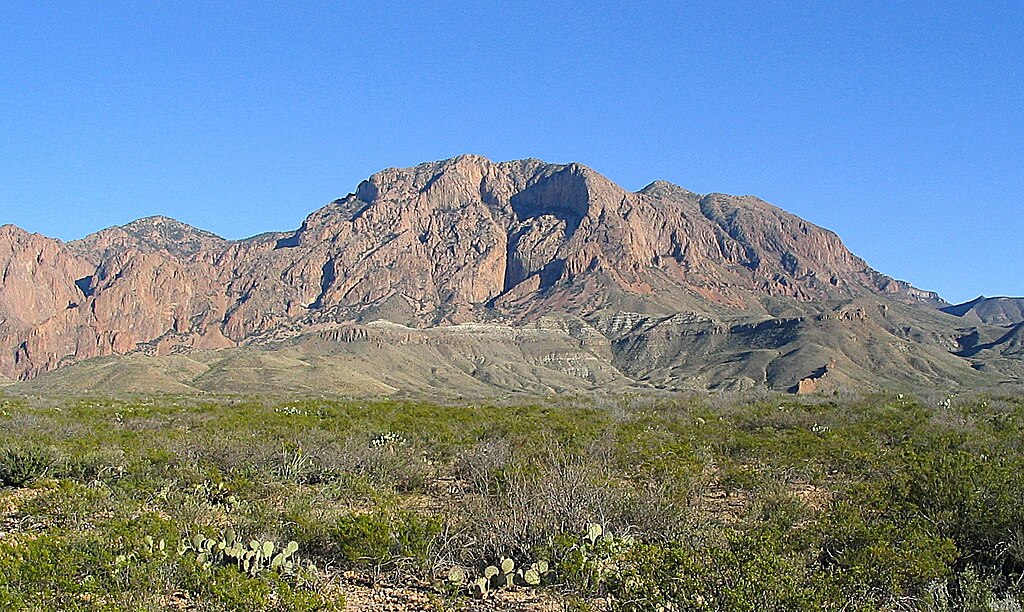
Big Bend’s arid landscape offers an entirely different bushcraft experience. Its wide-open canyons and desert plains demand careful planning, water conservation, and smart shelter placement. Practicing heat management, solar still creation, and nighttime navigation is essential here. The Rio Grande’s presence provides a vital water source and habitat for foraging. With its striking desert sunsets and vast solitude, Big Bend becomes a natural test of willpower and wisdom.
8. Fiordland National Park, New Zealand
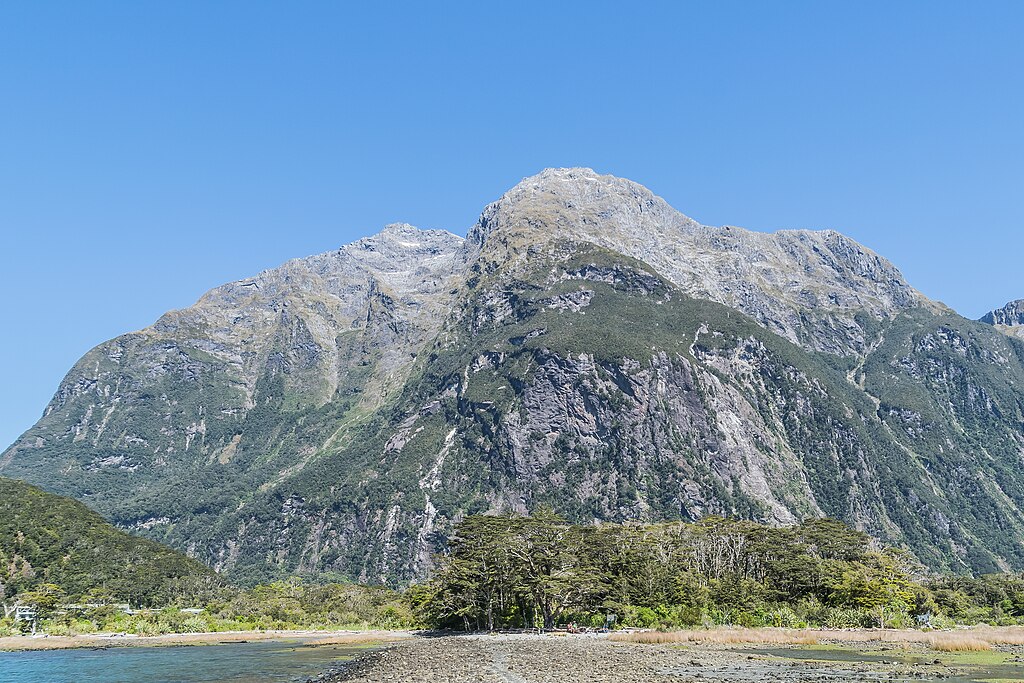
Few places match the raw power of Fiordland. Towering cliffs, deep fjords, and temperate rainforests challenge even experienced bushcrafters. The constant rain and dense canopy force you to perfect waterproof shelter techniques and damp weather fire starting. Remote valleys hold edible ferns and freshwater fish, essential for subsistence practice. With no road access to many parts, this wild landscape pushes your skills to their limits in a cinematic, untouched setting.
9. Superior National Forest, Minnesota, USA
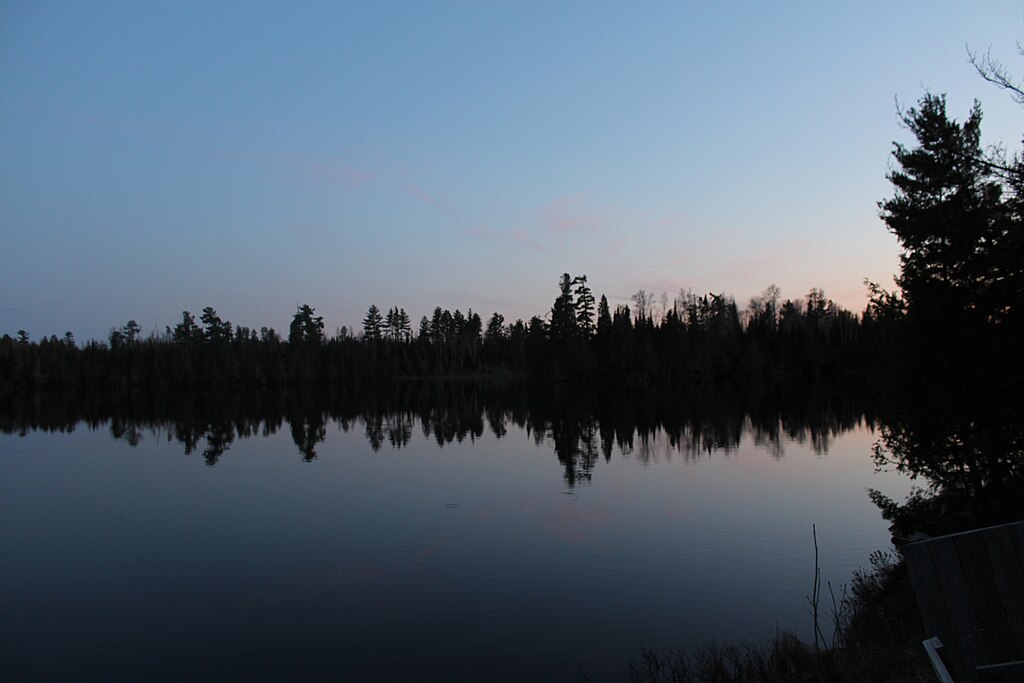
Neighboring the Boundary Waters, this forest offers a slightly gentler but equally enriching experience. Thick conifer stands and cold lakes make it ideal for practicing woodcraft, knot tying, and sustainable foraging. The terrain’s variety, from rocky shores to mossy undergrowth, teaches adaptability. With long stretches of silence and abundant wildlife, Superior’s wilderness offers an immersive training ground where you can build real confidence in outdoor self-reliance and traditional forest living.
10. Wrangell-St. Elias National Park, Alaska, USA
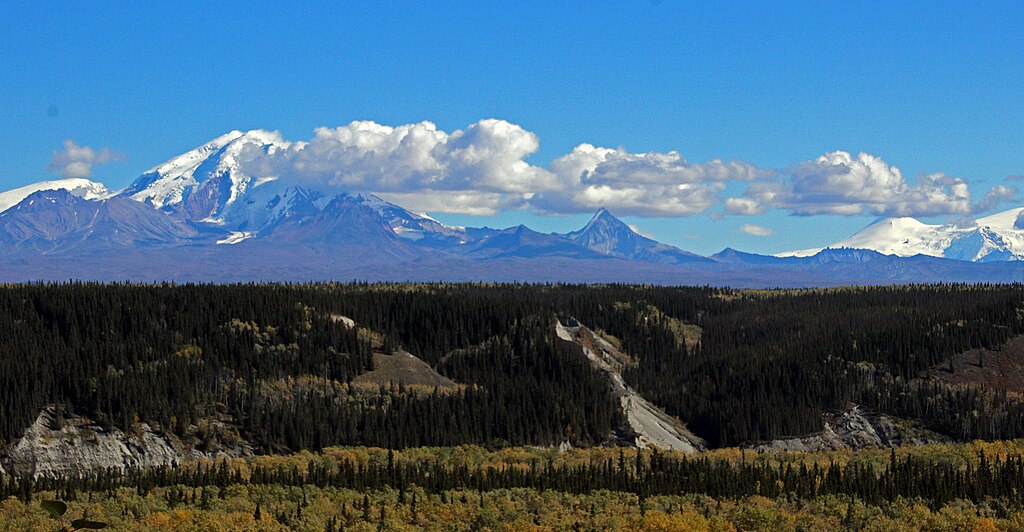
As the largest national park in the United States, Wrangell St. Elias is pure, unfiltered wilderness. Towering glaciers, roaring rivers, and vast tundra plains make every survival skill essential. Navigation, cold weather sheltering, and foraging are constant challenges. Wildlife like moose and bears remind you that this is their domain. Few places allow such total immersion in nature’s extremes, a breathtaking and humbling arena for serious bushcraft practitioners.