Popularity does not always translate into practical performance. A firearm can become famous because of movies, history, unusual engineering, low price, or aggressive marketing, while everyday use reveals compromises that are easy to miss. Factors such as weight, recoil, capacity, ergonomics, ammunition sensitivity, maintenance, and production history can all affect the experience. The guns below are not automatically bad or unsafe, and individual examples can perform very differently. Instead, each one shows how a memorable design can have limitations that become more noticeable outside a controlled range session.
1. Desert Eagle .50 AE
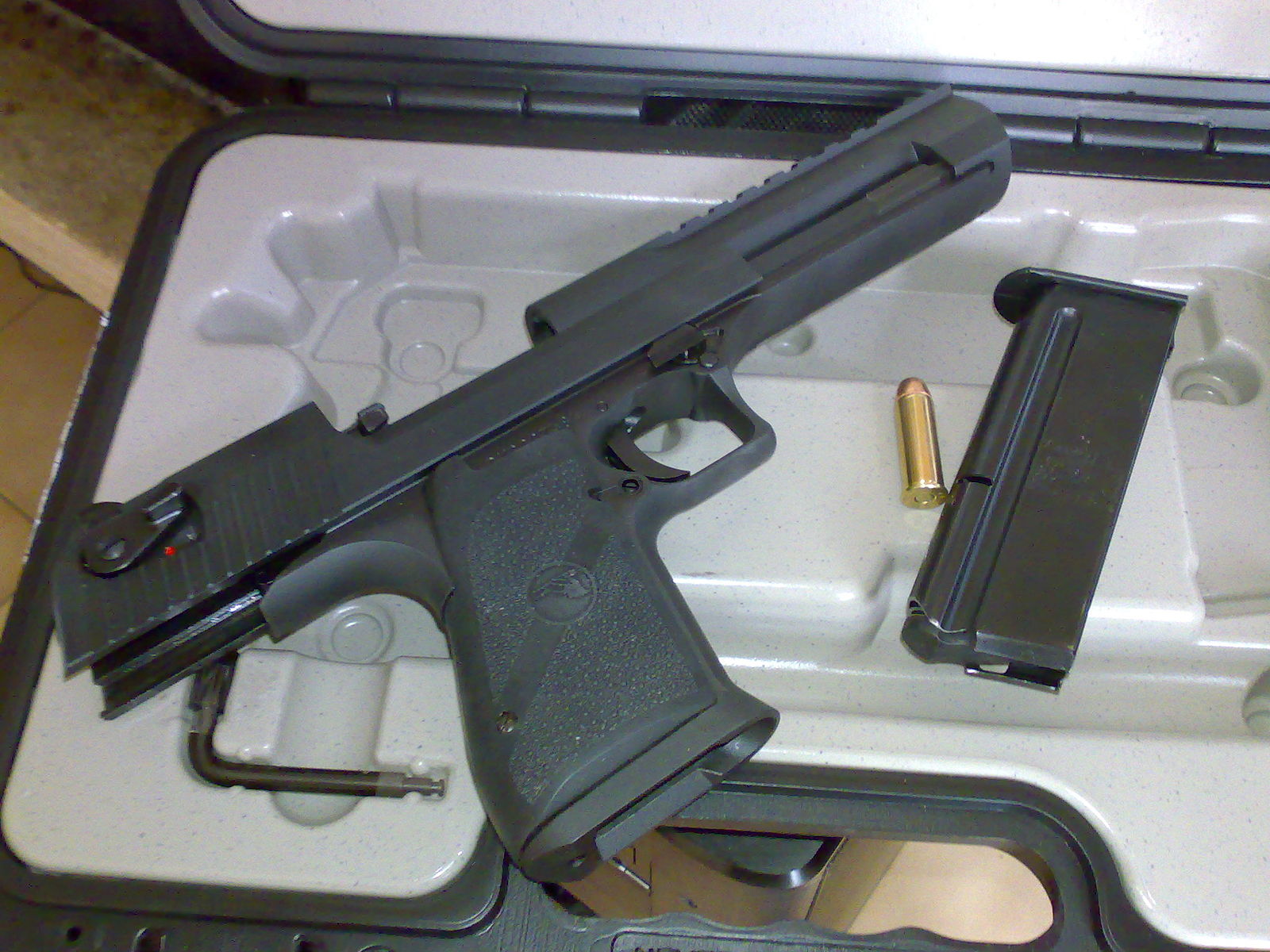
The Desert Eagle .50 AE is famous for making a handgun feel like a movie prop, but its real-world compromises are substantial. The gas-operated action needs suitable ammunition and a firm shooting technique, while its size makes prolonged carry unrealistic. The .50 AE can produce well over 1,000 ft-lb of muzzle energy, yet that power brings strong recoil and slower recovery between shots. Magazine capacity is commonly 7 rounds, and the pistol is large enough to complicate holster choice and storage. It is a remarkable engineering project, but its size, cost, ammunition demands, and shooting characteristics can make the practical experience fall short of the hype.
2. Taurus Judge
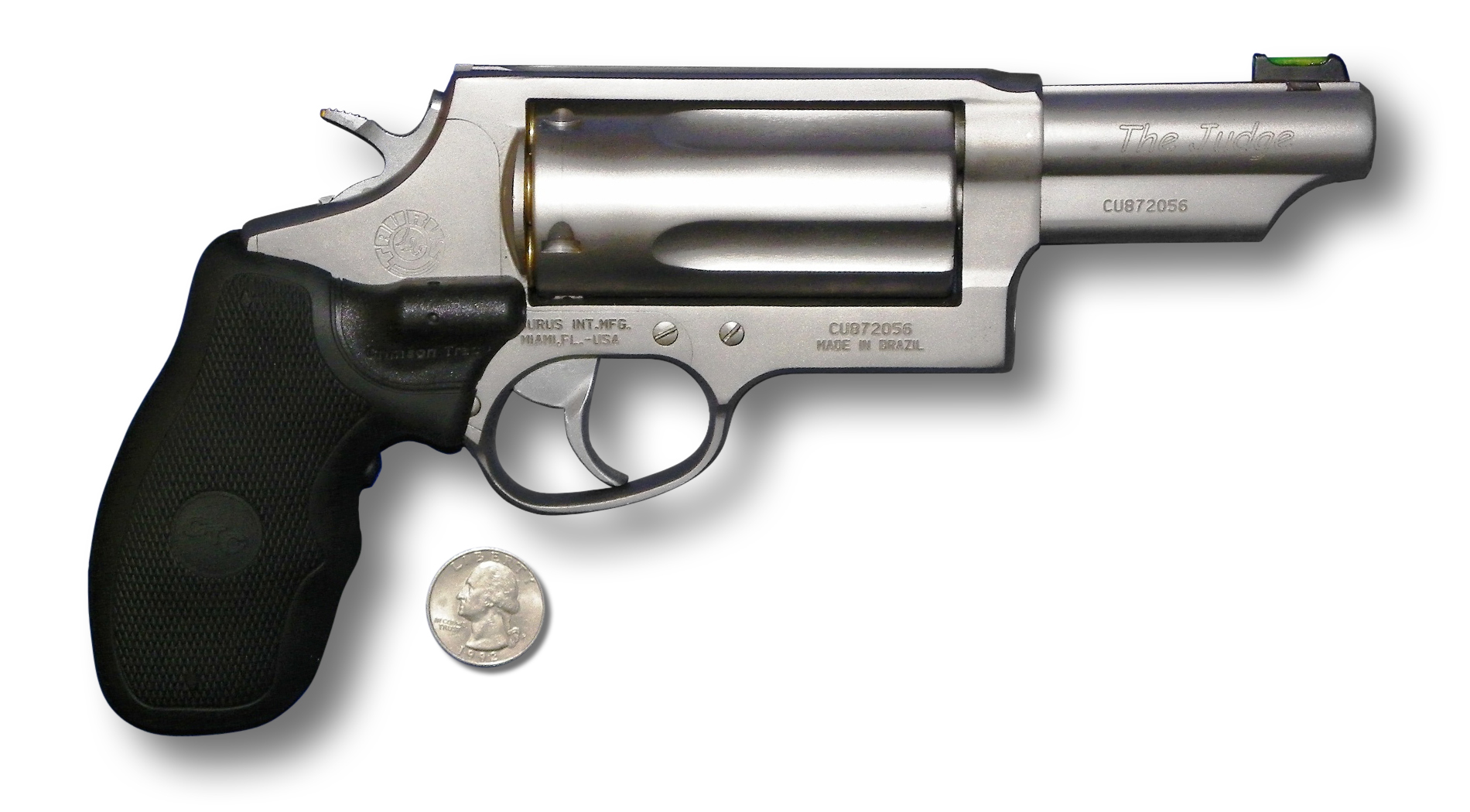
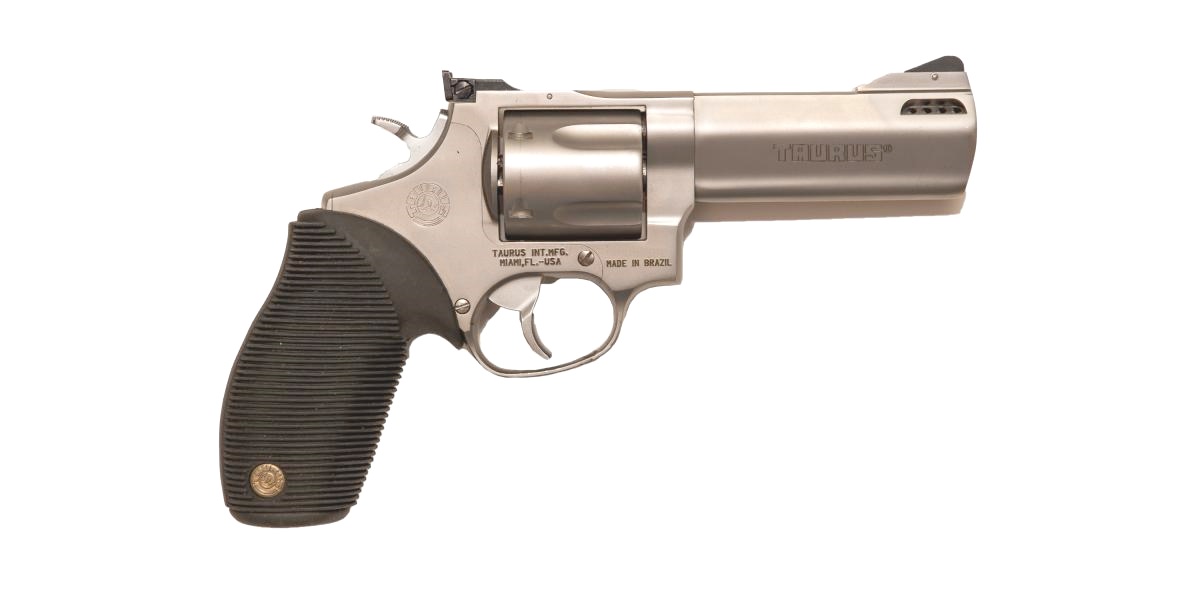
The Taurus Judge sounds unusually versatile because it accepts both .45 Colt cartridges and .410-bore shotshells, but versatility is not the same as doing every job well. Most versions hold 5 rounds, while the large cylinder adds noticeable bulk. With .410 ammunition, the short barrel and handgun format can produce patterns that vary substantially with load and distance, so the result is not equivalent to a conventional shotgun. With .45 Colt, it remains a heavy, large revolver. The Judge can be entertaining and distinctive, but its unusual chambering creates trade-offs in size, capacity, recoil, and practical consistency that are easy to overlook.
3. Kel-Tec PF-9
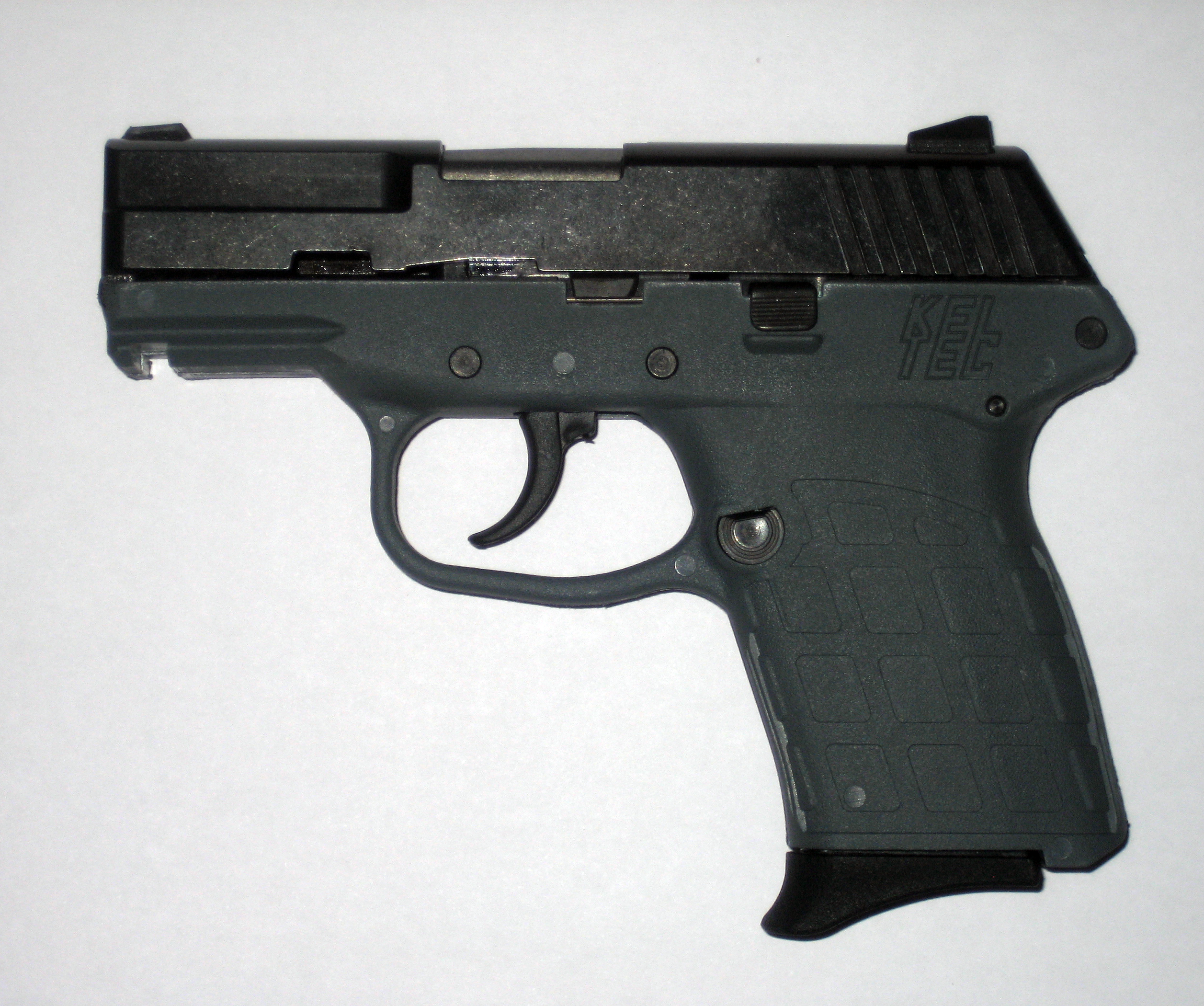
The Kel-Tec PF-9 became well known for putting a 9mm cartridge into an exceptionally slim, lightweight package. That compactness is also where much of its practical compromise appears. The pistol weighs about 12.7 ounces unloaded and carries 7 rounds, making it easy to carry but demanding in recoil and handling compared with larger 9mm designs. Long sessions can be uncomfortable, and early examples developed a reputation for feeding and extraction complaints, although individual guns vary. Its small grip and short sight radius also leave less room for error. The PF-9 shows how reducing size and weight can improve portability while making shooting comfort and consistency harder to achieve.
4. SCCY CPX-1
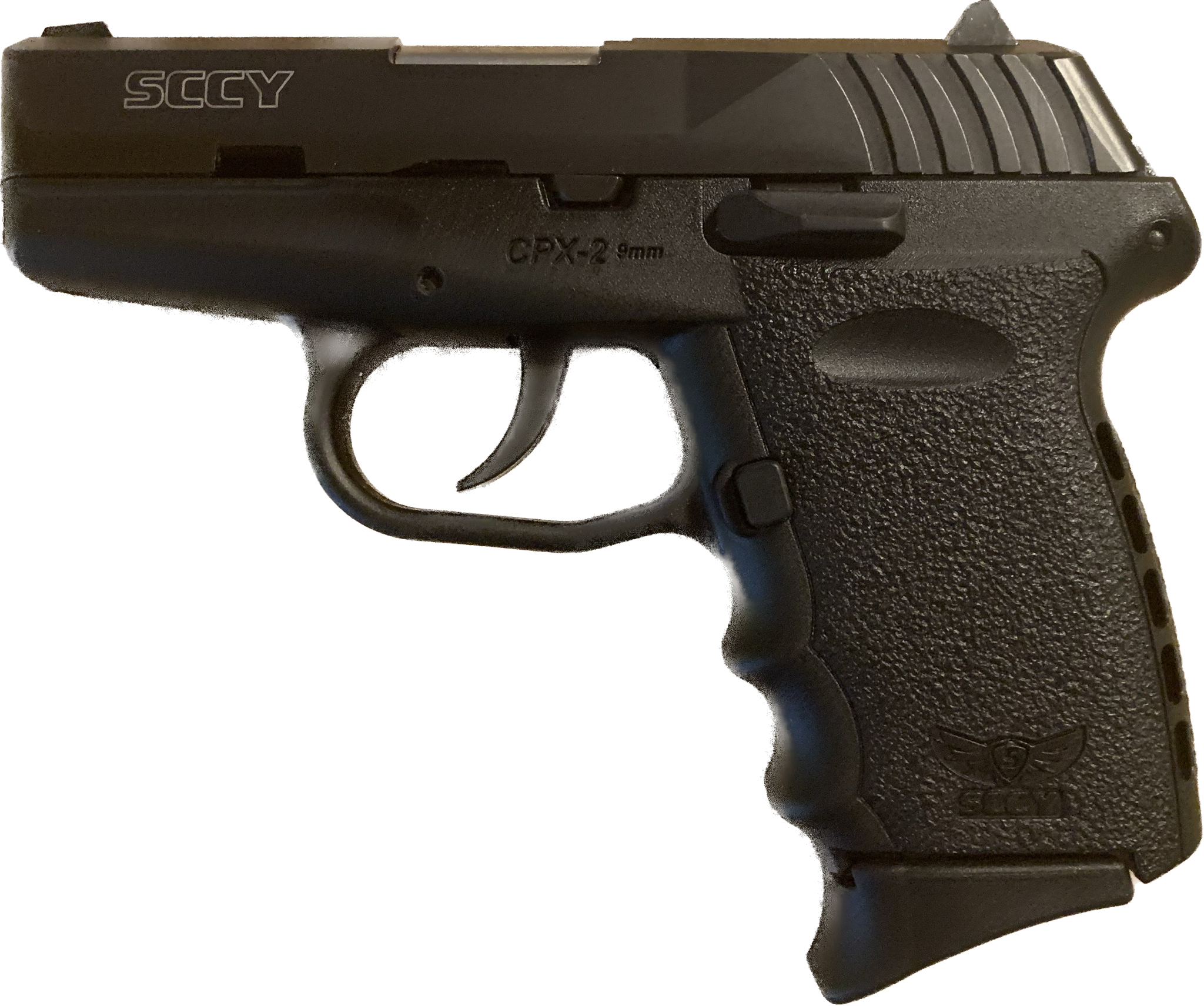
The SCCY CPX-1 is another pistol where a low-cost, compact package comes with noticeable compromises. It is a 9mm double-action-only handgun with a 10-round magazine, and its roughly 15-ounce unloaded weight keeps it easy to carry. The long, heavy trigger can make precise shooting more difficult, particularly for new users. Its small frame leaves limited grip area. User reports have varied widely on reliability, so a single positive range session should not be treated as proof of universal performance. Its main lesson is that low purchase weight does not automatically translate into an easy shooting experience. A compact pistol can be convenient yet still demand more practice than expected.
5. Remington R51
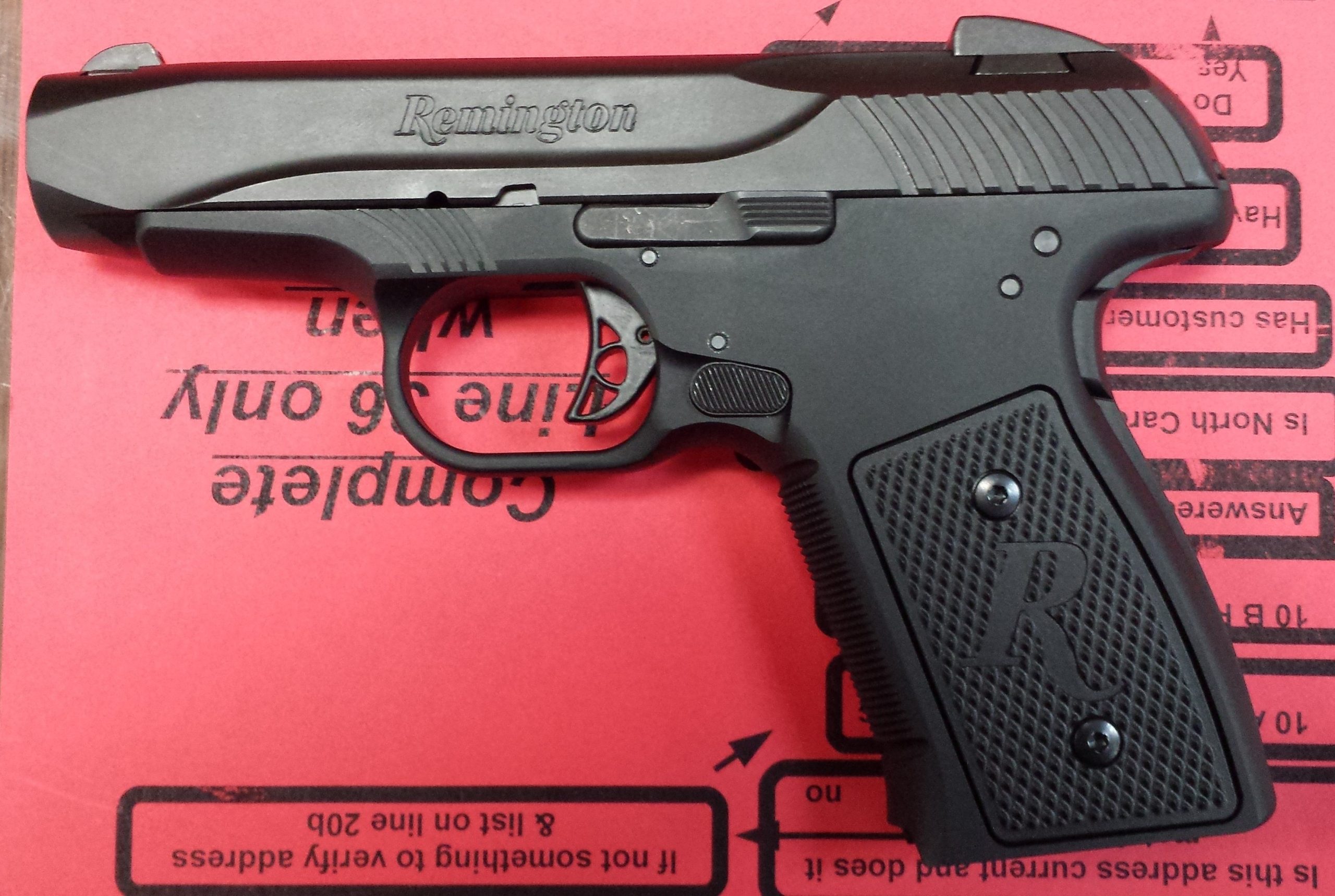
The Remington R51 is notable because its original launch created expectations that early production guns struggled to meet. The compact 9mm used a distinctive Pedersen-style delayed-blowback system and held 7 rounds in its original magazine. Early examples became associated with feeding, cycling, and quality-control complaints, leading Remington to recall the pistol and later relaunch it after production changes. That history does not mean every later R51 will malfunction, but it explains the model’s reputation. Its story is a reminder that an interesting mechanical concept can still underperform when manufacturing consistency and production maturity lag behind the design’s promise.
6. Taurus Curve
The Taurus Curve tried to solve a specific problem by making a snag-resistant pocket pistol with a curved profile and enclosed controls. Chambered in .380 ACP, it held 6 rounds and weighed roughly 10.2 ounces, numbers that made it genuinely compact. The unusual shape, however, created compromises in sights, handling, and familiarity. Its enclosed hammer and integrated laser-focused design also made it unlike conventional small pistols, increasing the learning curve. Production has been discontinued, so modern buyers mainly encounter used examples whose condition can differ substantially. The Curve shows how solving one carry problem can introduce several practical disadvantages elsewhere.
7. Kel-Tec P50
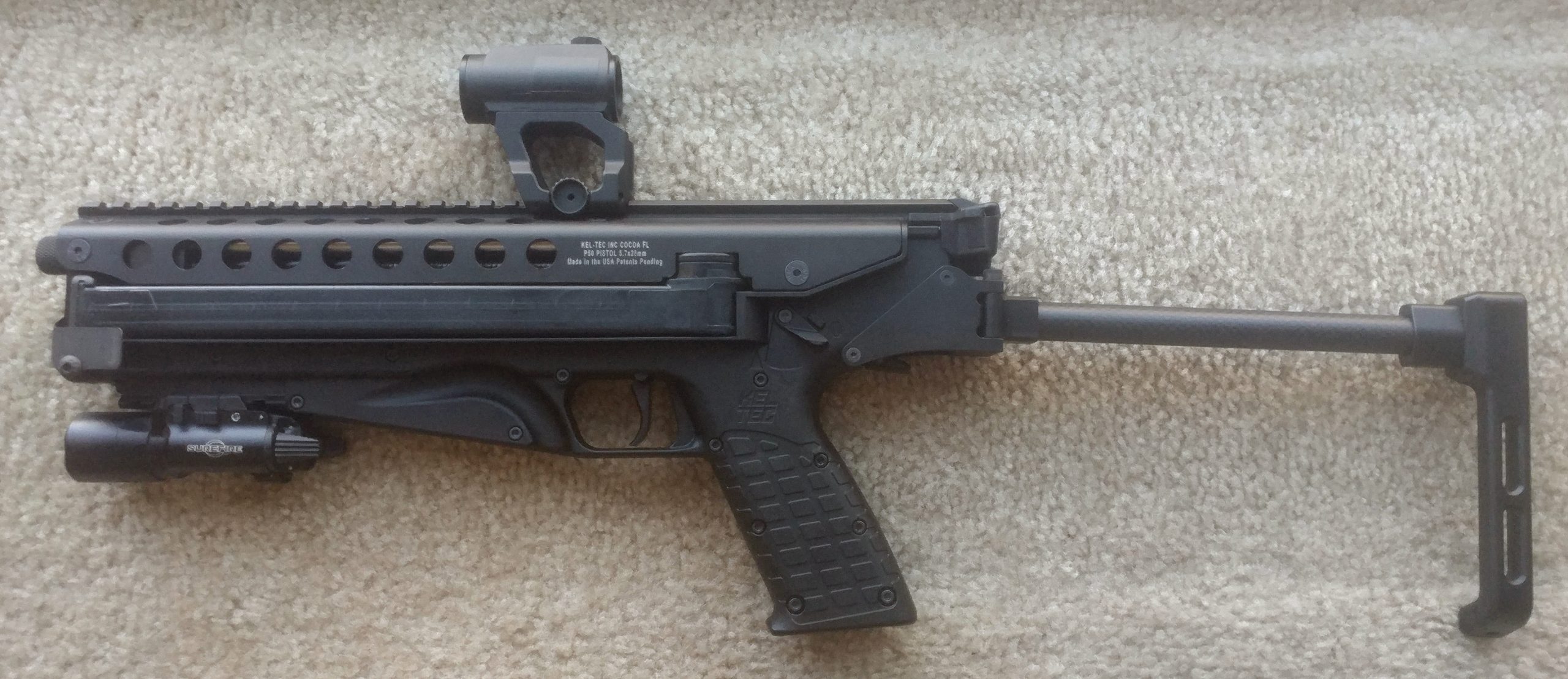
The Kel-Tec P50 is not a conventional handgun, and that difference explains much of its real-world compromise. It uses the FN P90-style 50-round magazine and fires 5.7x28mm ammunition from a long 9.6-inch barrel. In one published test, a P50 ran 100 percent through 200 rounds, while another demanding session later recorded a complicated malfunction after hundreds of rounds. Those results show why broad reliability claims can be misleading. Its biggest practical weakness is not simply whether it fires; it is the unusual loading and handling process, plus its size compared with ordinary pistols. The P50 can perform impressively, but its unconventional design asks the user to accept trade-offs.
8. Walther PPK
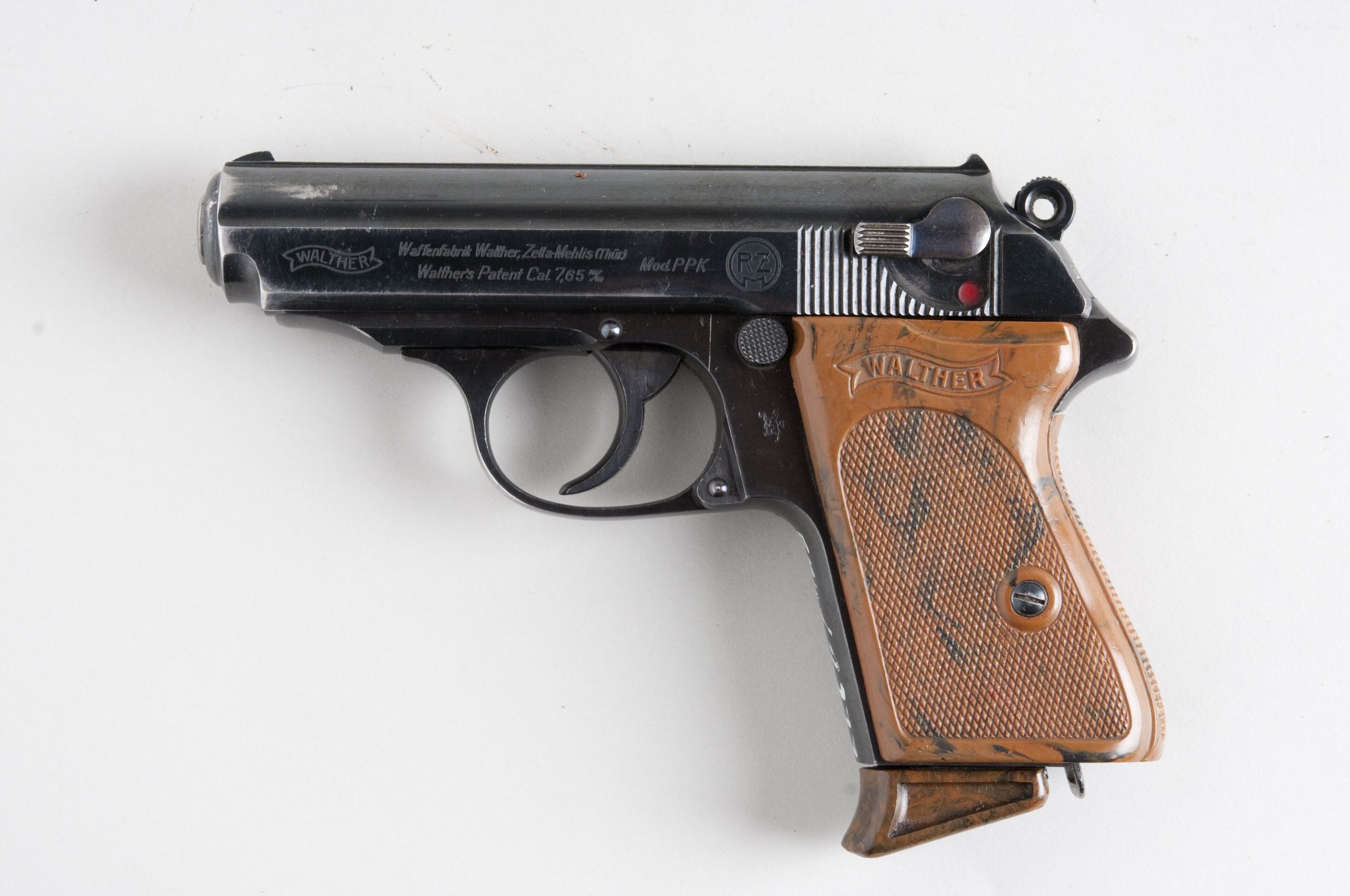
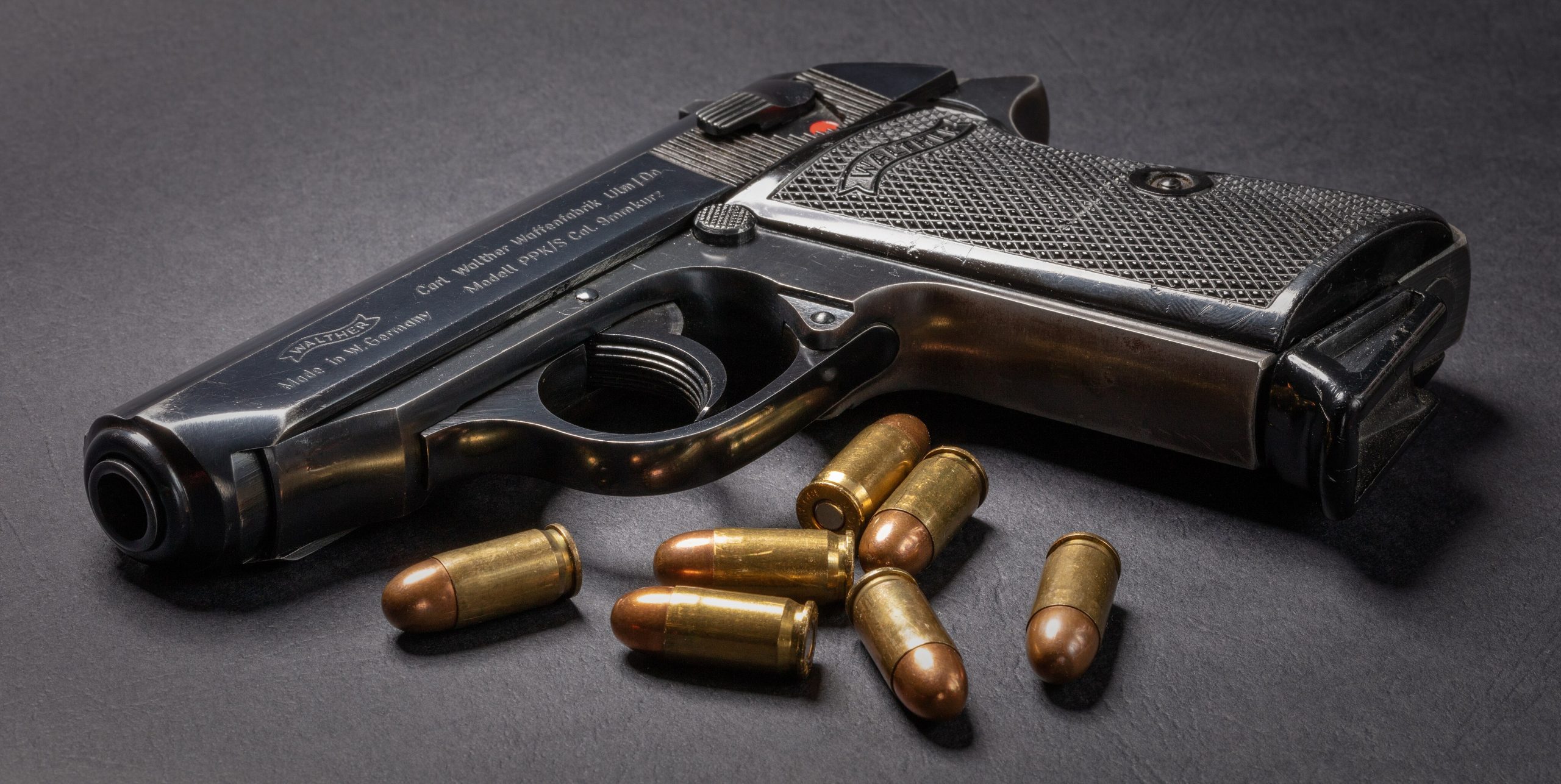
The Walther PPK has an extraordinary historical reputation, but its compact dimensions create compromises that modern shooters may notice quickly. Typical .380 ACP versions carry 6 or 7 rounds depending on configuration, and the short grip can be difficult for larger hands to control comfortably. Its traditional double-action trigger is heavier than many modern striker-fired pistols, while the compact slide can make recoil feel sharper than expected. The PPK is not inherently unreliable; historical prestige can simply create expectations that differ from modern ergonomics. Real-world performance is strongly influenced by fit, ammunition, training, and the exact production version.
9. Hi-Point C9
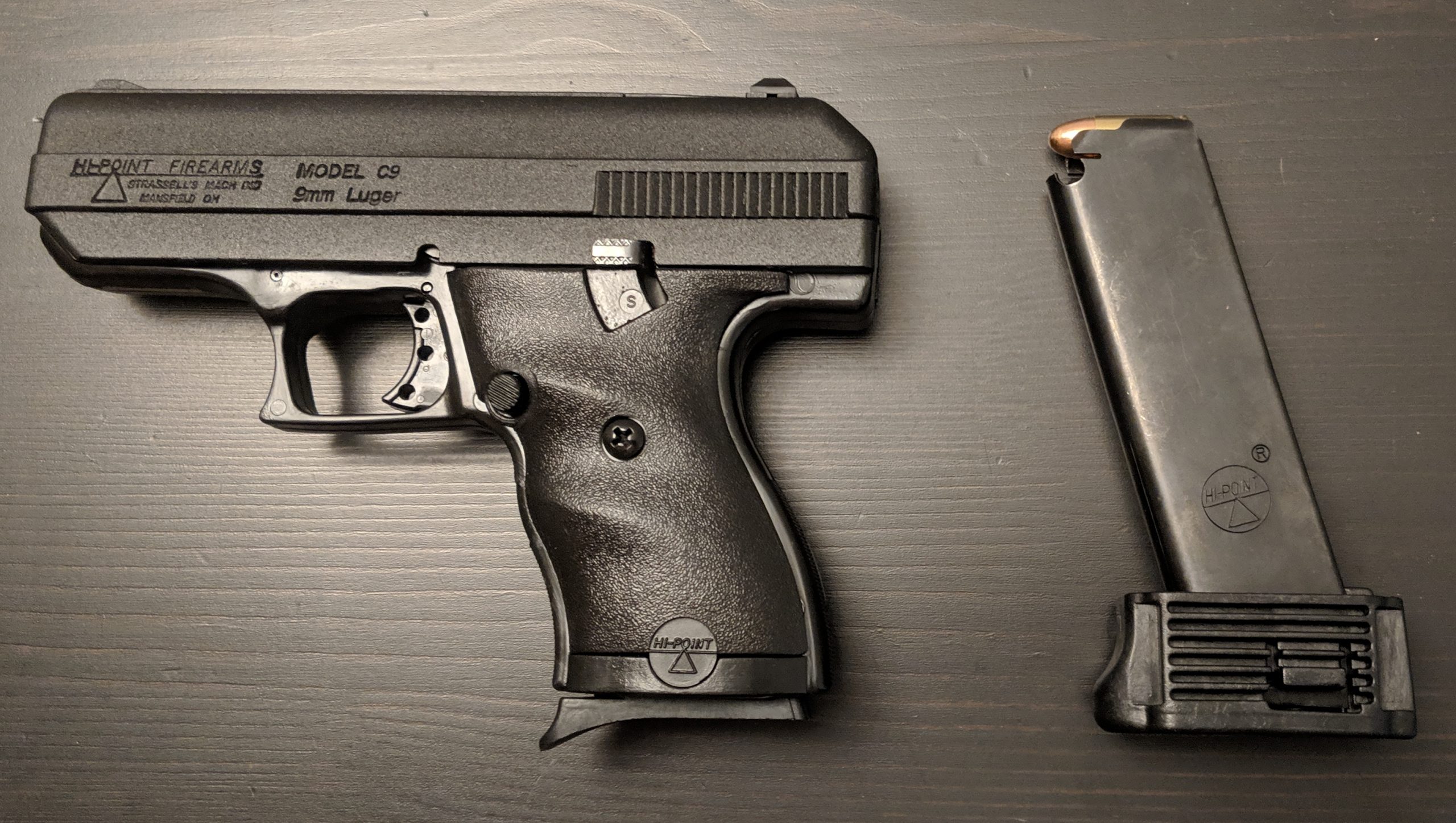
The Hi-Point C9 became popular because it offered a low-cost route into 9mm ownership, but its design makes the bargain obvious. It is a bulky blowback-operated pistol with an 8-round magazine and a weight of roughly 29 ounces unloaded. That is heavy for its capacity, and the dimensions make it less convenient than many similarly chambered compact pistols. Its controls and ergonomics are also unconventional, giving it a distinct shooting feel. Reliability reports are mixed rather than uniformly negative, so calling every C9 unreliable would be inaccurate. Its more defensible criticism is practical: the low price comes with compromises in weight, size, refinement, and handling.
10. Taurus PT-111 G2
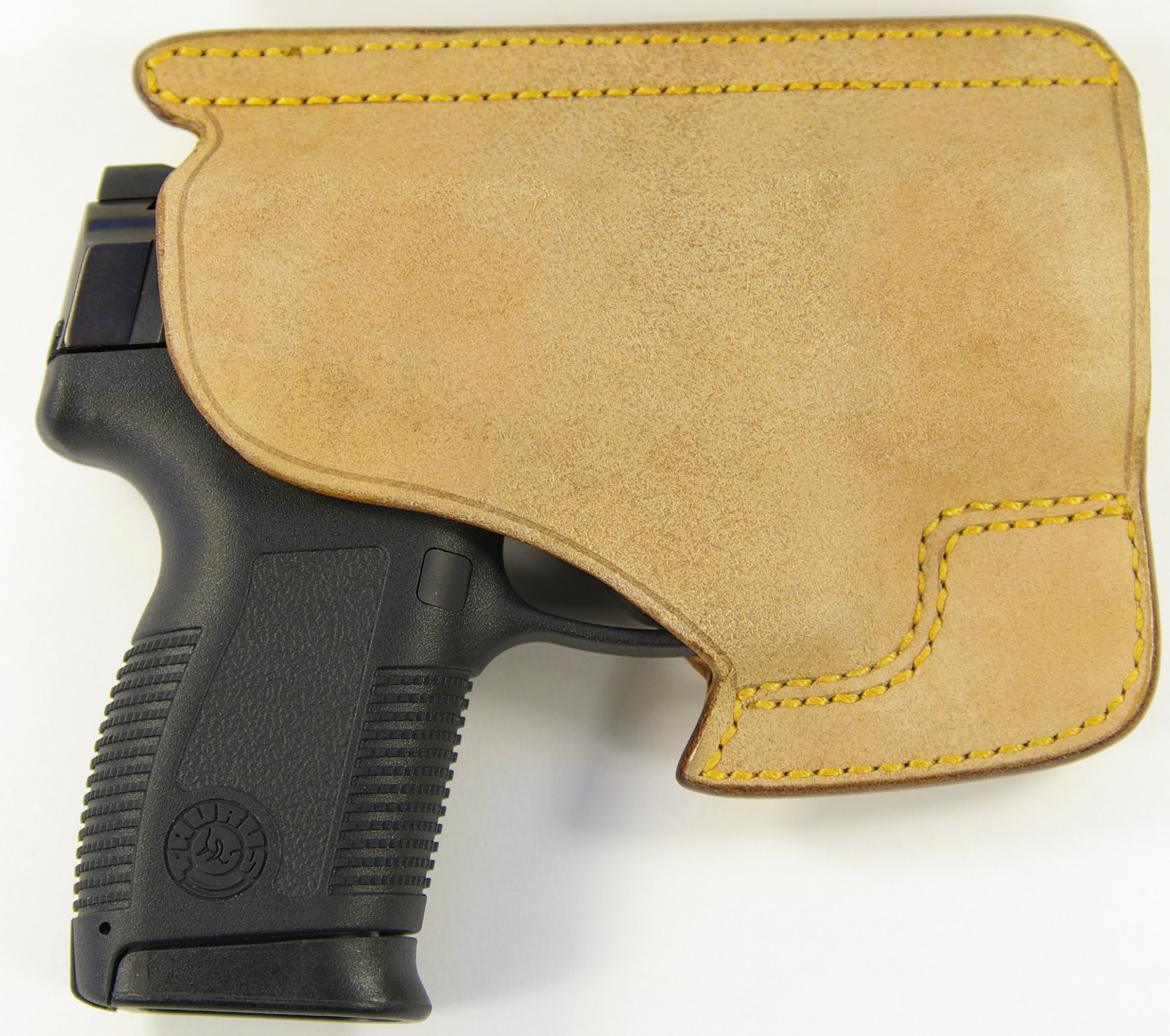
The Taurus PT-111 G2 became a widely recognized budget compact before Taurus replaced it with newer designs. It used a 12-round magazine in 9mm and combined a short barrel with a relatively compact frame. Owners have reported both reliable examples and guns needing attention. Because the design is discontinued, condition becomes especially important on the used market. A worn magazine, neglected maintenance, or damaged part can tell a very different story from a well-kept example. The PT-111 G2 illustrates why reputation alone is a poor substitute for examining an individual firearm’s condition, maintenance history, and overall wear before drawing conclusions about its performance.