A farm is a working landscape where equipment breaks, wildlife appears, and unexpected problems can arise far from the nearest town. For generations, some farmers have kept firearms as part of rural life, although the reasons vary with local laws, property needs, and personal experience. Certain designs earned reputations for affordability, compact storage, or versatility, while others became familiar through decades of agricultural use. Looking beyond their popularity reveals why particular firearms became associated with barns, sheds, and remote homesteads.
1. .22 LR Bolt-Action Rifles
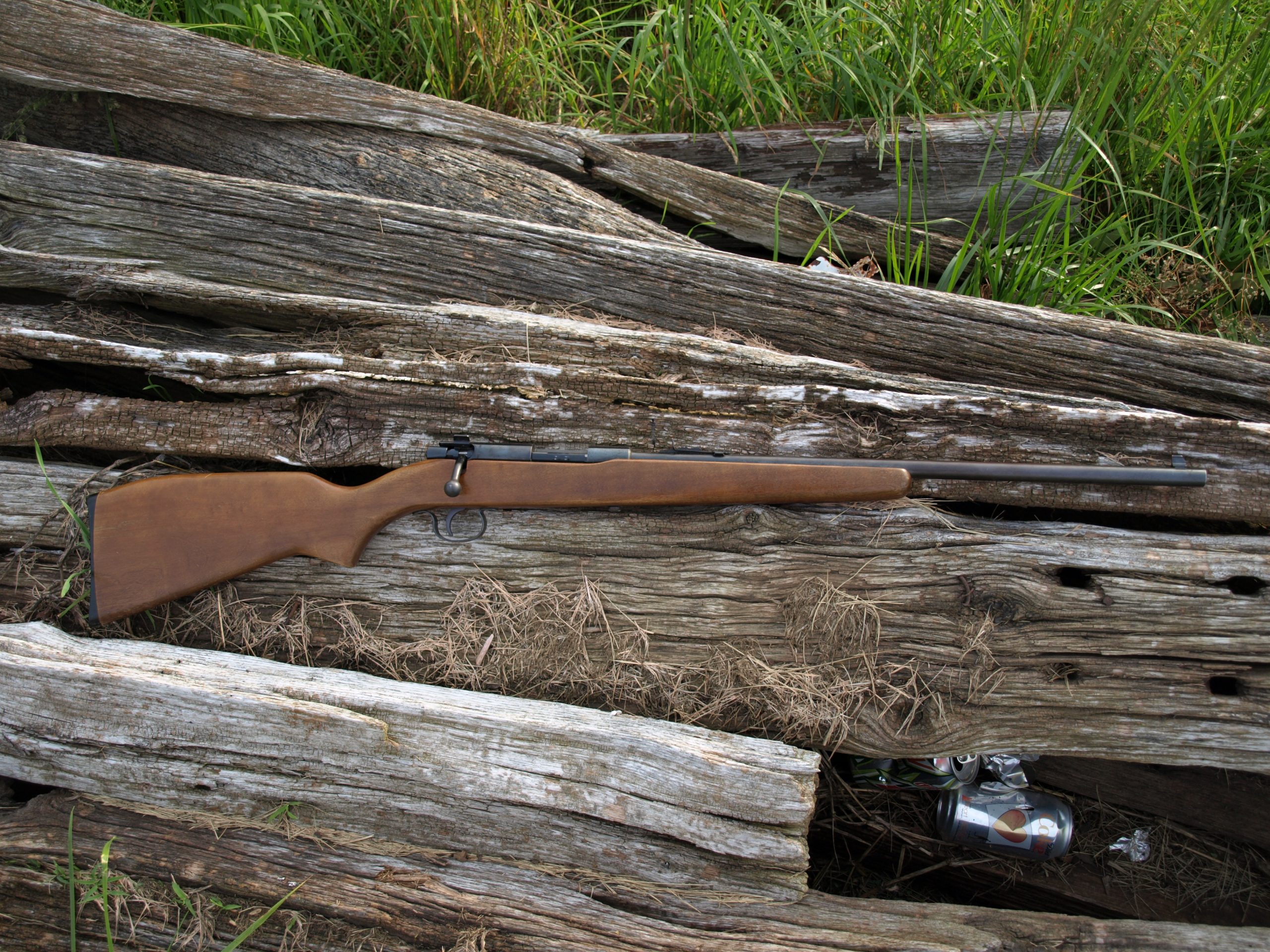
A .22 LR bolt-action rifle has long appealed to rural households because it combines a simple design with relatively inexpensive ammunition. Models such as the Ruger American Rimfire and CZ 457 illustrate how this category has evolved, offering modern features while retaining familiar operating principles. The .22 Long Rifle cartridge dates to the 1880s and remains widely available in many markets. Farmers may value these rifles for supervised target practice and historical familiarity rather than sheer power. Their modest report compared with many larger rifles can also be appealing, although sound levels vary considerably and hearing protection remains important.
2. .22 LR Semi-Automatic Rifles
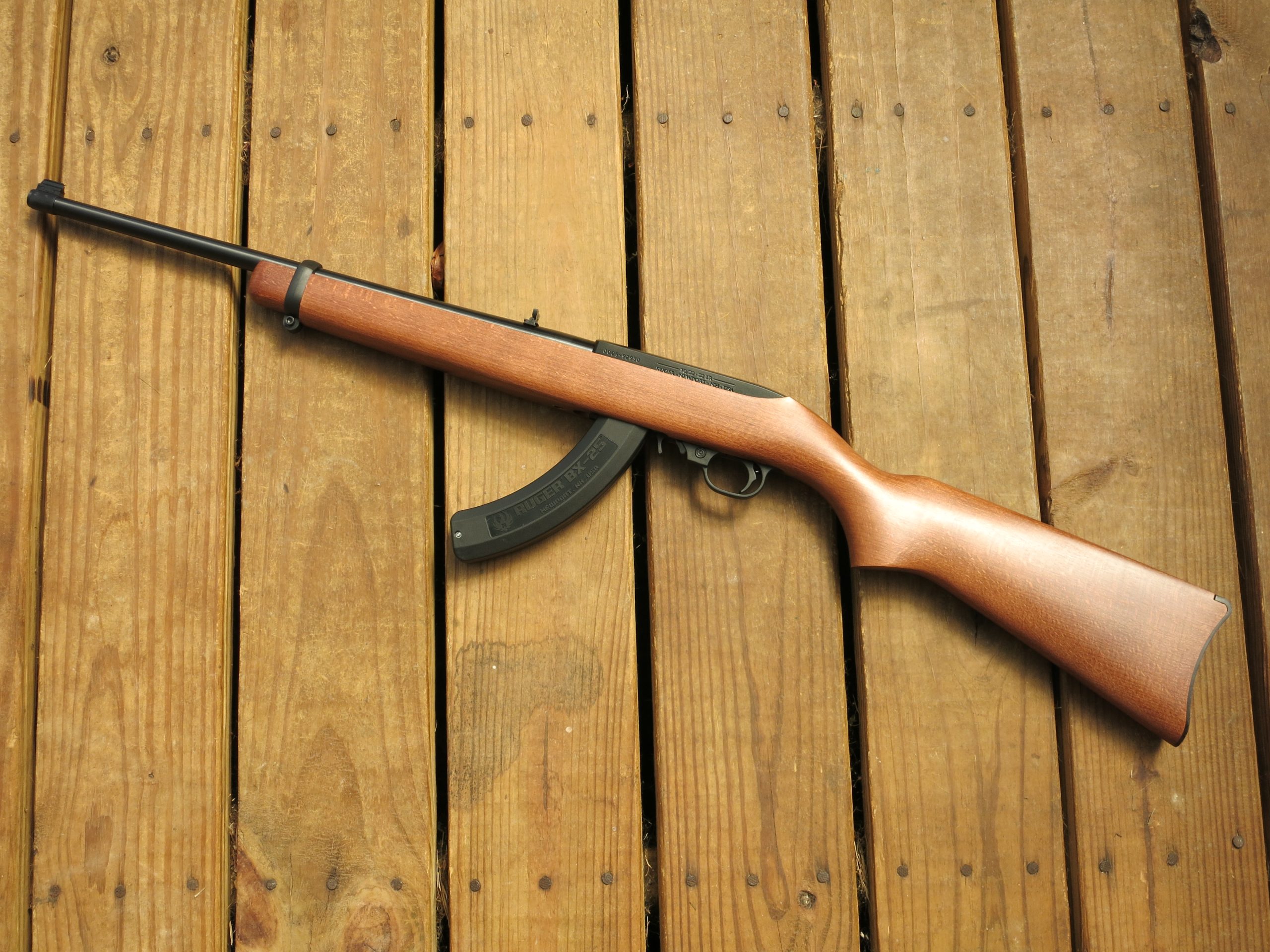
Semi-automatic .22 rifles offer a different kind of convenience, cycling another cartridge after each shot without requiring the shooter to operate a bolt manually. The Ruger 10/22, introduced in 1964, became one of the best-known examples, supported by decades of production and a broad accessories market. On a farm, familiarity, manageable weight, and relatively low ammunition costs can explain the appeal. Many owners also use these rifles for recreational shooting. Their lightweight construction makes them easy to carry, but safe storage, regular maintenance, and keeping ammunition secured remain essential responsibilities in a busy agricultural environment.
3. 12-Gauge Pump-Action Shotguns
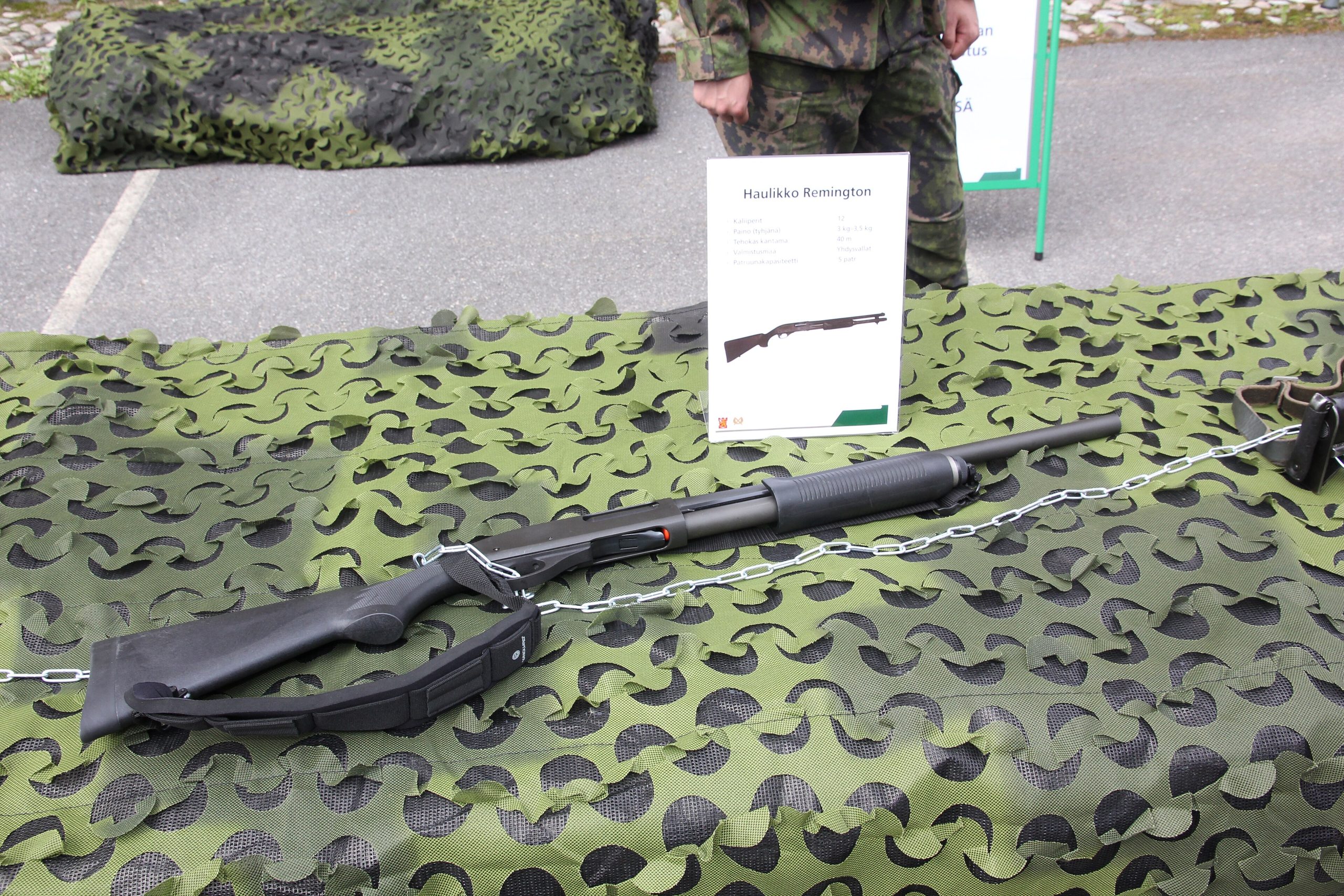
The 12-gauge pump-action shotgun has earned a place in rural sporting traditions because of its versatility across different lawful shooting activities. Familiar examples include the Remington 870, launched in 1950, and the Mossberg 500, introduced in 1961. Both designs became established through extensive commercial use and numerous configurations. Farmers may appreciate the straightforward manual action and the wide availability of compatible ammunition, although individual models differ in capacity and intended purpose. A shotgun is not automatically suitable for every farm task, and its substantial sound, recoil, and handling risks make training and secure storage particularly important.
4. 20-Gauge Shotguns

The 20-gauge shotgun offers a lighter alternative to many traditional 12-gauge models. It is often considered by people who prefer a firearm that can be easier to carry during a long day outdoors. Ammunition and firearm weights vary, so the gauge alone does not determine recoil or comfort. Popular sporting models include versions of the Remington 870 and Mossberg 500 chambered in 20 gauge. On farms, this category is associated with recreational hunting and clay-target shooting, depending on local regulations. Its smaller bore does not make it harmless, and users still need appropriate training, eye and ear protection, and careful control of where firearms are pointed.
5. .30-30 Winchester Lever-Action Rifles
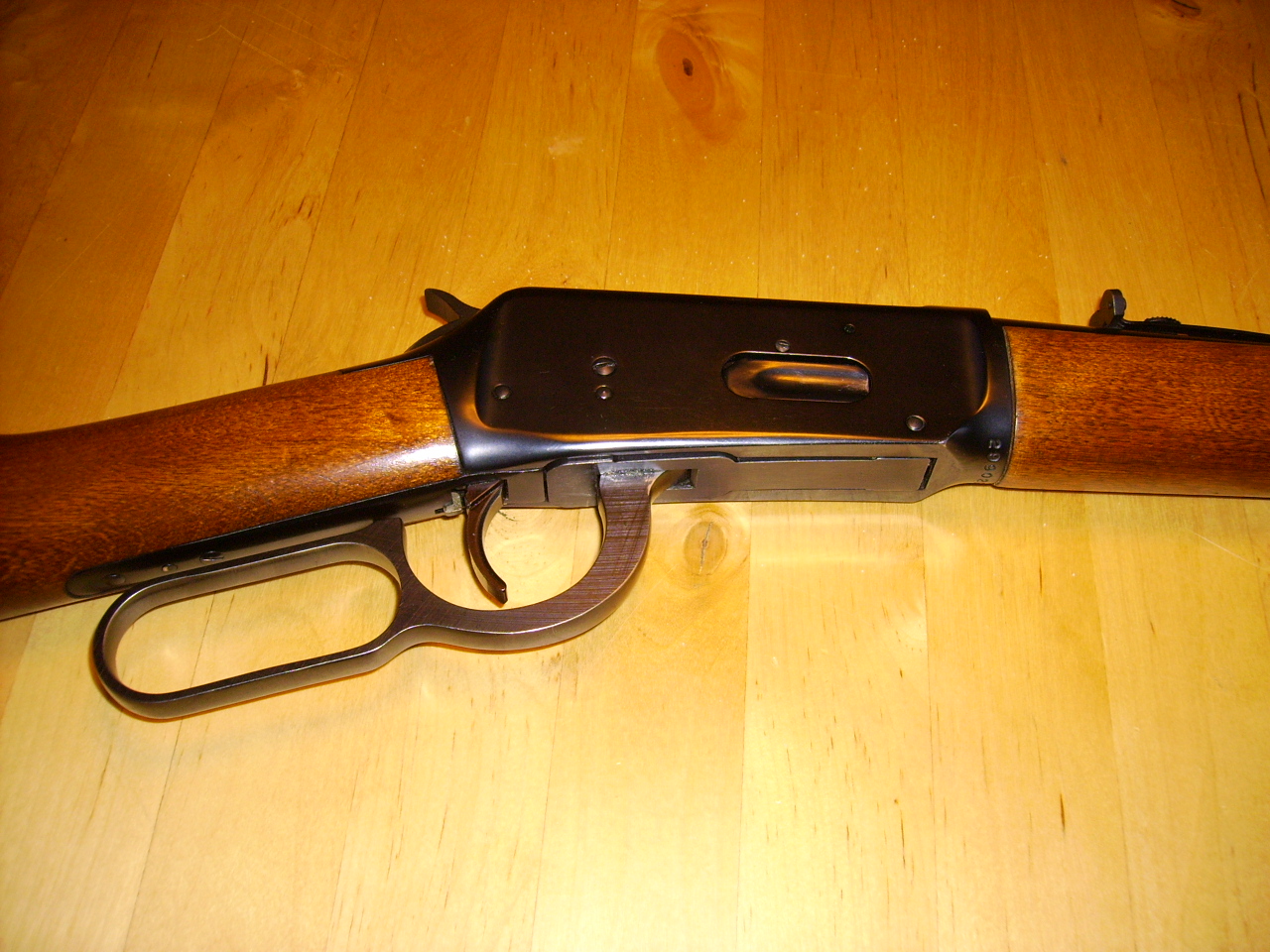
Introduced in 1895, the .30-30 Winchester cartridge became closely associated with American deer hunting and traditional lever-action rifles. Firearms such as the Winchester Model 94 helped establish that reputation through generations of sporting use. Rural families sometimes retain these rifles because they have been passed down through several generations, making them valuable reminders of family history as well as sporting equipment. The cartridge remains relevant for certain hunting applications within appropriate ranges. However, older firearms require particular attention to their condition, chamber markings, and ammunition compatibility, especially when their history is uncertain or maintenance records are unavailable.
6. .30-06 Springfield Bolt-Action Rifles
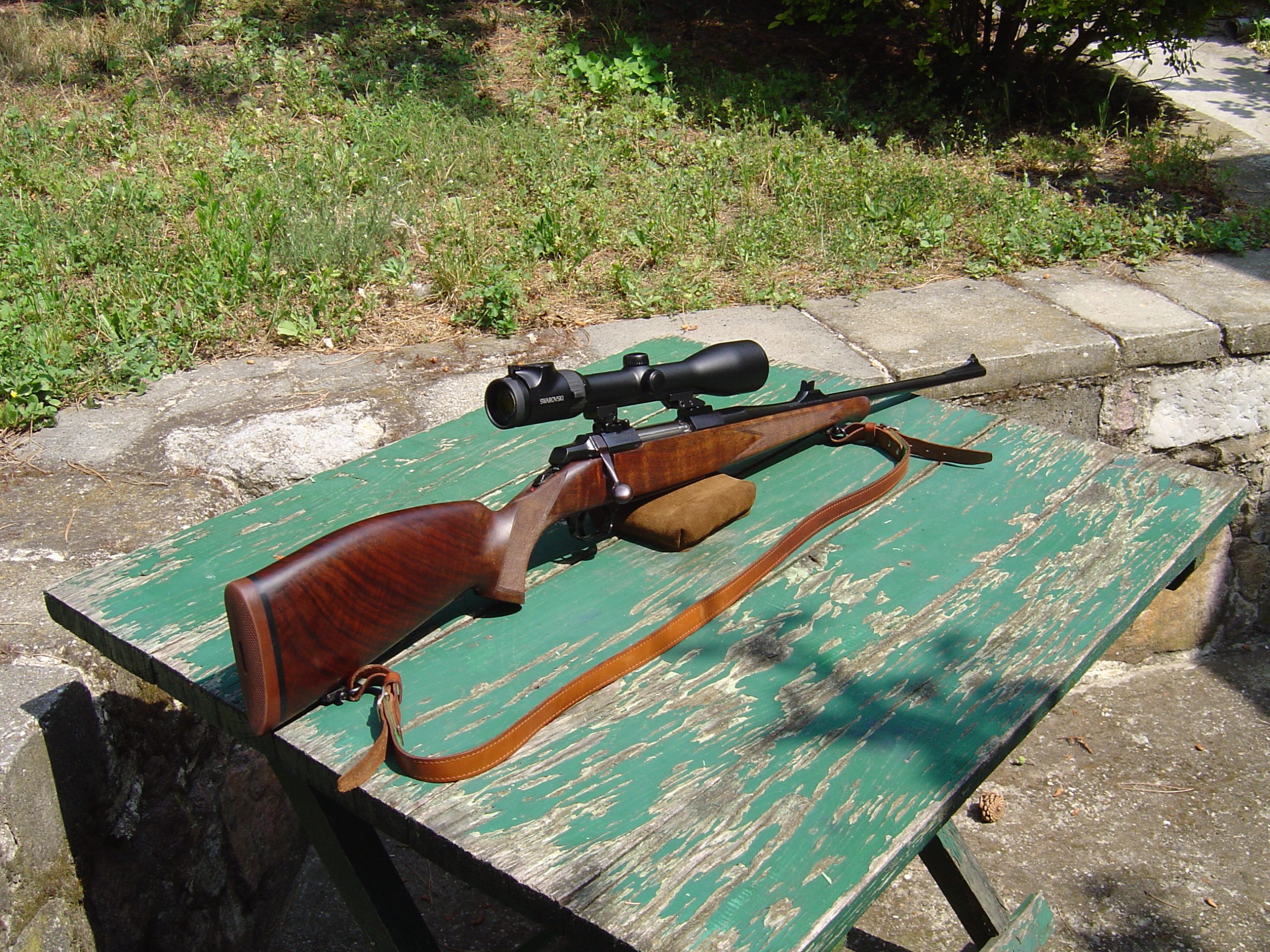
The .30-06 Springfield cartridge was adopted by the US military in 1906 and later became a major sporting-rifle chambering. Its long history, broad ammunition selection, and suitability for many hunting applications have made it familiar to generations of rural shooters. Common sporting rifles chambered for it include various models from Remington, Winchester, and other manufacturers. A farmer may keep one because it was purchased for deer or larger-game hunting rather than for everyday property work. Its performance comes with noticeable recoil and considerable noise, so proper fit, safe handling, and appropriate ammunition matter more than a rifle’s reputation alone.
7. .223 Remington Bolt-Action Rifles
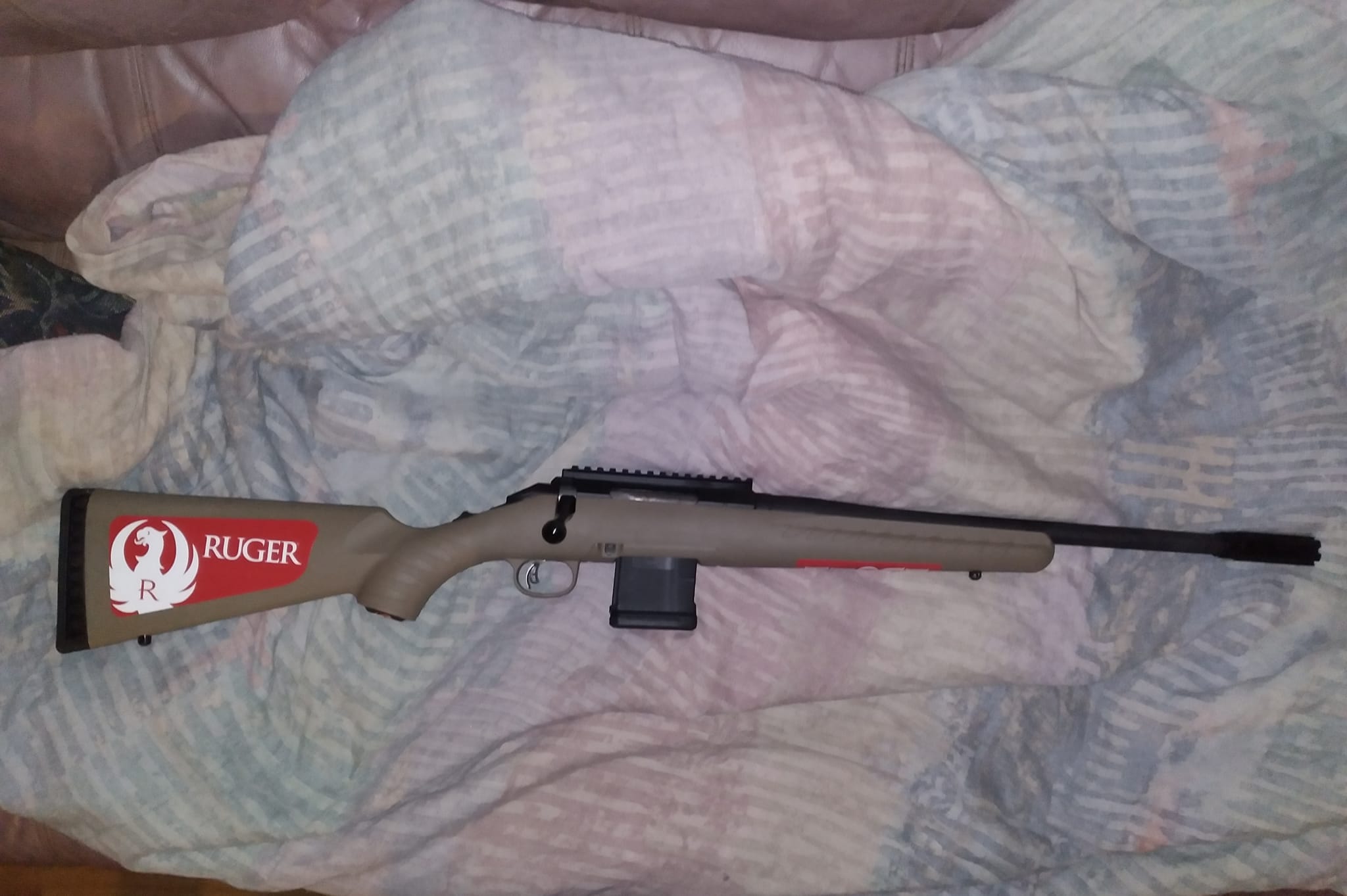
The .223 Remington became widely recognized after its commercial introduction in the 1960s and its relationship to the military 5.56×45mm cartridge. Sporting rifles chambered in .223 Remington are available from several manufacturers, including Ruger and Savage. Some rural owners appreciate the cartridge’s availability and its use in lawful target shooting and selected hunting situations where permitted. However, .223 Remington and 5.56×45mm should not automatically be treated as interchangeable in every firearm. Chamber specifications matter, and the manufacturer’s instructions must be followed. Its comparatively small bullet does not eliminate risks to livestock, people, buildings, or anything beyond the intended target.
8. .410-Bore Shotguns
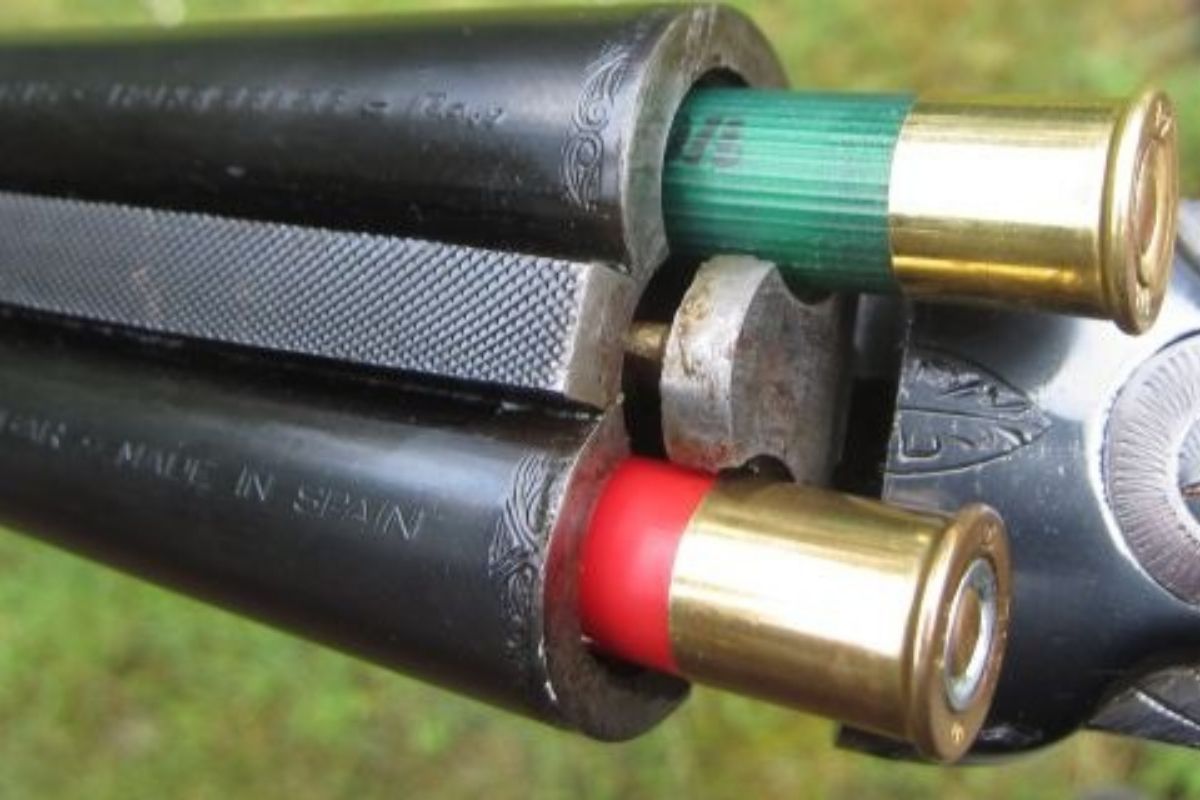
The .410-bore shotgun is often associated with compact sporting firearms and a long history of use by experienced shooters. Despite its small bore, it remains a real firearm that demands the same careful handling as larger shotguns. Some people encounter .410 models through family sporting traditions, recreational target shooting, or hunting activities where local laws permit. The ammunition is less substantial than typical 12-gauge loads, but that does not make the firearm appropriate for every situation. Its limited payload can also make it less forgiving for certain sporting applications. Farmers considering one need to understand its limitations, select suitable ammunition, and follow all relevant safety and wildlife regulations.
9. Break-Action Single-Shot Rifles
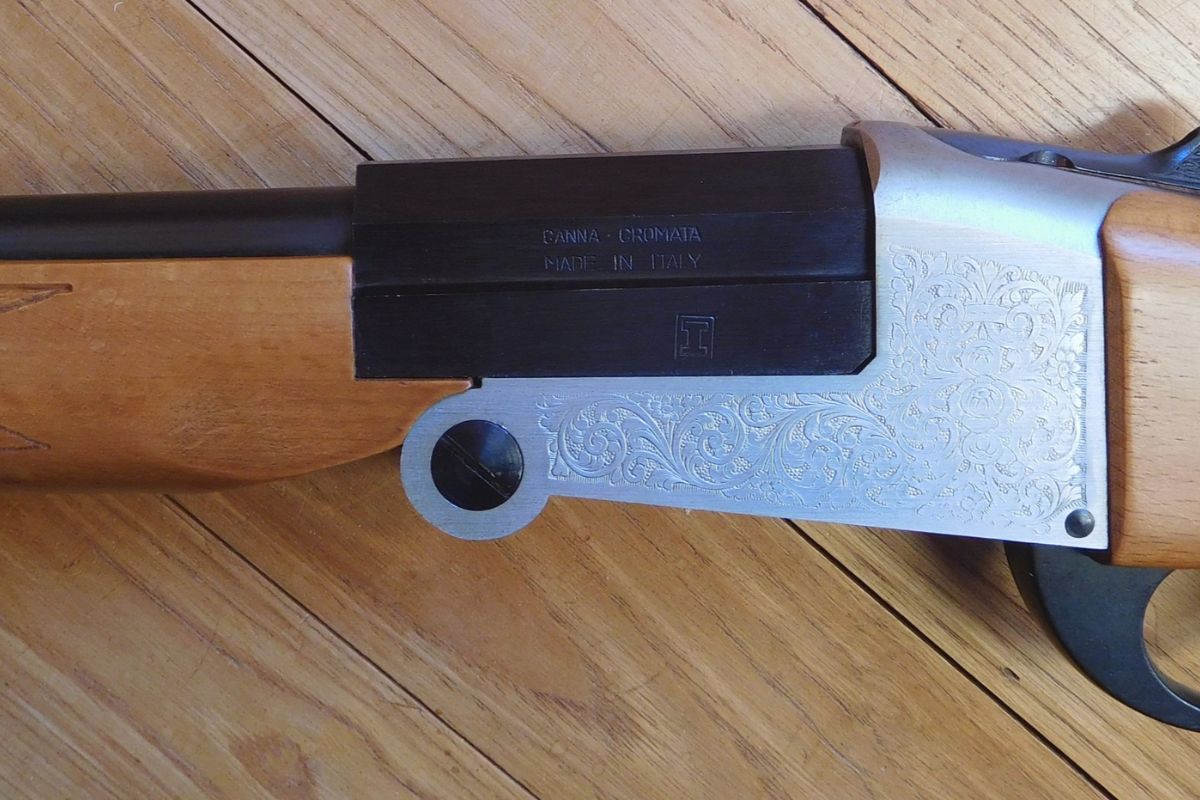
Single-shot rifles have a long history in rural communities, partly because their relatively simple mechanism can appeal to owners who value uncomplicated equipment. Models such as the Henry Single Shot Rifle demonstrate how the traditional concept remains available in modern sporting designs. Depending on the chambering, these rifles can serve lawful target-shooting or hunting purposes. Their one-round capacity also encourages deliberate operation rather than rapid follow-up shots. Nevertheless, simplicity does not mean maintenance-free operation, and a firearm’s condition must be assessed carefully. A single-shot rifle should be stored unloaded in a secure location, with ammunition kept separately and access restricted to authorized adults.
10. Traditional Break-Action Shotguns
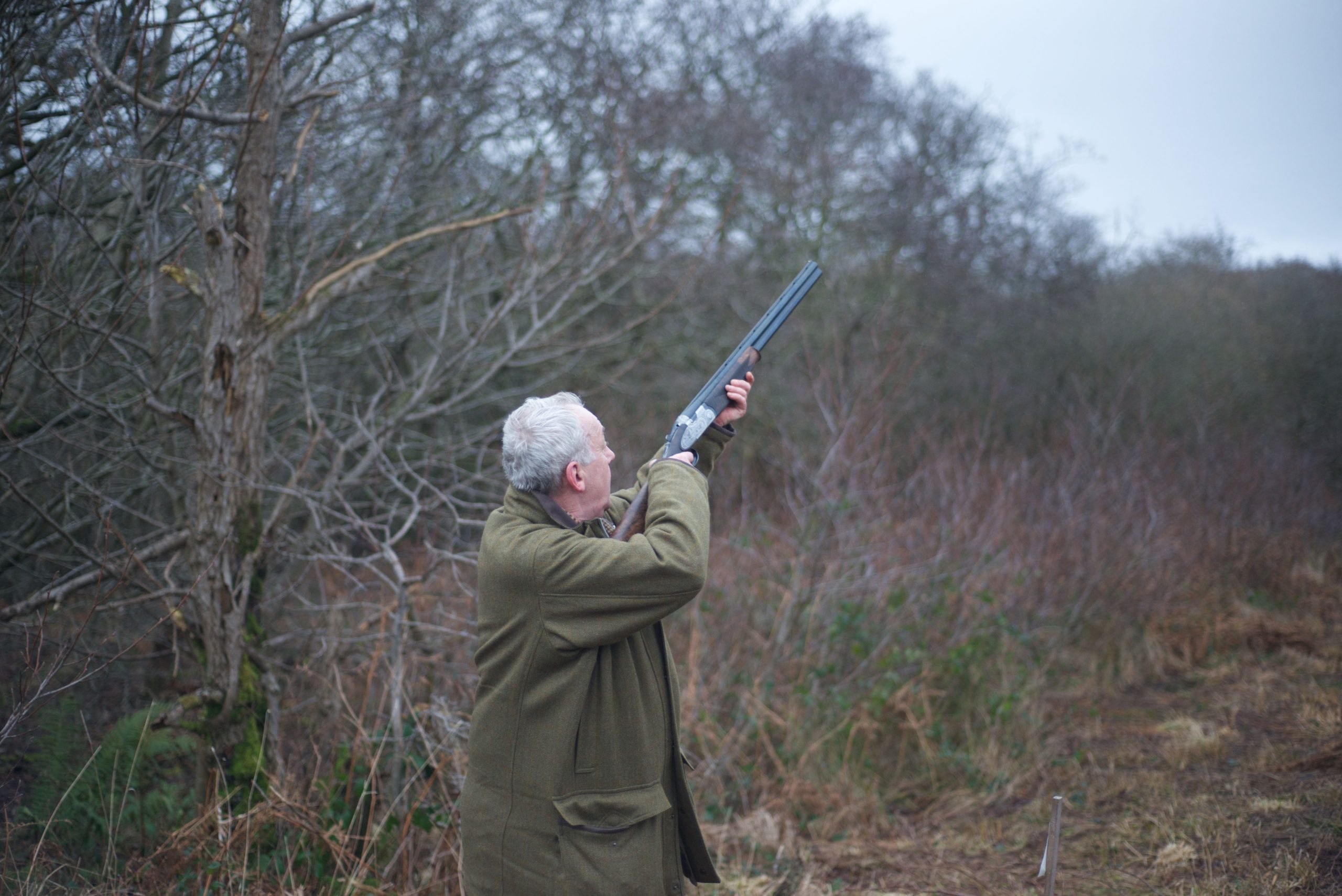
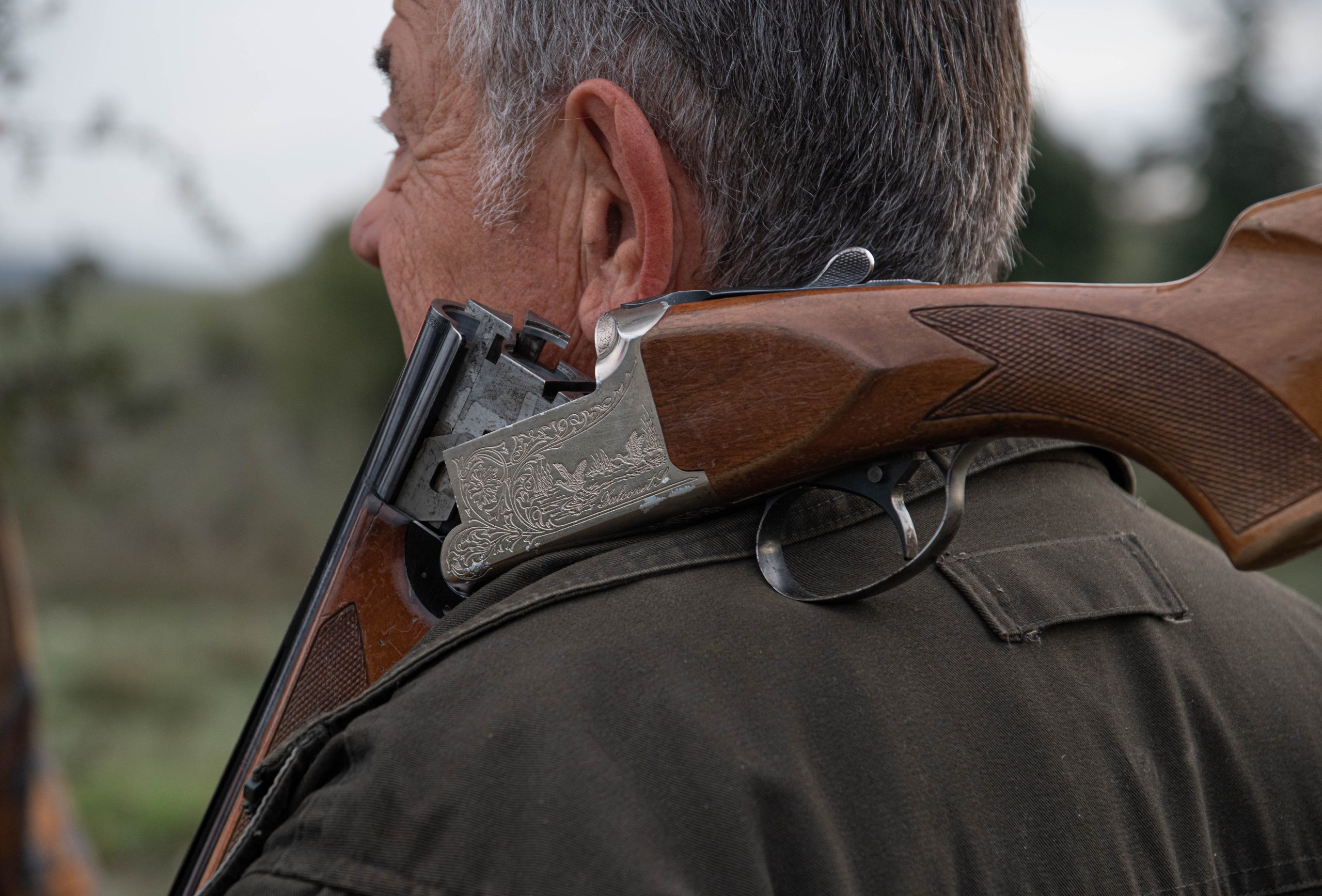
Break-action shotguns remain familiar in many rural sporting traditions because their basic opening and closing mechanism is easy to understand. Single-barrel and double-barrel versions have existed for generations, with modern examples available in several gauges. Some families keep older models because of sentimental value, while others use them for lawful clay-target shooting or hunting. Their external simplicity can conceal important differences in age, construction, and condition. A vintage shotgun may not be safe with modern ammunition, even when its gauge appears to match. A qualified gunsmith should inspect uncertain firearms before use, and all models require secure storage away from children and visitors.