Some guns fade into museums. The Browning M2 never really did.
It Was Built So Well That Nobody Found A True Replacement
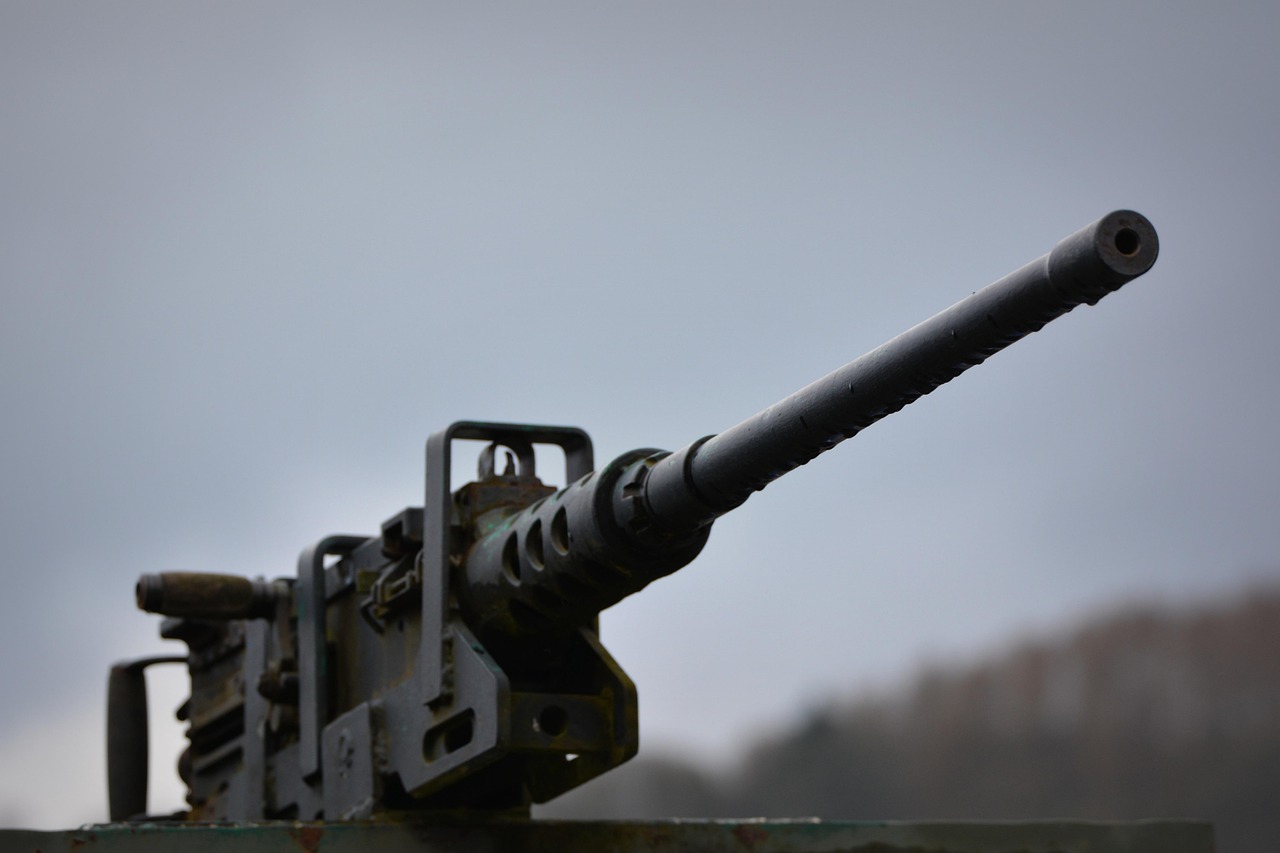
The gun in question is the Browning M2, the .50-caliber heavy machine gun better known to generations of troops as Ma Deuce. Although its roots go back to the closing phase of World War I, it became a defining battlefield weapon of World War II and remains in service across every branch of the U.S. military today. FN America still lists the M2HB-QCB in its lineup, and Army program pages still track the M2 and M2A1 as active systems.
That alone tells you something important. Militaries replace gear all the time when something clearly better comes along. In the M2’s case, that clean replacement never arrived because the original design already occupied a very useful middle ground between a standard machine gun and a cannon.
It fires the massive .50 BMG cartridge, which delivers far more reach and punch than rifle-caliber guns. That gives crews the ability to hit troops in cover, disable light vehicles, and threaten low-flying or exposed equipment without stepping up to a much heavier weapon class.
Its Power Solves Problems Smaller Guns Cannot
This is the real reason the M2 survives. A 5.56 or 7.62 machine gun is excellent for suppressing enemy infantry, but there are battlefield jobs where those rounds simply do not bring enough force.
The M2 is used when operators need range, penetration, and destructive effect against harder targets. It can tear through masonry, engine compartments, radar gear, communication equipment, and lightly armored vehicles in ways smaller machine guns cannot reliably match.
That matters on modern battlefields just as much as it did in the 1940s. Trucks, boats, fortified positions, and drone support sites still exist. So do convoy missions and perimeter defense, both of which reward a weapon that hits hard, reaches far, and keeps firing under brutal conditions.
It Fits Almost Everywhere The Military Needs Firepower

Another secret to the M2’s longevity is adaptability. This is not just a tripod gun parked in one place.
The same basic weapon can be mounted on tanks, armored vehicles, patrol boats, helicopters, fixed defensive positions, and tactical trucks. That flexibility spreads training, spare parts, and doctrine across a huge number of platforms, making the gun far more valuable than a niche system with only one role.
Once a military has a weapon that works on land vehicles, ships, aircraft, and static emplacements, replacing it becomes far more complicated. You are no longer replacing one gun. You are replacing an entire ecosystem of mounts, logistics, maintenance practices, and combat habits built over decades.
Modern Manufacturing Kept The Old Design Relevant

The M2 stayed alive because it did not remain frozen in 1944. The modern version most often discussed now is the M2A1, an upgraded configuration that improves safety and speed without changing the gun’s core identity.
According to Army materials, the M2A1 adds a quick-change barrel along with fixed headspace and timing. That is a huge improvement because the older gun required manual headspace and timing adjustment after barrel changes, a process that demanded skill and care.
The Army has also highlighted a flash hider that reduces visible muzzle flash by 95 percent at night. In plain English, the upgraded gun is easier to run, faster to service, and safer for crews while still preserving the heavy-hitting capability that made the M2 famous in the first place.
Industry Still Builds It Because Demand Never Went Away
Weapons stay in production when customers keep ordering them. That is exactly what happened here.
FN America says the M2 remains in use by all branches of the U.S. military and by many allied countries. That continuing demand matters because long service lives only happen when manufacturers can still justify tooling, workforce expertise, and parts support.
There is also an industrial comfort factor. The M2 is well understood, battle-proven, and supported by a mature supply chain. For governments, that usually means lower risk than chasing an unproven replacement that might cost more, break doctrine, or fail to outperform the old gun in meaningful ways.
Combat History Gave It A Reputation Few Weapons Ever Match
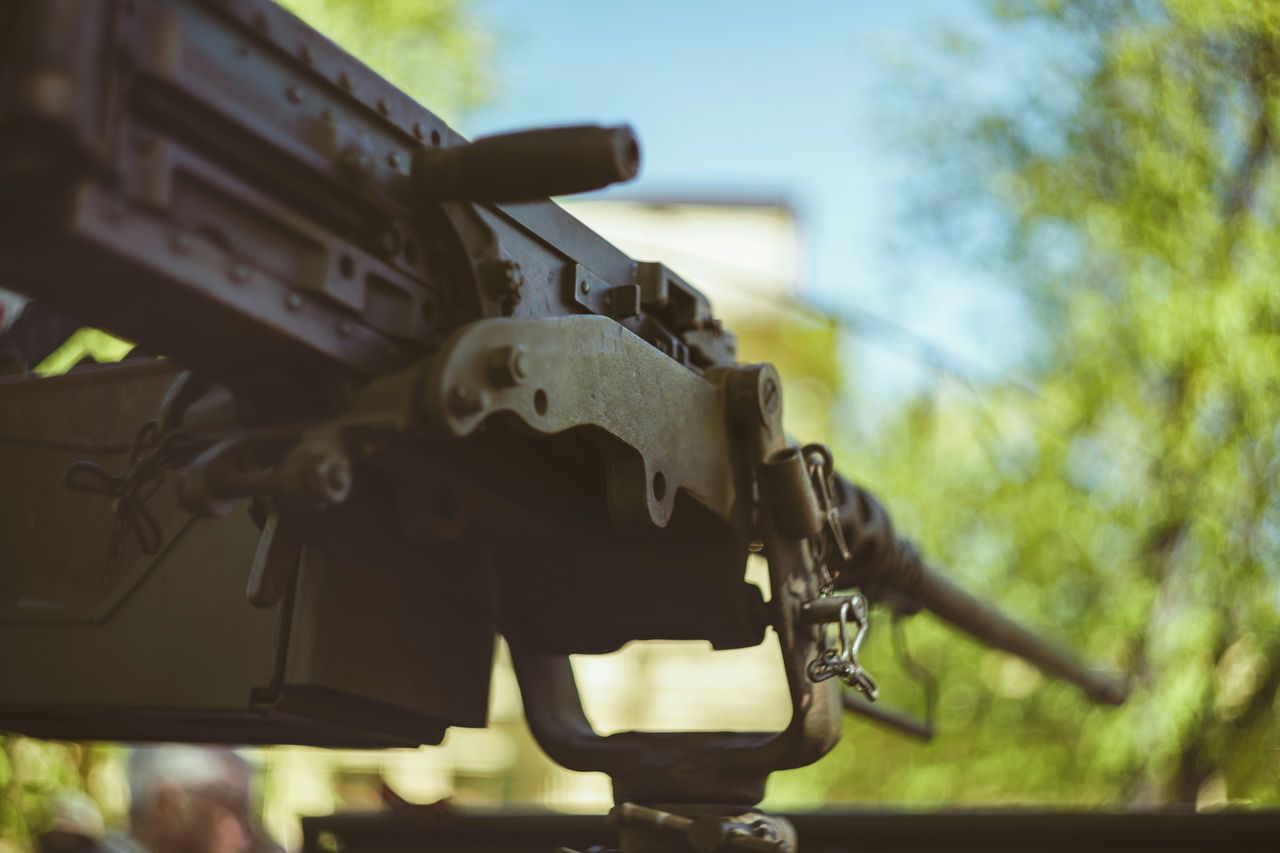
Reputation is not everything, but with military hardware it matters. The M2 built its reputation across World War II, Korea, Vietnam, the wars in Iraq and Afghanistan, and countless smaller deployments.
Troops learned they could trust it. Armor crews trusted it on vehicles. Convoy gunners trusted it on exposed mounts. Defensive teams trusted it when they needed long-range fire with serious stopping power.
That kind of confidence becomes self-reinforcing. Commanders keep a weapon when it has decades of real-world proof behind it, especially when it continues to perform against current threats. The M2 is still around because of nostalgia. It is still around because it kept earning its place.
The Bigger Lesson Is That Good Design Ages Differently
The Browning M2 is still being manufactured today because it solved a hard problem so effectively that time never pushed it aside. It delivers a rare mix of durability, firepower, flexibility, and upgrade potential.
Most old weapons disappear because technology leaps past them. The M2 survived because technology mostly refined the package around it instead. Better barrels, safer operation, improved flash suppression, and modern production methods extended the life of a design that was already close to timeless.
That is why this WWII icon is still leaving the factory. Not as a historical curiosity, but as a current-production answer to a battlefield need that never went away.