Some of the most fascinating American military projects were not secret because they failed, but because secrecy was considered part of their value. During the Cold War, aircraft, missiles, spaceplanes, and reconnaissance systems could be developed behind layers of classified budgets and restricted information. A small correction is important, though: the U.S. government did not literally deny that every project below existed. Several were classified for years before being officially acknowledged or declassified. Their hidden development, unusual missions, and eventual cancellation helped create the legends surrounding them.
1. A-12 OXCART
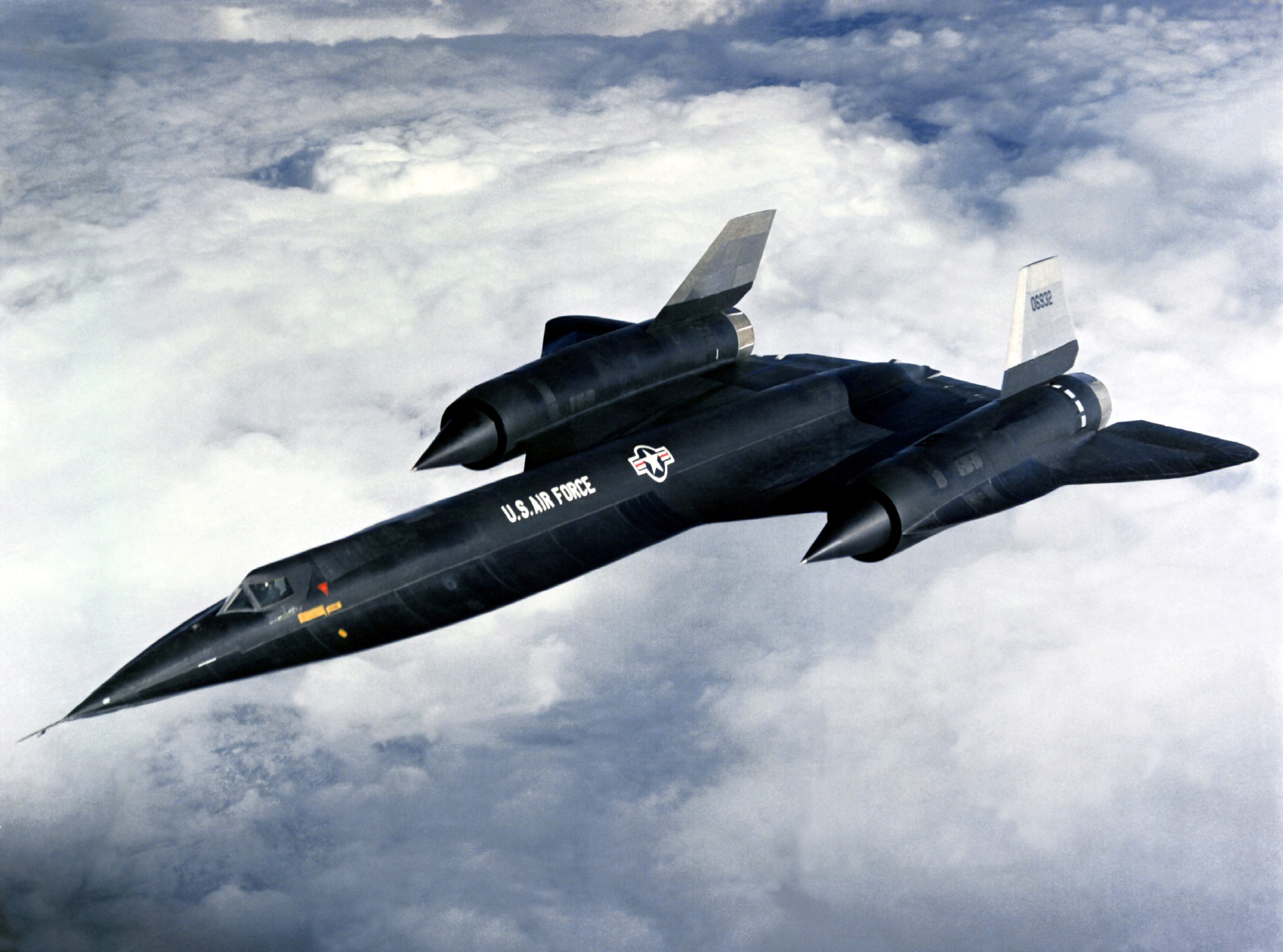
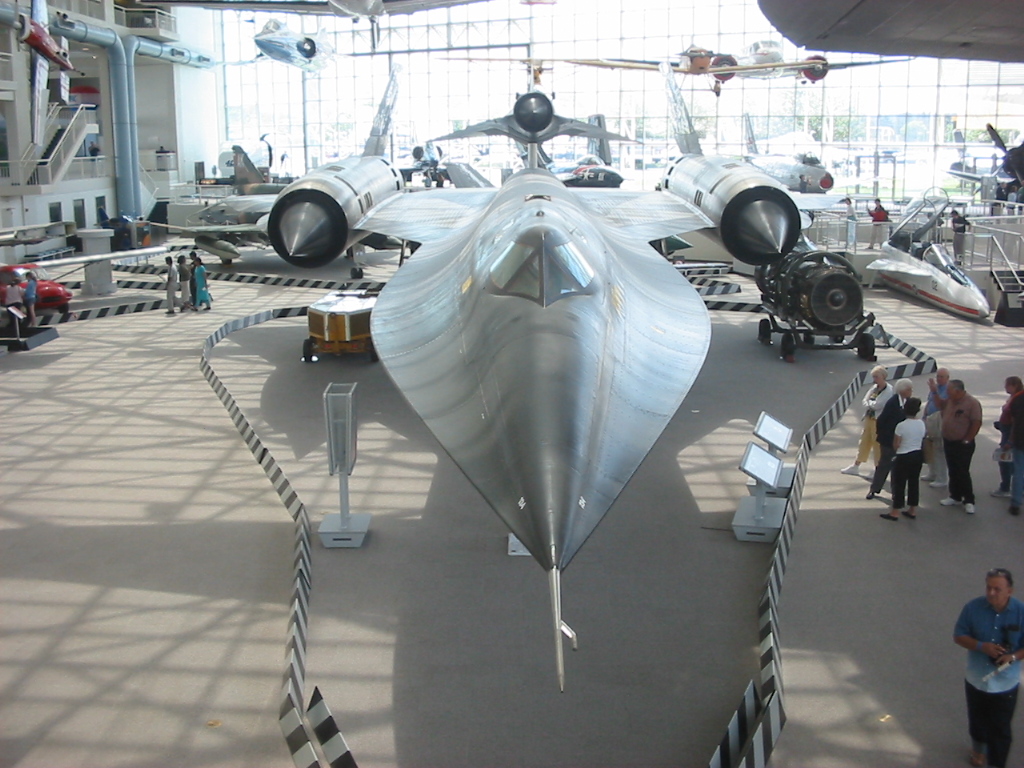
A-12 OXCART was built as a secret answer to a serious Cold War problem: the U-2 was becoming easier for Soviet defenses to detect. CIA records show that Lockheed received the contract in 1959, with Air Force and Defense Department support. The aircraft reached about Mach 3.2 at 90,000 feet, and 15 were built. Three later flew operationally in Asia. Its existence remained classified for years, which helped create the myth that Washington denied the aircraft altogether. The program finally ended in 1968, after the A-12 had completed its last mission.
2. Boeing X-20 Dyna-Soar
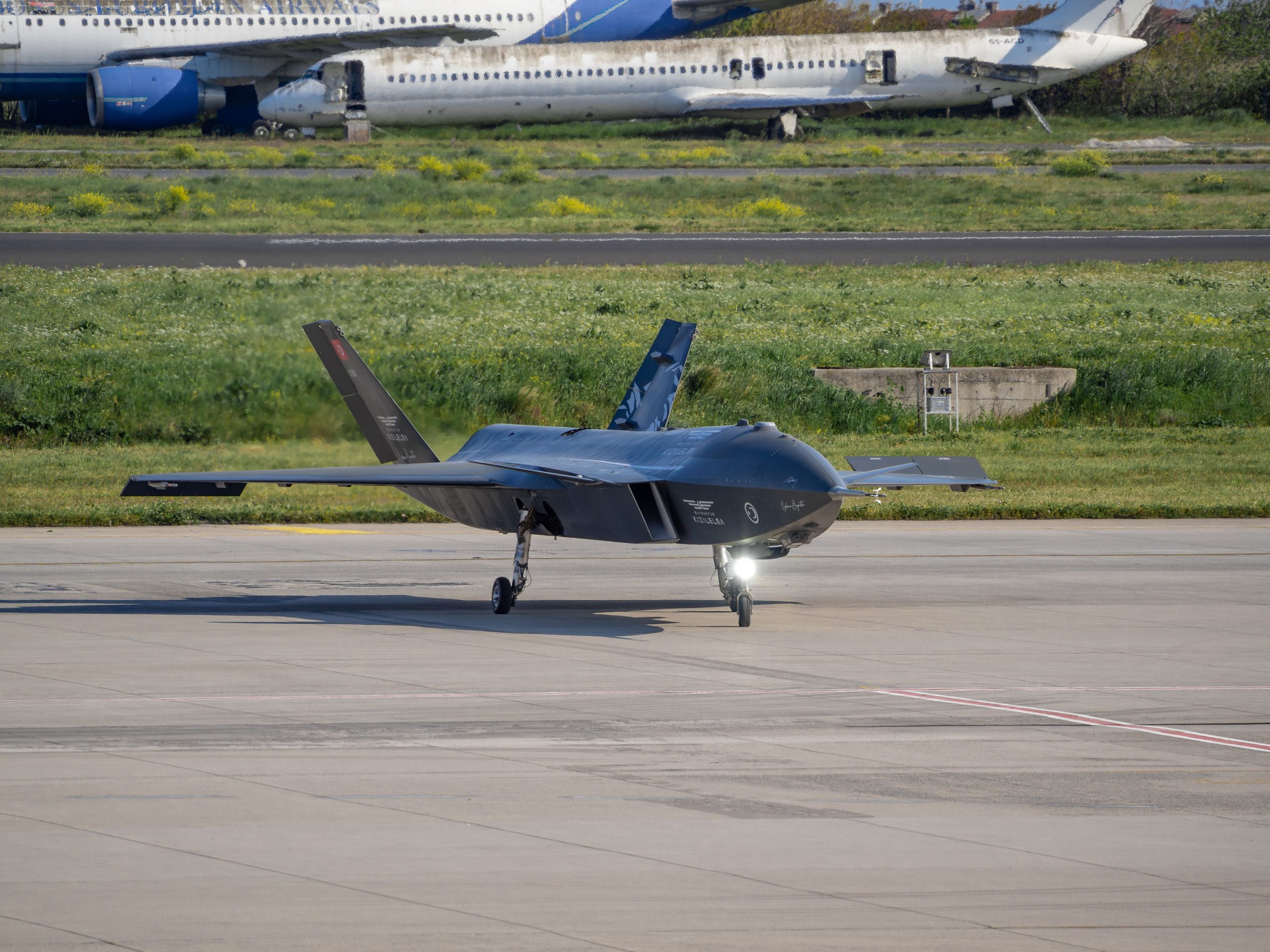
The Boeing X-20 Dyna-Soar was far more than a science-fiction sketch. Begun in 1957, it envisioned a piloted, reusable winged vehicle launched by a rocket, able to perform reconnaissance or bombing missions before gliding back to a runway. The Air Force spent roughly $853.23 million on the program, yet no completed glider ever flew. It was cancelled in December 1963 after technical problems, high costs, and competition from NASA. Later, its research fed work on heat protection, reentry, pilot control, and reusable space vehicles, including technology relevant to the Shuttle.
3. Project Pluto
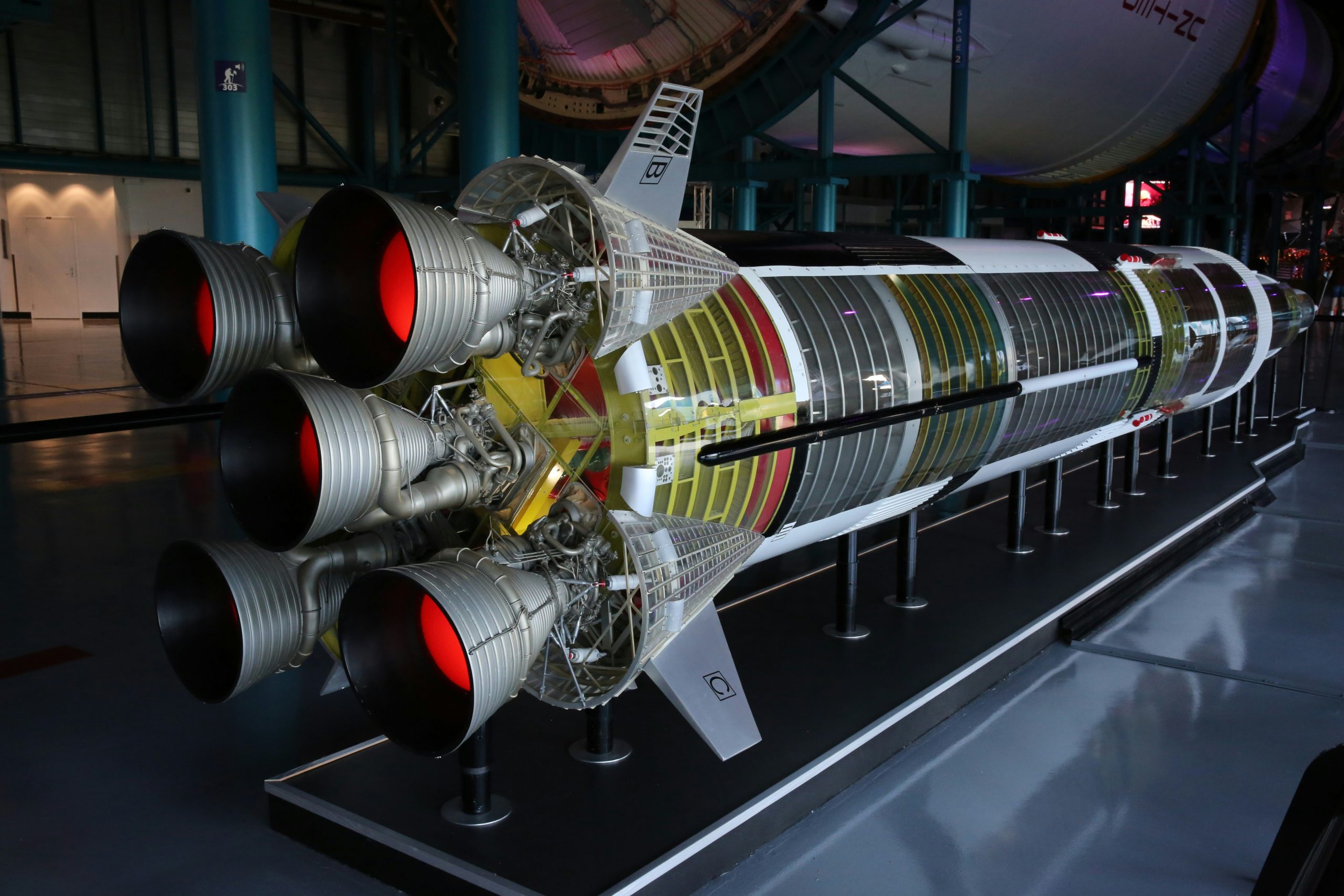
Project Pluto pushed the idea of a nuclear-powered cruise missile into territory that sounds almost unreal today. The United States funded the program in the 1950s to develop a ramjet-powered missile that could fly for extremely long periods at low altitude. Tests centered on a reactor called Tory, while the concept was intended to carry a nuclear warhead. The project never became an operational weapon. Pluto was cancelled in 1964 as missile technology and strategy changed. Its secrecy meant the public learned little until documents and historical accounts emerged much later, leaving it as one of the Cold War’s strangest abandoned weapons concepts.
4. Have Blue
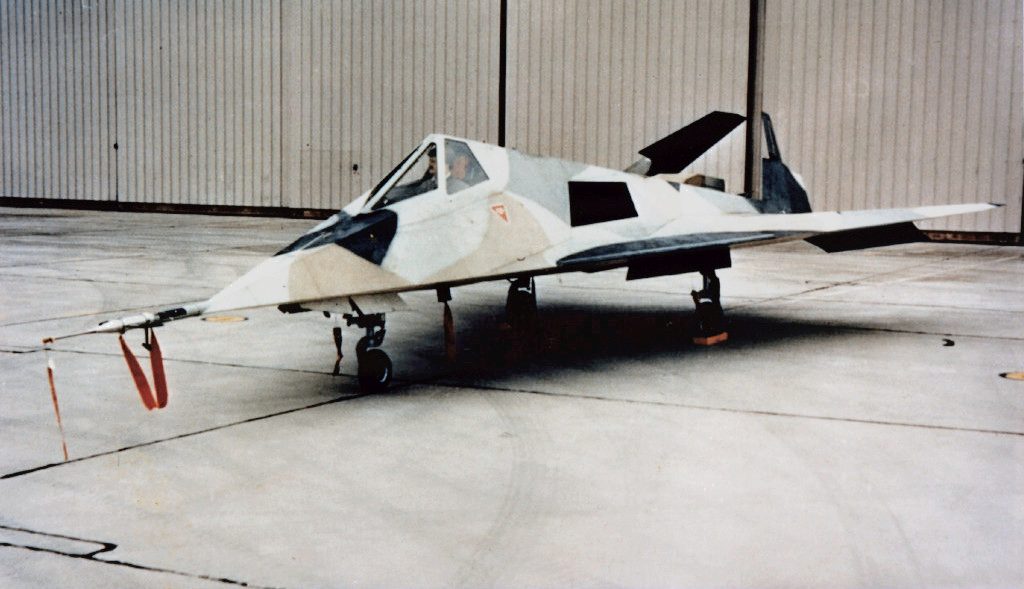
The Have Blue demonstrator was one of the quiet beginnings of modern stealth aviation. Developed by Lockheed for the U.S. military, it tested faceted shaping, radar-signature reduction, and flight-control ideas that could make an aircraft harder to detect. Two prototypes were built, and both were eventually lost in accidents, but the concept proved important enough to lead to the F-117 program. The work stayed classified for years, leaving photographs and reliable details scarce. Its significance became clearer only after stealth technology and the F-117 were publicly acknowledged. Have Blue therefore became a crucial stepping stone toward America’s first operational stealth aircraft.
5. Tacit Blue
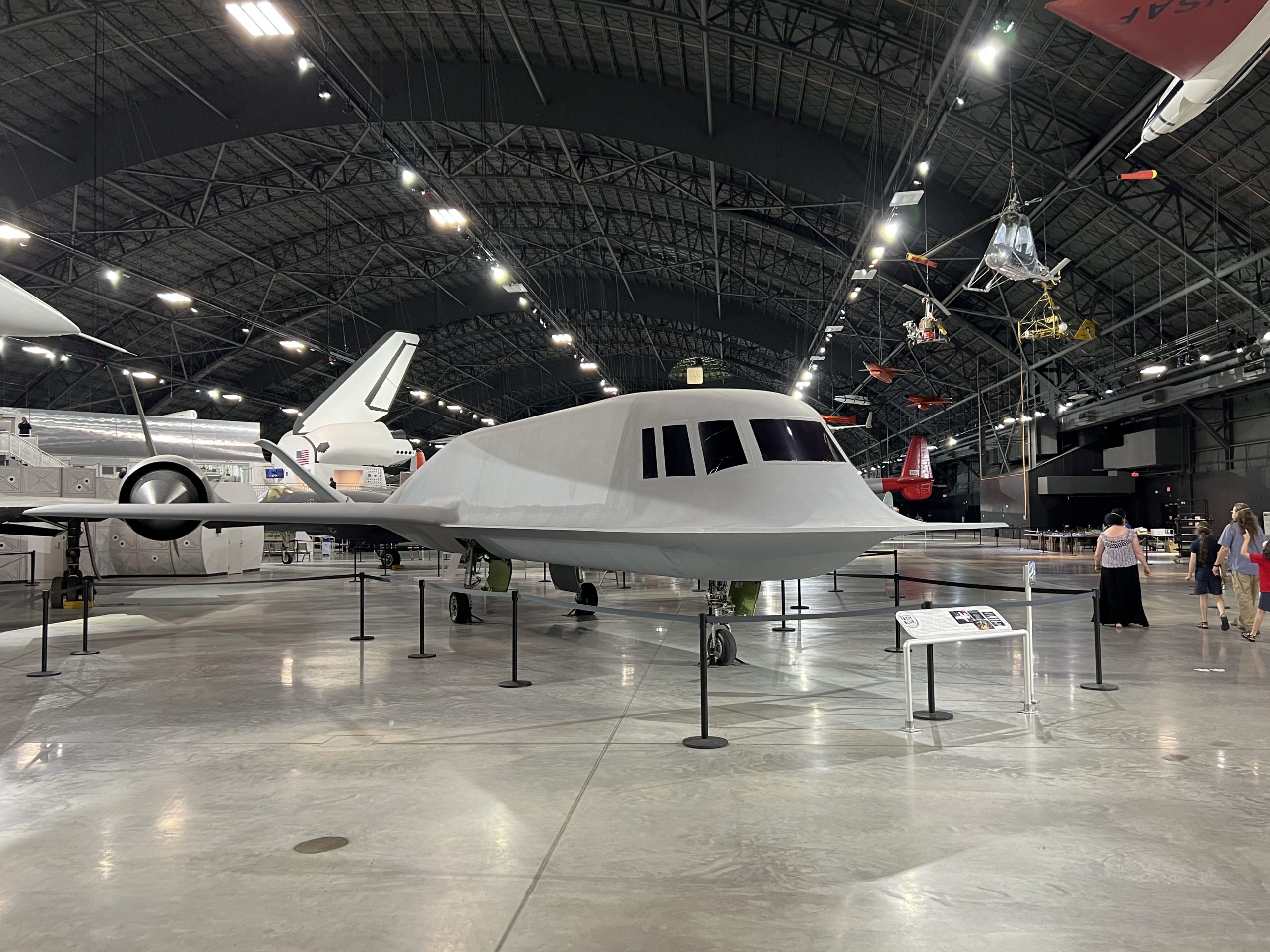
Tacit Blue looked unlike a conventional combat aircraft, and that was part of its purpose. Built for the U.S. Air Force around 1980, the demonstrator explored low-observable design, advanced sensors, and ways to gather battlefield information while lowering its chance of detection. Only one aircraft was built. It flew roughly 135 test missions before the program ended in 1985. The project stayed classified for years, then was revealed publicly in 1996. Its technology influenced later stealth aircraft, making it an important bridge between experimental research and operational systems. Its rounded appearance also showed that stealth did not always require the sharp geometry associated with the F-117.
6. F-117 Nighthawk
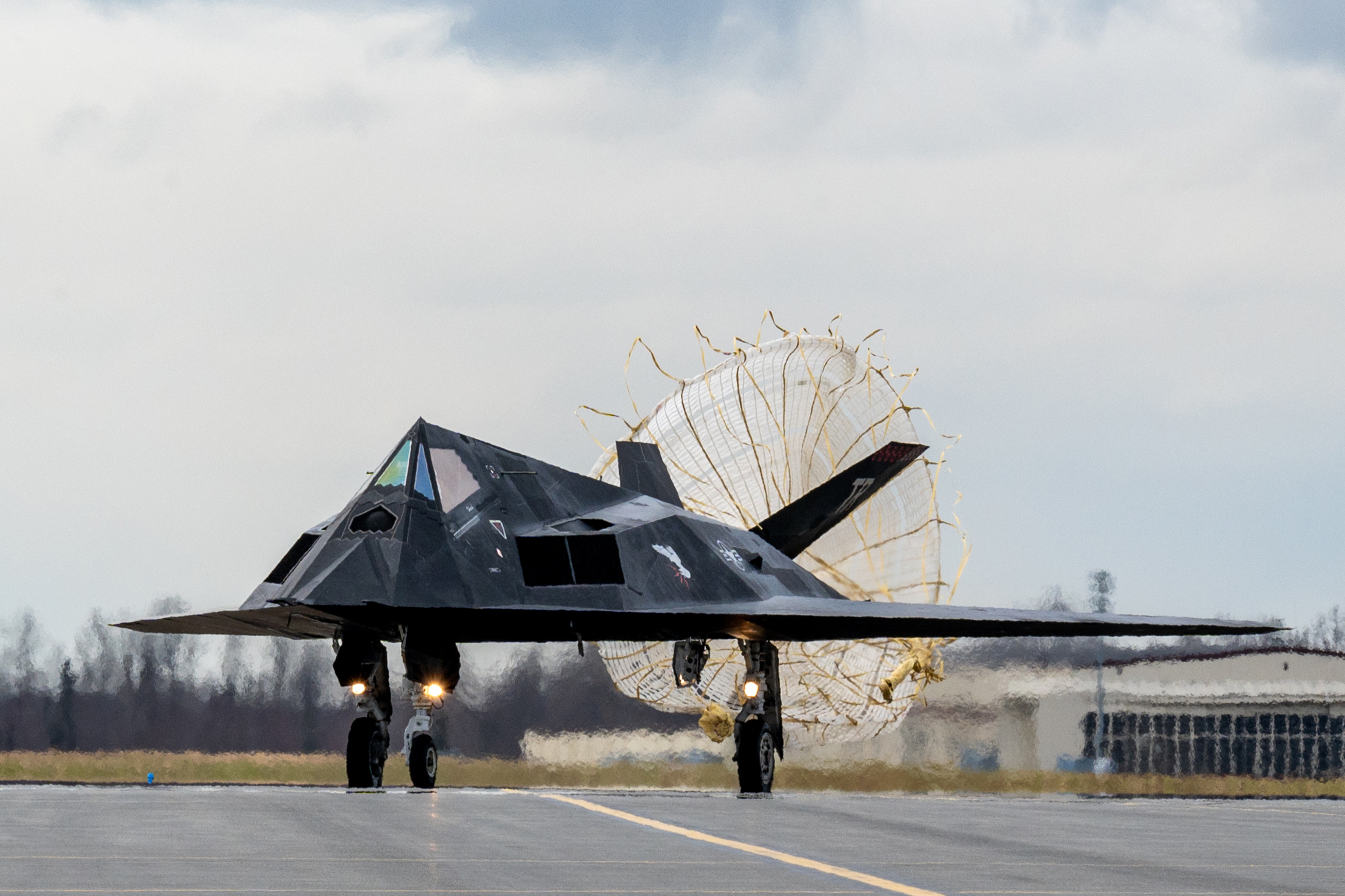
The F-117 Nighthawk became one of the clearest examples of a military aircraft existing in secret before the public knew its name. Development grew from the stealth work tested by Have Blue, and the aircraft entered operational service in 1983. The Air Force kept it classified until 1988, when it acknowledged the aircraft and released a photograph. About 59 F-117s were produced, with the fleet later used in conflicts including Panama, the Gulf War, Kosovo, and Iraq. Its angular appearance reflected a design priority that mattered more than conventional aerodynamics: reducing radar detection.
7. YF-12A Interceptor
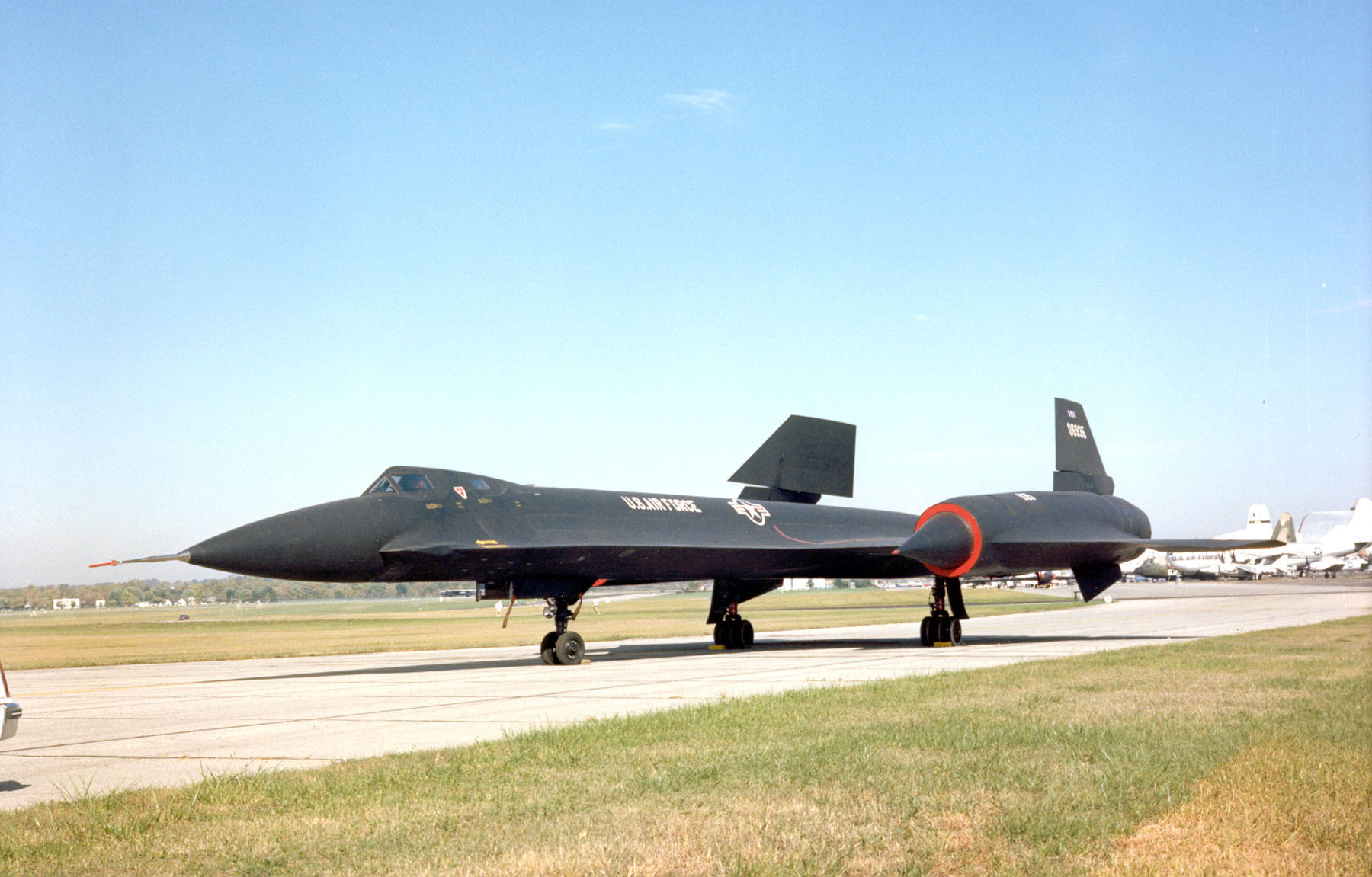
The YF-12A was a secret offshoot of the A-12 family, created as the Air Force explored turning the high-speed design into an interceptor. Three aircraft were built between 1963 and 1964, each carrying three air-to-air missiles and a second crew member for fire control. The Air Force considered a fleet of 100 aircraft, but that plan never materialized. Defense Secretary Robert McNamara cancelled the interceptor project in 1968. It never became an operational weapon, but the program demonstrated how a classified reconnaissance aircraft could be reshaped for a radically different military mission.
8. M-21 and D-21
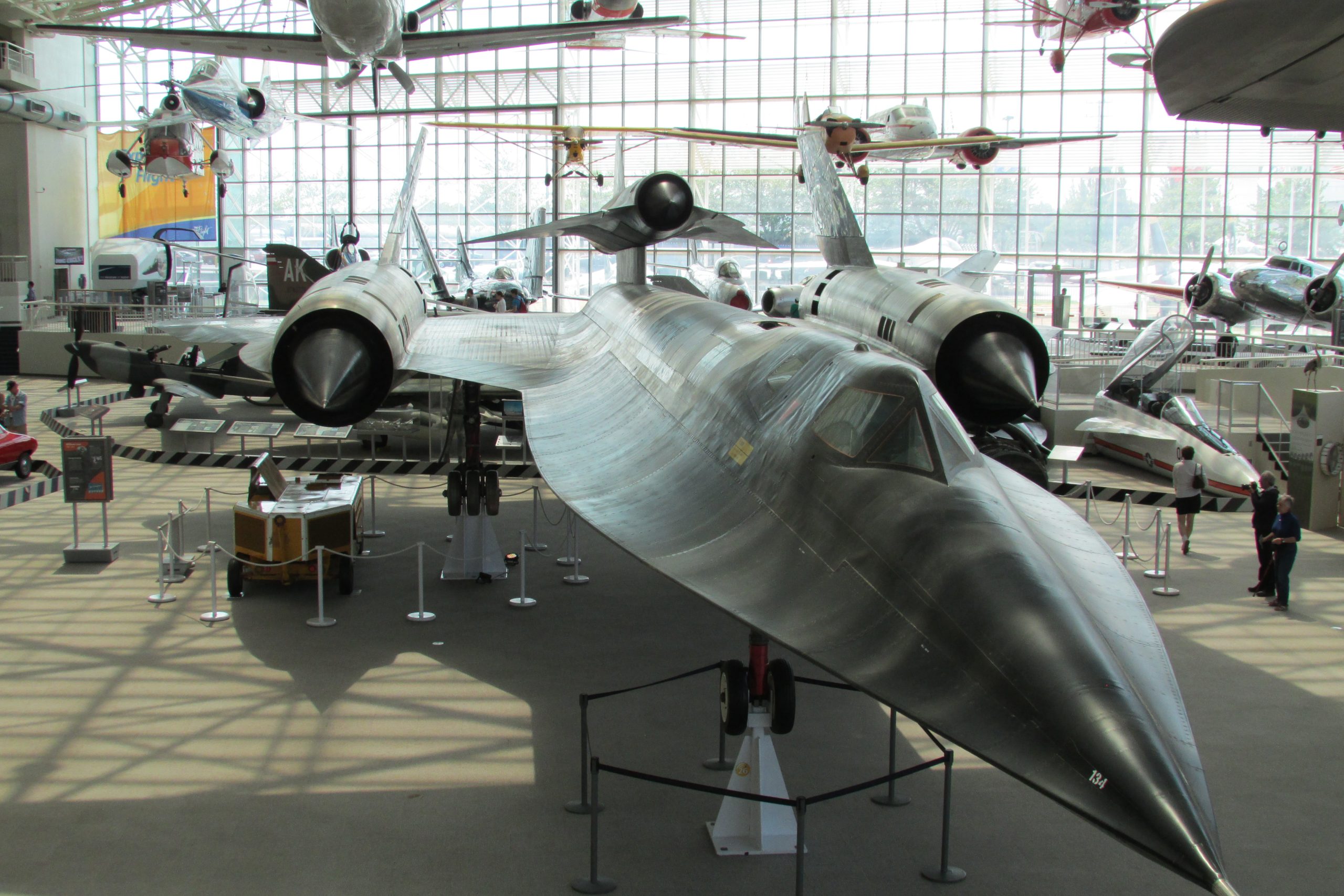
The M-21 was another little-known branch of the OXCART family, designed to carry the D-21 reconnaissance drone. The launch aircraft was based on the A-12, while the unmanned vehicle was intended to fly deep reconnaissance missions without putting a pilot directly over the target. Two M-21s were built, and one was lost during a 1966 test accident that killed an employee. The D-21 program later continued with B-52 launches, but its operational history remained highly secret. The project shows how one classified aircraft program could generate an entire chain of experimental systems.