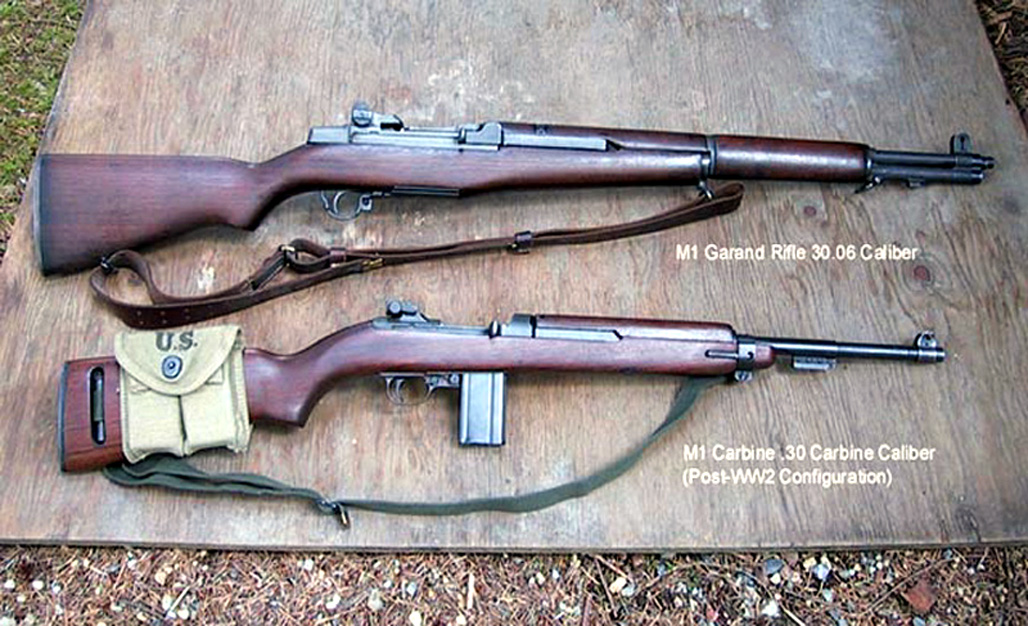
The M1 Carbine holds a distinctive place in American military history because it offered a lighter alternative to the full-size rifles used during World War II. Designed for portability and ease of handling, it served personnel who needed more than a handgun but did not necessarily require a standard infantry rifle. Its development involved new manufacturing methods, a dedicated cartridge, and contributions from several American companies. From its wartime introduction in 1942 to its service in later conflicts, the M1 Carbine became one of the most recognizable military firearms of the 20th century.
1. It Was Introduced During World War II
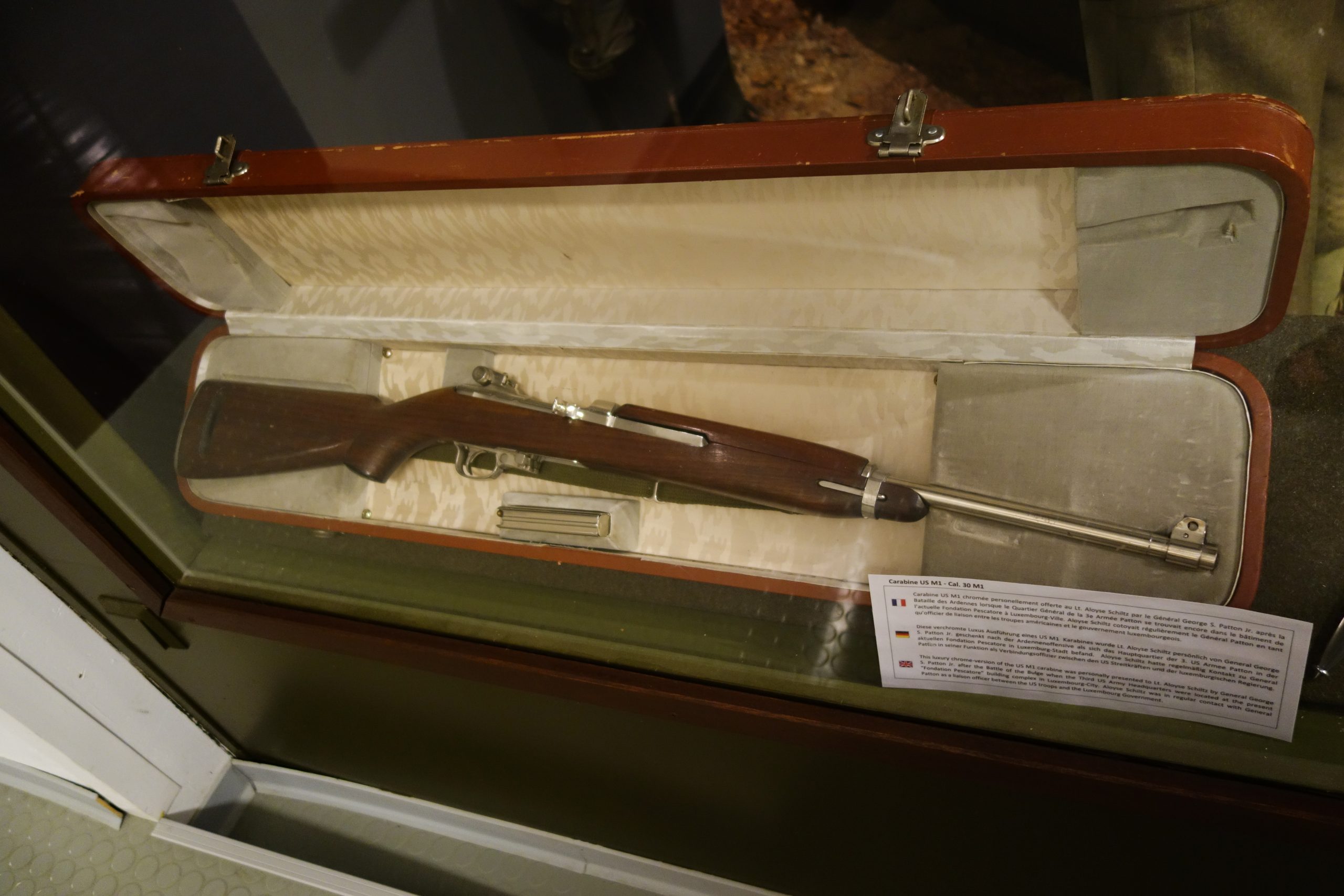
The U.S. Army adopted the M1 Carbine in 1941, and production models entered service in 1942 during World War II. It gave support troops, radio operators, and drivers a firearm lighter than the standard M1 Garand. At about 5.2 pounds unloaded and roughly 35.6 inches long, it was easier to carry through vehicles, buildings, and crowded positions. It was not intended to replace the Garand for every infantry role; instead, it filled a practical gap between a service rifle and a pistol. Its design answered a specific need for mobility among military support personnel.
2. Its Lightweight Design Set It Apart

The M1 Carbine stood out for its manageable size. Weighing around 5.2 pounds unloaded, it was considerably lighter than the approximately 9.5-pound M1 Garand, making it less tiring to carry over a long shift. Its overall length was about 35.6 inches, which helped in vehicles and confined spaces. The compact layout suited personnel who needed to move frequently while carrying radios, medical kits, or other equipment. That portability was central to the carbine’s purpose, not simply a cosmetic difference from larger rifles. It was a practical advantage for many support roles.
3. It Used a Cartridge Made for Its Role
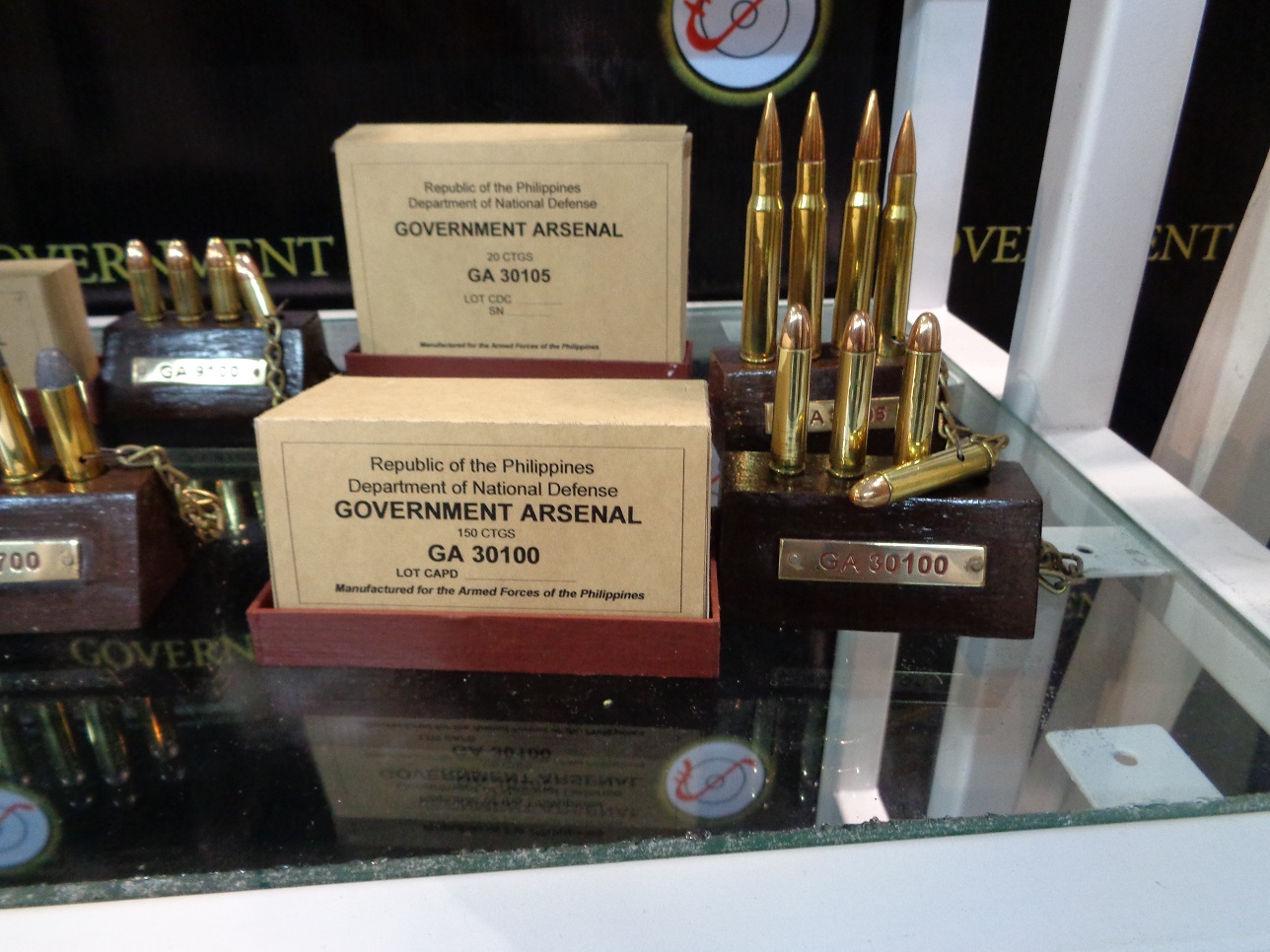
The M1 Carbine fires the .30 Carbine cartridge, introduced alongside the firearm in the early 1940s. Its 110-grain bullet was designed to offer more reach and power than a typical pistol cartridge while producing less recoil than full-power rifle ammunition. Muzzle velocity was commonly around 1,990 feet per second, depending on ammunition and test conditions. The cartridge was not equivalent to the .30-06 Springfield used by the M1 Garand, and the two were not interchangeable. This purpose-built round helped define the carbine’s distinct place in military service.
4. Several American Companies Built It
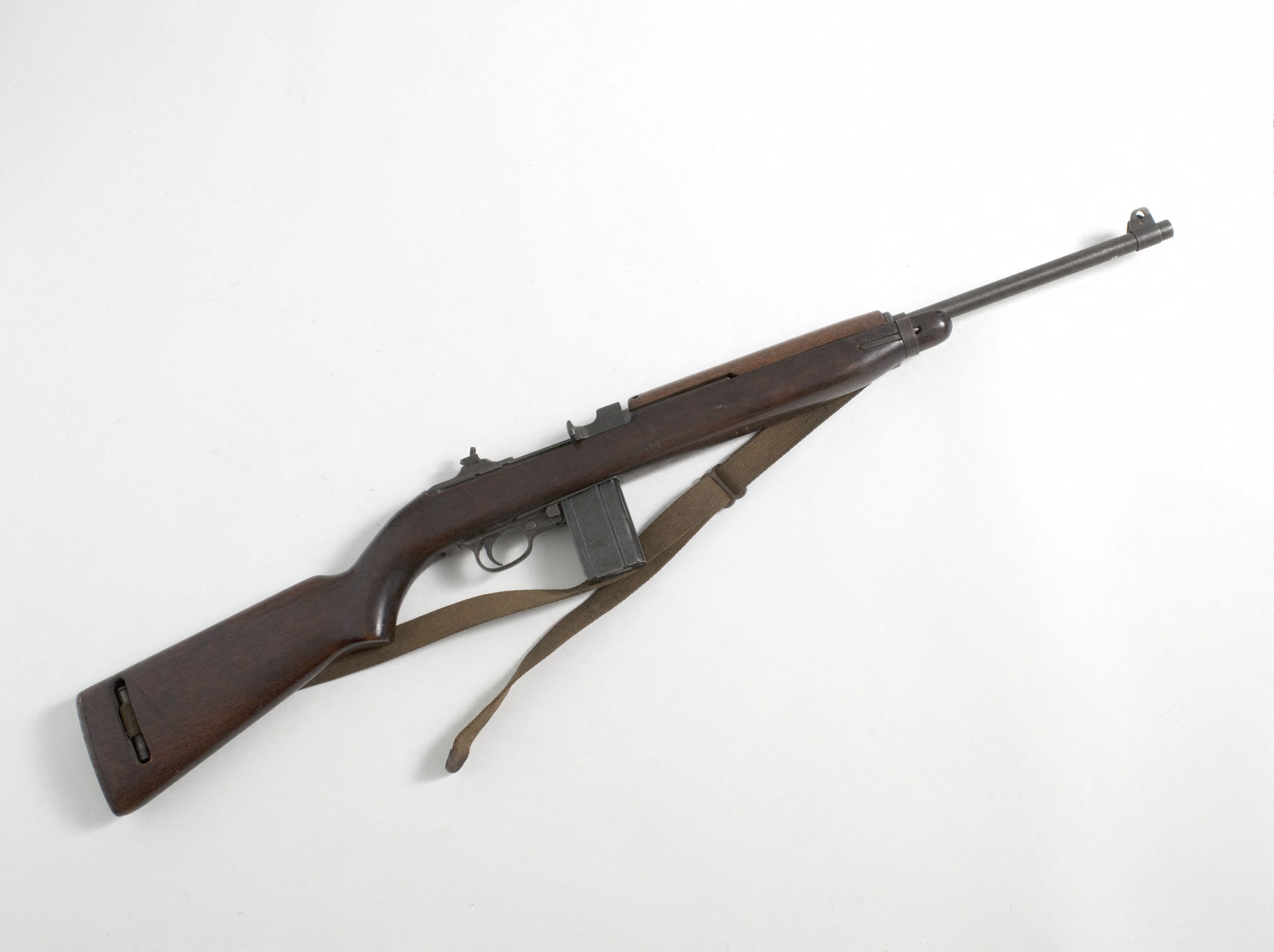
M1 Carbine production became a coordinated manufacturing effort during World War II. Inland Division of General Motors was the largest producer, while firms including Winchester, IBM, and others also contributed. Production exceeded 6 million carbines by the war’s end, though totals vary slightly by accounting method. Bringing automobile, typewriter, and other industrial expertise into firearm production showed how broadly American factories were mobilized. Different makers followed shared military specifications, so their carbines served the same role despite differences in markings.
5. Its Standard Magazine Held 15 Rounds
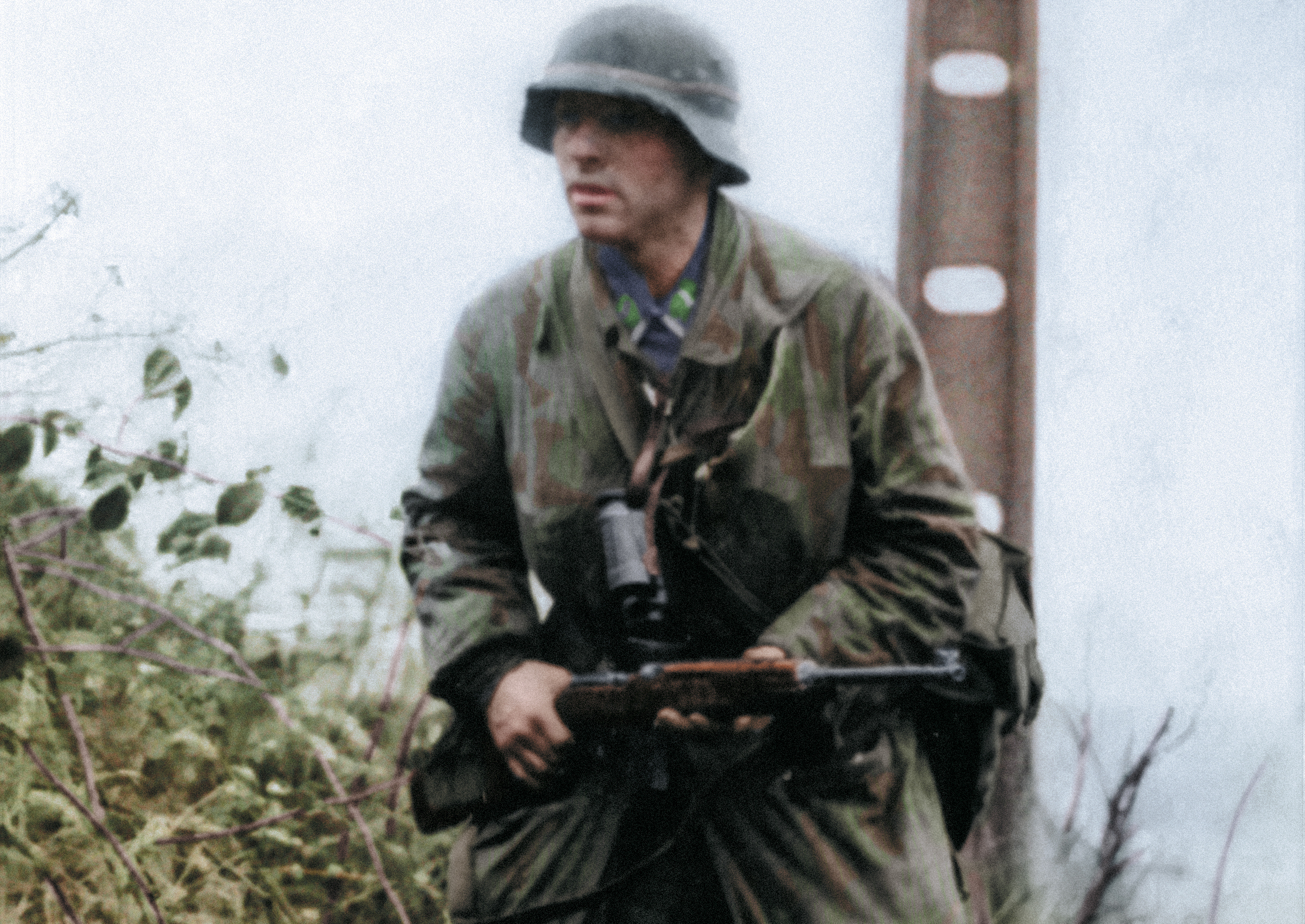
The original M1 Carbine used a detachable box magazine holding 15 rounds of .30 Carbine ammunition. That capacity gave users more shots before reloading than many contemporary service pistols, while keeping the firearm compact. A 30-round magazine was developed later and became associated with the M2 Carbine, the select-fire version introduced near the end of World War II. Magazine types should not be confused with the firearm’s original configuration: the 15-round magazine was standard for the M1. As with any historic firearm, safe handling and compliance with local laws remain essential.
6. The M1 Garand and M1 Carbine Were Different
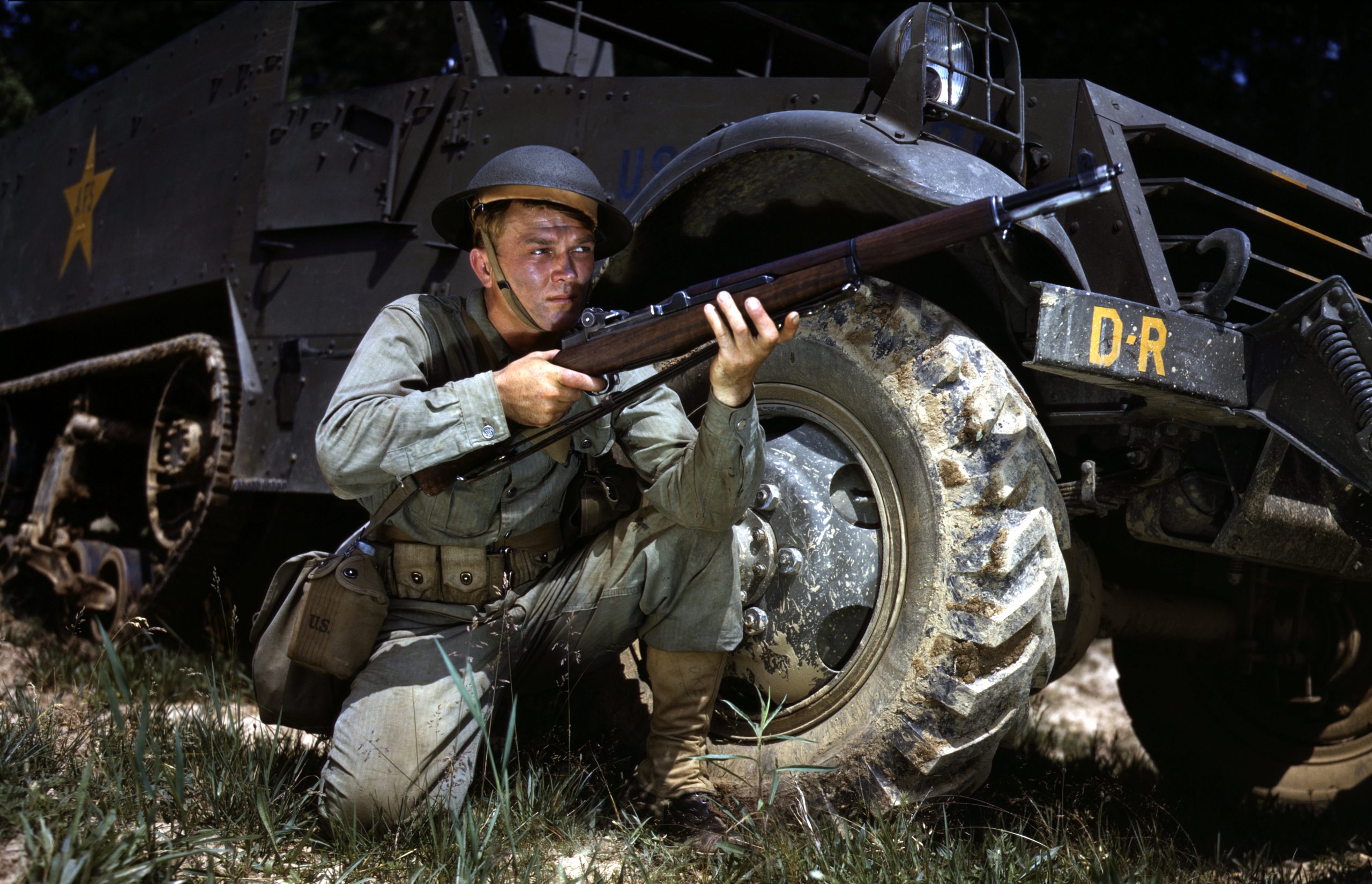
Despite sharing the M1 designation, the M1 Carbine and M1 Garand were separate firearms built for different purposes. The Garand fired the full-power .30-06 cartridge and weighed about 9.5 pounds unloaded; the carbine fired the smaller .30 Carbine round and weighed roughly 5.2 pounds. The Garand was a primary infantry rifle, while the carbine was intended mainly for personnel who needed a lighter weapon. Their ammunition, operating details, and battlefield roles differed. The shared name reflects U.S. military naming practice, not a common cartridge or interchangeable parts.
7. A Select-Fire Version Followed in 1944
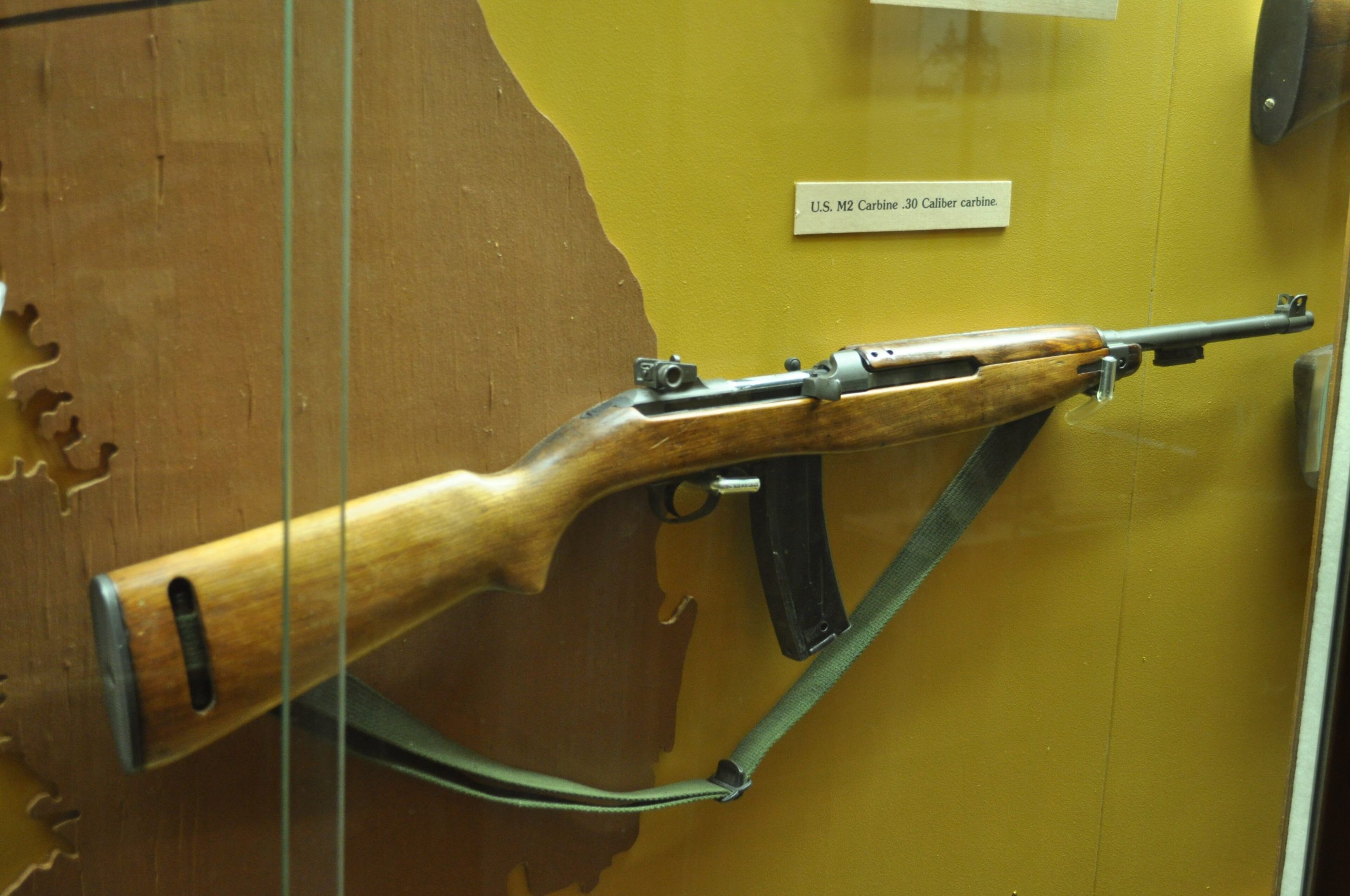
The M2 Carbine entered production in 1944 and added selective fire, allowing semiautomatic or fully automatic operation. It was developed as combat needs evolved, with a 30-round magazine commonly associated with the later model. The M1 Carbine, by contrast, was semiautomatic only and was originally issued with a 15-round magazine. The M2’s additional mechanism made it a distinct variant rather than a simple name change. This development shows how the basic carbine design adapted during the war, although automatic fire also increased ammunition consumption and made control more demanding.
8. It Served Beyond World War II
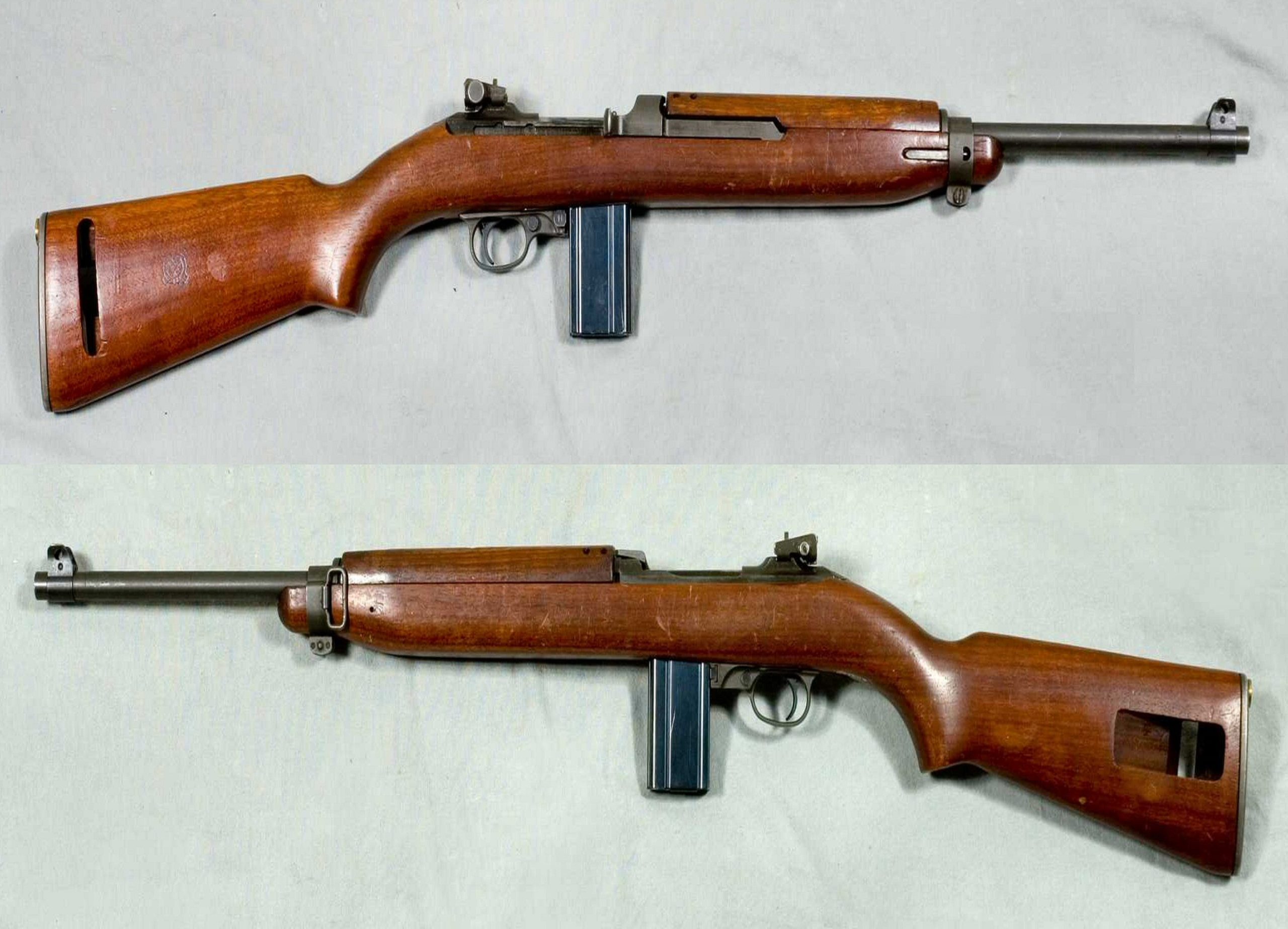
The M1 Carbine did not disappear when World War II ended in 1945. U.S. forces continued using it during the Korean War, and carbines were also supplied to allied nations through military assistance programs. Its low weight made it useful for troops in varied roles, although the .30 Carbine cartridge had limitations compared with full-power rifle ammunition. The firearm’s long service life reflects both the huge wartime stockpile and the practical value of a compact military arm. Many examples later entered civilian collections, preserving a link to mid-century history.
9. Its Design Encouraged Further Variants
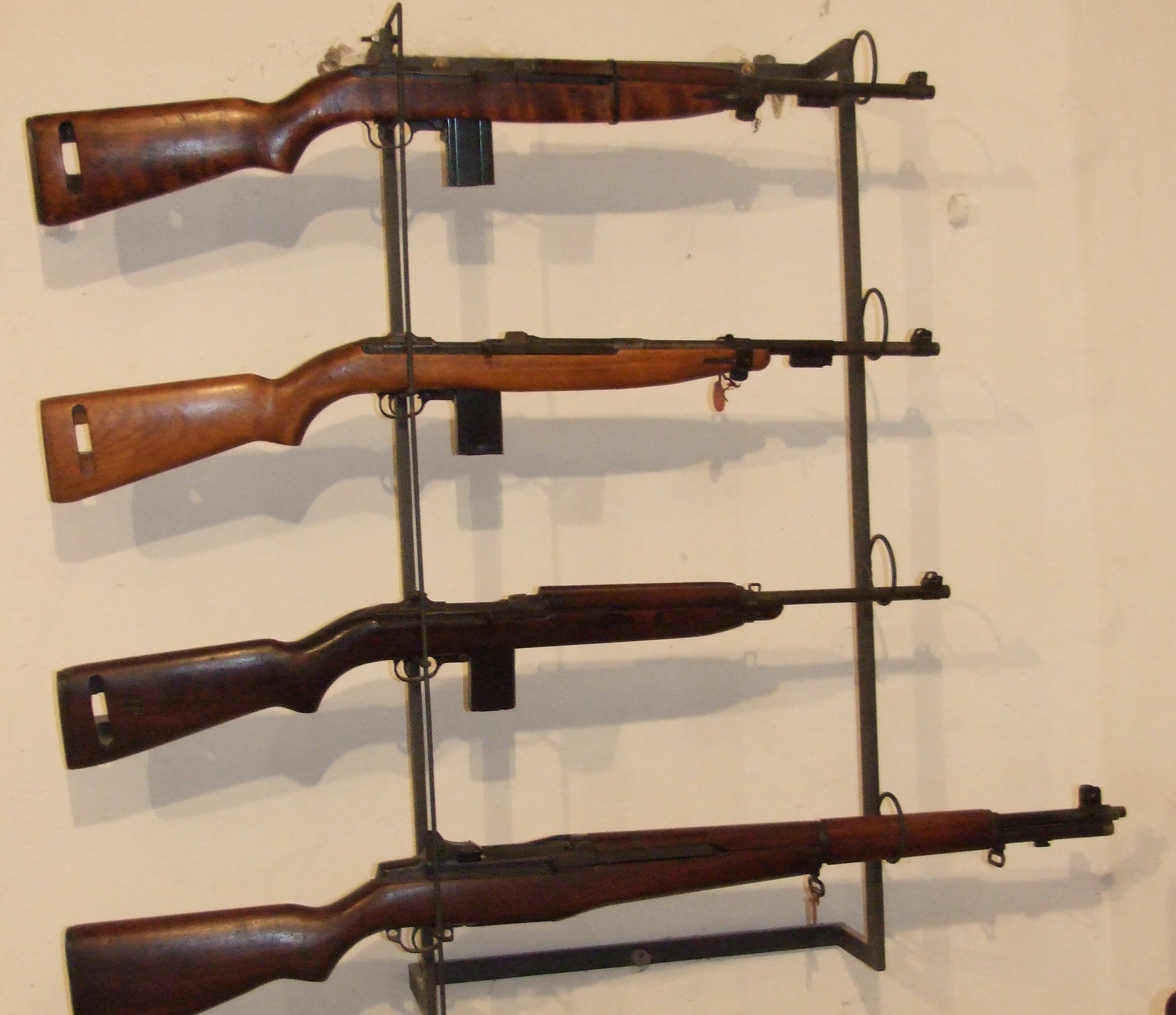
The original M1 Carbine design led to several military variants and later commercial interpretations. The M1A1 used a folding metal stock intended for airborne troops, making it easier to carry in cramped transport and during parachute operations. The M2 added selective fire, while the M3 was adapted for infrared night-vision equipment. These models served different purposes but built on the carbine’s compact action and basic layout. Their differences explain why collectors examine model markings, stock styles, and production history rather than treating every carbine as identical.
10. Its Legacy Is Larger Than Its Battlefield Role
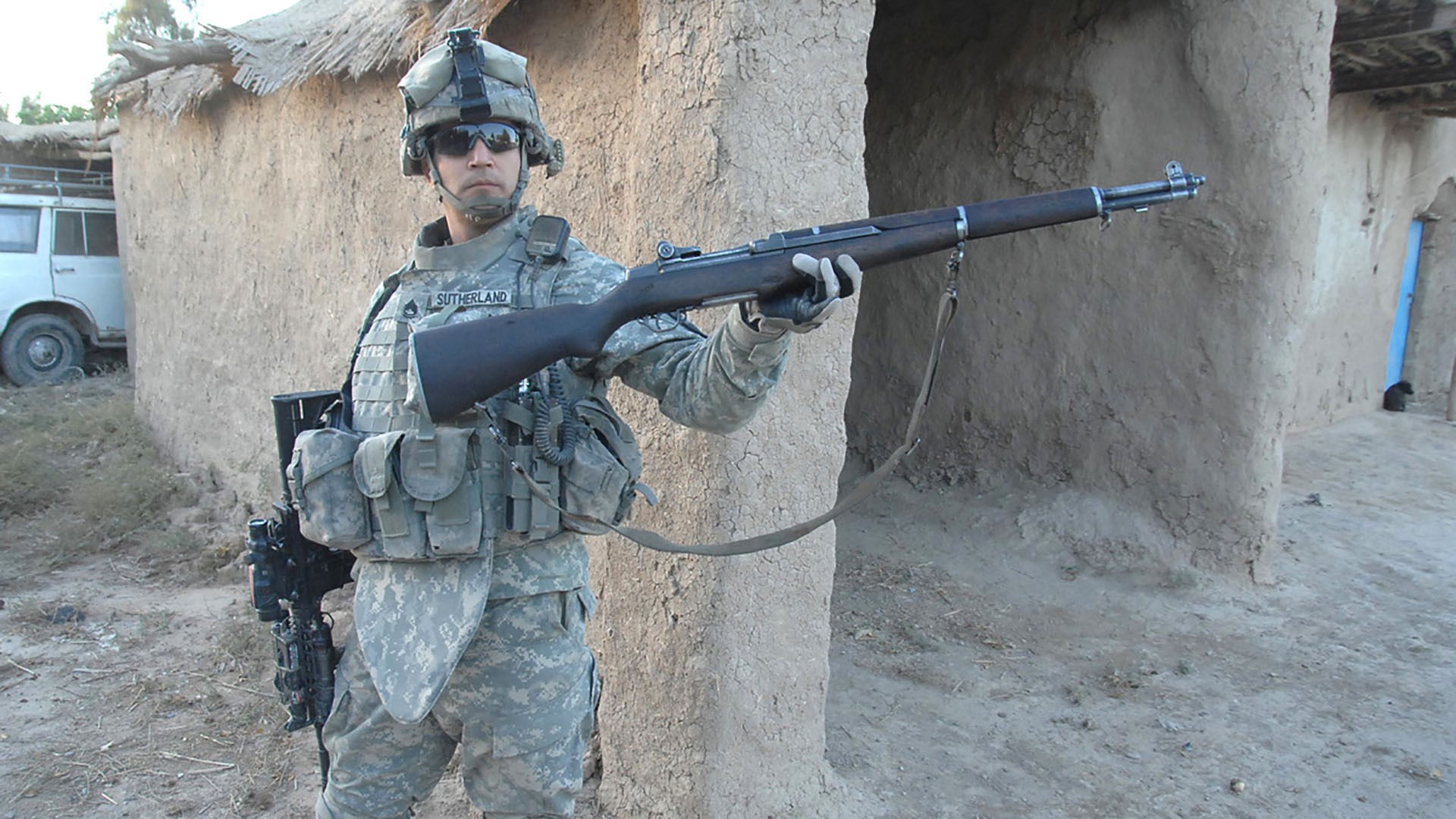
The M1 Carbine remains recognizable because it combined a distinctive silhouette with a major wartime production story. More than 6 million were manufactured during World War II, and examples remained in military service for decades afterward. Today, collectors value differences among manufacturers, military variants, and original components, while museums use the carbine to explain the needs of support troops in the 1940s. It was designed as a lightweight personal firearm, not as a substitute for every full-power rifle. That focused purpose is central to its lasting legacy.