Wildlife ranges are not fixed. Changes in habitat, food availability, climate, development, conservation, and natural dispersal can all push animals into areas where hunters once rarely encountered them. Some species are expanding steadily, while others are appearing only occasionally outside their traditional range. Here are 10 animals whose changing distribution is giving hunters and wildlife watchers some unexpected encounters.
1. Nine-Banded Armadillos
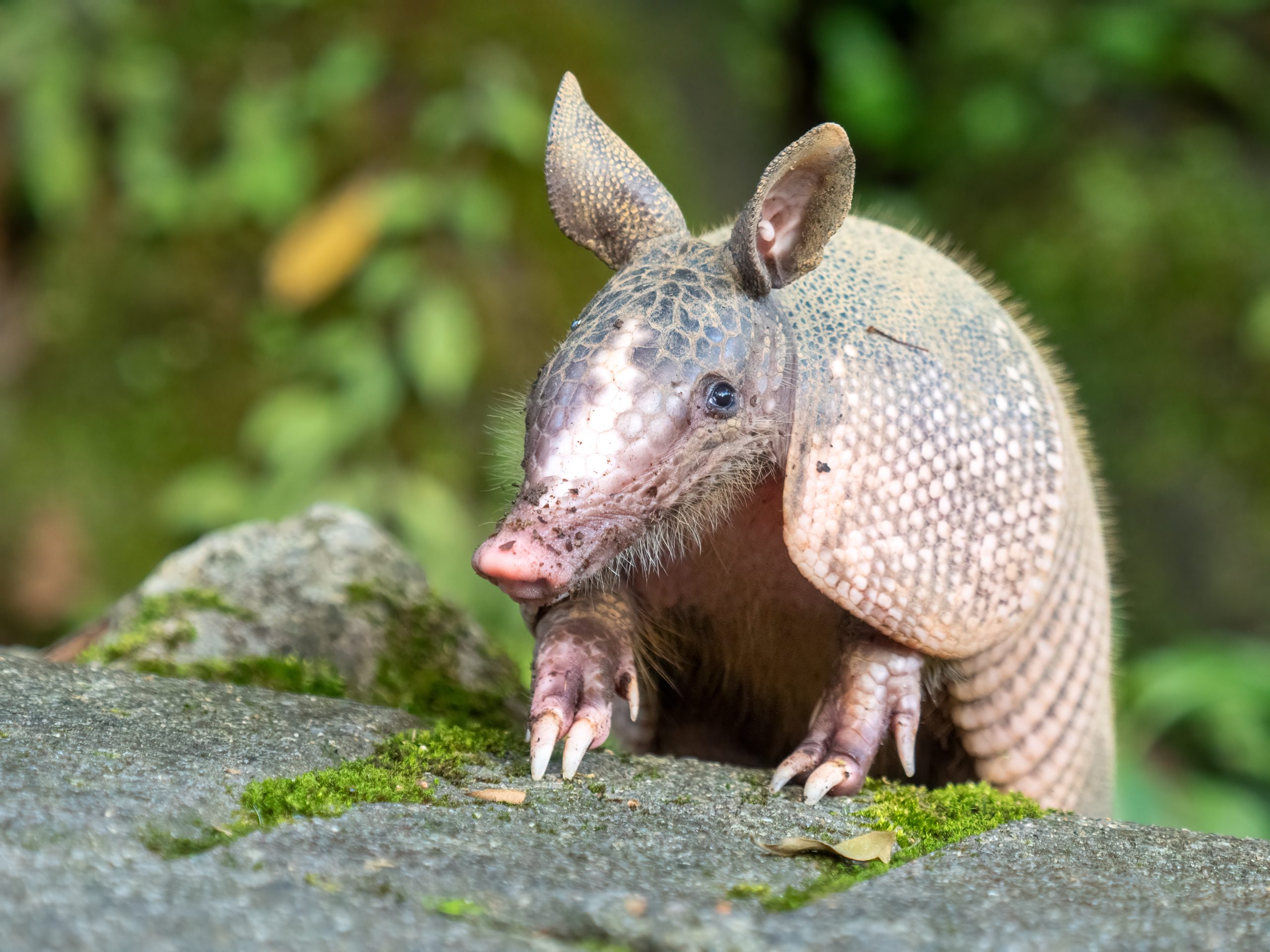
Nine-banded armadillos were once associated mainly with the southern United States, but their range has steadily moved northward. The National Park Service notes that they can now be found as far north as Illinois. Their expansion is particularly noticeable because their armored bodies and digging behavior make them easy to recognize when they appear in unfamiliar hunting areas. Warmer conditions, abundant food, and their ability to use disturbed landscapes have helped them establish themselves beyond their traditional range.
2. Coyotes
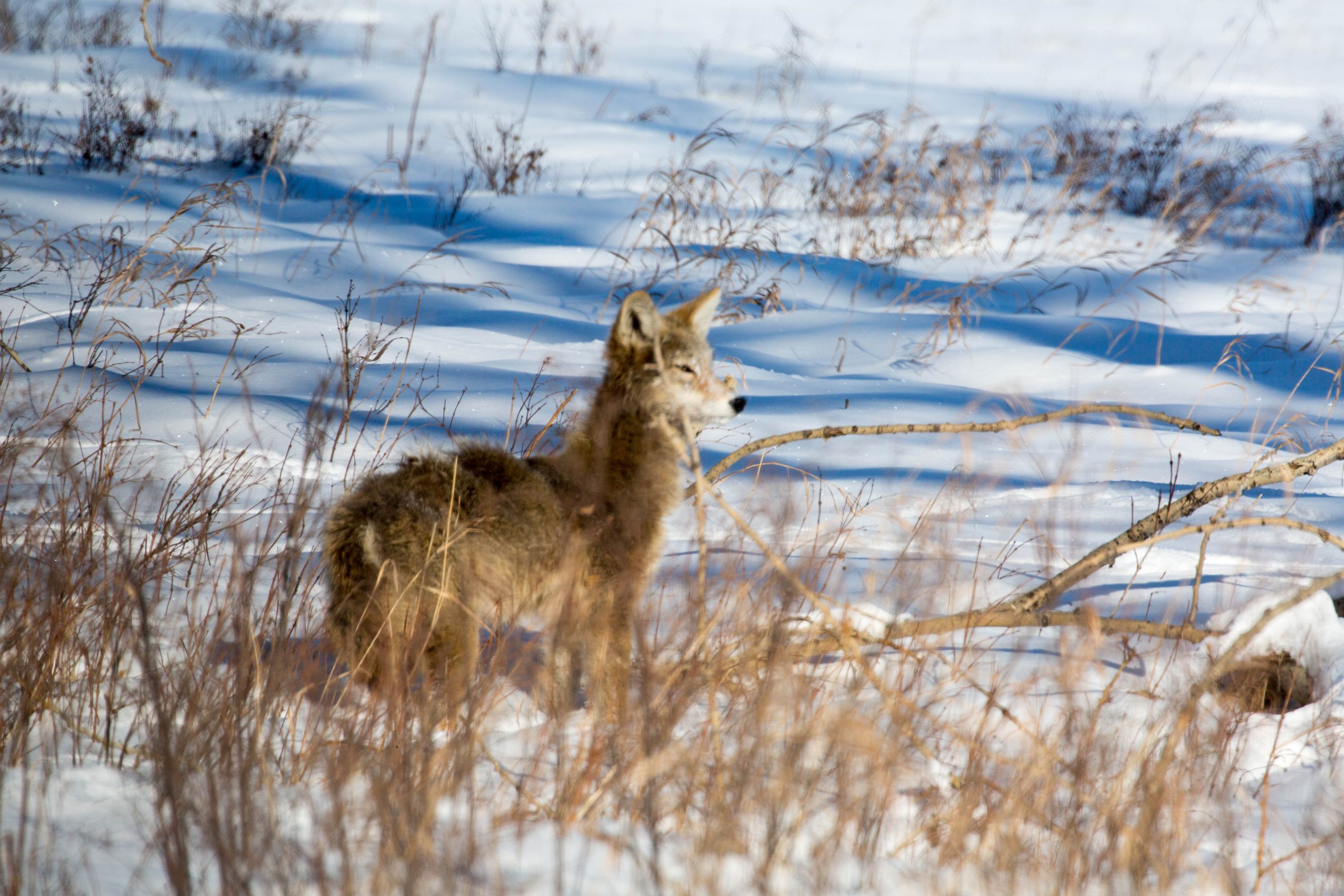
Coyotes are among the clearest examples of a predator adapting to new territory. Historically associated with the central and western parts of North America, they have expanded across the continent and now occur in virtually every U.S. state except Hawaii. Their adaptability allows them to use forests, farmland, mountains, suburbs, and even increasingly northern environments. Hunters who once rarely encountered coyotes in certain regions may now find tracks, trail-camera images, or animals themselves in those same areas.
3. Moose
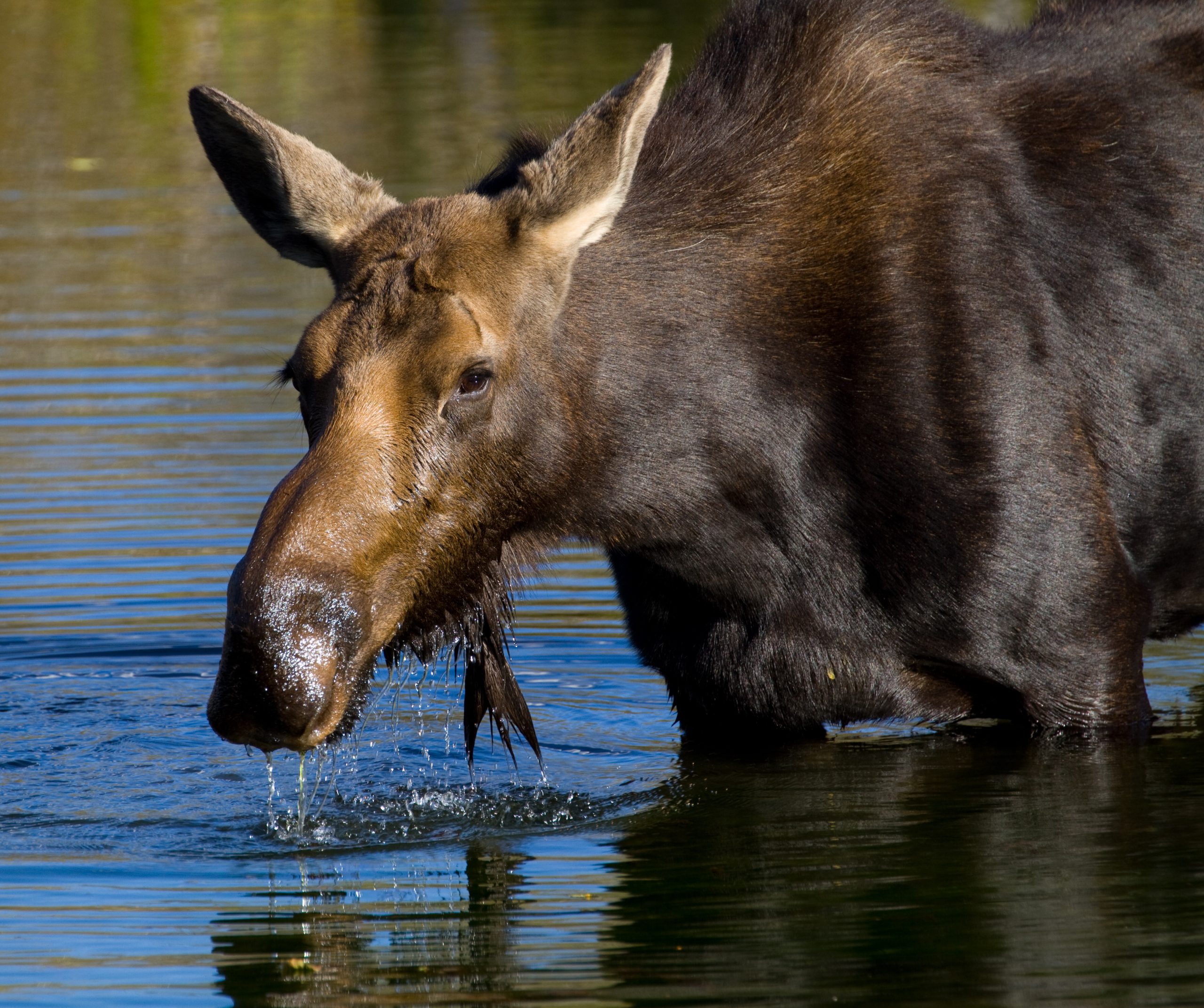
Moose are also showing changes in where they are found. In Washington, for example, moose were once considered rare, but populations expanded from the Selkirk Mountains into the Okanogan, Blue Mountains, and Columbia Basin. In parts of northern Minnesota, meanwhile, warmer conditions and changing habitat are affecting where moose can thrive. Their movements demonstrate how large game animals can gradually occupy landscapes outside the areas where hunters traditionally expected to find them.
4. Grizzly Bears
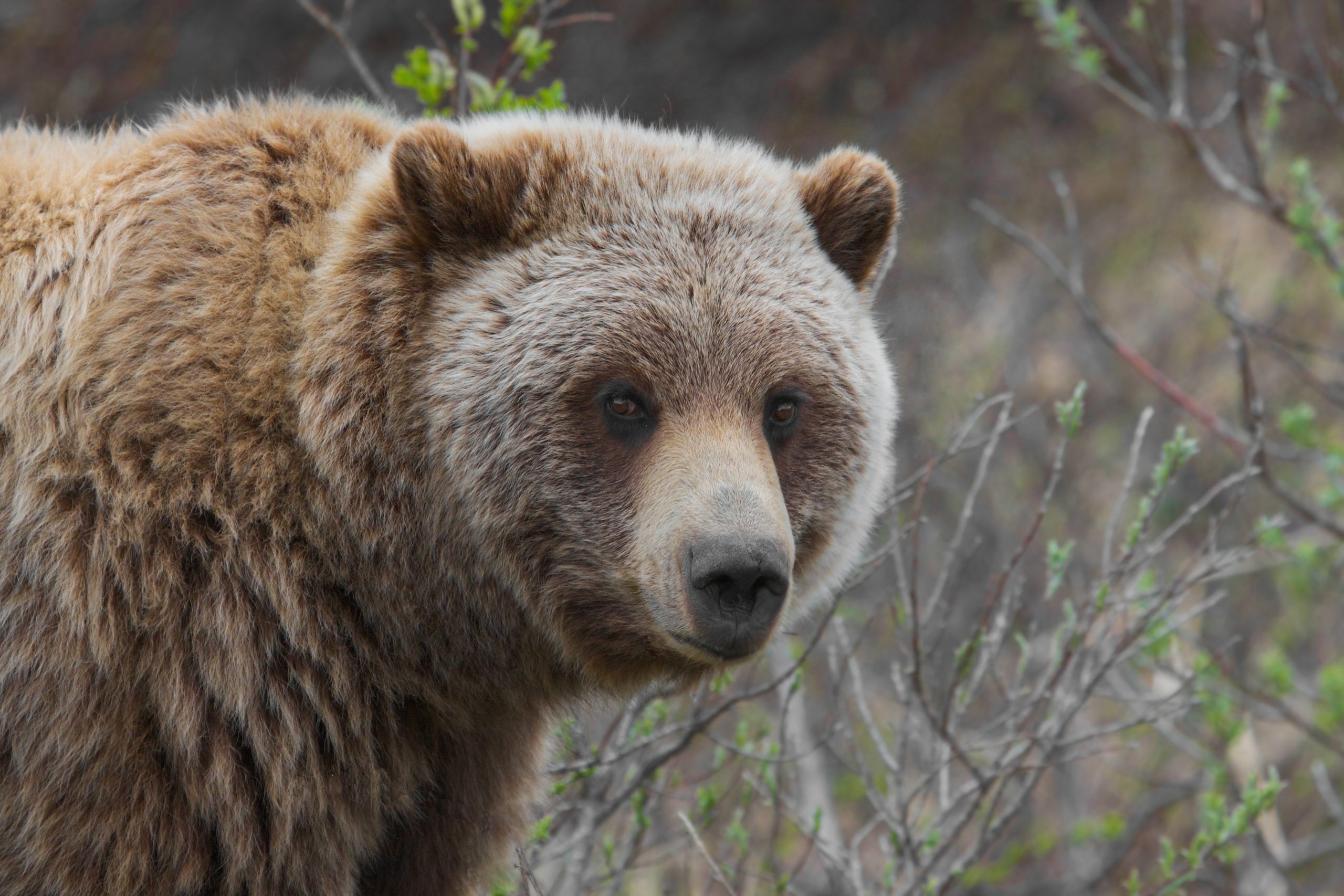
Grizzly bears have experienced major changes in their distribution since European settlement. After being eliminated from much of their former range in the lower 48 states, recovering populations have expanded and individual bears have been documented moving between established ecosystems. The U.S. Fish and Wildlife Service notes that grizzlies can establish home ranges outside designated recovery zones, making sightings possible in areas where they were historically uncommon or absent for generations.
5. White-Tailed Deer
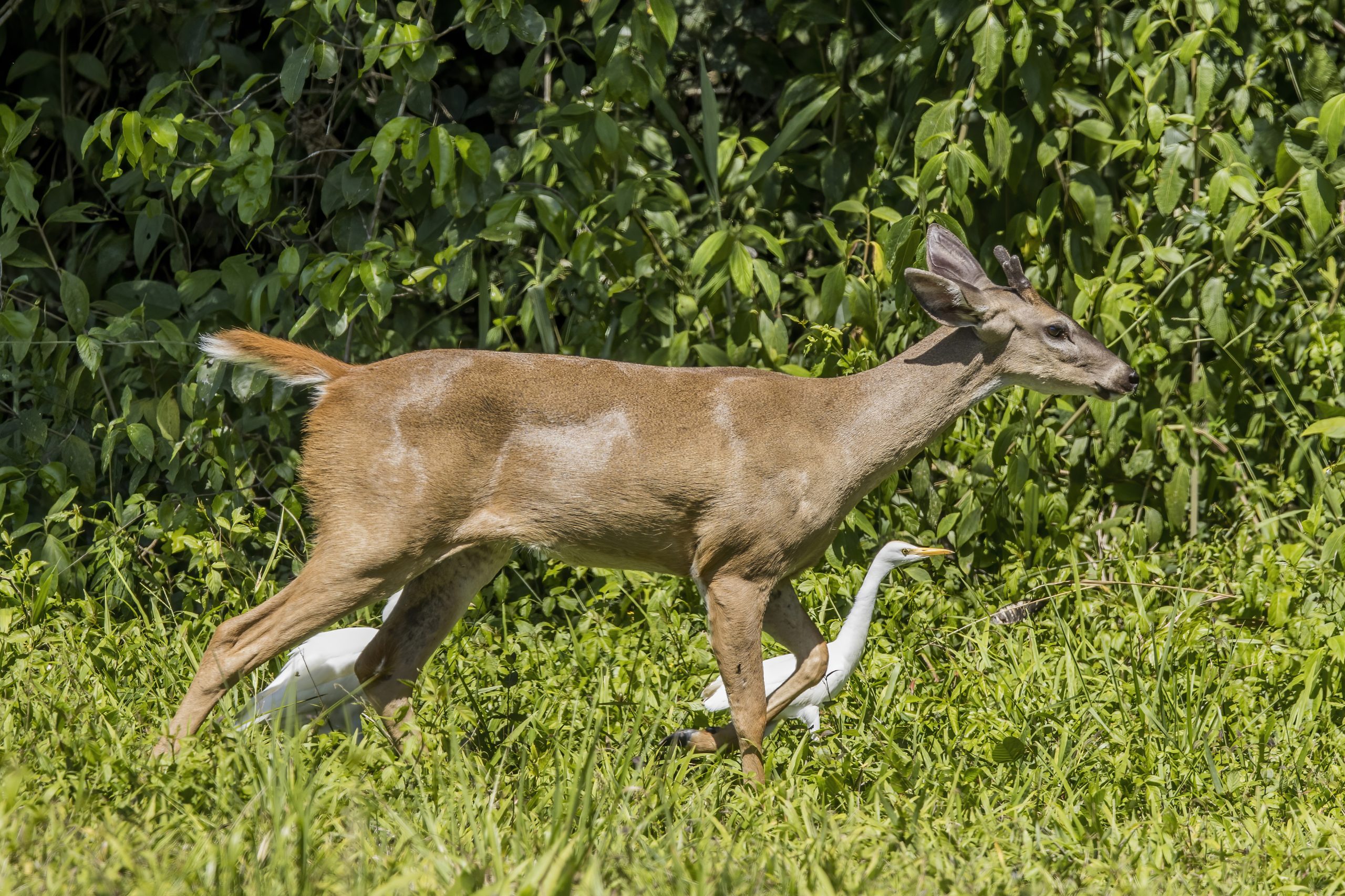
White-tailed deer have expanded into or become increasingly common in habitats where hunters once expected different wildlife communities. In northern Minnesota, the U.S. Fish and Wildlife Service reports that growing deer numbers are moving into habitat previously occupied by moose. This matters because deer can also carry ticks and introduce additional ecological pressure. For hunters, the appearance of abundant deer in unfamiliar northern habitats is an example of how changing conditions can reshape traditional game distributions.
6. Elk
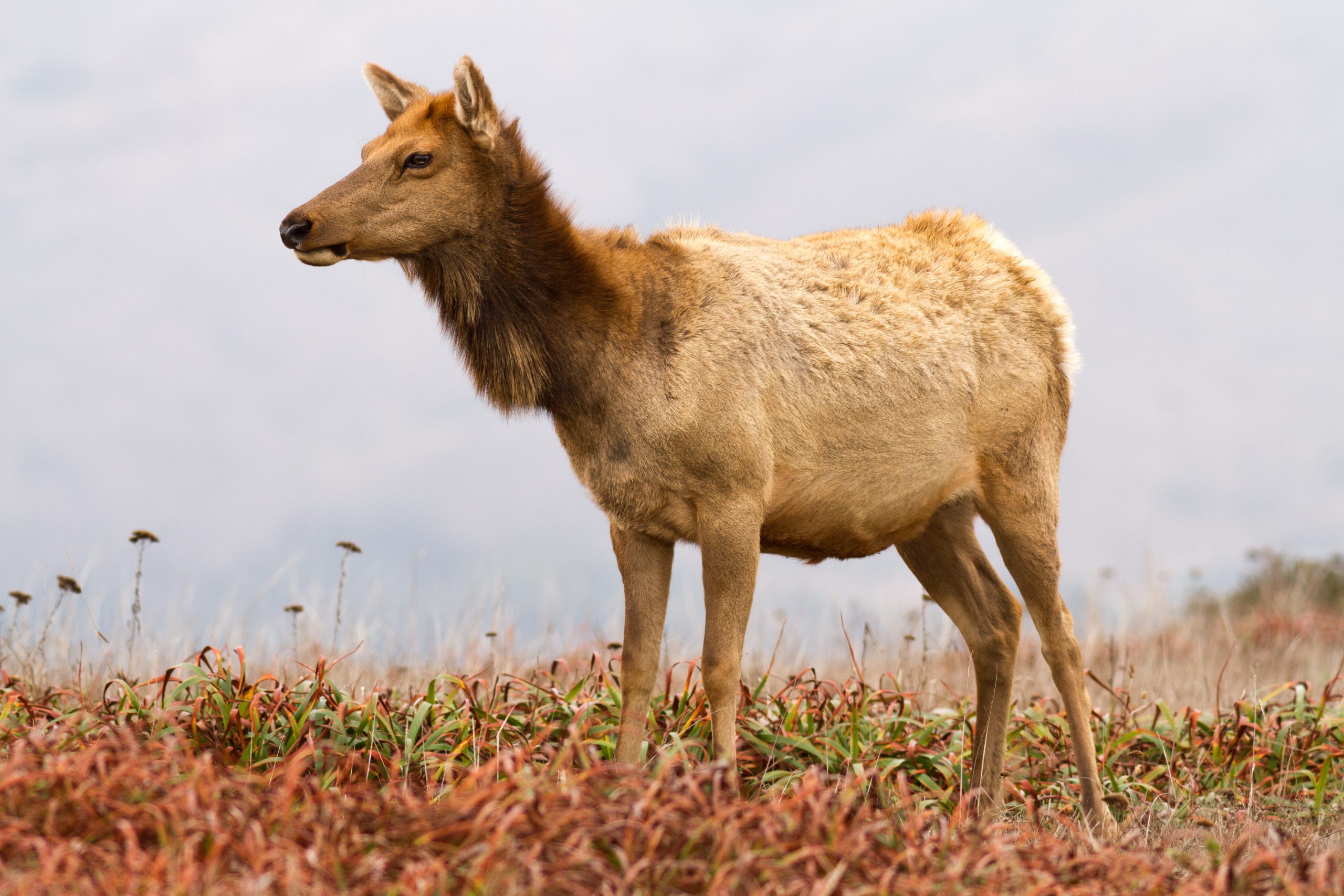
Elk naturally travel long distances between seasonal ranges, but development and changing landscapes can alter where those movements occur. Wildlife corridors now play an important role in keeping migration routes open. The U.S. Fish and Wildlife Service reports that elk may travel hundreds of miles between winter and summer habitat, while conservation projects are restoring corridors and reducing barriers across western states. As these routes change or become better connected, hunters may encounter elk in places that were not part of their traditional expectations.
7. Pronghorn
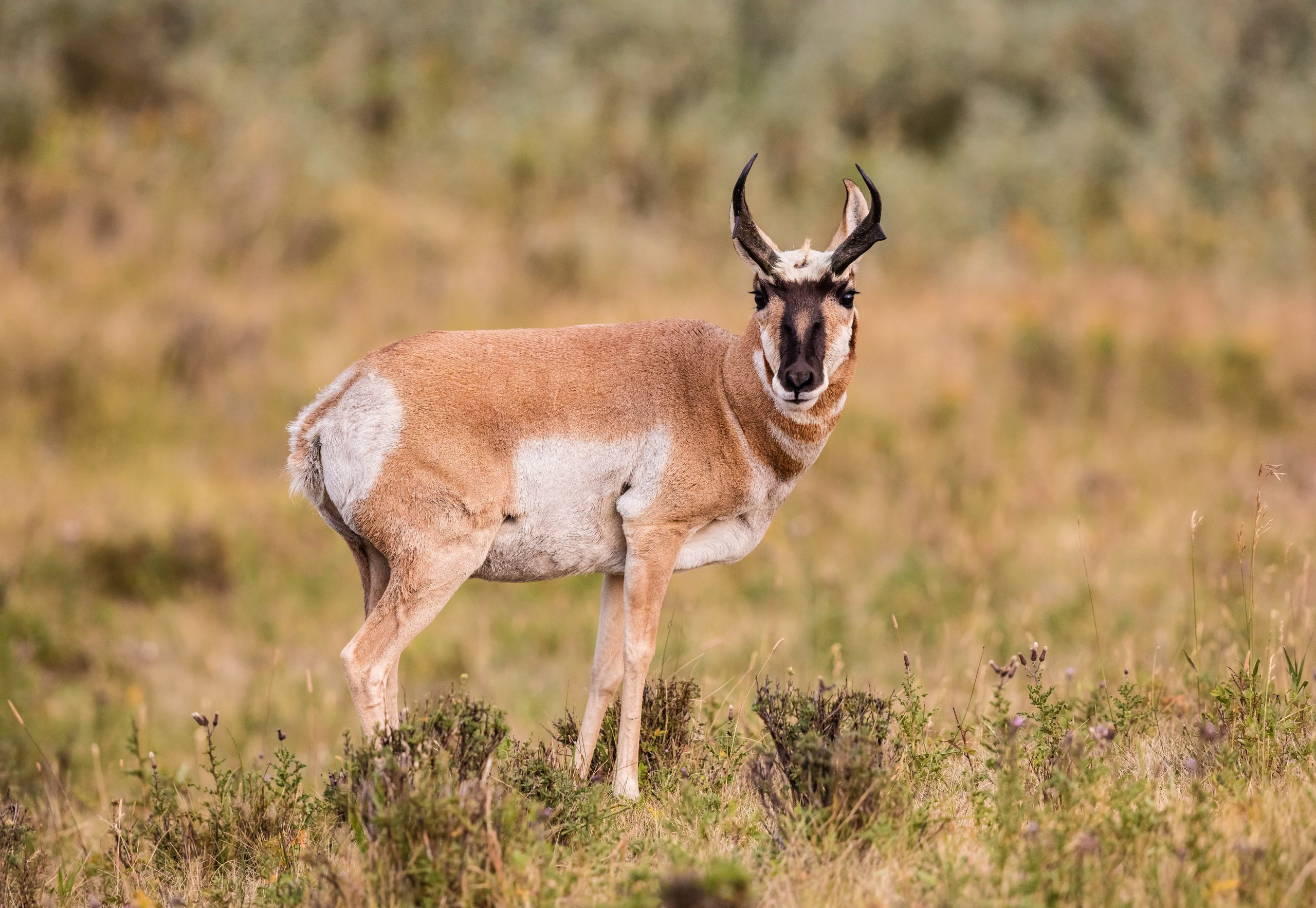
Pronghorn are strongly tied to seasonal movements across open western landscapes. Some populations travel remarkable distances, including a documented migration of roughly 150 miles each way in Wyoming. Roads, fences, development, and habitat changes can influence these routes, sometimes pushing animals toward different travel corridors. For hunters, that can mean familiar pronghorn movements do not always remain identical from one generation to the next. Wildlife agencies increasingly focus on keeping these migration pathways connected.
8. Roseate Spoonbills
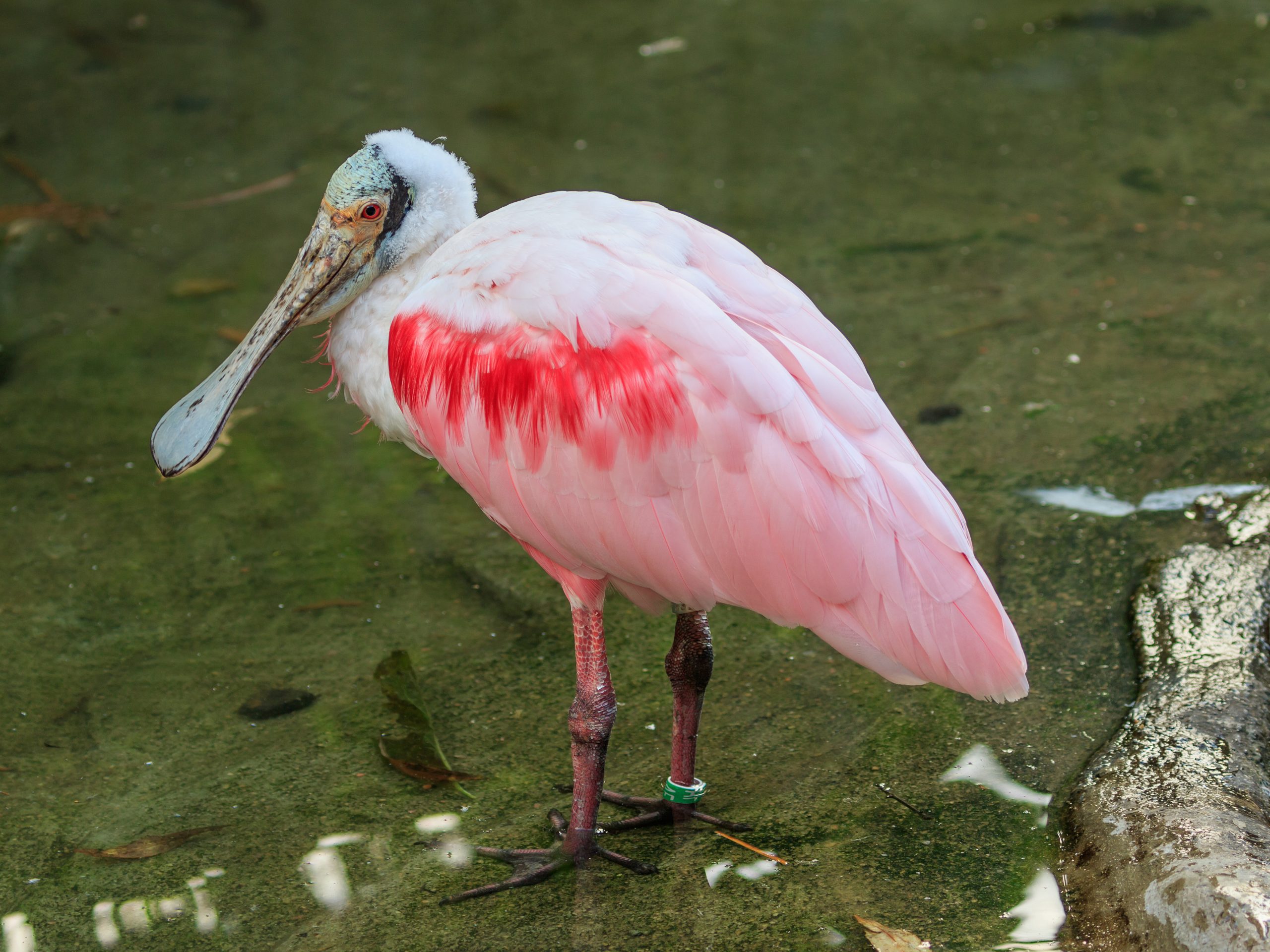
Roseate spoonbills are a striking example of a bird appearing farther north than many people expect. The U.S. Fish and Wildlife Service reports that these birds, generally associated with Florida, the Gulf Coast, and areas farther south, are now regularly spotted in South Carolina. Although they are not a conventional game animal for most hunters, their changing distribution illustrates how wildlife sightings can shift when temperature, habitat, and food conditions change across regions.
9. Pikas
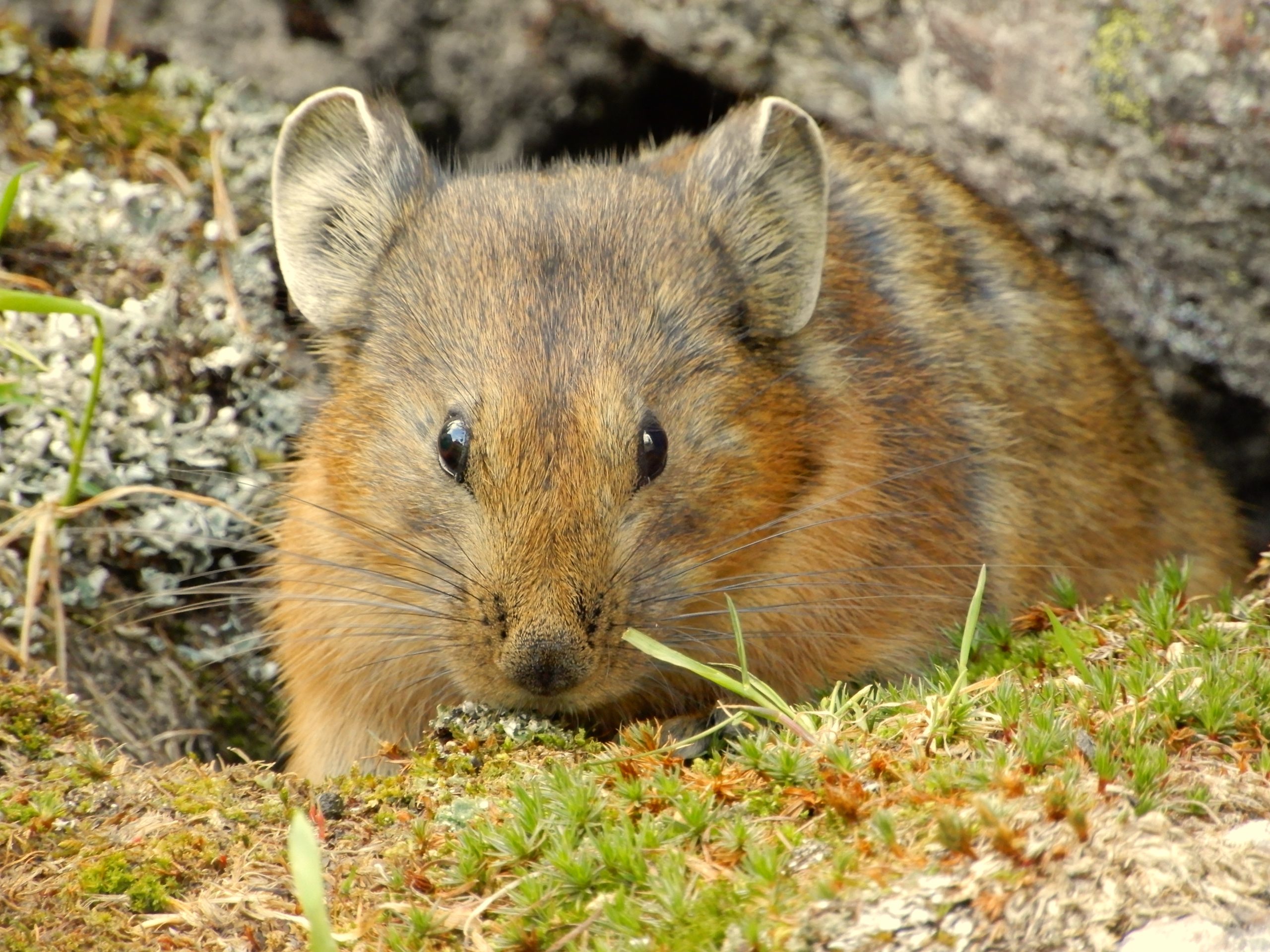
Pikas are usually associated with cool, high-elevation environments, but warming conditions are pushing some populations toward higher ground. The U.S. Fish and Wildlife Service has documented small mammals such as pikas moving upward in mountainous areas to escape heat. Unlike adaptable species such as coyotes, pikas have limited room to keep moving because they already occupy high elevations. Their changing distribution shows that unusual wildlife sightings can sometimes reflect animals searching for suitable habitat rather than simply expanding into new territory.
10. Red Foxes
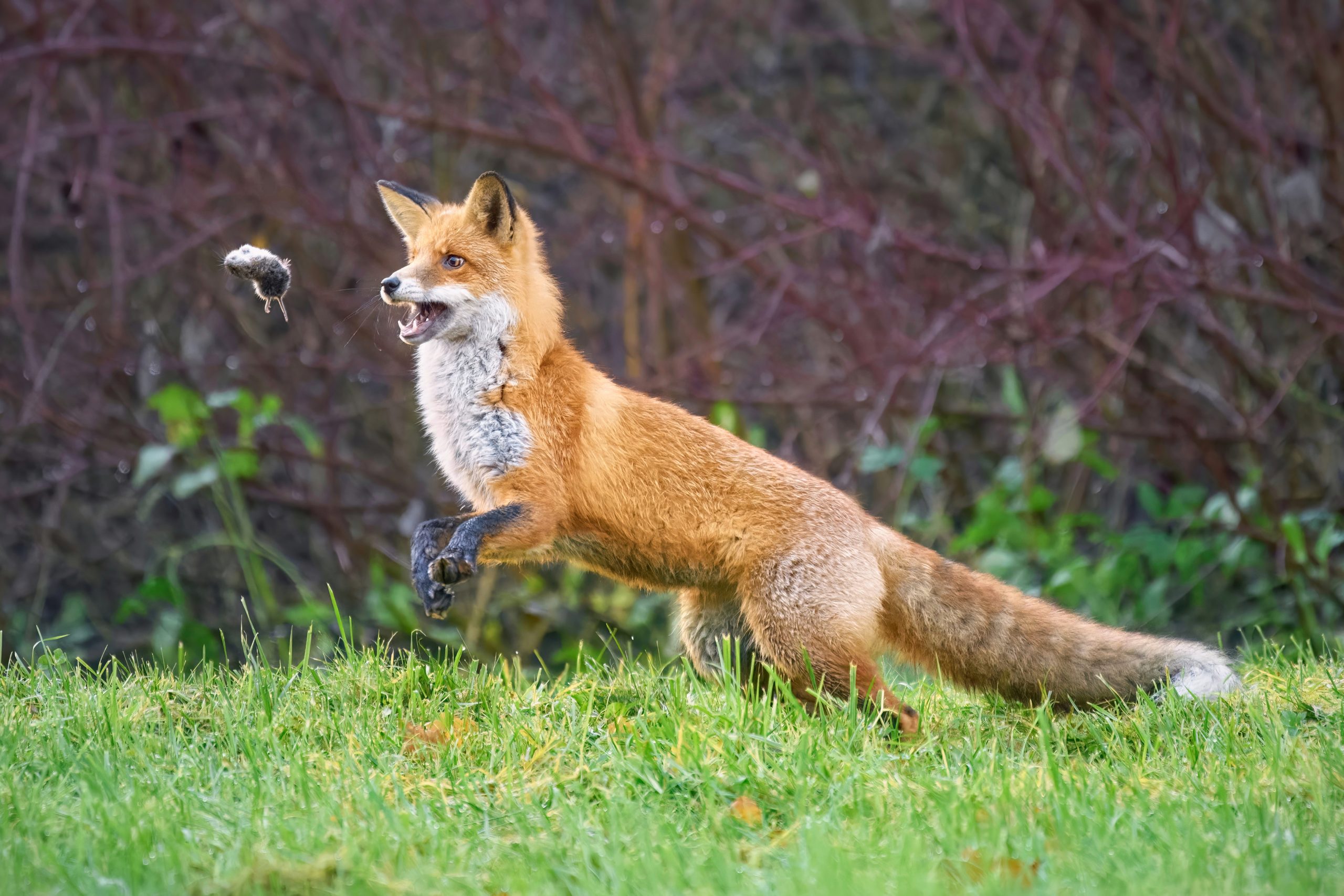
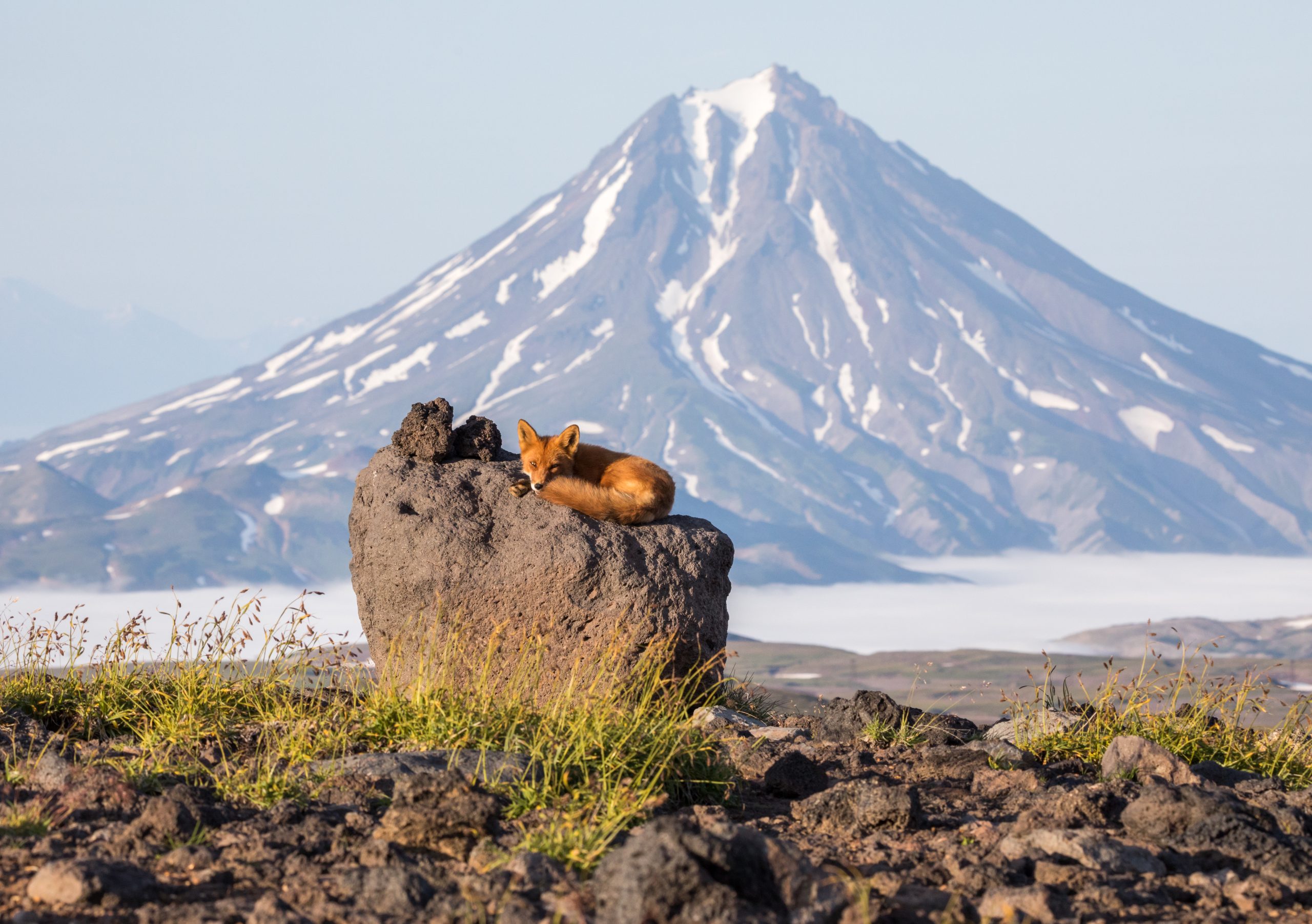
Red foxes are highly adaptable and can occupy a wide variety of habitats, including areas altered by people. Their presence alongside other expanding carnivores shows how changing landscapes can create new opportunities for wildlife. In Alaska’s Denali region, for example, red foxes occur alongside coyotes, while coyotes themselves arrived in the area only in the 1920s. These shifts demonstrate that even northern predator communities can change considerably over relatively short periods.