Some rifles get traded constantly. Tikka T3s usually end up staying in the safe for one simple reason: they keep proving their worth.
They shoot better than their price suggests

The first reason owners hang on to a Tikka T3 is accuracy. Tikka built its reputation on rifles that routinely shoot well without requiring expensive gunsmithing, and that matters more than flashy features ever will.
Gun Digest has noted that Tikka’s sporter-barrel rifles have long been associated with a 1-MOA accuracy standard, while reviewers at Field & Stream and Outdoor Life keep describing current T3x models as tack-drivers. In 2026, Field & Stream named the Tikka T3x Lite Roughtech its best overall rifle, praising its precision, value, and flawless performance.
That kind of consistency changes buyer behavior. When a rifle repeatedly prints sub-MOA groups with factory ammunition, owners stop wondering what else is out there and start trusting what they already have.
The action feels unusually refined
A lot of loyalty comes from the way a Tikka runs. The T3 and T3x use a two-lug bolt with a 70° throw, and that shorter lift helps keep the scope clear while making the rifle feel fast and slick in real use.
Writers who test a lot of factory rifles mention this over and over. Gun Digest called it one of the smoothest actions on the market, and recent Field & Stream testing praised the action as top-notch while also highlighting the Sako-style extractor and flawless cycling.
That matters in hunting season, when cold hands, awkward shooting angles, and stress expose rough designs. A rifle that feeds cleanly and closes easily becomes familiar fast, and familiar rifles rarely get sold.
They are built as practical hunting tools
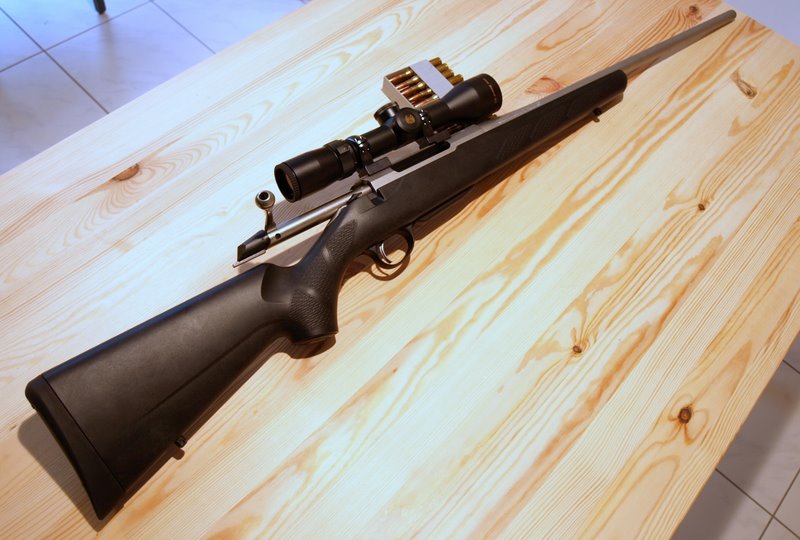
Tikka owners also tend to be practical people. They like rifles that are light enough to carry, simple enough to maintain, and sturdy enough to survive a few hard seasons without drama.
The T3x update, introduced in 2016, added meaningful improvements instead of gimmicks. Field & Stream highlighted the enlarged loading port, metal bolt shroud, and replaceable grip, while Beretta’s T3x materials describe cold-hammer-forged barrels, free-floated construction, and a stock designed to be light but robust.
In other words, these rifles are made to be used. Once an owner sees that a Tikka can ride in a truck, get dragged through bad weather, and still hold zero, selling it starts to feel like giving up a dependable tool.
The trigger wins people over quickly
Factory triggers often force owners into immediate upgrades. Tikkas usually do the opposite. Their single-stage trigger has a strong reputation for being crisp, predictable, and genuinely usable straight from the box.
Gun Digest reported the trigger is user-adjustable from roughly 2 to 4 pounds, and Field & Stream recently measured a T3x Roughtech trigger breaking consistently at 2.75 pounds. Outdoor Life has made similar observations in its T3x UPR testing, where the trigger quality helped support impressive practical accuracy.
That kind of trigger feel builds confidence. When the break is clean and repeatable, shooters blame themselves less, shoot better more often, and become much less interested in replacing the rifle that taught them to trust their shot.
Owners can grow with the rifle instead of replacing it
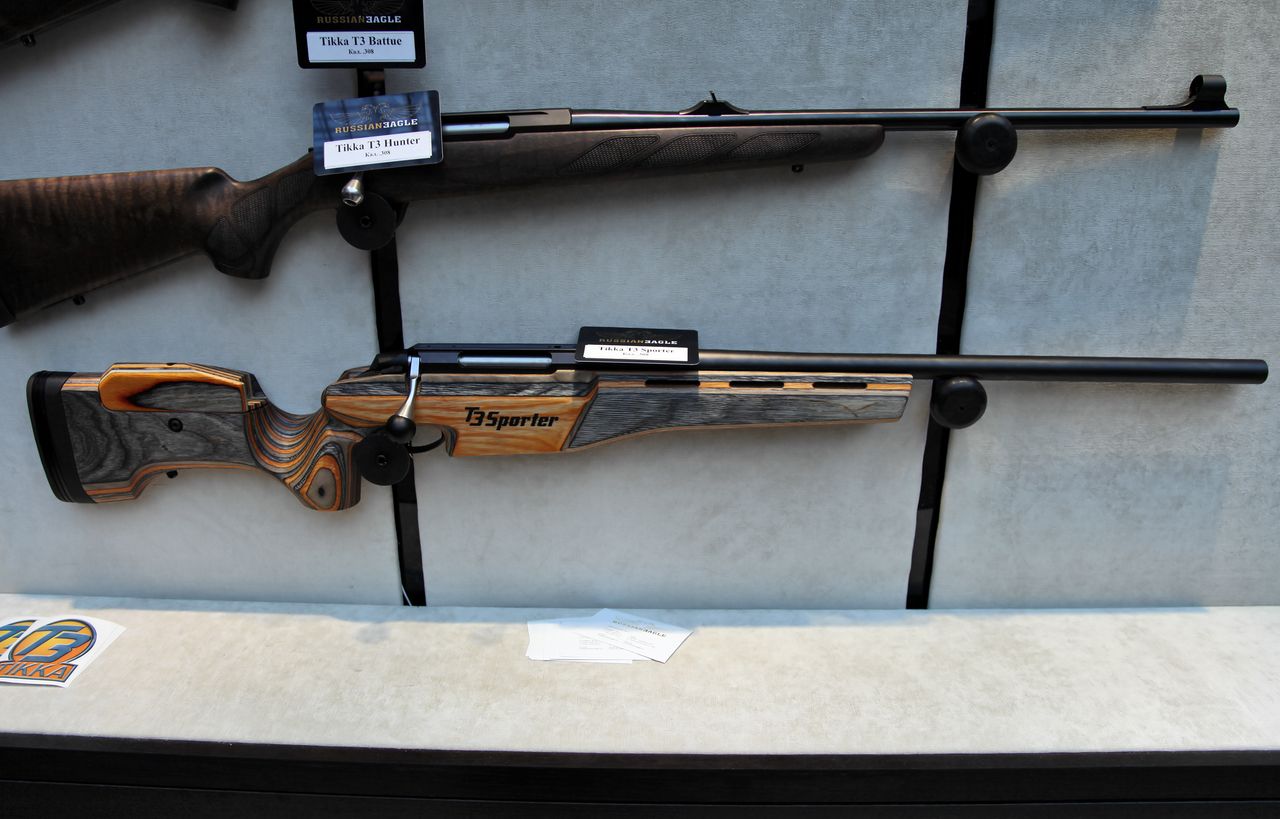
Another big reason Tikka T3 owners rarely sell is that the platform grows with them. A new hunter can leave one stock, while a more experienced shooter can swap stocks, rails, bottom metal, bolt handles, and barrels later.
Gun Digest pointed out that the T3 and T3x have become popular customization platforms, and Outdoor Life has documented how even heavily upgraded Tikka-based rifles still lean on the accuracy and sound design of the original action. That keeps the rifle relevant as needs change.
So instead of selling a Tikka to move up, many owners simply improve the one they already own. That upgrade path turns a factory rifle into a long-term project, which creates attachment that resale listings rarely overcome.
Trust is what finally keeps them in the safe
In the end, the strongest reason is trust. Hunters and shooters keep rifles that have delivered clean kills, rough-weather reliability, and range sessions without surprises, and Tikkas have earned that kind of reputation across years of testing and field use.
Outdoor Life has called the T3x a safe bet in a market where factory lemons still exist, and mountain hunting coverage there has described the T3 series as having a cult-like following because of affordability, accuracy, and dependability. That is exactly the profile of a rifle people keep.
A Tikka T3 is rarely somebody’s most dramatic purchase. It is more often the rifle that quietly works so well, for so long, that selling it never feels like an upgrade at all.