
Some rifles earn respect at the gun counter. The Remington 788 earned it on the loading bench and at the target line.
It Was Supposed to Be Cheap, Not Famous

When Remington introduced the 788 in 1967, it was meant to be an affordable bolt gun, not a prestige rifle. Remington kept it plain with a birch stock, detachable box magazine, and a no-frills finish, and production ran until 1983. According to the Remington Society and American Rifleman, that modest rifle still built a reputation for shooting far better than its price suggested.
That origin story matters to handloaders. Budget rifles are usually judged by compromise, but the 788 became known for overdelivering. RifleShooter has noted that the design punched well above its weight class, which is exactly the kind of rifle reloaders love to experiment with.
The cult following started there. Shooters bought it because it was affordable, then kept it because it printed groups that embarrassed more expensive rifles. Once that happens, a rifle is no longer just a tool. It becomes a project, a favorite, and eventually a legend.
The Action Was Unusual, and Surprisingly Good

A big part of the 788 mystique is its action. Instead of the front locking arrangement many shooters expect, the rifle used nine rear locking lugs and a short 60-degree bolt lift. That setup looked unconventional, but in practice it gave the rifle fast cycling and a feel that many owners still remember instantly.
More importantly, the receiver was stout. RifleShooter specifically points to the thick-walled receiver as a major reason for the rifle’s accuracy, and also notes a spring-loaded guide that reduced bolt wobble. Those details are catnip for handloaders, because they suggest a platform that behaves consistently from shot to shot.
Handloaders obsess over repeatability. If a rifle locks up the same way every time, has a decent trigger, and does not fight the shooter during development, it earns trust. The 788 built that trust the old-fashioned way, one surprisingly small group at a time.
It Rewards Careful Load Development
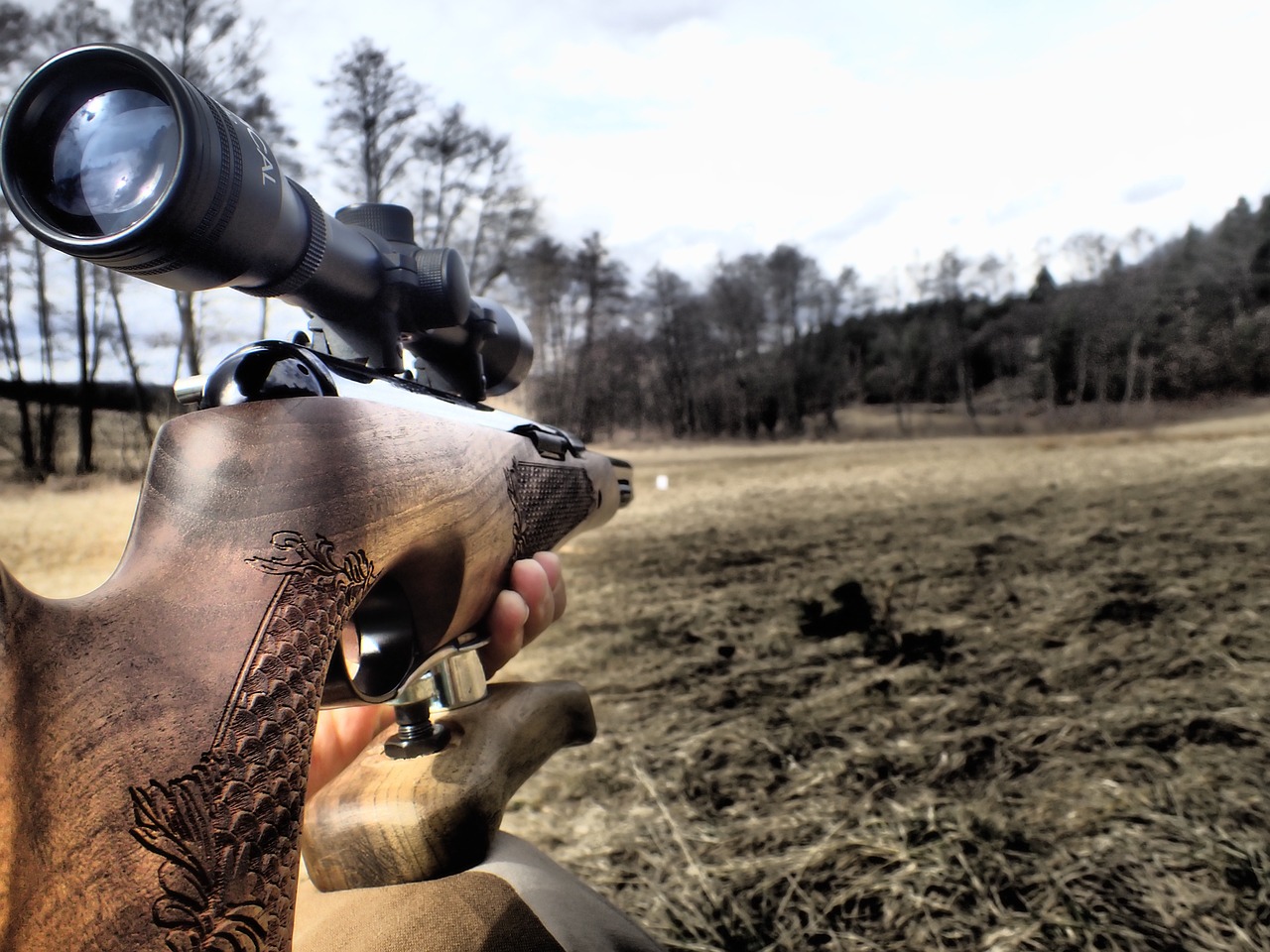
This is where the 788 really became a handloader’s rifle. Plenty of factory guns shoot acceptably with off-the-shelf ammunition, but the 788 gained fame for tightening up even more when owners tailored loads to the chamber, barrel, and cartridge. That kind of response creates loyalty fast, especially among reloaders who enjoy the process as much as the result.
A rifle like this encourages experimentation with bullet weights, seating depth, and powder selection. Because the 788 already had a reputation for honest mechanical accuracy, load changes were easier to read on paper. When a handloader sees clear feedback instead of random dispersion, the rifle becomes an excellent teacher.
That is why owners talk about them with unusual affection. They are not describing luxury. They are describing a rifle that seems to cooperate, and handloaders always remember the rifles that make their bench work look smart.
The Cartridge Choices Helped Build the Legend
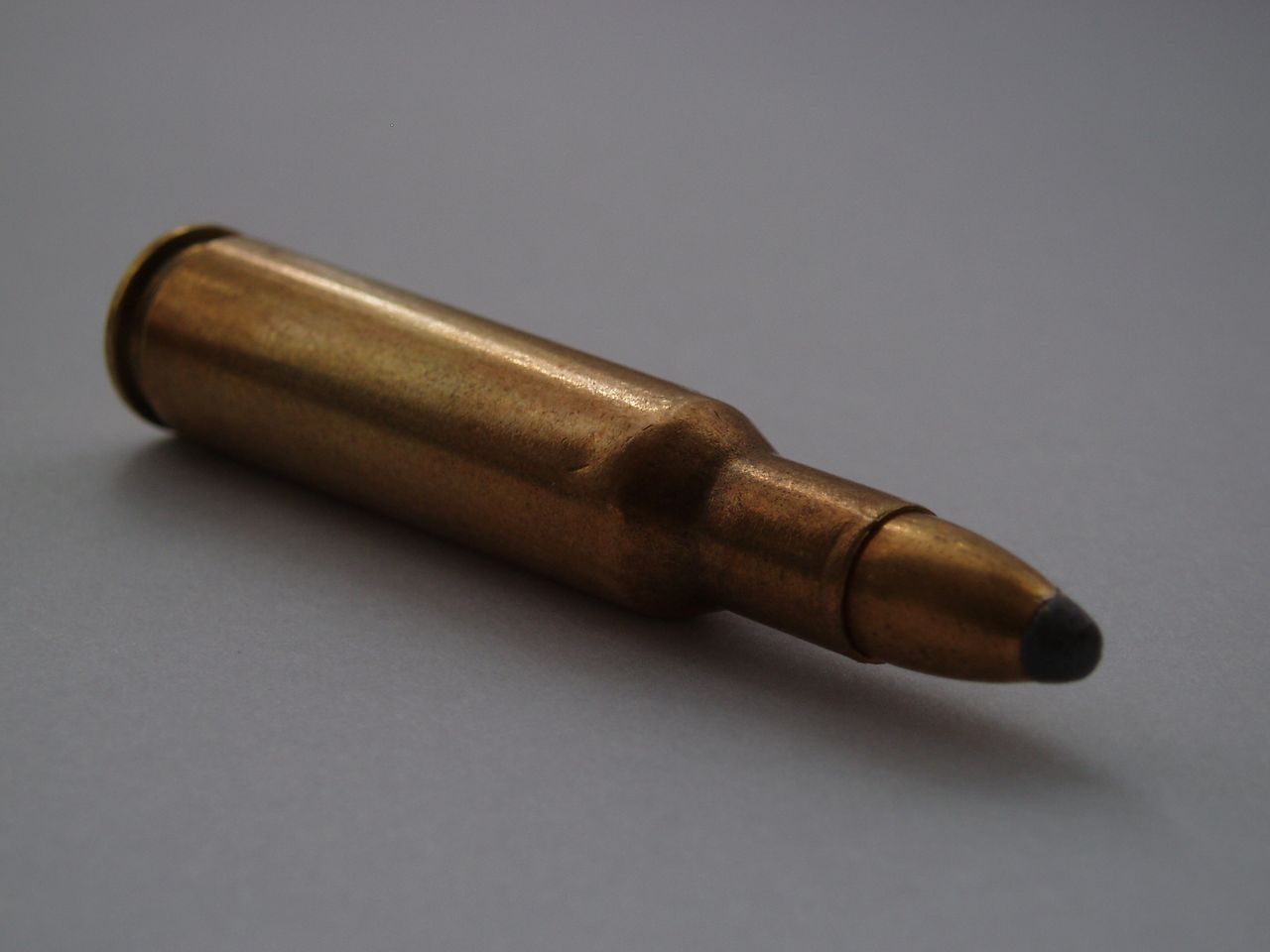
The 788 was offered in practical chamberings that made sense for reloaders and hunters alike. Over the years, examples appeared in cartridges such as .222 Remington, .22-250 Remington, .243 Winchester, 6mm Remington, .308 Winchester, .30-30 Winchester, .44 Magnum, and later 7 mm-08 Remington. That spread gave handloaders room to chase varmints, deer, and pure target accuracy with the same basic platform.
Some chamberings became especially beloved. The .222 and .22-250 versions appealed to varmint shooters who valued tiny groups, while .243 and .308 owners found they had rifles capable of real field precision. Even the .30-30 version gained attention because, as RifleShooter recounted through period commentary, the 788 could make an old cartridge feel new again.
For handloaders, that variety matters. A rifle family becomes more interesting when it spans multiple roles and invites cartridge-specific tinkering. The 788 did exactly that.
Scarcity, Parts, and Reputation Keep the Flame Alive
The 788 is long out of production, and that always changes how shooters relate to a rifle. Once a model disappears, every clean example feels a little more special. Remington Society materials still point owners toward specialty parts and repair sources, which tells you something important: enough people still care to keep these rifles running.
That aftermarket support reinforces the cult status. Handloaders are often tinkerers by nature, and they do not mind a rifle that asks for a little attention. In fact, the need to source magazines, extractors, or small parts can make ownership feel more personal, almost like maintaining a favorite old truck.
Reputation also compounds over time. When older shooters tell younger ones that their plain old 788 still outshoots newer rifles, curiosity spreads. Then somebody buys one, develops a load, and the story starts over.
Why Handloaders Still Talk About It
The Remington 788 has a cult following because it sits at the sweet spot where design, affordability, and results all meet. It was never glamorous, but it gave reloaders something better than glamour. It gave them a rifle that often responded measurably to careful work at the bench.
That is the heart of the appeal. Handloaders do not just want a rifle that shoots well. They want one that reveals its preferences, rewards patience, and turns experimentation into tighter groups. By all credible accounts, the 788 did that often enough to become unforgettable.
In other words, the 788 did not become beloved because it was fancy. It became beloved because it made ordinary shooters feel like better riflemen and better handloaders, and very few factory rifles ever earn that kind of loyalty.